


When I picked up my first crochet hook three years ago, my hands felt clumsy and nothing looked right.
I wondered if maybe I wasn’t cut out for it.
But here’s what I learned after sticking with it: crocheting isn’t hard, it just feels awkward at first. Your hands need time to learn the movements and build muscle memory.
In this post, I’ll share what makes crocheting tough for beginners, what makes it surprisingly manageable, and how to avoid common mistakes that slowed me down.
I’ve taught several friends to crochet since then, so I know what trips people up and what helps.
If you’re wondering whether you can learn this skill, keep reading. I’ll give you the real story.
What Crocheting Is?
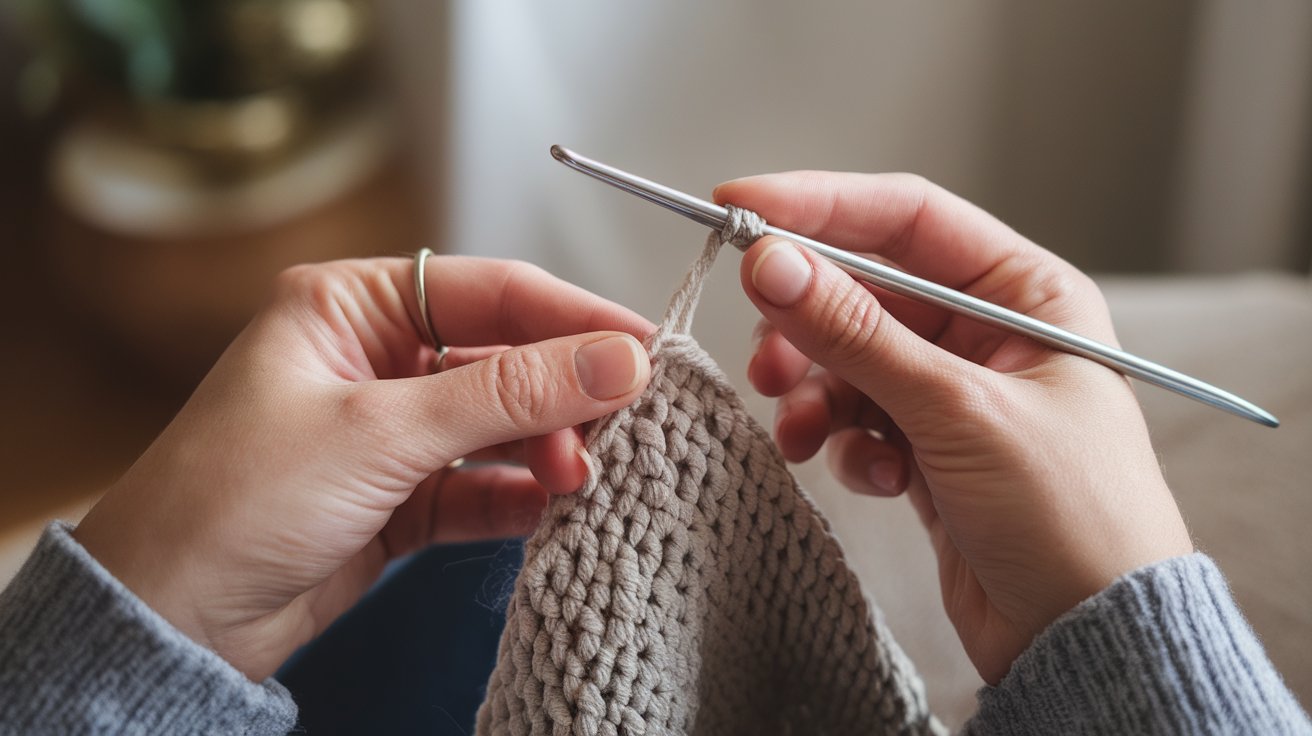
Crocheting is making fabric with yarn and a hook. You pull loops through other loops. That’s the whole thing.
You only need one tool, unlike knitting which uses two needles. People make blankets, scarves, hats, stuffed animals, and bags. I’ve even seen plant hangers and swimsuits.
The technique has been around forever, but don’t let that scare you. You’re not learning rocket science.
The Short Answer: Is Crocheting Hard?
No. Most people can make basic stitches in a couple hours. I mean actual stitches that hold together, not perfect ones.
The tricky part is building muscle memory. Your fingers need practice to remember what to do. Your tension needs work. Reading patterns feels like a foreign language at first.
But the basics? Straightforward. I learned my first stitch in 20 minutes from a YouTube video. Was I good? No. Could I do it? Yes.
What Makes Crocheting Difficult for Beginners
Let me be real about the hard parts.
Tension control is frustrating. You pull too tight and get stiff little stitches. You go too loose and everything looks floppy.
Your hands feel awkward. The hook feels strange. The yarn slips everywhere.
Counting stitches is harder than it sounds. You lose track. You miscount. Your rectangle mysteriously becomes a trapezoid.
Pattern abbreviations mean nothing to you. What’s “sc” or “dc” supposed to mean? Your brain has to translate everything.
The worst part? You can’t spot mistakes right away. By the time you notice something’s wrong, you’ve done five more rows.
What Makes Crocheting Easy
Here’s the good news.
You only learn one basic motion. Pull yarn through a loop. That’s it. Everything builds from there.
Unlike knitting, you can’t drop stitches and watch everything fall apart. If you mess up, you pull out that section and redo it. No big deal.
The tools are simple. One hook. Some yarn. Done. You can stop anytime without things falling apart. Working on a blanket but need to make dinner? Just set it down. Your stitches stay put.
Small mistakes blend in, especially with fuzzy yarn. My first scarf wasn’t perfect, but it looked like a scarf. That felt good.
Beginner Learning Curve Explained
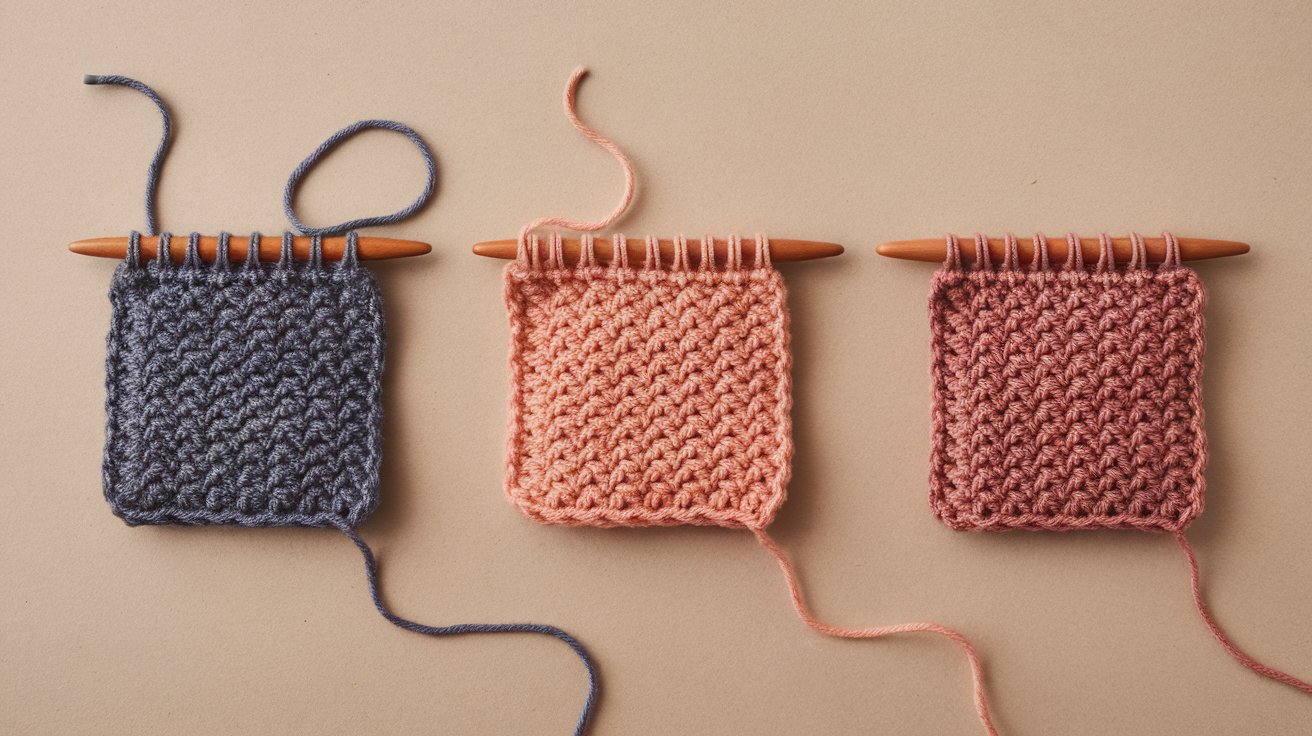
Here’s what happened to me and most people I’ve taught.
Week 1: Everything feels wrong. Your hands hurt a little. More mistakes than stitches. You might want to quit.
Week 2-3: Something clicks. Tension gets better. You stop thinking so hard. Things speed up.
Week 4-6: You can follow simple patterns without crying. Stitches look mostly even. You finish your first project.
Month 3: Crocheting feels normal. You can watch TV while working. You start trying harder projects.
I spent about 10-15 hours practicing before I felt comfortable. Some people get it faster. Others need more time.
The breakthrough happens when your hands take over from your brain. You stop thinking about each step.
Crocheting vs Knitting: Which Is Harder?
Most people find crocheting easier. I tried both. Here’s how they compare:
|
Factor |
Crocheting |
Knitting |
|
Tools needed |
One hook |
Two needles |
|
Active stitches |
One at a time |
Multiple on needles |
|
Mistake risk |
Damage stays in one row |
Can ladder down several rows |
|
Fabric result |
Thicker, more textured |
Smoother, thinner |
|
Yarn usage |
Uses more yarn |
Uses less yarn |
|
Learning ease |
Generally easier for beginners |
More coordination required |
I stuck with crochet because I got frustrated less. Your choice might be different.
How to Make Crocheting Easier Today
Start with medium-weight yarn in a light, solid color. I recommend cheap acrylic for learning. You’ll mess up and it shouldn’t cost much.
Get a decent hook. Not expensive, but avoid the dollar store ones that snag. A smooth hook helps.
Learn three stitches first: chain, single crochet, double crochet. Ignore everything else until these feel natural.
Watch video tutorials. Seeing hand movements helps way more than reading instructions.
Make the same thing several times. Pick a simple dishcloth pattern and repeat it. Repetition builds muscle memory.
Count your stitches at the end of every row. Yes, every single one. Use a stitch marker so you don’t lose track.
Take breaks when frustrated. Twenty minutes a day beats one angry three-hour session.
Benefits That Make the Effort Worth It
- The mental health thing surprised me. Crocheting calms my brain down. The repetitive motion makes everything else fade out. It’s like meditation but you get a blanket at the end.
- You save money on gifts. Handmade scarves and baby blankets feel more thoughtful. Plus you can pick any colors you want.
- It’s portable. I bring projects on flights, to waiting rooms, on road trips. Beats staring at my phone.
- Making something with your hands just feels good in our digital world.
Mistakes That Make It Feel Hard
Most beginners struggle because of these things.
Starting with the wrong yarn. Super thin yarn or fuzzy yarn makes learning harder. You can’t see your stitches clearly.
Using complicated patterns too soon. That cute stuffed animal needs shaping, color changes, and assembly. Not beginner stuff.
Holding the hook wrong. There are two main grips and neither feels natural at first. Fighting your natural grip makes everything harder.
Not counting stitches. I made this mistake constantly. I’d finish a row, skip the count, then wonder why my rectangle looked weird.
Comparing your work to experienced crocheters on social media. Stop that. Their projects took years of practice.
Conclusion
Is crocheting hard? Not if you give yourself time to practice and build skills.
My first week was frustrating and I wanted to quit, but by week three something clicked. Your hands will figure it out faster than you think.
Start with simple projects, use the right supplies, and practice regularly without expecting perfection.
I still mess up complicated patterns all the time, but the basics became automatic quickly.
You don’t need talent or special skills to learn this craft. Just patience and maybe 15 minutes a day.
Grab a hook and some yarn this week. Start with a dishcloth. Don’t aim for perfect, just aim for progress and improvement.
Your first project won’t be flawless, and that’s completely fine.
Frequently Asked Questions
Can left-handed people learn to crochet easily?
Yes, left-handed people can crochet just as easily as right-handed people. Most tutorials can be followed by mirroring the movements, or you can find specific left-handed crochet videos online.
How do I fix a mistake I made several rows back?
You’ll need to pull out your work back to the mistake, which crocheters call frogging. It’s frustrating but gets easier with practice, and it’s better than leaving a visible error in your finished project.
Can I crochet if I have arthritis or joint pain?
Many people with arthritis crochet successfully using ergonomic hooks with cushioned grips. Take frequent breaks, work in shorter sessions, and consider using chunkier yarn with larger hooks to reduce hand strain.
Do I need to learn to read patterns or can I just follow videos?
You can stick with video tutorials for as long as you want. Learning to read written patterns opens up more project options, but plenty of crocheters work exclusively from videos and pictures.
How much yarn do I actually need for a blanket?
A baby blanket typically needs 1000-1500 yards, while a full throw blanket needs 2000-3000 yards depending on size and stitch. Always buy extra because dye lots vary, and running out mid-project is frustrating.
