


When you’re shopping for dishes or starting a pottery project, porcelain vs clay can feel confusing. I’ve been there, staring at price tags and wondering what makes one bowl cost three times more than another.
This guide breaks down everything you need to know about earthenware, stoneware, and porcelain, the three main clay types. You’ll learn about their strength, uses, and care requirements.
I’ll show you how each type is made, what makes them different, and which one fits your needs. After years of testing ceramics in my kitchen and studio, I know what works.
Let’s clear up the confusion together.
Understanding Clay
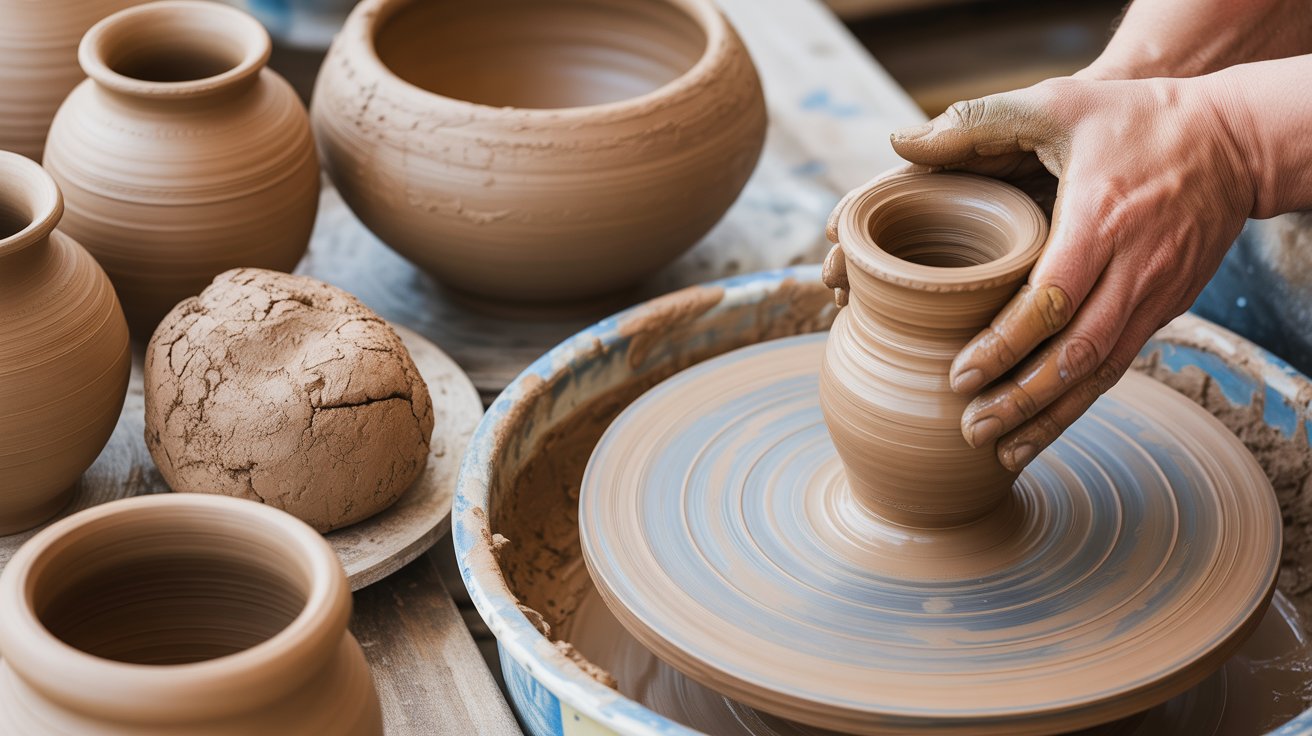
Clay is a natural material made from minerals, water, and organic matter.
There are three main types: earthenware, stoneware, and porcelain. Each has different properties based on its mineral content and processing.
Clay feels soft and moldable when wet. Once fired in a kiln, it hardens permanently. The final product’s density, color, and strength depend on the clay type and firing temperature. Lower temperatures create softer, more porous ceramics. Higher temperatures make harder, denser pieces.
People use clay to make pottery, tiles, decorative items, and everyday dishes. The type of clay determines where it works best.
Understanding Porcelain
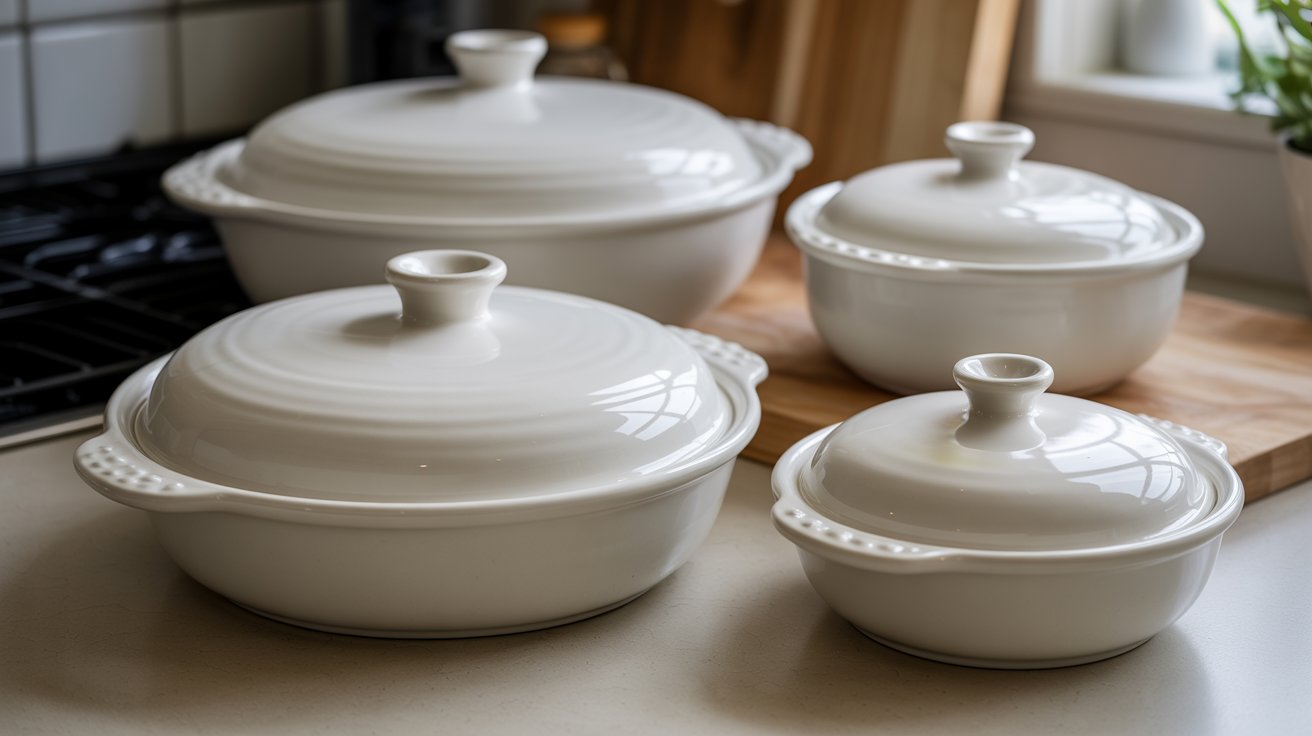
Porcelain stands apart from other ceramics. It’s made from kaolin clay, feldspar, and quartz, fired above 2300°F (1200°C). That intense heat fuses the materials completely. The process takes longer and costs more than other clay types.
Porcelain feels dense and smooth with no rough texture. It’s non-porous and slightly translucent when held up to light. The surface stays refined without the grainy feel of earthenware or stoneware.
Porcelain shows up in fine dinnerware, decorative pieces, professional bakeware, and bathroom fixtures. When you need durability with a refined look, porcelain delivers.
Earthenware vs Stoneware vs Porcelain
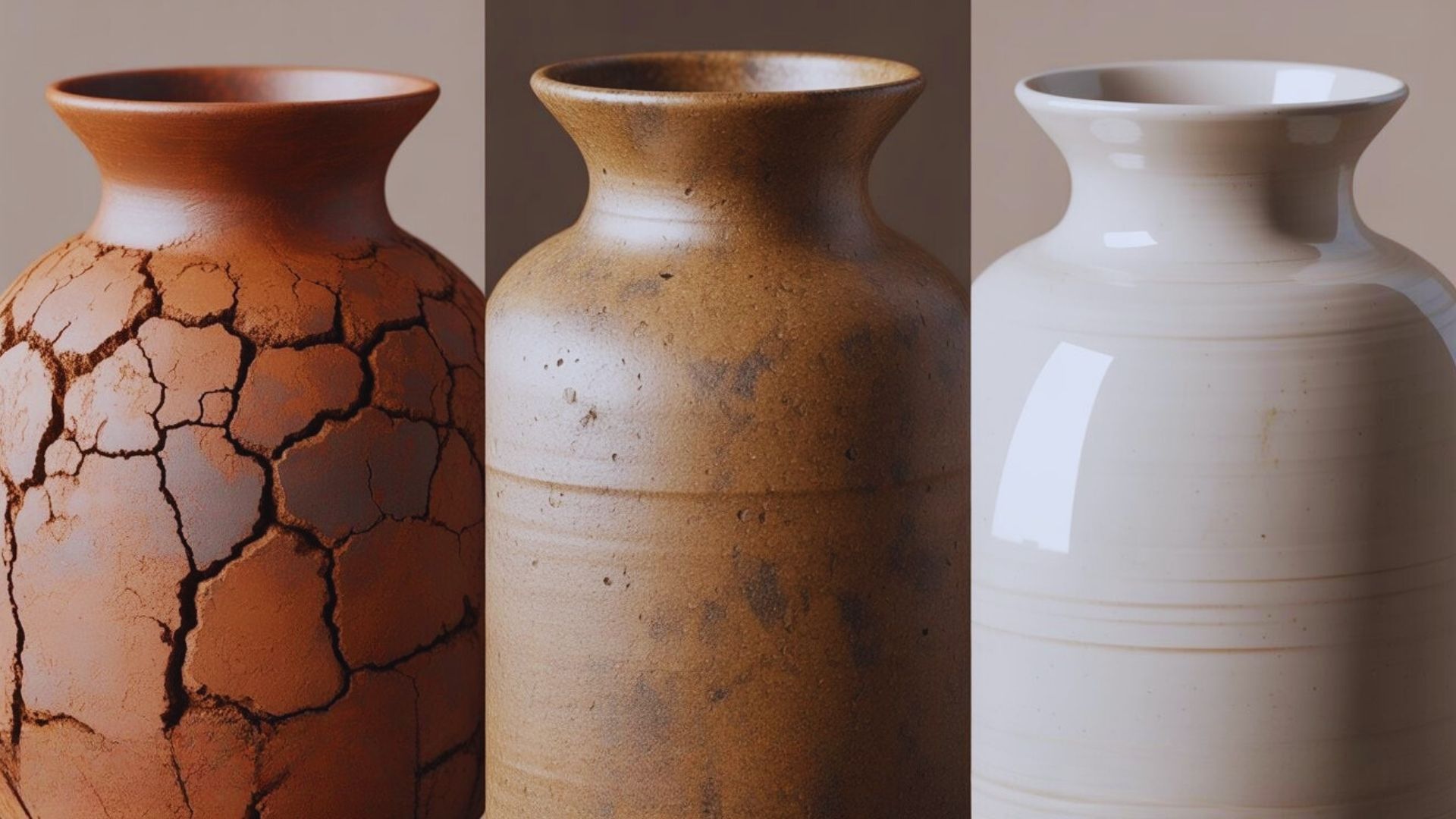
Each clay type has distinct characteristics that make it suited for different purposes.
Earthenware is the softest and most porous type, fired between 1300 and 2120°F. It stays absorbent and feels crumbly when chipped but offers rich, vibrant colors and warm tones. Think of terra cotta pots or colorful Talavera tiles.
Stoneware fires between 2100 and 2372°F. It’s denser and tougher than earthenware with a textured, rustic surface. It chips rather than shatters and balances durability with affordability. Most everyday dishes are stoneware.
Porcelain is the hardest ceramic, fired above 2300°F. Its dense, non-porous structure allows for thinner, lighter pieces without losing strength. The smooth finish never absorbs stains or odors but costs more due to pure materials and high firing temperatures.
Key Differences Between Porcelain and Clay
Here’s how porcelain compares to other clay types across the factors that matter most.
|
Factor |
Porcelain |
Stoneware |
Earthenware |
|
Composition |
Pure kaolin clay, feldspar, quartz |
Mixed natural clays with minerals |
Mixed natural clays with minerals |
|
Durability |
Highest (resists chips and cracks) |
Medium (chips before breaking) |
Lowest (crumbly when chipped) |
|
Firing Temperature |
Above 2300°F |
2100 to 2372°F |
1300 to 2120°F |
|
Water Absorption |
Under 0.5% |
1 to 6% |
Over 10% |
|
Appearance |
Smooth, translucent, refined |
Textured, rustic, visible grain |
Textured, rustic, vibrant colors |
|
Best Uses |
Fine tableware, professional settings |
Everyday dishes, functional pottery |
Decorative items, handmade art |
|
Price Range |
$15 to $40 per plate |
$8 to $20 per plate |
$5 to $12 per plate |
Composition: Porcelain requires pure kaolin clay. Other clay types use mixed natural clays with various minerals.
Durability ranking: Porcelain wins, followed by stoneware, then earthenware. Porcelain resists chips and cracks better than the others.
Firing temperature: Porcelain needs the hottest kilns (above 2300°F). Stoneware fires around 2100 to 2372°F. Earthenware only needs 1300 to 2120°F.
Water absorption: Porcelain barely absorbs water (under 0.5%). Stoneware absorbs 1 to 6%. Earthenware can absorb over 10%, making it prone to staining.
Appearance: Porcelain looks smooth and can be translucent. Clay types have textured, rustic surfaces with visible grain.
Use cases: Use porcelain for fine tableware and professional settings. Clay types work great for everyday functional pottery and handmade art pieces.
The price reflects these differences. A porcelain dinner plate costs $15 to $40. A stoneware plate runs $8 to $20. Earthenware plates start at around $5 to $12.
Care and Maintenance Tips
Proper care extends the life of your ceramics and keeps them looking their best.
Porcelain Care
Porcelain is low-maintenance but still deserves gentle treatment.
- Porcelain resists staining naturally because it’s non-porous. You can put it through quick temperature changes without cracking. That’s called thermal-shock resistance.
- Still, use gentle cleaning methods. Harsh scrubbers aren’t necessary and can dull the shine over time. Warm, soapy water works fine for daily cleaning.
- Most porcelain is dishwasher-safe. Check for any metallic decorations first, as those need hand washing.
Clay Care
Earthenware and stoneware need more careful handling than porcelain.
- Earthenware and stoneware are more absorbent than porcelain. Don’t leave them soaking in water for hours.
- Hand washing works best, especially for earthenware. The gentle approach prevents damage and extends their life.
- Avoid rapid temperature changes. Don’t take a cold stoneware dish and put it straight into a hot oven. Let items come to room temperature first.
- Dry everything completely before storing. Trapped moisture can lead to mold or musty smells in porous ceramics.
Choosing Between Porcelain and Clay
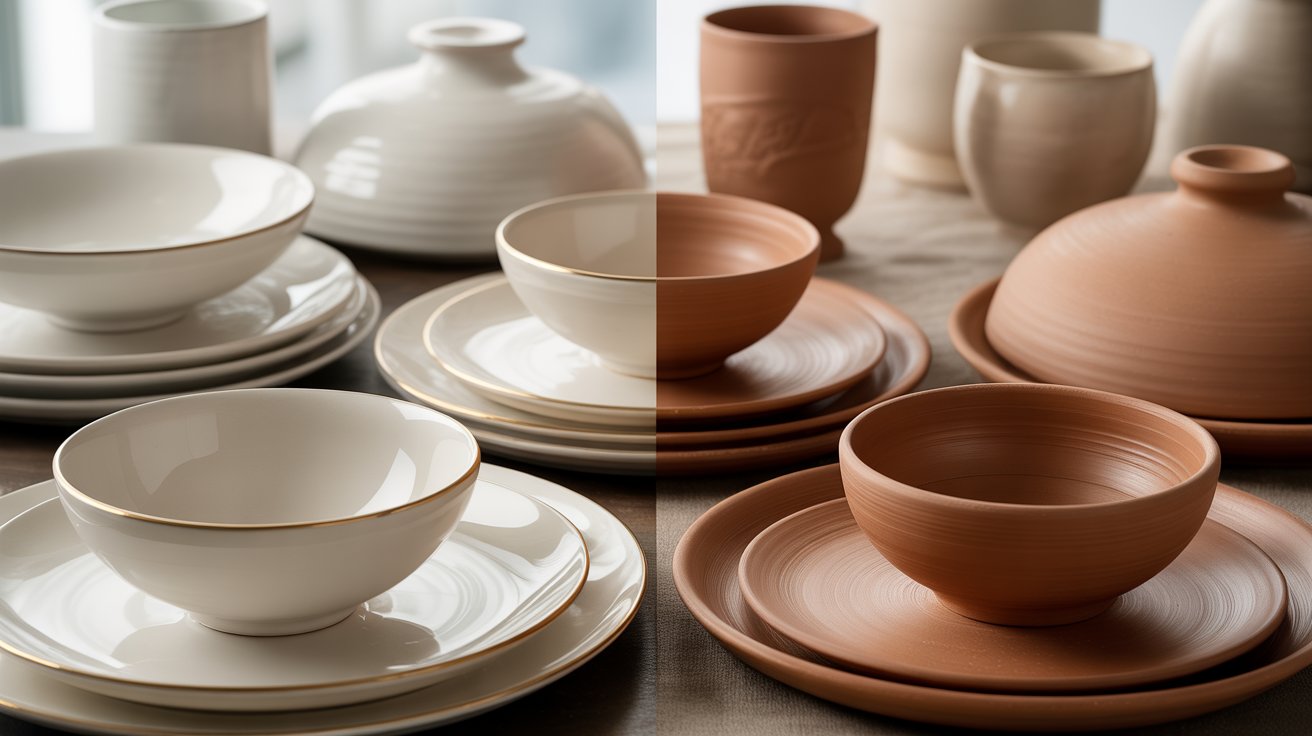
Your choice depends on how you’ll use your ceramics and what matters most to you.
For daily use at home, stoneware gives you the best balance. It handles regular use, survives the dishwasher, and doesn’t cost a fortune. For special occasions, porcelain makes sense when presentation matters. The refined look and durability justify the higher price.
Professional kitchens need porcelain. It survives constant use in restaurants and cafes and always looks clean and polished. For decorative purposes, any type works depending on the look you want. Rustic, handmade items suit stoneware or earthenware. Sleek, modern pieces call for porcelain.
For baking and cooking, consider temperature needs. Porcelain handles the highest heat. Stoneware works great for most baking. Earthenware suits serving, not cooking. Budget-conscious buyers should start with stoneware. It lasts for years with proper care and costs less than porcelain.
Collectors should focus on what speaks to them. Handmade clay pieces have character. Antique porcelain holds value. Both have their place in a good collection.
Think about maintenance time, too. If you hate hand washing, porcelain’s dishwasher-safe qualities matter. If you enjoy caring for special objects, any type can work.
Conclusion
I keep both porcelain and stoneware in my kitchen. Porcelain vs clay isn’t about one being better. It’s about matching the right type to your needs.
Porcelain gives you strength and a polished look. Earthenware and stoneware bring warmth and character. Now you know the real differences in composition, durability, and care. Pick what fits your lifestyle and budget.
Do you prefer smooth refinement or rustic texture? Both have earned their place in homes for centuries. Share your favorite ceramic type in the comments below.
Frequently Asked Questions
Is porcelain stronger than regular clay?
Yes, porcelain is stronger than earthenware and stoneware. It fires at higher temperatures, creating a denser, harder material that resists chips and cracks better than other clay types.
Can you use earthenware in the oven?
Some earthenware is oven-safe, but check the manufacturer’s instructions first. It’s more prone to thermal shock than stoneware or porcelain, so avoid extreme temperature changes.
Why does porcelain cost more than stoneware?
Porcelain requires pure kaolin clay and extremely high firing temperatures. The materials are more expensive, the firing process takes longer, and the skill level needed is higher than that of other ceramics.
How can you tell porcelain from stoneware?
Hold it up to the light. Porcelain is slightly translucent, while stoneware is opaque. Porcelain feels smoother and lighter for its size, and it makes a clear ringing sound when tapped.
Does stoneware stain easily?
Stoneware can stain if liquids sit on it for extended periods because it’s slightly porous. Regular cleaning prevents most staining, and glazed stoneware resists stains better than unglazed pieces.
