


I’ve spent years following the ceramic art scene, and I’m excited to share 21 ceramic artists inspired by nature who are reshaping contemporary art.
You’ll learn how these talented creators use clay to capture organic forms, from fine flower petals to rugged landscapes.
This guide covers their techniques, signature styles, and the environmental themes woven into their work. I’ve researched each artist thoroughly to bring you reliable information you can trust.
If you’re curious about how nature and clay come together, you’re in the right place. We’ll look at emerging trends, appreciation tips, and what makes each artist’s approach special.
Why Nature Inspires Ceramic Artists?
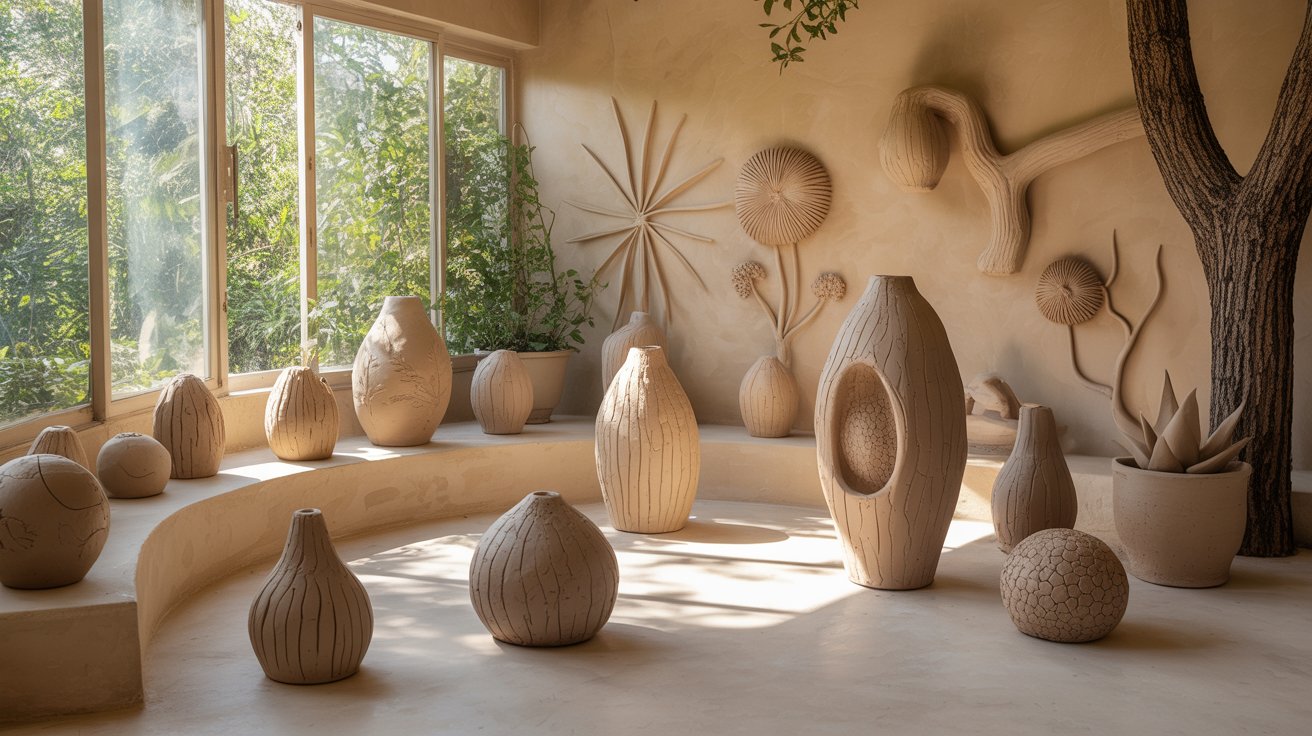
Nature and clay share a fundamental connection. Both come from the earth, making ceramics a natural choice for artists who want to honor the environment.
Clay is literally earth. Artists dig it from the ground, shape it with their hands, and fire it to create lasting forms. The process mirrors natural cycles. Clay softens with water, hardens with air, and converts through fire.
Artists observe leaves, shells, rocks, and branches. They translate these forms into ceramic pieces that capture organic movement and structure. Some artists press actual leaves into wet clay. Others carve patterns that mimic tree bark or water ripples. Earthy browns and greens dominate many pieces.
Many ceramic artists use their work to comment on environmental issues. A cracked vessel might represent drought. Abundant floral forms could celebrate biodiversity. The art becomes a conversation starter about conservation and care.
21 Ceramic Artists Inspired by Nature You Should Know
Here are the creators turning clay and nature into remarkable art.
1. Bruce M. Sherman
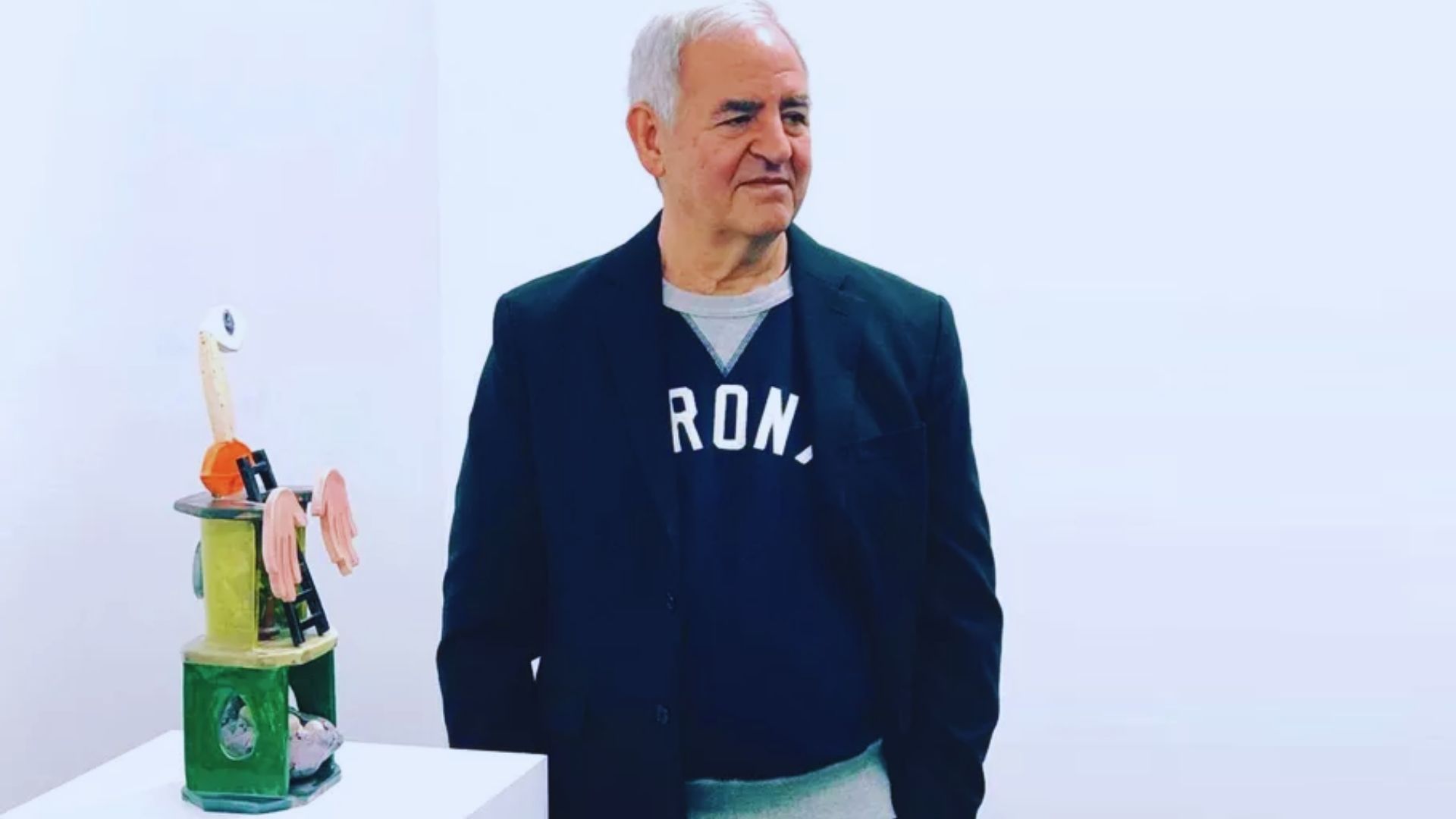
Sherman creates organic vessels that look like they grew from the earth itself. His work features natural textures and earth tones that reference geological formations and plant structures found in wilderness areas.
2. Yun Hee Lee

Lee builds fine porcelain forms inspired by seeds, pods, and cellular structures. Her translucent pieces capture light like living organisms, emphasizing the fragility and resilience found in nature.
3. Roberto Lugo
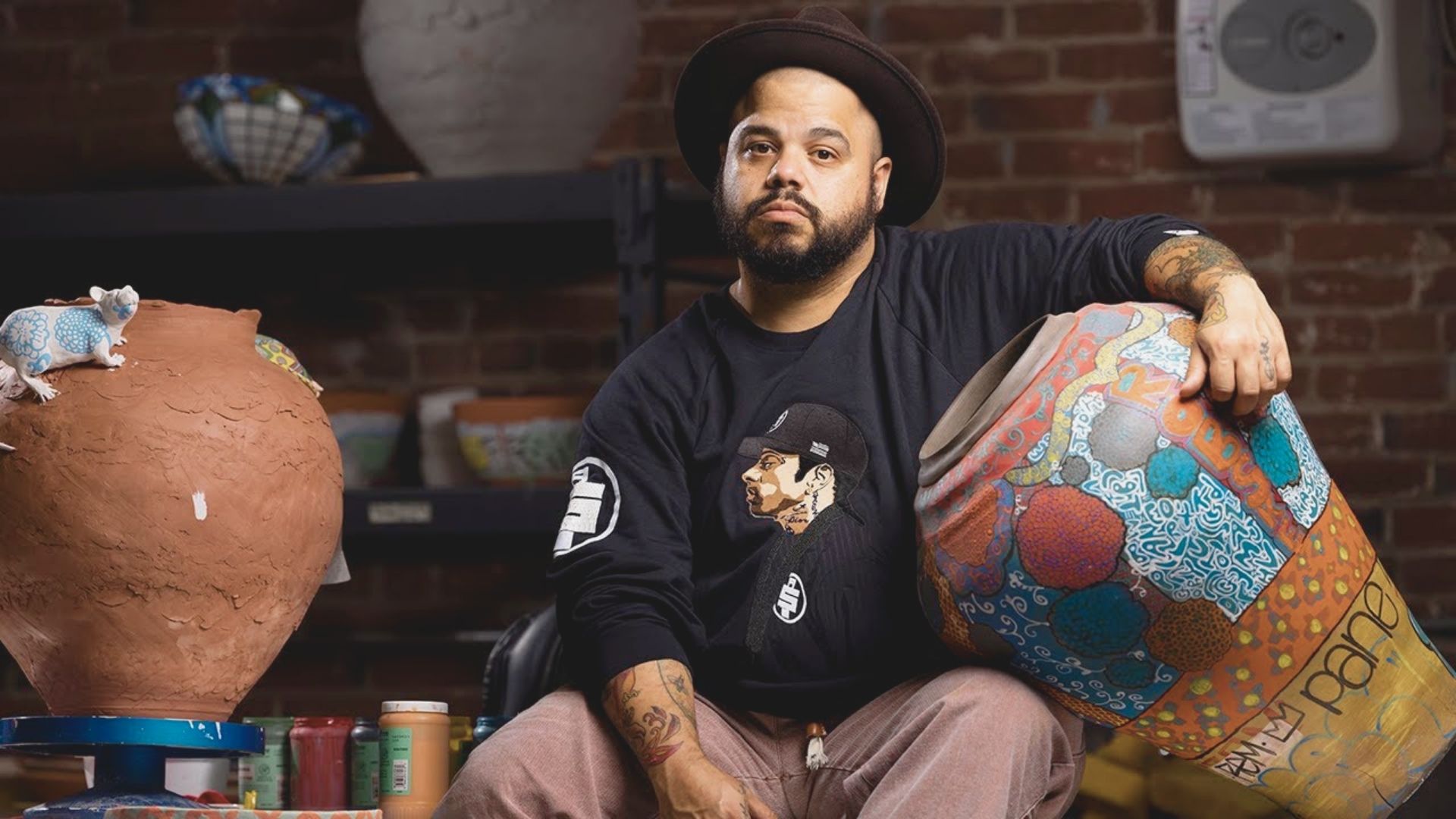
Lugo combines classical pottery forms with contemporary social themes and natural imagery. His decorated vessels feature botanical patterns alongside cultural commentary, bridging traditional craft with modern concerns.
4. Aneta Regel
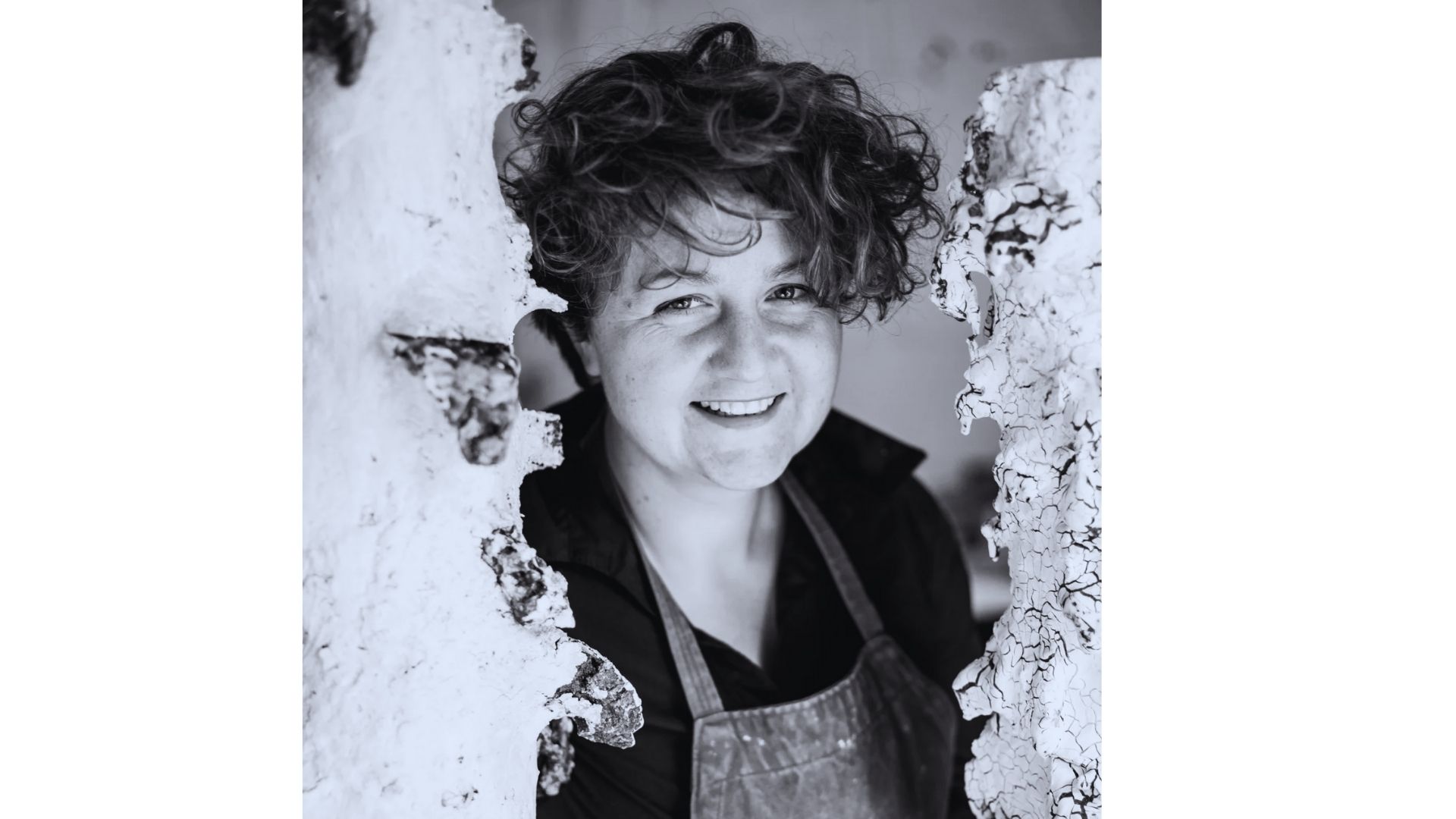
Regel sculpts textured ceramic pieces that mimic coral, fungi, and organic growth patterns. Her work studies how natural forms develop over time, creating surfaces that feel alive and constantly evolving.
5. Coille Hooven
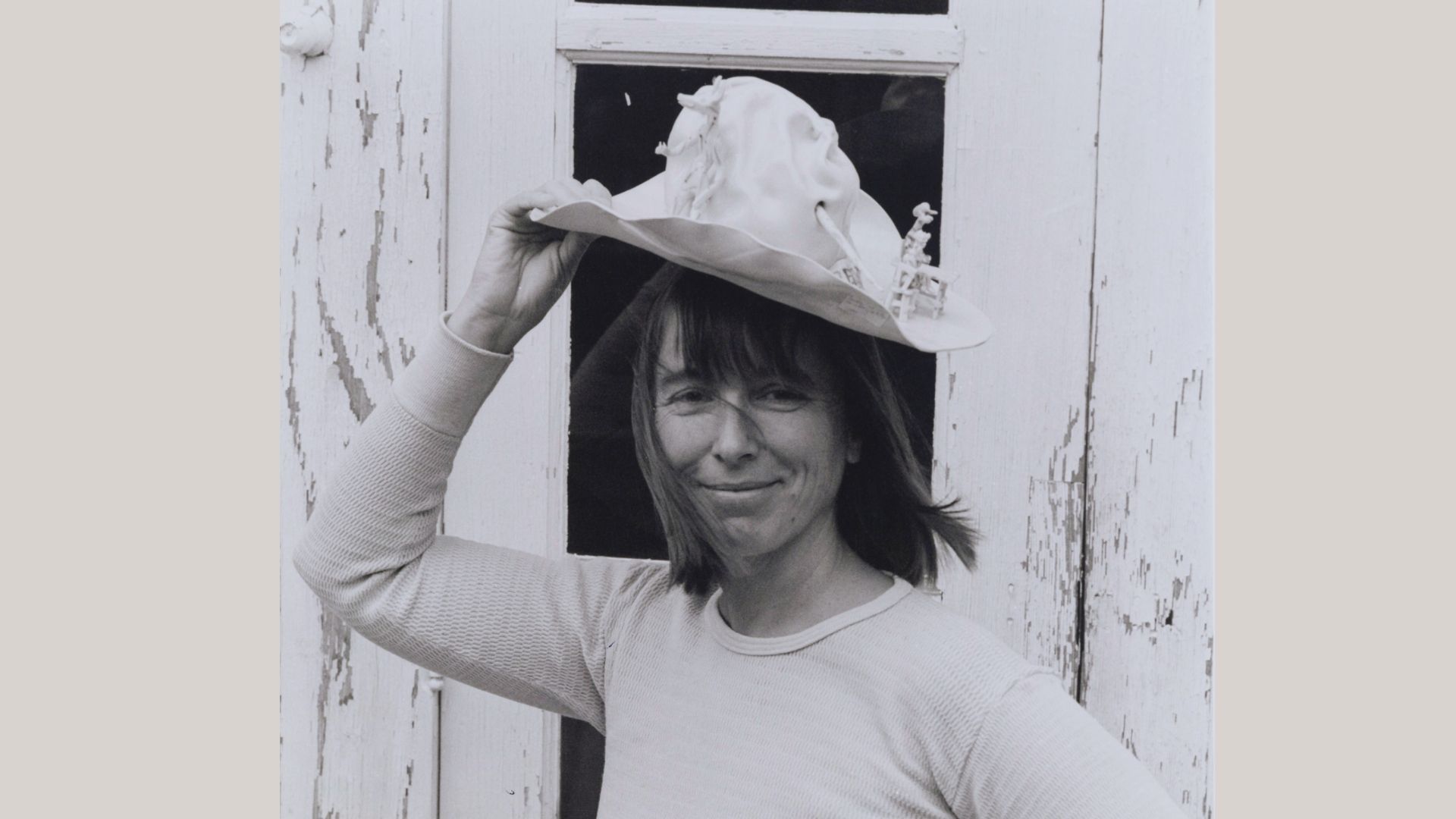
Hooven makes sculptural ceramics inspired by bones, shells, and geological layers. Her work references natural history and the passage of time through stratified surfaces and fossil-like forms.
6. Jami Porter Lara
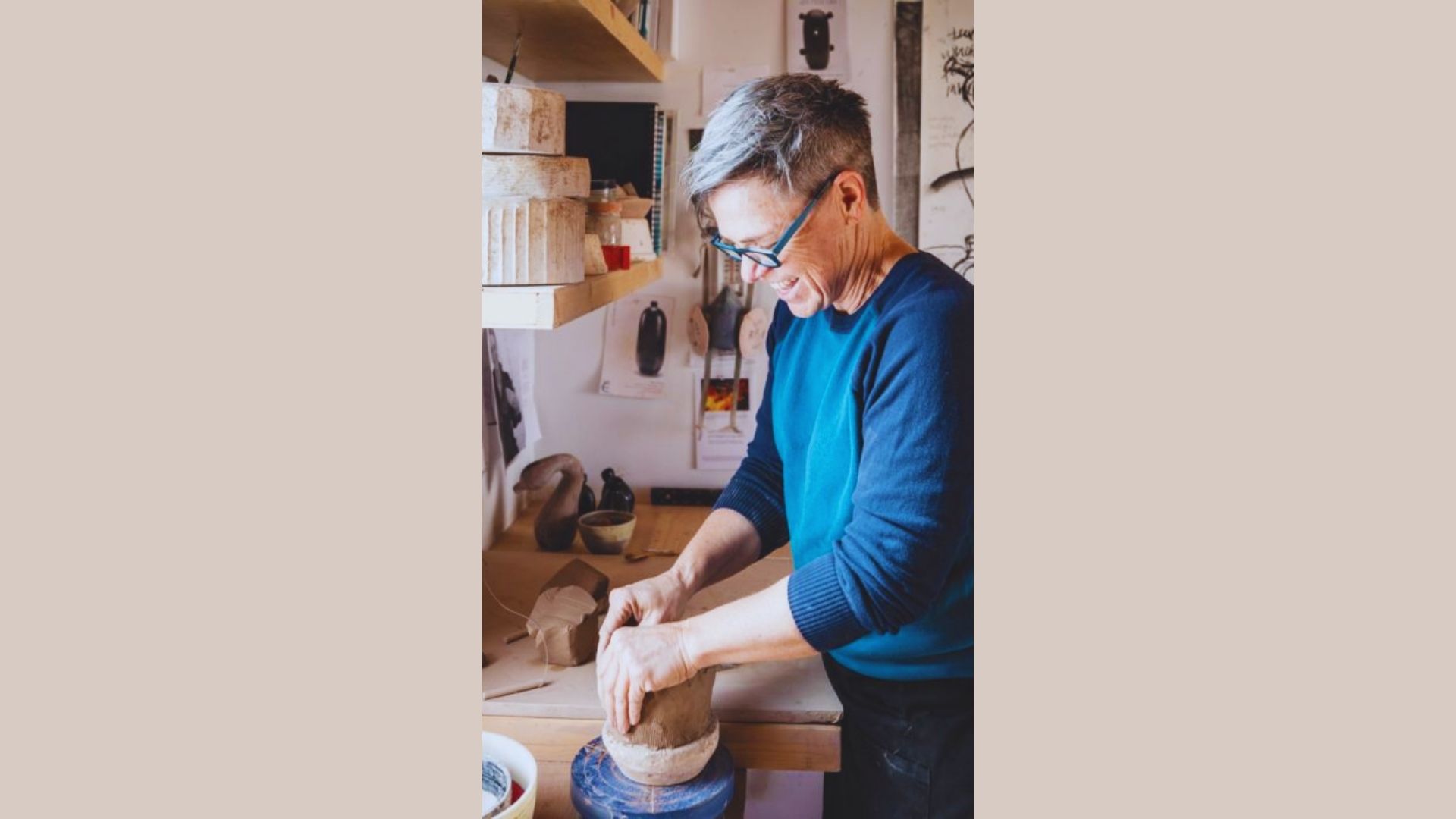
Porter Lara creates abstract ceramic sculptures influenced by desert landscapes and rock formations. Her pieces feature rough textures and earthy glazes that evoke the American Southwest.
7. Brian Rochefort
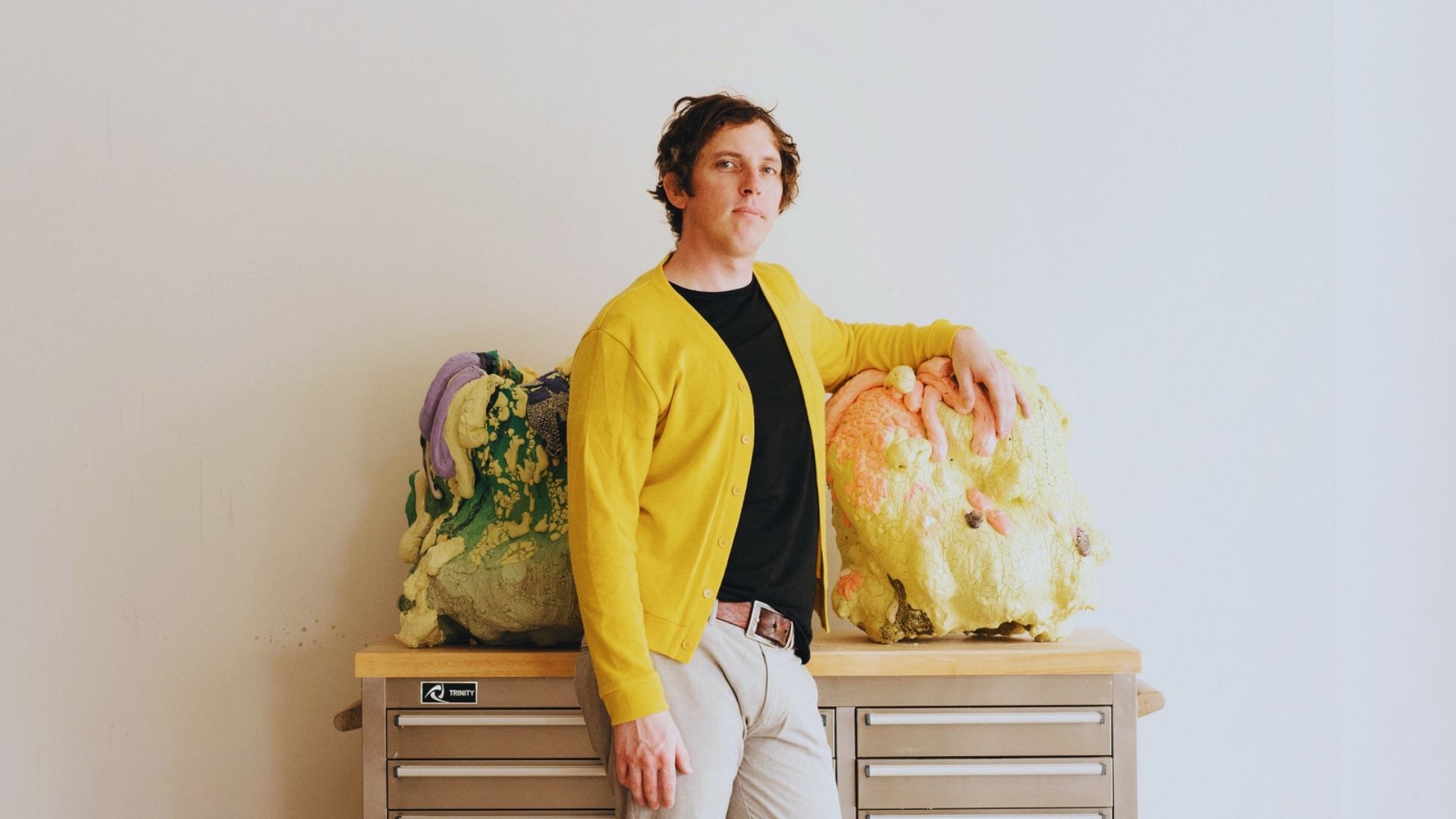
Rochefort builds explosive, colorful ceramic forms that reference volcanic activity and mineral deposits. His heavily glazed pieces look like they emerged from intense geological processes.
8. Ramesh Mario Nithiyendran
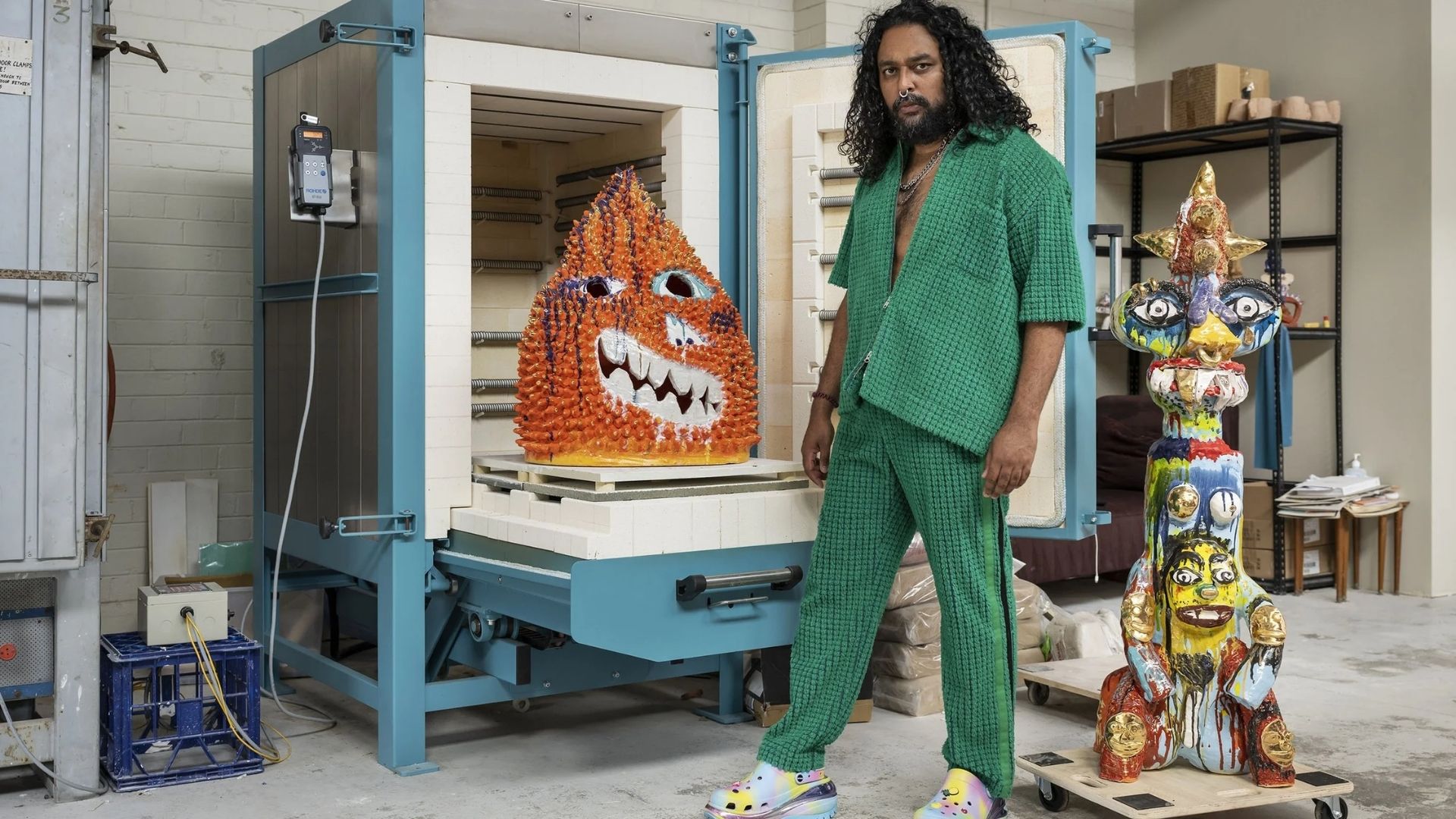
Nithiyendran creates bold, figurative ceramics that incorporate natural elements and mythological themes. His vibrant works blend human and organic forms with cultural symbolism from his Sri Lankan heritage.
9. Katie Spragg
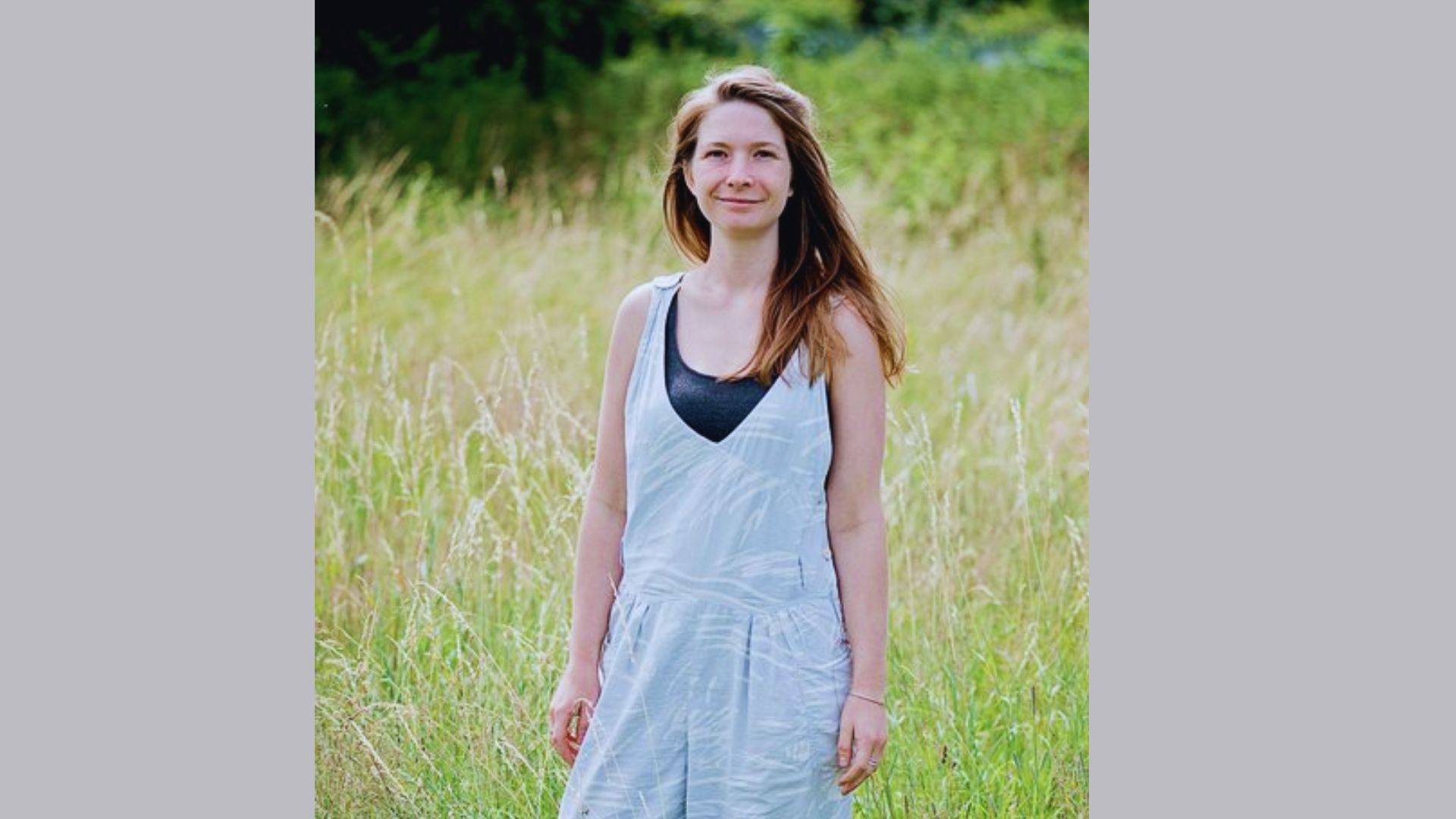
Spragg makes fine porcelain pieces inspired by marine life and underwater ecosystems. Her translucent forms reference jellyfish, anemones, and other sea creatures through careful attention to light and texture.
10. Cristina Tufiño
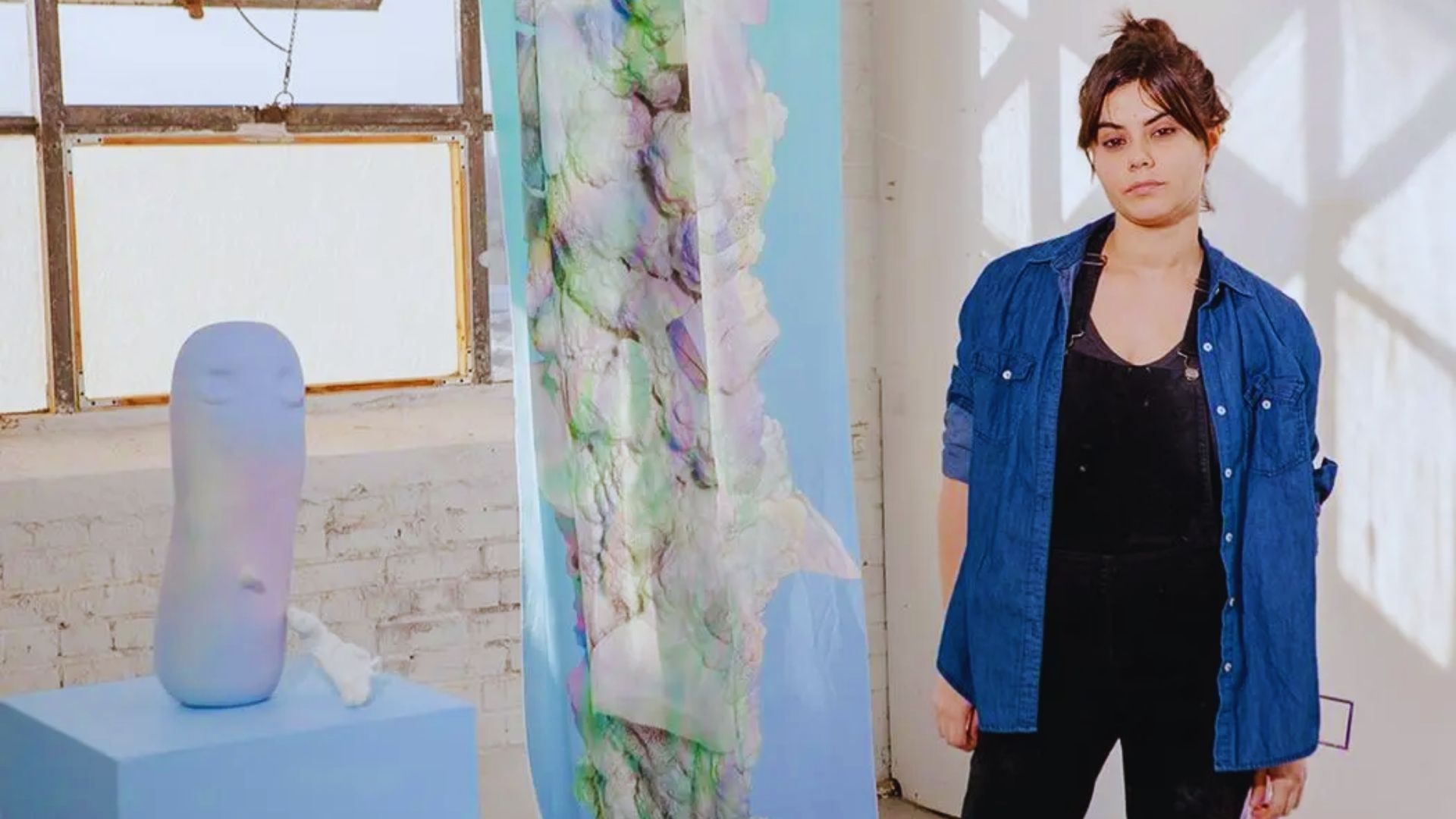
Tufiño sculpts ceramic works that explore tropical flora and Puerto Rican landscapes. Her pieces celebrate island ecosystems through vivid colors and organic shapes drawn from her cultural background.
11. Andile Dyalvane
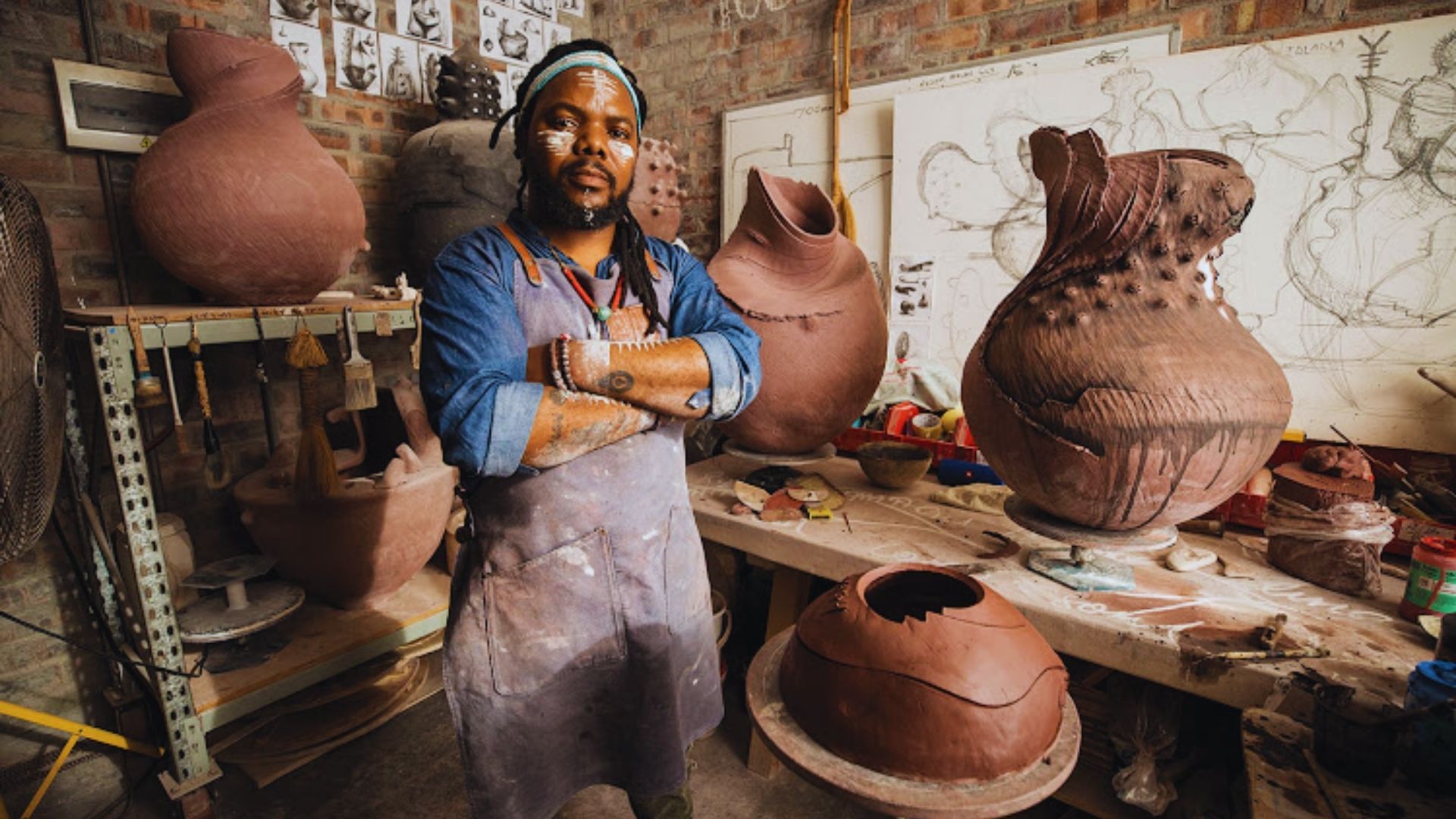
Dyalvane creates powerful ceramic vessels marked with scarification patterns inspired by Xhosa traditions and African landscapes. His work connects ancestral practices with natural earth materials.
12. Elisabeth Kley
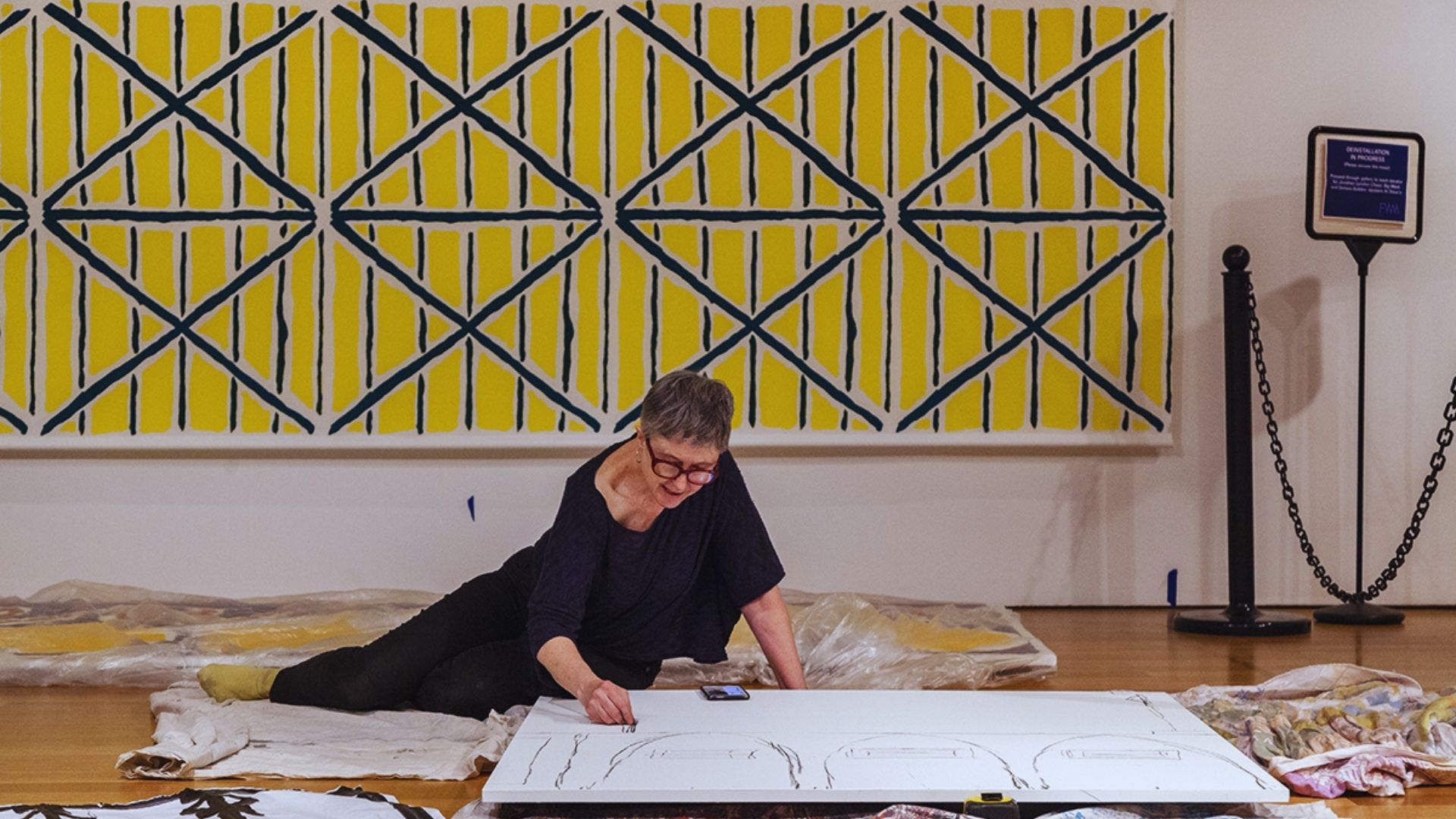
Kley builds large-scale ceramic sculptures featuring floral and architectural motifs. Her colorful, patterned works combine garden imagery with decorative elements drawn from multiple cultures and time periods.
13. Matt Wedel
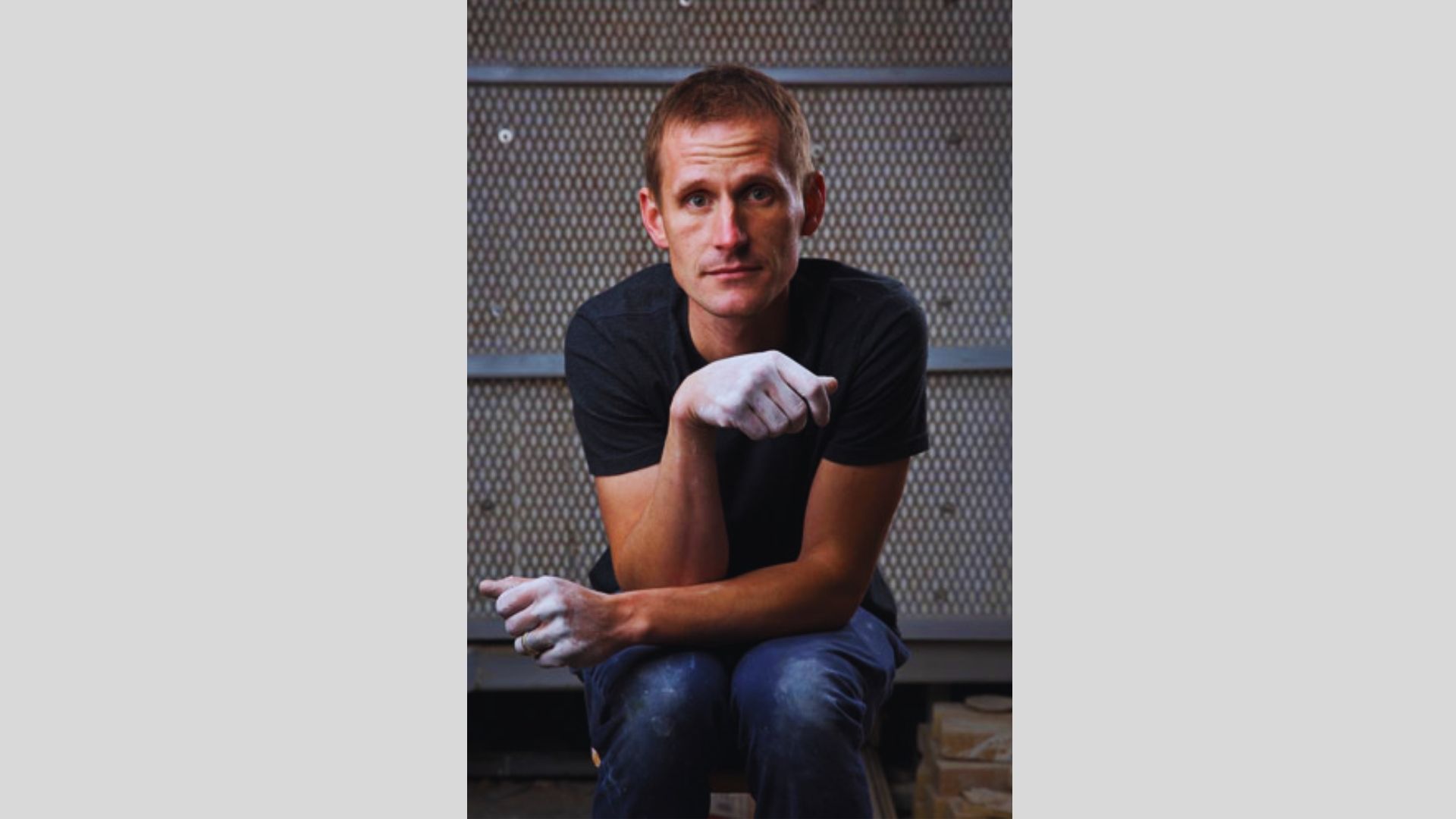
Wedel creates sculptural ceramics that reference organic growth and biological forms. His pieces often look like mutated plants or abstract body parts, exploring where natural and unnatural meet.
14. Julia Haft-Candell
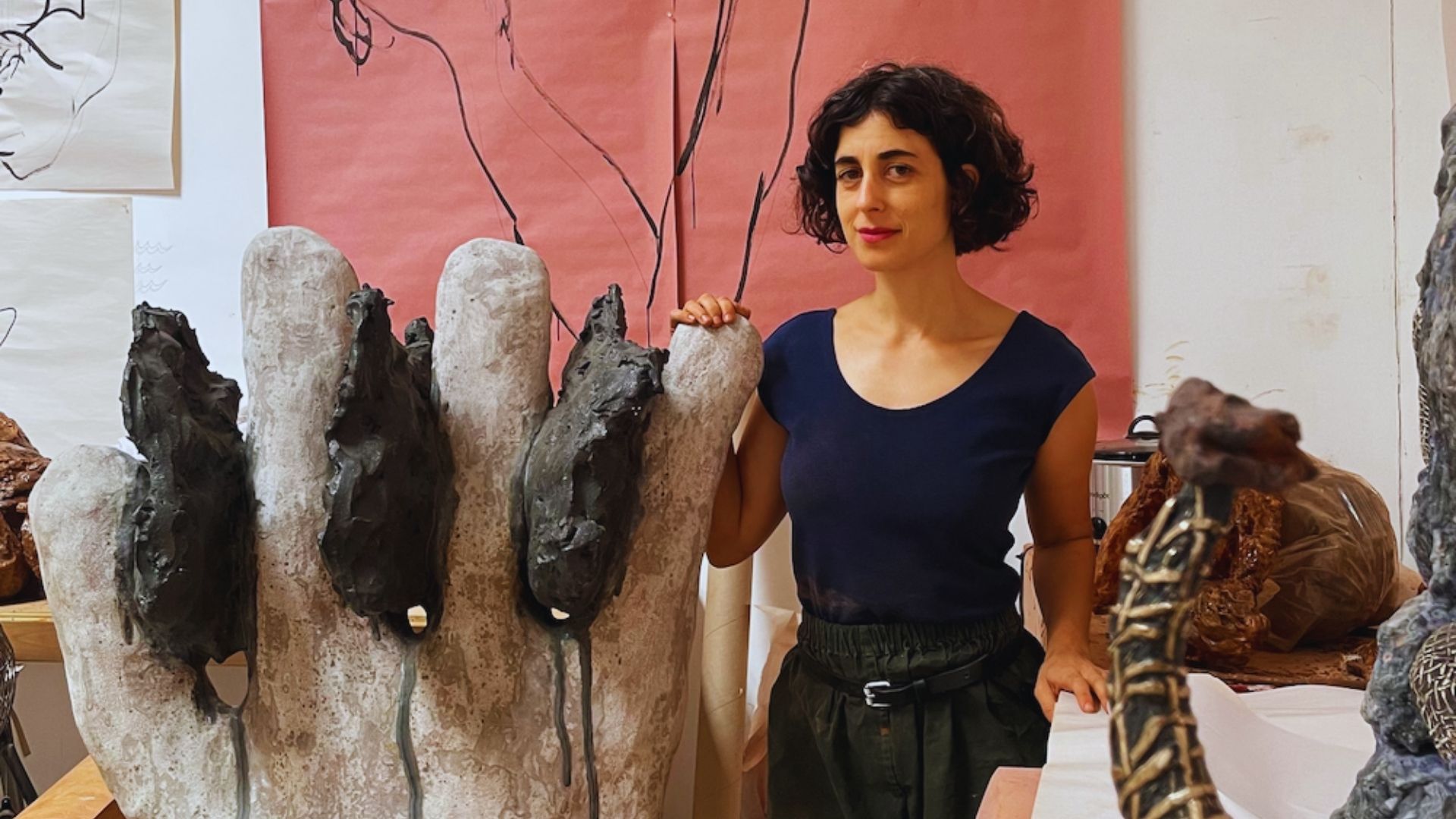
Haft-Candell makes playful ceramic sculptures inspired by flowers, particularly roses. Her oversized blooms celebrate botanical forms while adding humor and contemporary flair to floral imagery.
15. Jessica Stoller
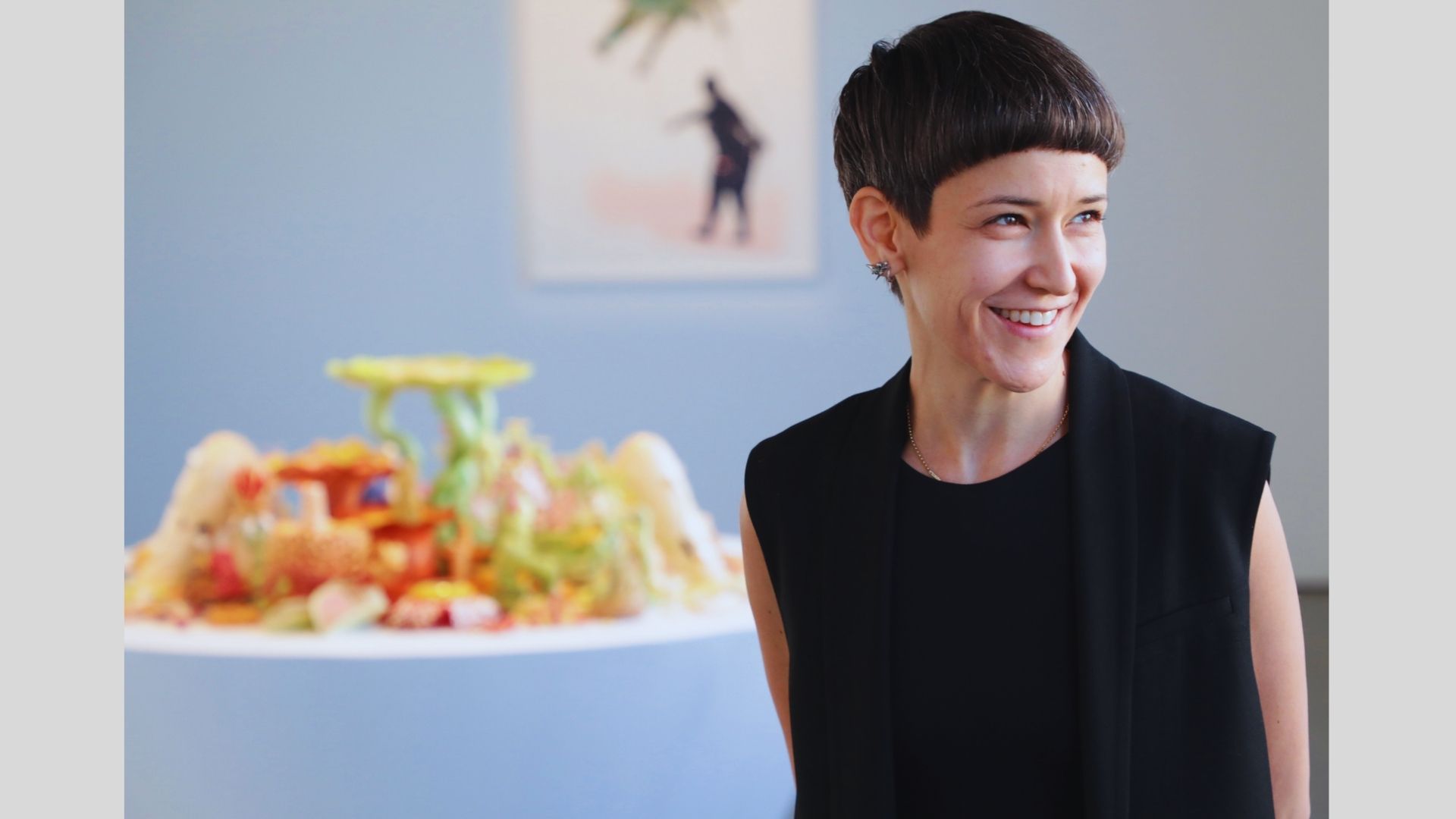
Stoller works with the grotesque and Rococo styles. Her ornamental ceramic sculptures reflect natural forms and the human body, often in ways that challenge conventional beauty standards and expectations.
16. Aaron Angell
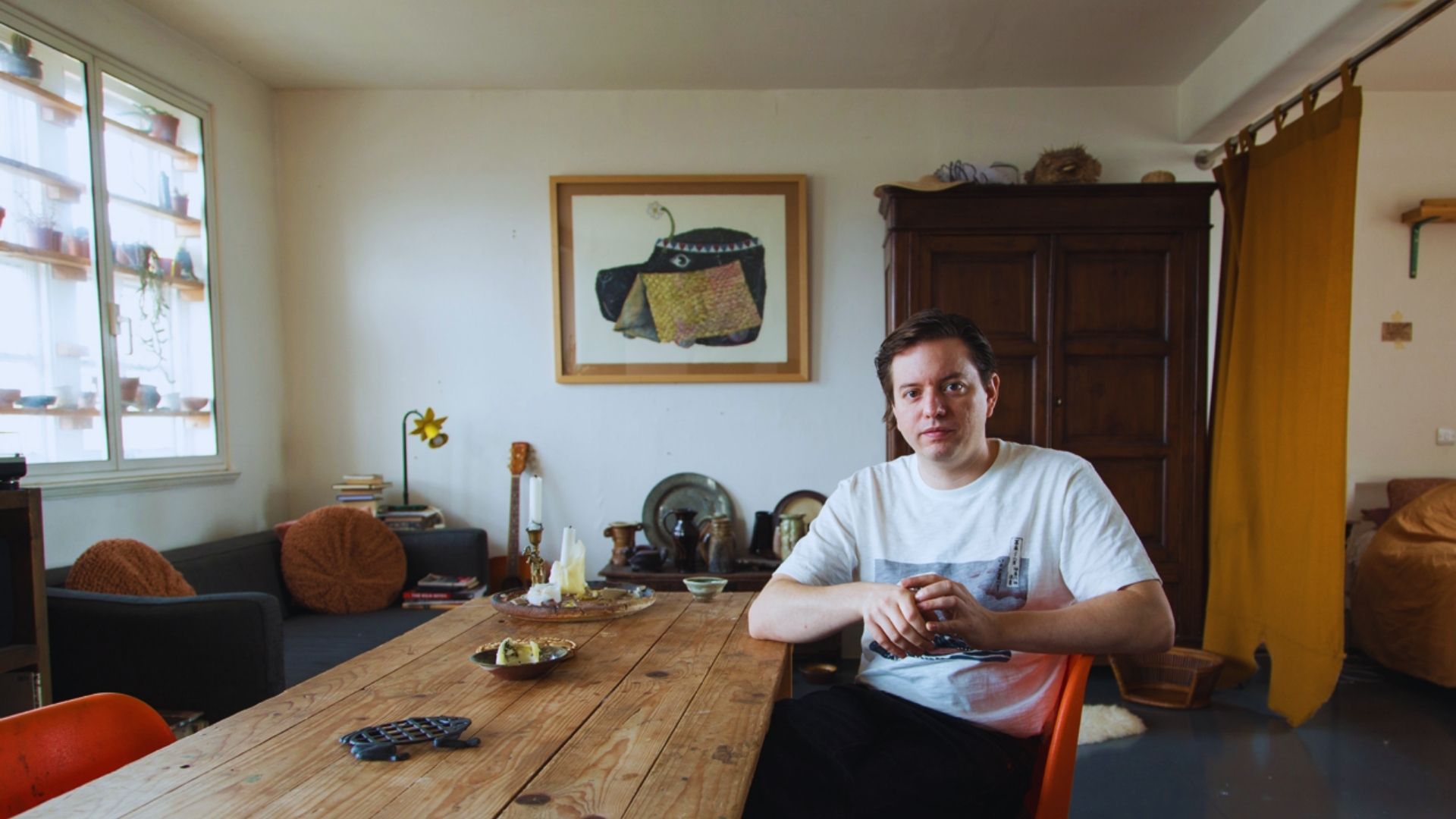
Angell creates raw, immediate ceramic works inspired by urban nature and overlooked plants. His pieces celebrate weeds, wildflowers, and the resilient plant life that grows in city environments.
17. Geng Xue
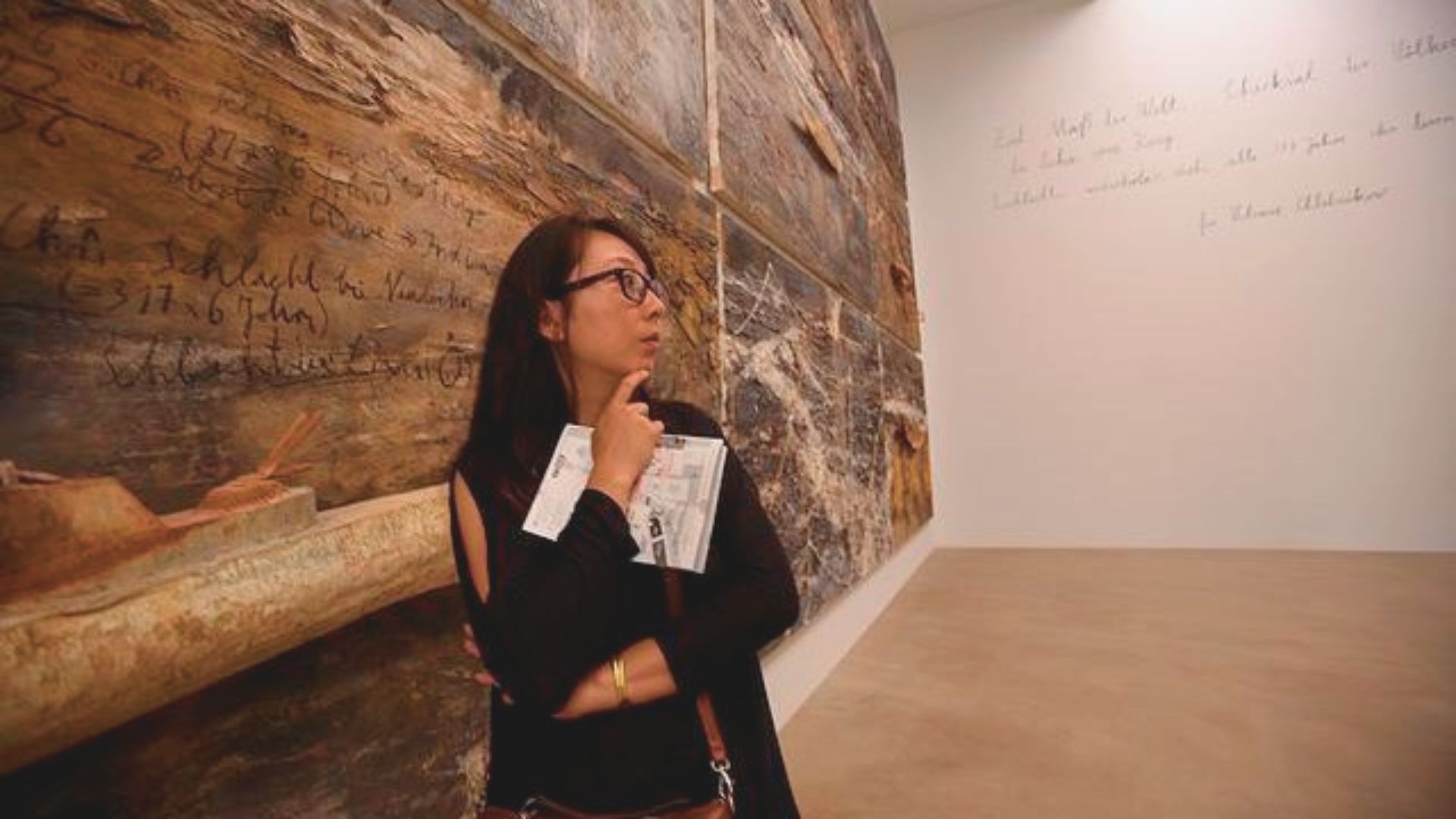
Geng Xue makes narrative ceramic installations that incorporate natural elements and storytelling. Her work blends Chinese cultural traditions with contemporary concerns about the environment and society.
18. Gareth Mason
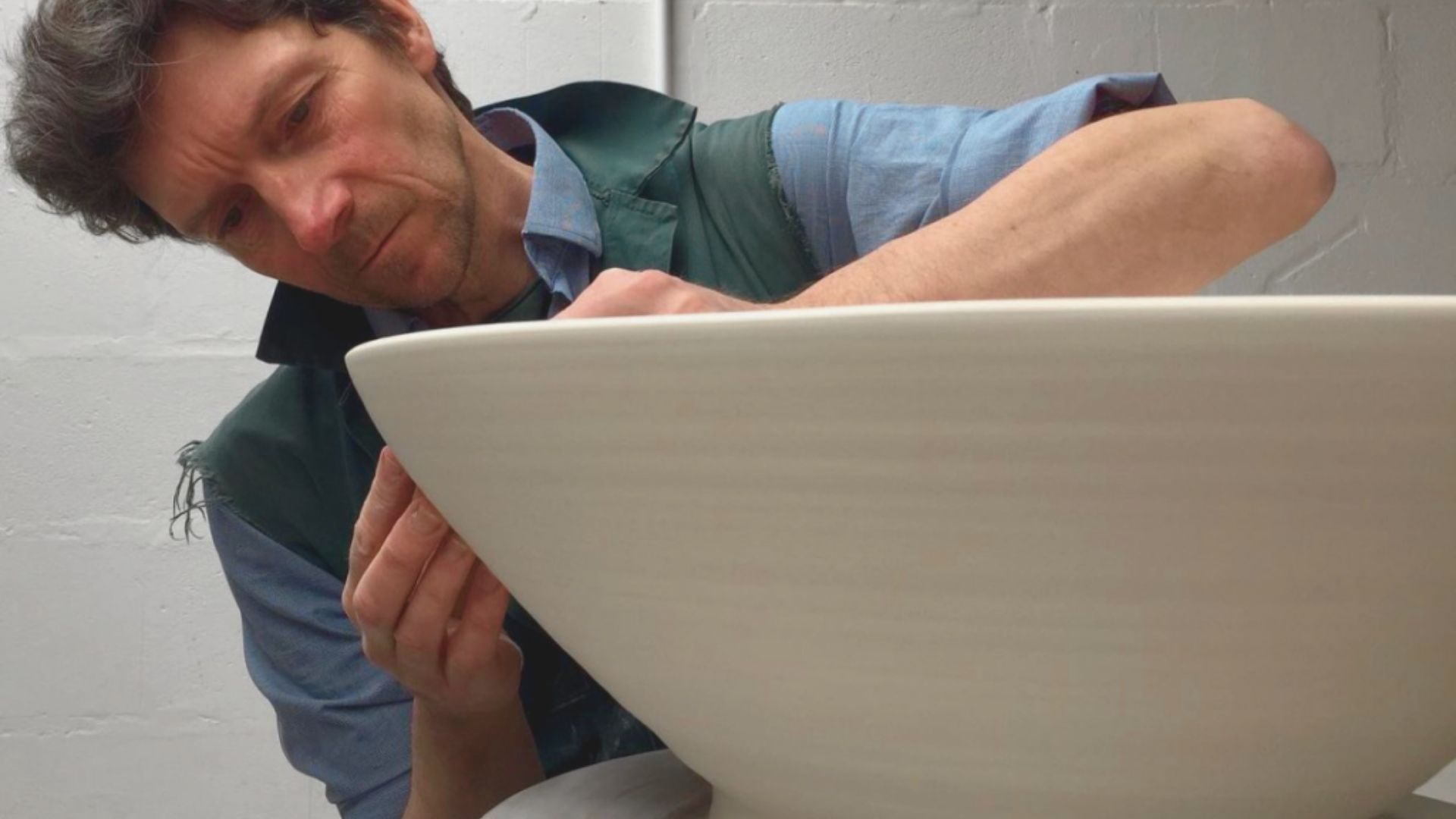
Mason builds architectural ceramic forms inspired by natural structures like nests and hives. His work examines how animals and insects create shelter, translating these patterns into abstract clay constructions.
19. Bari Ziperstein
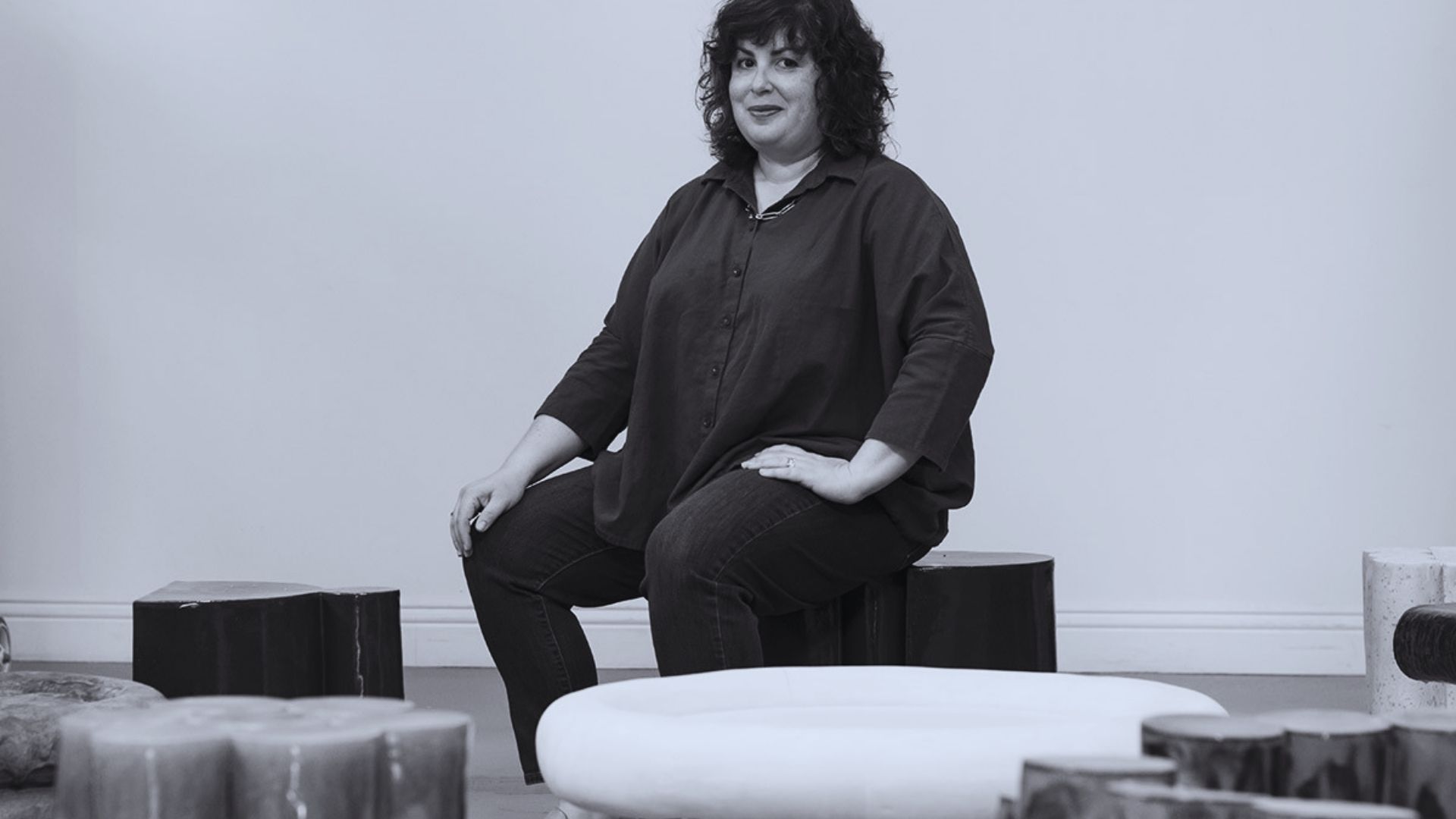
Ziperstein creates colorful, textured ceramics that reference desert plants and arid landscapes. Her work captures the vibrant life found in harsh environments through bold glazes and organic shapes.
20. Rochelle Goldberg
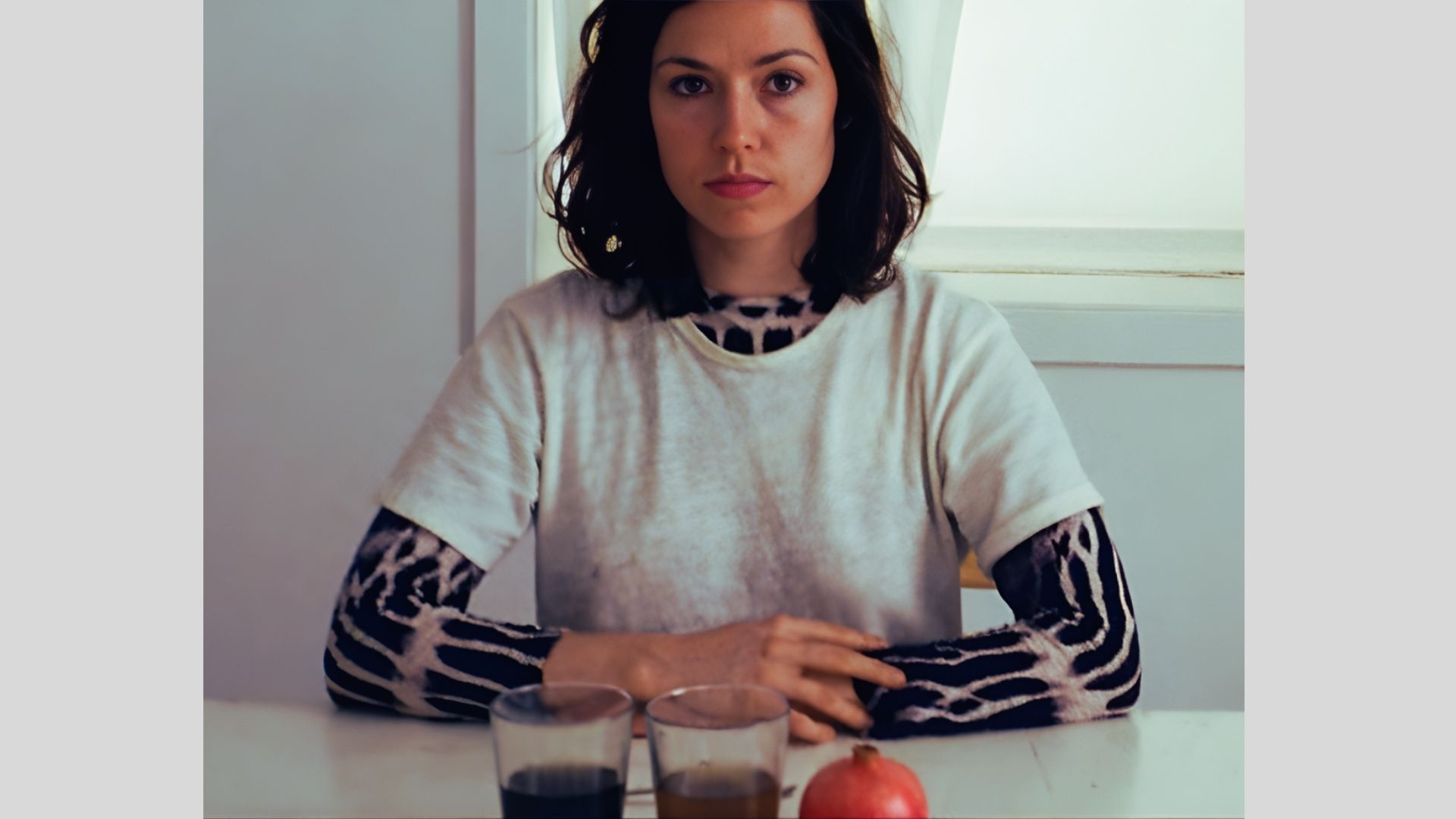
Goldberg makes sculptural vessels inspired by seed pods and botanical specimens. Her work examines natural forms through a scientific lens, creating pieces that feel both artistic and specimen-like.
21. Kate Malone
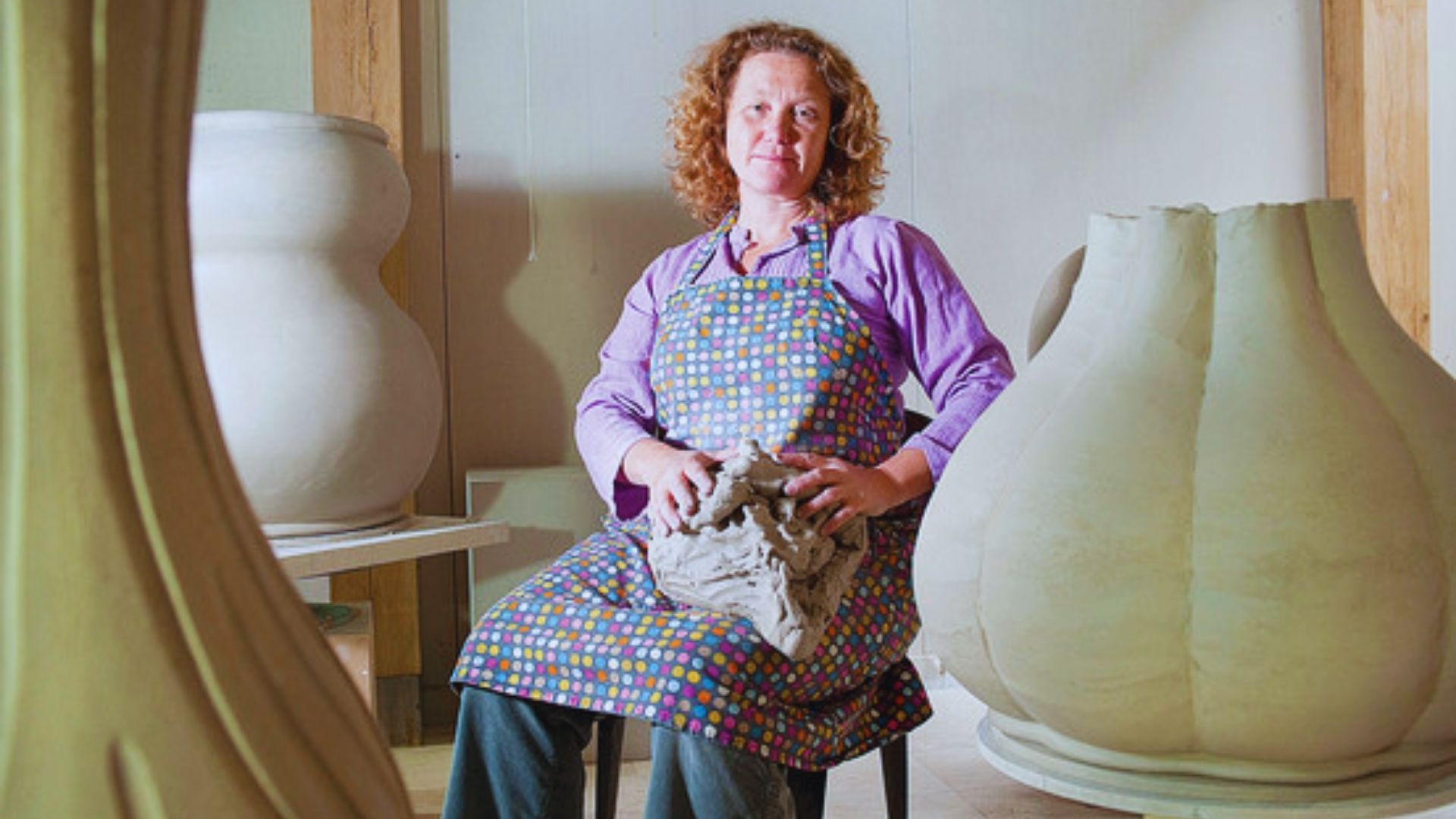
Malone creates richly glazed ceramics inspired by fruits, vegetables, and ocean life. Her work celebrates abundance in nature through crystalline glazes that sparkle like natural minerals and organic growth.
How to Appreciate Nature-Inspired Ceramic Art?
Start by looking at the overall shape. Does it remind you of something from nature? Get close to examine the texture. Run your eyes over surfaces to catch carved patterns, pressed marks, or glaze variations. Consider the colors and how they make you feel.
Read the artist’s statement if available. Look for symbols. Cracked surfaces might represent drought or damage. Abundant growth could signal hope or renewal.
Start small if you’re new to collecting. Buy what speaks to you. Choose pieces that make you happy when you see them. Research the artist and consider care requirements. Visit galleries and shows. Seeing work in person helps you appreciate scale, texture, and color better than photos ever can.
Conclusion
These 21 ceramic artists inspired by nature show how deeply art and environment connect. Each creator brings their own perspective to clay, whether through organic forms, environmental messages, or cultural traditions.
I find it amazing how something as simple as earth and fire can produce such meaningful work. If this speaks to you, visit a local gallery to see ceramic art in person. The textures and scale really come alive when you’re standing next to them.
What natural forms would you want to see transformed into clay? Share your thoughts in the comments below.
Frequently Asked Questions
What makes ceramic art nature-inspired?
Nature-inspired ceramics use organic forms, natural textures, and environmental themes. Artists might reference plants, animals, landscapes, or earth processes in their shapes, surfaces, and concepts.
How do ceramic artists create natural textures?
They press real leaves or bark into wet clay, carve patterns by hand, or use special glazing techniques. Some textures happen naturally during firing when materials react to heat.
Can I start collecting ceramic art on a budget?
Yes. Look for emerging artists or smaller pieces. Local art fairs and student shows offer affordable options. You can find quality work starting at around $50 to $200.
What’s the difference between pottery and ceramic art?
Pottery focuses on functional vessels like bowls and cups. Ceramic art includes sculptural pieces made for visual expression rather than practical use. Many artists work in both areas.
How should I care for ceramic artwork?
Keep pieces away from edges where they might fall. Dust gently with a soft cloth. Avoid temperature extremes and direct sunlight, which can fade some glazes over time.
