


If you’re curious about types of stoneware, you’re in the right place. I’ll walk you through everything you need to know about collecting and understanding this durable pottery.
We’ll cover what makes stoneware special, the different types you’ll find, popular glazes, and how to care for your pieces.
From traditional rustic crocks to vibrant colored pieces, I’ll help you make smart collecting choices.
I’ve spent years working with ceramics, so trust me when I say this guide will give you the knowledge to start or grow your collection with confidence.
What is Stoneware?
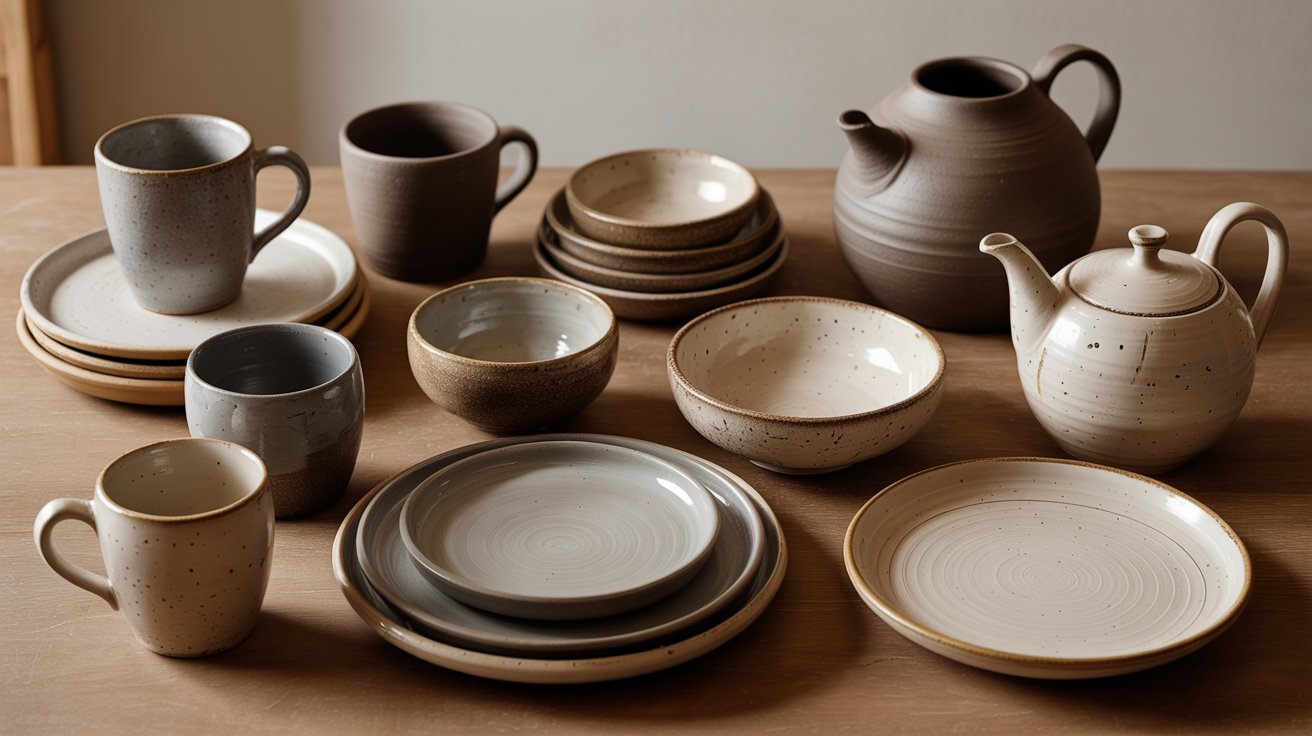
Stoneware is a type of ceramic pottery fired at very high temperatures, around 1,200°C or 2,200°F. This extreme heat makes it incredibly strong and durable.
The high temperature causes partial vitrification. The clay particles fuse, creating a dense body with low porosity. You can use stoneware pieces with or without glaze because the clay itself becomes waterproof.
Stoneware first appeared in China during the Shang dynasty around 1400 BCE. Ancient potters created durable vessels that changed ceramic history.
The technique spread to Korea and Japan over centuries, with each culture developing its own styles.
Europe embraced stoneware much later. Famous makers like Yixing in China, Wedgwood in England, and Meissen in Germany created pieces that collectors still value today.
Properties of Stoneware

Understanding what makes stoneware special helps you appreciate its lasting appeal.
Durability and Water Resistance
Stoneware is less porous than earthenware. Water can’t seep through its walls easily. This means you can use functional items without glaze because the clay body itself holds liquids without leaking.
The fired pieces resist chips and cracks better than softer ceramics. They last for generations with proper care.
Composition
Stoneware contains several key ingredients. Quartz gives it strength, clay provides structure, and feldspar helps it melt and fuse. Some clays include iron oxide, which creates natural warm tones in the finished piece.
The mixture has good plasticity, so potters can shape it easily while it stays workable on the wheel.
Firing Range and Techniques
Medium to high firing happens between 1100 and 1300°C. That’s Cone 02 to Cone 10 in pottery terms. Oxidation firing uses plenty of oxygen in the kiln and creates clean, bright colors.
Reduction firing limits oxygen, and the atmosphere pulls oxygen from the clay and glazes, creating different effects and deeper tones.
Types of Stoneware
Let me break down the main categories you’ll encounter as a collector.
Traditional Stoneware
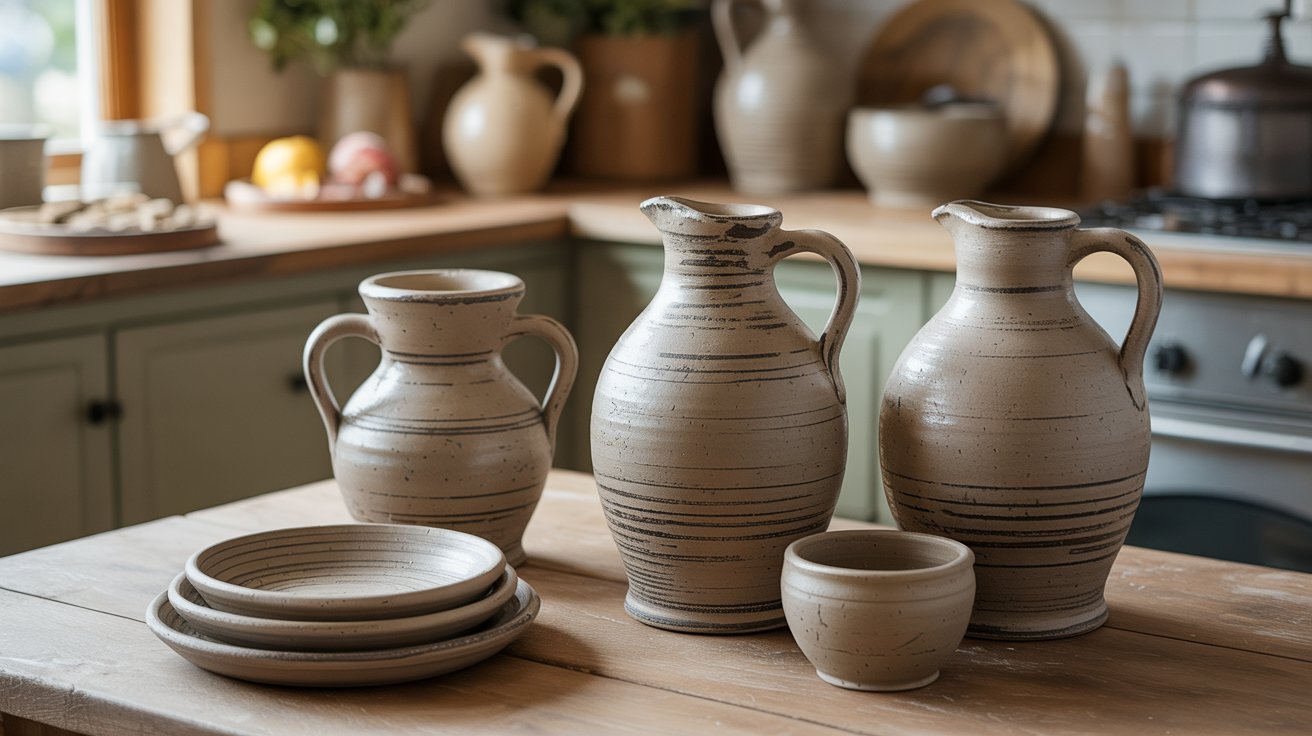
This is the rustic, classic style most people recognize. It has natural gray or brown tones. Potters use it for functional crockery and storage pots like butter churns, jugs, and serving bowls.
The simple appearance shows the clay’s natural character. Many collectors love this honest, unadorned style.
Colored Stoneware
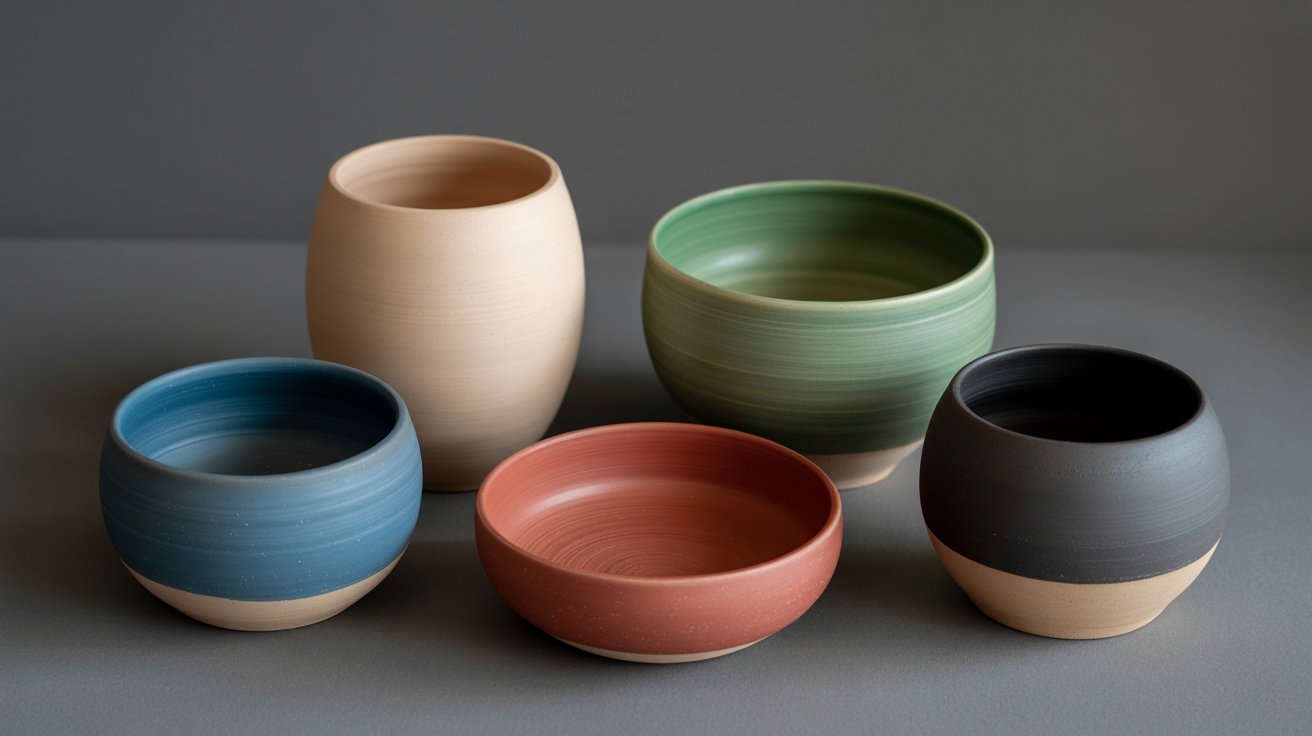
Potters add pigments or metal oxides to create vibrant colors. You’ll find blue, green, red, and black clay bodies. These pieces work well for decorative items and modern tableware.
The color goes all the way through the clay. If a piece chips, the inside matches the outside. This makes colored stoneware practical and visually appealing.
Porcelain Stoneware
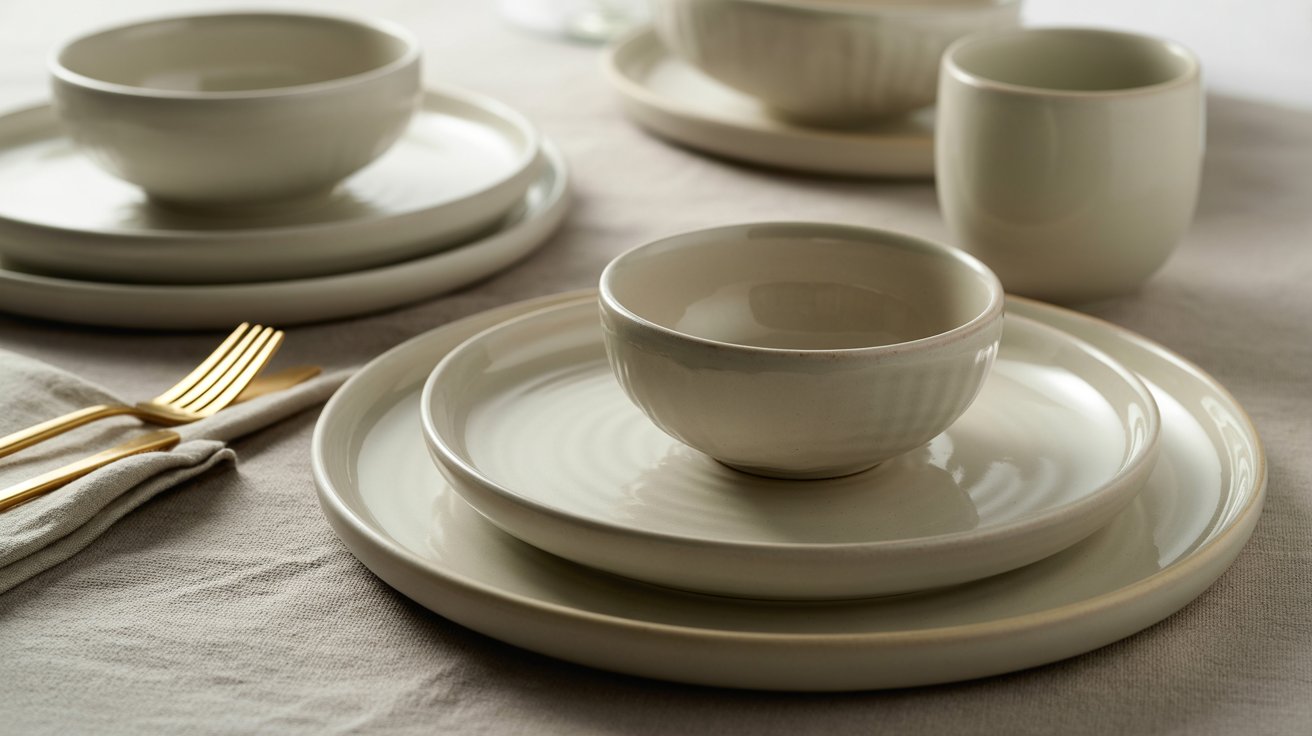
This hybrid combines traits from both materials. It’s denser than regular stoneware. Some pieces show slight translucency when held to light and resist chipping exceptionally well. High-end dinnerware often uses this type. It feels smooth and refined while staying strong.
Salt-Glazed Stoneware
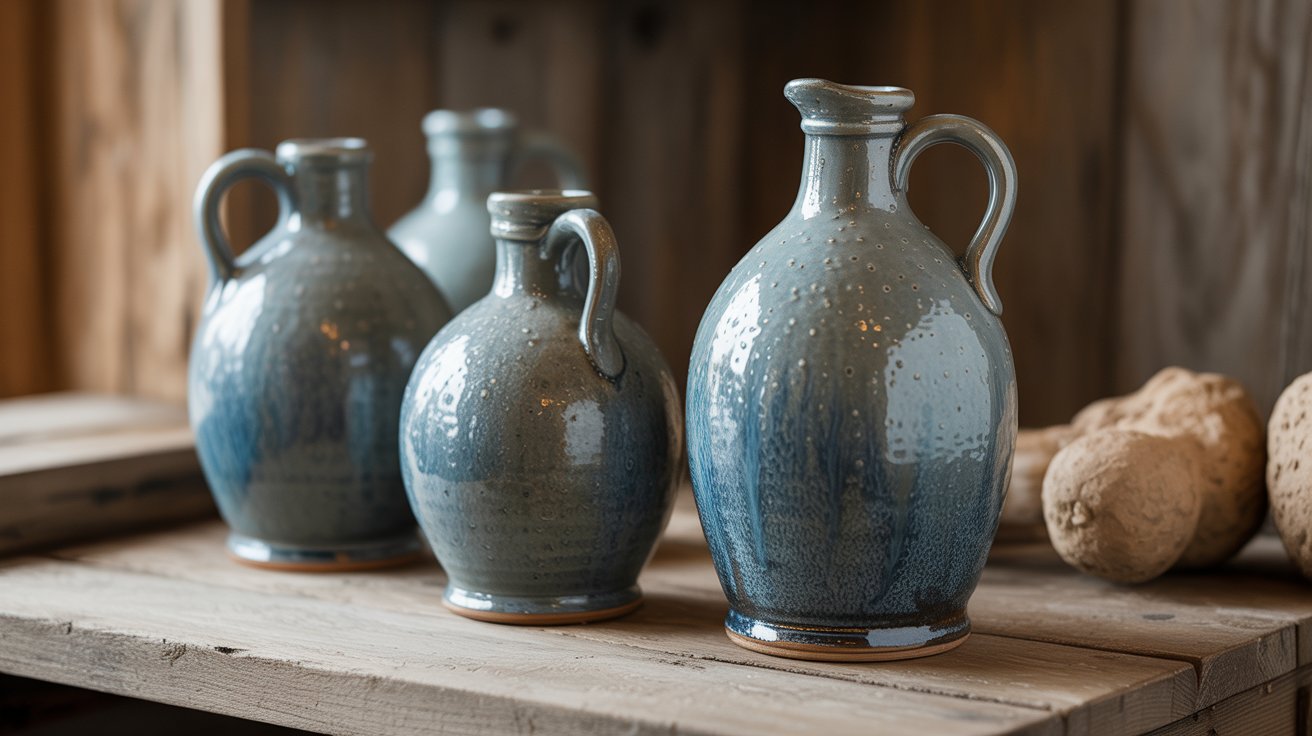
Potters throw salt into the kiln during firing. The salt vaporizes and coats the pottery, creating a glassy surface with an “orange peel” texture.
You can feel tiny dimples across the surface. Most pieces show blue or gray hues. Collectors prize these for their distinctive look and historical value.
Slip-Decorated Stoneware
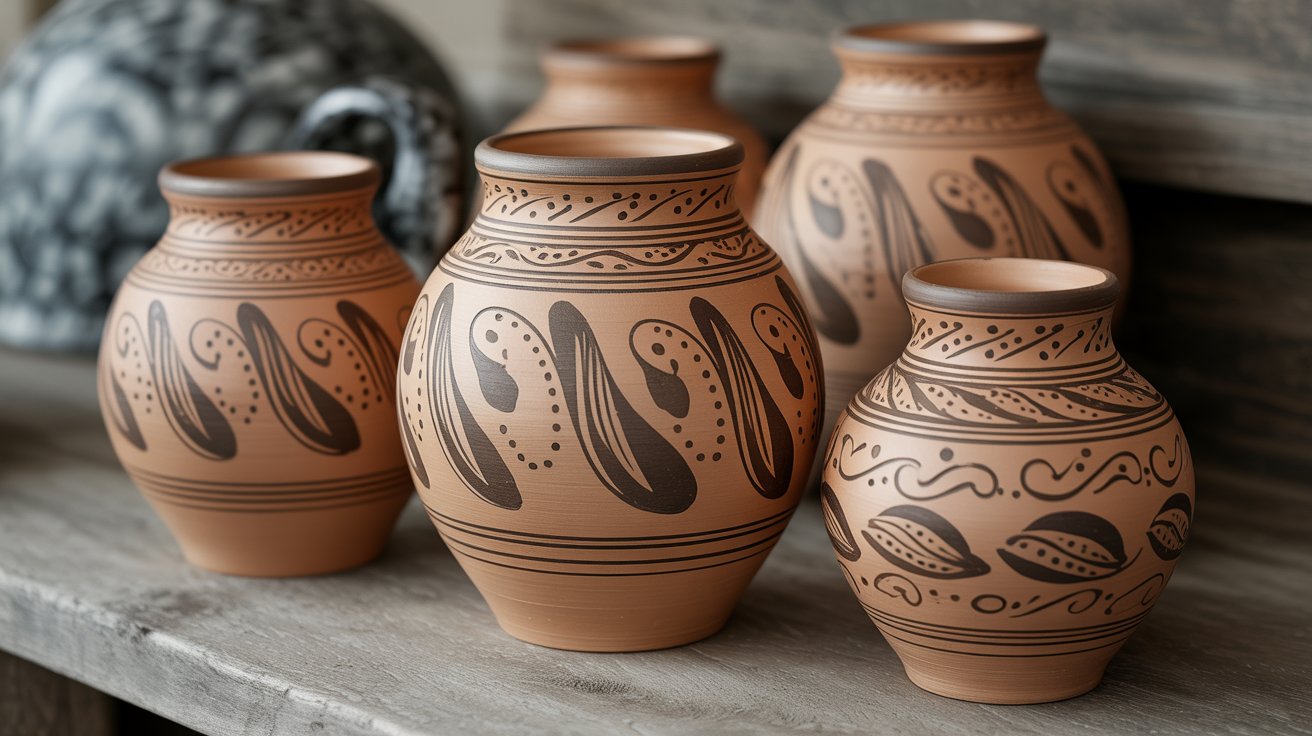
Liquid clay, called slip, gets applied to the surface before firing. Potters use it like paint. This allows for intricate patterns and designs.
You’ll see trailing lines, dots, and complex motifs. American redware and European folk pottery often feature slip decoration. Each piece becomes a work of art.
Specialty Stoneware Clays
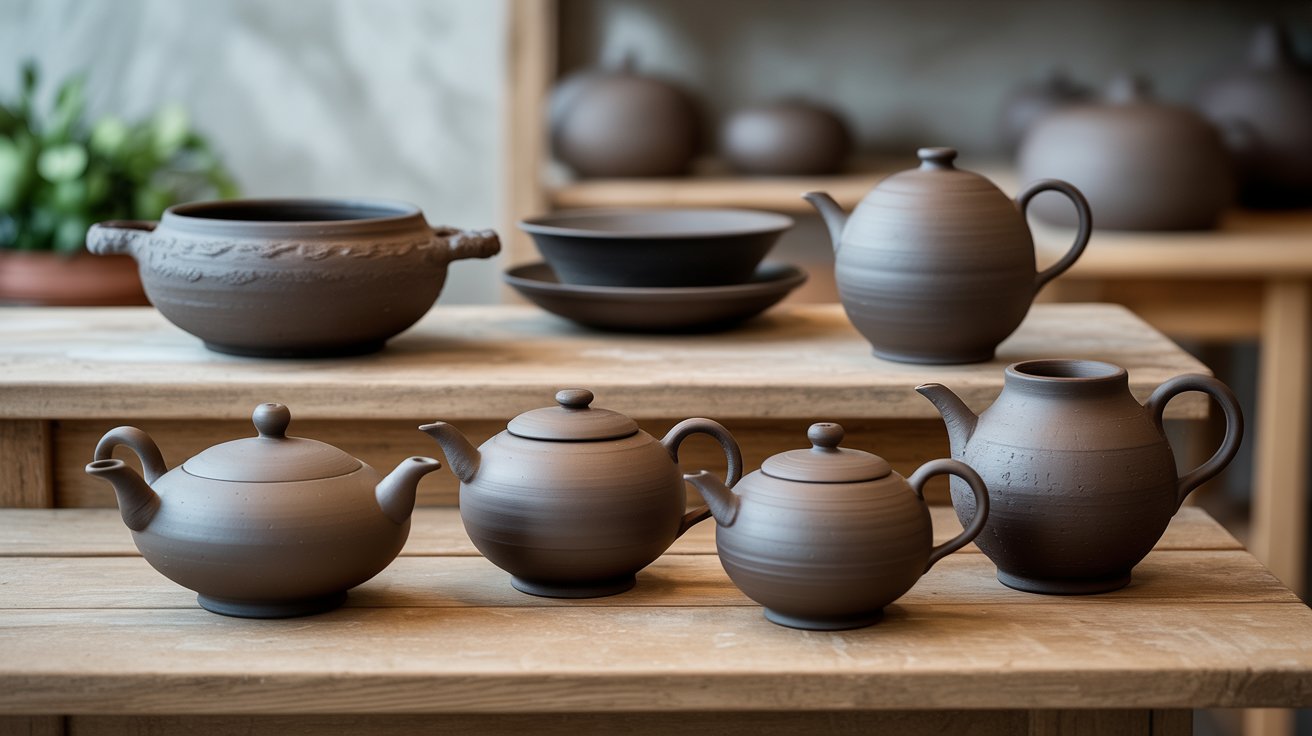
Several specific clay types deserve attention. Yixing Clay comes from China and is famous for unglazed teapots with smooth surfaces. The clay absorbs tea flavors over time.
Ironstone originated in the 19th-century UK. This strong clay could handle large serving pieces and dinnerware sets.
Ovenware Clay resists thermal shock. You can move it from the freezer to the oven without cracking, perfect for casserole dishes.
Raku Clay works for low-firing techniques. The process creates smoke-blackened surfaces with metallic effects.
Common Stoneware Glazes
Glazes add color, texture, and function to stoneware. Here are the main types you’ll encounter.
Feldspathic Glazes
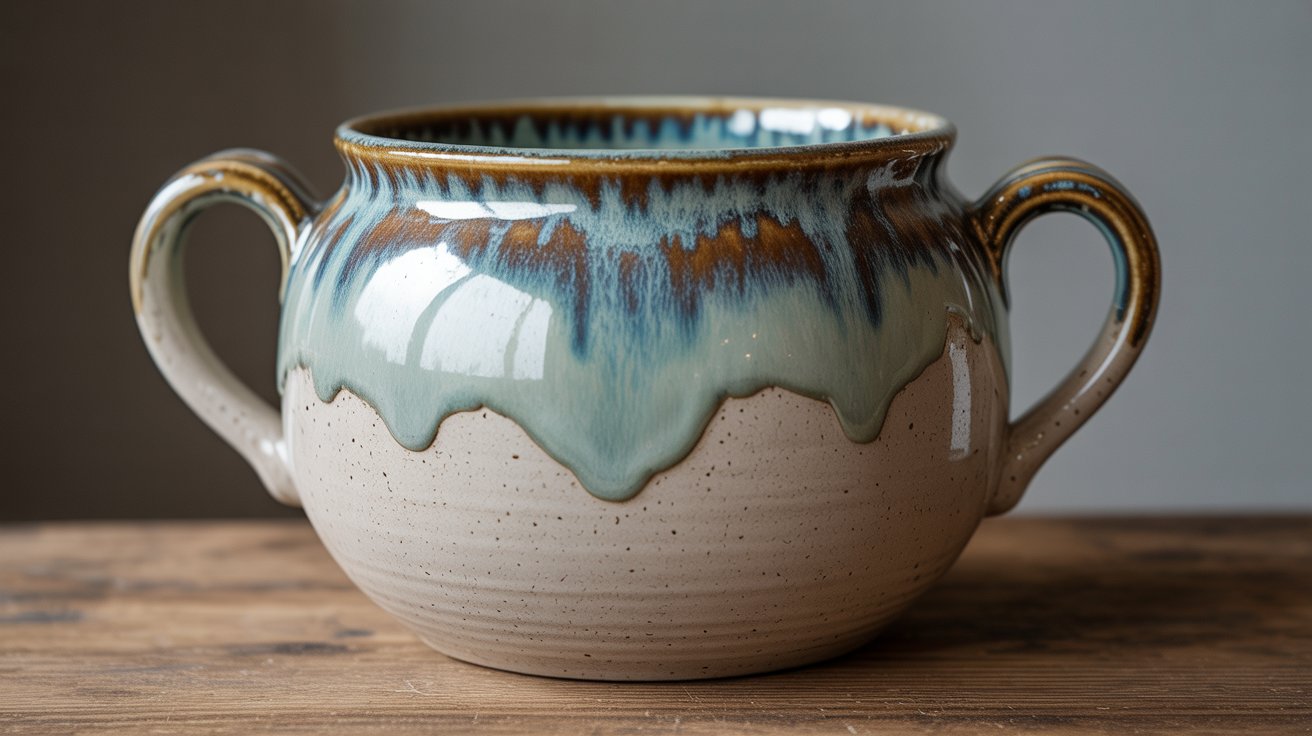
These glazes use feldspar, silica, and clay. Feldspar acts as a flux, helping ingredients melt together and create smooth, glass-like surfaces. Colors range from clear to vibrant hues. This is one of the most common and reliable glaze families.
Shino Glazes
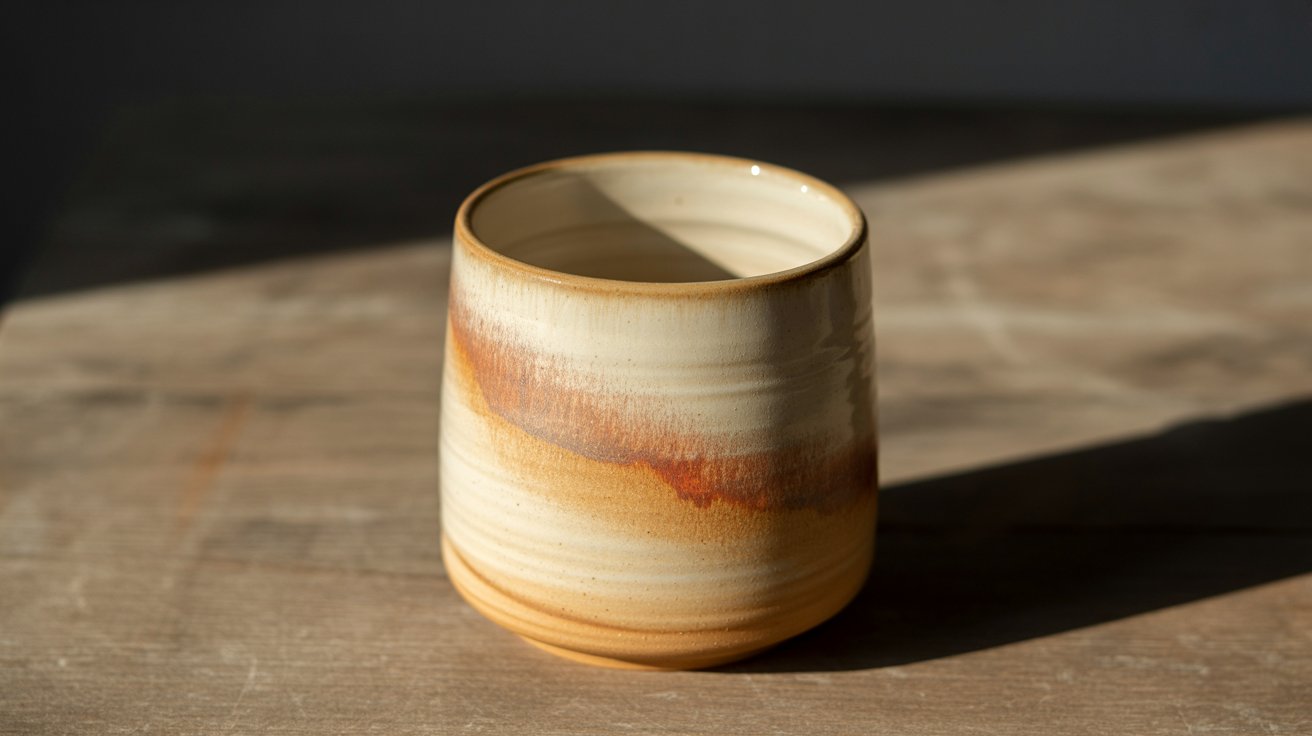
Shino comes from Japanese pottery traditions with colors ranging from cream to orange-brown. Reduction firing traps carbon under the glaze, creating orange and red flashes. The surface shows a soft, matte quality that collectors love for its warm, organic feel.
Tenmoku Glazes
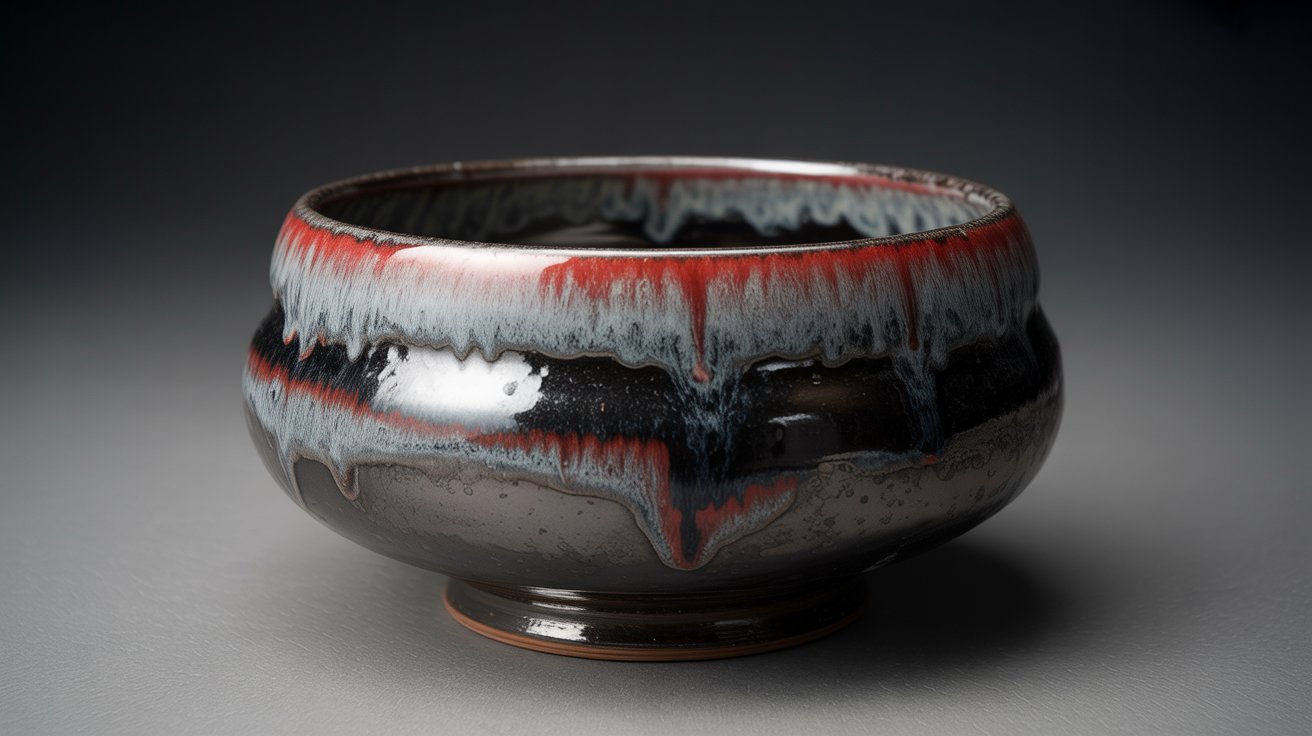
These iron-rich glazes create glossy, near-black surfaces with red or maroon highlights where the glaze breaks thin. The glaze flows during firing, creating variable textures and pooling effects. Chinese and Japanese potters perfected this style.
Ash Glazes
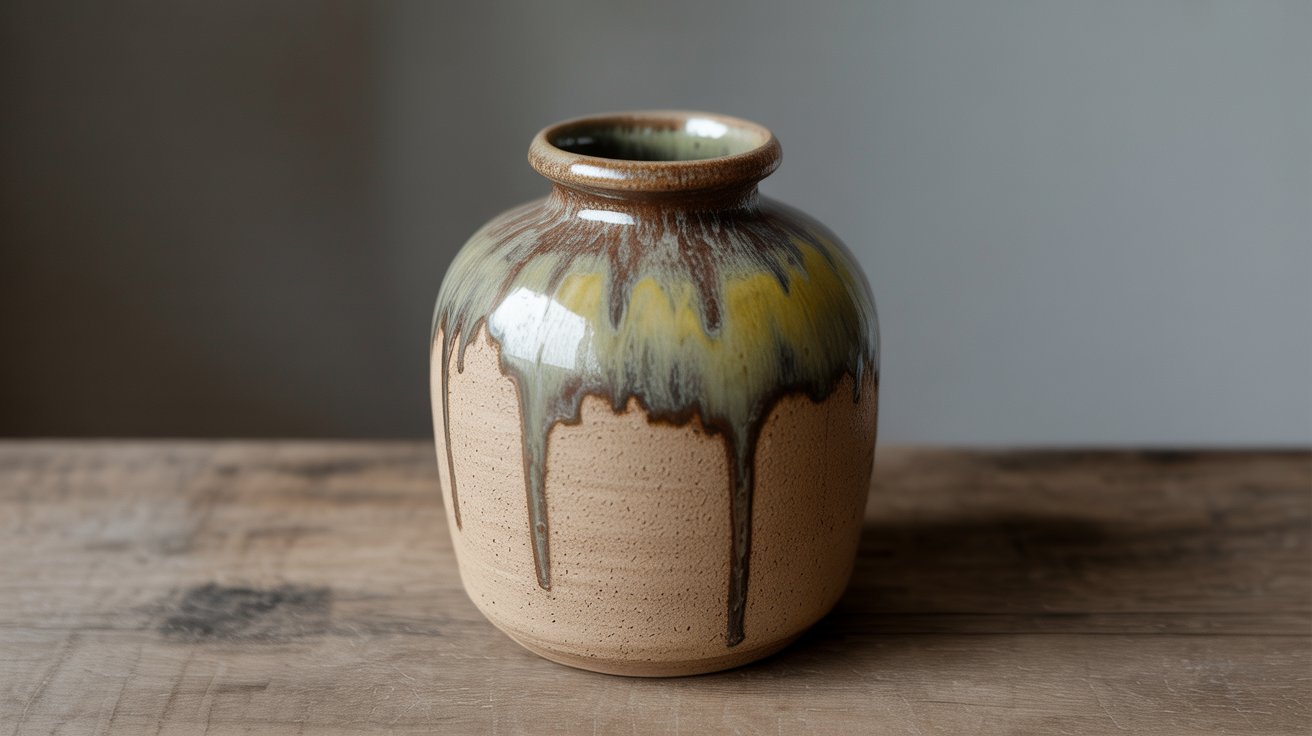
Made from wood or plant ashes, these glazes havean earthy character with soft greens, browns, and yellows. The glaze often drips down the pot’s surface. Each firing produces slightly different results, making every piece different.
Salt and Soda Glazes
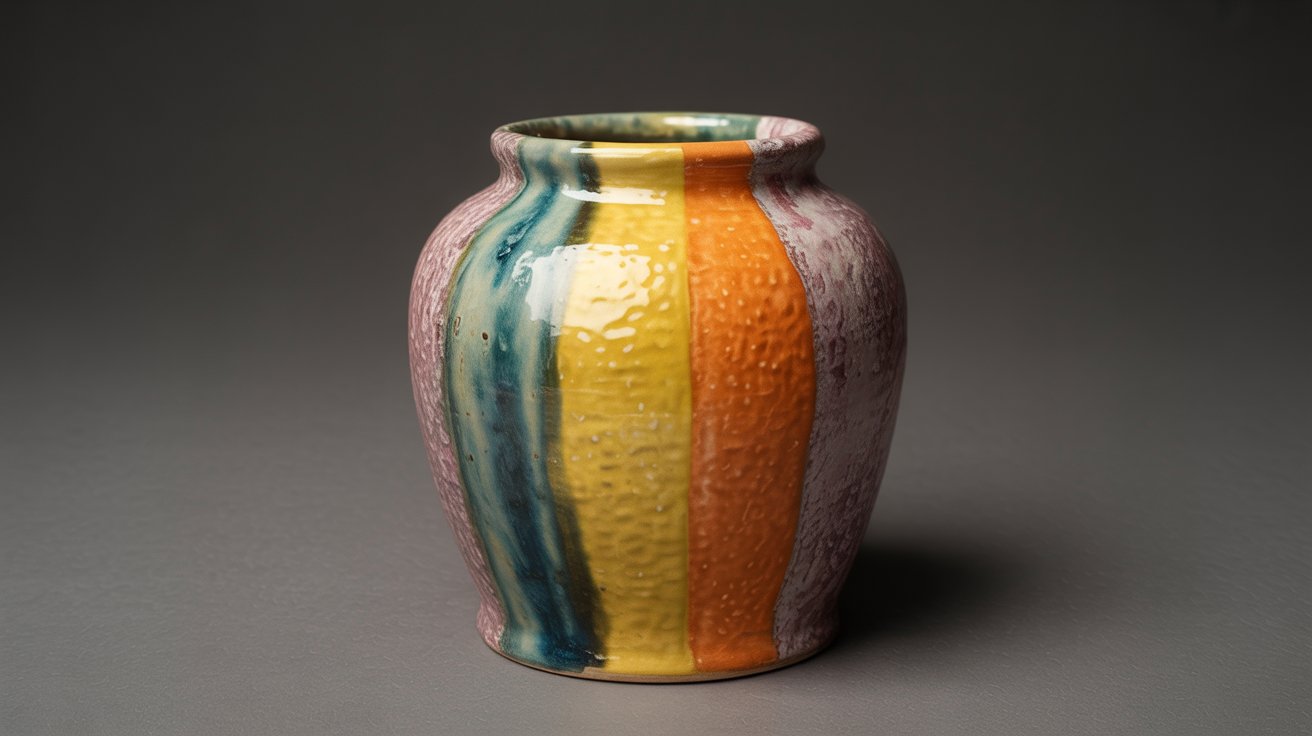
Salt glaze dates to medieval Europe with an unmistakable orange peel texture. Soda glaze offers a modern, eco-friendly alternative with more vivid colors. Both techniques require special kilns where vapor affects everything inside, creating unpredictable beauty.
How to Choose Stoneware for Collecting?
Start by deciding what draws you to stoneware. This helps focus your collection and makes buying decisions easier.
- Decide between functionality and display. Choose pieces you can use daily, like mugs and bowls, or select decorative items for shelves and cabinets.
- Consider regional and historical significance. Different regions have distinct styles. Yixing teapots from China look nothing like German salt-glazed jugs or Japanese ceramics.
- Research the maker and origin. Learning about who made a piece and where it came from helps you understand its value and spot authentic items.
- Learn to identify glazes and surface treatments. Understanding different techniques helps you spot quality, authenticity, and recognize specific time periods or potter styles.
- Consider care requirements based on the finish. Unglazed stoneware needs different handling than glazed pieces, so choose what fits your lifestyle and commitment level.
Conclusion
I hope this guide helps you feel confident about types of stoneware and collecting. From traditional rustic crocks to vibrant colored pieces, each type offers something special.
Start with what speaks to you, whether that’s functional pottery for your kitchen or historical pieces for display.
I love how stoneware connects us to centuries of craft tradition. What type interests you most? Share your thoughts in the comments, and happy collecting!
Frequently Asked Questions
What makes stoneware different from pottery?
Stoneware is fired at higher temperatures than regular earthenware pottery. This makes it denser, stronger, and less porous. It can hold water without glaze, while earthenware cannot.
Can I put stoneware in the dishwasher?
Most modern stoneware is dishwasher safe. However, antique pieces and those with metallic glazes should be hand-washed. Check the maker’s recommendations for specific pieces.
Why is some stoneware unglazed?
High firing makes stoneware naturally waterproof. Unglazed pieces like Yixing teapots develop patina over time. The clay absorbs flavors and oils, which some collectors prefer.
How can I tell if stoneware is valuable?
Look for maker’s marks, unusual glazes, and historical significance. Pieces from famous potters or regions command higher prices. Condition and rarity also affect value greatly.
Does stoneware chip easily?
Stoneware is quite durable compared to porcelain or earthenware. It resists chipping better than most ceramics. However, direct impacts on edges or handles can still cause damage.
