


I’ve spent years working with both Continental and English knitting styles, and I know how confusing it can be to choose between them. In this guide, I’ll break down exactly how each method works and help you figure out which one fits your needs.
You’ll learn the key differences between holding yarn in your left hand versus your right hand, plus the real advantages and challenges of each technique.
My goal is to give you clear, practical information so you can pick the style that feels right for your hands.
What Is Continental Knitting?
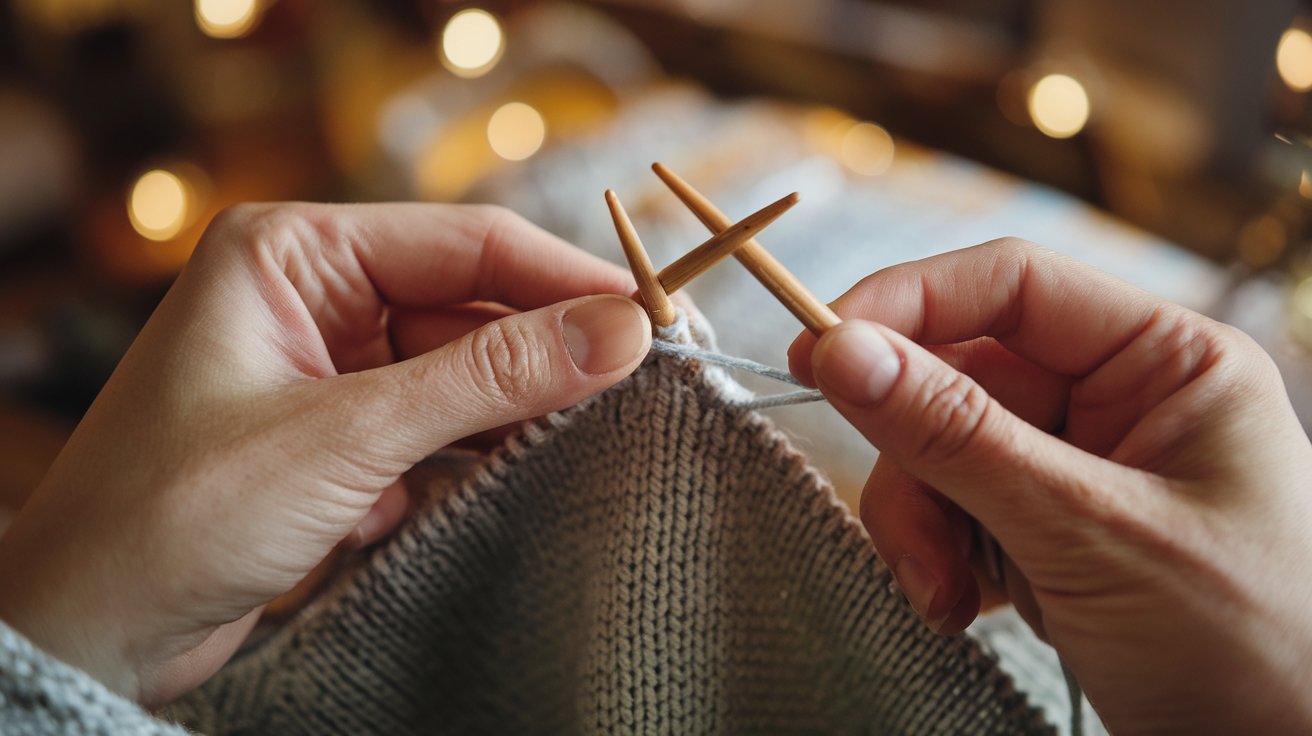
Continental knitting holds the working yarn in your left hand while using the right needle to create stitches through a “picking” motion. You wrap the yarn around your left index finger to maintain tension, then use the needle tip to catch and pull the yarn through.
This style originated in Germany and Scandinavia. Many knitters find it faster because it requires fewer hand movements. The biggest advantage is minimal motion, which appeals to crocheters and reduces fatigue during long projects.
Learning proper yarn tension can be tricky for beginners. Some complex stitch patterns, like cable knitting, can feel awkward until you develop confidence.
What Is English Knitting?
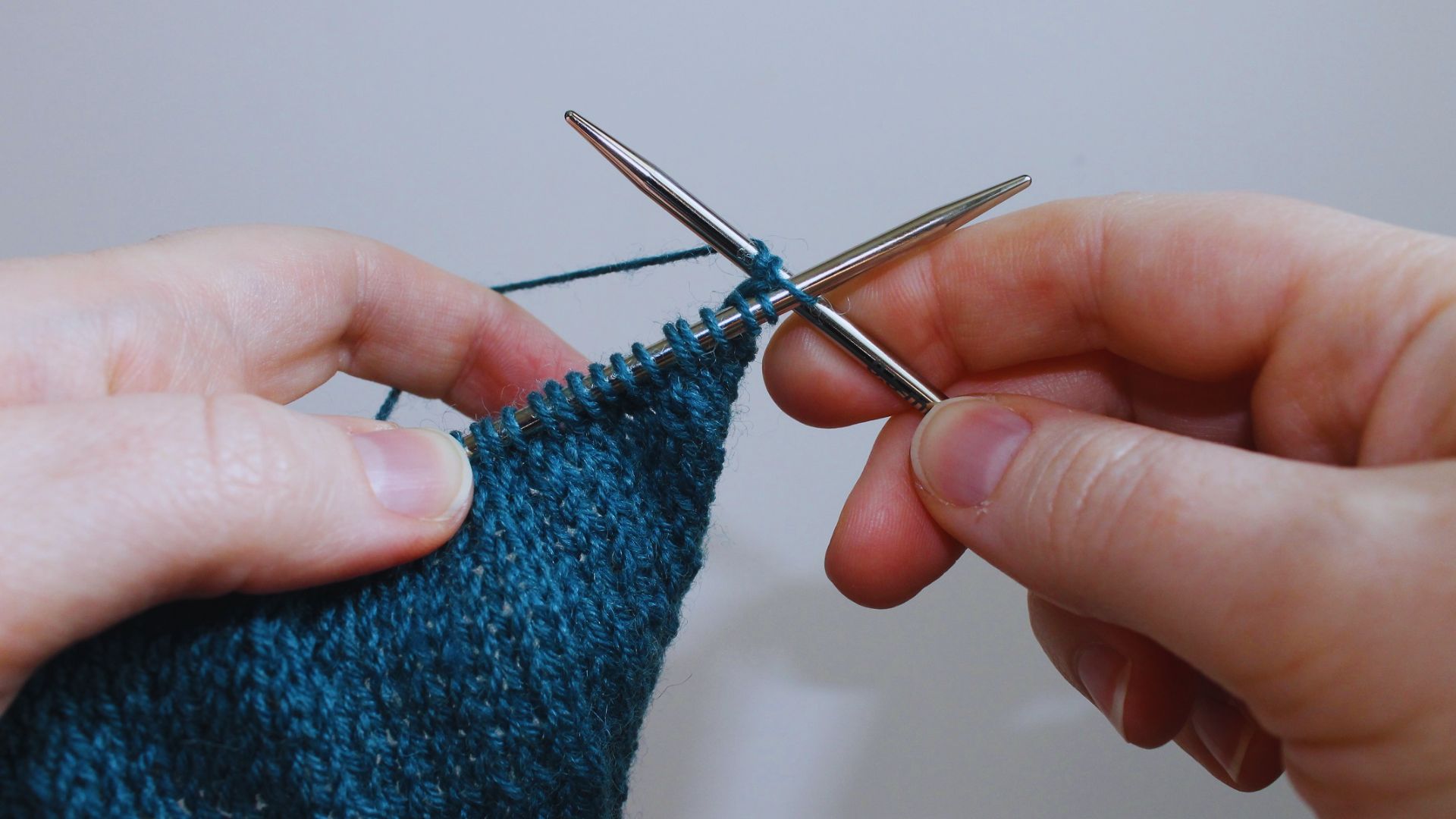
English knitting holds the working yarn in your right hand and wraps it around the needle using a “throwing” motion. Your right hand controls both the needle and yarn, while your left hand holds the stitches.
This style originated in the United Kingdom. Most knitting patterns default to English-style directions, making it the most commonly recognized method worldwide.
The primary advantage is accessibility for beginners. The throwing motion feels intuitive and offers excellent stitch control. It works well for teaching children because the movements are visible and easy to demonstrate.
The main drawback is increased hand movement, which can make this method slower. The repetitive throwing motion may lead to fatigue and wrist strain without proper posture or regular breaks.
Pros and Cons of Each Style
Each knitting style has specific strengths and weaknesses that affect your comfort, speed, and learning experience when working on projects.
|
Knitting Style |
Advantages |
Disadvantages |
|
English Knitting |
Easier to learn for beginners Good control over tension Throwing motion feels natural Creates consistent, even stitches |
Can strain fingers, wrists, and back Larger hand motions reduce efficiency Slower for experienced knitters Repetitive motion causes fatigue |
|
Continental Knitting |
Faster once mastered Less stressful on fingers Efficient for long projects Minimal hand movements reduce fatigue |
Risk of wrist and forearm strain with poor posture Steeper learning curve for beginners Picking motion takes practice Tension control initially tricky |
|
Combined Knitting |
Speeds up colorwork significantly Holds different colors in each hand Makes pattern work smoother and faster Offers flexibility between techniques |
Requires practice to maintain even tension Balancing two techniques takes time Purling technique challenging initially More complex for new knitters |
Why Learning Both Styles Can Be Beneficial
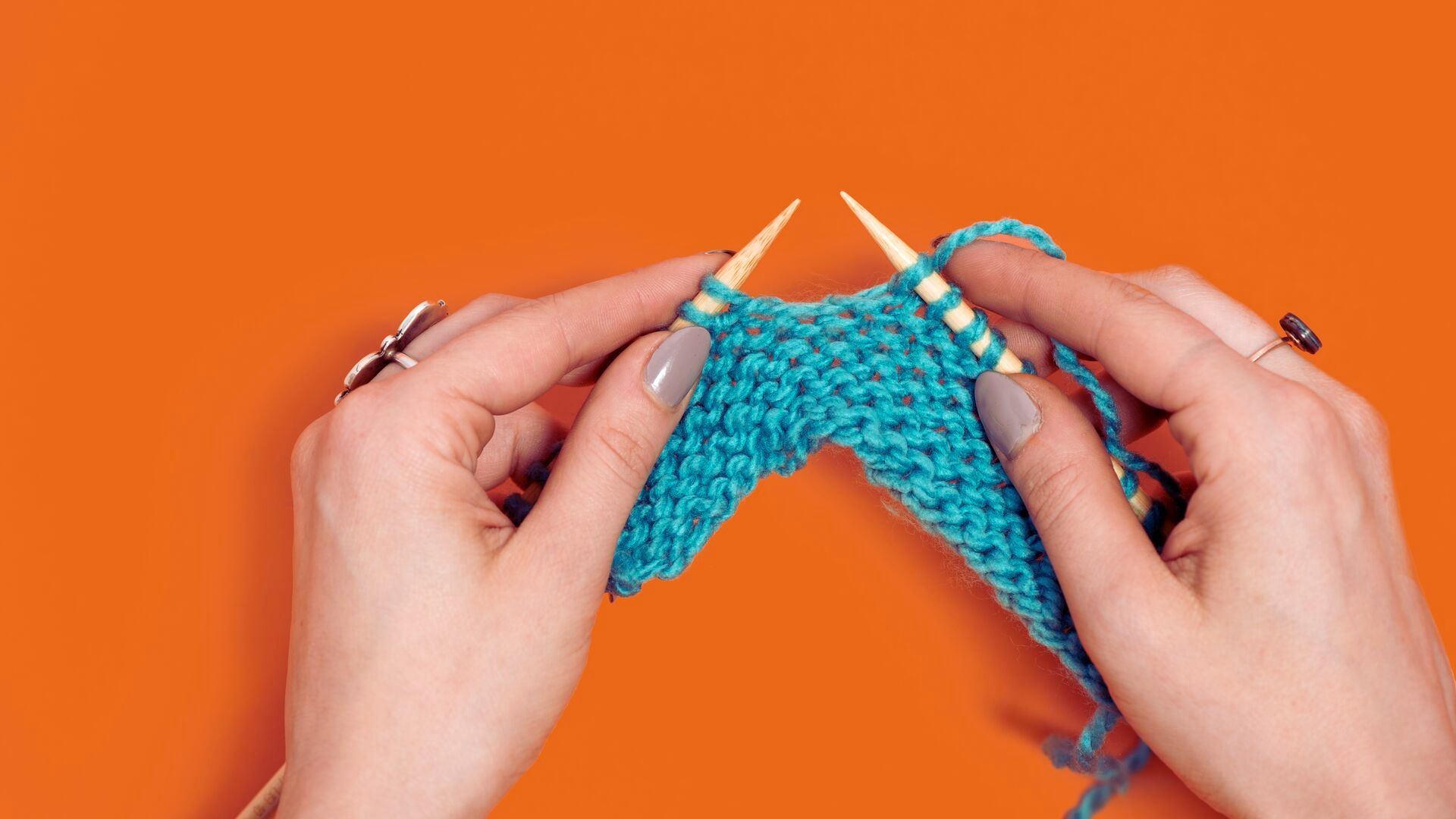
Mastering both Continental and English knitting opens up new possibilities and improves your comfort while working on projects.
Reduce strain by switching styles. When you feel fatigue, alternate between techniques to use different muscle groups and prevent overuse injuries. For colorwork, hold one color in each hand for smoother, faster color changes and more even tension in patterns like Fair Isle.
Build versatility by choosing the most natural method for different stitch patterns. Understanding both approaches makes it easier to follow various tutorials and help other knitters regardless of their preferred style.
How to Decide Which Knitting Style Is Right for You
Selecting the right knitting style depends on your goals and physical needs. If you crochet, Continental knitting will feel more natural since both techniques involve picking yarn.
If you want speed, Continental style works better for large projects, but if you prefer precision with complex patterns, try English knitting.
If you have hand or wrist strain, Continental knitting requires less movement and may be gentler on your joints. For beginners or children, English knitting is easier to learn because the movements are more visible.
Try both methods for several practice sessions. The best technique is the one that feels comfortable for your long-term knitting practice.
Taking Care of Your Hands and Wrists
Protecting your hands and wrists is crucial for comfortable, long-term knitting and helps prevent pain and injury over time.
- Maintain proper posture. Sit with your back supported and feet flat on the floor. Keep your elbows close to your body and avoid hunching over your work. Good lighting reduces eye strain and helps you maintain better posture.
- Hold the needles gently. Avoid gripping your needles too tightly, as this increases hand strain. A relaxed grip reduces tension in your fingers, wrists, and forearms during long knitting sessions.
- Take regular breaks. Stop every 20 to 30 minutes to stretch your hands, wrists, and fingers. Rotate your wrists in circles and gently stretch your fingers back to prevent stiffness and cramping.
- Use ergonomic needles. Choose needles designed to reduce hand strain. Bamboo or wooden needles are lighter and warmer to hold than metal ones, making them easier on your hands.
- Watch for warning signs. Pay attention to any tingling, numbness, or pain in your hands and stop if you feel discomfort. If pain persists, consult a healthcare professional.
Conclusion
Both Continental and English knitting styles have their strengths, and the right choice comes down to what feels comfortable for you.
I encourage you to experiment with both techniques. Some knitters connect with one style immediately, while others need practice to find their preference.
What feels awkward now will become natural with time. Many accomplished knitters eventually learn both styles, giving them flexibility to switch based on the project.
The most important thing is finding an approach that keeps you motivated. Which style are you leaning toward? Drop a comment below and share your experience!
Frequently Asked Questions
What is the main difference between Continental and English knitting?
Continental knitting holds the yarn in the left hand and picks it with the right needle, while English knitting holds the yarn in the right hand and wraps it around the needle. Continental often feels faster once mastered, but English provides more tension control for beginners.
Which knitting style is easier for beginners to learn?
English knitting is typically easier for beginners because the yarn wrapping motion feels more natural and intuitive. It allows better control over yarn tension, making it simpler to maintain consistent stitches.
Does one method produce better results than the other?
Both methods produce identical finished products when executed correctly. The quality of your knitting depends on your skill level and consistency rather than which technique you use.
Can I switch between Continental and English knitting styles?
Yes, you can learn and use both methods. Many experienced knitters switch between them depending on the project or when working with multiple colors to improve efficiency.
Which knitting style is faster for experienced knitters?
Continental knitting is generally faster because it requires less hand movement and yarn manipulation. However, speed depends on your personal comfort level and practice with either method.
