


Waiting for glue to dry can feel like torture. You’re ready to move on, but that wet bond holds everything back. I’ve spent years working with adhesives in my workshop, and I know how frustrating slow drying times can be.
This guide shows you how to make glue dry faster using simple, practical methods that actually work.
We’ll cover heat techniques, airflow tricks, humidity control, and surface prep. You’ll learn which methods work for different glue types and materials. I’m sharing what I’ve tested myself, not just theory.
Let’s get your projects done faster.
How does glue dry?

Glue dries through evaporation or chemical reactions. The solvent escapes, or the chemicals bond together. You can control how fast this happens.
Several factors affect drying speed. Temperature is key because warmth speeds evaporation while cold slows it. Humidity can prevent proper setting. Airflow removes solvents faster.
Surface type matters since porous materials like wood absorb moisture, but plastic doesn’t. Glue thickness also impacts time because thin layers dry faster than thick globs.
Different glues work differently. White glue dries by evaporation in 30 minutes to 24 hours. Super glue reacts with moisture and bonds instantly. Hot glue solidifies as it cools in 30 seconds to 2 minutes. Wood glue takes 30 minutes to 24 hours. Epoxy cures chemically in 5 minutes to several hours.
Different Ways to Make Glue Dry Faster
Let me show you methods that actually work.
Use Heat to Speed Up Glue Drying
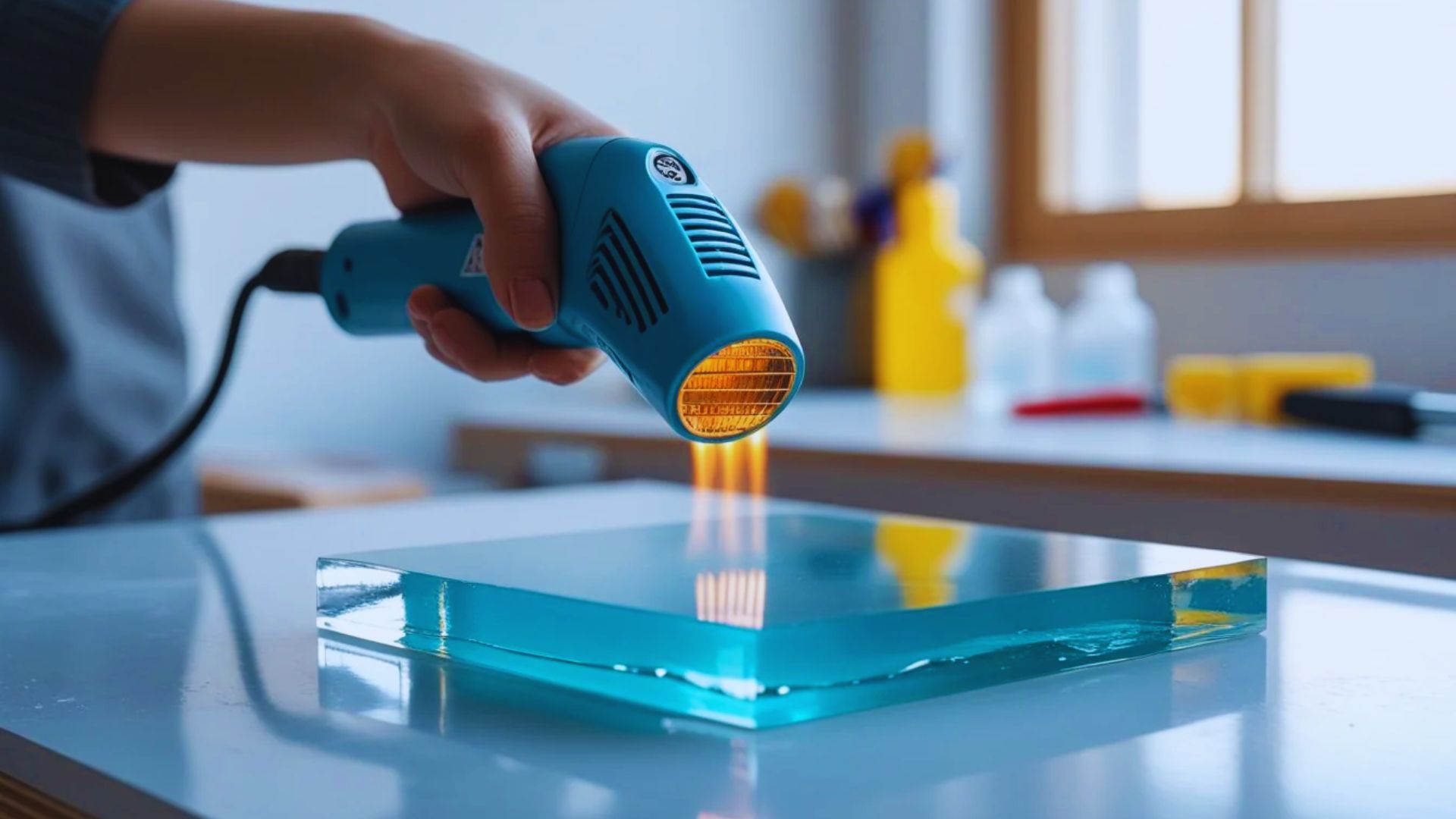
Heat accelerates evaporation and chemical reactions.
Sunlight drying works well for water-based glues. Place your project near a sunny window. The warmth speeds evaporation. Don’t use this for heat-sensitive materials or projects that might warp.
A hair dryer on low heat gives controlled warmth. Hold it 6 to 8 inches away. Move it constantly to avoid overheating one spot. This works for white glue, wood glue, and hot glue cooling.
Increasing the room temperature helps all glue types. Set your thermostat to 70 to 80°F. A warmer workspace means faster drying across the board.
Improve Airflow Around the Glue

Moving air removes moisture and solvents faster.
Using fans creates consistent airflow. Position a fan 2 to 3 feet from your project. Don’t aim it directly at wet glue, or you might blow it around. Oscillating fans work better than fixed ones.
Working in a well-ventilated space brings fresh, dry air. Open windows create natural circulation. Basement workshops often have poor ventilation, which slows drying.
Compressed air for hot glue cools it instantly. Use short bursts from 6 inches away. This works because hot glue sets when it cools, not when solvents evaporate.
Reduce Humidity in the Environment

Less moisture in the air means faster drying.
Moving projects to dry areas helps immediately. Basements are often damp. Upper floors and heated rooms tend to be drier.
Using a dehumidifier removes moisture from the air. Run one in your work area for an hour before gluing. Keep it running while the glue dries.
Why low humidity helps glue cure is simple. Water-based glues need to release moisture. If the air is already saturated, evaporation slows down. Dry air pulls moisture from the glue faster.
Use Glue Accelerators or Activators

These chemicals speed up curing reactions.
What accelerators are depends on the glue type. For super glue, activators trigger instant bonding. For epoxies, accelerators speed the chemical reaction.
When to use them is for quick repairs or when normal drying isn’t fast enough. They’re common in industrial applications and professional repairs.
Safety precautions matter here. Wear gloves and work in ventilated areas. Read product labels carefully. Some accelerators produce fumes. Never use them near flames.
Apply Glue in Thin, Even Layers

Less glue means faster drying.
Why thin layers dry faster is straightforward. Solvents have less distance to travel. Surface area is higher relative to volume. Heat penetrates better.
Layering glue properly means applying just enough to coat both surfaces. Spread it evenly with a brush or applicator. If you need more glue for strength, do multiple thin coats instead of one thick one.
Press or Clamp Surfaces Firmly

Good contact improves bonding and speeds drying.
Improving surface contact removes air pockets. When surfaces touch completely, glue spreads into a thinner layer. This exposes more glue to the air.
Reducing air gaps also prevents weak spots. Use clamps, weights, or tape to hold pieces together. Keep pressure consistent across the entire bond area.
Prepare Surfaces Before Applying Glue

Clean surfaces bond faster and stronger.
Cleaning dust, grease, and moisture is step one. Wipe surfaces with rubbing alcohol or a clean cloth. Even invisible oils from your hands can slow bonding.
Pre-treating porous materials helps too. Lightly dampen wood surfaces before applying wood glue. This prevents the wood from absorbing too much adhesive.
For super glue on non-porous surfaces, a tiny bit of moisture speeds curing.
Choose a Quick-Dry or Right-Type Glue

Matching glue to your project saves time.
Quick-dry glue options include instant adhesives and fast-setting formulas. Check labels for cure times. Some products specifically advertise faster drying.
Matching glue to materials is critical. Use wood glue for wood, plastic cement for plastics, and fabric glue for textiles. The right glue bonds faster because it’s formulated for that material’s properties.
Avoid Using Excess Glue
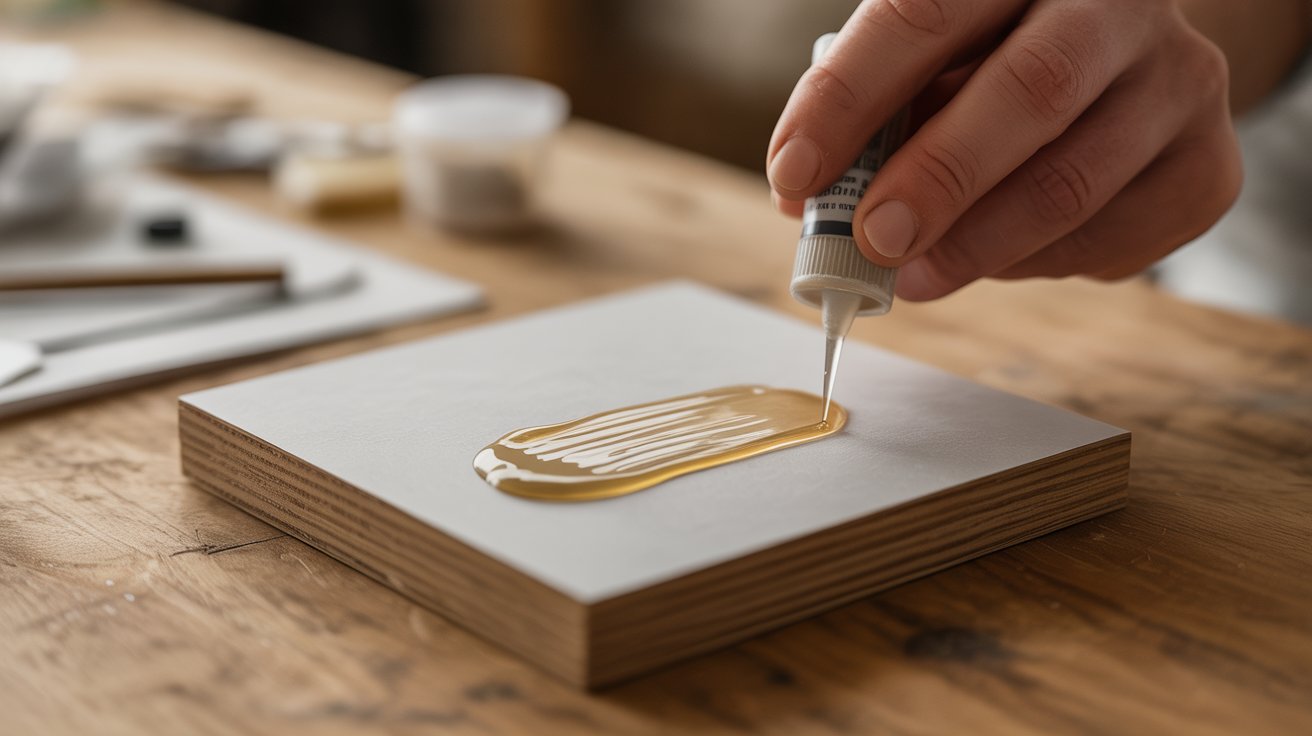
More isn’t better with adhesives.
How too much glue slows drying happens because thick layers trap solvents inside. The outer surface might feel dry while the inside stays wet. This weakens the bond and extends wait times.
Applying the correct amount takes practice. For most bonds, a thin, even coat on one surface is enough. Excess glue just squeezes out and makes a mess.
Factors That Affect Glue Drying Time

Understanding these factors helps you control the process.
Temperature and Humidity
These two work together. Warm, dry conditions are ideal for most glues. Cold and damp conditions are the worst.
Aim for room temperature around 70°F with humidity below 50%. Some glues, like super glue, actually need a bit of moisture, but most don’t.
Surface Type and Porosity
Porous surfaces absorb moisture from glue, speeding drying. Wood, paper, and fabric fall into this category. Non-porous surfaces like metal, glass, and plastic don’t absorb anything.
The glue on these materials dries only through evaporation from the exposed surface. This is why gluing glass takes longer than gluing wood.
Glue Type and Thickness
Different formulas have different base rates. Contact cement sets in minutes. Epoxy takes hours. Layer thickness multiplies these times.
A 1mm layer might dry in 10 minutes. A 5mm layer could take an hour.
Common Mistakes That Slow Down Glue Drying
These simple errors can add hours to your drying time.
- Working in cold or damp conditions. Unheated garages and humid basements make the glue refuse to set. Check your workspace temperature and humidity first. Warm the room or run a dehumidifier if needed.
- Disturbing the bond too early. Moving pieces before the glue sets ruins the bond. Even dry surfaces can have wet glue inside. Follow the recommended set time and add extra minutes.
- Skipping surface preparation. Dirty or oily surfaces prevent proper bonding. Wipe surfaces clean with rubbing alcohol before gluing. This takes 30 seconds but saves hours.
- Applying too much glue. Thick layers trap solvents and slow drying. The outside might feel dry while the inside stays wet. Use thin, even coats instead.
- Using the wrong glue type. Each adhesive works for specific materials. Match your glue to your project for faster drying and better results.
Conclusion
Making glue dry faster doesn’t require expensive tools or complicated techniques. Heat, airflow, and proper surface prep do most of the work. I use these methods daily in my shop, and they cut my project times significantly.
The key is matching your approach to the glue type and materials. Start with thin layers, good ventilation, and warm conditions. You’ll see results immediately.
Try these techniques on your next project. Let me know in the comments which method worked best for you. Share this post if it helps speed up your work.
Frequently Asked Questions
Does blowing on glue make it dry faster?
Yes, but only slightly. Your breath adds warmth and airflow, but it also adds moisture. A fan works better for consistent airflow without extra humidity.
Can I put glue in the freezer to make it dry faster?
No, cold temperatures slow chemical reactions and evaporation. Freezing can prevent proper curing. Heat, not cold, speeds up the drying process.
How long should I wait before touching glued surfaces?
It depends on the glue type. Super glue sets in seconds but needs 24 hours for full strength. White glue needs 30 minutes before handling. Always check the product label.
Will a hair dryer damage my glue bond?
Not if used correctly. Keep the dryer on low heat and 6 to 8 inches away. Move it constantly to prevent overheating or damaging heat-sensitive materials.
What’s the fastest-drying glue available?
Super glue bonds in seconds for the initial set. Hot glue solidifies in 30 to 60 seconds. Quick-set epoxies reach full strength in 5 minutes.
