

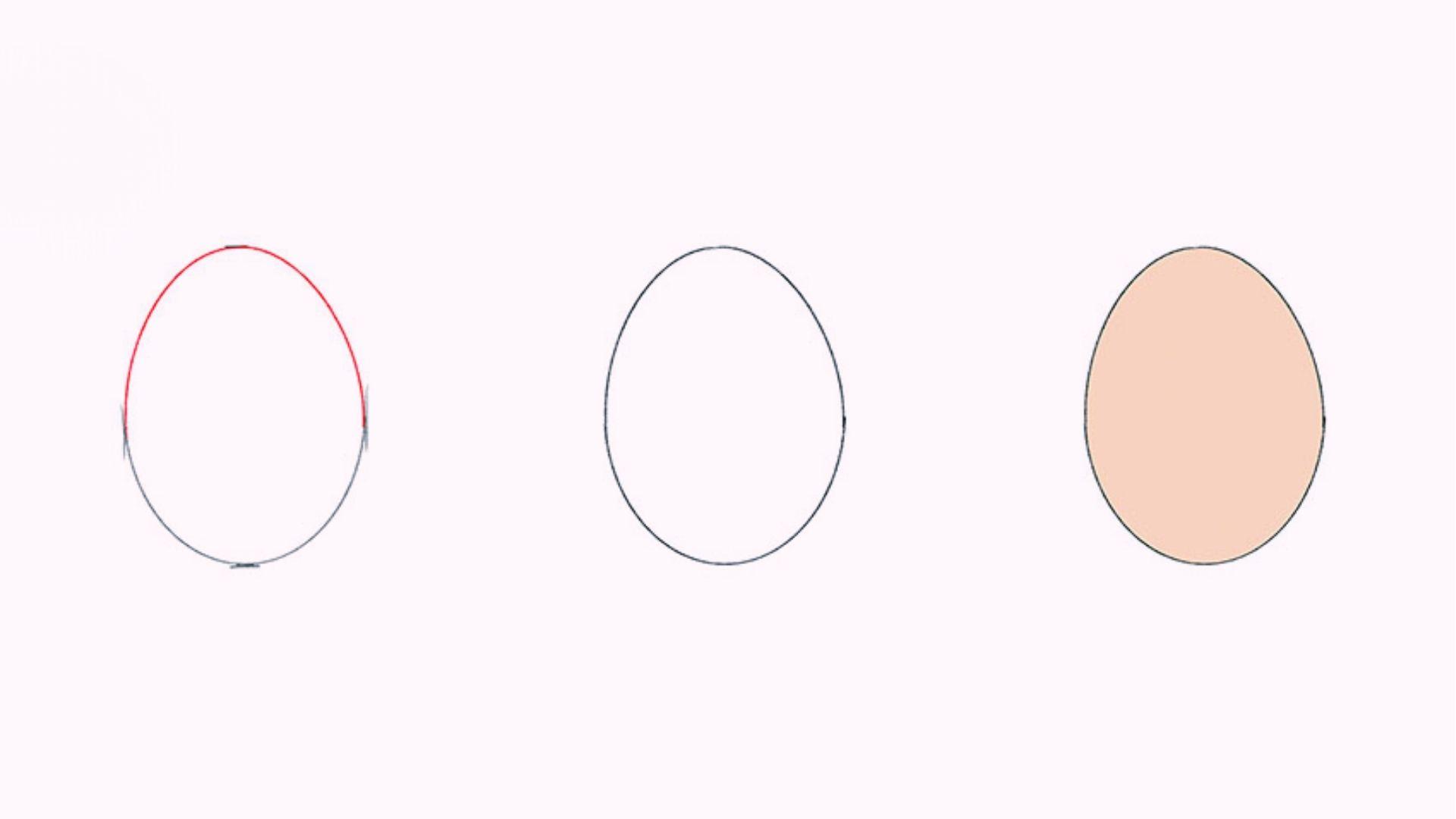
I still remember the first time I tried egg drawing easy and ended up with a shape that looked more like a potato.
It happens to everyone, especially at the start. This guide breaks down egg drawing into small, simple steps so you can sketch a clean, natural-looking egg without stress.
You will learn how to shape the outline, fix common mistakes, add shading, and try fun drawing ideas along the way.
I have taught beginners this exact method for years, and it works every time.
By the end, you will feel really confident picking up a pencil and drawing an egg that actually looks like one, not a potato.
Simple Egg Drawing Basics for Beginners
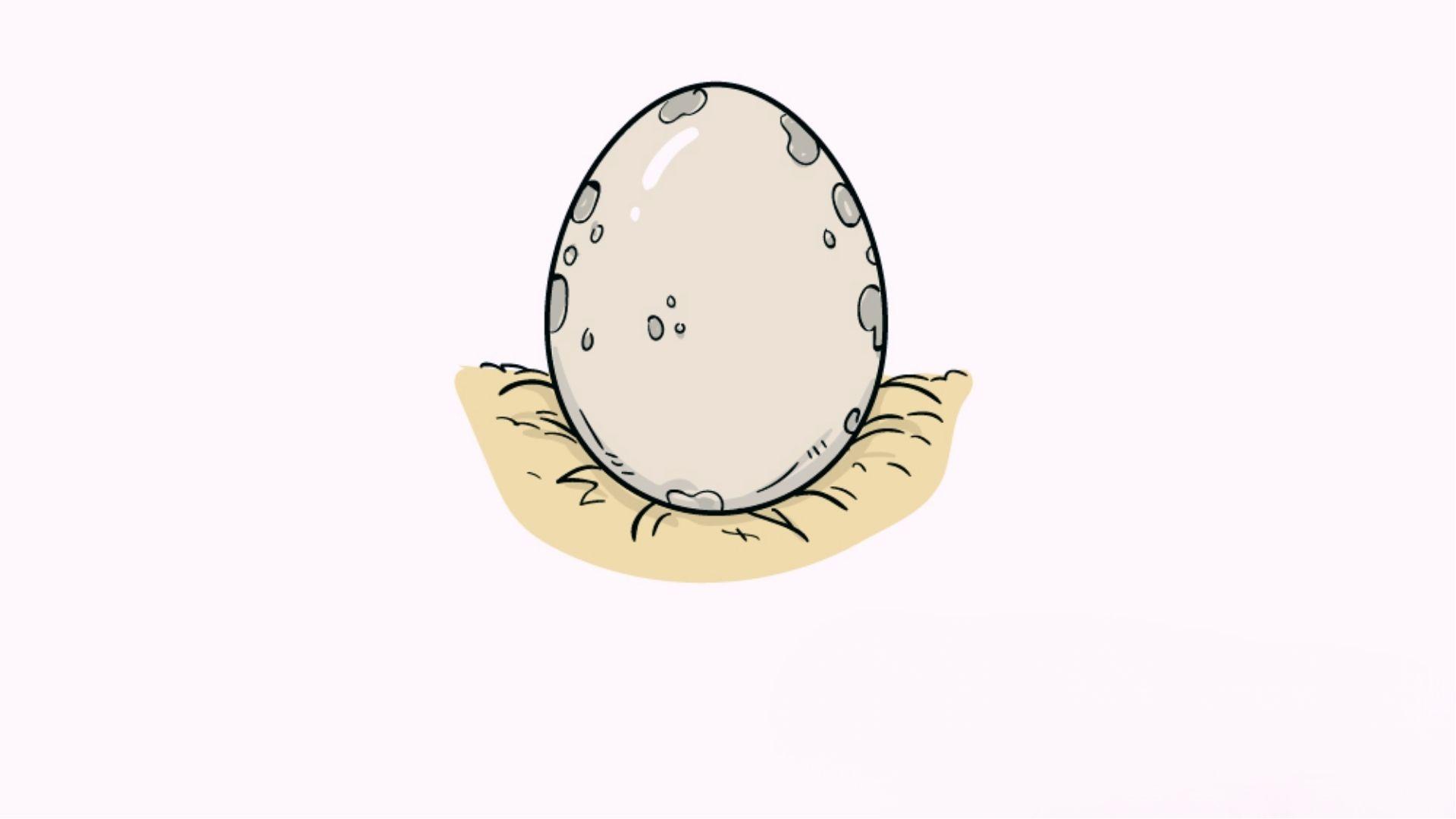
Start with simple shapes to build a strong base before adding details to your egg drawing easy practice.
Begin with a light circle, then stretch one end slightly to form an oval. Keep your pencil grip loose and draw slowly.
Check the balance from both sides so the shape stays even. This oval becomes an egg once you taper the top a little and round the bottom more.
Add a soft curve on one side so it does not look too plain. Real eggs are never perfectly symmetrical, so a small curve helps it look real.
Practice this shape often, and it will become the base for every egg drawing easy project you try.
Step-by-Step Egg Drawing Easy Tutorial
Follow these steps in order to turn a rough sketch into a clean, finished egg drawing.
Step 1: Draw the Basic Egg Outline
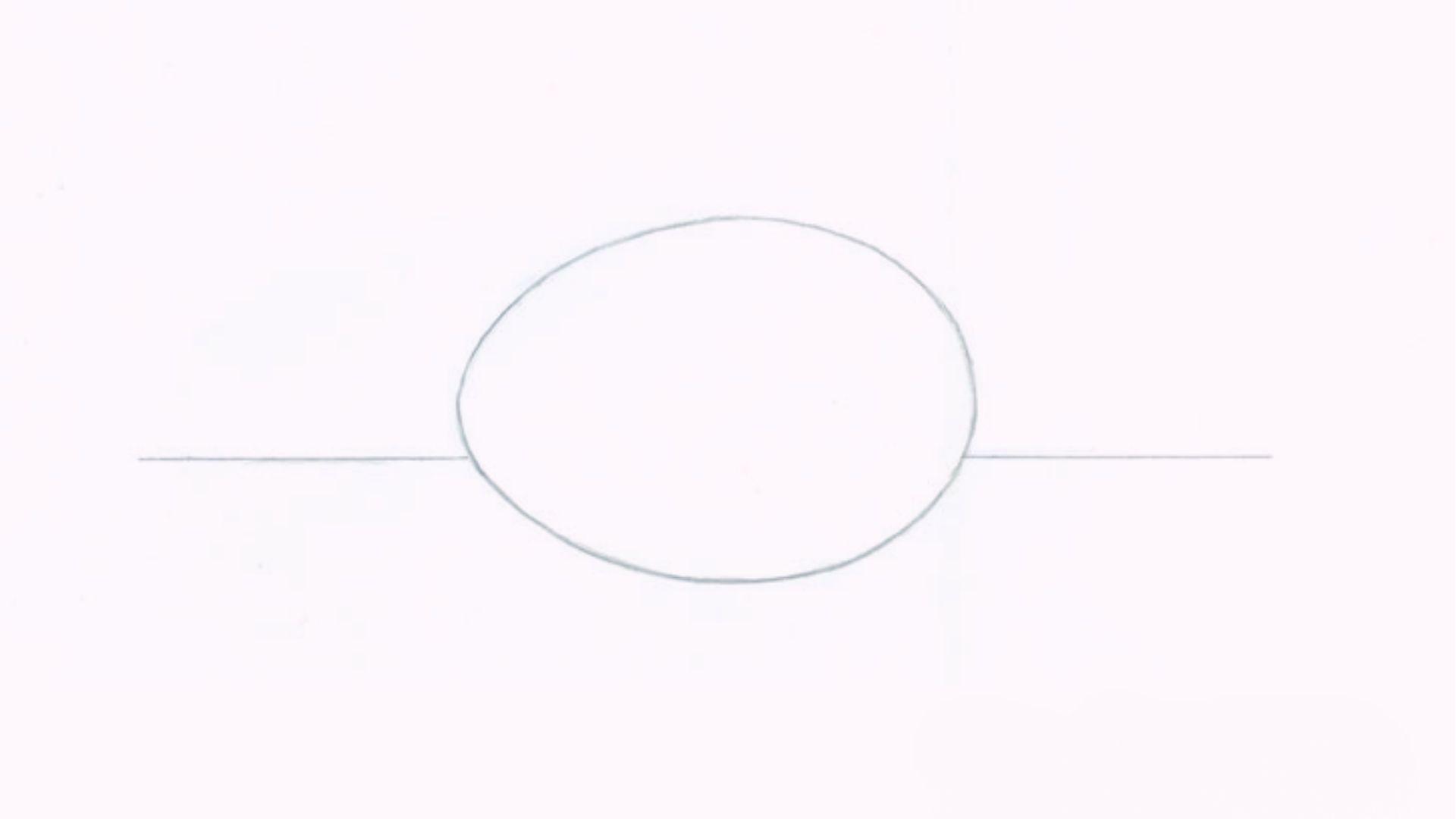
Begin with a light oval shape using soft pencil strokes. Do not press hard yet, since this is just a guide line.
Keep the outline loose so it stays easy to erase. A light touch now saves you trouble later. This base step sets up the rest of your egg drawing practice.
Step 2: Refine the Shape for Accuracy
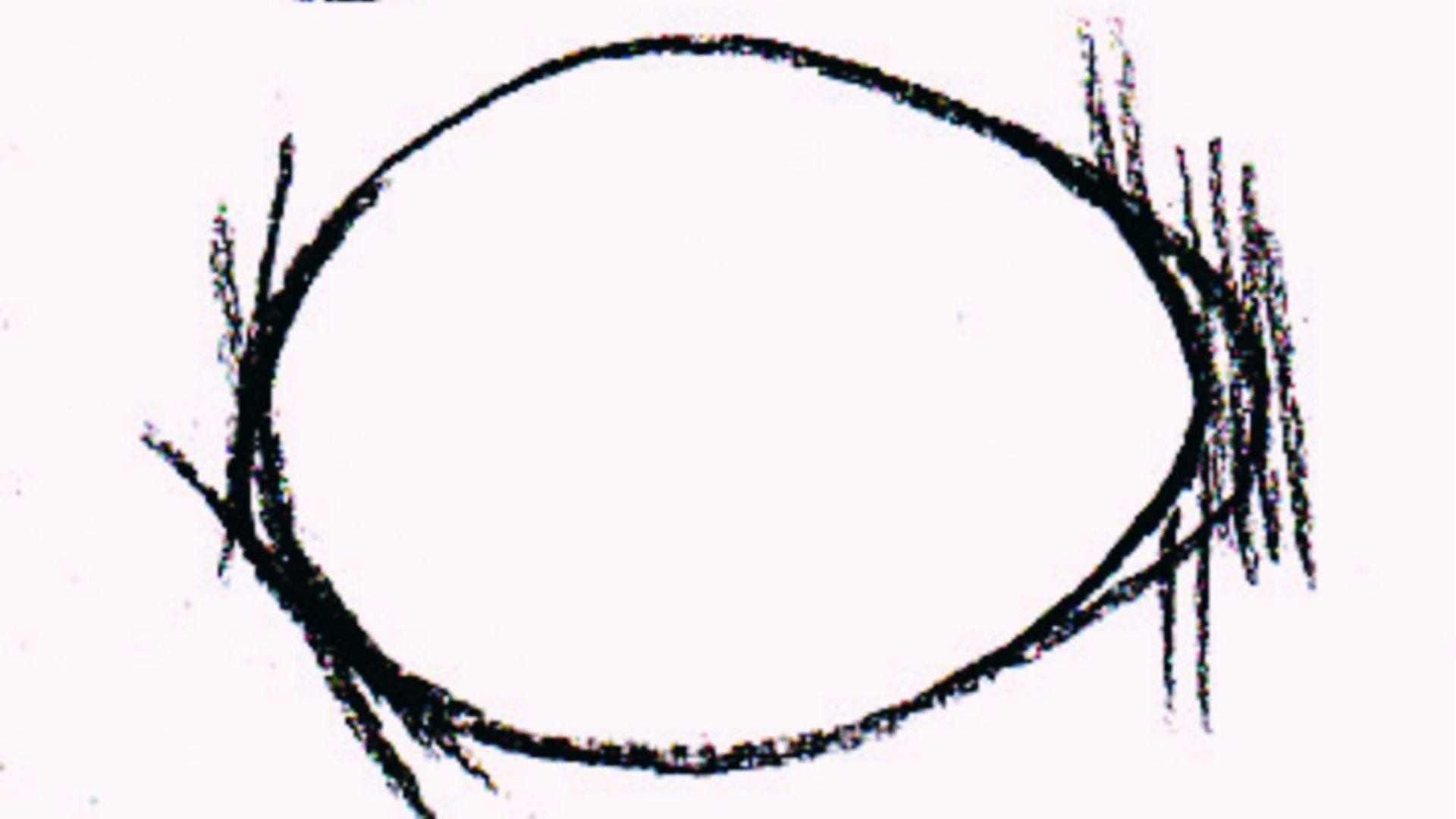
Go over the outline and smooth out any rough edges. Make sure the curve flows in one direction without sharp angles.
Check both sides again to keep the shape balanced. Small fixes here make a big difference later. Take your time, since this step decides how the final shape looks.
Step 3: Add Light Shading for Depth
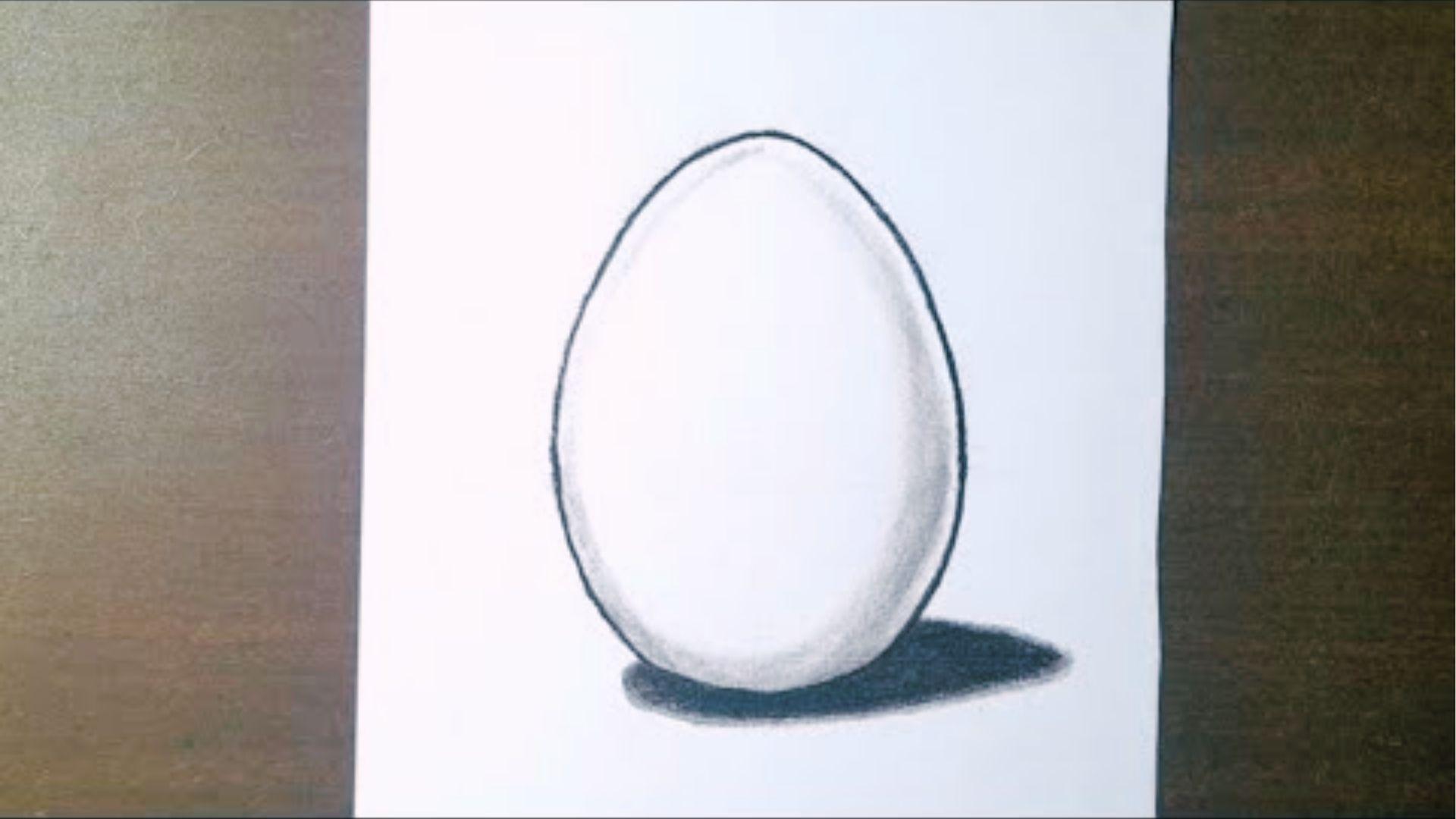
Pick one side as your light source before you start. Shade the opposite side with gentle, even strokes.
Keep the pressure light at first and build it up slowly. This simple step adds real depth to your egg drawing. Stop and check the balance often as you shade.
Step 4: Smooth Finish and Final Touches
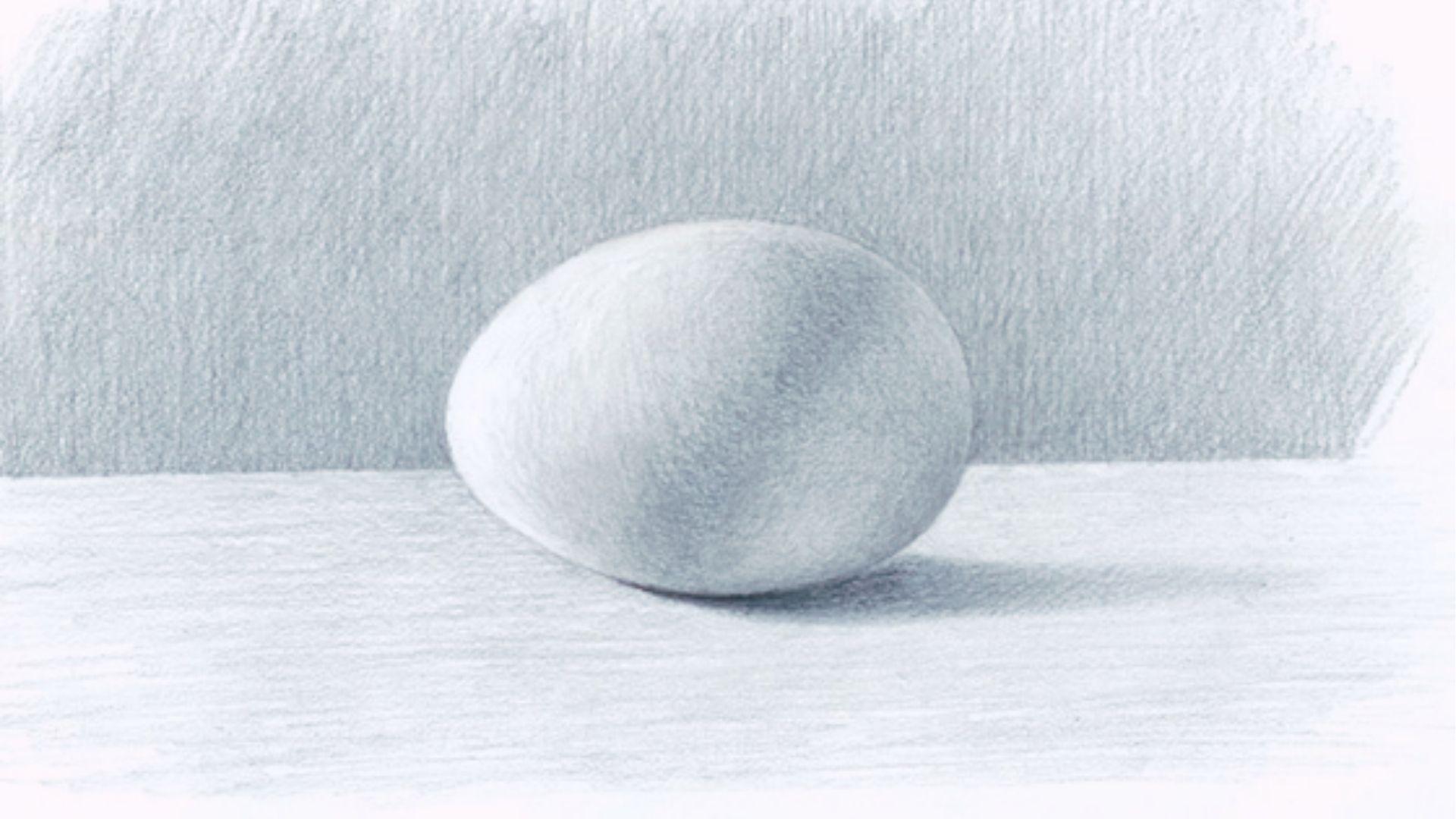
Blend the shading with a tissue or your finger for a soft look. Erase any leftover guide lines once the shading is set.
Add a small highlight spot where the light hits the egg. This final step brings the whole drawing together. A clean finish makes the egg look smooth and round.
Egg Drawing Ideas for Creative Styles
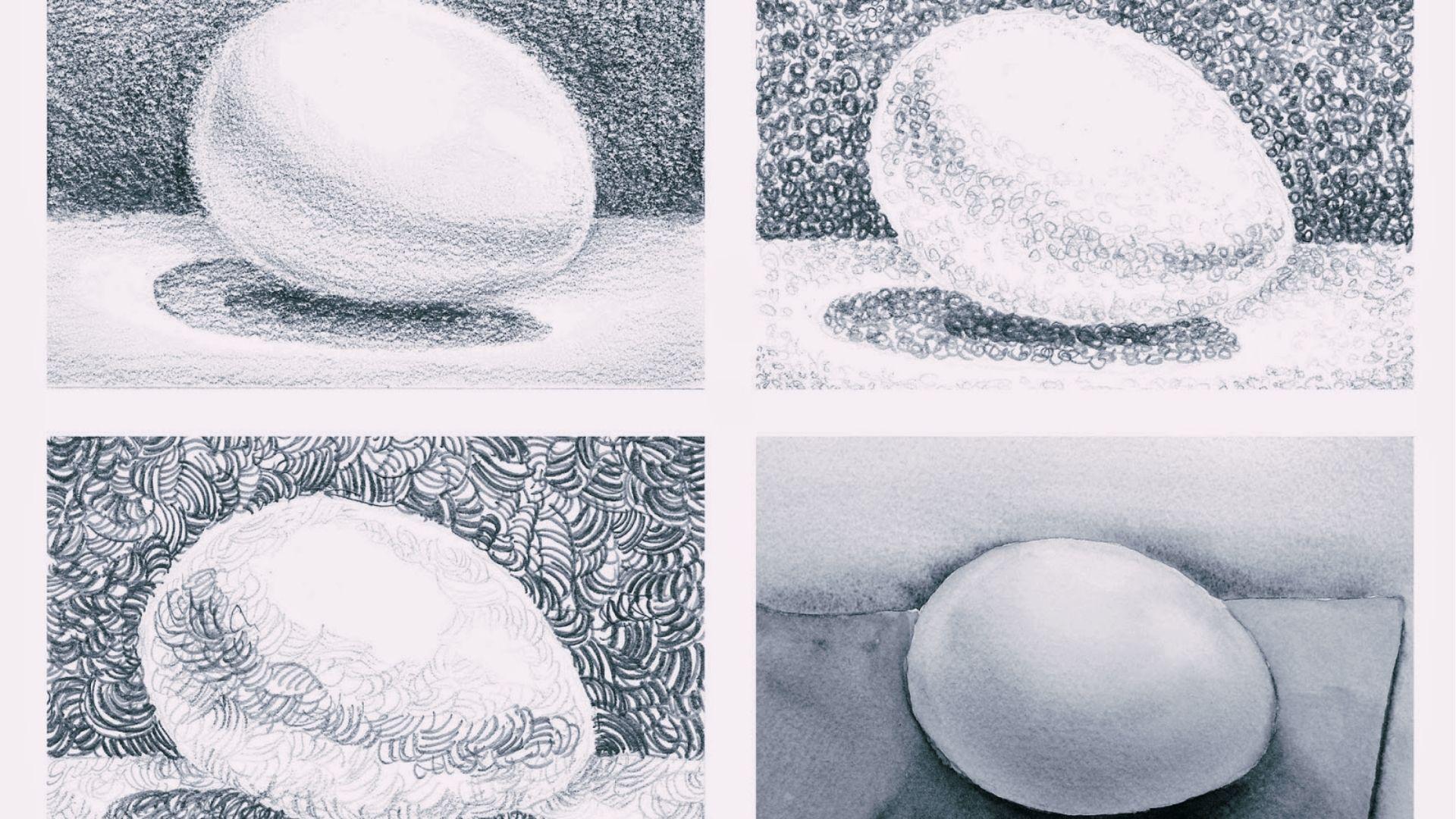
Try these styles once you feel comfortable with the basic egg shape and shading.
Cute Cartoon Egg Drawing Ideas
Add big round eyes, a small smile, and tiny arms or legs. Cartoon eggs do not need to follow real proportions.
Have fun with the design and try different faces. This style works well for kids and beginners alike. Simple shapes and bright colors make cartoon eggs more lively.
Realistic Egg Drawing Ideas with Pencil Shading
Focus on smooth shading and soft highlights throughout the drawing. Study how light falls on a real egg before you start.
Small details in shading make the drawing look real. Take your time, since realism needs patience and practice. Slow, steady strokes give the best result here.
Easter Egg Drawing Ideas with Patterns
Add stripes, dots, or small flowers across the surface. Keep the patterns light at first so you can adjust them.
Go over the lines once you are happy with the placement. Simple patterns often look the cleanest on paper. Try one pattern at a time before mixing several together.
Fun and Creative Decorative Egg Drawing Ideas
Mix colors, textures, or simple shapes to make your own design. There is no single right way to decorate an egg drawing.
Try combining two or three ideas in one piece. Let your own style guide the final result. Small changes can turn a plain egg into something fun.
Simple Egg Drawing with Pencil Shading Techniques
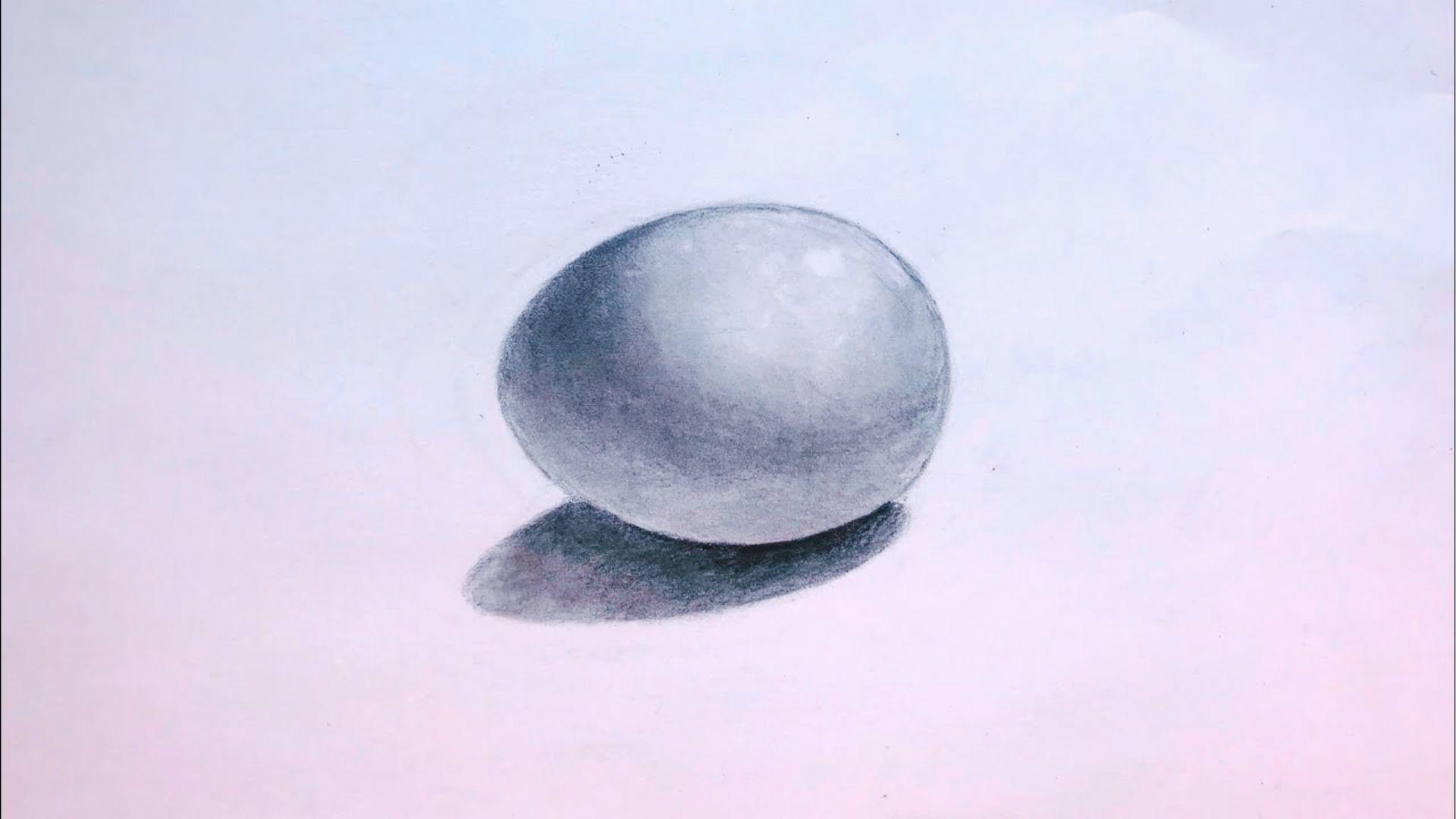
Good shading turns a flat outline into an egg that looks round and real.
Light Sketching for Clean Outlines
Use a sharp pencil and very light pressure for your first lines. This keeps the paper clean if you need to erase and start again.
A light hand also makes shading easier later on. Clean outlines give your drawing a strong start. Practicing this step helps every later stage go smoother.
Shading Techniques for Realistic Look
Use small circular strokes instead of straight lines. This mimics the smooth surface of an egg better than harsh lines do.
Build the shading slowly in light layers. Patience here gives the surface a softer, rounder feel. Avoid rushing, since even shading takes a few tries to master.
Adding Highlights and Shadows Properly
Leave a small unshaded spot for the highlight. Add the darkest shadow where the egg meets the surface it sits on.
This grounds the drawing and gives it weight. A clear highlight and shadow make the egg look solid. Together, these two details give your egg drawing easy piece more life.
Tips to Improve Your Egg Drawing Skills Faster
Small daily habits build real progress faster than long sessions once in a while.
- Practice basic shapes daily, even for five minutes.
- Observe real eggs in different lighting for better accuracy.
- Try different egg drawing ideas regularly instead of repeating the same style.
- Compare old and new drawings to track your progress.
- Keep a small sketchbook just for eggs to see your growth over time.
Conclusion
Egg drawing gets better every time you pick up a pencil. I still practice these basics myself when I want to warm up before bigger projects.
Do not worry if your first few eggs look a little odd. Mine did too. The shape comes with practice, not luck.
Try one style from this guide today, then share your result in the comments. I would love to see how easy your egg drawing progress is going.
If this guide helped you, pass it along to a friend who loves drawing too.
Frequently Asked Questions
Is egg drawing easy for beginners?
Yes, egg drawing is simple because it starts with one basic oval shape. With a little practice, most beginners can draw a clean egg shape within a few tries.
What pencil is best for easy egg drawing projects?
A regular HB pencil works well for outlines, while a softer pencil like 2B helps with shading. You do not need costly tools to get good results.
How do I make my egg drawing look more realistic?
Focus on smooth shading and a soft highlight on one side. Adding a light shadow underneath also helps the egg look solid.
Can I use egg drawing ideas for Easter cards?
Yes, simple patterns like stripes, dots, or flowers work great on Easter cards. Keep the lines light before going over them with color.
How long does it take to learn easy egg drawing techniques?
Most people get comfortable with the basic shape within a few practice sessions. Mastering shading and patterns takes a bit more time and regular practice.
