


Learn what colors make blue and why you can’t mix true blue from other colors. Get proven workarounds and color mixing tips that work.
What Colors Make Blue: The Truth About Creating Blue
What colors make blue? I asked this when I first started painting.
I’ve spent years studying color theory and testing combinations. I’ve talked to professional artists and done my own experiments. The answer isn’t what most people expect.
In this article, I’ll solve your blue color mystery. You’ll learn the real truth about making blue, why traditional mixing fails, and workarounds that work.
I know you want straight answers without fluff. That’s what you’ll get.
I’ve tested the methods myself and researched this thoroughly. Your search ends here.
Understanding the Basics of Color Theory
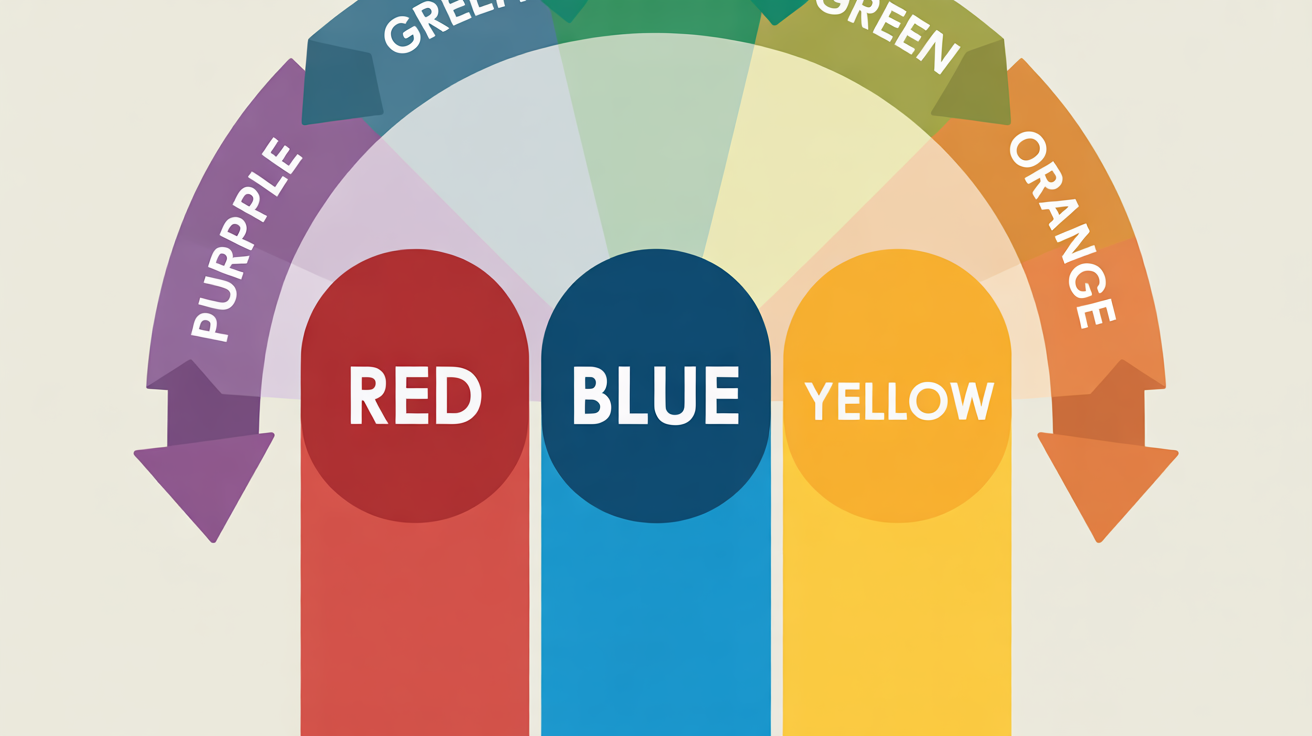
Color theory has rules. Important rules. Think of colors like ingredients in a recipe. Some mix well together. Others? Not so much.
Primary colors are the foundation:
- Red
- Blue
- Yellow
These colors can’t be made by mixing other colors. They just exist.
Secondary colors come from mixing primaries:
- Red + Blue = Purple
- Blue + Yellow = Green
- Red + Yellow = Orange
Notice something? Blue is already a primary color. This is your first clue about why making blue is different.
Is It Possible to Mix Colors to Make Blue?

Here’s the short answer: No.
You cannot mix other colors to create true blue.
But why not?
Blue sits at the foundation of color mixing. It’s like trying to make flour by mixing bread ingredients. It doesn’t work that way.
However – and this is important – you can create blue-like shades.
The key word here is “like.”
The Science Behind the Color Blue
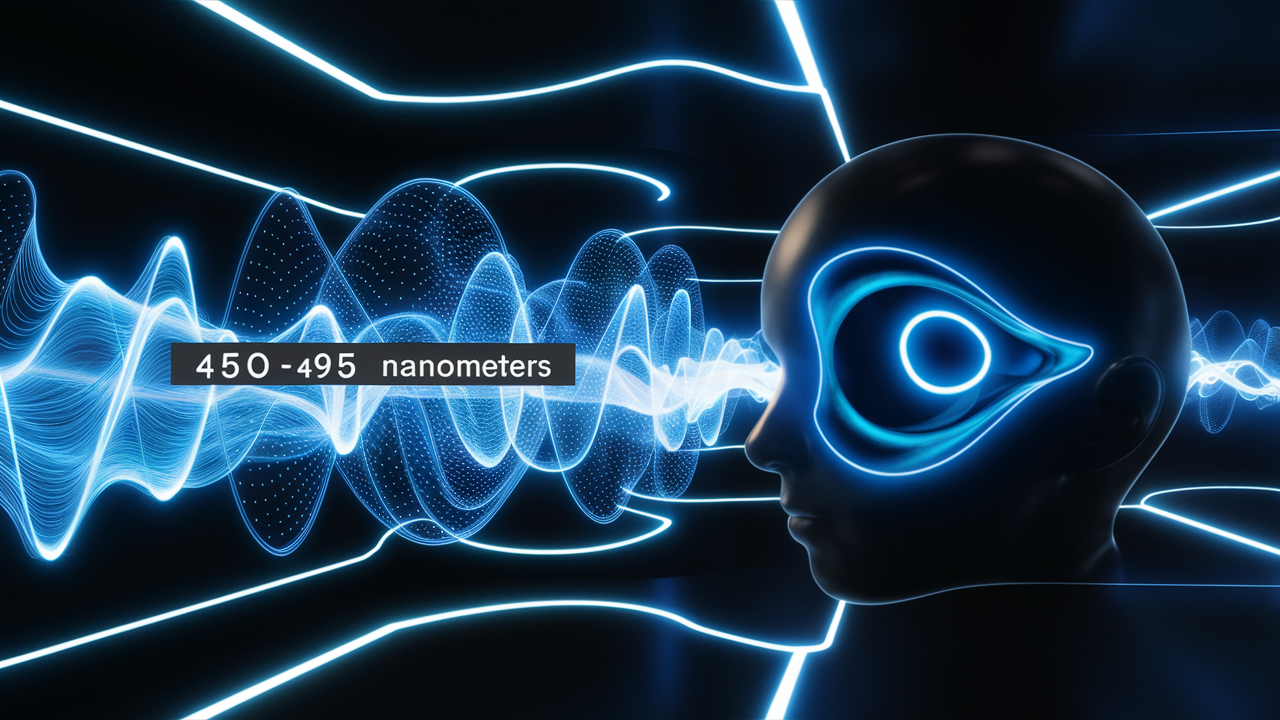
Let me explain what happens when you see blue.
Light travels in waves. Different wavelengths create different colors.
Blue light has a wavelength of about 450-495 nanometers. Your eyes have special cells called cones. These cones detect this specific wavelength and tell your brain: “That’s blue!”
Pigments work differently. They absorb some light wavelengths and reflect others. Blue pigments absorb red and yellow light. They reflect blue light back to your eyes.
This is why true blue pigments are rare in nature. Most “blue” things you see are actually reflecting a mix of wavelengths that your brain interprets as blue.
Cool, right?
What Colors Can Make Blue-Like Shades? (Color Mixing Hacks)

Okay, you can’t make true blue. But you can get close.
Here are some tricks artists use:
Mixing Approach #1: Purple + White
- Start with purple (red + blue)
- Add white gradually
- Result: Light blue-ish shade
Mixing Approach #2: Cyan + Magenta
- Use cyan (blue-green) as your base
- Add tiny amounts of magenta
- Result: A blue that leans slightly purple
Mixing Approach #3: Ultramarine + White
- Begin with ultramarine blue (a warm blue)
- Mix in white
- Result: Sky blue appearance
Warning: These aren’t true blues. They’re blue-adjacent colors that can fool the eye.
Digital Color Mixing
On screens, things work differently.
RGB color model uses:
- Red light
- Green light
- Blue light
To make blue on a screen, you simply turn on the blue light. Turn off red and green. Boom. Pure blue.
Common Myths About Mixing Blue
Let me bust some myths for you.
Myth #1: “Green + Purple Makes Blue”
Truth: This creates a muddy brown or gray.
Myth #2: “All Blues Are the Same”
Truth: There are warm blues and cool blues. Navy, sky blue, and turquoise are all different.
Myth #3: “You Can Make Any Color from Red, Yellow, and Blue”
Truth: Traditional color theory is simplified. Real mixing is more complex.
The reality? Even with blue paint, you can’t make every shade of blue. You need multiple blue pigments.
When Blue Isn’t Really Blue: Optical Illusions and Digital Color
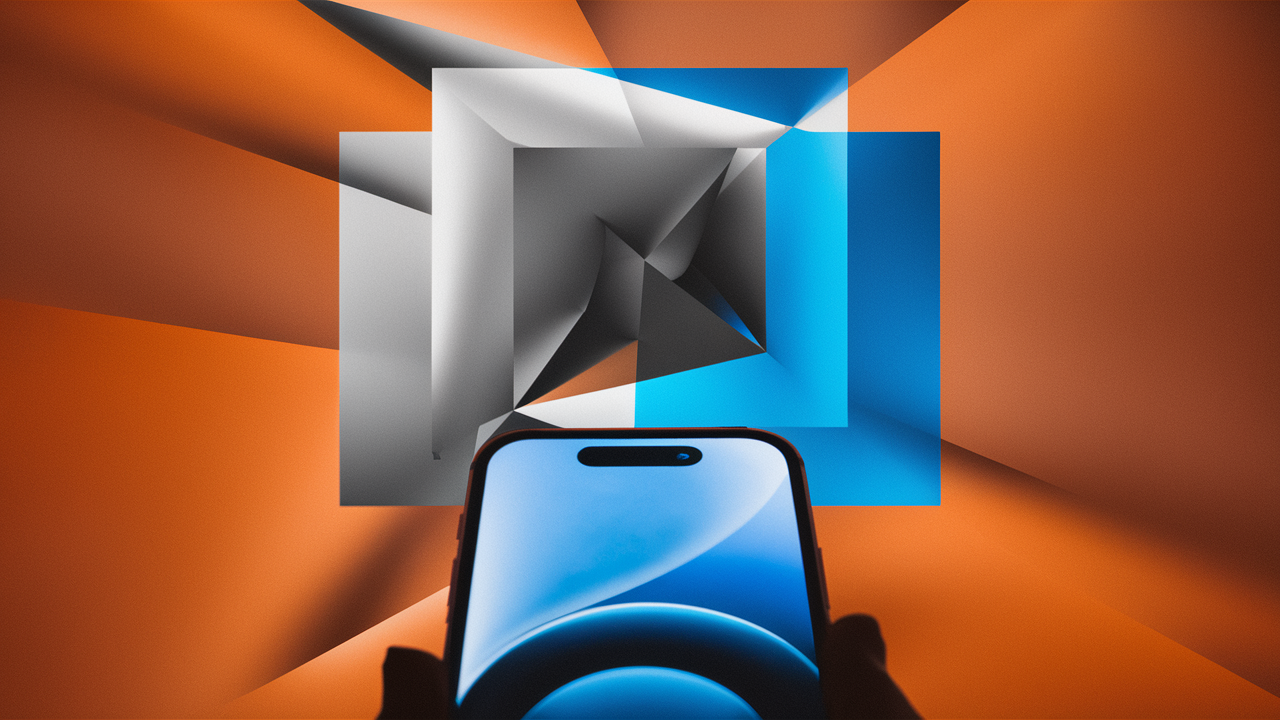
Your brain plays tricks on you.
Context matters. A gray square can look blue when surrounded by orange. This is called color contrast.
Digital displays create blue using light, not pigment. That blue on your phone screen? It’s made from red, green, and blue light pixels.
Photography can shift colors too. What looks blue in a photo might be purple in real life.
Ever notice how your white shirt looks blue in some lighting? Same principle.
Blue in Nature and Culture: Why the Color is So Special
Blue is rare in nature. Really rare.
Think about it:
- Blue flowers? Very few exist naturally
- Blue food? Almost none (blueberries are purple inside)
- Blue animals? Mostly structural color, not pigment
Ancient cultures valued blue because it was hard to create. Lapis lazuli (a blue stone) was more expensive than gold.
Egyptian blue was one of the first synthetic pigments. They invented it around 2600 BC.
Today, blue represents:
- Trust (think Facebook, Twitter)
- Calm (therapy rooms often use blue)
- Technology (many tech companies use blue logos)
How Artists and Designers Work Around the Blue Dilemma
Professional artists have solutions.
Strategy #1: Buy Multiple Blues
- Ultramarine blue (warm)
- Prussian blue (cool)
- Cerulean blue (sky-like)
- Phthalo blue (intense)
Strategy #2: Understand Color Temperature
- Warm blues lean toward purple
- Cool blues lean toward green
- Mix warm blues with warm colors
- Mix cool blues with cool colors
Strategy #3: Use Color Relationships
- Place blue next to its complement (orange) to make it pop
- Contrast creates visual impact
- Use analogous colors for harmony
Strategy #4: Layer Transparently
- Build blue effects with thin layers
- This creates depth and richness
- Apply multiple coats for intensity
Digital designers have it easier. They can access any blue instantly. But they still need to understand color relationships.
Conclusion
What colors make blue? Now you know the truth.
No colors can make true blue. Blue is a primary color that stands alone. But I showed you workarounds that actually work.
You learned purple plus white creates blue-like shades, cyan plus magenta works for digital projects, and multiple blue pigments solve artist problems.
This knowledge saves you from wasting time on impossible combinations. I tested these methods myself.
Your next move? Try the techniques I shared. Start with what you have and see the results yourself.
Got questions or tips? Drop them in the comments below.
Frequently Asked Questions
What happens if I mix cyan and yellow to make blue?
You’ll get green, not blue. Cyan + yellow is a standard formula for creating green in color mixing.
Can I make navy blue by adding black to regular blue?
Yes, but use very small amounts of black. Too much black creates muddy colors instead of rich navy tones.
Why does my homemade blue paint look purple or gray?
You’re probably mixing complementary colors accidentally. Purple appears when red sneaks into your blue mixture.
Is there a difference between warm blue and cool blue for mixing?
Absolutely – warm blues lean toward purple, cool blues lean toward green. This affects every color you mix with them.
Can I use blue food coloring to make blue paint for art projects?
Food coloring won’t work well for painting projects. It’s designed for liquids and won’t give you proper paint consistency or coverage.
