


Weirdcore art creates that strange, dreamy feeling where nothing seems quite real. You want to make this style yourself, but most tutorials assume you’re a Photoshop expert or have special software. That stops a lot of people before they even start.
This article shows you weirdcore art ideas you can actually create. I’ve been making digital and mixed media art for years, and I specialize in surreal styles that mess with your head. These methods work for beginners with free apps or experienced artists with pro tools.
You’ll get clear instructions for each technique, from glitch effects to liminal spaces that feel familiar but wrong. I’ll show you which color palettes work best. These are the same tricks I use in my own art that gets shared thousands of times online. Let’s make something wonderfully weird.
13 Weirdcore Art Ideas to Inspire Your Creations
These weirdcore concepts push reality into uncomfortable territory. I’ve gathered ideas that work if you’re editing photos or creating digital art from scratch. Each one taps into that strange feeling of something being slightly wrong. Use these as starting points and twist them into your own weird vision.
1. Figure in an Empty Liminal Space
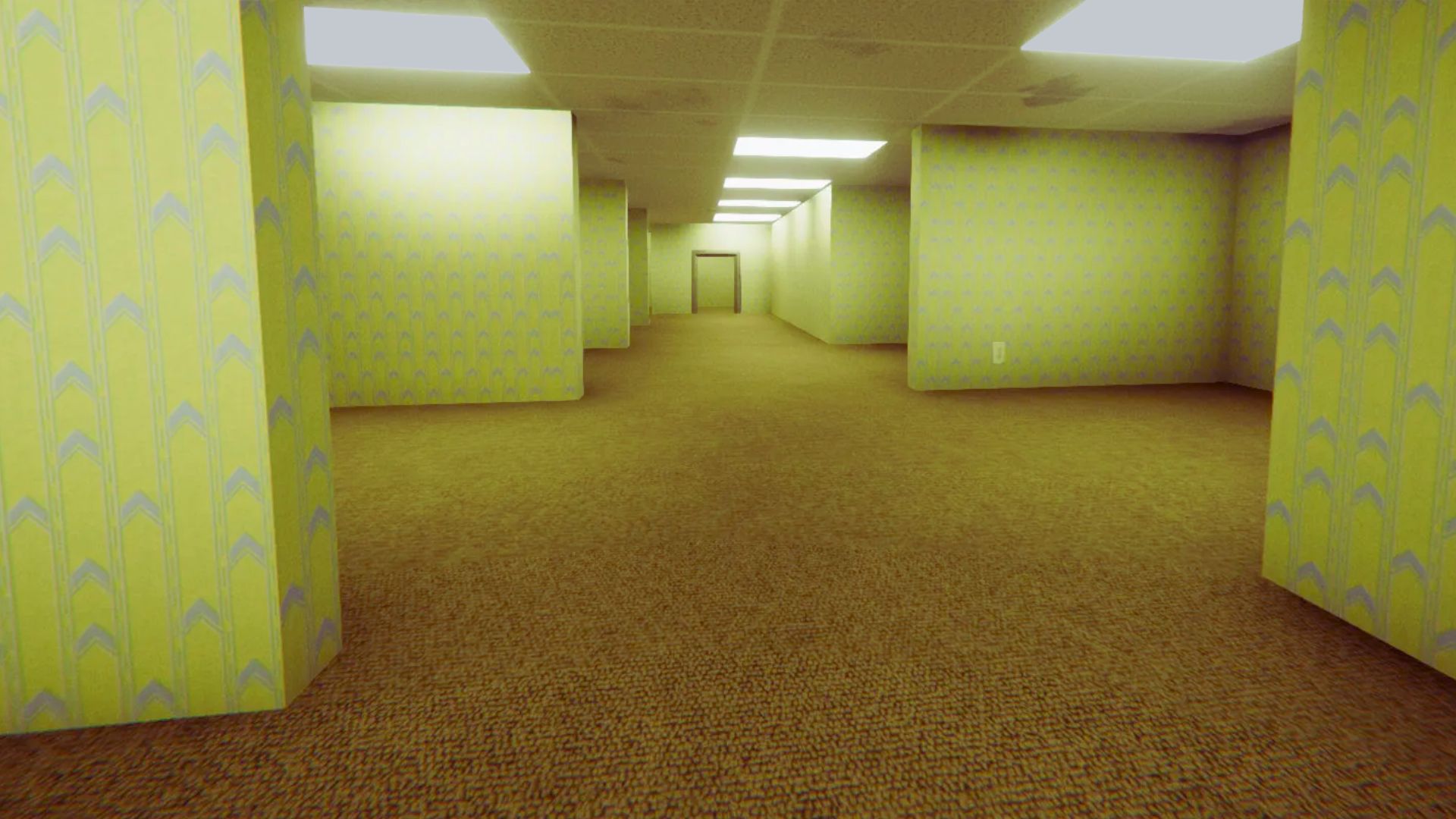
Place a lone person in a hallway, empty classroom, or abandoned room. The space should feel like it’s waiting for something that never comes.
Use soft, flat lighting that removes natural shadows. Distort the perspective slightly so the walls or floor don’t look quite right. The person should look small and lost in the space. This creates that “I’ve been here in a dream” feeling that makes weirdcore so unsettling.
2. Face Replaced With a Screen
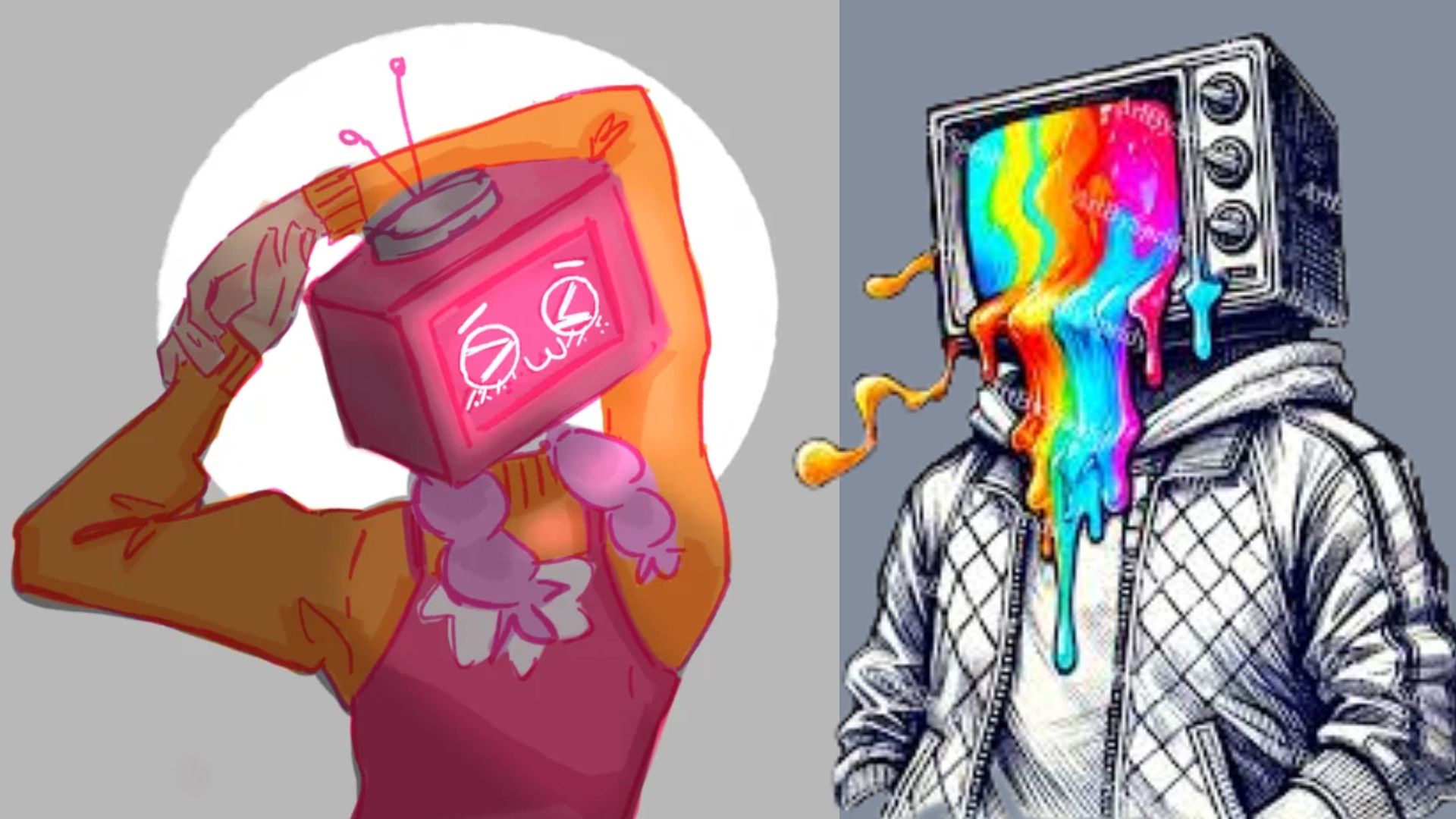
Take a normal portrait photo and replace the person’s head with a TV or an old computer monitor. The body stays human, but the face disappears.
Display static, simple symbols, or short cryptic messages on the screen. Use monitors from the ’90s or early 2000s for extra nostalgia.
The contrast between the human body and digital head questions identity and technology. This idea works especially well with childhood photos.
3. Multiple Eyes on Ordinary Objects
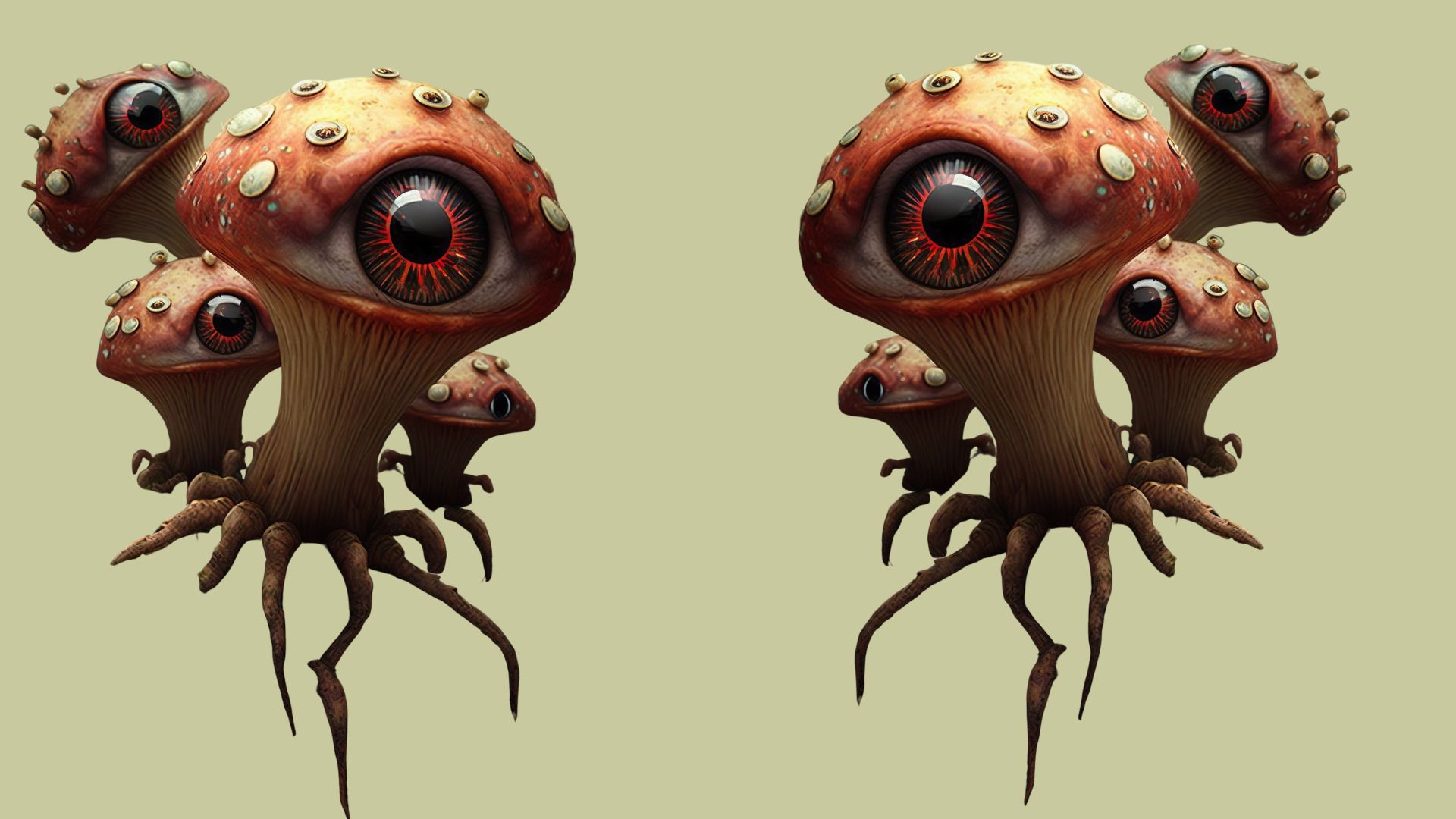
Add realistic human eyes to walls, doors, furniture, or everyday objects in a room. Scatter them randomly or arrange them in patterns.
The eyes should look like they’re watching the viewer. Use different eye colors and sizes to make it more disturbing.
This creates paranoia and the feeling that nothing is safe or private. Even familiar spaces become threatening when they grow eyes.
4. Floating Objects in a Familiar Landscape
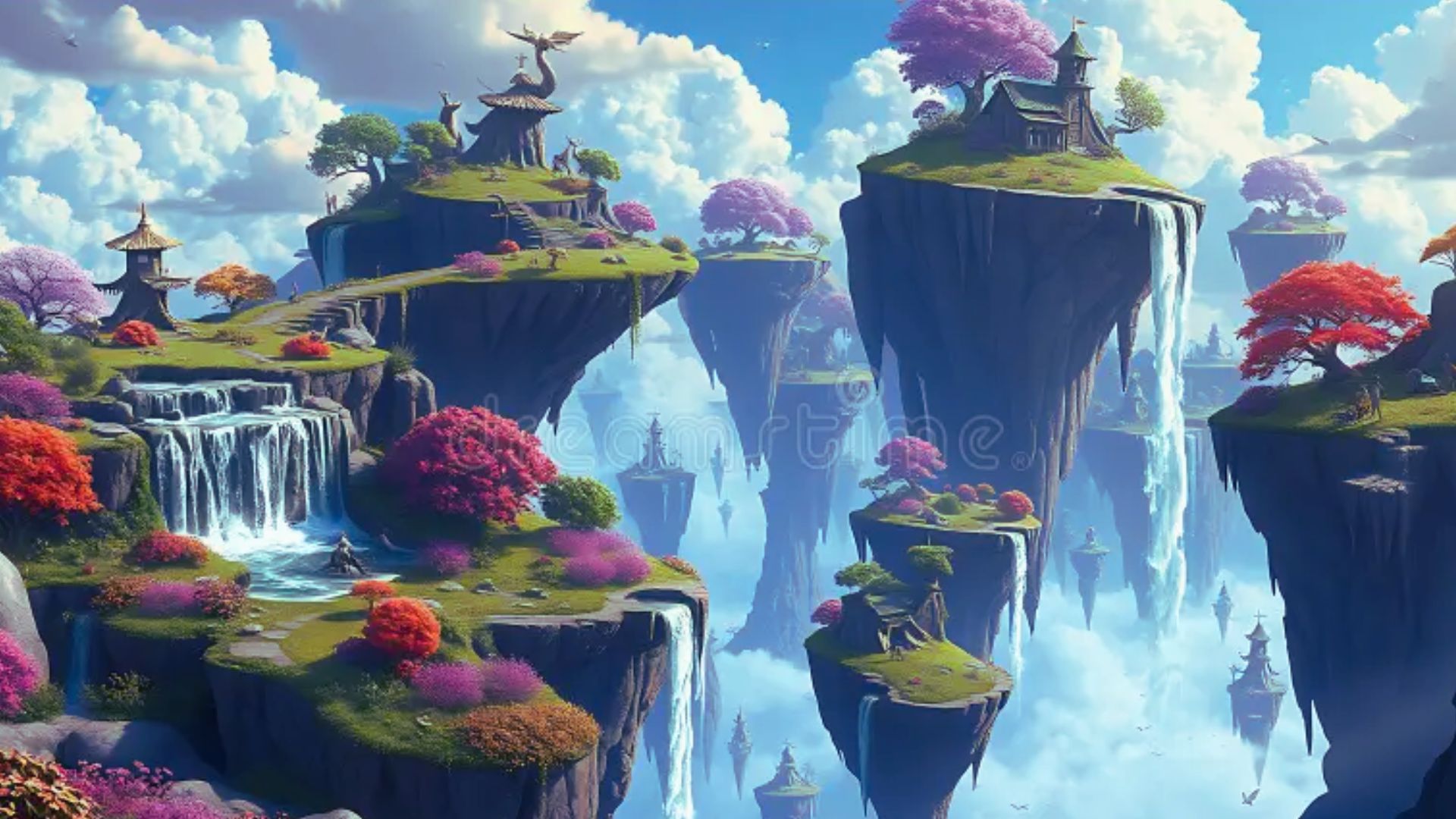
Take everyday items like chairs, phones, books, or toys and make them hover in forests, empty streets, or bedrooms. They should hang in mid-air with no support.
Break the rules of gravity to mess with viewer expectations. The objects stay normal, but their placement becomes impossible.
Add a slight blur or glow around floating items to emphasize they’re not obeying physics. Familiar things in wrong places create cognitive dissonance.
5. Melting or Glitching Faces
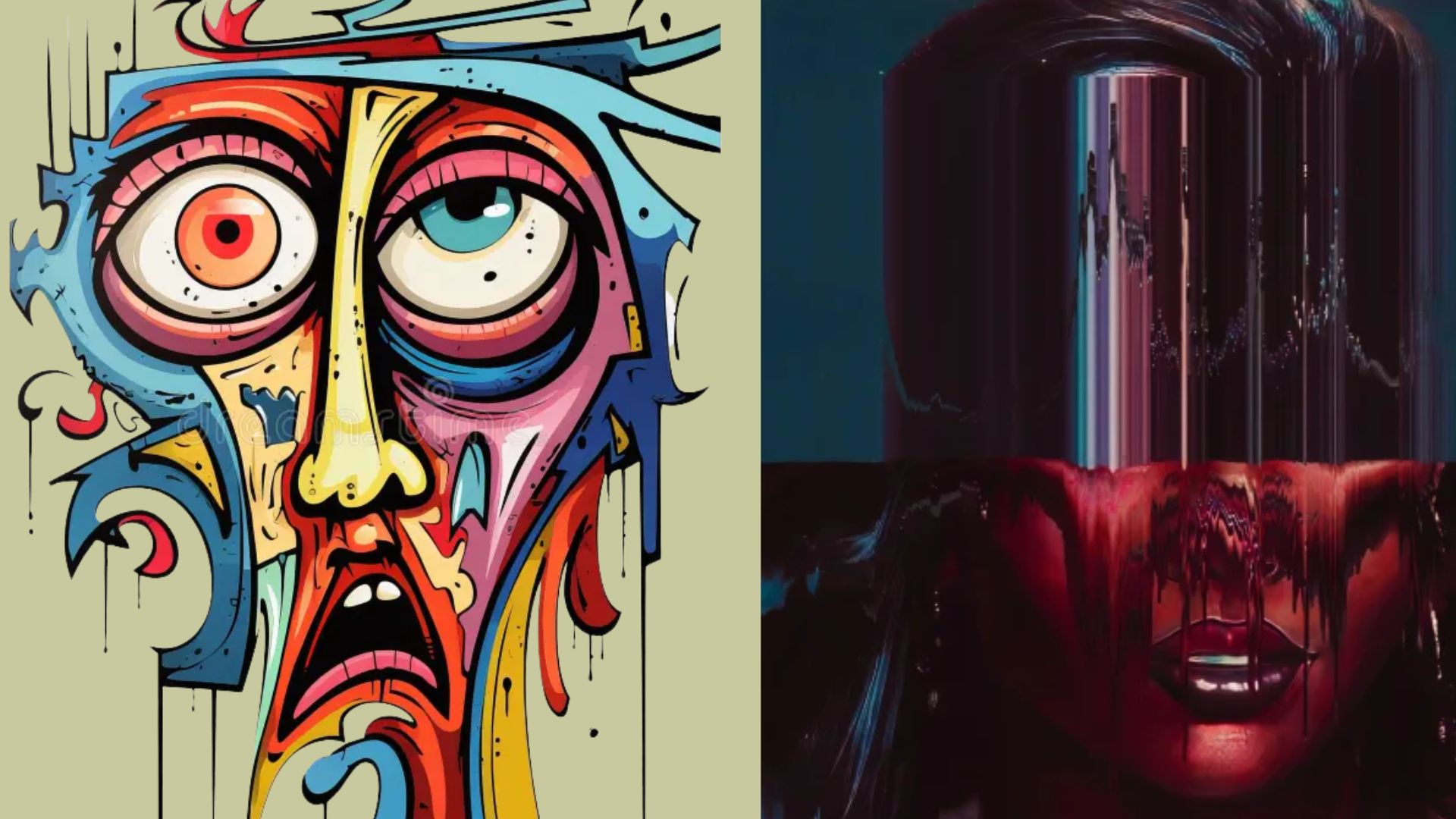
Make faces that drip like melting wax or break apart into pixels and digital errors. Mix analog melting with digital corruption.
Blend the organic look of dripping paint with sharp pixelation and color shifts. Parts of the face should stay normal while other parts distort.
This combines human vulnerability with technology failure. The face becomes unrecognizable, but you can still tell it was once a person.
6. Body Made of Mixed Textures
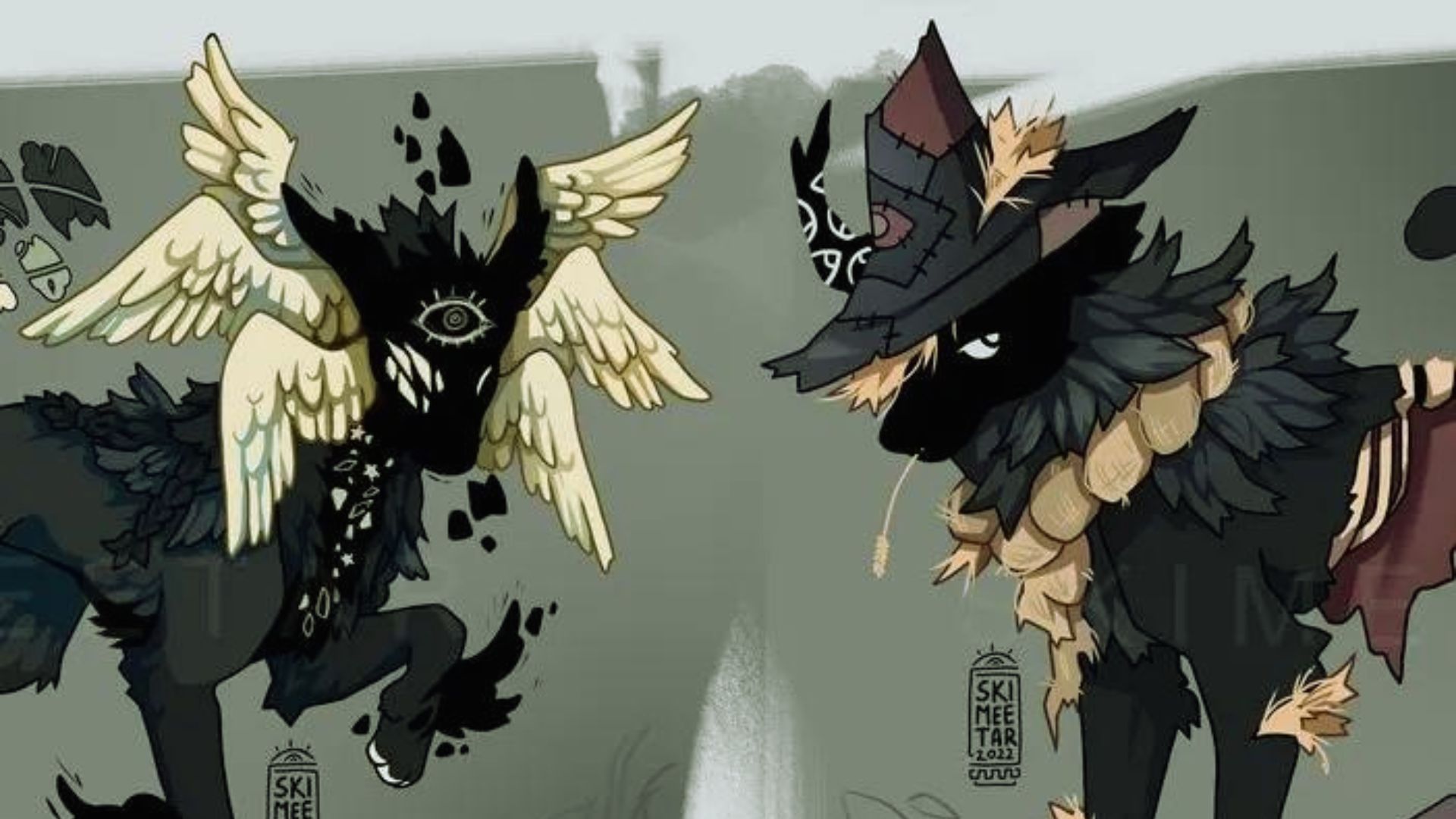
Create human figures where different body parts are made from stone, tree roots, fabric, or TV static. Each section uses a completely different material.
Contrast soft textures like cloth with harsh ones like concrete or broken glass. The figure should still be recognizable as human-shaped despite the mixed materials.
This questions what makes something alive or real. The uncomfortable textures make viewers imagine how it would feel.
7. Oversized Object That Doesn’t Belong
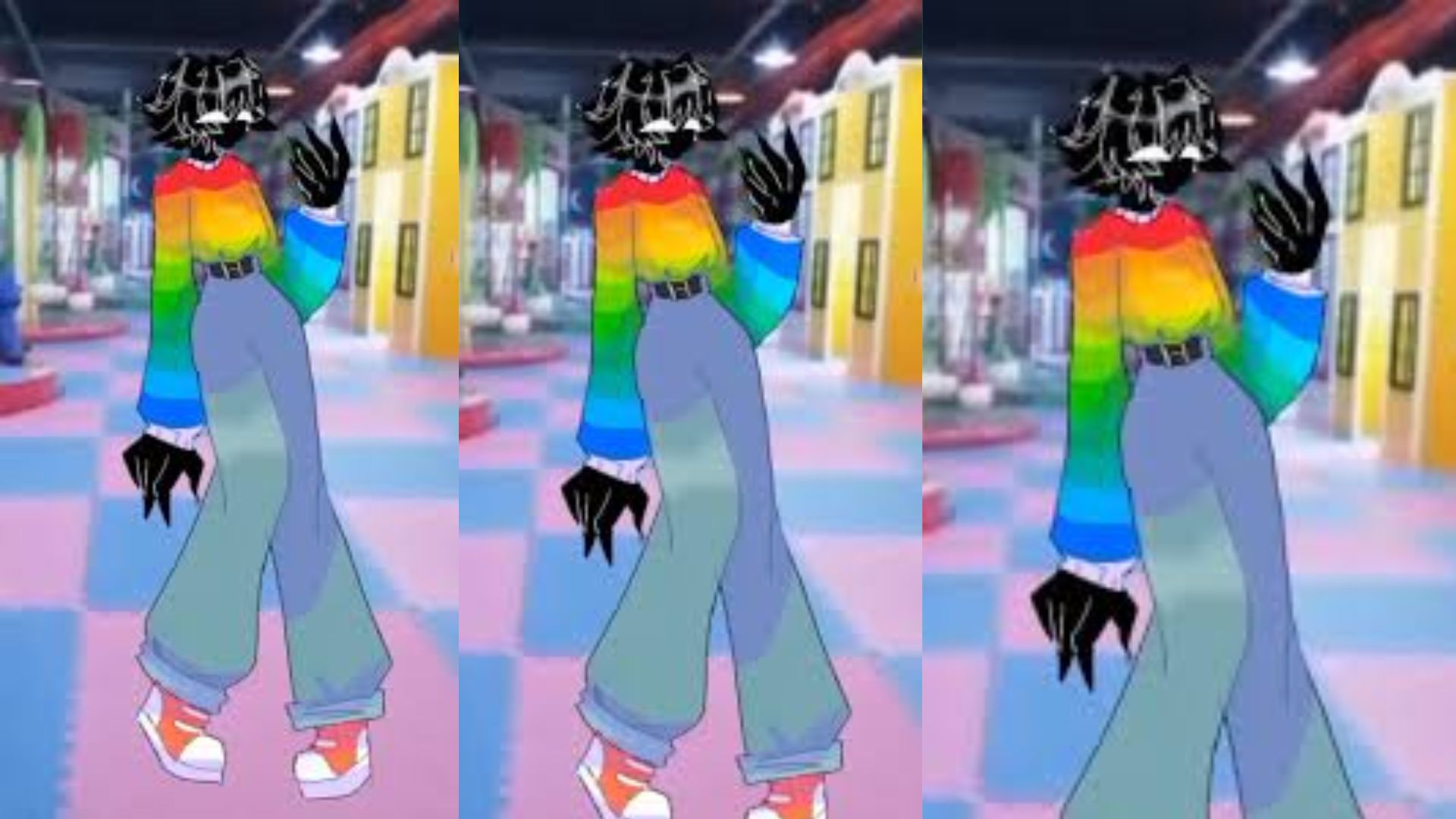
Put a giant teapot, shoe, clock, or other common object in a normal-sized setting like a living room or park. Make it tower over everything else.
The object should be so big that it feels threatening despite being harmless. Emphasize how small and isolated the normal-sized elements look next to it.
The wrong scale creates instant discomfort because our brains know something is off. Mundane objects become monuments that dominate the space.
8. Eyes Replaced With Symbols
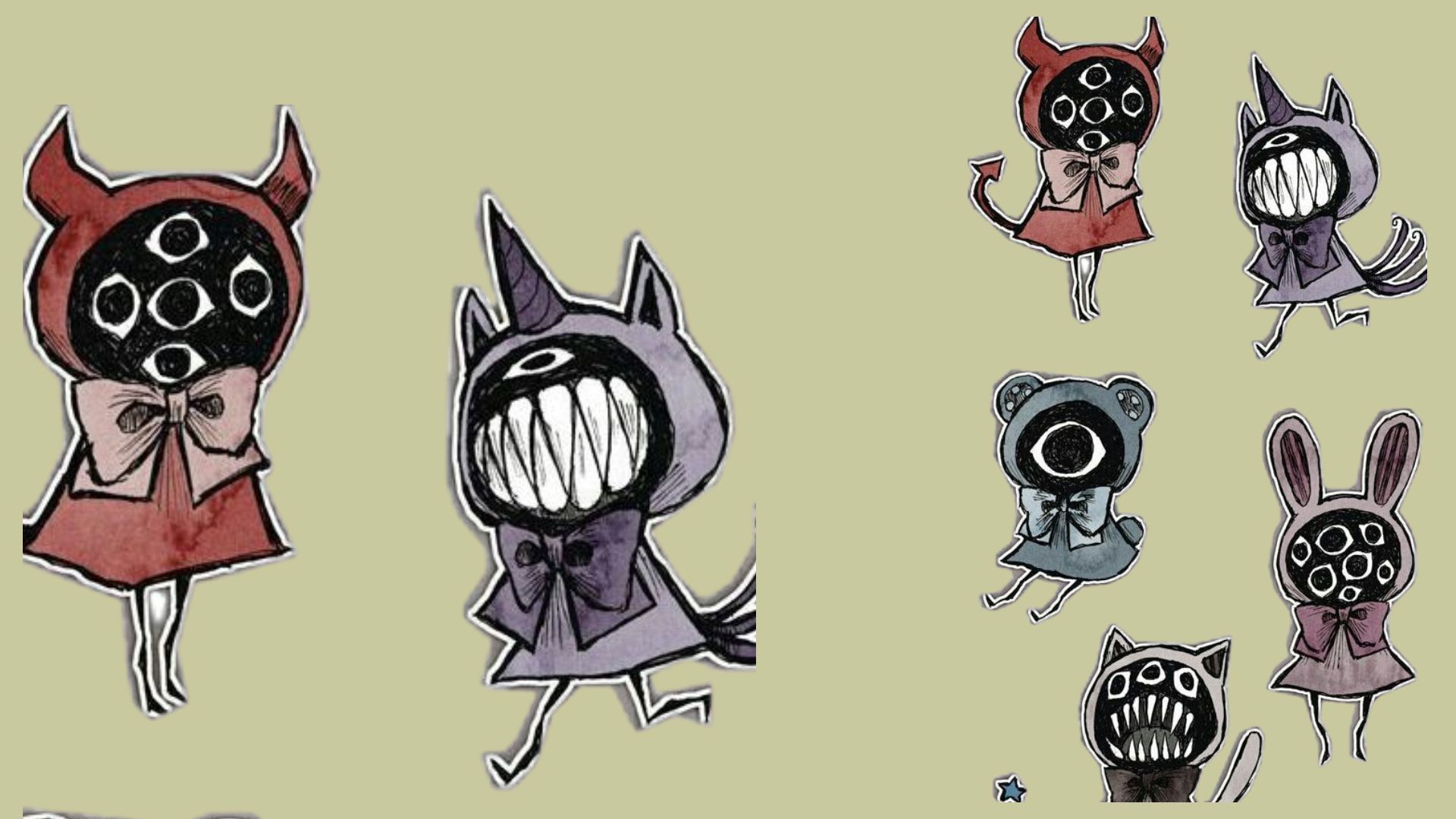
Replace human eyes with flowers, stars, clocks, mirrors, or other objects that don’t belong on a face. Keep the rest of the face normal.
The replacement should be clean and deliberate, not messy. Choose symbols that suggest altered perception or loss of humanity.
Eyes are how we connect with others, so replacing them creates immediate distance. The person becomes less human and more like a walking metaphor.
9. Masked or Faceless Characters
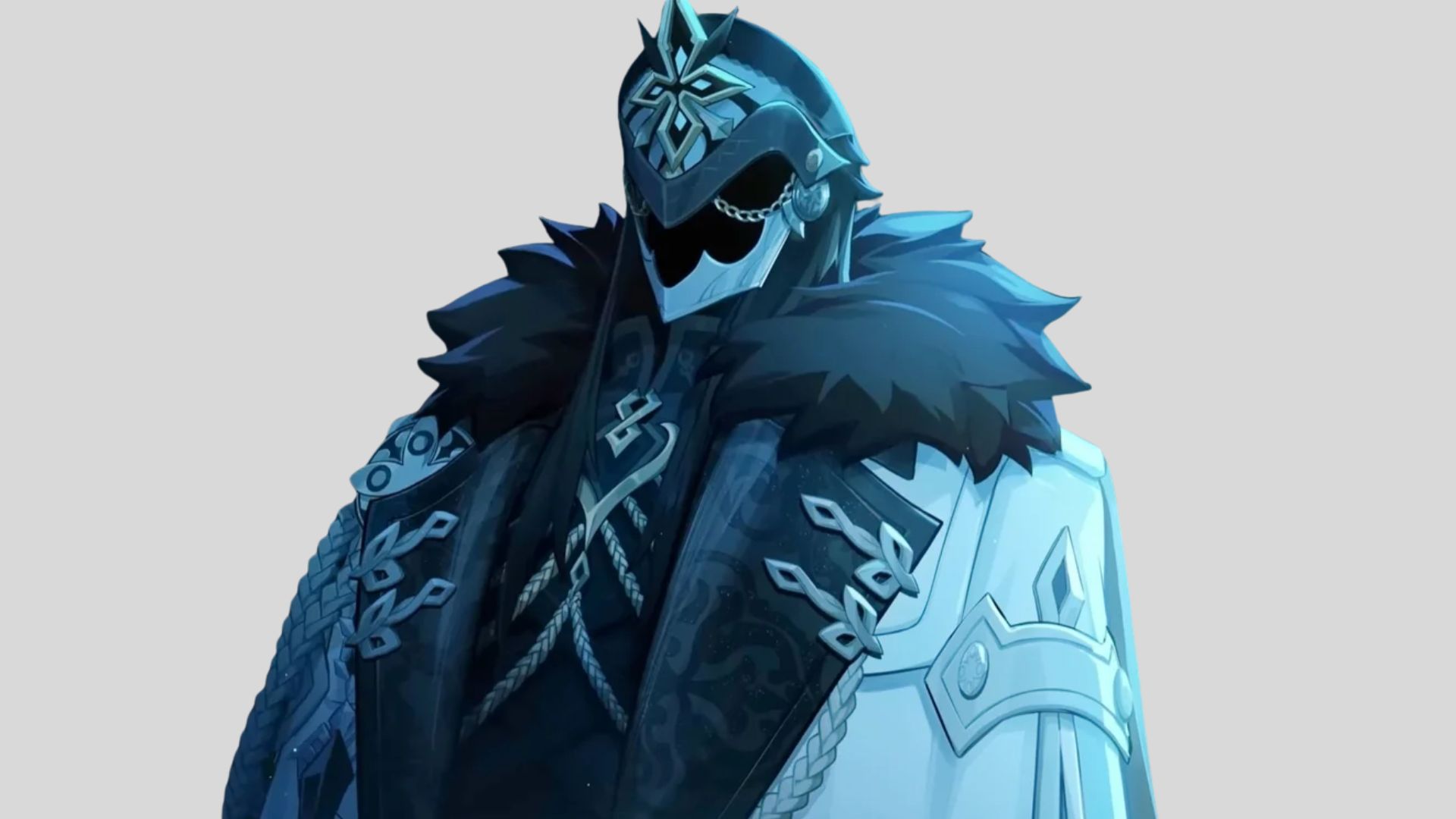
Show figures wearing completely blank masks with no features or have faces that are just smooth skin with no eyes, nose, or mouth. Remove their identity completely.
The blank face creates anonymity and emotional distance. Viewers can’t read expressions or connect with the figure.
Use body language to show emotion since the face can’t. These characters feel like placeholders or NPCs in a broken simulation.
10. Distorted Nature Elements
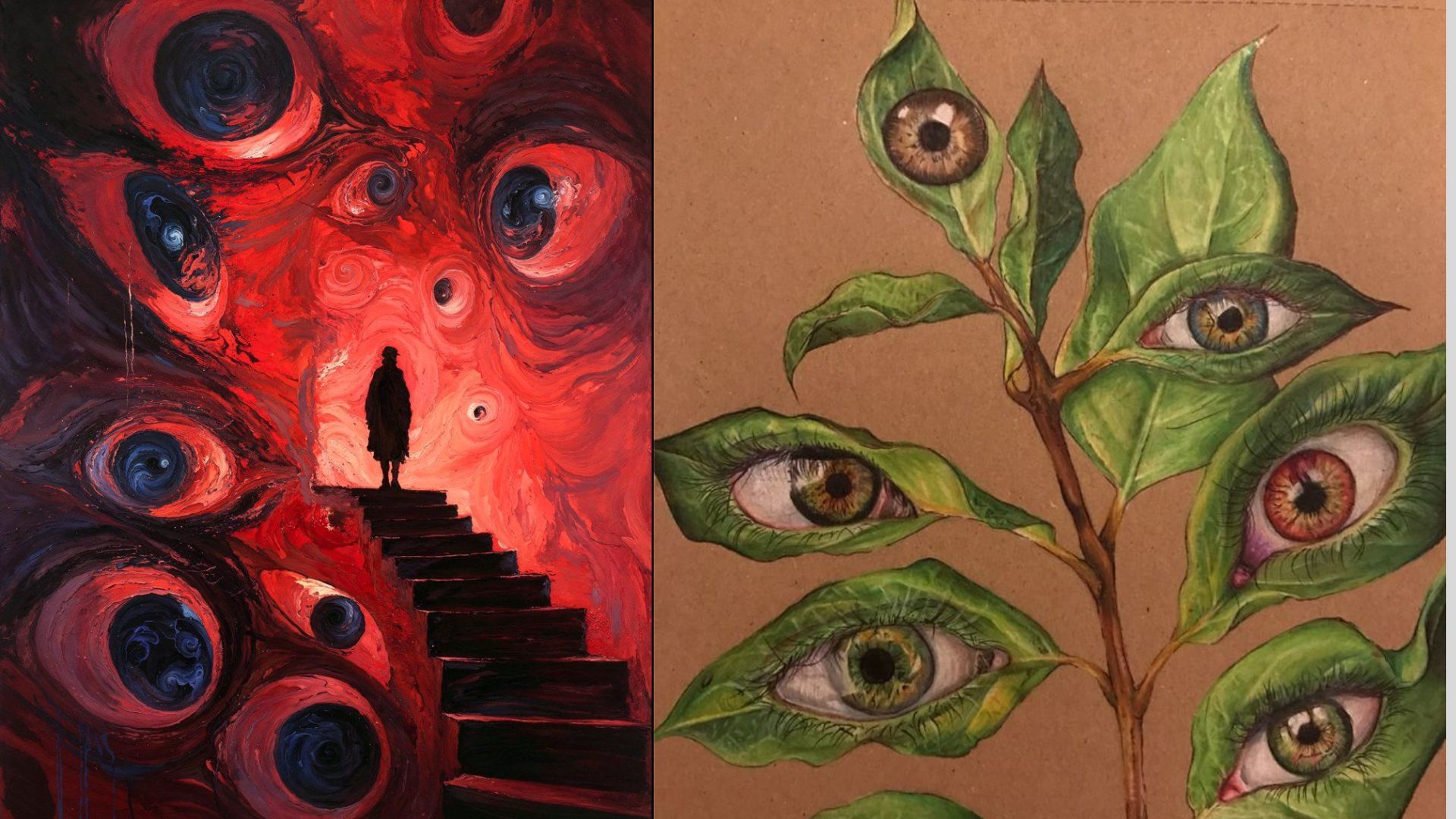
Make trees with branches that turn into reaching hands or bark that shows screaming faces. Blend natural forms with human features.
Keep the transformation subtle at first so viewers do a double-take. Nature should feel alive in an uncomfortable way.
Roots become veins, flowers become eyes, leaves become fingers. This turns safe outdoor spaces into places where everything watches and reaches for you.
11. Glitching Rooms or Environments
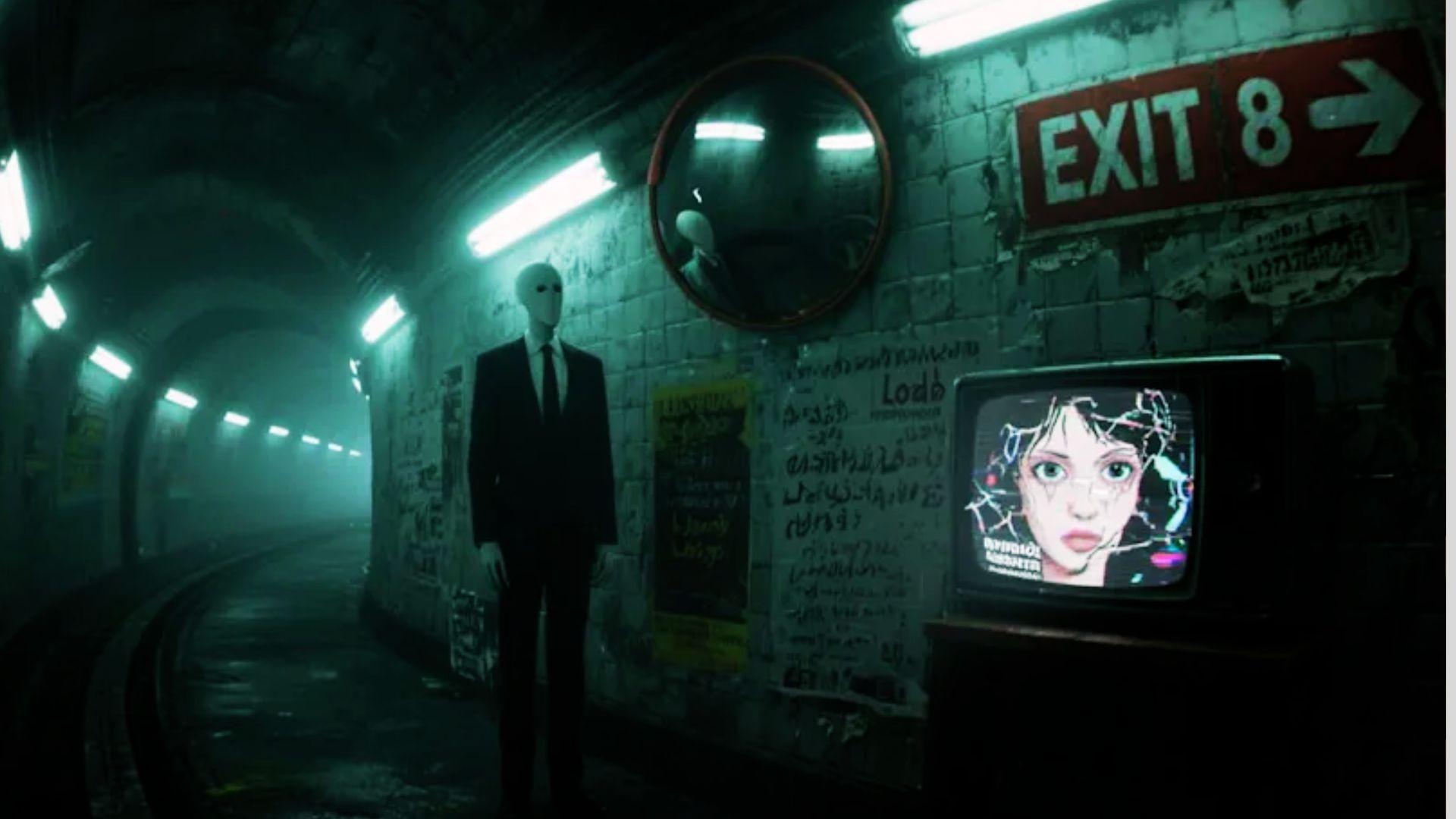
Create rooms that look broken, duplicated in weird ways, or warped like a video game error. The architecture shouldn’t make sense.
Use pixel distortion, color channel shifts, and uneven lighting. Duplicate doorways or windows in impossible arrangements.
The floor might tilt at the wrong angles, or walls might phase through each other. These spaces feel like corrupted memories or dreams that can’t load properly.
12. Mirror or Reflection With a Twist
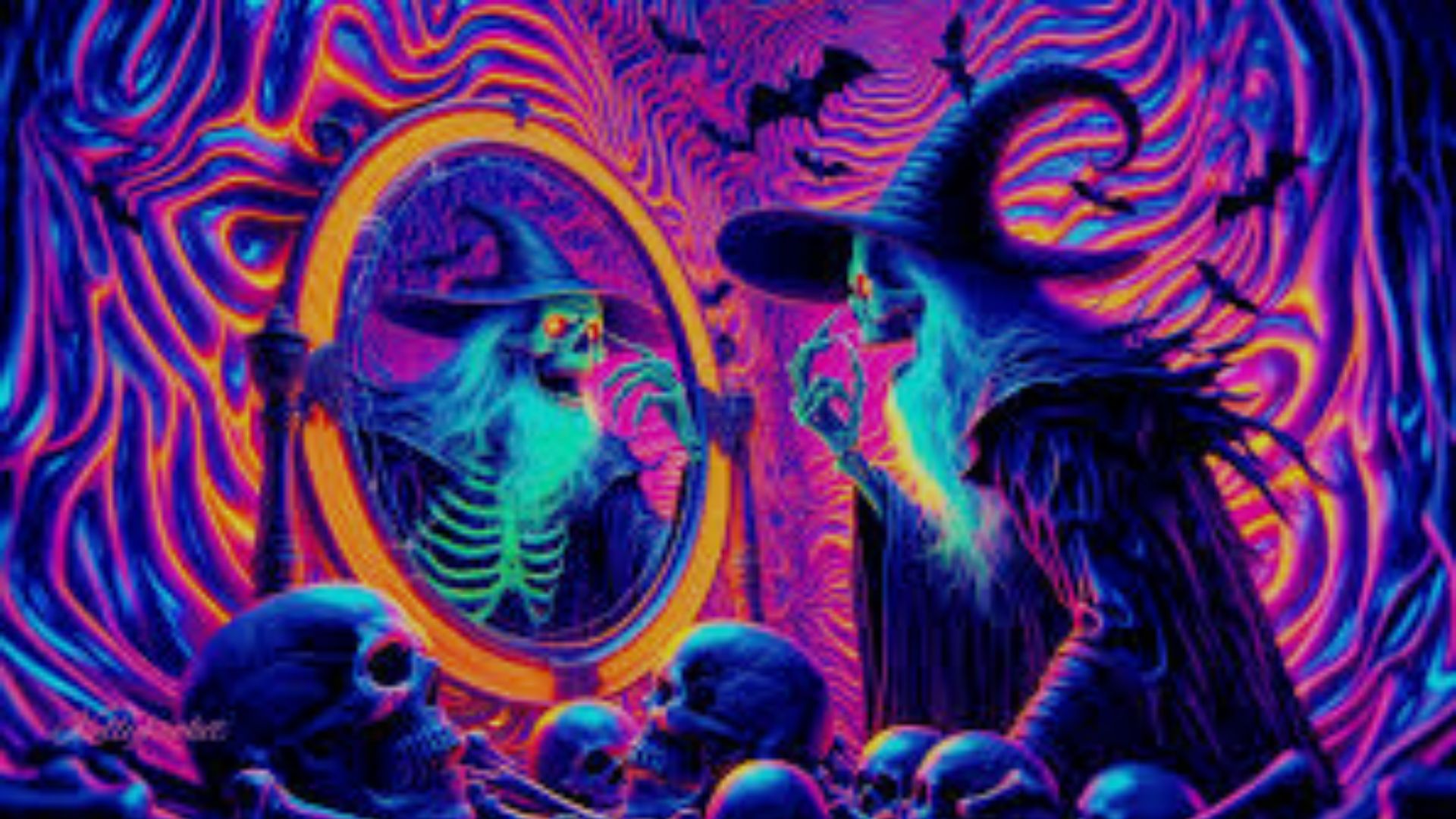
Show a person and their reflection, but make the reflection slightly different. Maybe it’s facing the wrong direction or showing a different expression.
Add subtle changes rather than obvious ones, a hand position that’s off, eyes looking elsewhere, or clothes that don’t match.
The wrongness should be noticeable but not immediately obvious. Broken reflections suggest the person isn’t in control of their own image.
13. Nostalgic Internet-Inspired Scene
Create scenes that look like screenshots from the late 90s or early 2000s internet, low resolution, heavy compression, and dated graphics. Think old webcams and primitive 3D renders.
Use heavy grain, visible JPEG compression artifacts, and washed-out or muted colors. Add elements like old desktop icons, error messages, or early internet visuals.
This taps into nostalgia for early digital spaces that now feel lost and strange. The low quality makes everything feel like a fading memory.
Simple Tips for Creating Weirdcore Art
Weirdcore art breaks all the normal rules. You don’t need clean edges or high-quality images here. I’ve found that the strangest, roughest pieces often work best. Let yourself make art that feels off and uncomfortable.
- Love the glitches: Grainy photos and pixelated images fit this style perfectly. Don’t fix that blur or distortion, as it makes it worse. Low-quality visuals give weirdcore its unsettling vibe. Your “mistakes” become the actual art.
- Choose feeling first: Stop worrying about what your piece means. Focus on the mood you want to create, as it’s strange, nostalgic, confusing, or lonely. Does it make you feel weird when you look at it? Then it’s working right.
- Leave it open: Don’t explain your weirdcore art to viewers. Let them wonder what they’re seeing and why it feels so strange. Everyone will see something different in your work. That mystery is part of what makes weirdcore so interesting.
Conclusion
These weirdcore art ideas give you everything you need to create your own surreal and dreamlike pieces. You now know how to mix nostalgic elements, odd colors, and strange settings to make art that feels both familiar and unsettling. Each technique helps you express feelings.
You don’t need expensive tools or advanced skills to start making weirdcore art. Simple editing apps and your own imagination work just fine. This style lets you play with reality in ways that feel personal and meaningful to you.
Try creating one piece this week and see where your ideas take you. What emotions or memories will you capture in your weirdcore art? Share your creations with us in the comments, or let us know which technique you want to try first. We can’t wait to see what you make.
Frequently asked questions
What is weirdcore art?
Weirdcore art is a style that mixes dreamlike images with nostalgic and unsettling elements. It often uses old photos, strange colors, empty spaces, and odd text to create feelings of confusion and familiarity at the same time. This art style makes viewers feel like they’re in a weird dream or forgotten memory.
What are some easy weirdcore art ideas for beginners?
Start with simple weirdcore art ideas like editing childhood photos with unusual filters, adding glitch effects to landscapes, or combining normal objects in strange ways. Try using liminal spaces like empty hallways or playgrounds. Add distorted text or eye symbols to make your images feel more strange and dreamlike.
What apps or tools do I need for weirdcore art ideas?
You can create weirdcore art ideas using free apps like Picsart, GIMP, or Photopea. These let you edit photos, add filters, and layer images together. Mobile apps like Glitché and Prequel work well, too. Even basic photo editors on your phone can help you start making weirdcore pieces today.
What makes weirdcore art different from other styles?
Weirdcore art ideas focus on creating uncomfortable nostalgia and confusion. Unlike other styles, weirdcore mixes recognizable objects with surreal settings and odd colors. It uses emptiness, glitch effects, and dreamlike qualities to make viewers feel uneasy. The goal is to blur what’s real and what’s imagined in unsettling ways.
Can kids try weirdcore art ideas?
Yes, older kids and teens can try weirdcore art ideas with supervision. They can edit photos, add filters, and create collages using safe apps. However, some weirdcore themes might feel scary or disturbing for younger children. Make sure the content stays age-appropriate and fun rather than too dark or frightening.
