


I still remember staying up late with my dad, painting thermocol balls and arguing about which one was supposed to be Saturn.
That solar system project was due the next morning. We finished it at midnight. And it got full marks.
Space has a way of pulling you in, and a well-made solar system project makes that feeling even stronger.
But here is what most kids and parents do not realise: there are so many ways to build one beyond the basic painted balls on a string.
This guide covers 19 solar system project ideas across every skill level, budget, and age group.
Let’s get into it.
Why a Solar System Project Is Important for Kids

A solar system project turns an abstract science topic into something a child can see, touch, and understand. Planets stop being just names in a textbook and become something real.
These projects also build creativity and fine motor skills. Cutting, painting, shaping, and assembling all require focus and hands-on thinking.
They make learning genuinely fun. A child who builds a model remembers far more than one who only reads about it. That is the real value of doing it yourself.
Solar system projects also work across many settings. School assignments, science exhibitions, home learning days, or just a creative weekend activity. They fit almost any situation.
19 Best Solar System Project Ideas (Fun and Easy to Make)
Whether you need something simple for a school submission or something impressive for a science fair, there is an idea here for every kid.
Here are 19 solar system project ideas to get you started.
1. 3D Thermocol Solar System Model

This is the classic solar system project that most students know well. Thermocol balls come in different sizes, making it easy to show the size difference between planets.
Paint each ball in the right colour and hang them from a wire or wooden dowel using thread. Label each planet clearly with a marker or small tag.
It looks impressive and is easy to put together in a single afternoon. A reliable choice for school exhibitions.
2. DIY Solar System Project with Clay

Modelling clay lets kids shape each planet by hand, which makes this version very tactile and personal. Roll the clay into balls of different sizes and let them dry.
Once dry, paint each planet in its correct colours. Earth gets blue and green, Saturn gets golden rings, Jupiter gets its famous stripes.
This solar system project works well for kids who enjoy sculpting. The finished planets feel sturdy and look really professional.
3. Solar System Project in a Box (Shoebox Model)

Take an old shoebox and paint the inside black to create a space background. Add glitter or white dot stickers for stars.
Place small planet models inside using clay, thermocol, or painted paper balls. Arrange them in order from the sun outward.
This is a great solar system project for younger kids because everything stays contained and neat. It is easy to carry to school without anything falling off.
4. Paper Plate Solar System Craft
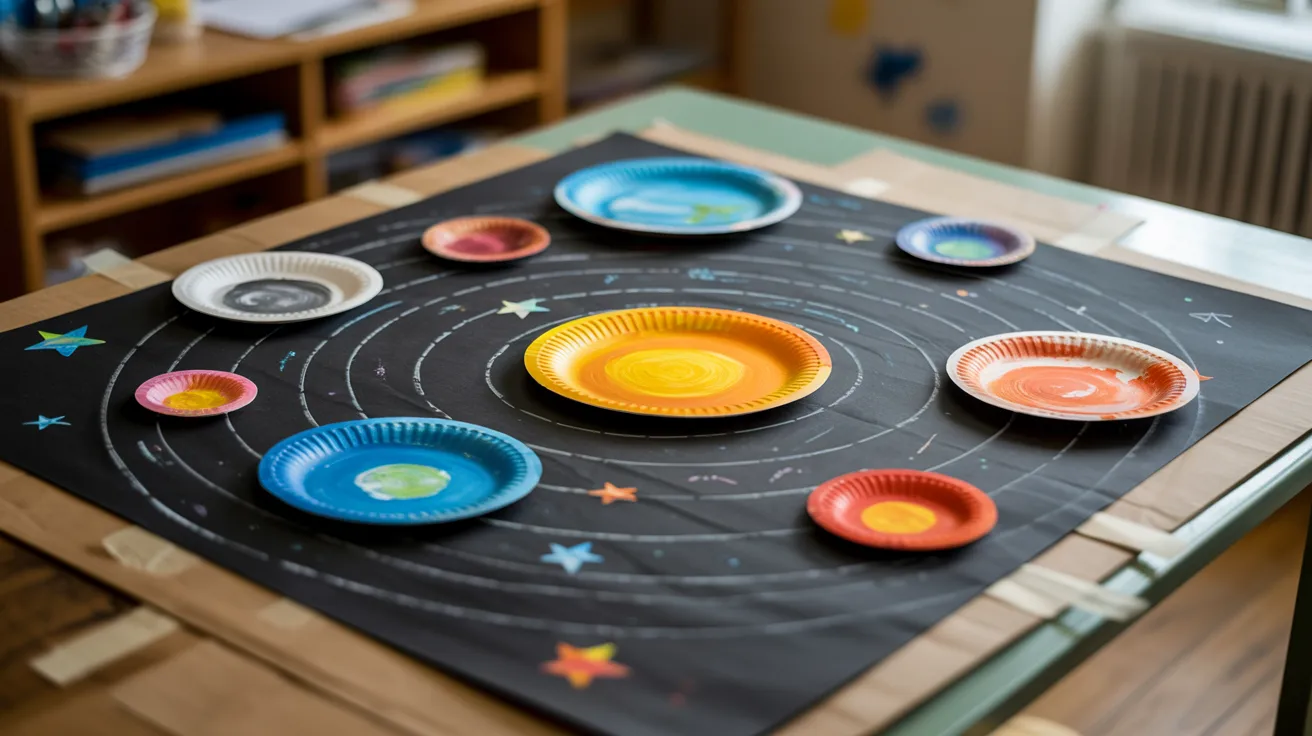
Use paper plates of different sizes to represent the planets and the sun. Paint each plate in the correct colour and add labels.
Arrange them on a large black sheet of cardboard in order and connect them with drawn or painted orbital lines. Add a fact or two beneath each planet.
This is one of the most budget-friendly solar system project ideas on the list. Perfect for beginners and younger students.
5. Hanging Solar System Mobile
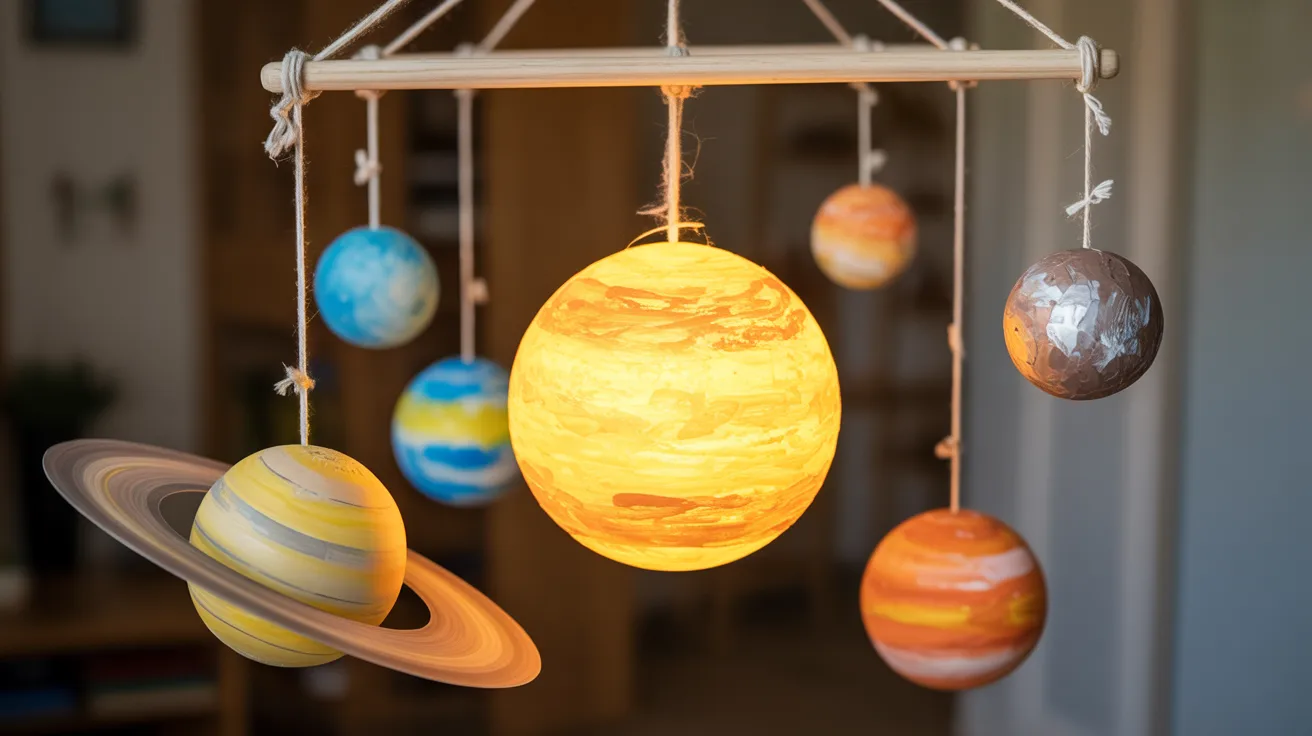
Cut circles from cardboard or use small balls for each planet. Paint them, attach a thread to each one, and hang them from a central rod or wire at different lengths.
When hung from a ceiling or doorframe, the mobile rotates slightly in the air, giving the feel of planets in motion. It looks great as a bedroom decoration too.
This solar system project combines science with a display piece. Teachers and parents both love how it turns out.
6. Solar System Poster Project
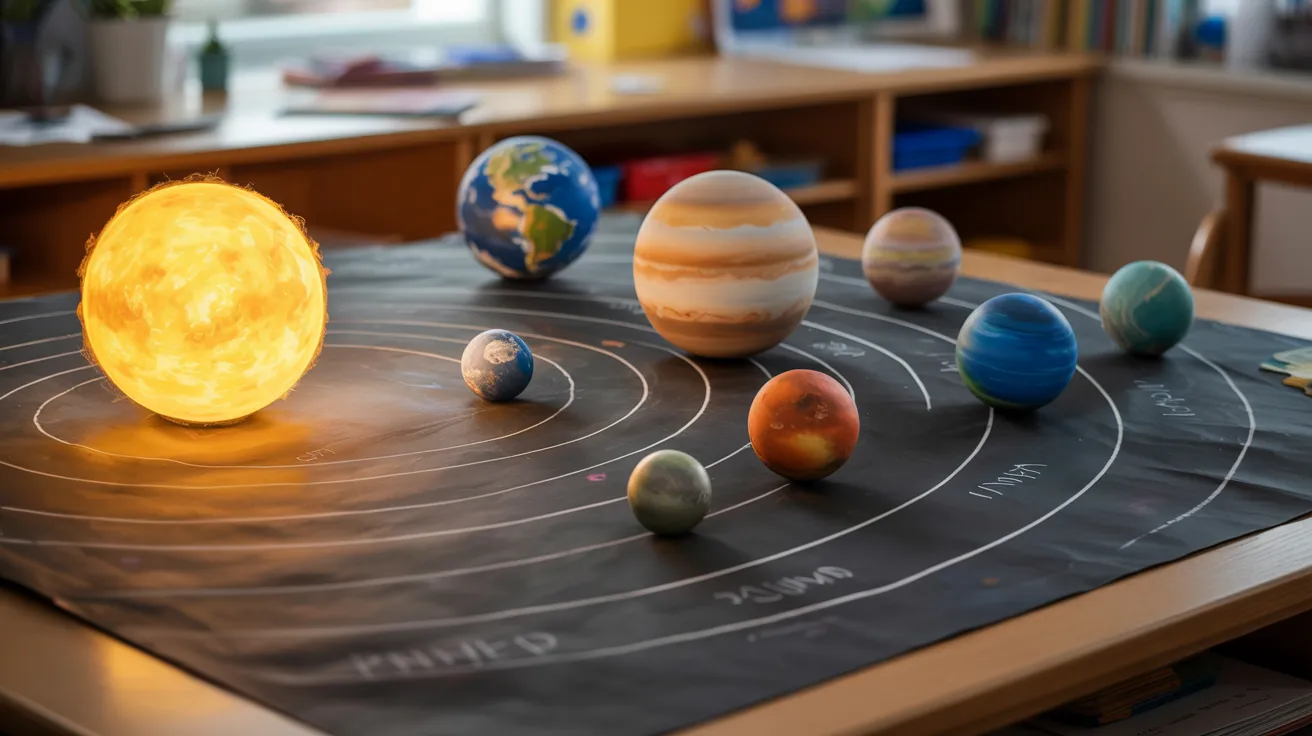
A well-made poster can be just as effective as a 3D model. Use a large black sheet and paint or draw each planet in its correct position along a curved orbit line.
Label each planet with its name, distance from the sun, and one interesting fact. Add colour gradients and texture to make the planets look realistic.
This is a go-to solar system project for students who prefer drawing over building. It is also very easy to transport and present.
7. Glow-in-the-Dark Solar System Model
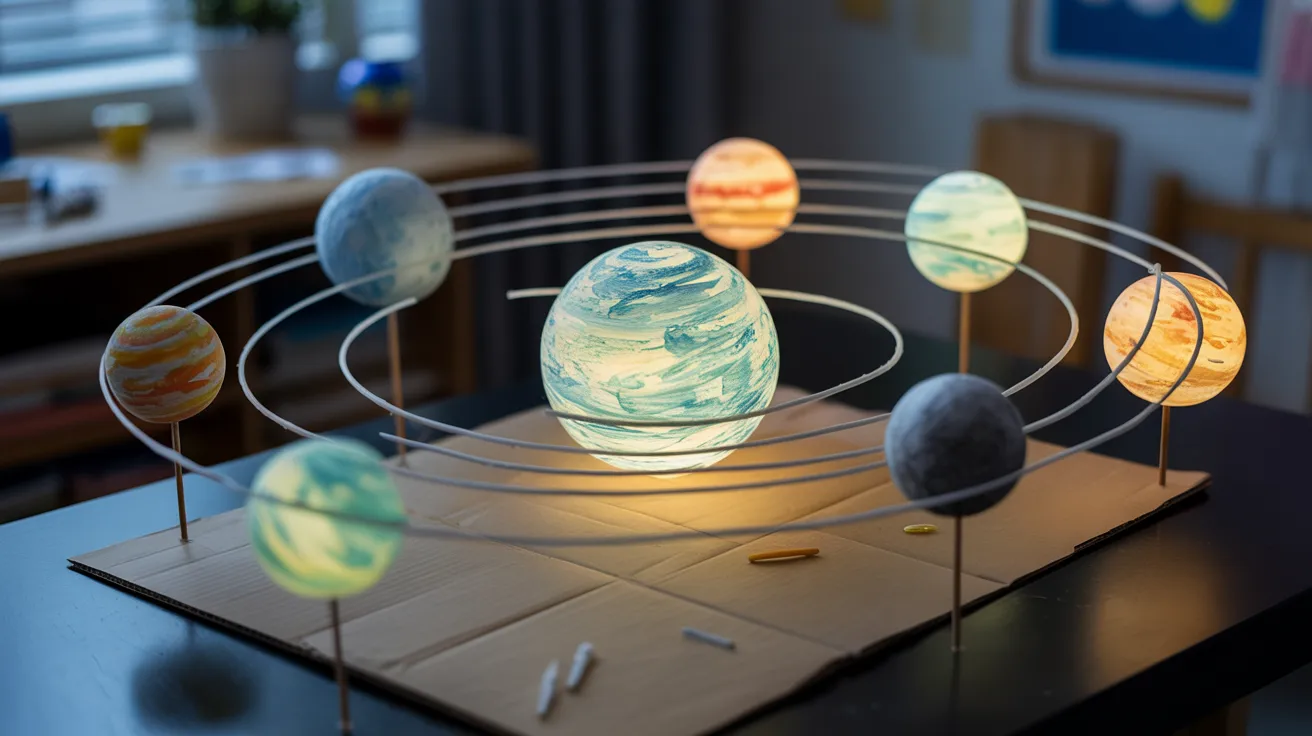
Use glow-in-the-dark paint on a standard thermocol or cardboard model. The planets glow when the lights go off, which makes the whole project feel like a real night sky.
Charge the paint under a lamp before presenting it. In a darkened room, the effect is genuinely impressive.
This version always gets attention at school science fairs. It adds a wow factor to an otherwise standard solar system project.
8. Recycled Materials Solar System Project

Use old bottles, bottle caps, crumpled newspaper balls, cardboard tubes, and scrap paper to build each planet. Paint them once assembled.
This approach teaches kids to think creatively with what they already have at home. No special shopping required.
An eco-friendly solar system project that also sparks problem-solving skills. Each planet becomes a small engineering challenge on its own.
9. Solar System Project with LED Lights
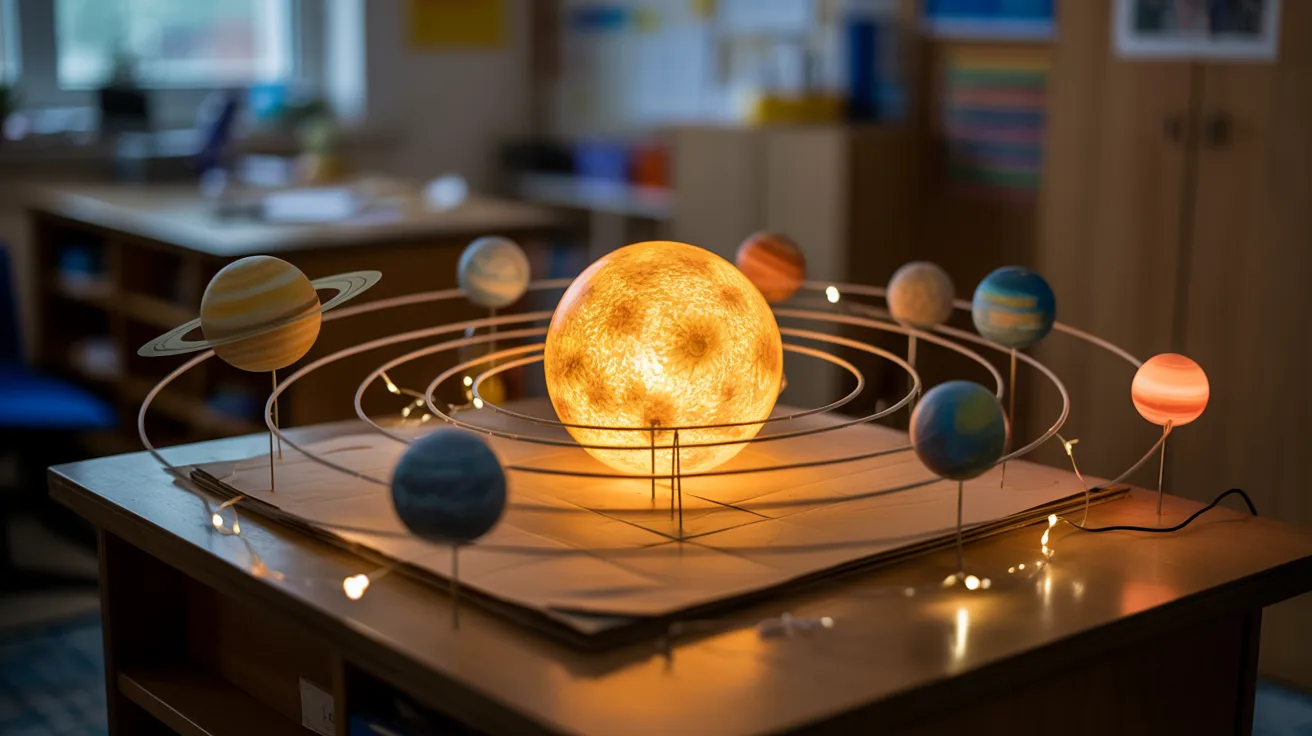
Add small LED fairy lights or individual LED bulbs to your model to represent the sun’s glow and highlights on each planet.
Place the brightest light at the centre for the sun and use dimmer ones further out. Battery-powered lights are the easiest to work with.
This version looks spectacular in a dark room and makes a strong impression at presentations. It adds a real sense of scale and drama to the project.
10. Edible Solar System Project

Use different fruits to represent the planets based on size. A large orange for Jupiter, a grape for Mars, a small blueberry for Mercury, for example.
Arrange them in order on a flat surface or board and label each one with a toothpick flag. Add a yellow ball of cheese or a round cake for the sun.
This solar system project is always a crowd favourite. It is fun, creative, and has a very satisfying ending when the presentation is done.
11. Solar System Project Using Balloons
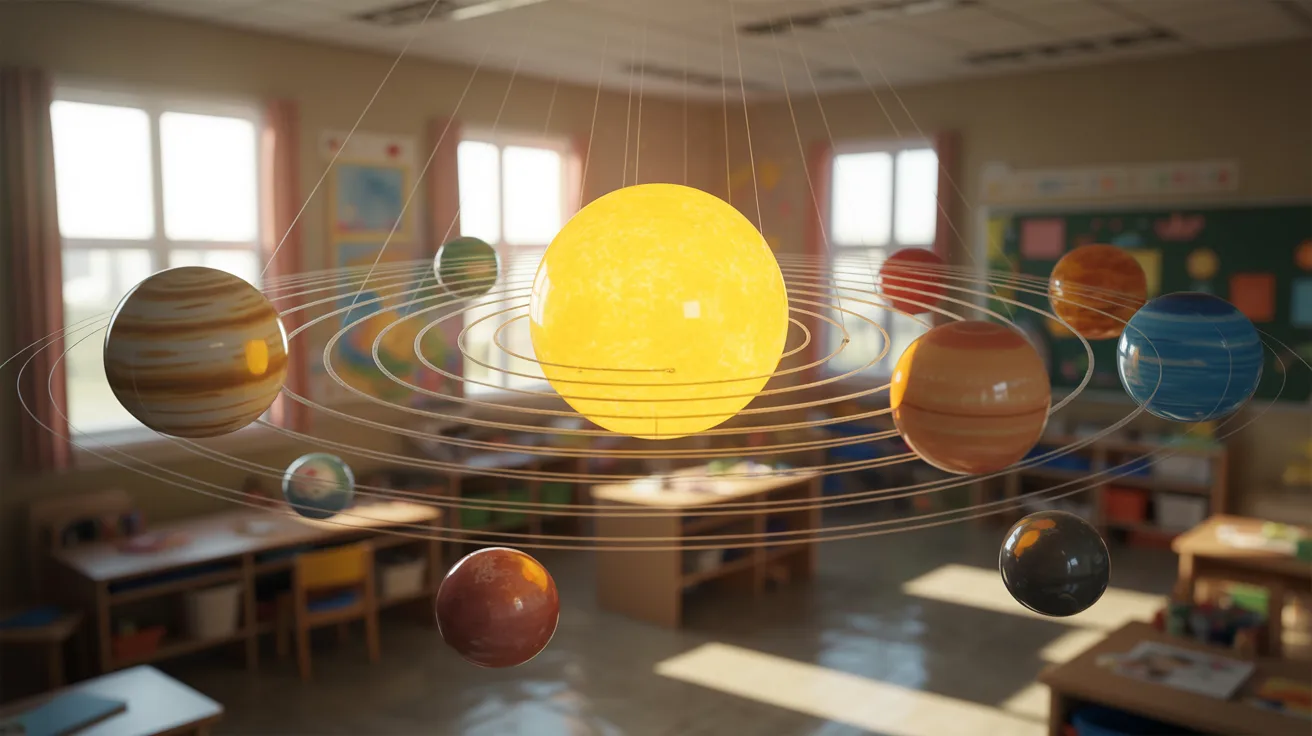
Inflate balloons in different sizes to represent the planets and paint them once inflated. Use a large yellow balloon for the sun.
Hang them from a string or display them in a room for a colourful, eye-catching model. Label each balloon clearly.
This is a fun solar system project for groups or classrooms. Kids enjoy the inflating and painting process, and the finished display fills a room nicely.
12. Digital Solar System Project (Presentation)
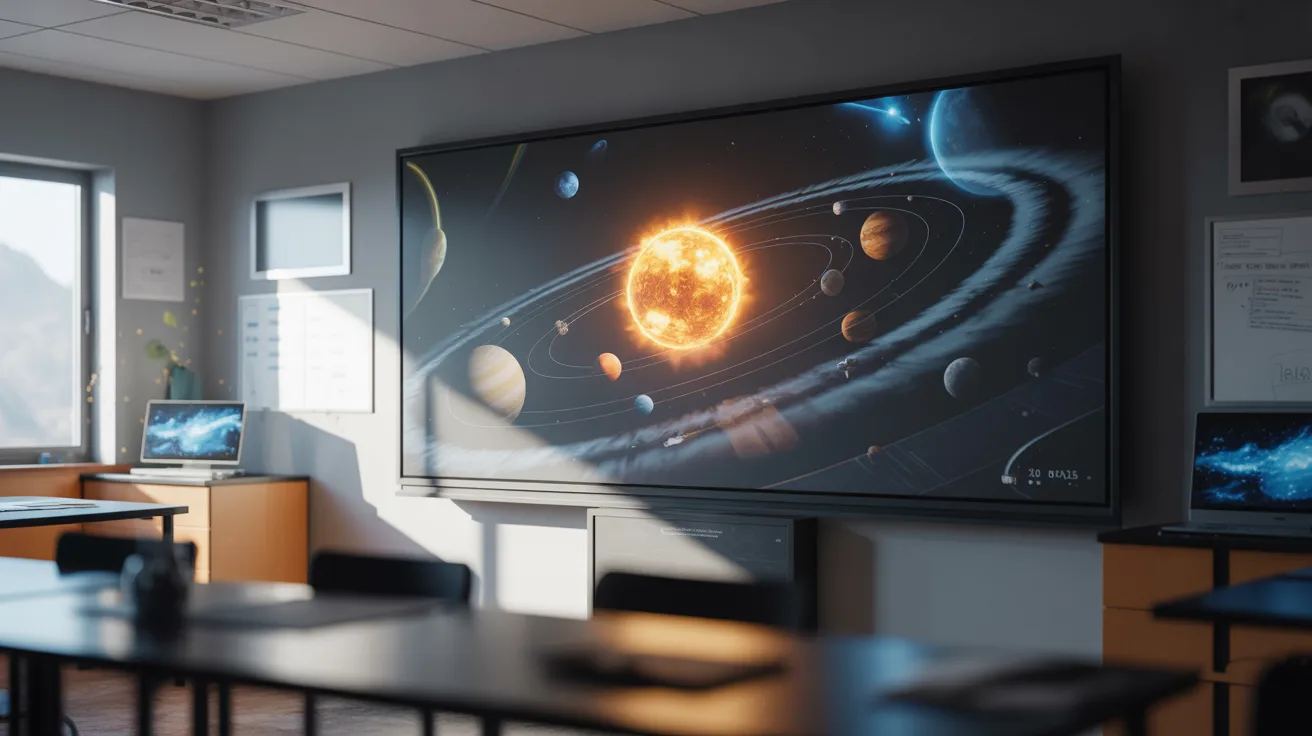
Build a solar system project using PowerPoint, Google Slides, or a space-themed app. Add planet images, facts, orbit animations, and recorded audio explanations.
This works especially well for older students who are comfortable with technology. It can include videos, 3D views, and interactive quiz slides.
A digital project is easy to share, present on a screen, and update. It is a strong option for students who prefer working on devices.
13. Solar System Project on Chart Paper
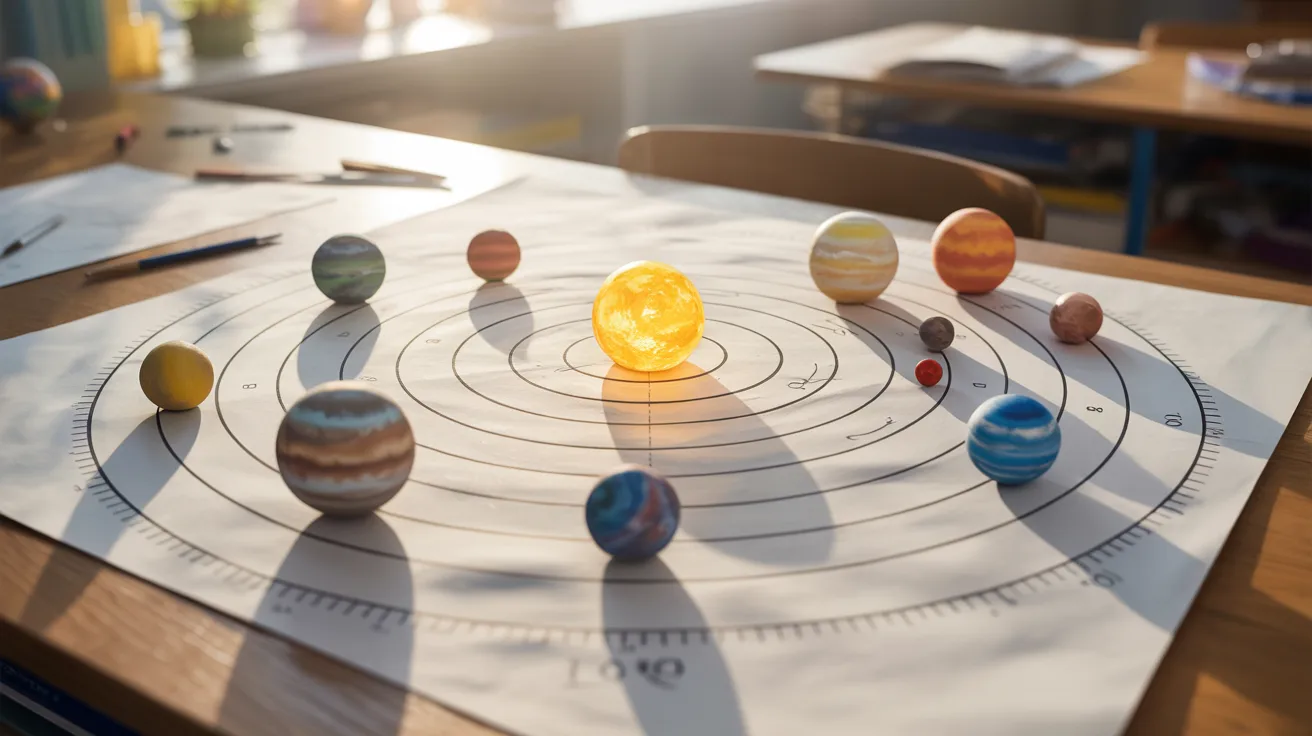
A large chart paper gives enough space to draw the full solar system with accurate spacing and detailed labels. Use rulers for orbit lines and compass tools for planet circles.
Add colour with markers, oil pastels, or watercolour paints. Write a short fact box next to each planet.
This solar system project is simple, clean, and works perfectly for school submissions. It takes very little time and materials to complete.
14. Rotating Solar System Model (Motorized)
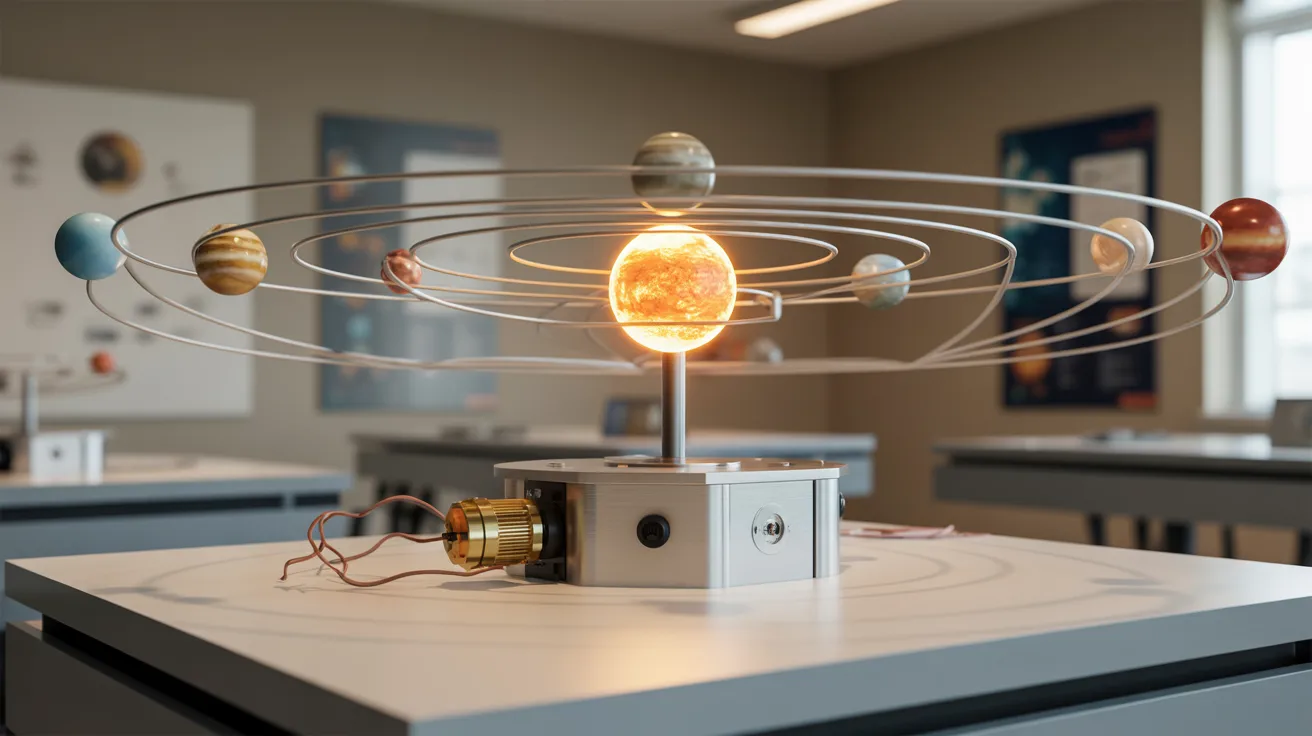
This is a more advanced solar system project. Use a small electric motor or hand-crank mechanism to make the planets move around the sun.
Attach planets to wire arms connected to the central motor. When switched on, the planets orbit in real time.
This version impresses science teachers and judges at exhibitions. It requires more planning but teaches kids about motion, mechanics, and science at the same time.
15. Felt Fabric Solar System Board
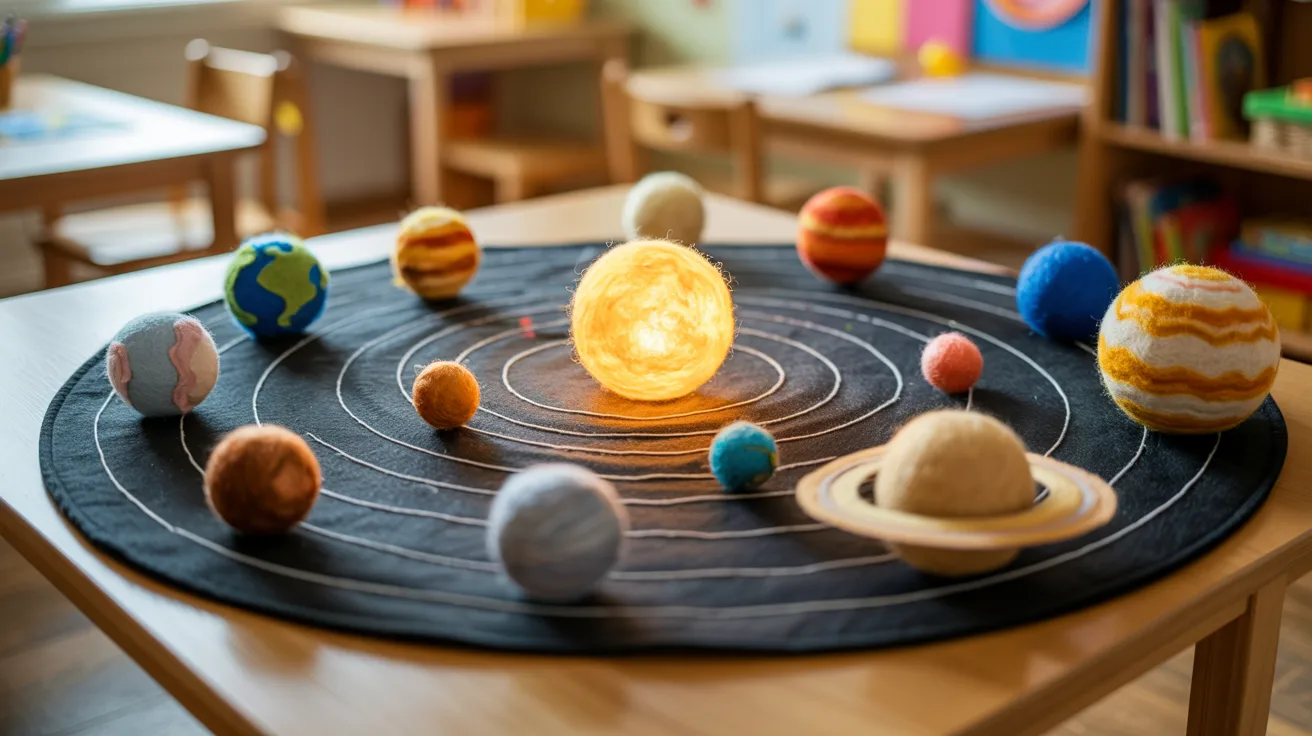
Cut planet shapes from felt fabric in different colours and sizes. Arrange them on a dark felt board in order from the sun.
Because felt sticks to felt, the pieces can be removed, rearranged, and reused as many times as needed. It is great for interactive learning sessions.
This is one of the most kid-friendly solar system project ideas on the list. Younger children especially love the hands-on, move-and-place style of learning.
16. Solar System Project with Paper Mache
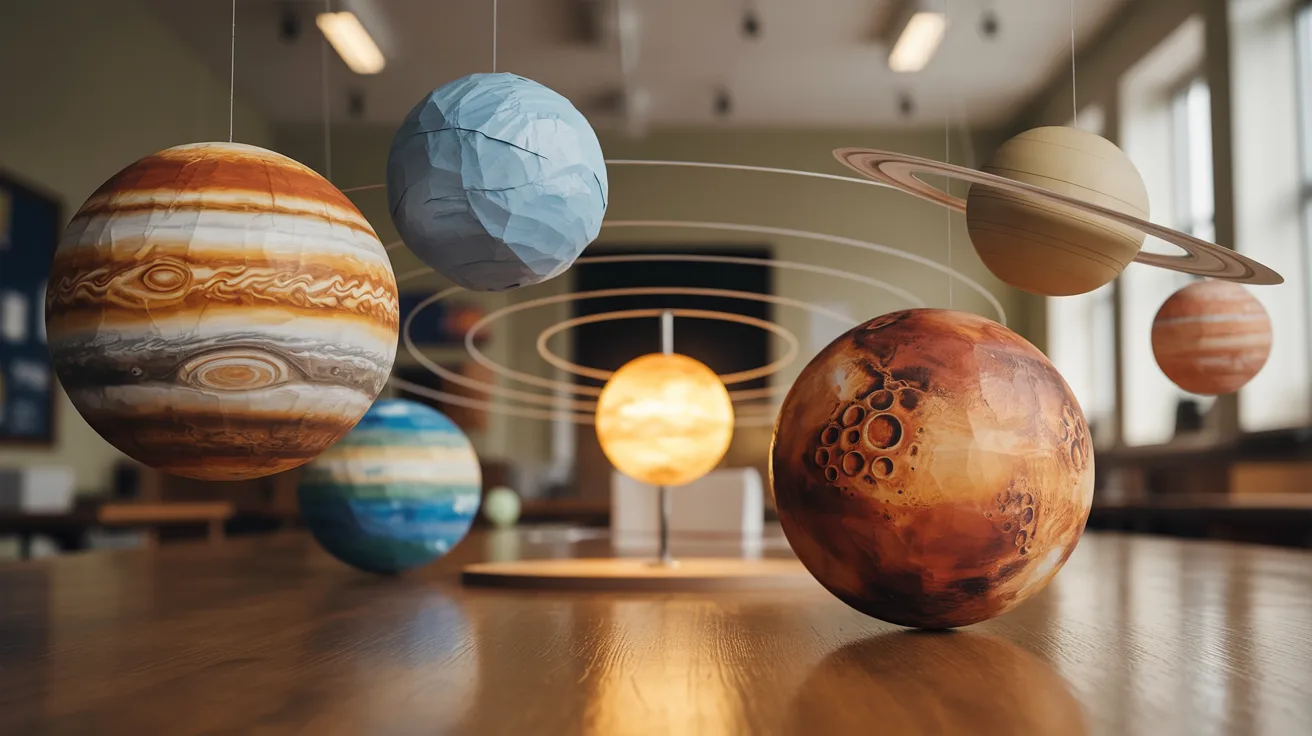
Blow up small balloons and cover them with paper mache strips. Let them dry fully, then pop the balloon and paint the hardened shell as a planet.
Paper mache planets are lightweight, durable, and can be made quite large for dramatic effect. They hold paint well and last a long time.
This solar system project takes a couple of days to complete because of drying time, but the finished result looks very realistic and professional.
17. LEGO Solar System Model

Use LEGO bricks to build each planet as a round or sphere-like shape. Different brick colours naturally represent different planets.
Mount the finished planets on a flat LEGO base in orbital order around a bright yellow sun build. Add printed name tags to each one.
This solar system project appeals to kids who already love building with LEGO. It is creative, structural, and can be rebuilt or modified easily.
18. Solar System Diorama
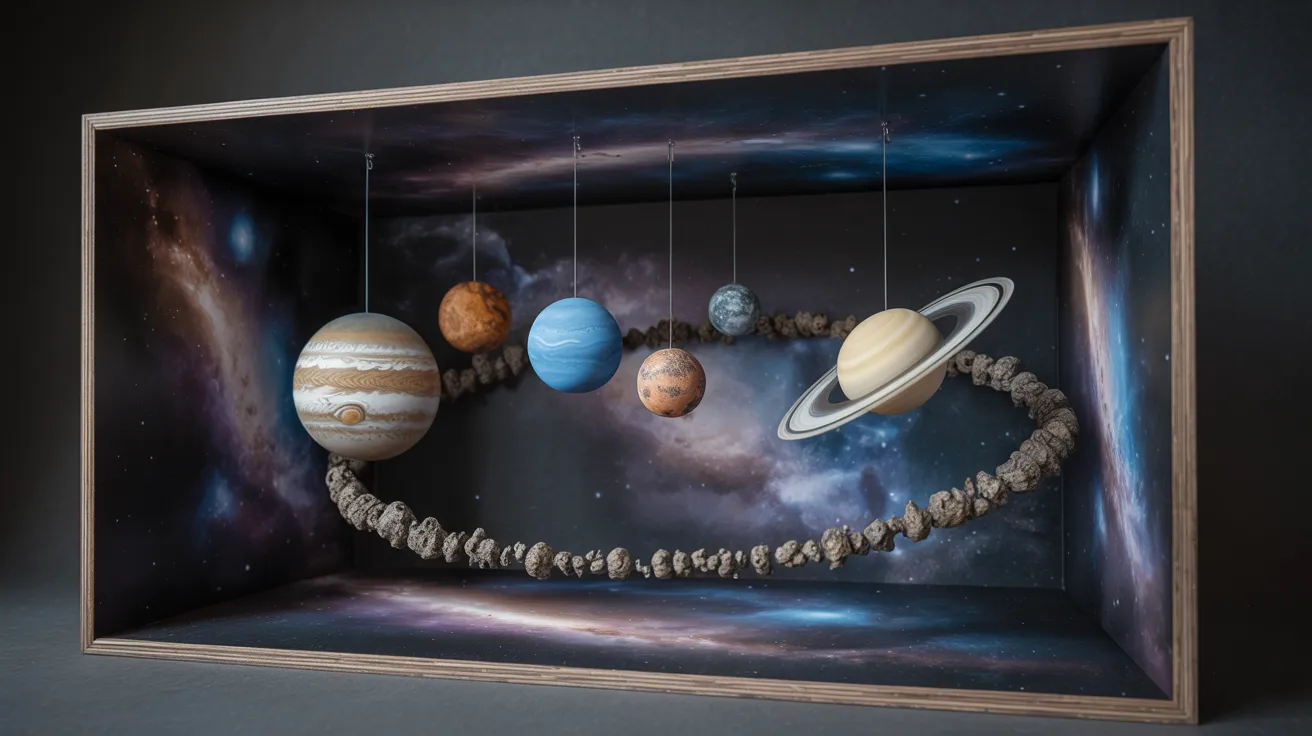
Build a detailed three-dimensional scene inside a large box or open frame. Paint a deep space background with stars and nebulae on the back panel.
Add planet models in the foreground at different depths using wire supports to create a sense of distance. Include the asteroid belt and Saturn’s rings for extra detail.
A diorama solar system project rewards patience and attention to detail. It looks impressive from any angle and tells a complete visual story of the solar system.
19. Augmented Reality Solar System Project
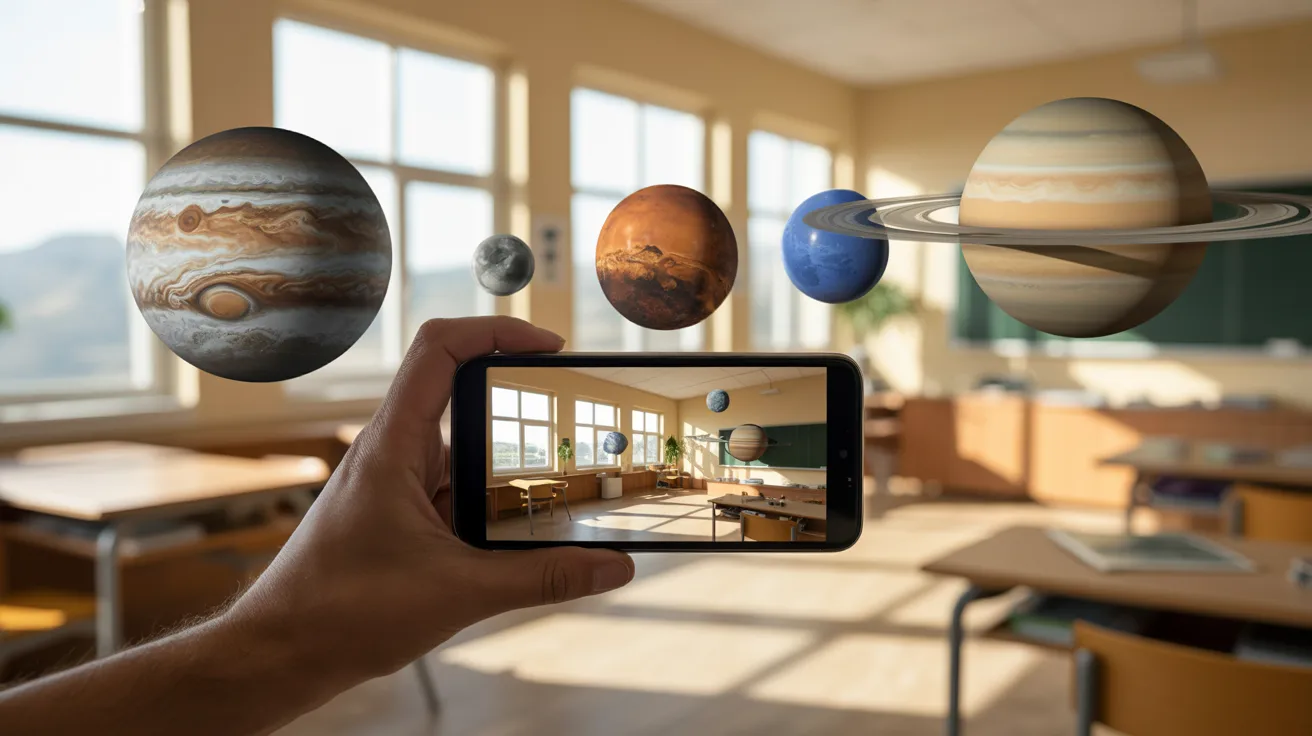
Use AR apps like Solar Walk, Spacecraft 3D, or Star Walk to create a digital, interactive solar system experience. Some apps let you place planets in your real room through your phone camera.
Pair the app demo with a short written or printed report on each planet. Present both together for a complete science project.
This is a forward-thinking solar system project for kids who love technology. It shows that science and digital tools can work together in really exciting ways.
Materials Required for a Solar System Project
Most solar system project ideas do not require expensive supplies. You can put together a solid model using basic craft materials that are easy to find locally or at home.
- Thermocol balls in various sizes
- Air-dry clay or modelling clay
- Cardboard, cardboard boxes, and chart paper
- Acrylic or poster paints and fine brushes
- Glue, scissors, and strong tape
- Threads, wire, and wooden sticks for hanging models
- LED lights or fairy lights for illuminated versions
- Markers, glitter, and star stickers for decoration
- Recycled items like bottles, caps, and newspaper for eco-friendly builds
Having your materials sorted before you start saves a lot of time and makes the whole process smoother. For younger kids, lay everything out on a covered table before beginning. Most of these items are affordable and easy to replace if something goes wrong mid-project.
Tips to Make Your Solar System Project Stand Out
A good solar system project does not just show the planets. It tells a story about space in a way that is clear, creative, and memorable.
These tips will help yours go from average to genuinely impressive.
- Get the sizes right. Jupiter should be noticeably larger than Earth. Saturn needs its rings. Scale matters, even roughly.
- Use accurate colours. Look up reference images for each planet before painting. The details make a big difference.
- Add labels and facts. A model with planet names, distances, and one interesting fact per planet shows real effort and knowledge.
- Think about presentation. A neat background, a clean base, and good lighting all make the finished project look more polished.
- Add a creative element. Glow paint, LED lights, moving parts, or edible versions all make your solar system project stand out from the crowd.
- Practice explaining it. If you are presenting at school, know your planets. Being able to talk about what you made shows real understanding.
The difference between a good project and a great one is usually just a little extra thought.
Pick one or two of these tips and apply them to your own solar system project. You will notice the difference immediately.
Conclusion
Space is big. But your project does not have to be complicated to be impressive.
Some of the best solar system projects I have seen were made from recycled boxes and leftover paint. What made them stand out was the effort and thought behind them.
So stop overthinking it. Pick one idea from this list, gather what you have at home, and just start building.
Then drop a comment below and tell me which idea you chose. Did it turn out the way you expected? I want to hear the whole story.
Frequently Asked Questions
What is the easiest solar system project for kids?
Paper plate or chart paper models are the simplest options to put together. They need very few materials and can be completed in a single sitting.
How can I make a solar system project at home?
Use basic materials like cardboard, painted balls, and craft supplies you already have at home. A shoebox model or poster project works well with minimal resources.
What materials are best for a solar system project?
Thermocol balls, modelling clay, and recycled materials are among the most popular choices. They are affordable, easy to shape, and take paint well.
How do I make my solar system project stand out?
Add LED lights, moving parts, glow-in-the-dark paint, or interesting facts next to each planet. A creative detail always gets noticed.
What is the correct order of planets in a solar system project?
The correct order from the sun outward is Mercury, Venus, Earth, Mars, Jupiter, Saturn, Uranus, and Neptune. Always start from the sun and work outward when arranging your model.
