


Drawing people sitting down is harder than it looks. The angles get weird, the proportions feel off, and suddenly your sketch looks more like a pretzel than a person. This guide breaks down sitting poses into simple base shapes that make sense.
I’ve taught figure drawing for over years, and sitting poses trip up almost everyone at first. You’ll learn how to build solid base structures for different sitting positions.
These techniques work if you’re sketching someone in a chair, on the floor, or lounging on a couch.
This isn’t theory from someone who’s never held a pencil. These are the same methods I use in my own work and teach in my classes. You’ll get clear references for common sitting poses, tips on getting the weight distribution right, and ways to fix poses that look stiff or unnatural.
13 Sitting Drawing Base Ideas for Artists
I struggled with sitting poses for years. They always looked stiff or wrong. These 13 base ideas will help you understand how bodies actually sit and balance.
Front-Facing Sitting Drawing Base
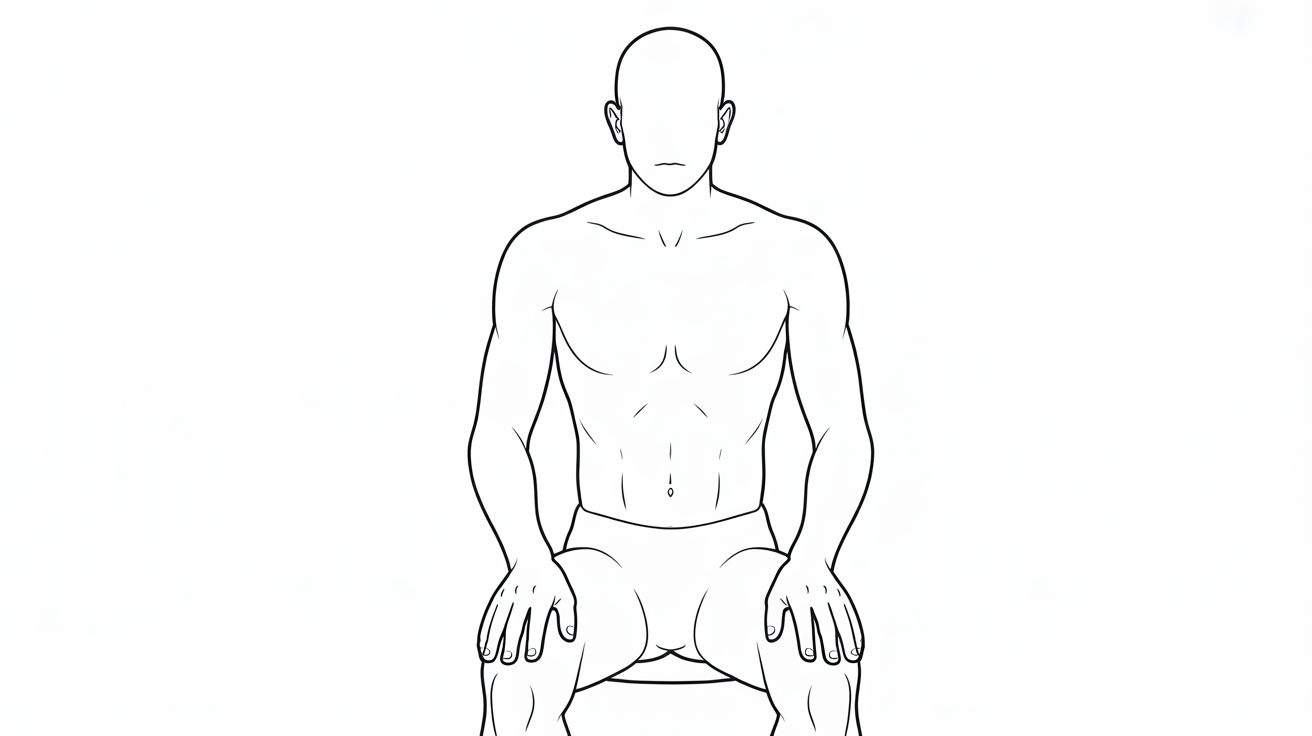
This pose is completely symmetrical from left to right.
It’s the easiest way to learn proportions because both sides match. Beginners should start here before moving to harder angles. You can see everything clearly without any twisting or hiding.
Side View Sitting Drawing Base
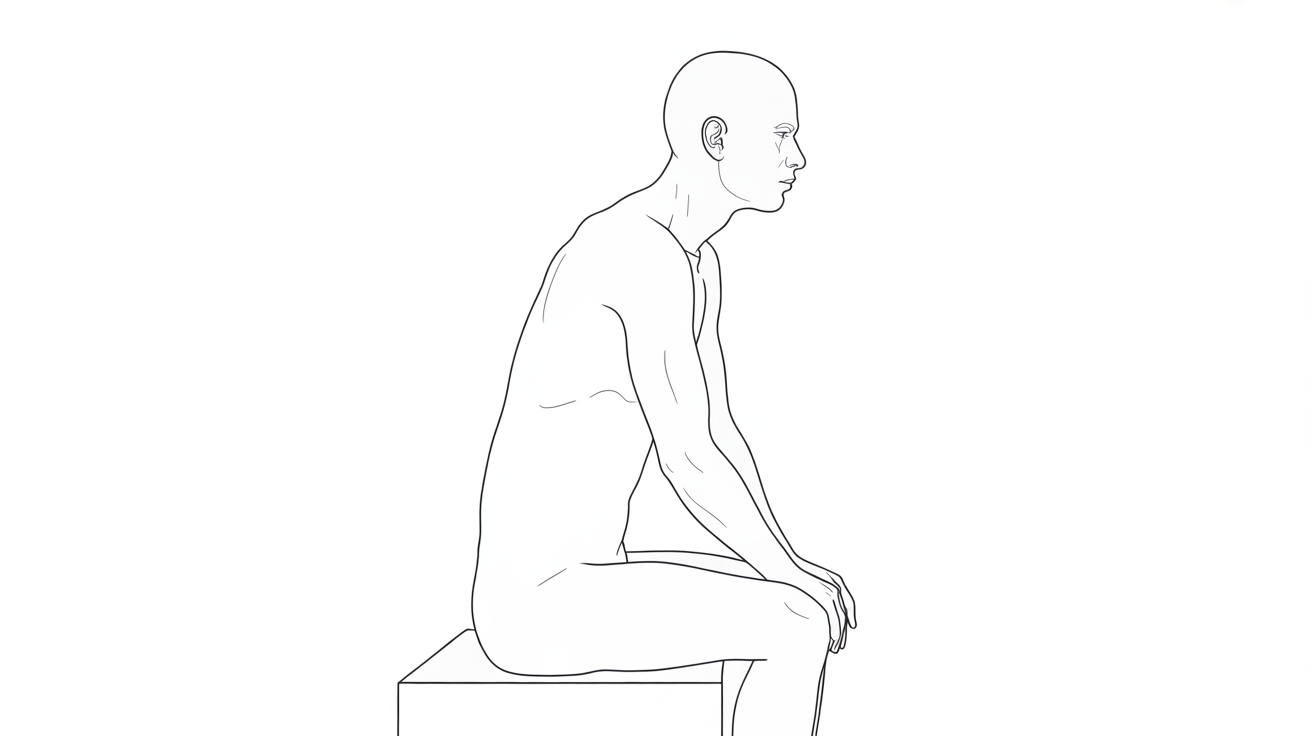
The side angle shows how the spine curves when someone sits down.
You can see the pelvis tilt and where the weight sits. This view teaches you more about anatomy than the front view does. Study how the back isn’t perfectly straight.
3/4 View Sitting Drawing Base
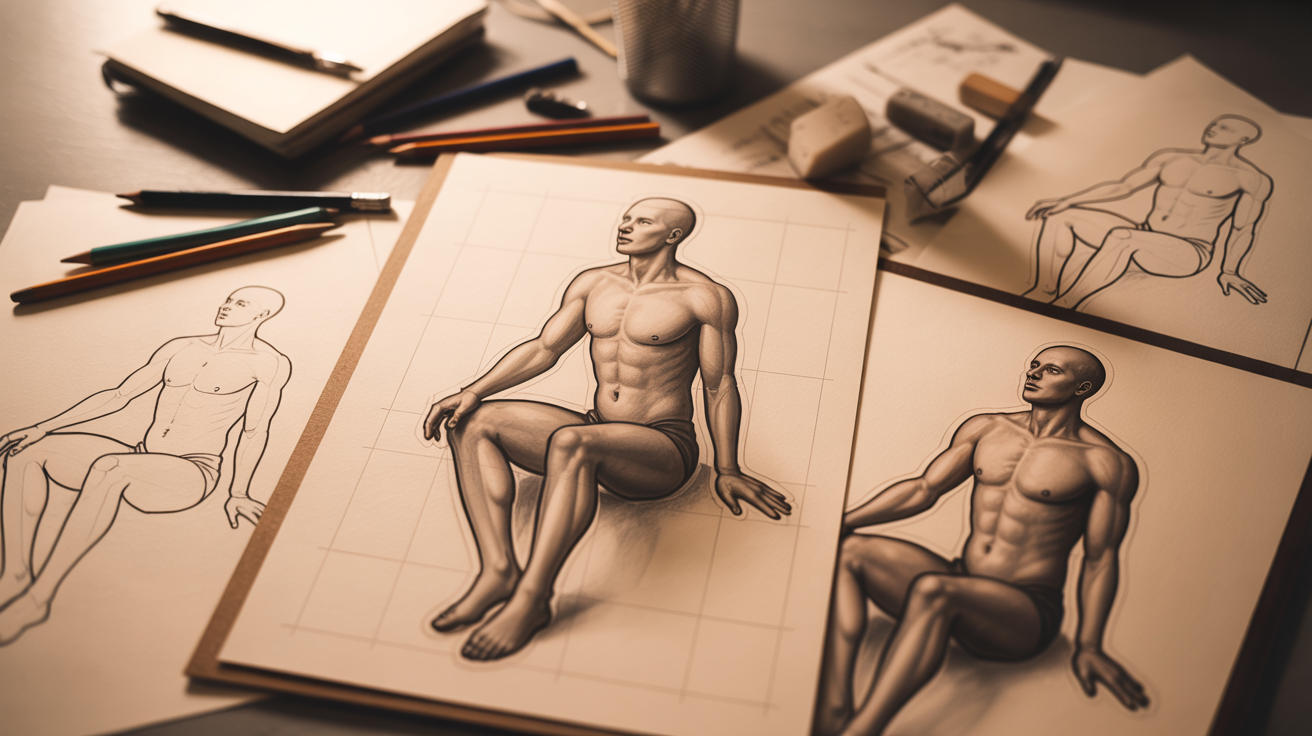
This angle shows depth and makes characters look more real.
Most professional illustrations use this view because it’s dynamic. You see some of the front and some of the side at once. Character designers rely on this angle constantly.
Cross-Legged Sitting Drawing Base
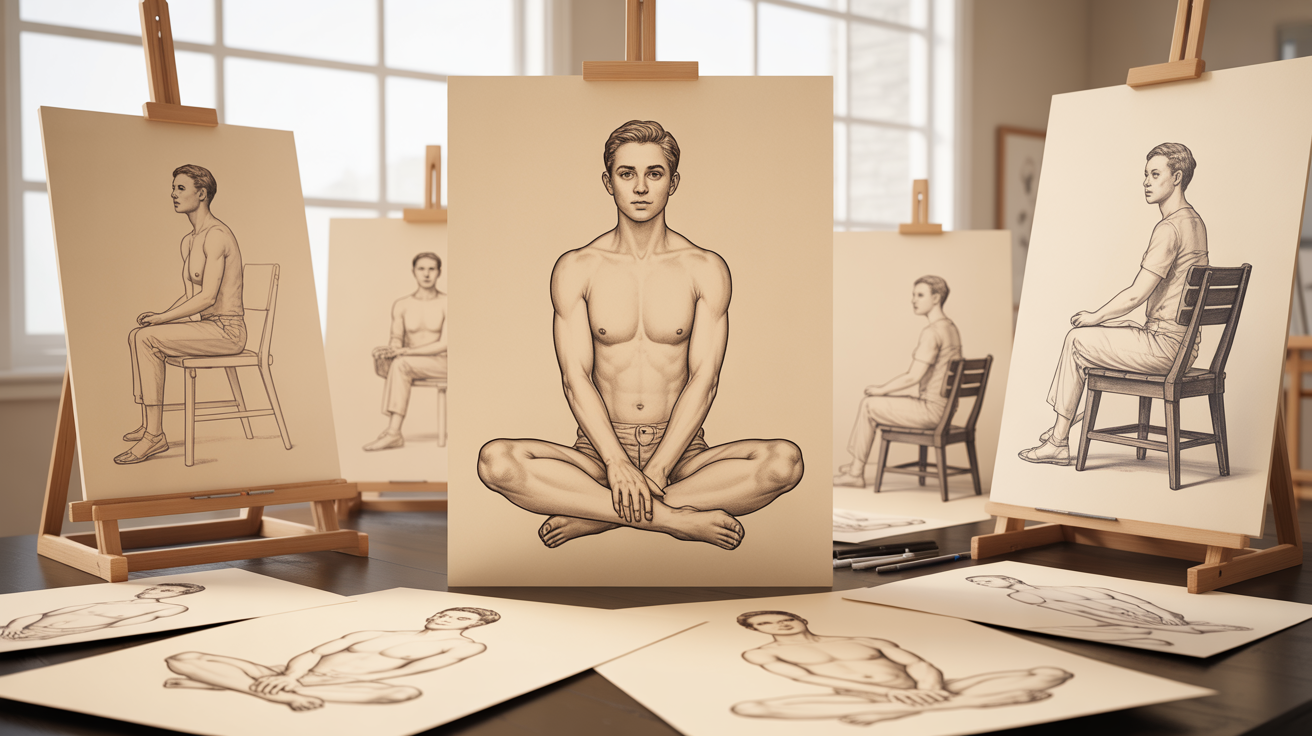
People sit like this all the time in real life.
The legs overlap each other, which is tricky to draw at first. Practice drawing one leg in front and one behind. Pay attention to how the knees point outward.
Open-Leg Sitting Drawing Base
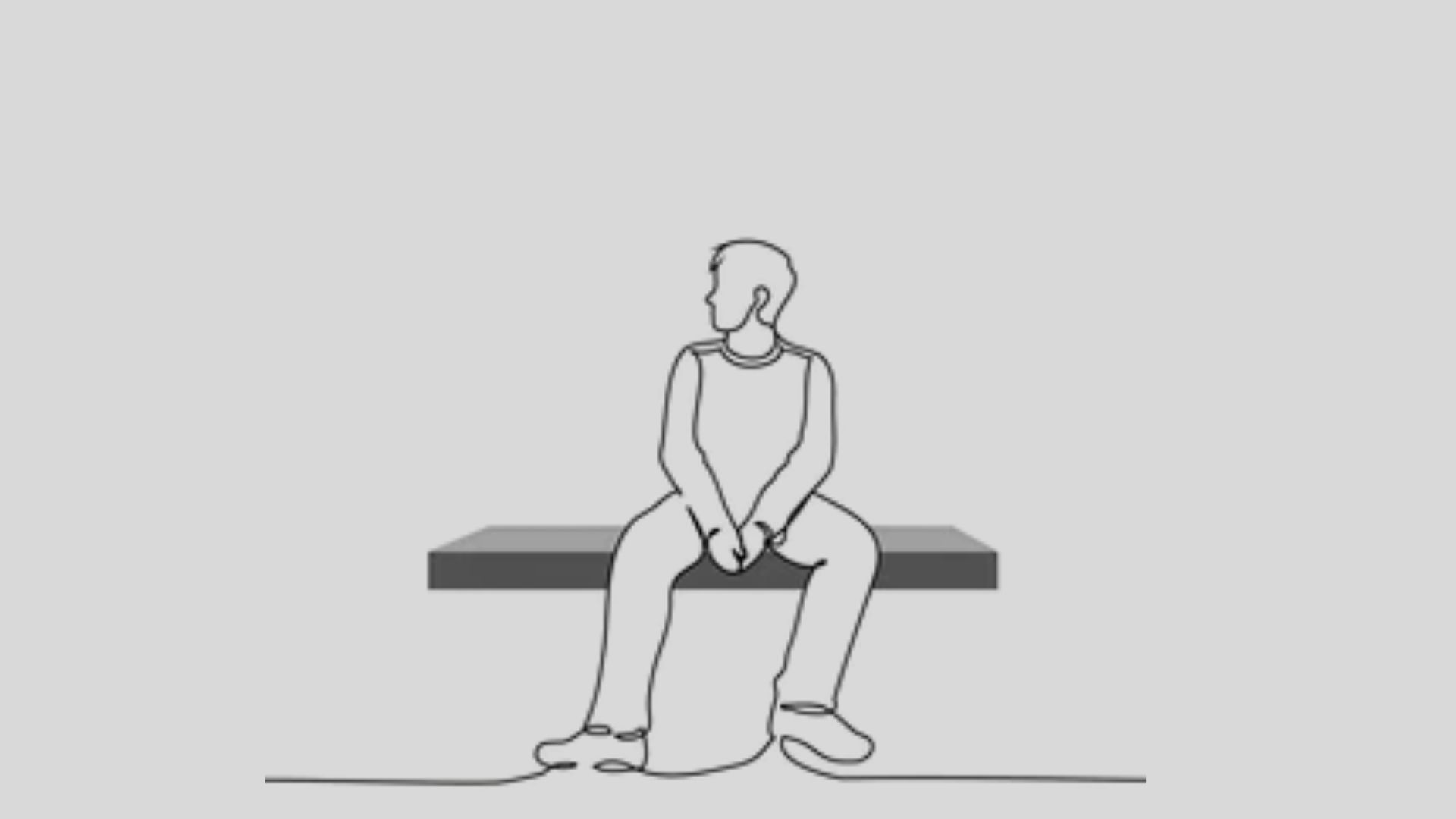
The legs are spread apart in a relaxed way.
This posture works for casual or comfortable characters. It’s easier than crossed legs because nothing overlaps. The weight sits evenly on both sides.
Sitting on the Ground Drawing Base
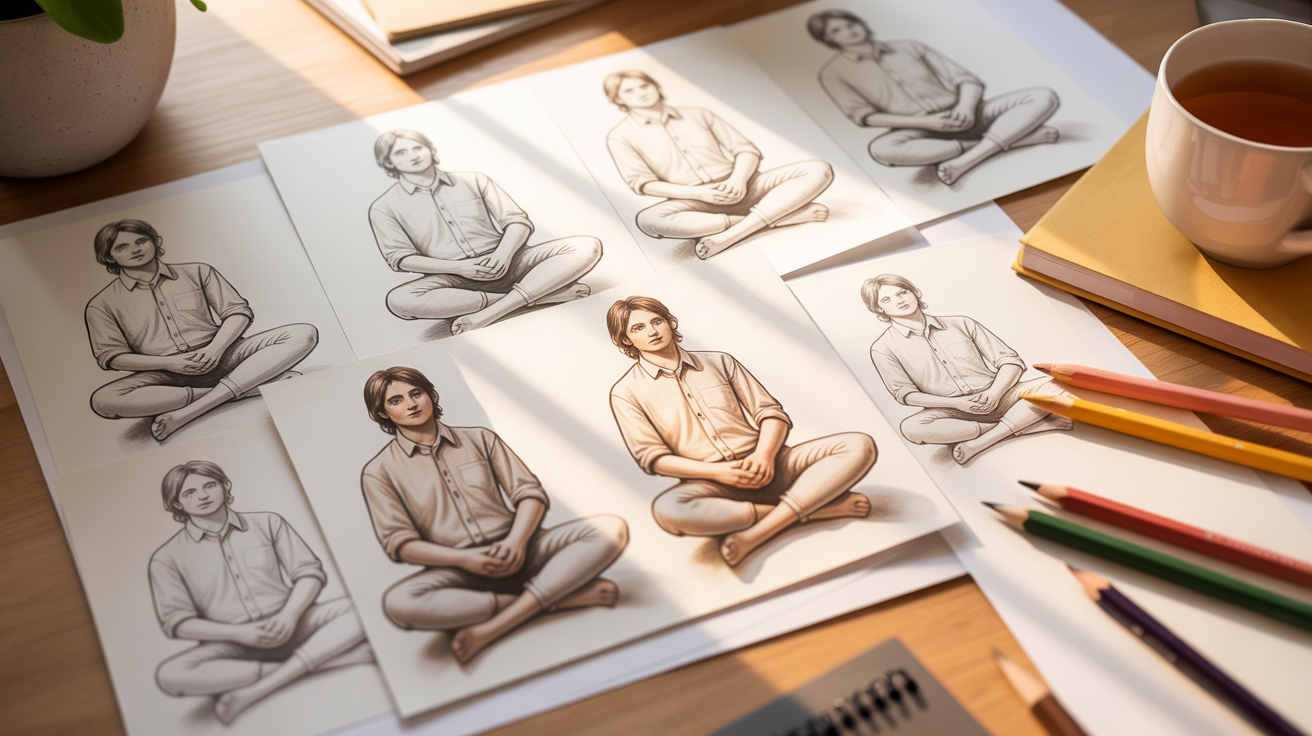
This is an informal pose without a chair.
The legs can fold in different ways depending on comfort. You need to understand how the torso balances without back support. This pose feels natural and everyday.
Sitting on Stairs Drawing Base
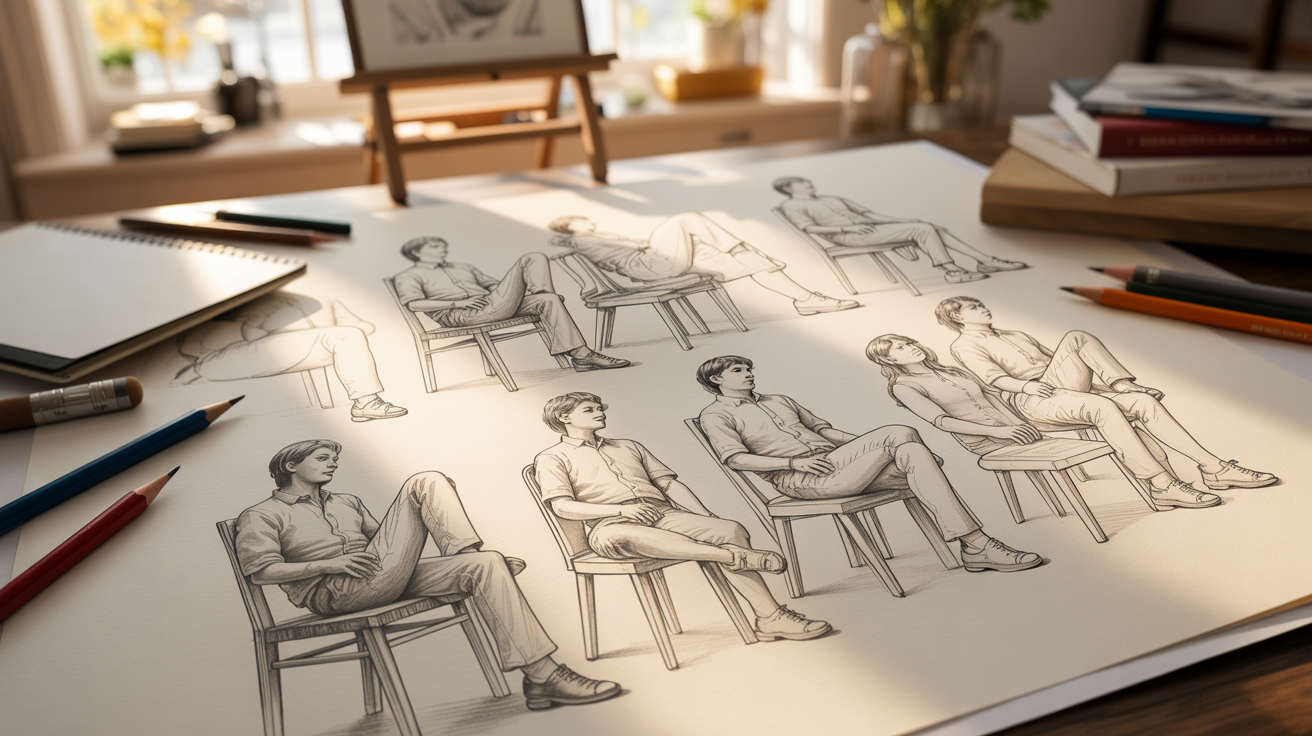
One leg sits higher than the other on different steps.
This creates an asymmetrical pose that looks interesting. The uneven leg placement adds movement to a still drawing. It’s more complex but worth practicing.
Leaning Back Sitting Drawing Base
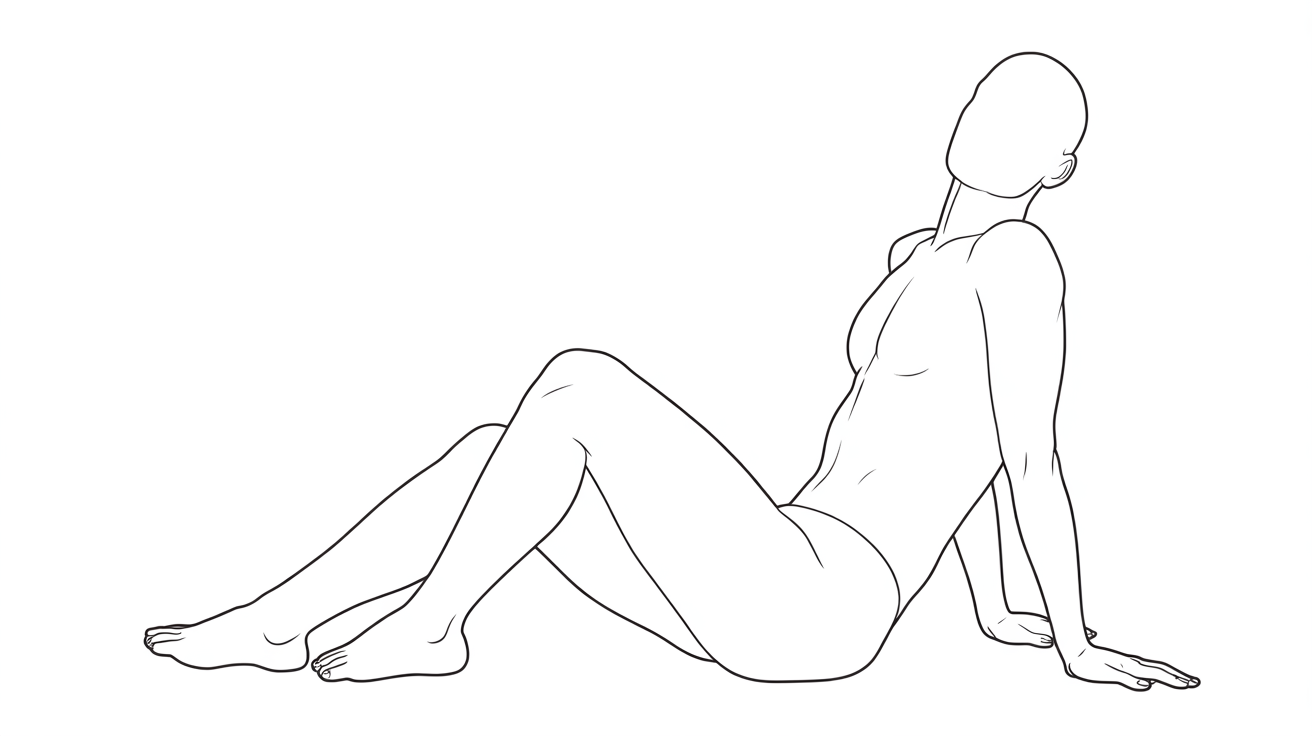
The weight shifts backward instead of sitting upright.
This works for tired, relaxed, or lazy characters. The spine curves differently when leaning back. Arms often support the body from behind.
Sitting Against a Wall Drawing Base
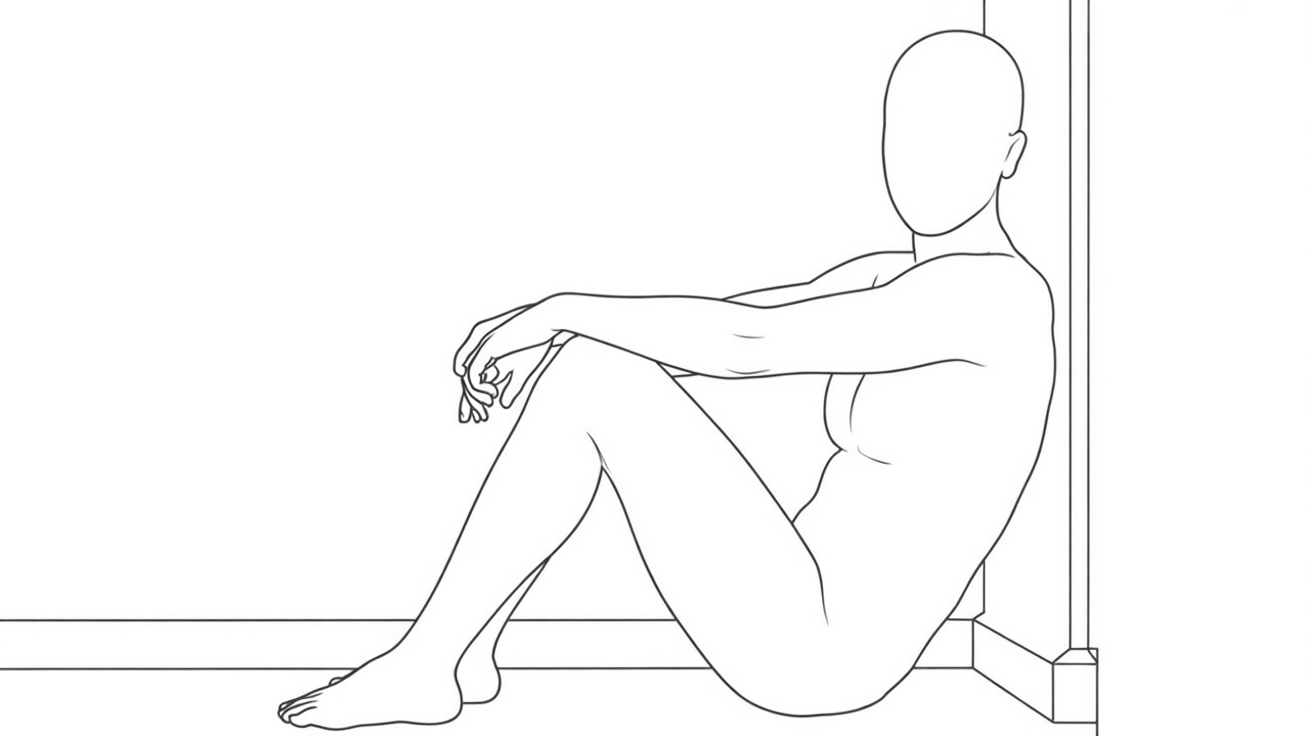
The back presses against something solid for support.
This makes the pose easier to balance and structure. The wall removes some of the complexity. Characters look comfortable and stable in this position.
Straight Chair Sitting Drawing Base
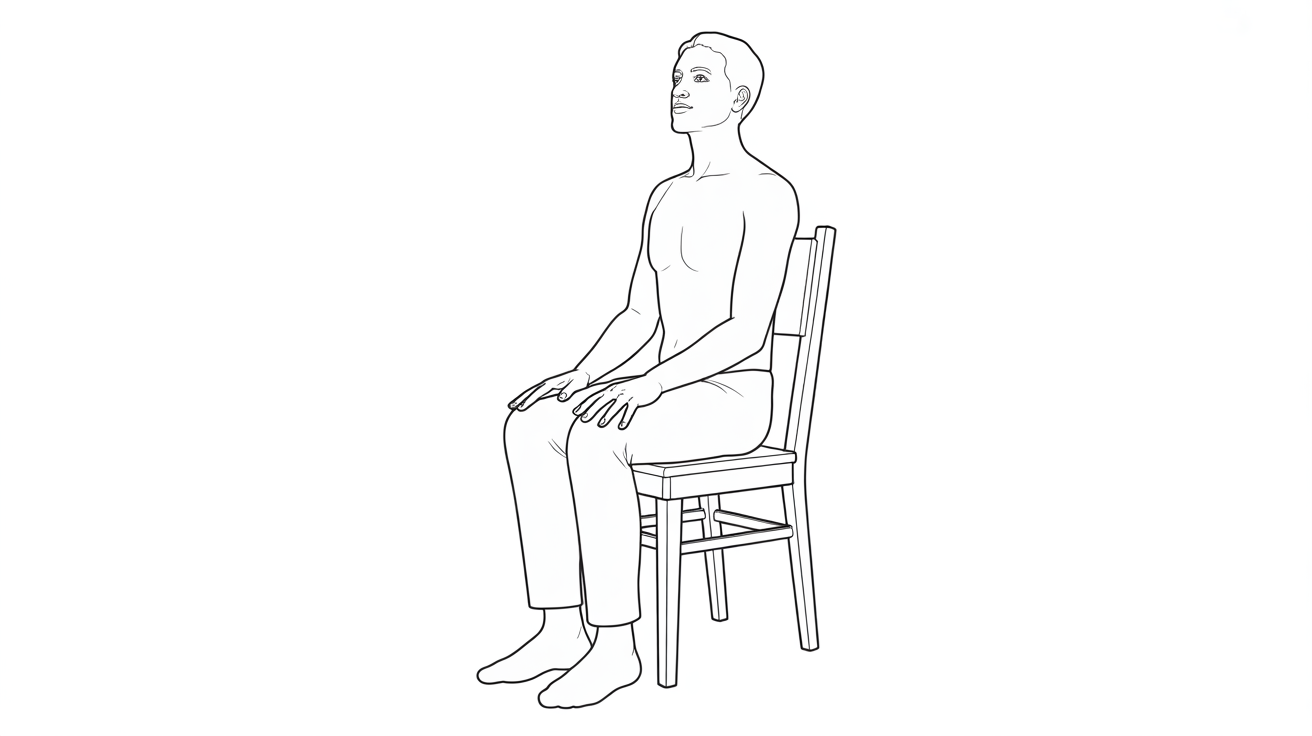
The person sits upright with good posture.
This is your foundation for understanding chair-sitting anatomy. The feet flat on the ground, back straight, hands on lap. Master this before trying fancy variations.
Sideways Sitting on a Chair Drawing Base
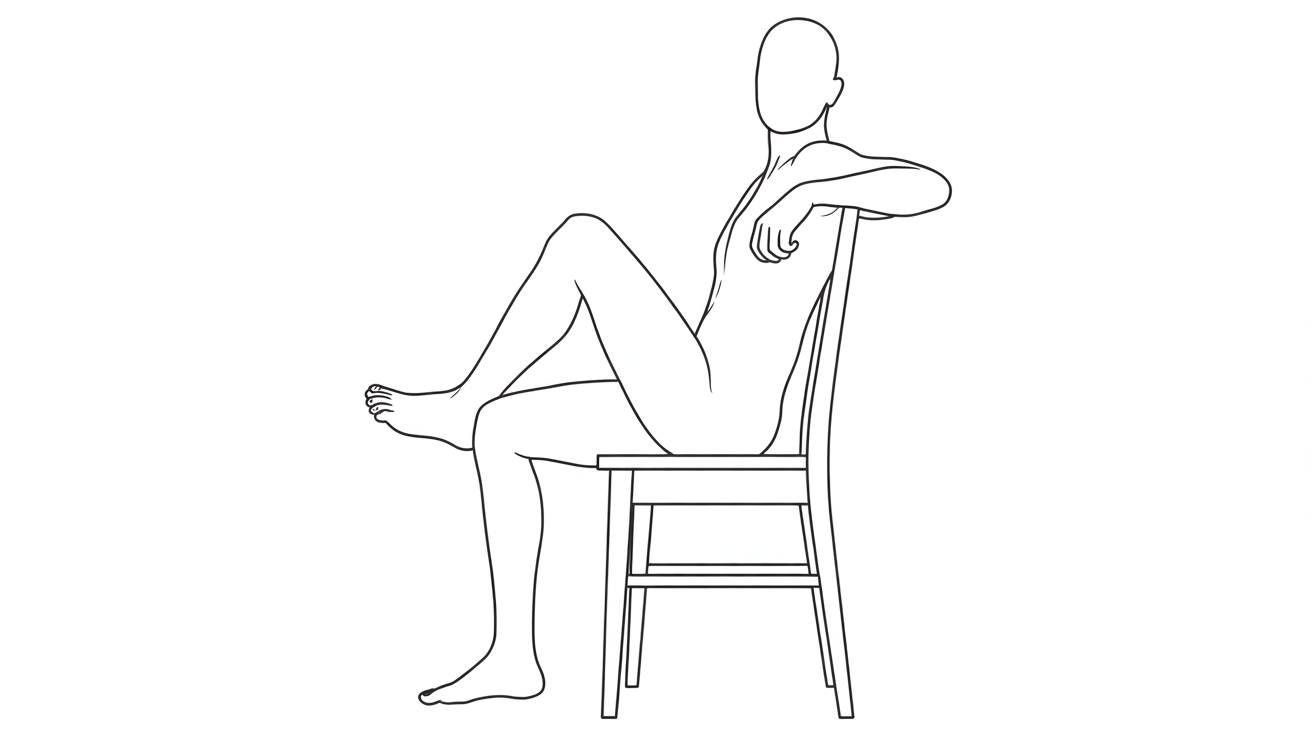
The person turns to face sideways on the chair.
This fashion-style pose shows hip rotation and torso twist. One leg might drape over the armrest. It looks confident and stylish in character art.
Crossed-Leg Chair Sitting Drawing Base
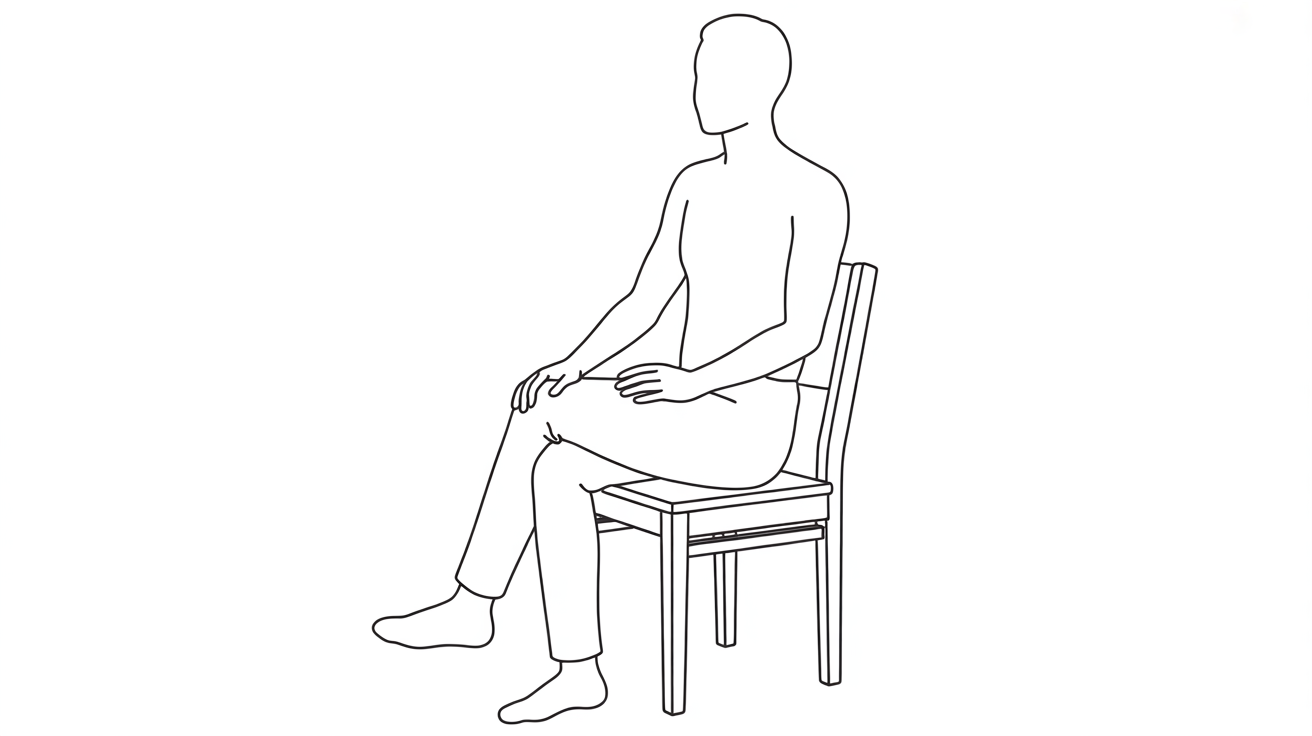
One leg crosses over the other while sitting in a chair.
This pose shows confidence and composure. The overlap is harder to draw than ground sitting because of the chair. Advanced artists use this for professional characters.
Sitting on a Stool Drawing Base
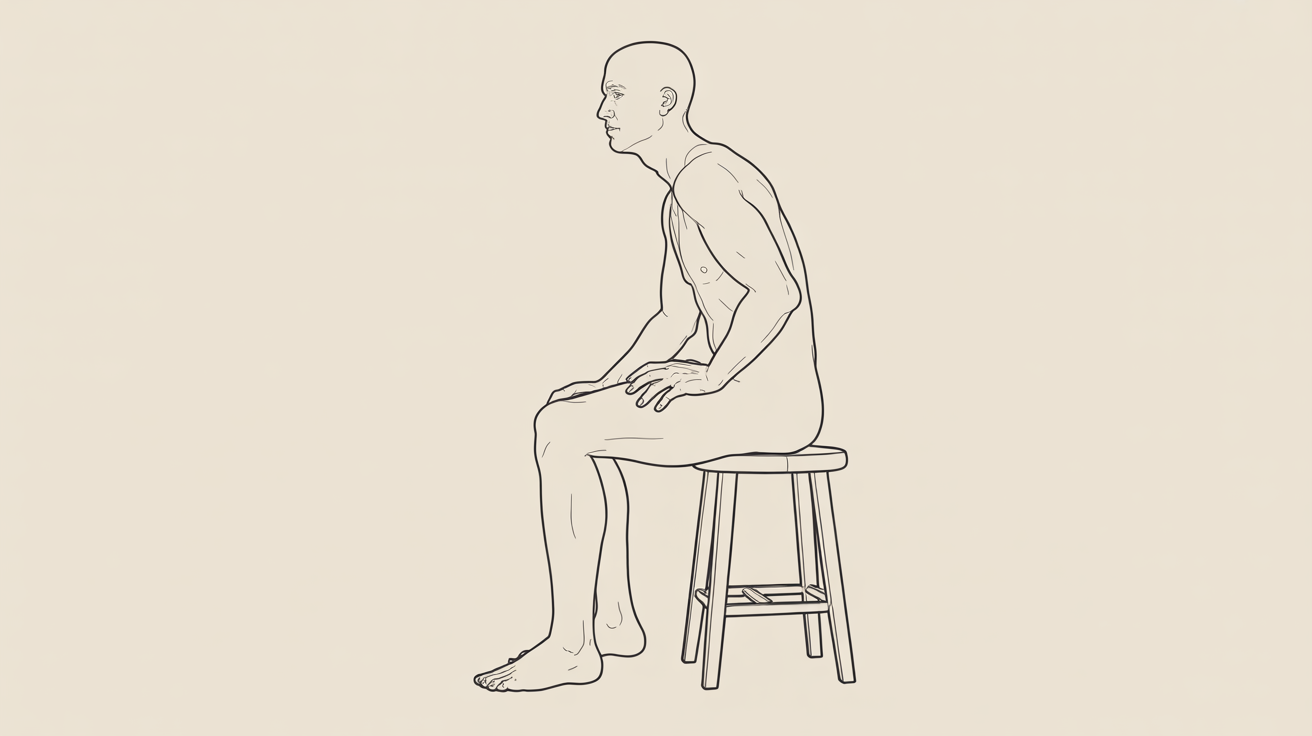
A stool offers minimal support, just a seat surface.
You see how the body balances without a backrest. The feet might rest on the stool rungs or the floor. This tests your understanding of weight and form.
How to Practice Sitting Drawing Bases Effectively?
I wasted months drawing sitting poses the wrong way. Then I learned how to practice smarter, not harder.
- Begin with Gestures: Sketch quick, loose lines first. Capture the overall flow and energy before adding any details.
- Use Real References: Study photos or 3D models of people sitting. Your imagination will lie to you about how bodies actually work.
- Draw Multiple Angles: Take one sitting pose and sketch it from the front, side, and back. This builds your understanding fast.
Common Mistakes to Avoid in Sitting Drawing Bases
I’ve drawn hundreds of sitting figures. And I still catch myself making these same mistakes when I rush.
- Forgetting Pelvis Tilt: The pelvis tilts when someone sits down. If you skip this, your figure looks stiff and wrong.
- Drawing Straight Spines: Real spines curve, especially when sitting. A straight backbone makes your character look like a wooden board.
- Skipping the Gesture: Start with a loose, quick sketch of the pose first. Jumping straight to details without the basic flow ruins everything.
Conclusion
These sitting drawing base ideas give you the foundation you need for stronger figure sketches. Understanding how to build seated poses from simple shapes makes the whole process less frustrating. You now have reference points and structures you can return to every time you draw someone sitting down.
Your struggle with awkward sitting poses is over. With these base techniques, you can tackle any seated position with confidence. The proportions will make sense, and your figures will look natural instead of stiff.
Practice these basics in your next sketch session and watch your improvement. If this helped you, share it with other artists working on their figure drawing. Got questions about specific poses or want more sitting drawing base ideas? Drop a comment below. We’re here to help you keep growing as an artist.
Frequently Asked Questions
What are the sitting drawing base ideas for beginners?
Start with simple shapes to build the pose. Use circles for the head and joints, rectangles for the torso, and cylinders for limbs. Focus on the angle of the spine and hips first. Basic chair poses and cross-legged positions are easiest to learn before moving to complex sitting positions.
How do I get proportions right in sitting poses?
Sitting figures are roughly 4-5 heads tall instead of the standing 7-8 heads. The torso compresses, and the legs fold up. Measure carefully from head to hips, then hips to knees, and knees to feet. Compare these proportions to your reference. Practice helps you see these relationships naturally.
Why do my sitting poses look stiff and unnatural?
Stiff poses usually lack weight distribution and natural curves. Real people lean, slouch, or shift weight to one side. Add a slight curve to the spine instead of keeping it straight. Make sure limbs aren’t perfectly symmetrical. Small adjustments in angles make figures look more relaxed and believable.
What’s the hardest part about drawing sitting figures?
Foreshortening causes the most trouble. When legs come toward the viewer, they appear shorter. The thighs compress, and perspective changes everything. Practice drawing cylinders at different angles first. Use references to understand how body parts overlap and which areas get hidden in sitting positions.
Do I need references for sitting drawing base ideas?
References help tremendously, especially when learning. Photos show you the real weight distribution, clothing folds, and body angles. But understanding basic sitting structures lets you draw from imagination, too. Use references to learn, then practice building poses without them. Both approaches build your skills.
