

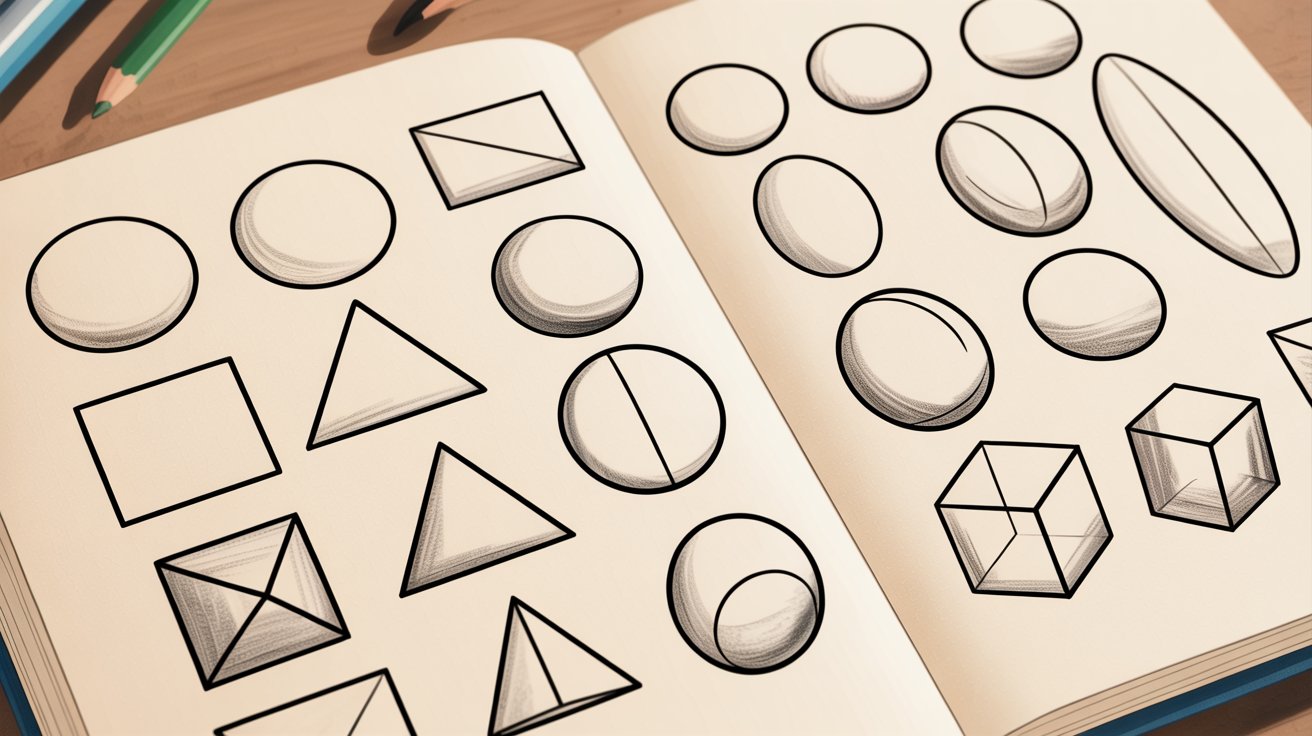
Drawing does not have to be hard. In fact, it all starts with simple shapes. This guide covers everything a beginner needs to know, from circles and squares to how they come together to form real objects.
I have been there too, staring at a blank page with no idea where to begin. That changes here.
You will learn:What simple shapes are and why they matter, Step-by-step drawing examples Tools to use and mistakes to avoid, Daily practice tips to grow faster.
With years of drawing practice and teaching beginners, this guide is built on real experience, not theory.
What Are Simple Shapes in Drawing?
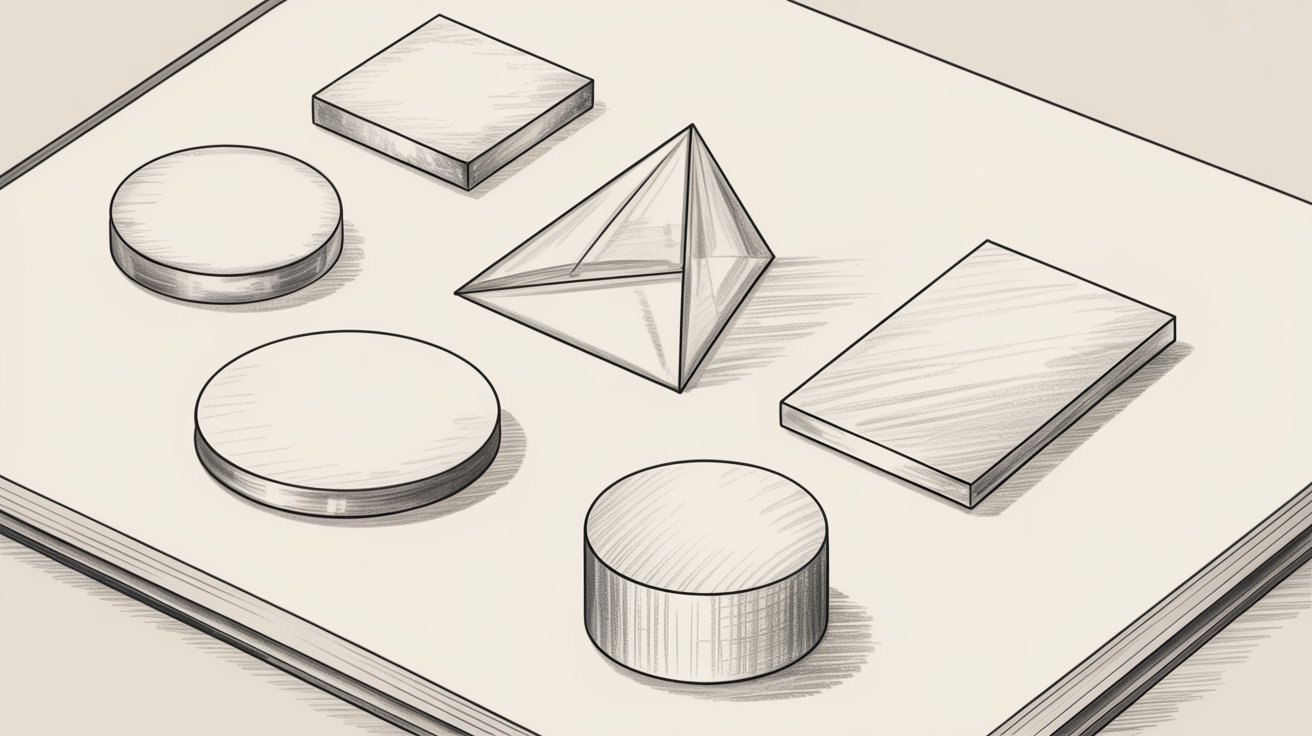
Simple shapes are the basic building blocks of every drawing you see.
Simple shapes are the starting point of all drawings, from circles to squares.
Think of any object around you. A mug is a rectangle with a circle handle. A tree is a mix of ovals and lines. A face begins with a circle.
When you break things down this way, drawing becomes much easier. You stop seeing a complex object and start seeing parts you can actually draw.
The five most common shapes are circles, squares, rectangles, triangles, and ovals. These forms are the base of almost every drawing, whether you are a beginner or someone with years of practice behind you.
Step-by-Step Examples of Simple Shapes to Draw
Practice these four examples to see how shapes come together in real drawings.
Step 1: Drawing a Simple Cartoon Face Using Circles
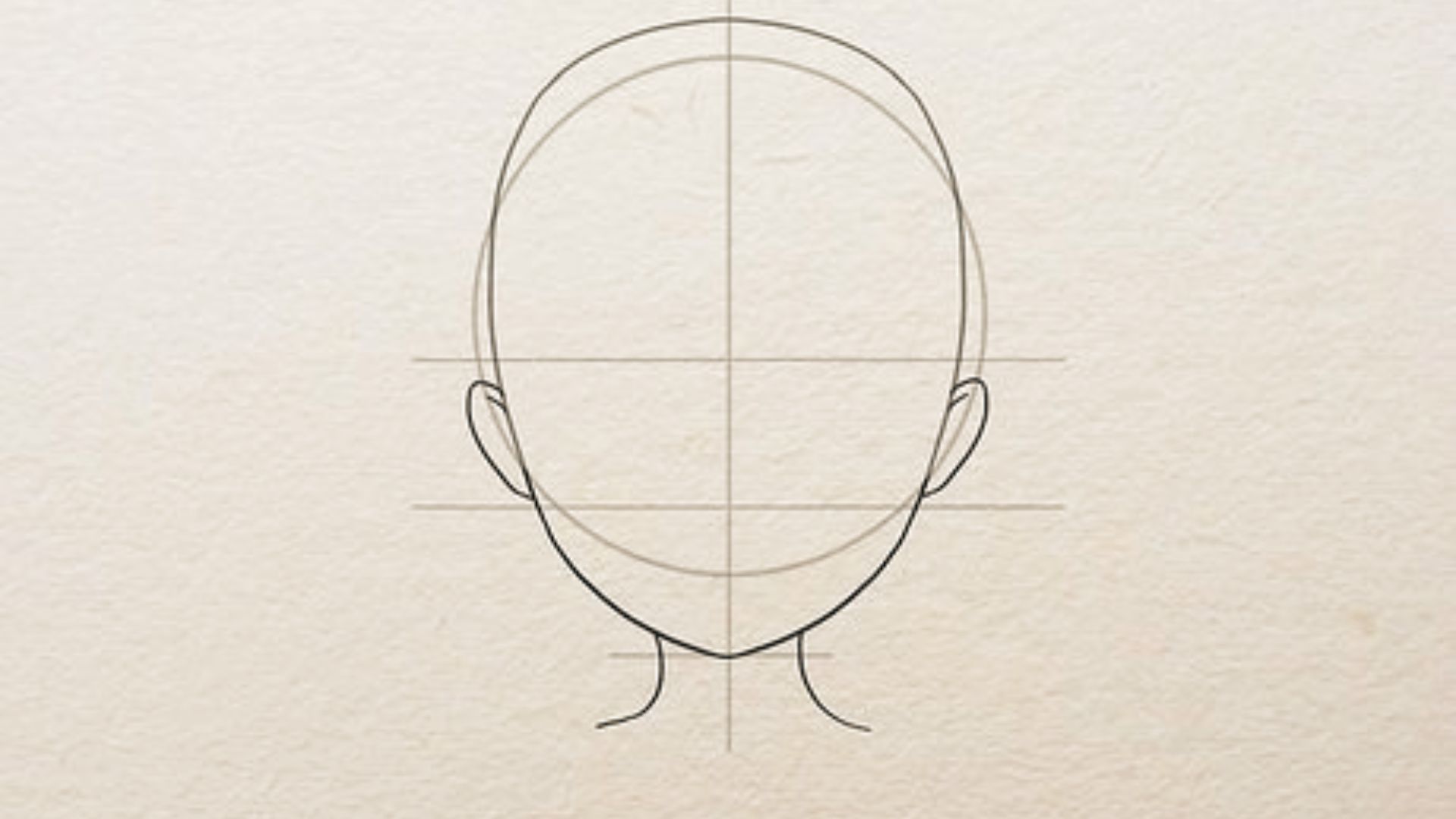
Start with a large circle for the head. Add two small circles for eyes.
Use a curved line for the mouth. Add a tiny oval for the nose. That is a face, built from shapes alone.
Once you are comfortable, try adding eyebrows with short lines or ears using small curved shapes on the sides of the head.
Step 2: Creating a Basic House With Rectangles and Triangles
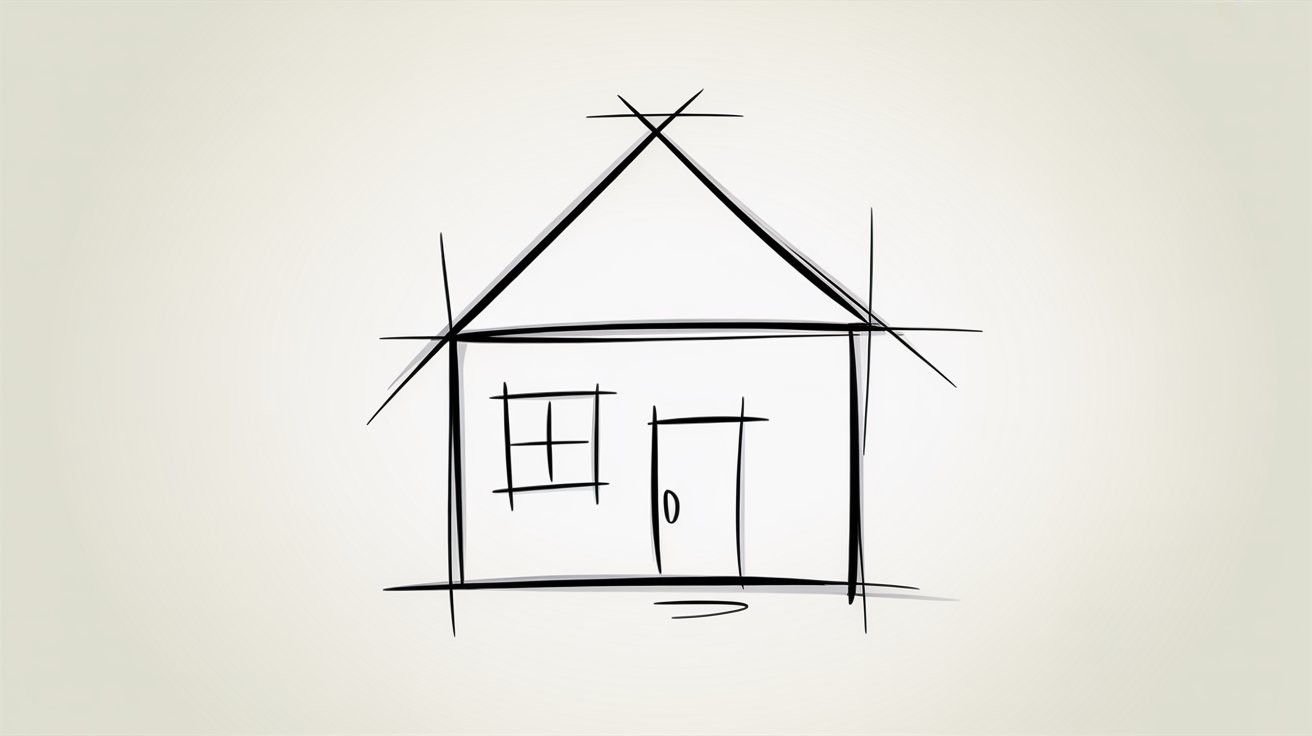
Draw a rectangle for the body of the house. Place a triangle on top for the roof.
Add a small rectangle for the door. Use squares for windows. Done. A house in minutes.
You can make it more detailed by adding a chimney using a small rectangle on the triangle roof.
Step 3: Sketching a Tree Using Ovals and Lines
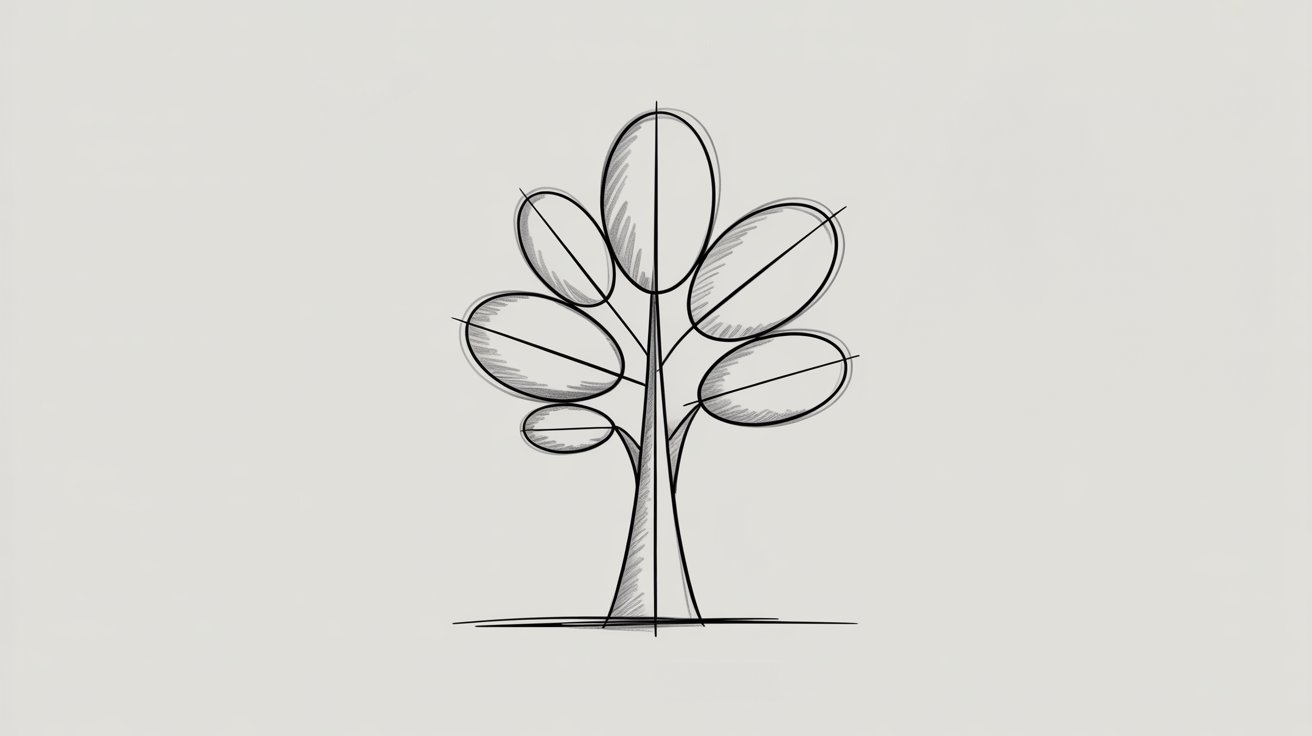
Draw a long, narrow rectangle for the trunk. Place a large oval on top for the leaves.
You can add smaller ovals to give it more volume. Keep the lines light at first so you can adjust the shape before committing.
Trees are great practice because no two look exactly the same.
Step 4: Drawing a Fish Using Simple Shapes
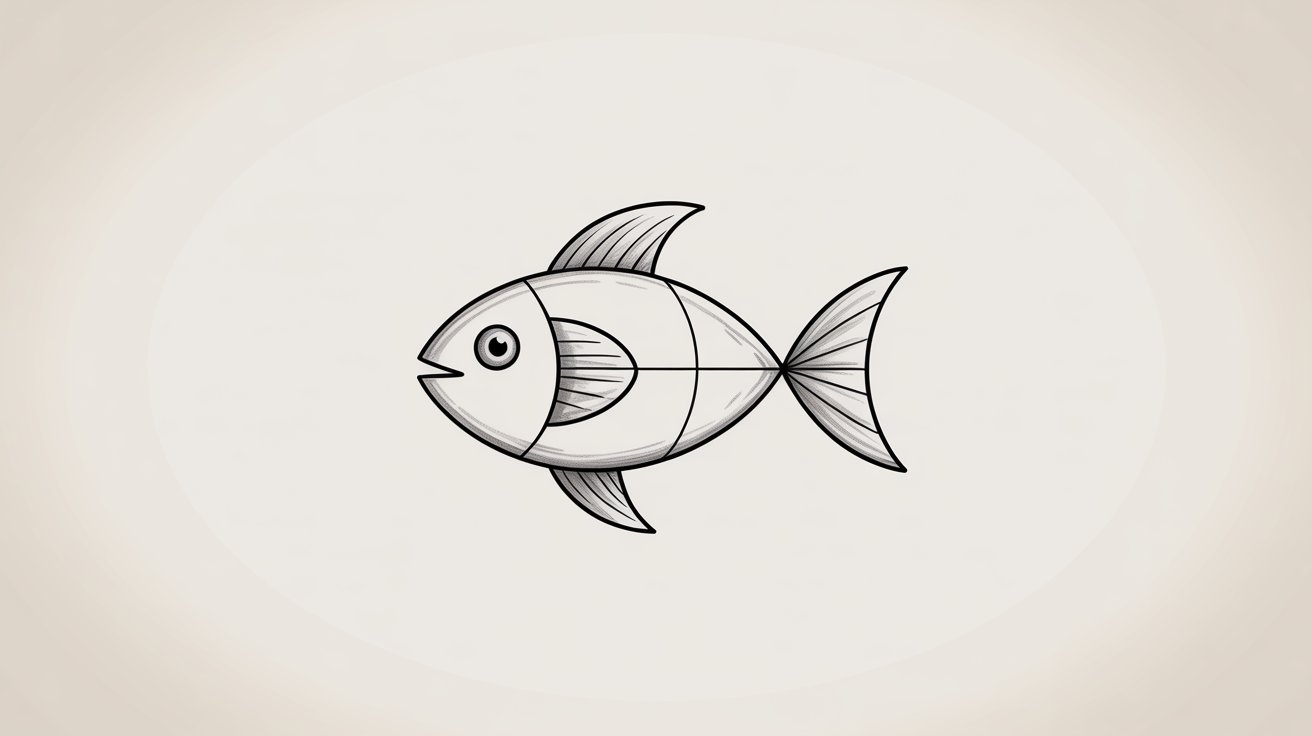
Start with an oval for the body. Add a triangle at one end for the tail.
Draw a small circle for the eye. Add a curved line for the mouth. Your fish is ready.
This exercise is great for beginners because it uses four different shapes in one simple drawing.
Basic Simple Shapes to Draw for Beginners
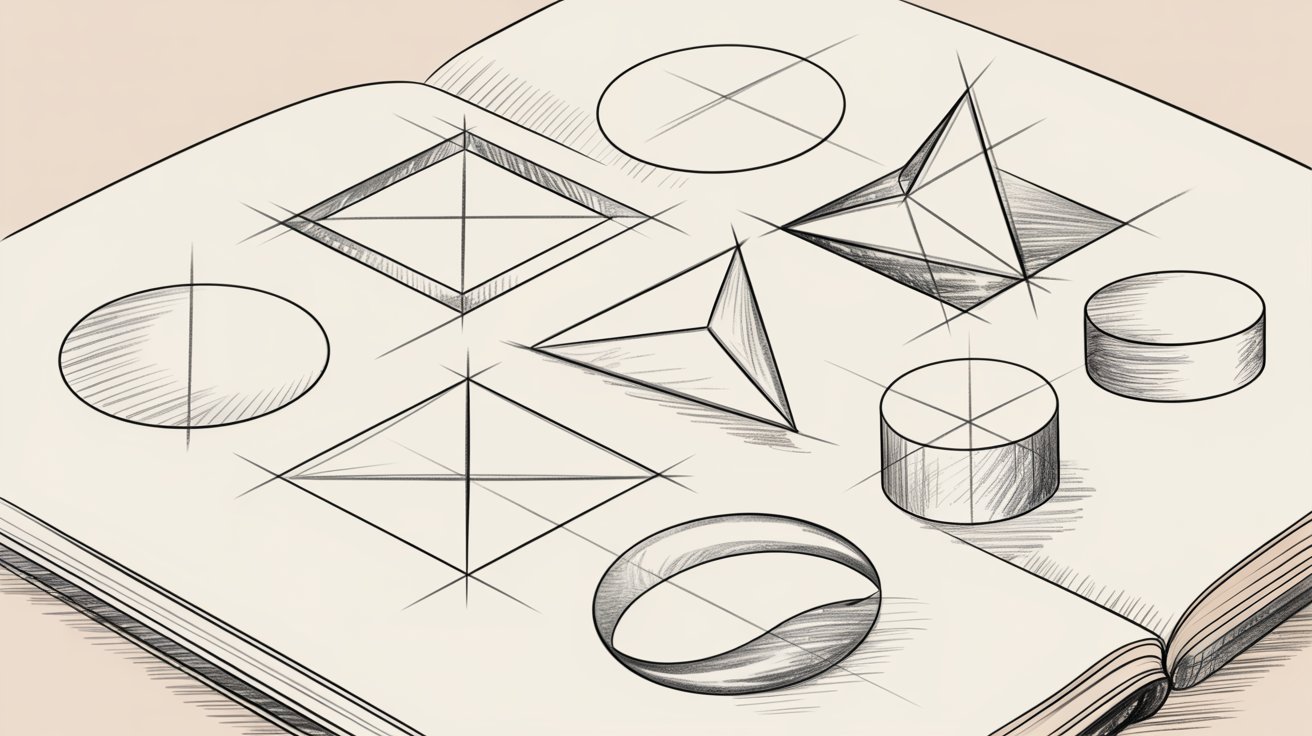
These five shapes are all you need to get started with drawing.
Circle: The Base for Faces and Objects
The circle is everywhere in the drawing. Faces, wheels, fruits, eyes, and more all begin with a circle.
Practice drawing circles freehand. Focus on making them smooth and even. It takes time, but your hand will get there with regular practice.
Square: Ideal for Structures and Symmetry
Squares give structure. They are great for buildings, screens, books, and boxes.
Drawing squares helps train your eye for proportion and symmetry. Try drawing them in different sizes to build control over your pencil strokes.
Rectangle: Useful for Everyday Objects
Rectangles appear in doors, tables, phones, and bodies. They are one of the most common shapes in everyday drawing.
Practice them in different sizes and orientations, both tall and wide, to get comfortable with the form.
Triangle: Great for Dynamic Forms
Triangles add direction and energy to a drawing. Rooftops, arrows, mountains, and teeth all use triangles.
They make drawings feel more active and interesting.
Practice drawing them with both sharp and rounded corners to see the difference.
Oval: Perfect for Organic Shapes
Ovals feel softer than circles. They are great for leaves, eyes, heads, and animals.
Use ovals when you want something to look natural and alive. Think of an oval as a stretched circle, and practice making them in different sizes and angles.
Best Tools for Practicing Simple Shapes to Draw
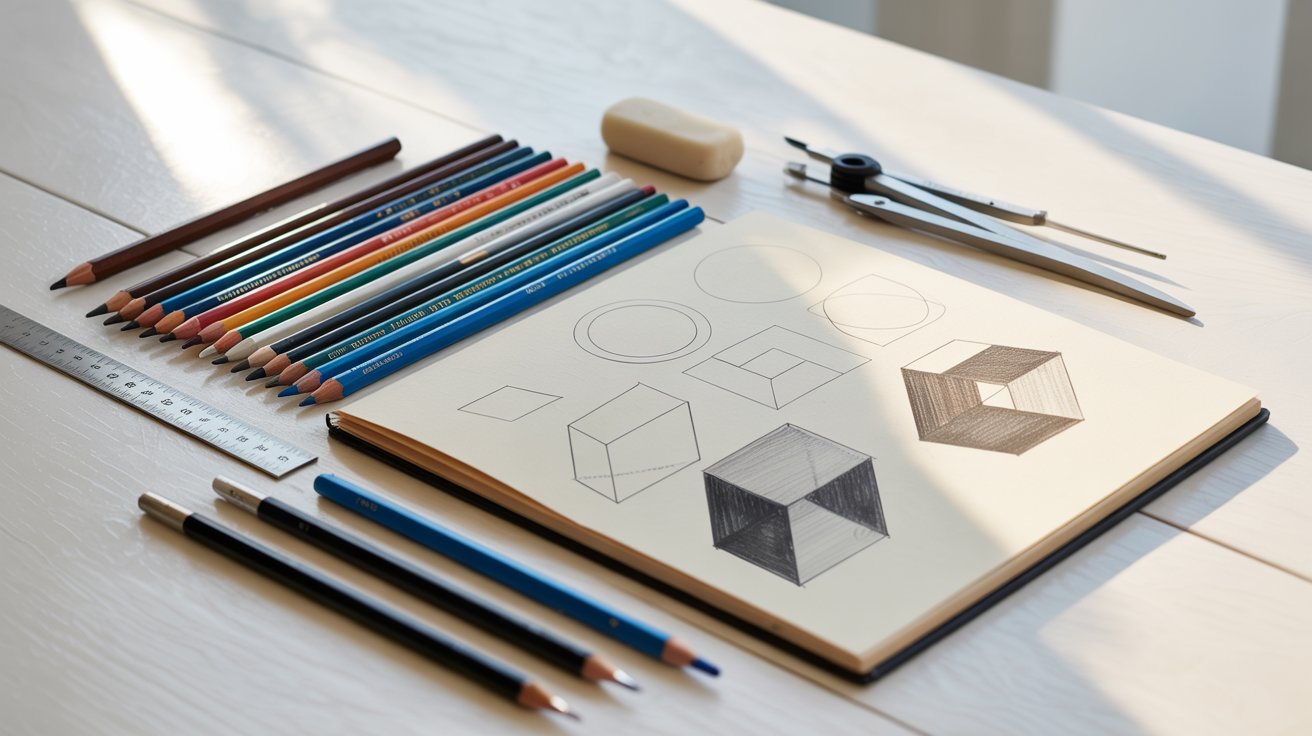
Having the right tools makes practice easier and more enjoyable.
Pencils (HB, 2B for Beginners)
An HB pencil is great for light sketching. A 2B gives darker, softer lines.
Both are affordable and easy to find. Start with these two and get comfortable before trying other options.
The right pencil makes a real difference in how your shapes look and feel on paper.
Erasers for Corrections
A good eraser is not optional. It is part of the process.
Use a soft eraser for gentle corrections. A kneaded eraser works well for detailed areas. Do not be afraid to erase. Every artist does it, and fixing your work is how you improve.
Sketchbooks for Regular Practice
A sketchbook keeps your work in one place. You can track your progress over time.
Use it daily, even if only for 10 minutes.
Seeing your older drawings next to newer ones is one of the best ways to stay motivated and see how far you have come.
Digital Tools for Modern Drawing (Optional)
Apps like Procreate or Adobe Fresco let you draw on a tablet. They offer undo buttons and layers, which makes correcting mistakes very easy.
These are helpful but not needed for beginners. Start with pencil and paper first. Then find digital tools when you feel ready.
Common Mistakes to Avoid
Small habits can slow down your progress if you are not careful.
- Pressing too hard makes lines difficult to erase and reduces control over your strokes
- Skipping proportions leads to shapes that look uneven and out of place on the page
- Ignoring guidelines makes it harder to position shapes correctly from the start
- Rushing into complex objects before mastering basics leads to early frustration
- Practicing without a plan wastes time and slows down your overall skill growth
How to Practice Simple Shapes to Draw
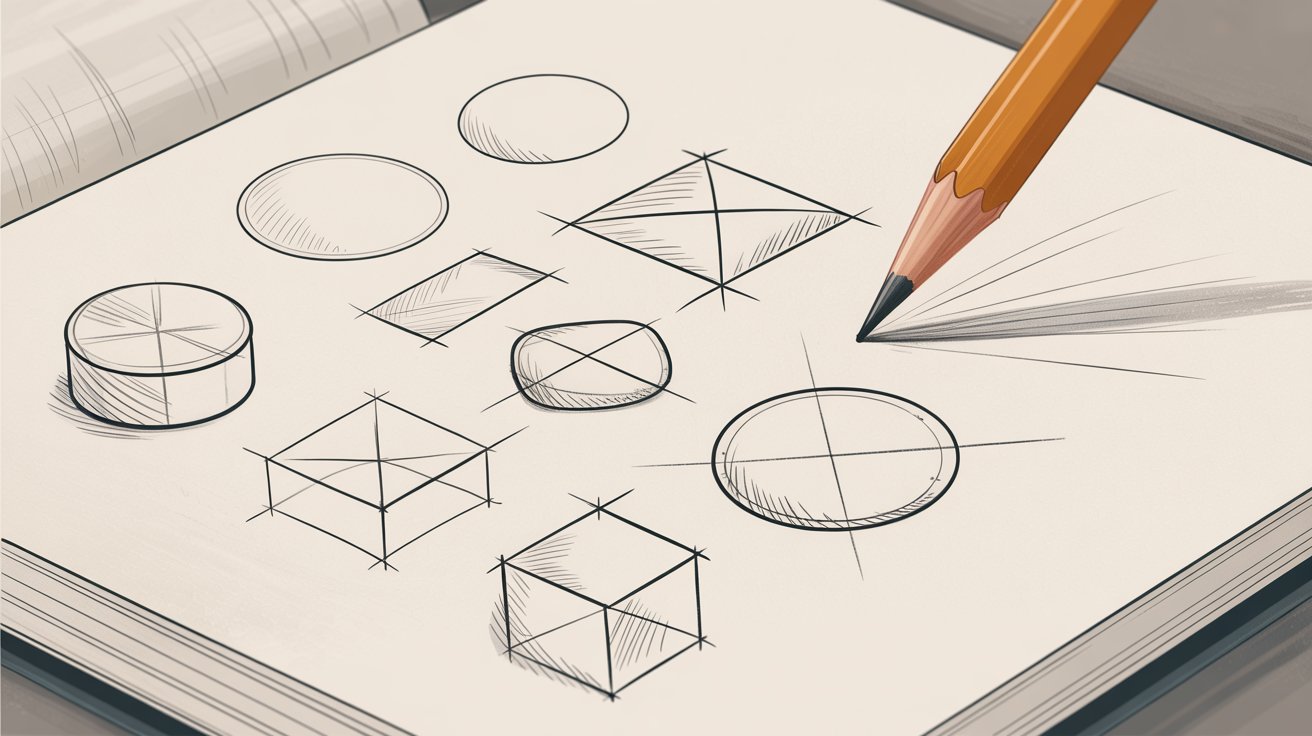
Good practice habits matter more than raw talent.
Start every session with light pencil strokes and focus on keeping your hand relaxed. Use guidelines to place shapes correctly, then remove them once the drawing is done.
Repeat each shape several times in a row to build muscle memory and consistency. Break everyday objects around you into basic geometric forms and sketch those instead.
Even 10 minutes of focused daily practice adds up faster than you think.
Tips to Improve Your Simple Shapes to Draw Skills
These small habits make a real difference over time.
- Practice daily to build consistency, even 10 minutes a day adds up fast
- Break complex drawings into smaller shapes before putting pencil to paper
- Observe real-life objects carefully and notice the geometric forms inside them
- Use references to guide your sketches, there is no shame in looking at something while drawing
- Keep your designs simple before adding details, finish the structure first
Conclusion
I remember when drawing felt impossible. Then I picked up a pencil and drew one circle. That was it. That small step started everything.
Simple shapes to draw are not just for beginners. They are the foundation of every great artwork. Start small. Stay consistent. Do not skip the basics.
Now it is your turn. Grab a pencil and draw one shape today. Share your progress in the comments below.
If this guide helped you, pass it on to someone who wants to start drawing too. Every great artist began exactly where you are right now.
Frequently Asked Questions
What are the easiest simple shapes to draw for beginners?
Circles, squares, and rectangles are the easiest starting points. They require basic hand control and help you understand proportion quickly.
How long does it take to get good at drawing simple shapes?
With daily practice of 10 to 15 minutes, most beginners see real improvement within two to four weeks.
Can I learn to draw simple shapes without any art experience?
Yes, absolutely. Simple shapes require no prior experience. Anyone with a pencil and paper can start right away.
Do I need special tools to practice simple shapes to draw?
No special tools are needed. A basic HB pencil, an eraser, and a notebook are enough to get started.
How do simple shapes help with more advanced drawings?
Every complex drawing is made of smaller shapes. Learning to see and draw those shapes first makes advanced drawing far more manageable and clear.
