

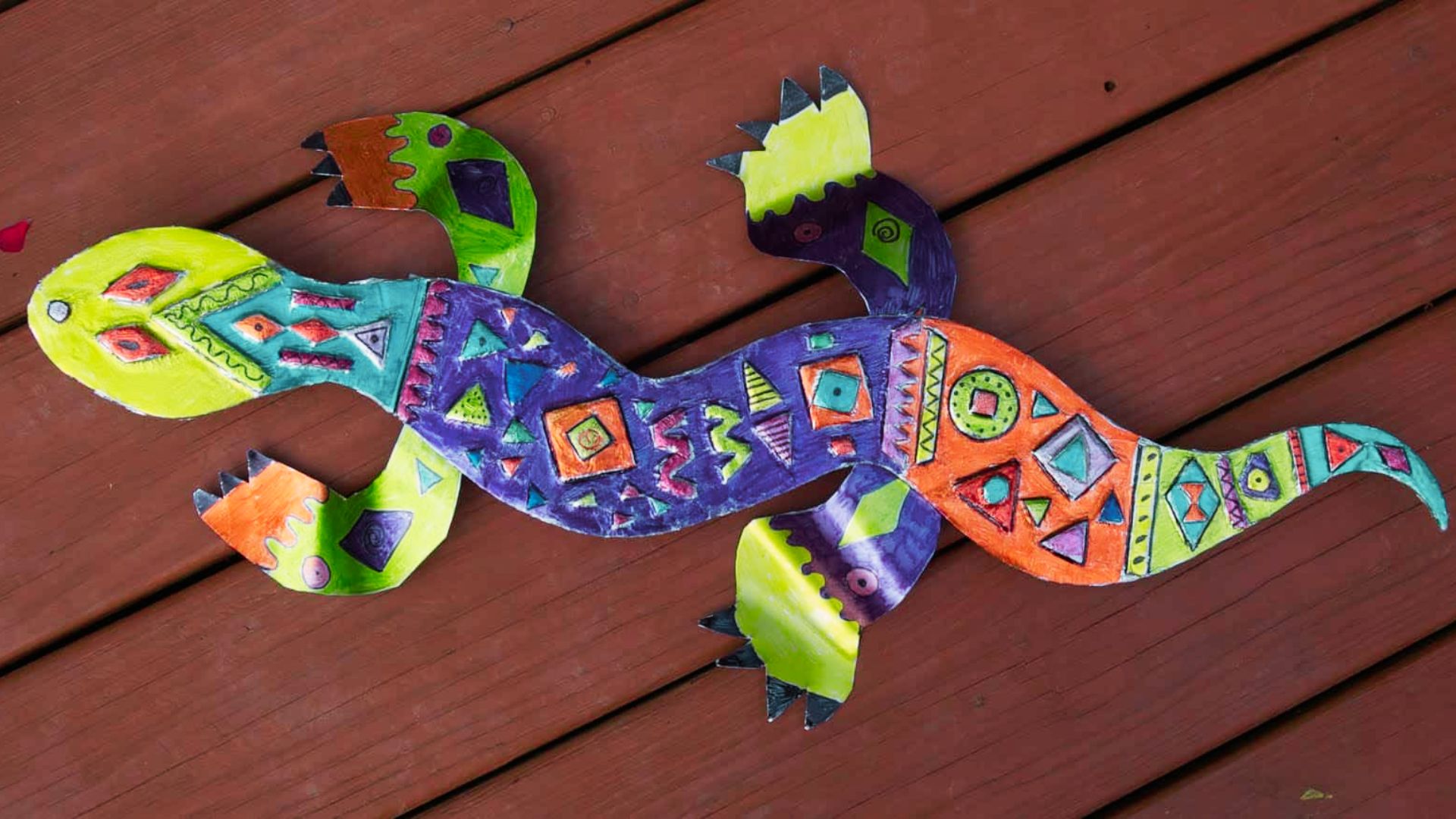
Lizard drawing is more fun than most people think. These reptiles have bold shapes, detailed textures, and dynamic poses that work across so many art styles.
I have spent time working with illustrators and studying reptile art, and lizards always bring something fresh to the table.
In this blog, you will find drawing styles, species-based ideas, and practical tips. You will learn
how to pick the right style, find inspiration by species, and use lizard art in real creative projects.
This guide helps you move from idea to finished artwork with confidence.
Why Lizard Drawing Is a Favorite in Creative Art
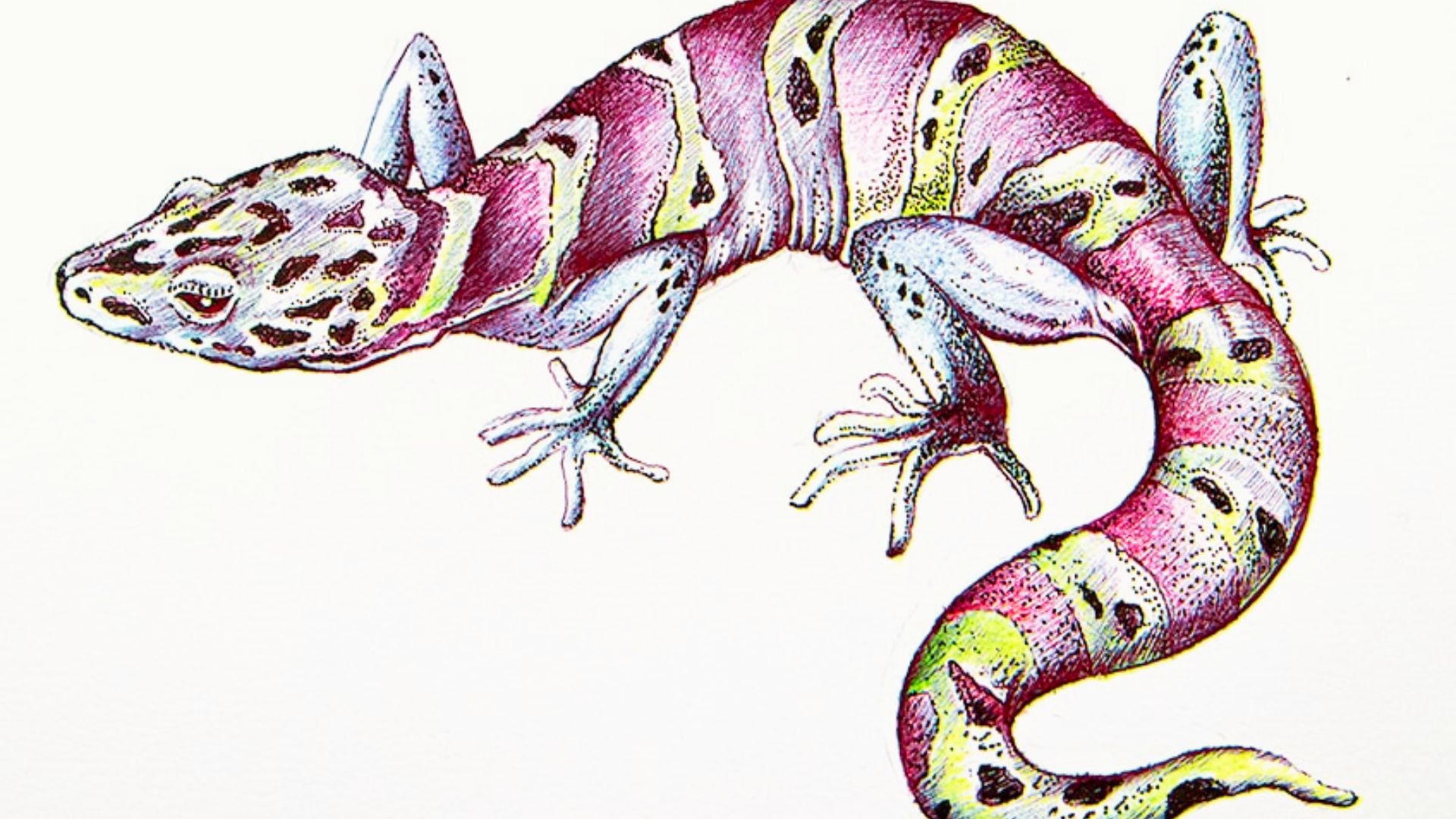
Lizard drawing keeps showing up across art styles because the subject has so much to offer visually.
The body structure alone gives artists a lot to work with. Long tails, wide stances, gripping toes, and layered scale textures create natural variety in every drawing.
Artists across pencil, ink, watercolor, and digital mediums all find lizard subjects easy to adapt to their style.
From tattoo stencils to logo design, lizard illustrations fit many creative needs without feeling forced or out of place.
Lizard Drawing Ideas for Line Art, Digital Art, and Illustrations
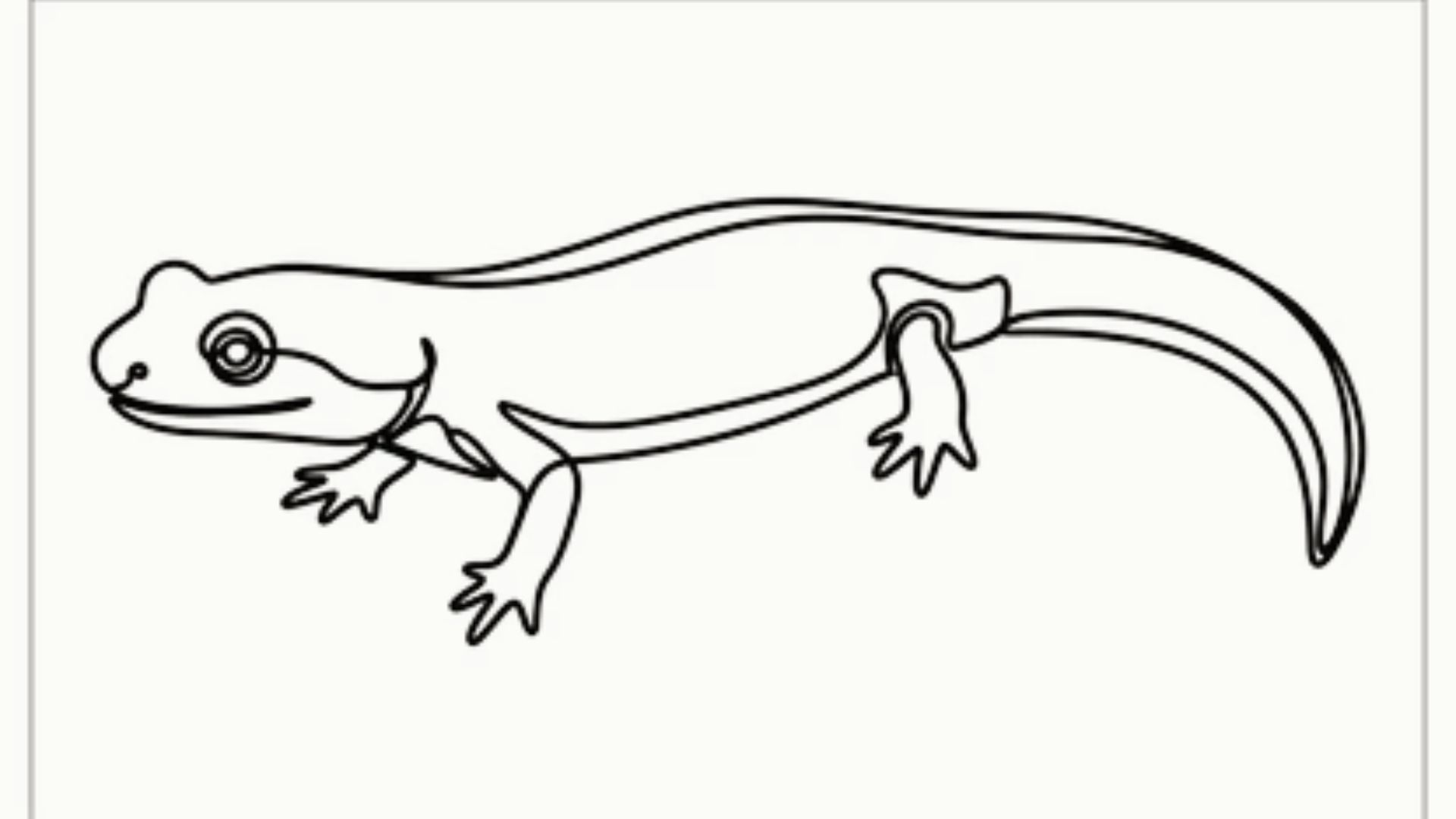
From clean line work to fully rendered digital pieces, lizard drawing fits many creative formats.
Line Art Lizard Drawing for Minimal and Clean Designs
Line art strips everything back to outlines and lets the shape carry the drawing. This style works well for logos, tattoo stencils, and print designs.
A clear silhouette holds up even without shading or color fill.
Digital Lizard Drawing for Modern Creative Projects
Digital tools let you work in vector or raster formats depending on your project. Many artists sketch on paper first, then refine digitally for a natural but controlled result.
This method works well for app icons, game characters, and social media content.
Lizard Illustration Ideas for Stickers, Branding, and Prints
Bold outlines and flat colors work best for stickers since they read clearly at small sizes. For branding, a stylized lizard makes a sharp and memorable logo or mascot element.
Prints give you more room to add color, background detail, and depth.
Popular Lizard Drawing Styles to Try
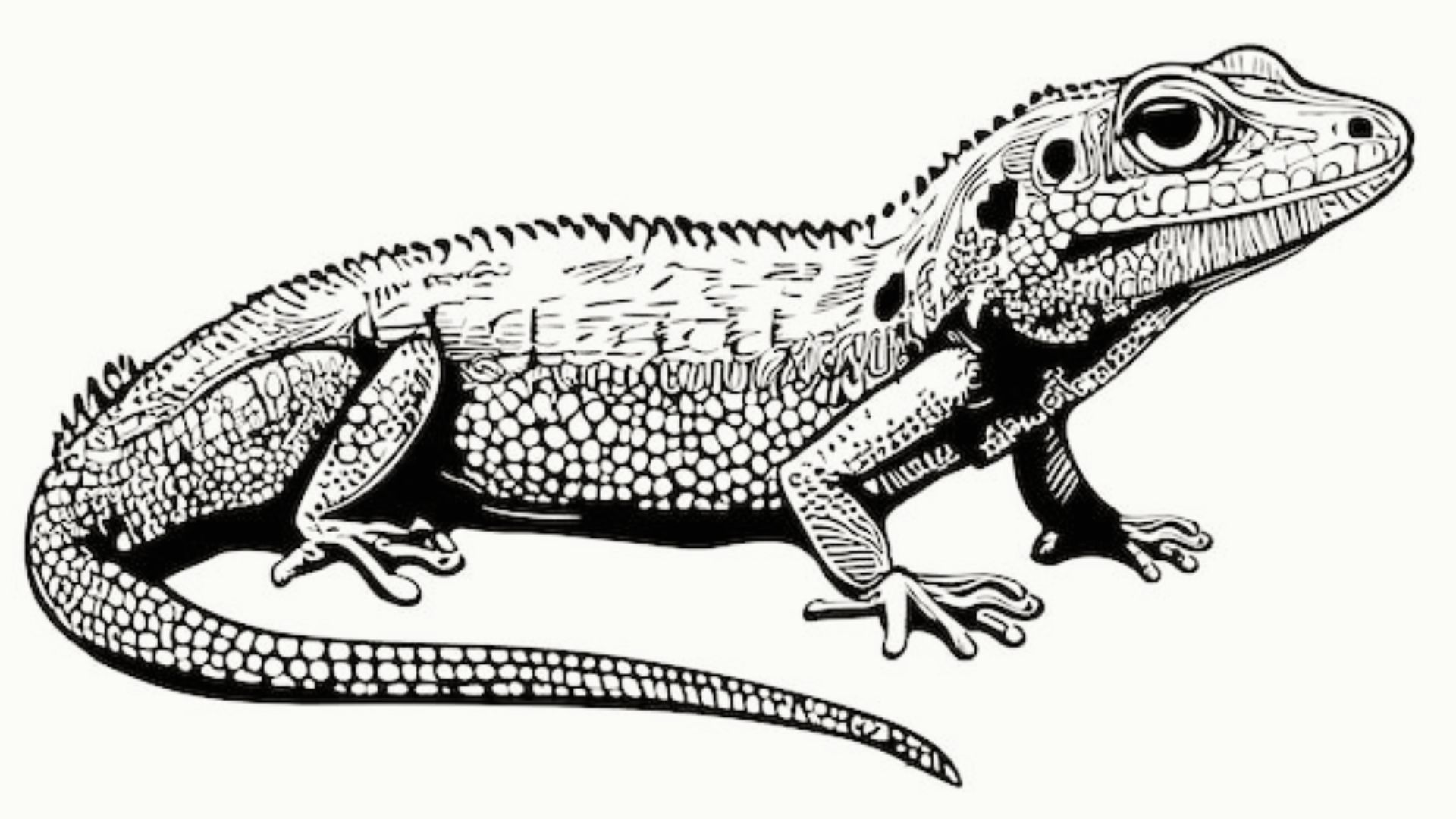
There is a lizard drawing style for every skill level and creative goal.
Simple Lizard Drawing for Beginners
Start with basic shapes like an oval body, circle head, four short leg lines, and a triangle tail. This takes the pressure off getting every detail right from the beginning.
Once the form feels natural, you can start building more structure into your drawings.
Easy Lizard Drawing for Quick Sketch Practice
Set a timer for two to five minutes and try to finish a full lizard drawing before it runs out. This timed practice builds speed and trains your hand and eye to work together.
Even rough results show real progress when you look back over time.
Cute Lizard Drawing for Fun Illustrations
Cute lizard drawings use large eyes, rounded bodies, and small limbs to create a friendly look. This style works well for stickers, greeting cards, and children's content.
A small texture detail or realistic color keeps it grounded without losing the light feel.
Cartoon Lizard Drawing for Creative Projects
Cartoon style uses exaggerated poses, wide mouths, and bold colors to push expression further.
This approach is common in animation, comic work, and character design. Study how designers suggest scale texture without drawing every single one.
Realistic Lizard Drawing for Detailed Artwork
Realistic lizard drawing requires close attention to anatomy, proportion, and surface texture. Use strong reference photos and observe how light falls across scales and skin folds.
This style works well for nature illustration, scientific art, and detailed tattoo work.
Creative Lizard Drawing Ideas for Different Projects
Lizard drawings can serve many creative purposes depending on how you approach the subject.
1. Easy Cute Lizard Drawing for Stickers and Merchandise
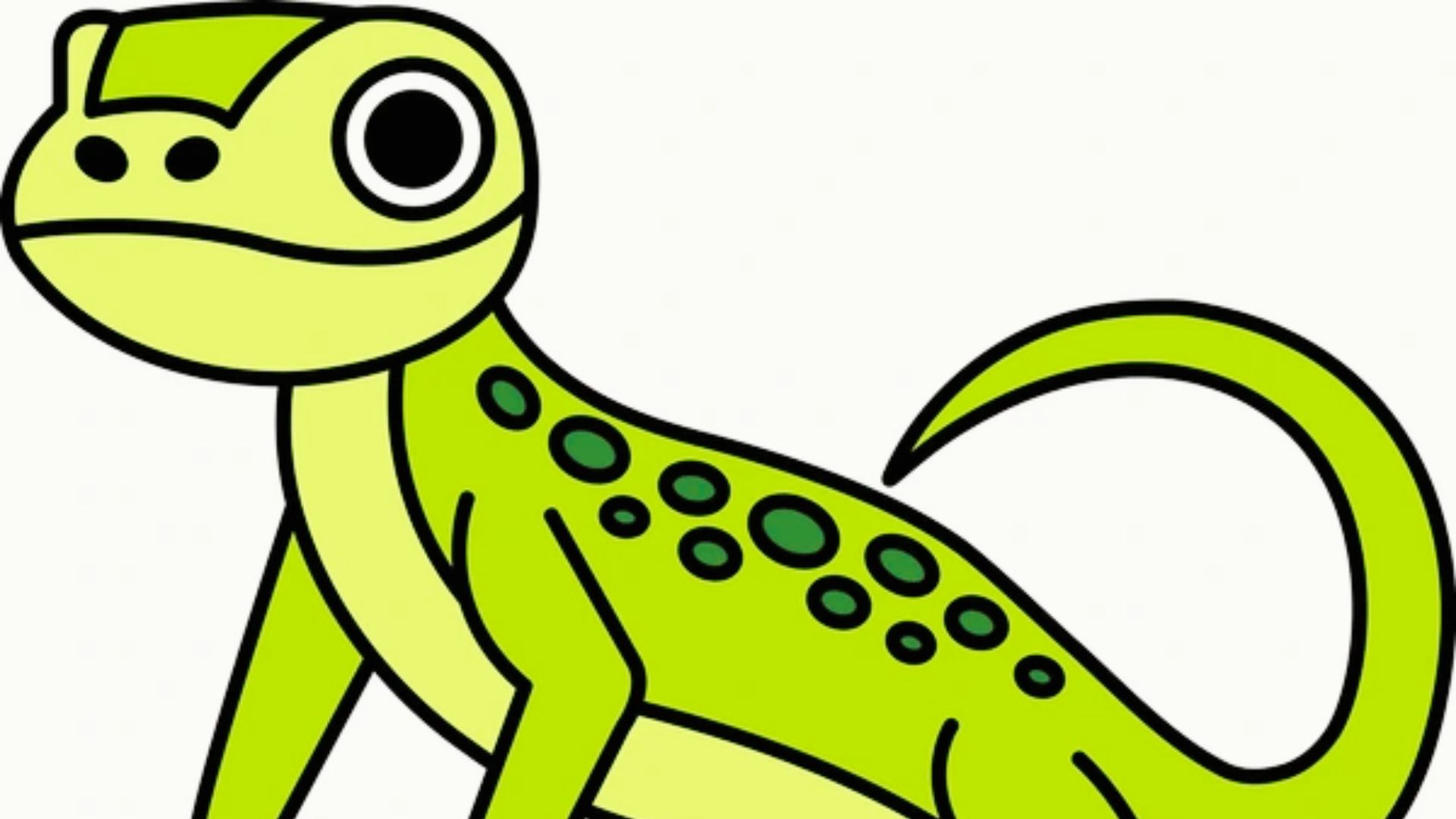
A round body, big eyes, and a clear outline make a cute lizard design work across sticker sizes and print formats.
Bold outlines and limited color palettes reproduce better than fine-line work on merchandise. A small set of species-based designs can come together as a full sticker pack.
2. Lizard Drawing for Kids and Educational Use
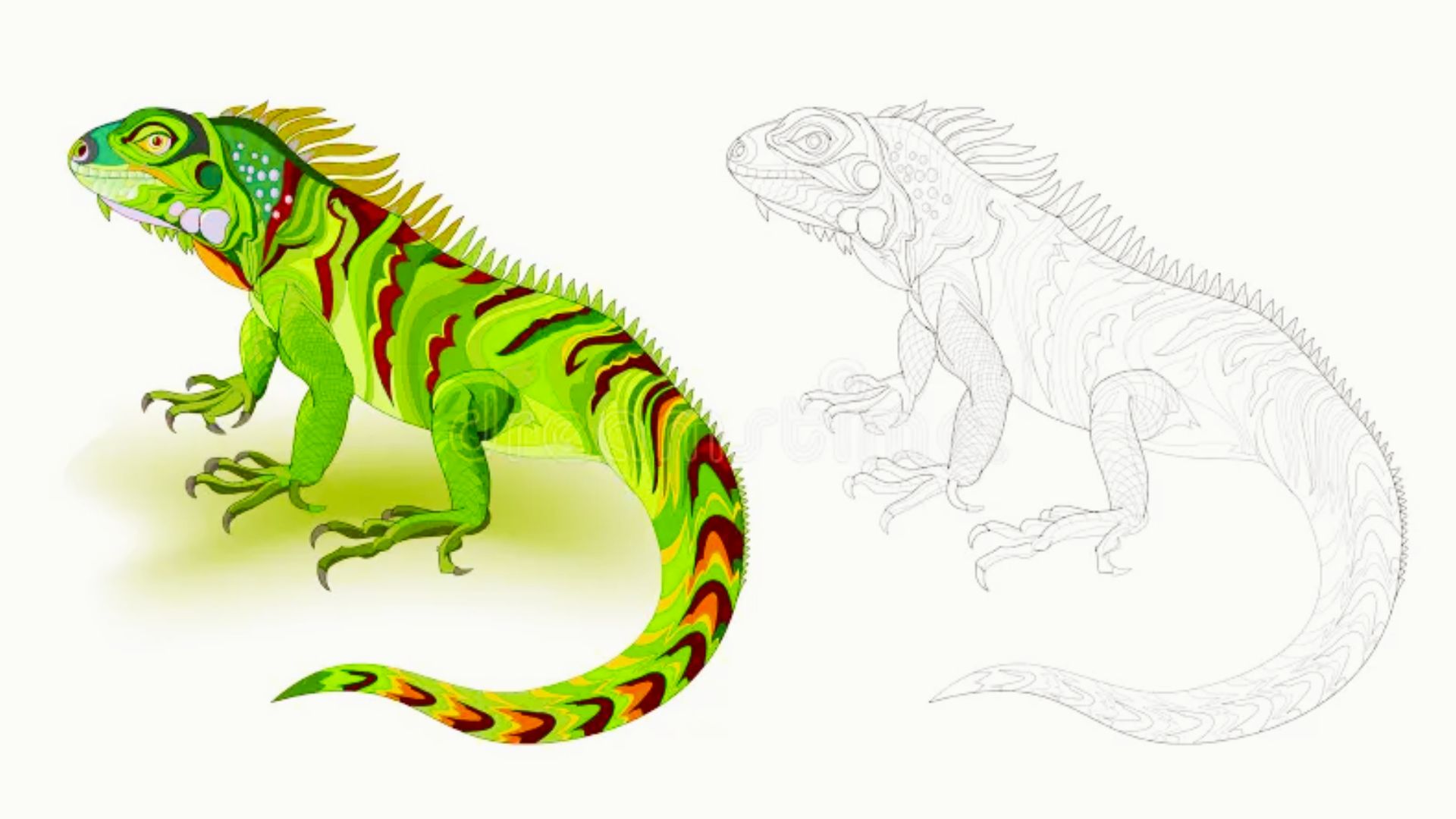
Educational lizard illustrations need to stay clear and accurate without overwhelming young audiences.
Labeled diagrams, step-by-step drawing guides, and species charts all work well in this format. Check with the educator or publisher on style requirements before starting.
3. Lizard Drawing for Tattoos and Graphic Design
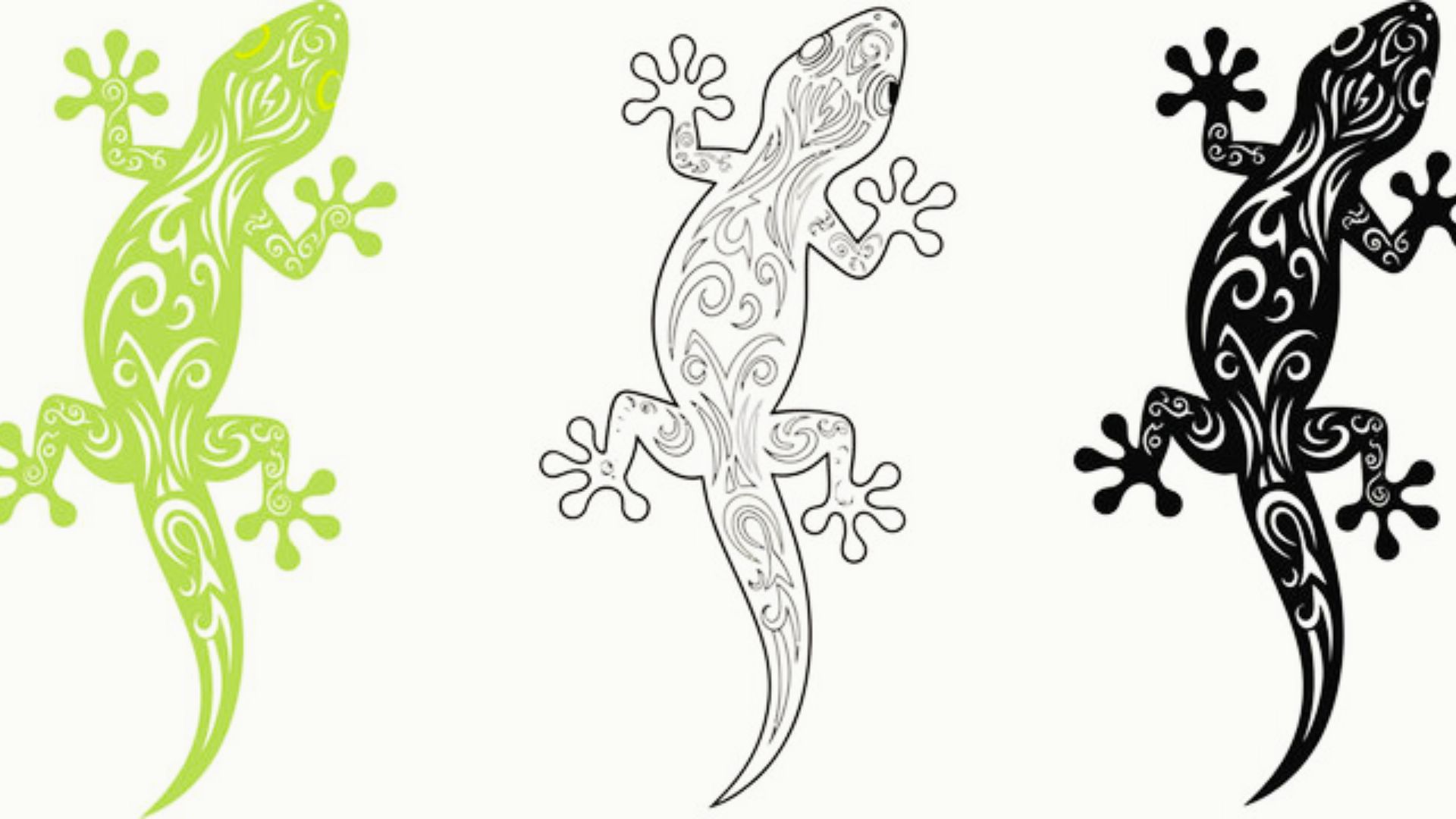
Tattoo-style lizard work uses heavy outlines, solid fills, and high contrast shading to stay readable at any size.
For graphic design, a clean vector lizard can be scaled and reused across logos, patterns, and posters. Both formats benefit from simplifying the lizard down to its strongest visual elements.
4. Lizard Drawing for Social Media and Digital Content
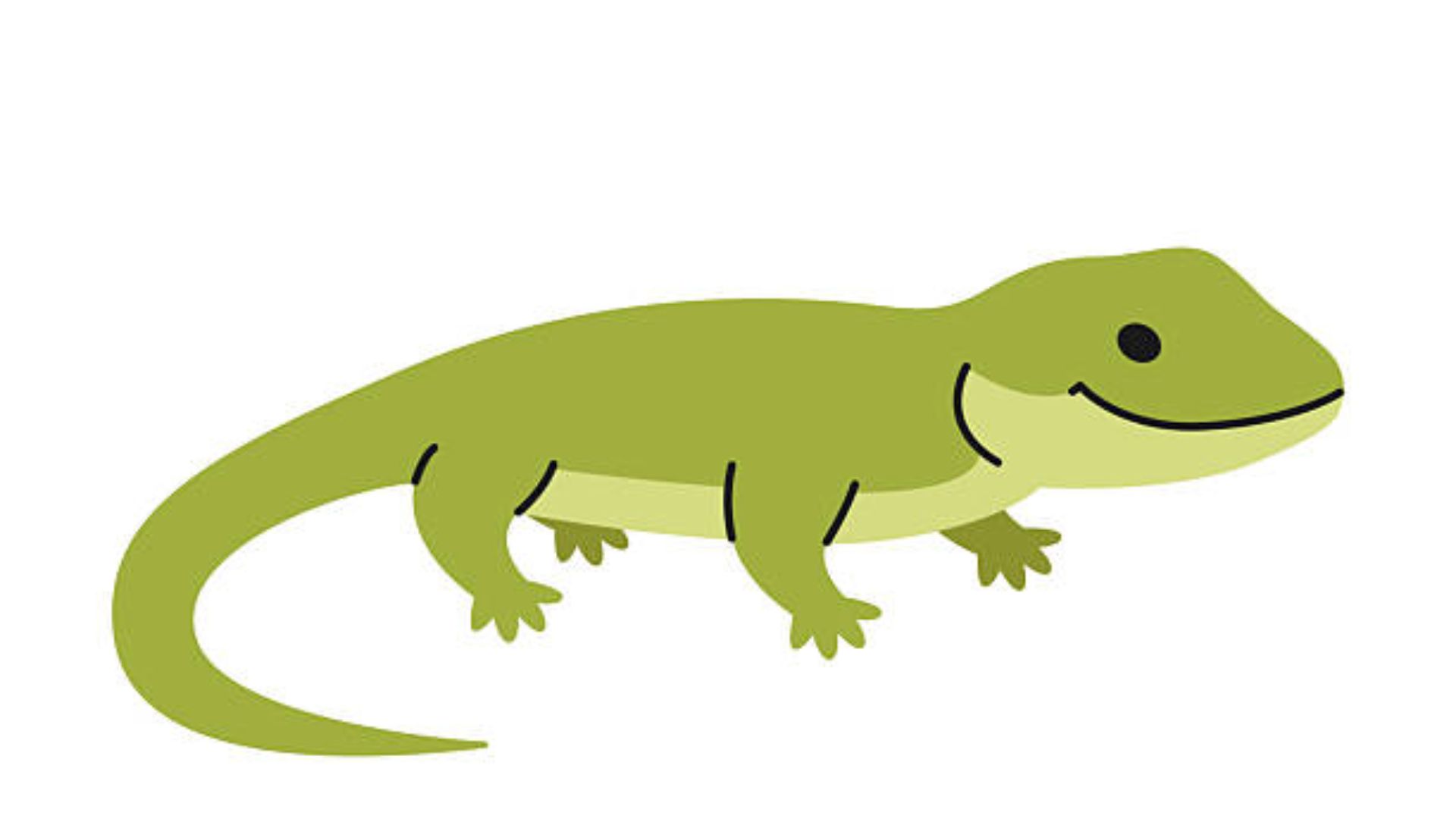
Bold colors, interesting poses, and clear compositions make lizard drawings perform well in social media feeds.
Creating a series with a consistent style builds audience recognition over time. Simple animated lizard illustrations tend to get strong engagement on Instagram and TikTok.
5. Simple Lizard Drawing for Quick Creative Projects
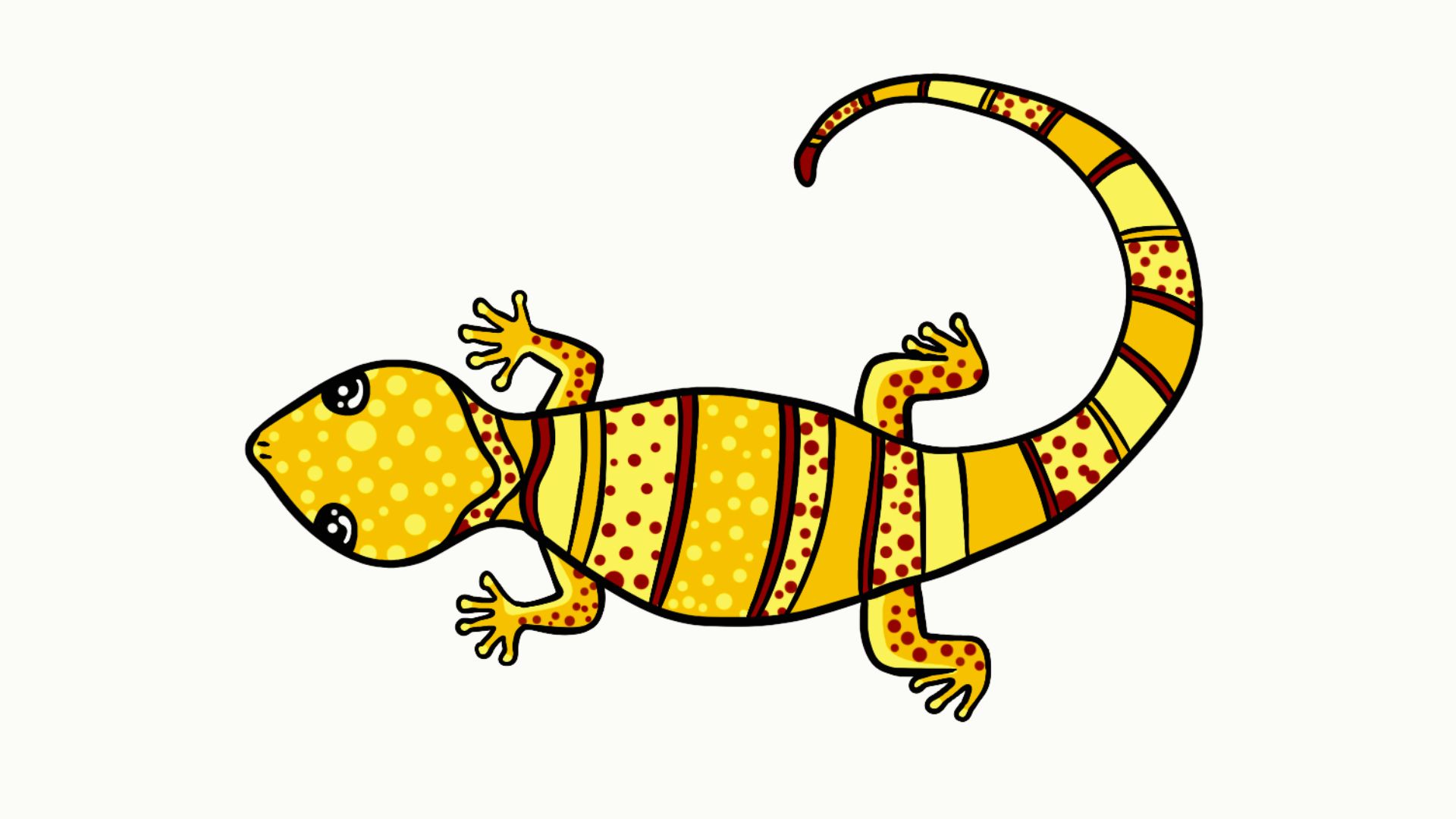
A simplified lizard drawing can be completed in under ten minutes with practice. These quick drawings work well for prototyping sticker concepts and testing layouts fast.
Building a small library of these gives you ready-to-use assets for low-stakes projects.
How to Develop Your Own Lizard Drawing Style
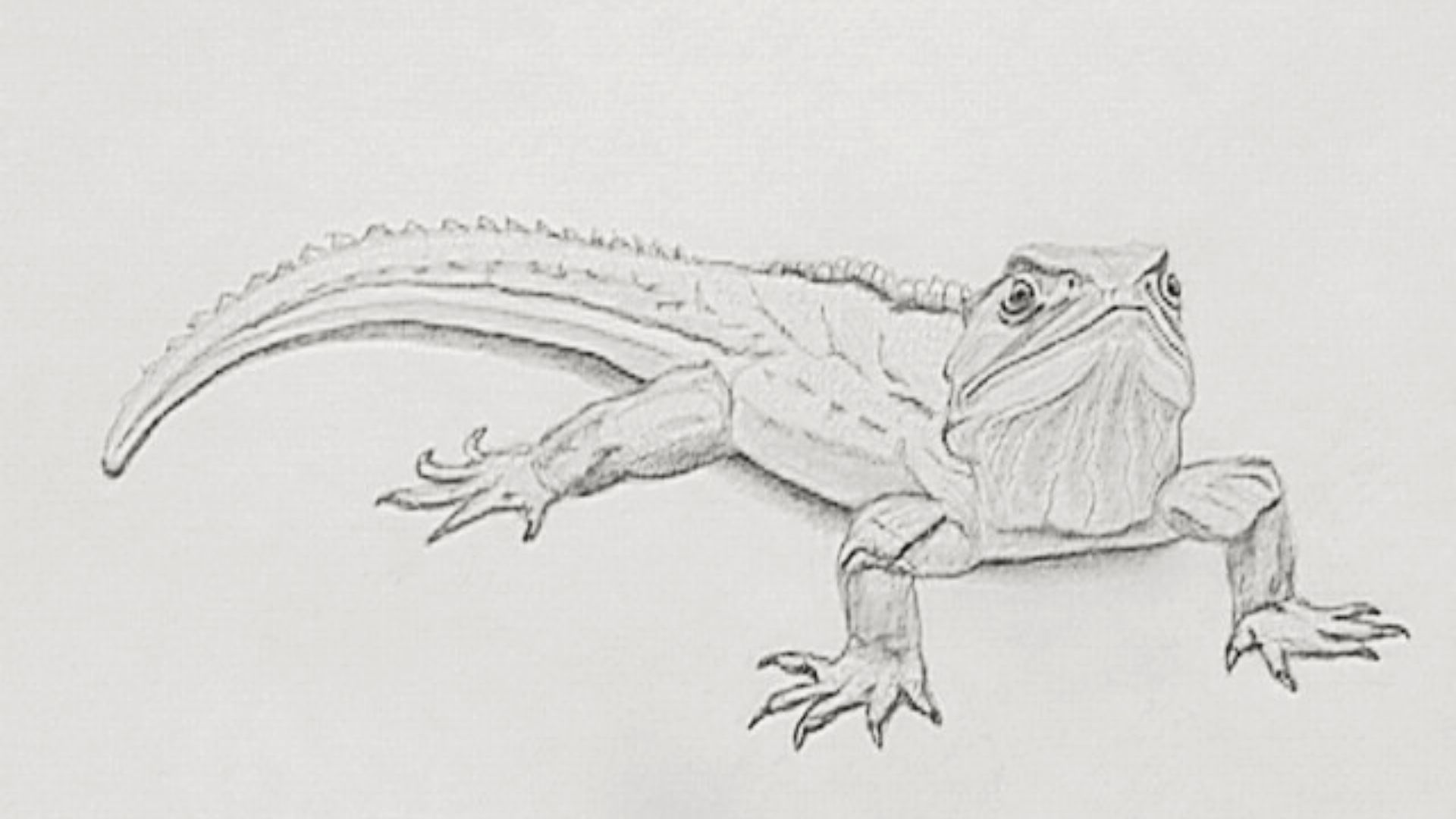
Developing your own style takes time, but it is one of the most rewarding parts of being an artist.
Start with Easy Lizard Drawing Basics
Practice drawing lizards from reference photos and focus on proportions and body movement first.
A strong foundation lets you break rules intentionally rather than by accident. Style grows from understanding the basics and applying them on your own terms.
Experiment with Shapes, Colors, and Scale Patterns
Once the basics feel comfortable, start changing things like body shape, color combinations, or scale patterns.
These experiments often lead to the most personal and interesting work. Keep a sketchbook of experiments to track which directions feel most like your own voice.
Combine Realistic and Cartoon Elements
Mixing realistic accuracy with cartoon simplification is how many illustrators find their personal style.
You might draw a correct gecko body but give it oversized cartoon eyes for contrast. This approach creates a fresh look and gives you flexibility across different pieces.
Use References to Create Original Illustrations
References are a professional tool, not a shortcut, and every working artist uses them. Collect photos, illustrations, and sketches to build a strong visual library.
Pull from multiple sources and add your own decisions rather than copying any single reference directly.
Tips to Improve Your Lizard Drawing Skills
Small, consistent improvements in these areas will make a big difference over time.
- Study lizard anatomy and learn how the limbs, spine, and tail connect and move.
- Practice scale texture on small sections before attempting a full body.
- Use varied line weight to add depth and make your line art feel three-dimensional.
- Work from multiple reference photos rather than relying on a single image.
- Use digital layers to separate line art, color, and shading for easier editing and control.
Conclusion
I started drawing lizards because their shapes kept surprising me, and honestly, they still do.
There is always a new species, texture, or pose worth trying. You now have styles, species ideas, and project formats to work from, so the best move is to start with one drawing today.
It does not need to be perfect. Every sketch adds to your skill. Try a style that fits your current project, share what you create, and drop a comment below.
I would love to see where your lizard drawing takes you.
Frequently Asked Questions
What is the easiest lizard drawing style for beginners?
The simplest approach uses basic shapes like ovals and triangles to build the body, head, and tail. This gives you a clear foundation before adding any detail or texture.
How can I create a realistic lizard drawing?
Start with strong reference photos and focus on proportion before moving into texture and shading. Build up detail gradually, working from large body forms down to individual scales.
What tools are best for digital lizard drawing?
Procreate works well for painterly and textured results, while Adobe Illustrator suits clean vector line art. Both are widely used by professional illustrators for lizard and wildlife artwork.
How do I make my lizard drawing more creative?
Try combining elements from different species or placing your lizard in an unexpected pose or setting. Experimenting with non-natural color choices also adds a fresh and personal feel to the work.
Can lizard drawings be used for commercial projects?
Yes, lizard illustrations are used in branding, merchandise, tattoo design, and publishing regularly. Make sure any reference photos you use are your own or properly licensed for commercial use.
