


Finding your art style can feel confusing, especially when you’re just starting out.
You look at other artists and wonder, “How do they have such a clear style?” The truth is, style is not something you wake up with. It grows over time.
In this guide, you will learn exactly how to find your art style step by step. From finding different mediums to building a consistent practice, everything is covered here.
I have worked with beginners and intermediate artists, and the biggest block is always the same, they want results too fast. This guide fixes that.
What Is an Art Style?
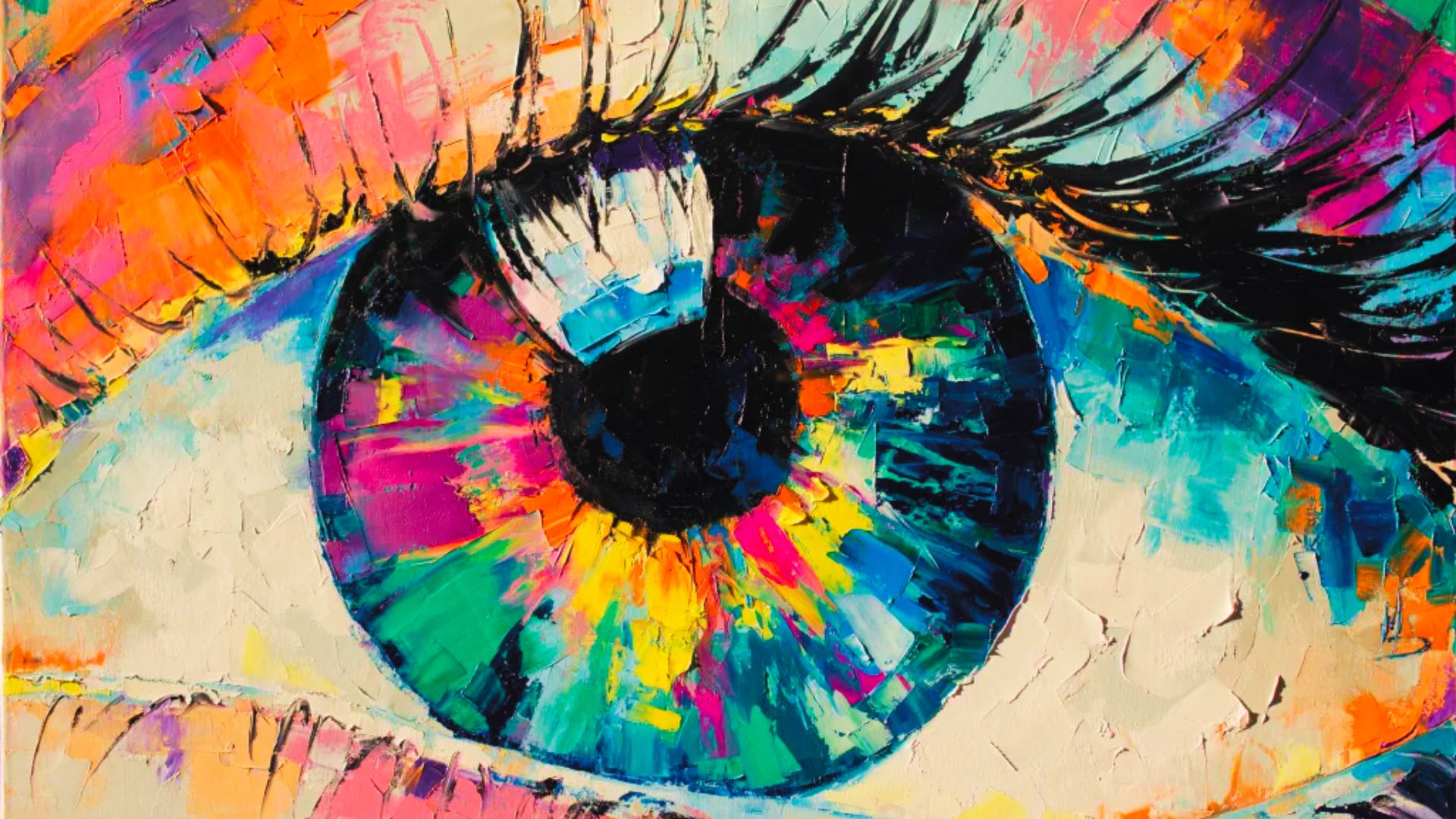
Your art style is the fingerprint of your creative work.
An art style is the way your artwork looks and feels to the viewer. It includes the choices you make again and again, colors, brushstrokes, subject matter, line quality, and mood.
Over time, these choices become a pattern. That pattern becomes your style.
Several things come together to form a personal art style. Color choices play a big role. Technique matters too.
Subject matter is another factor. Mood ties it all together, giving your work a feeling that is recognizably yours.
No two people have the same life experiences, influences, or habits. These differences naturally show up in the art you make. That difference is the beginning of style.
Why Finding Your Art Style Matters
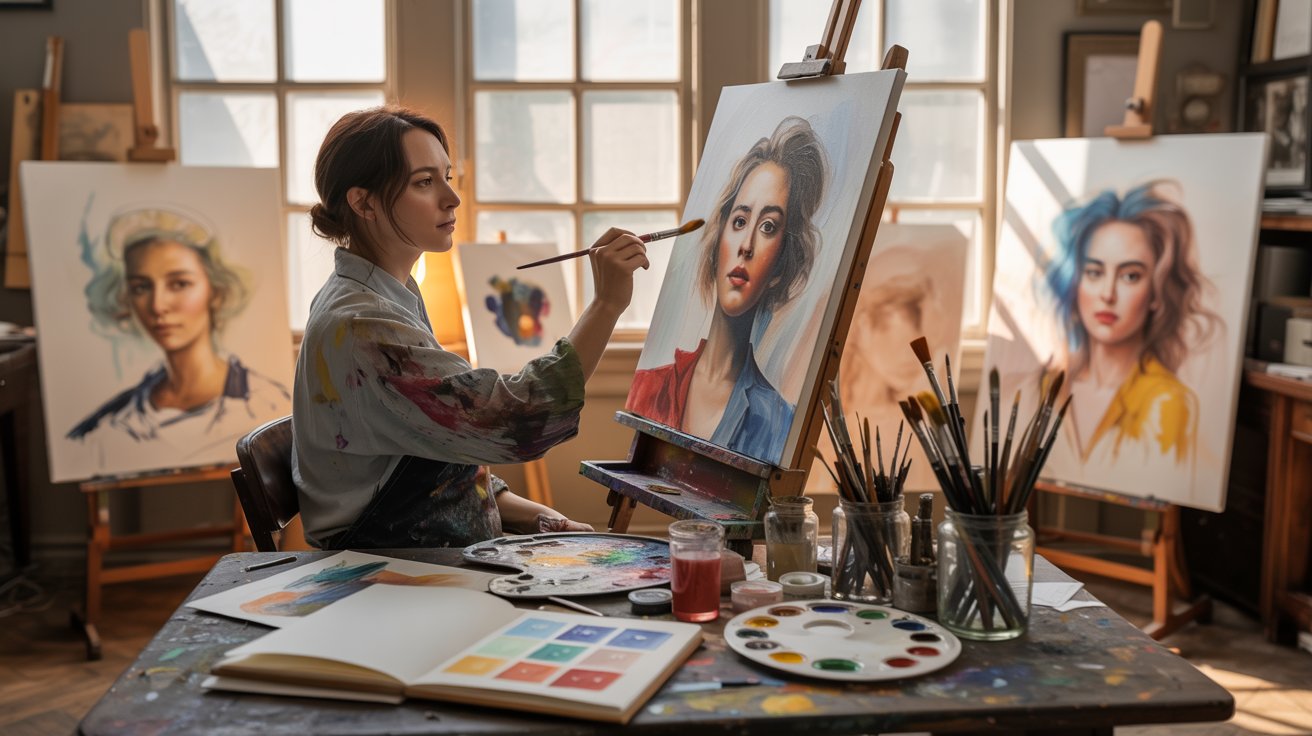
Style is not just about looking cool online.
Having a clear art style helps you build a recognizable body of work. Collectors, clients, and followers can spot your art in a crowd.
That kind of recognition takes time, but it starts with intentional practice.
A defined style also helps you attract the right audience. If you create children’s book illustrations, a soft and playful style will speak directly to that market.
That said, beginners should not stress too much about this early on. Build skills first. Style follows naturally.
Steps to Find Your Art Style
There is no shortcut, but there is a clear path.
Step 1: Find Different Art Styles and Mediums

Start by trying as many styles and tools as possible. Use pencils, watercolor, digital brushes, ink, and charcoal. Try realism, loose sketching, anime-influenced work, and abstract shapes.
This is especially helpful if you are trying to find your art style in drawing. Think of this as gathering data, not making a final decision.
Step 2: Research and Collect Ideas

Use platforms like Pinterest, YouTube, Tumblr, and DeviantArt to save artwork that speaks to you. Do not just scroll past things you like. Save them and study them.
After a few weeks, look at your saved collection. You will start to see patterns that point toward your natural preferences.
Step 3: Analyze What You Enjoy Creating
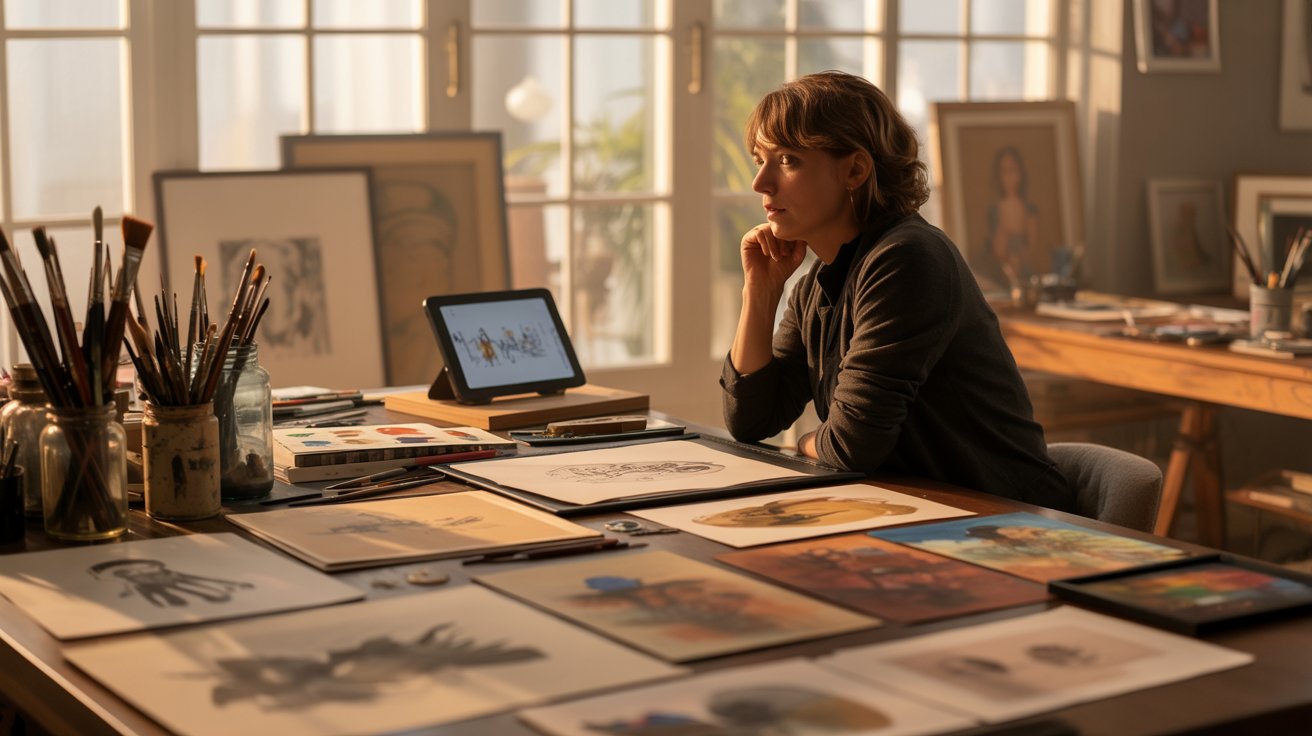
There is a difference between art you enjoy looking at and art you enjoy making. Pay attention to what feels fun and natural when you sit down to create.
Also think about your lifestyle. If you travel a lot, a portable sketchbook style may suit you better than large canvas paintings.
Step 4: Study Colors, Themes, and Mood
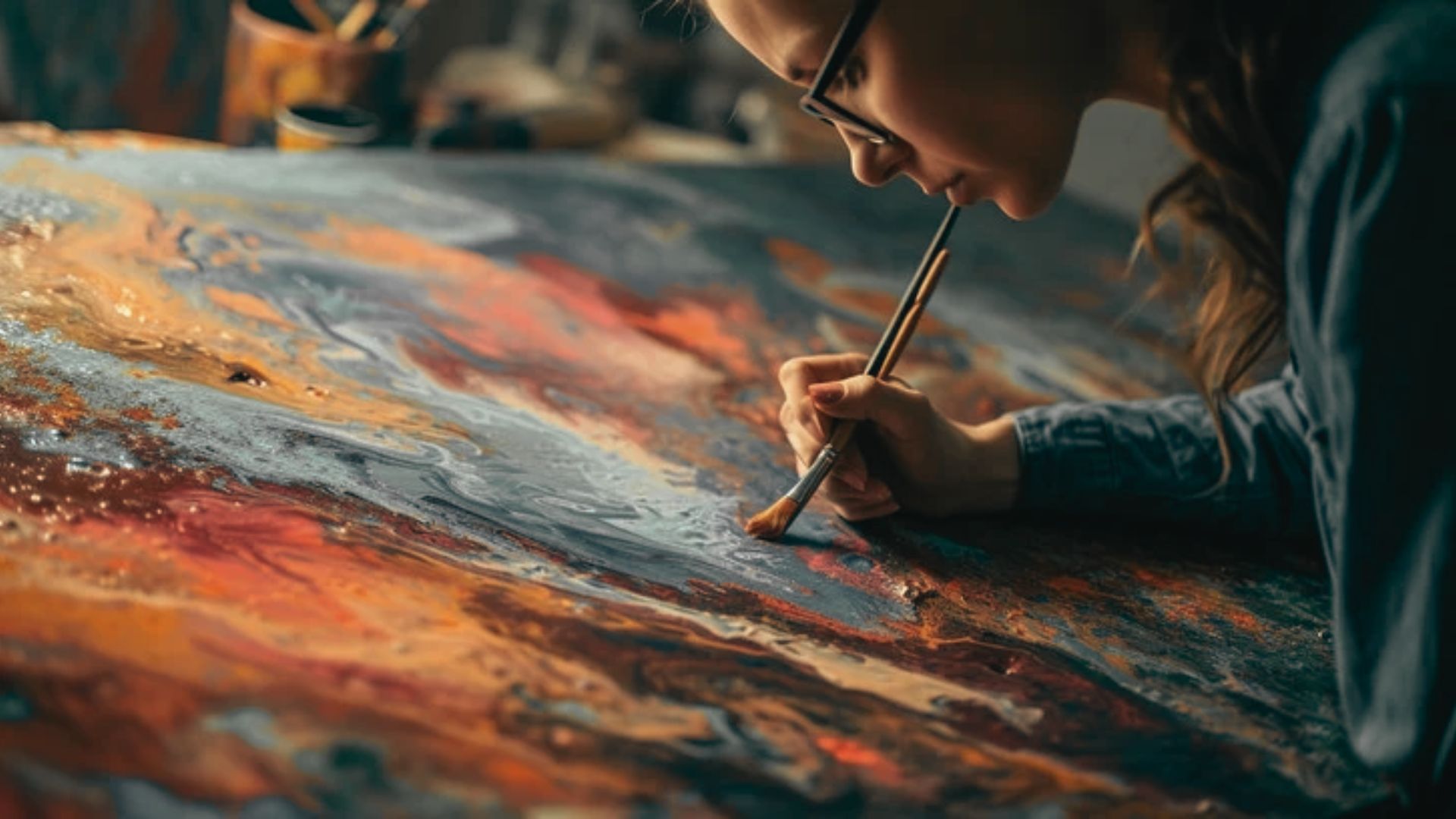
Look at your past work and ask which color palettes keep showing up. Think about themes too. Whatever excites you most is a signal worth following.
Pay attention to the emotional tone of your work as well. That feeling is part of your emerging style.
Step 5: Practice Consistently
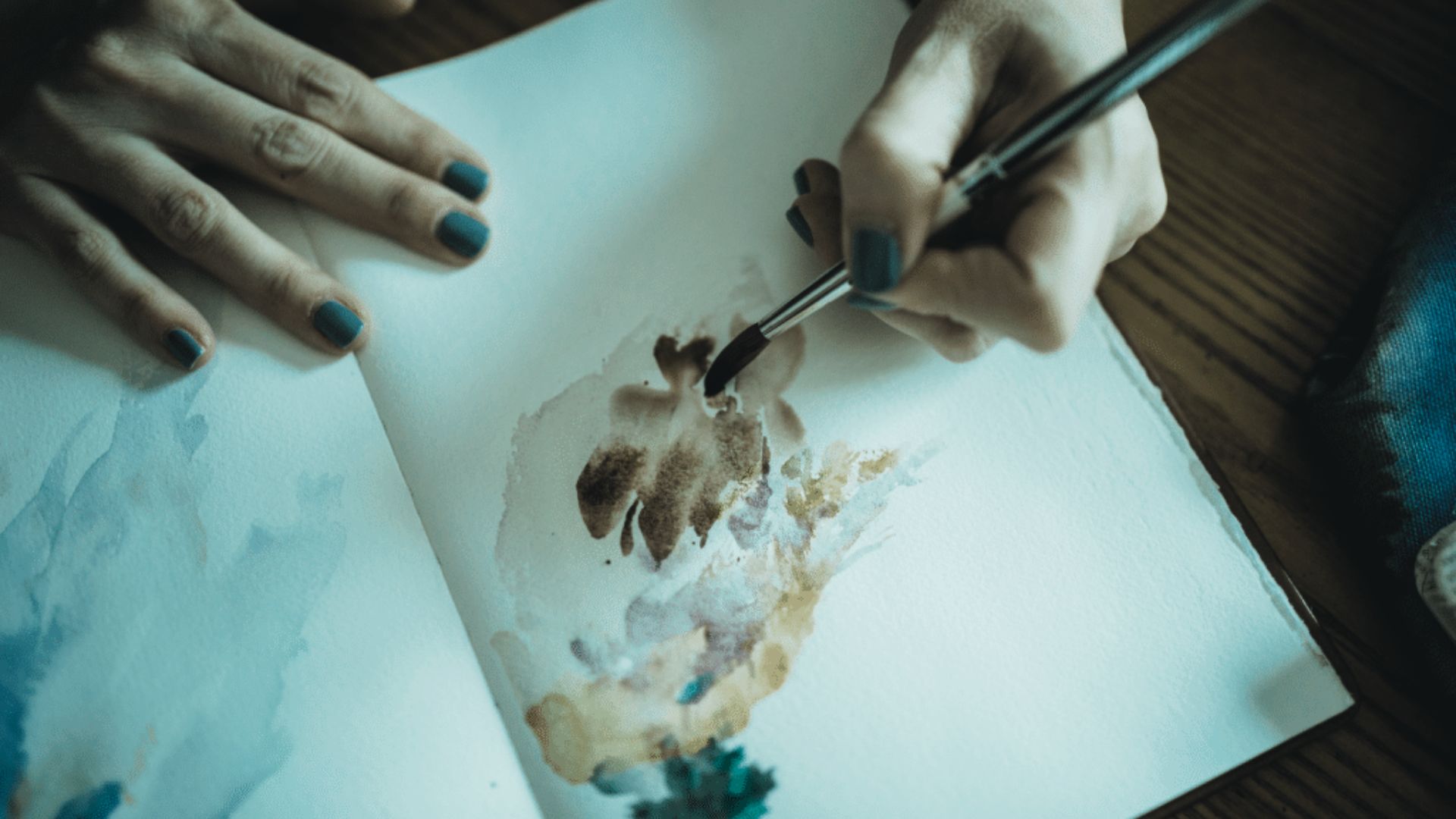
Style does not come from thinking about it. It comes from repetition.
Try a 90-day or 100-day challenge where you create something every day. Even drawing two or three times a week adds up over months.
Consistency is what separates artists who develop a style from those who stay stuck.
Step 6: Try Multiple Mediums

Try three to five different mediums before settling. Watercolor feels different from digital painting. Charcoal feels different from a ballpoint pen.
You might also find that combining mediums creates something that feels more like you than any single one does.
Step 7: Use Constraints to Find Focus
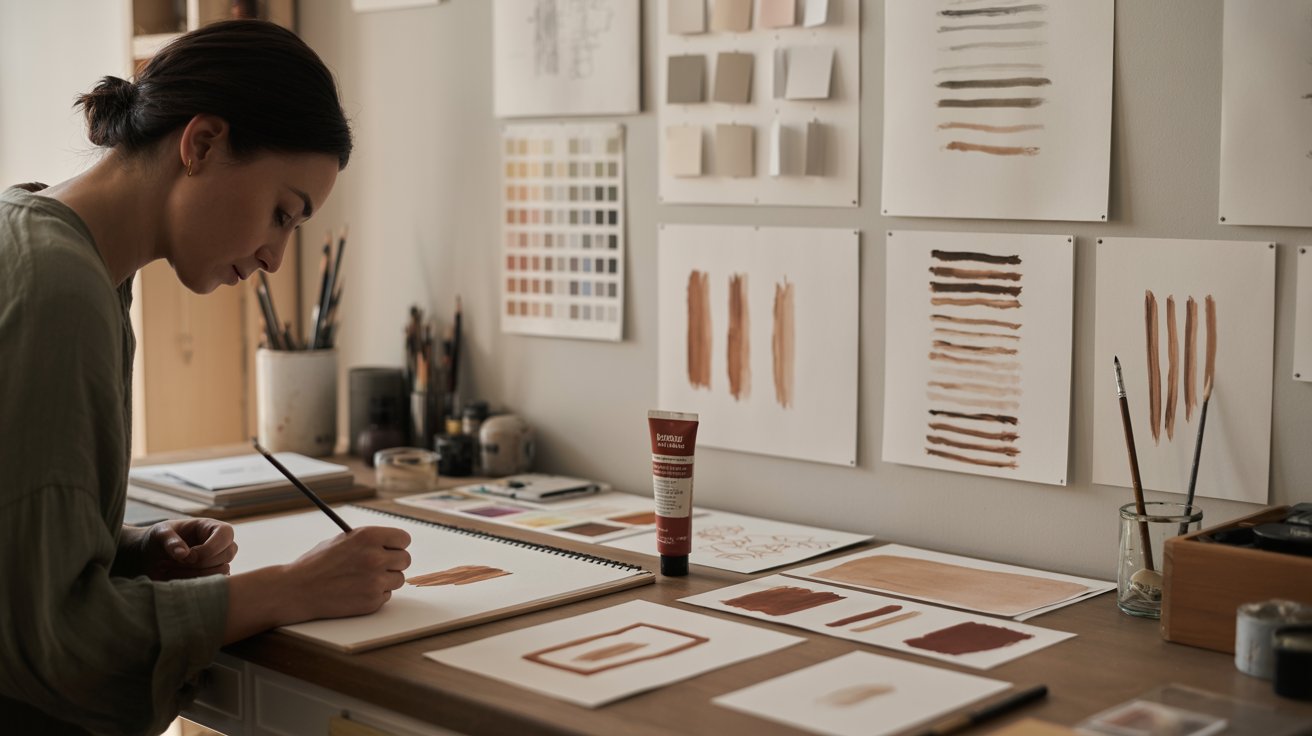
Too many choices lead to no choices. Try working with only three colors for a week. Or draw only portraits for a month. Constraints remove the noise and help you see what actually matters to you.
Step 8: Build Collections of Your Work

Group your finished pieces together and look at them as a set. What repeats? What stands out? This kind of review helps you identify what is becoming your signature.
Step 9: Get Feedback and Reflect
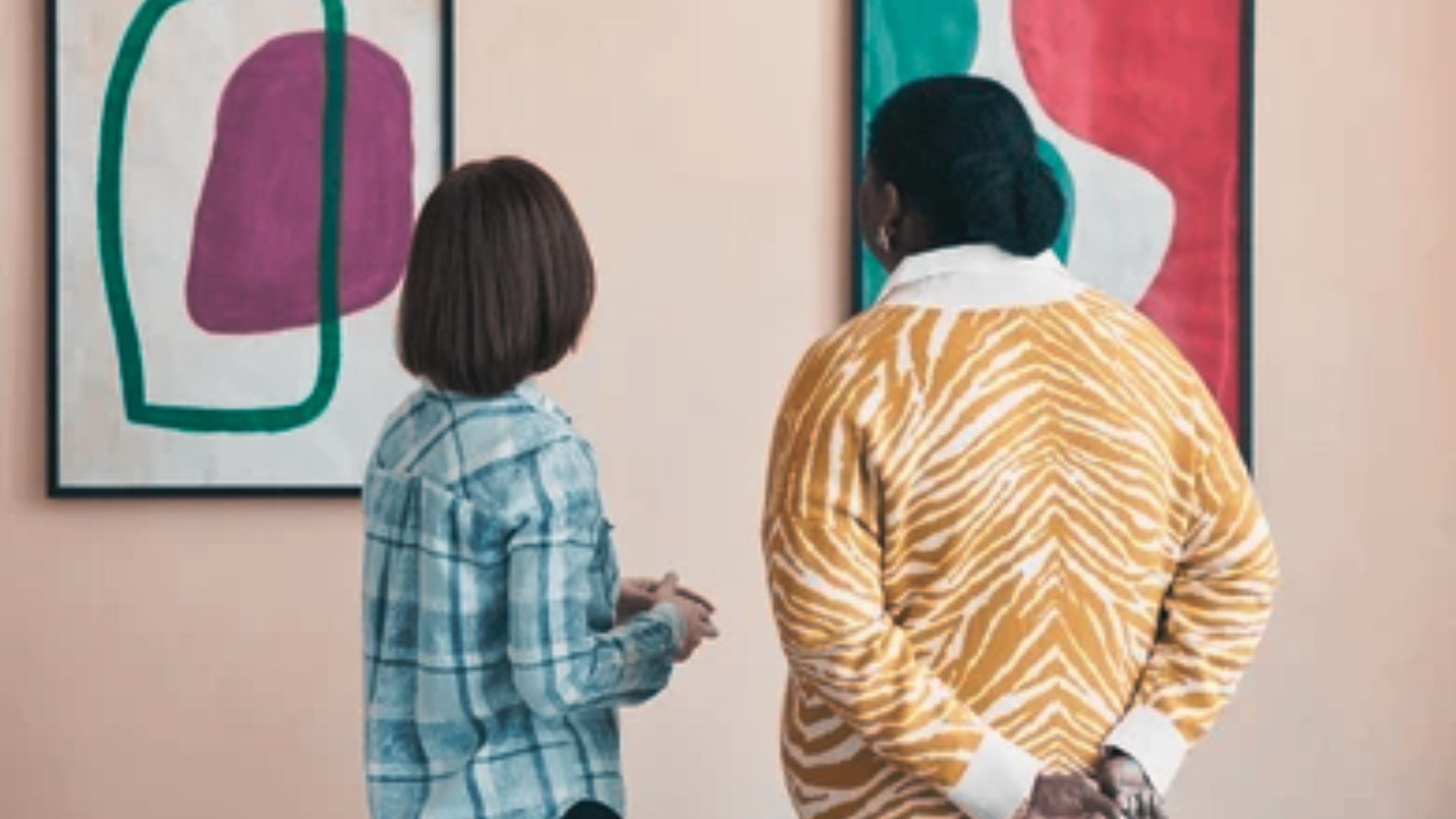
Share your work online or with other artists you trust. Ask for honest feedback. Sometimes other people can see patterns in your art that you cannot.
Use that information, but do not let it completely replace your own voice.
How to Find Your Art Style for Specific Niches
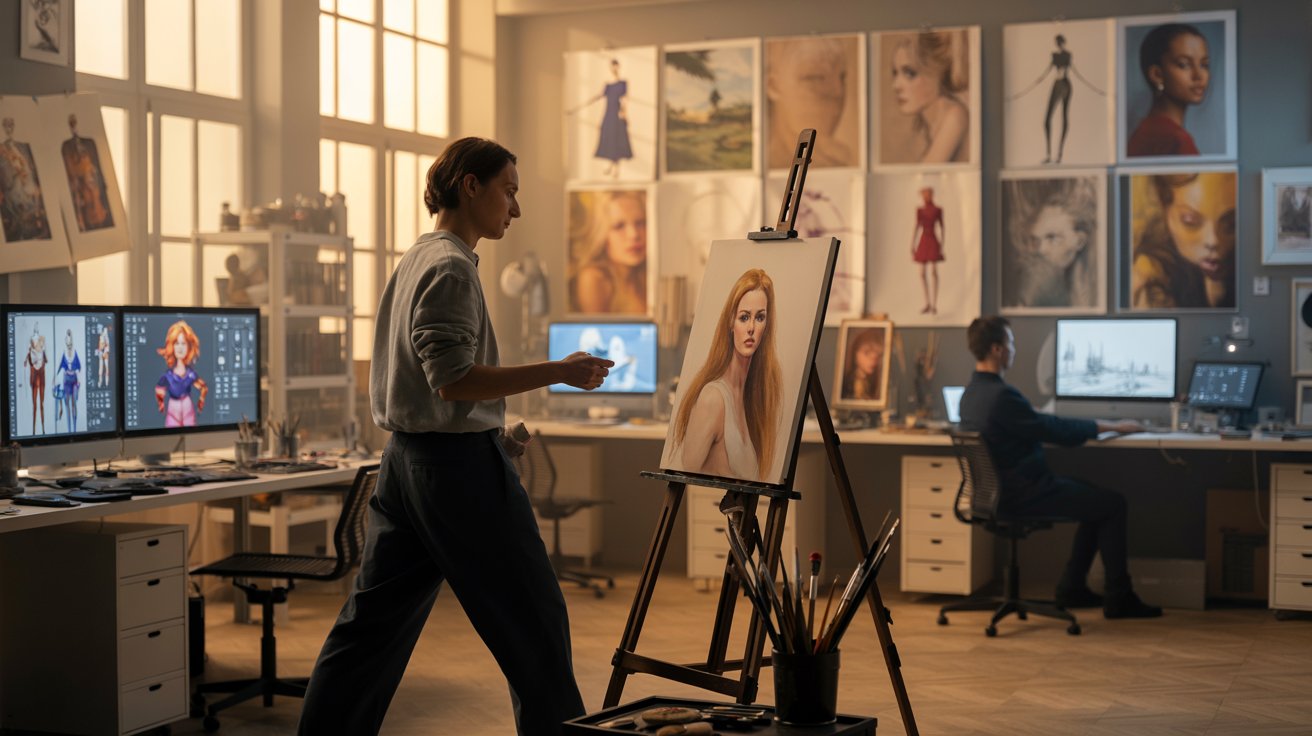
The process changes slightly depending on what you create.
How to Find Your Art Style in Anime
Start by studying different anime sub-styles rather than treating it as one single look. Pick two or three that appeal to you and practice them separately.
Over time, you will start blending what you love into something that feels like yours.
How to Find Your Art Style in Drawing
Start with line work. Try heavy expressive lines versus clean minimal ones. Notice which approach makes you feel excited to keep going.
Adapting Your Style for Digital Platforms
Think about how your style reads at thumbnail size. Clean compositions, strong contrast, and a consistent color palette tend to perform well online.
Tips to Find Your Art Style Fast
If you want to move faster, focus on these
- Work on one direction at a time instead of switching between multiple goals
- Repeat what feels natural and enjoyable instead of always chasing something new
- Cut distractions and create in a quiet, focused environment
- Stay consistent with your schedule, even if the sessions are short
- Study artists you admire and note what draws you to their work
Conclusion
Your art style is not something you find sitting on a shelf. You build it, slowly, through every drawing, painting, and experiment you make.
I remember feeling completely lost in my early days, jumping between styles and wondering if I even had one. What helped was simply showing up and creating, without waiting to feel ready.
If this guide helped you, drop a comment below and tell me where you are in your style process.
Share this post with a fellow artist who needs it, and check out more guides on building your creative practice.
Frequently Asked Questions
How long does it take to find your art style?
For most artists, it takes one to three years of consistent practice. The timeline depends on how often you create and how openly you experiment with different approaches.
Can beginners have an art style?
Yes, but it will keep changing as you grow. Early style is more about preferences than a fully developed voice. That is completely normal and expected.
Should I copy other artists to find my style?
Studying other artists is helpful, but copying their exact style as your own is not the goal. Use their work to understand technique, then apply what you learn to your own ideas.
What if my art style keeps changing?
That is a sign you are growing. Style shifts as your skills improve and your interests evolve. Over time, the changes will become smaller and your core style will become clearer.
Do I need expensive tools to develop an art style?
No. A pencil and paper are enough to start. Style comes from your choices and habits, not from the price of your supplies.
