


Drawing 3D shapes feels confusing at first. Lines go wrong. Things look flat. You stare at the page not knowing what to fix.I felt the same way when I started.
This guide walks you through everything simply. You will learn how 2D shapes connect to 3D objects, how shading adds depth, and how perspective makes drawings look real.
We cover cubes, spheres, cylinders, cones, and pyramids one step at a time.By the end, you will draw 3D shapes with real confidence.
I have helped many beginners move past this exact problem. This guide is built around what actually works.
What Are 2D and 3D Shapes?
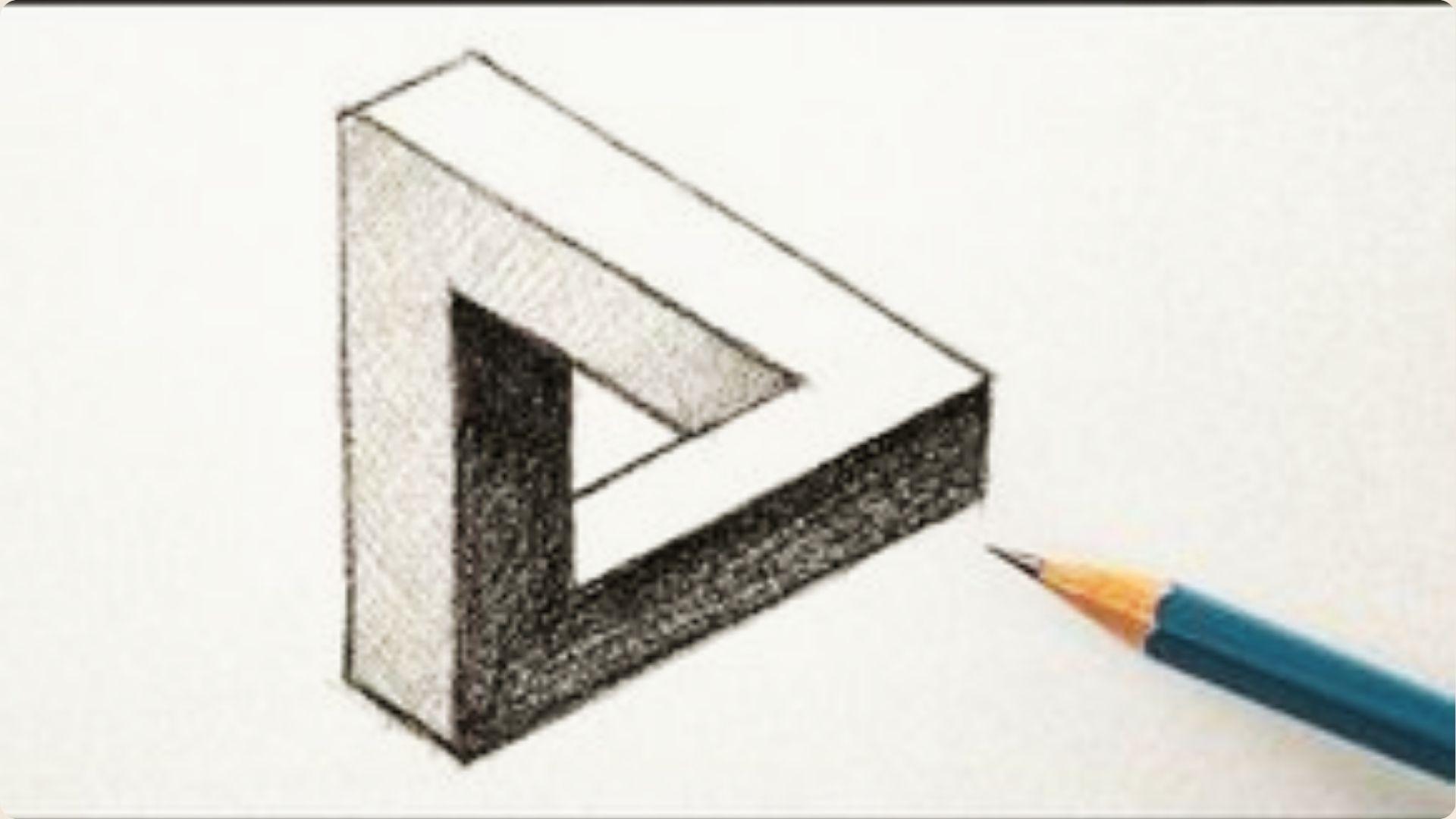
A 2D shape is flat. It only has width and height. A square, a circle, a triangle drawn on paper are all 2D. You can see them but they have no depth at all.
The 3D shape is different. It has width, height, and depth. That third dimension makes it look solid and real. A cube looks like a box. A sphere looks like a ball.
Understanding this difference is the foundation of all 3D drawing. Once this clicks, everything else starts to make more sense and your drawings begin to improve naturally.
Important Materials for Drawing 3D Shapes
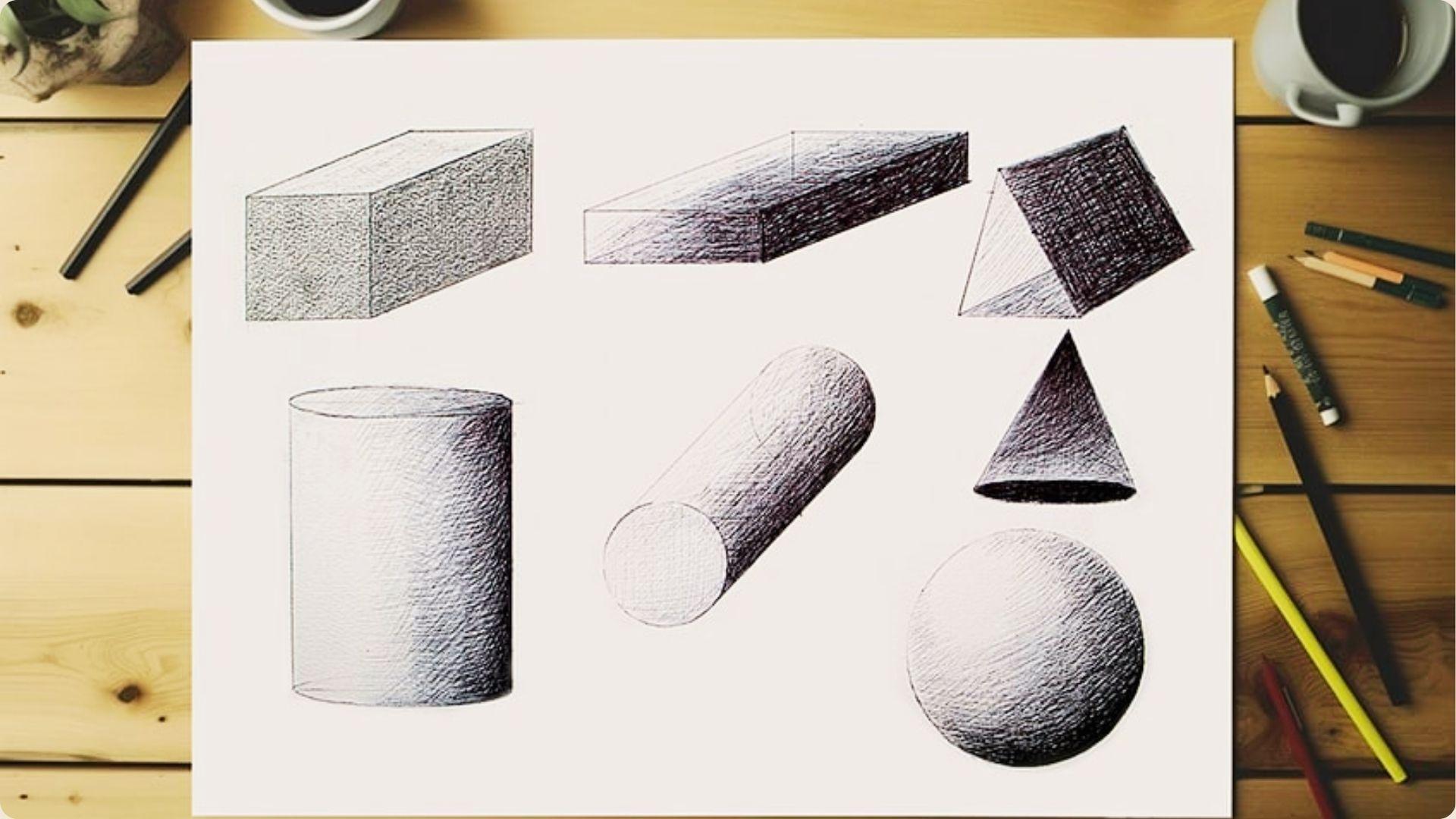
You do not need a lot of supplies to start drawing in 3D. A few basic tools are all it takes.
Basic Drawing Tools for Beginners
You need a pencil, an eraser, and paper to start. A ruler and compass help keep your shapes clean and accurate.
Choosing the Right Pencil and Paper
Use an HB pencil for sketching and a 2B or 4B for shading. Smooth white paper works best for clean blending.
Helpful Resources for Practicing 3D Drawing
Look at beginner drawing books and watch short tutorials online. Drawing real objects like a mug or box teaches you the most.
Principles of Drawing 3D Shapes
These core ideas will help every single drawing you make look more solid and real.
Starting With Basic 2D Shapes
Always draw the flat version of a shape first before adding depth. Rushing into details too early makes the drawing confusing.
Adding Depth and Dimension
Draw extra edges behind the shape and connect them to the front. The angle of those lines controls how much depth your shape shows.
Using Construction Lines to Build Form
Construction lines are light guide lines you draw first to plan your shape. Draw your final lines on top and then erase the guides.
Understanding Volume and Spatial Relationships
Volume is how solid a shape looks, which shading helps create. Placing one shape in front of another also adds a sense of depth.
Applying Shading to Improve 3D Effects
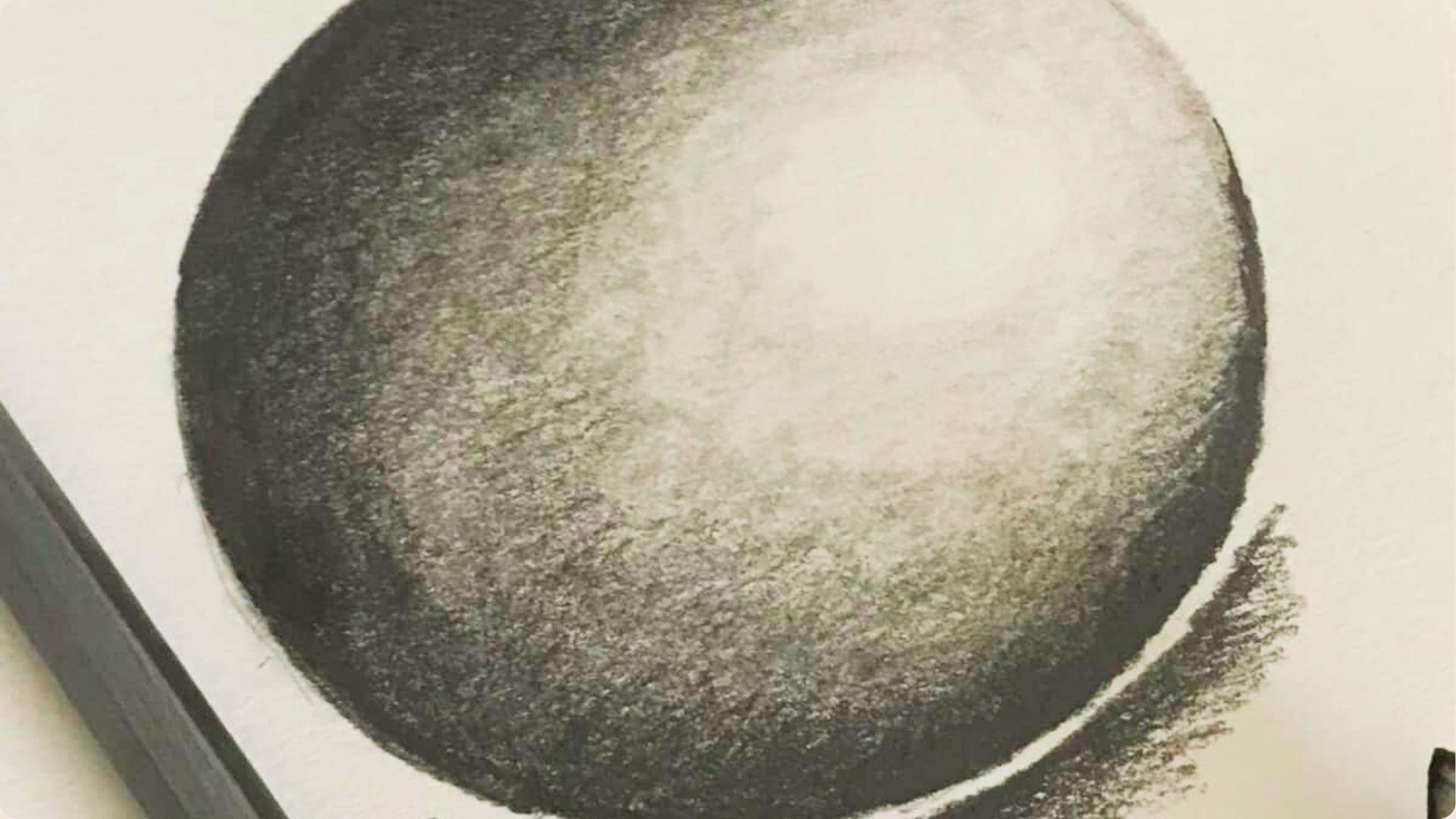
Shade dark where light does not reach and light where it hits directly. Start light and build up slowly without pressing too hard.
How to Draw Common 3D Shapes
Here is where the real practice begins. Go through each shape one at a time and build your skills step by step.
How to Draw a 3D Cube

Draw two squares slightly offset and connect their corners with lines. Shade the side and bottom faces darker than the top face.
How to Draw a 3D Sphere

Draw a circle and shade the side opposite your light source with curved strokes. Add a bright spot where light hits and a shadow underneath.
How to Draw a 3D Cylinder

Draw a rectangle with an oval on top and a curved line at the bottom. Keep the middle lightest and darken the edges to show roundness.
How to Draw a 3D Cone
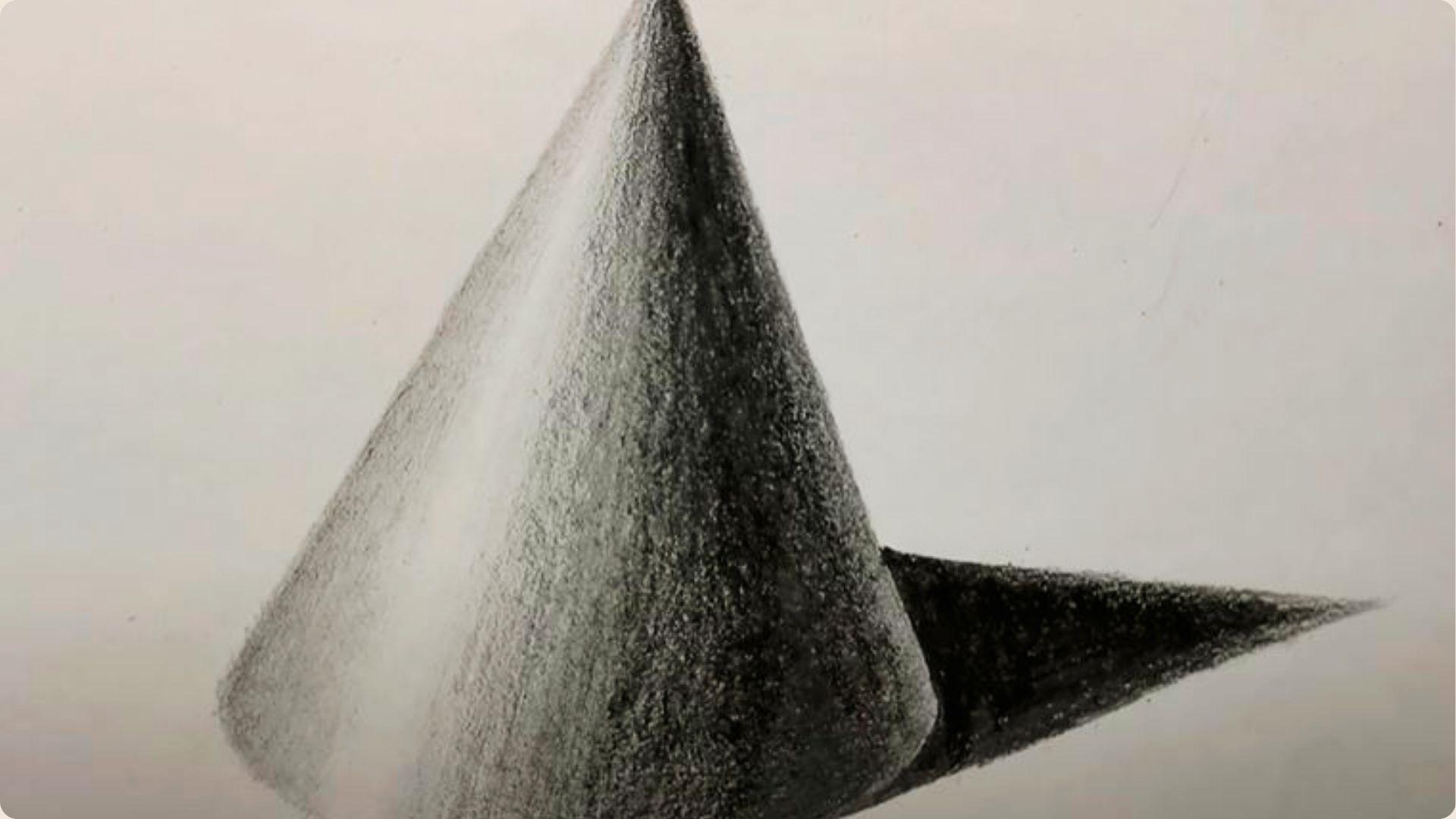
Draw a triangle and curve the base into a soft oval shape. Shade one side darker and keep the tip sharp and light.
How to Draw a 3D Pyramid
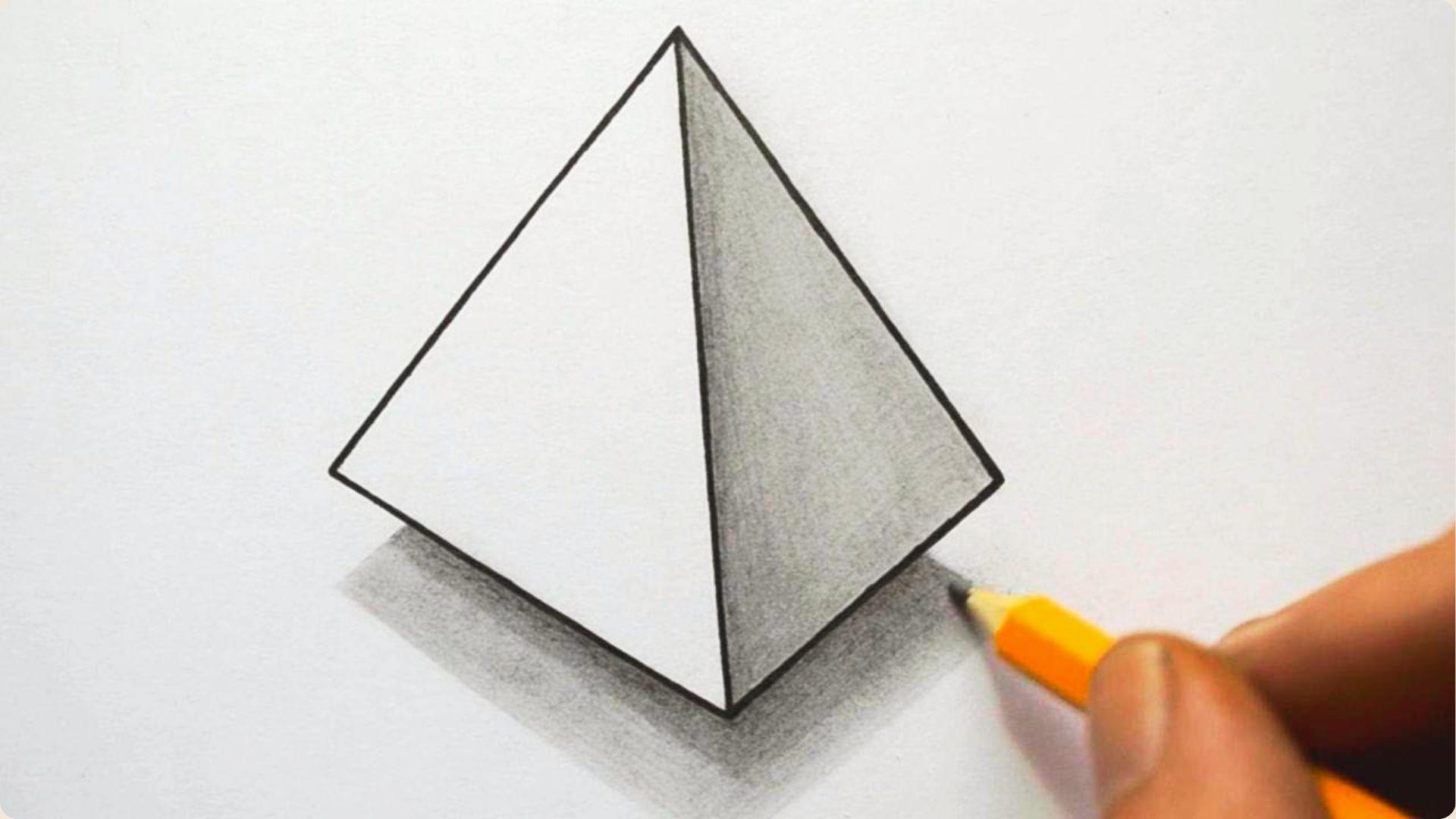
Draw a front triangle face and add a second face going back at an angle. Shade each face a different tone based on your light source.
Understanding Perspective in 3D Drawing

Perspective is what makes your drawings look real. Without it, shapes look stiff and flat.
What Is Perspective?
Perspective is how objects appear smaller as they move farther away. Parallel lines seem to meet at a distant point called the vanishing point.
Using One-Point Perspective for Simple Forms
One-point perspective uses a single vanishing point on the horizon line. It works well for boxes and simple shapes viewed straight on.
Understanding Two-Point Perspective
A two-point perspective uses two vanishing points, one on each side of the horizon. It gives shapes a more natural and realistic corner-angle look.
How Perspective Creates Realistic Depth
Lines moving toward vanishing points pull the viewer's eye into the drawing. This makes your shapes feel like they exist in real space.
How to Make 3D Shapes Look More Realistic
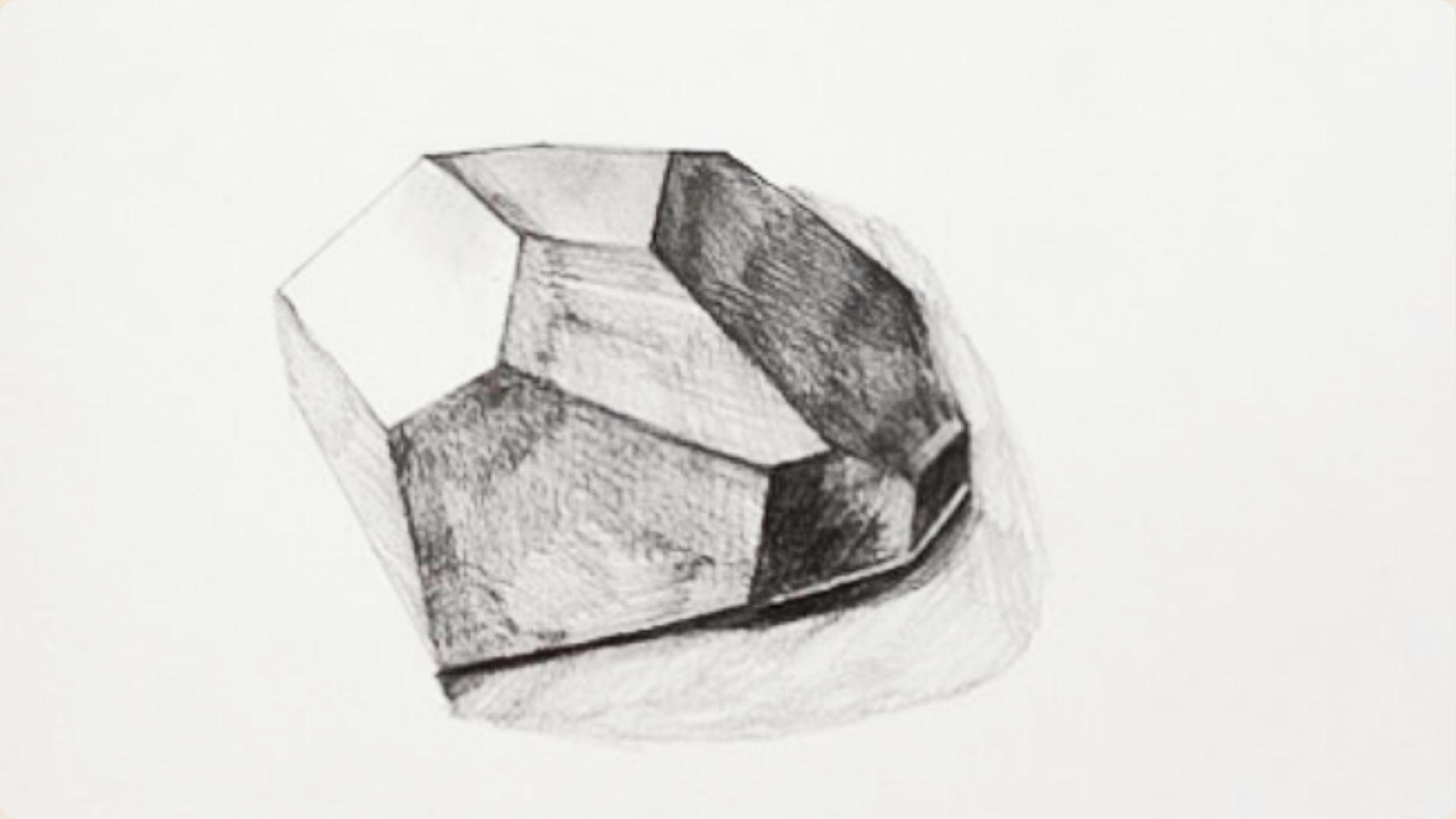
Small details in shading and line work make a big difference in how convincing your drawings look.
Using Light and Shadow Effectively
Pick one light source and stick to it for the whole drawing. Keeping light and shadow consistent makes everything look believable.
Creating Volume Through Shading
Shade in layers starting light and building darker where shadows are deepest. Blend gently with your finger to make the shading look smooth.
Adding Highlights and Midtones
Use an eraser to lift out highlights and build midtones with light strokes. These three tones working together give shapes a strong sense of volume.
Drawing Contour and Form Lines
Contour lines follow and wrap around the surface of a shape. They help both you and the viewer read the form correctly.
Practice Exercises for Improving 3D Drawing Skills
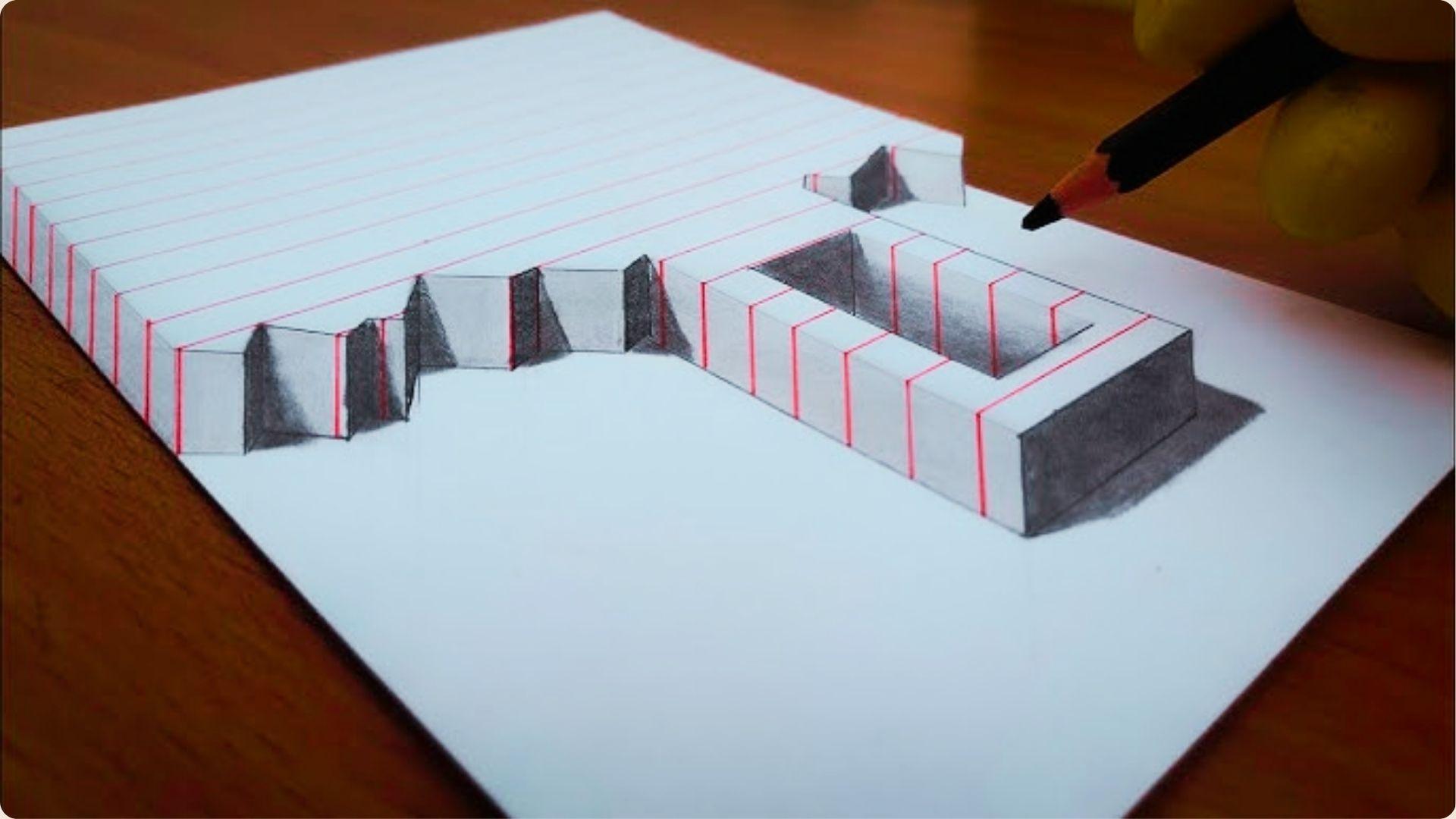
Consistent practice is what separates beginners from confident artists. These exercises will build your skills fast.
Drawing Shapes From Different Angles
Draw the same cube ten times and change the angle each time. This trains your eye to see and draw shapes from any viewpoint.
Combining Multiple 3D Forms Into Objects
A chair is just boxes and cylinders put together. Start seeing complex objects as groups of simple shapes and draw them that way.
Sketching Everyday Objects as Basic Forms
Draw a mug as a cylinder or a book as a flat box. This habit simplifies what you see and makes drawing anything easier.
Strengthening Spatial Awareness Through Practice
Draw often and try sketching without looking at the page sometimes. These simple exercises build strong mental connections to form and space.
Tips for Beginners Learning How to Draw 3D Shapes
Small habits practiced every day make the biggest difference in your progress as an artist.
- Focus on building the shape before adding any shading or detail.
- Practice one shape each day until it starts to feel natural.
- Study real objects at home and observe where shadows fall.
- Be patient when working with perspective as it takes time to click.
- Keep your pencil strokes light at first so you can erase and adjust easily.
Conclusion
Learning how to draw 3D shapes takes time, but every line you draw brings you closer. I remember staring at a flat cube and feeling stuck.
Then I tried shading one face darker than the others. That one change made it pop off the page.You can do the same.
Start with a cube today. Add some shading. Watch it come to life.
If this guide helped you, drop a comment below and share what shape you tried first. Share this post with a friend who wants to learn too.
Frequently Asked Questions
How Do You Draw 3D Shapes for Beginners?
Start with a simple 2D shape like a square or circle. Then add extra lines to show depth and use shading to make it look solid.
What Is the Difference Between 2D and 3D Shapes?
A 2D shape is flat with only width and height. A 3D shape also has depth, which makes it look solid and real on paper.
What Is the Easiest 3D Shape to Draw?
A cube is the easiest starting point. It uses straight lines, simple angles, and basic shading that beginners can follow quickly.
Why Do My 3D Drawings Look Flat?
Most flat drawings lack shading or proper perspective. Adding a light source and shading the darker sides will give your shapes more depth instantly.
How Can I Improve My 3D Drawing Skills?
Practice drawing one shape daily from different angles. Study real objects around you and pay attention to where shadows naturally fall on surfaces.
