


Collage art is one of the most flexible creative outlets you can try. You don’t need fancy supplies or years of practice to make something meaningful.
In this guide, I’ll walk you through 15 easy collage art ideas that work for beginners and experienced artists alike.
You’ll learn what collage art is, what materials you need, and how to create pieces that reflect your style. I’ve been making collages for years, and these techniques never fail to spark creativity.
We’ll cover everything from vintage-inspired designs to nature-based compositions, plus practical tips to help you succeed.
What is Collage Art?
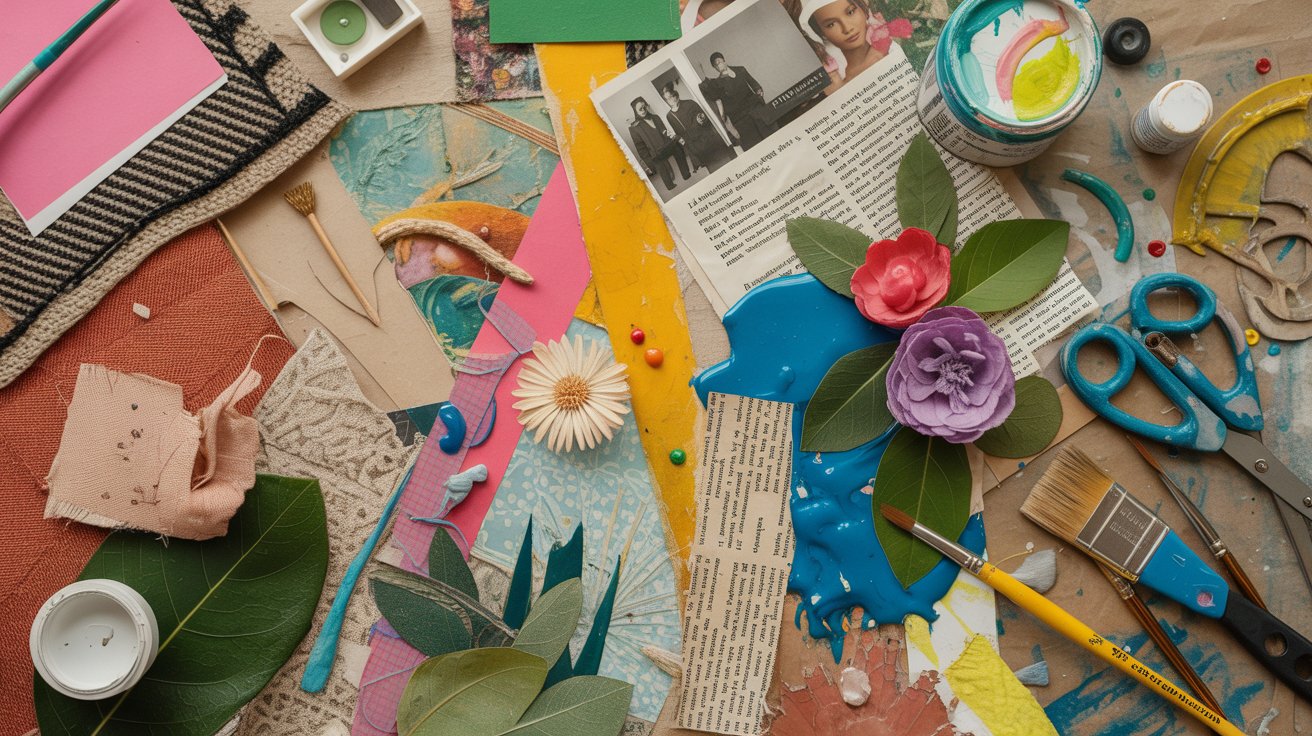
Collage art combines different materials to form a single artwork. You layer paper, photos, fabric, and other items until they tell a story or express an idea.
You can work in two dimensions on flat surfaces or create three-dimensional pieces with depth.
Some artists prefer physical materials they can touch and arrange by hand. Others use digital software to layer images on screen.
Different collage styles include papier collé, where you glue paper pieces onto a surface. Assemblages take collage into three dimensions using found objects like buttons, fabric scraps, or small trinkets.
Photomontage focuses on photographs as the main element. Décollage works in reverse by tearing away layers to reveal what’s underneath.
Materials and Tools You’ll Need
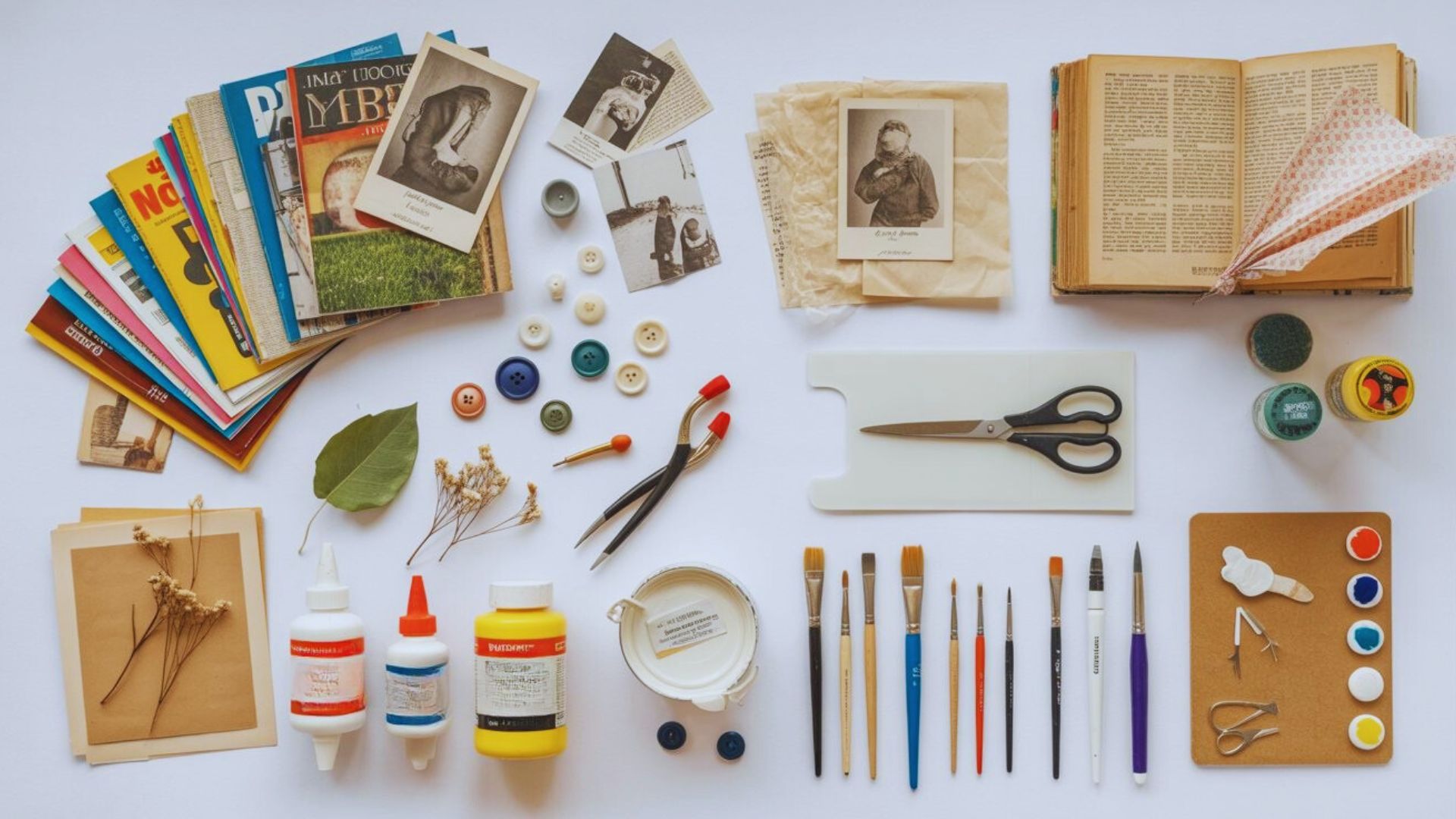
Most materials are probably already in your home. Magazines, newspapers, and old books provide image options. Photos add personal meaning. Tissue paper and wrapping paper bring color and texture.
Paint works as a background or accent. Found objects like buttons, beads, ticket stubs, dried leaves, or fabric scraps make your collage more interesting.
For tools, you’ll need scissors for cutting shapes and an X-Acto knife for precision work. Use a cutting mat to protect your table.
Glue sticks work for paper, while Mod Podge or acrylic medium seals and protects finished pieces. Brushes spread adhesive evenly, paint pens add details, and stencils create consistent shapes.
15 Easy Collage Art Ideas for Everyone
These ideas range from simple to complex. Pick what speaks to you and start creating.
1. Retro Revival
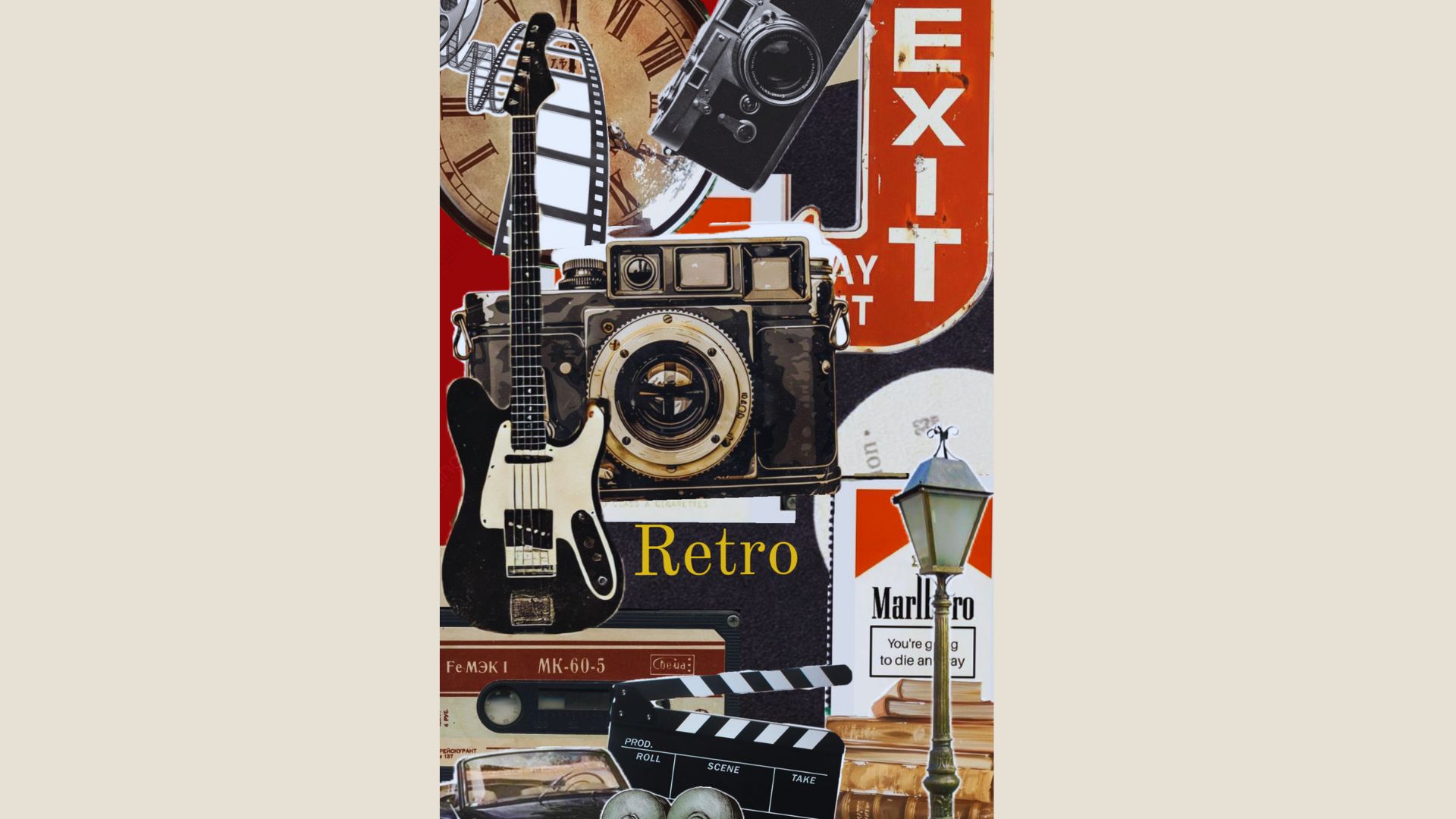
Pull out vintage magazines and old newspapers for this one. Focus on images from past decades. Sepia tones and faded colors create instant nostalgia.
Layer advertisements, old photos, and text from different eras. The worn quality of vintage materials adds character without extra effort.
2. Portraits with a Twist
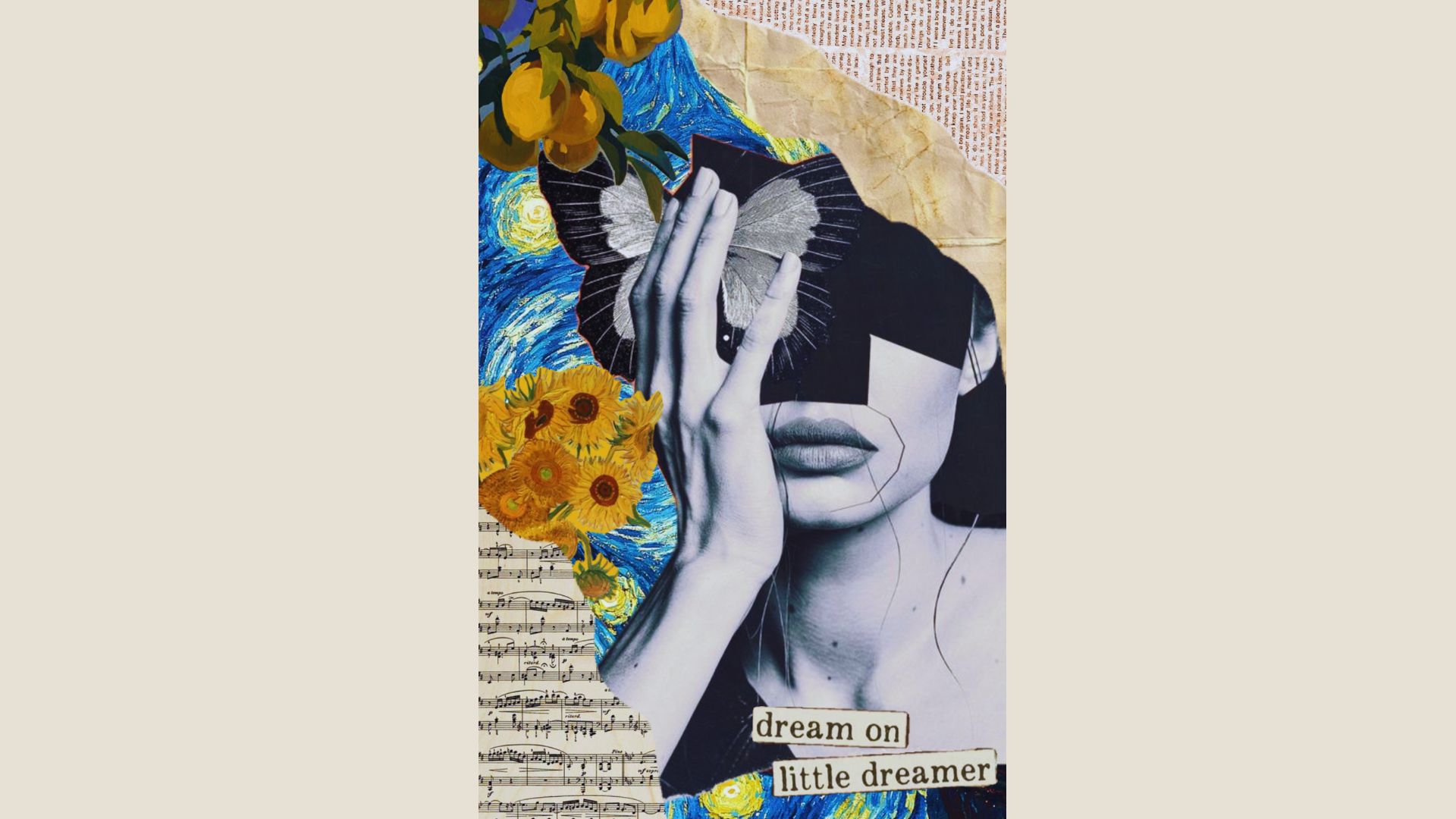
Cut out eyes from one photo, a nose from another, and a mouth from somewhere else. Mix them to create faces that shouldn’t exist but somehow work.
You can also replace facial features with objects. An apple for a head or flowers for hair makes people look twice.
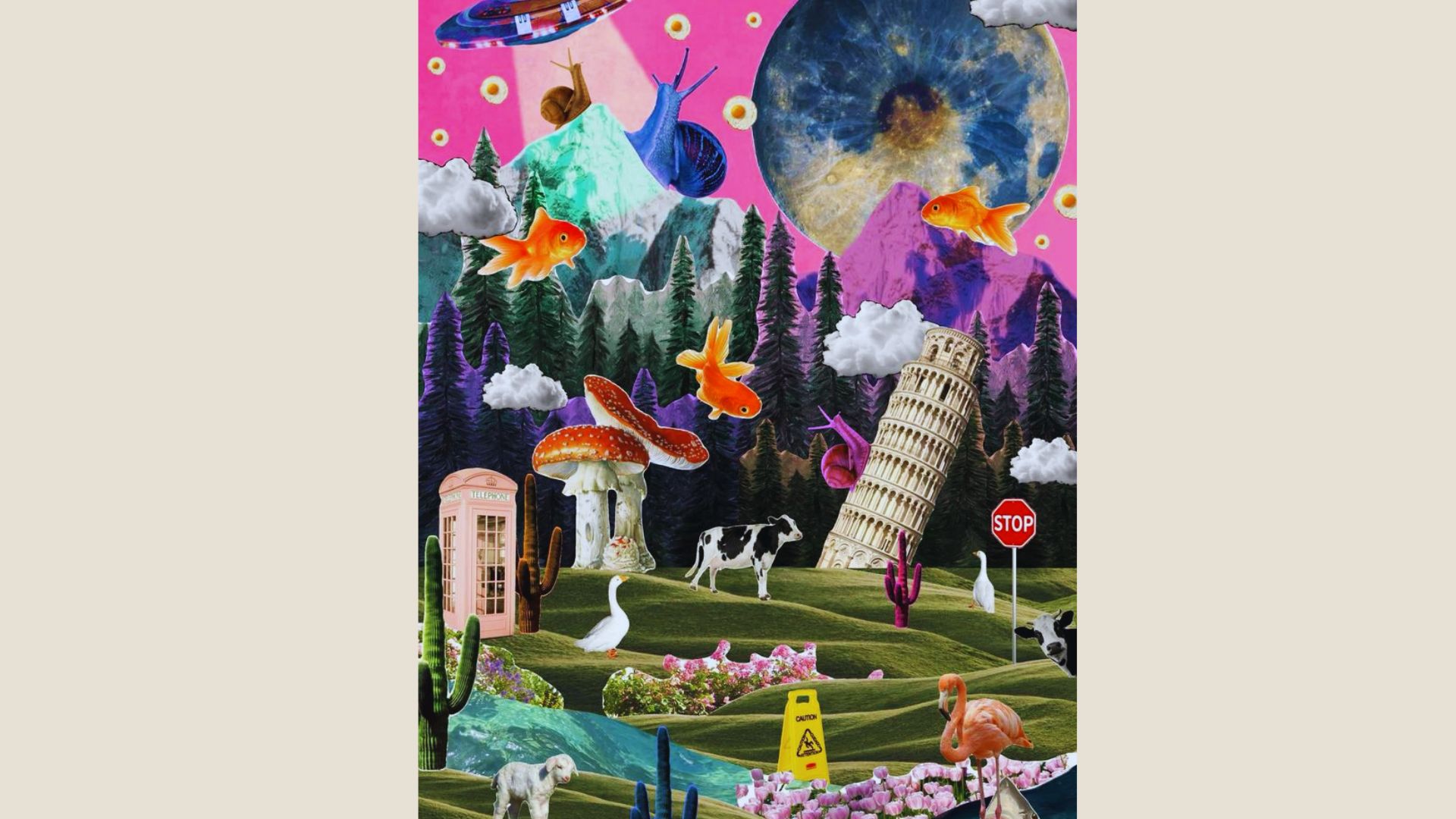
3. Surreal Dreamscape
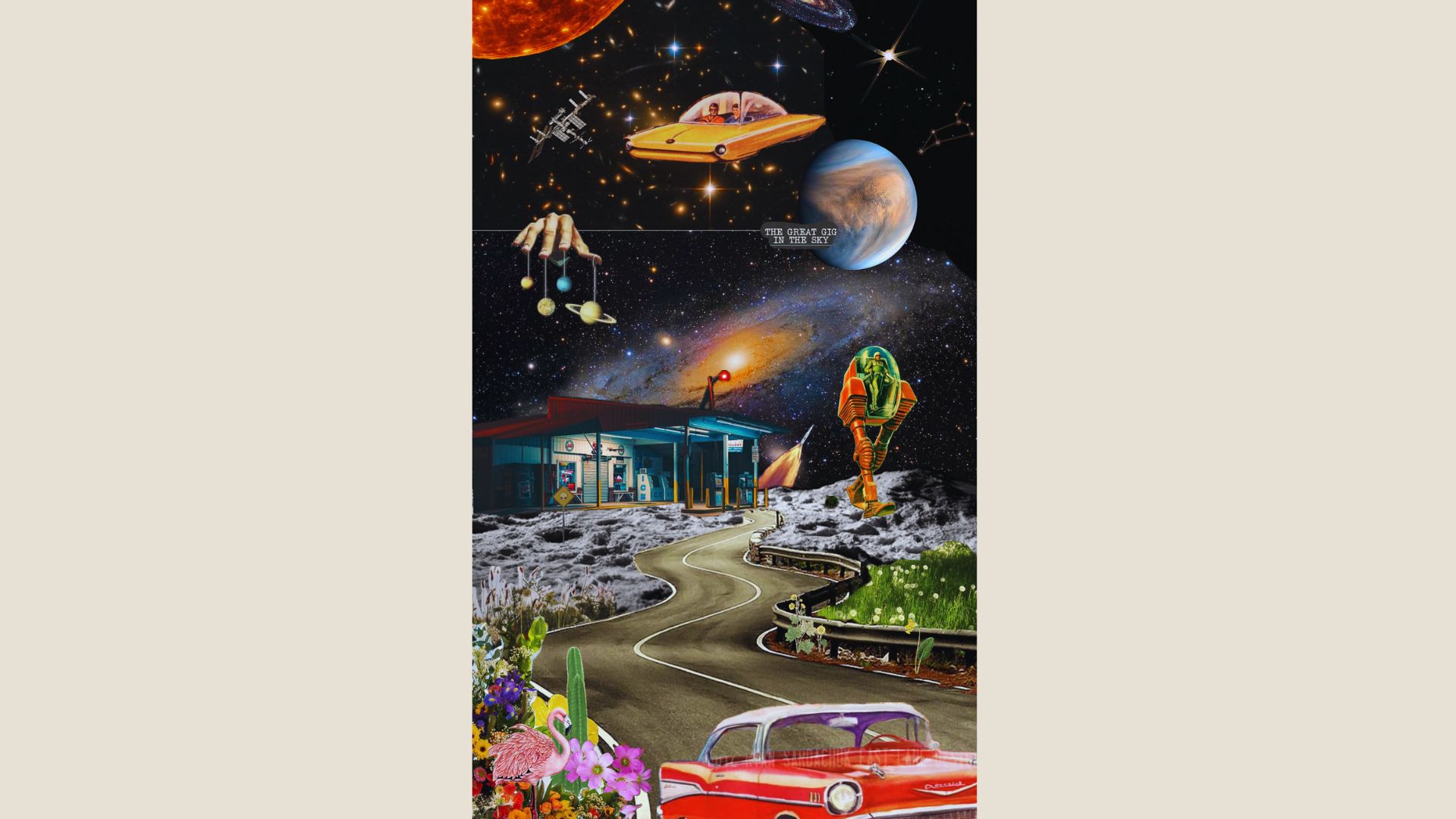
Combine things that don’t belong together. Put a whale in the desert or trees growing from clouds. The unexpected combinations make viewers think.
This style works well when you trust your instincts and ignore what’s realistic.
4. Miniature Worlds
Small objects become the stars here. Arrange tiny figurines, beads, or pieces of broken jewelry. Create little scenes inside bottle caps or on playing cards.
The small scale makes ordinary items feel special.
5. Photomontage Self-Portrait
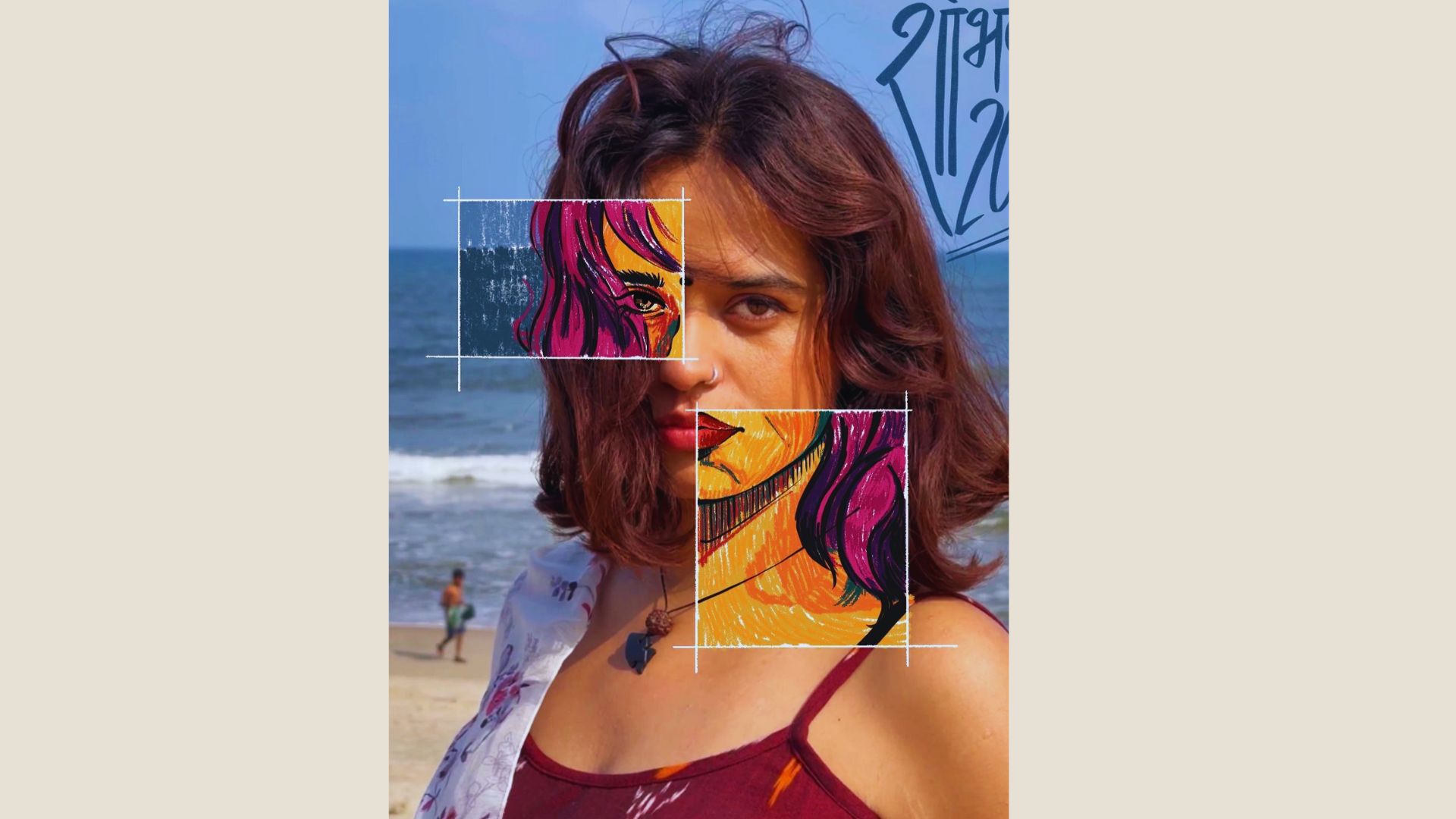
Print multiple photos of yourself at different angles or from different times. Cut them apart and reassemble them into a new version of you.
It’s a way to show different sides of your personality in one image.
6. Typography Collage
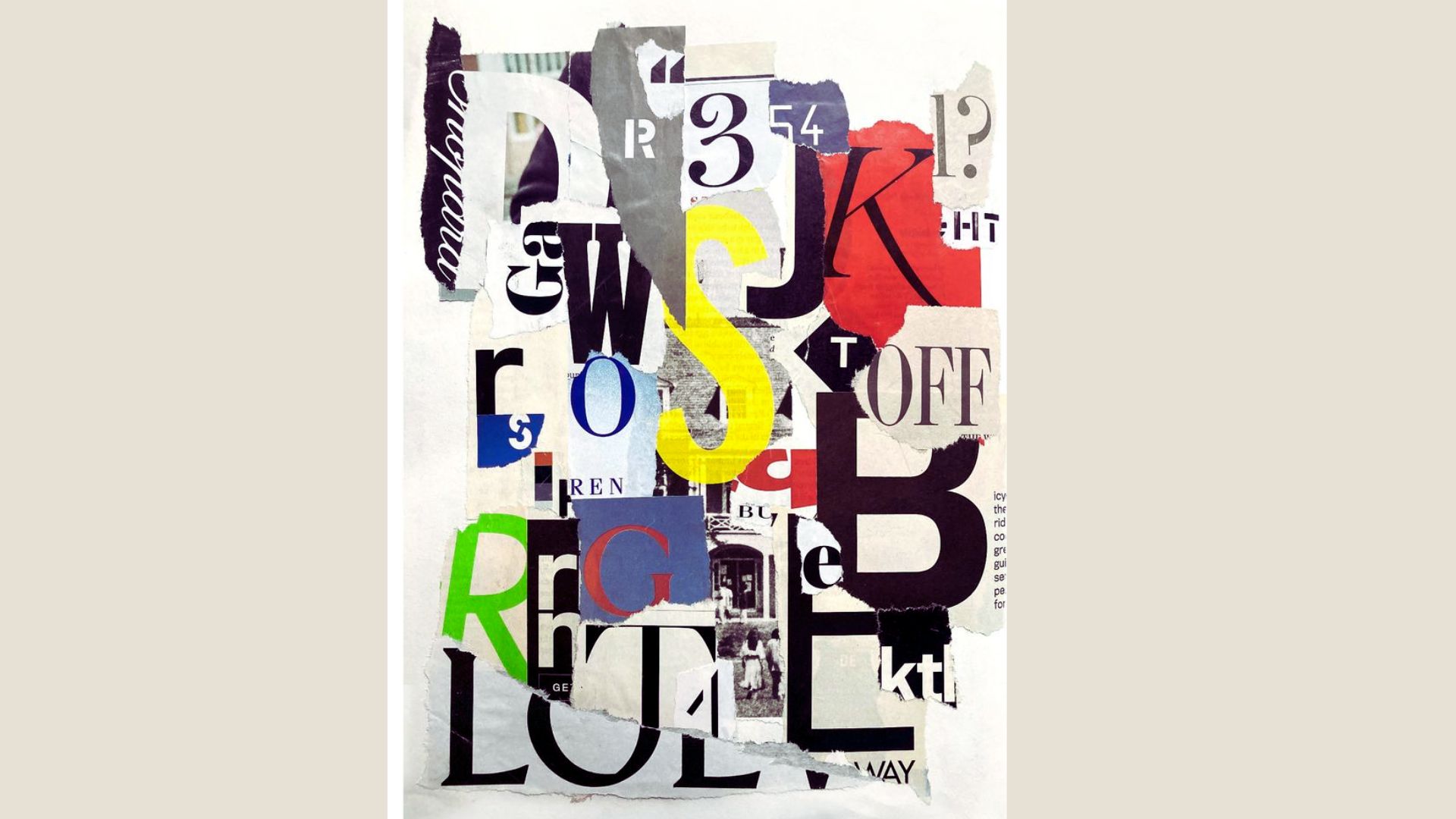
Words matter as much as images in this approach. Cut letters and phrases from magazines. Mix them with photos or drawings.
The text should interact with the visuals to create meaning. Quotes, song lyrics, or random words all work.
7. Cultural Fusion
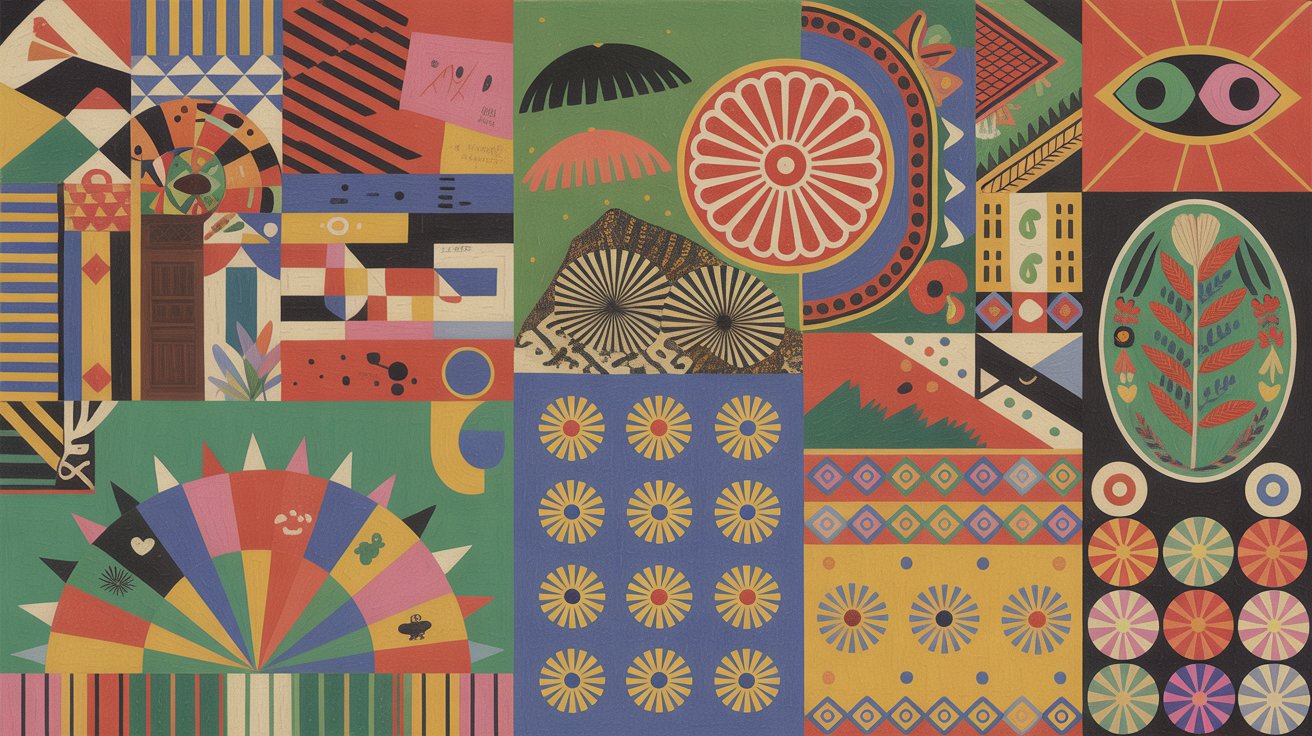
Blend patterns and symbols from cultures around the world. Japanese prints might sit next to African textiles and Mexican folk art.
The mix shows how different traditions can harmonize. Be respectful and thoughtful when borrowing from cultures not your own.
8. Cityscape Collage
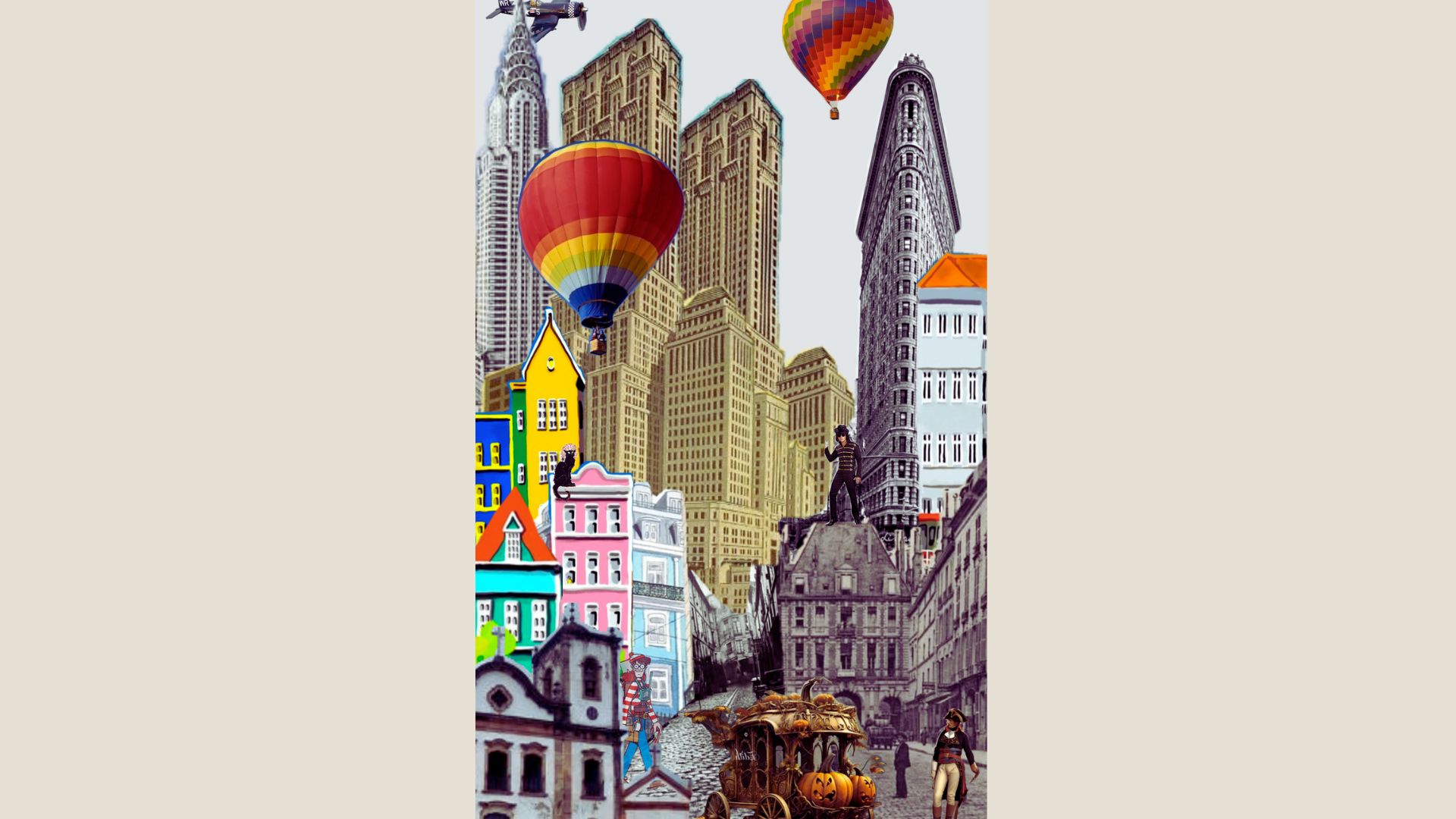
Capture the energy of urban life through images of buildings, streets, and people. Layer skyscrapers to create density.
Add signs, traffic, and bits of graffiti. The chaos of city living translates well to layered collage work.
9. Digital Remix
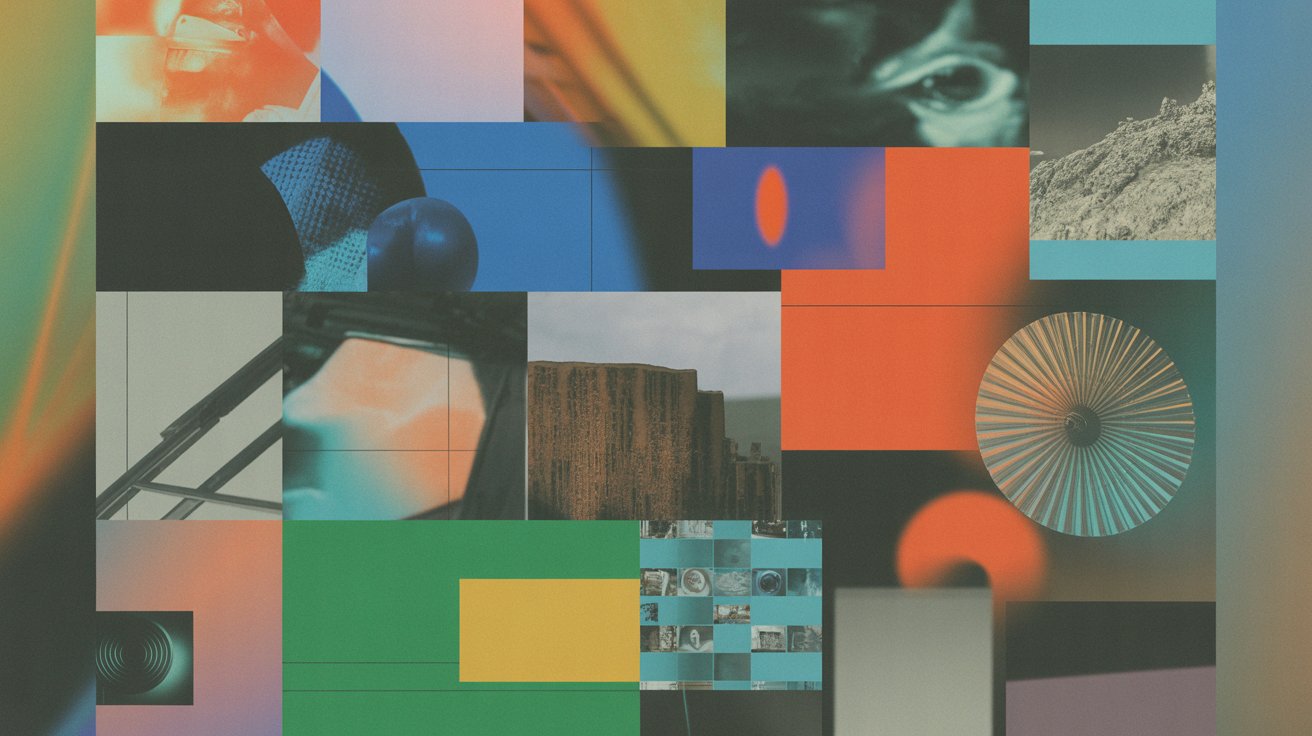
Use free software or phone apps to create collages on screen. You can copy, paste, and manipulate images without glue.
Digital work lets you undo mistakes and try multiple versions. Print your final design or keep it digital for social media.
10. Abstract Geometric
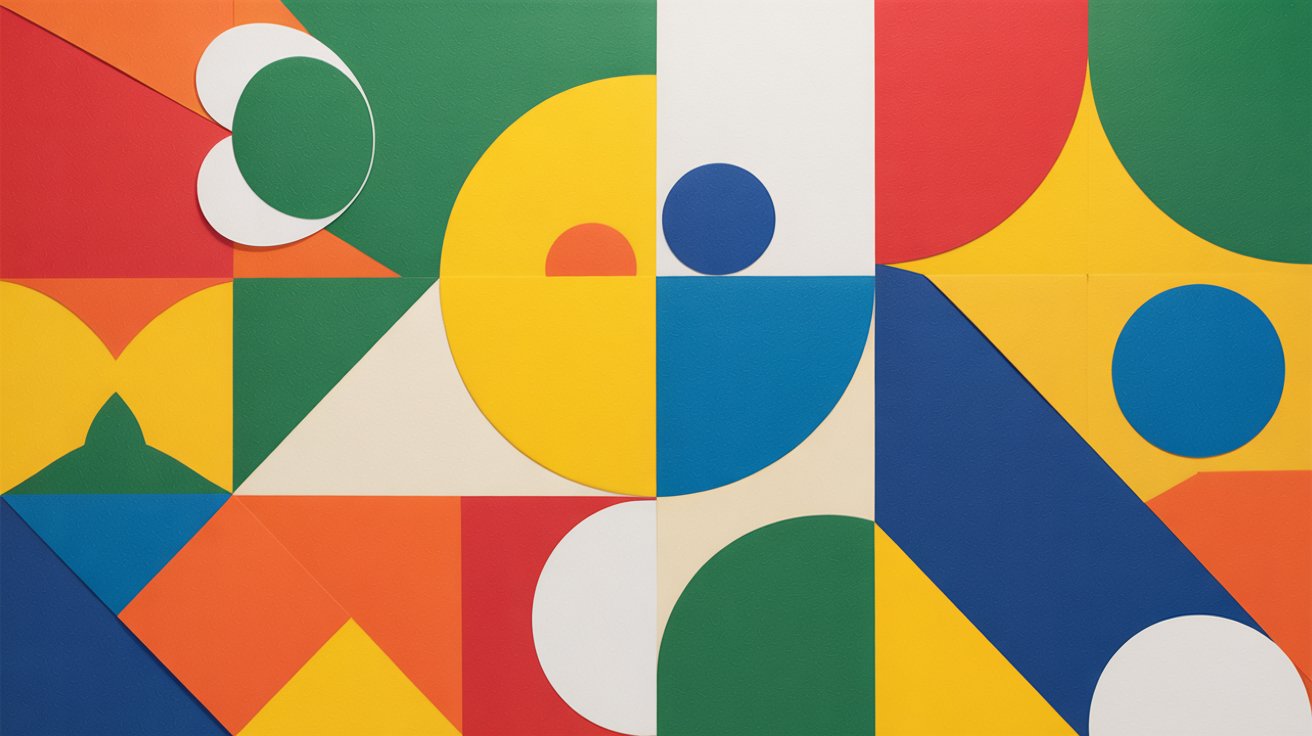
Cut precise shapes from colored paper or magazines. Circles, triangles, and rectangles become your building blocks.
Arrange them in patterns or let them overlap randomly. The clean lines create modern-looking art.
11. Travel Tales
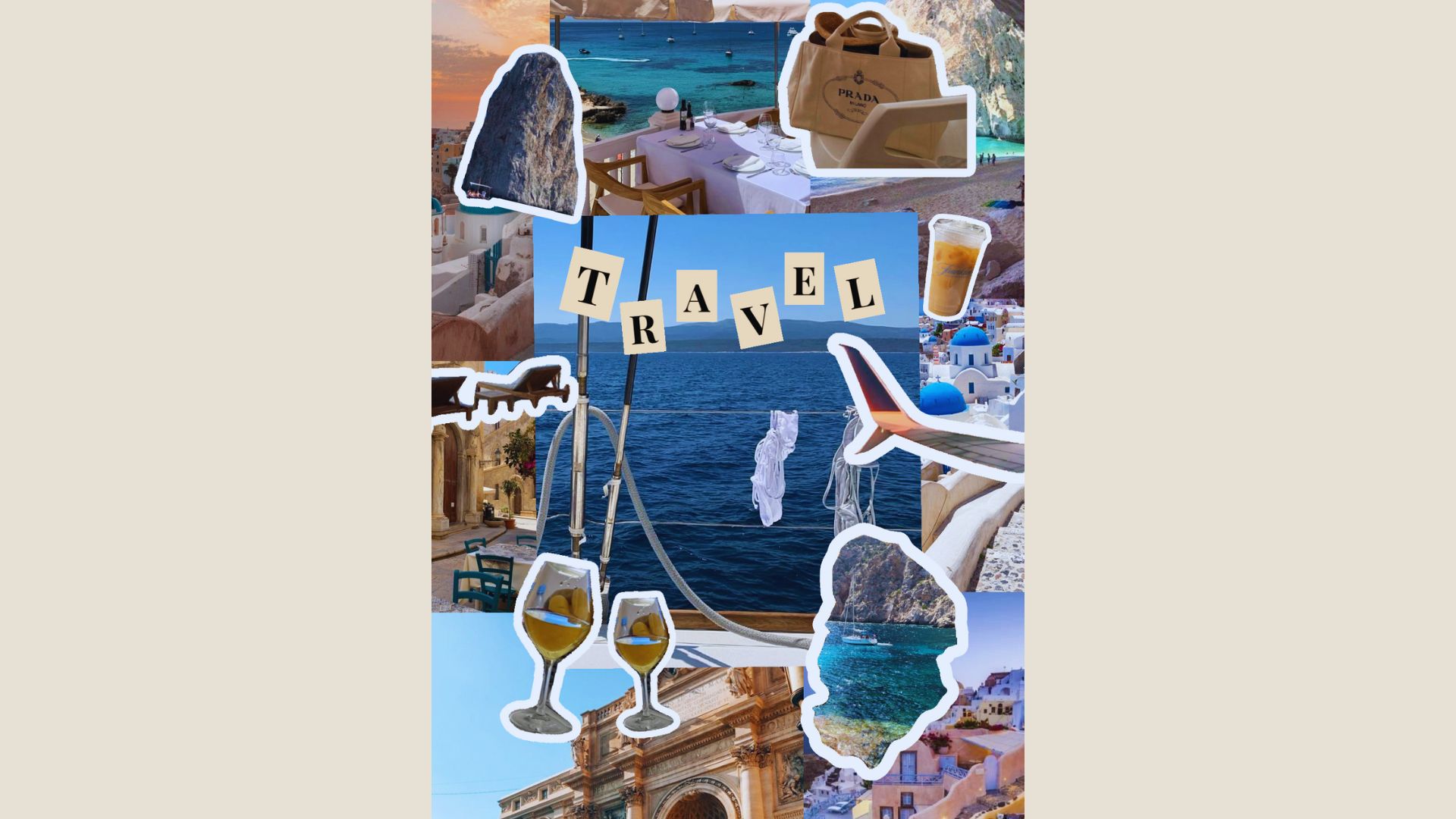
Save maps, tickets, postcards, and receipts from your trips. Combine them with photos from the same trip.
The physical objects trigger memories better than photos alone. This turns souvenirs into something you can hang on your wall.
12. Nature’s Symphony
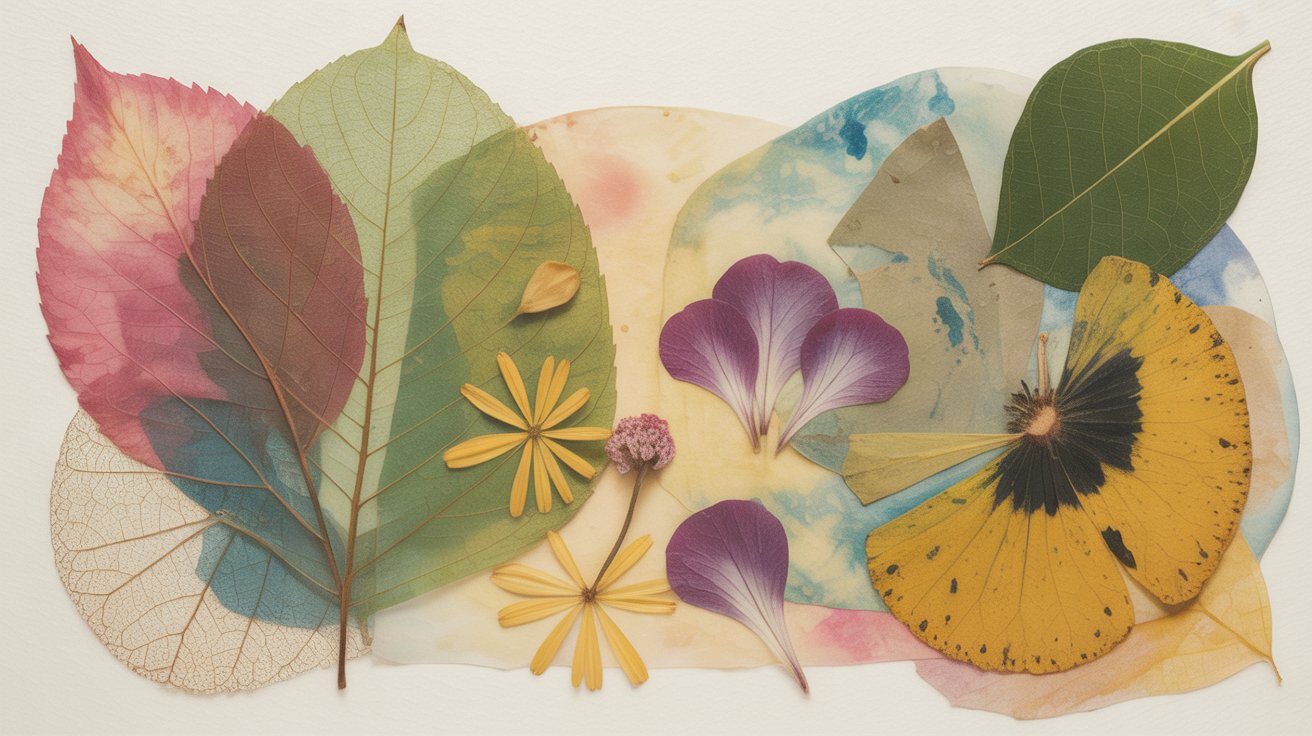
Collect leaves, flower petals, and other natural materials. Press them flat before gluing. Their organic shapes and textures contrast nicely with paper.
You can add drawings or paint to fill gaps between natural elements.
13. Family Photo Fun
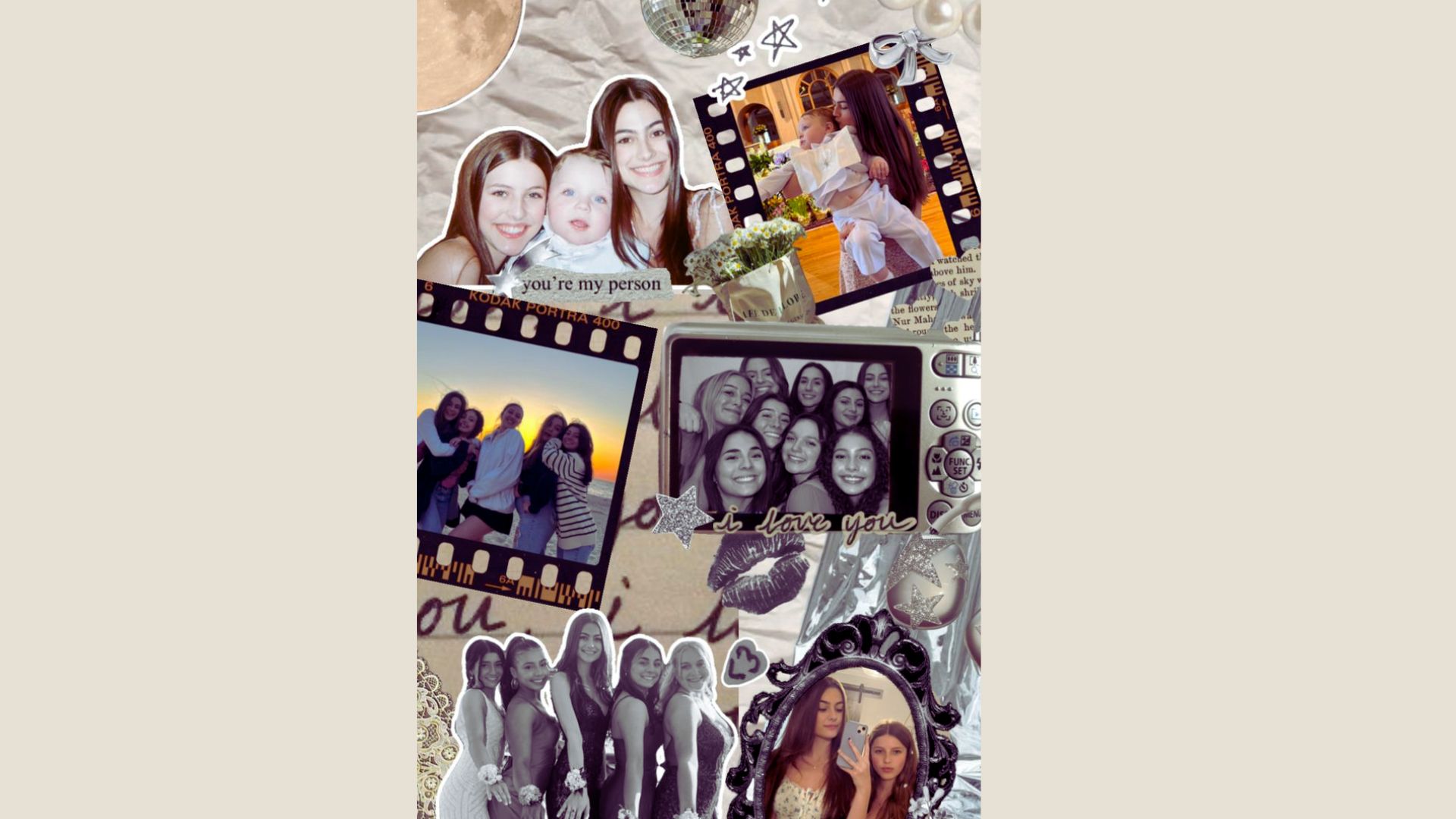
Take old family photos and give them new life. Add silly props, change the backgrounds, or combine people from different photos into one scene.
It’s a playful way to interact with family history.
14. Kid-Friendly Tissue Collage
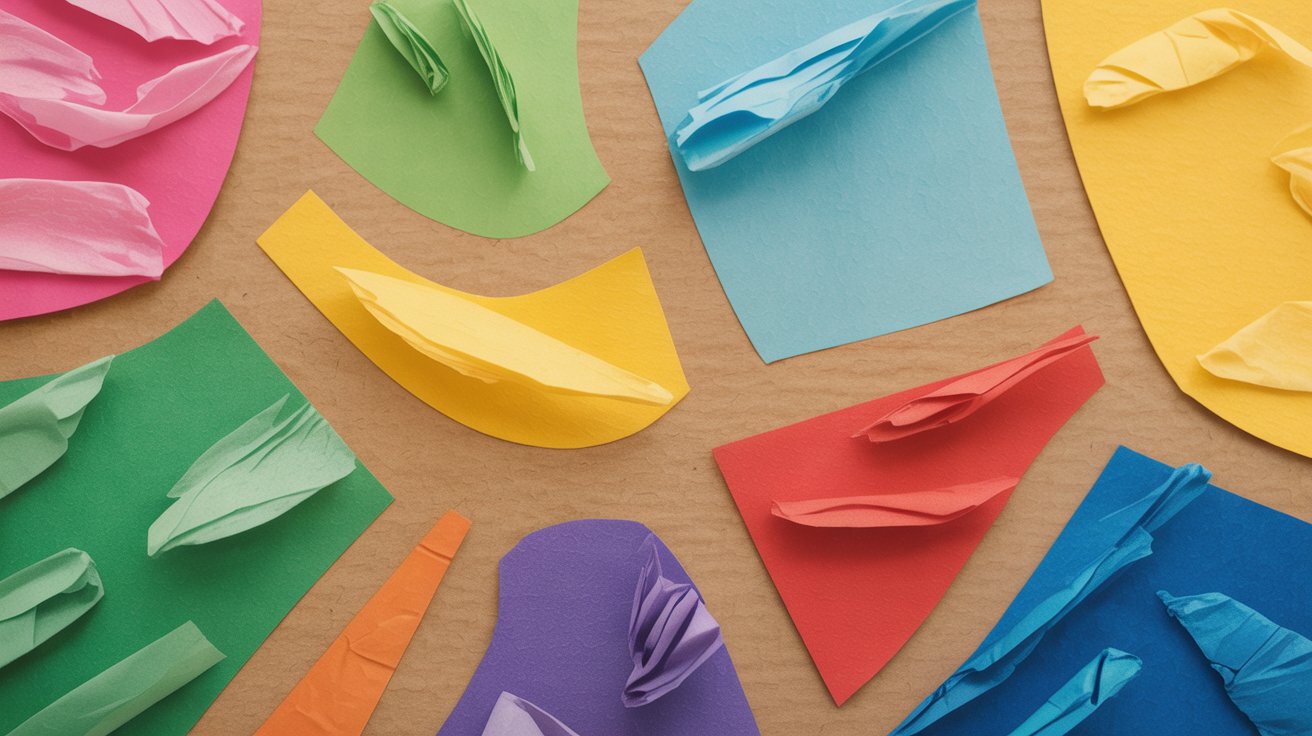
Kids can tear colored tissue paper into pieces without scissors. They glue the torn pieces onto cardboard or mat board.
Colors overlap and blend where tissue layers meet. The random tearing creates organic shapes that look intentional.
15. DIY Art Archive Collage
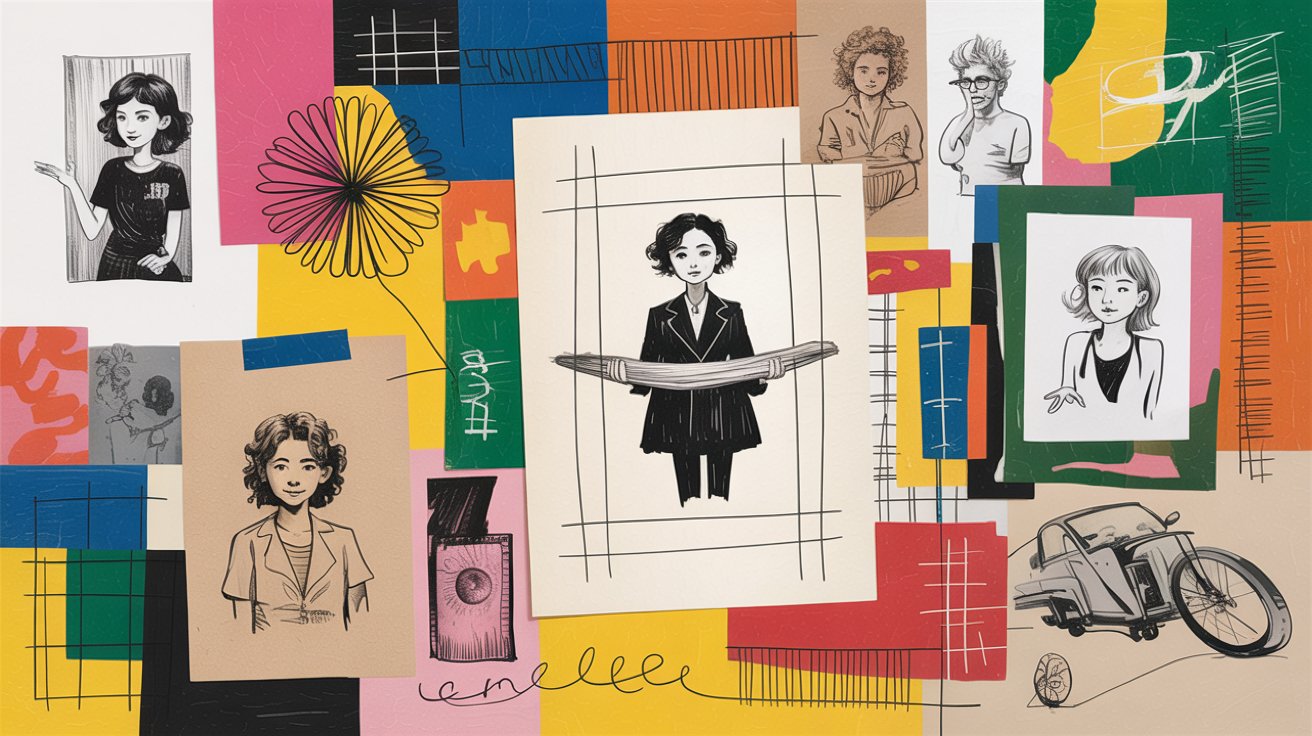
Scan or photocopy your old artwork, sketches, and doodles. Cut up the copies and reassemble them into something new.
It’s recycling your creativity and finding new connections between old ideas.
Tips for Creating Collage Art
These strategies will help you work more freely and get better results.
- Don’t plan everything before you begin. Tear paper and start laying pieces down. Cut shapes without knowing where they’ll go. Your hands often know what to do before your brain figures it out.
- Mix materials you wouldn’t normally combine. Put paint over photos, glue fabric next to magazine cutouts, and try color schemes even if they seem wrong. The best collages happen when you break your own rules.
- Add paint around your glued elements to tie them together. Use stamps to create patterns or glue on beads for texture. Drawing or writing on top adds another layer of meaning.
- Scan or photograph your finished collages before giving them away. Colors fade over time, and materials degrade, so a digital copy saves the work at its best.
- Print copies of your collages to share or use in other projects. Digital backups let you repurpose your work without damaging the original.
Conclusion
Collage art gives you freedom to create without rules or pressure. You already have most of what you need at home. Start with one of these 15 easy collage art ideas and see where it takes you.
I love how collage lets me use materials I would’ve thrown away and turn them into something I want to keep. Try a few techniques, mix them, and make them your own.
Share your finished work in the comments below or tag me on social media. I’d love to see what you create.
Frequently Asked Questions
What materials do I need to start collage art?
You need scissors, glue, and paper sources like magazines or newspapers. Add photos, colored paper, or found objects as you get more comfortable. Most supplies are free or very cheap.
Can kids make collage art safely?
Yes, collage is great for kids. Use child-safe scissors and non-toxic glue. Tissue paper collages work well because kids can tear instead of cutting. Always supervise young children with sharp tools.
How do I preserve my collage artwork?
Seal finished collages with Mod Podge or acrylic medium to protect them. Keep them away from direct sunlight to prevent fading. Take photos or scan them to create digital backups.
What’s the difference between analog and digital collage?
Analog collage uses physical materials you cut and glue by hand. Digital collage uses computer software to combine images on screen. Both create similar results but feel different to make.
Do I need artistic skills to create collages?
No special skills are required. Collage is about combining materials in ways that feel right to you. The process matters more than perfect technique. Anyone can make meaningful collage art.
