

Picking the right cartoon art style can feel confusing. There are so many options, and it is hard to know where to start.
This article breaks down 13 cartoon art styles every artist and creator should know. You will learn what makes each style different, who it works best for, and how to choose the one that fits your goals.
We have also covered how to improve your skills and which style to start with based on your level. With hands-on creative experience behind this guide, you can trust the information here is practical and straightforward.
No fluff. Just real, useful guidance.
What Are Cartoon Art Styles?

Cartoon art styles are the visual approaches artists use to create characters, scenes, and stories in a non-realistic way. Each style has its own look, feel, and purpose.
Cartoon art started with hand-drawn illustrations on paper. Early animators used ink and paint to bring characters to life frame by frame. Over time, artists moved from paper to tablets and software. Today, styles range from simple doodles to full 3D animation.
The tools changed, but the core idea stayed the same: tell a story through visuals.
The style you choose affects how people feel about your work. A bold, colorful style grabs attention fast. A soft, minimal style feels calm and clean.
The right style builds a connection with your audience and shapes your brand identity. Style is not just about looks. It is about communication.
13 Best Cartoon Art Styles for Artists & Creators
Here is a closer look at the 13 best cartoon art styles, with what makes each one stand out and where it works best.
1. Classic Hand-Drawn Style
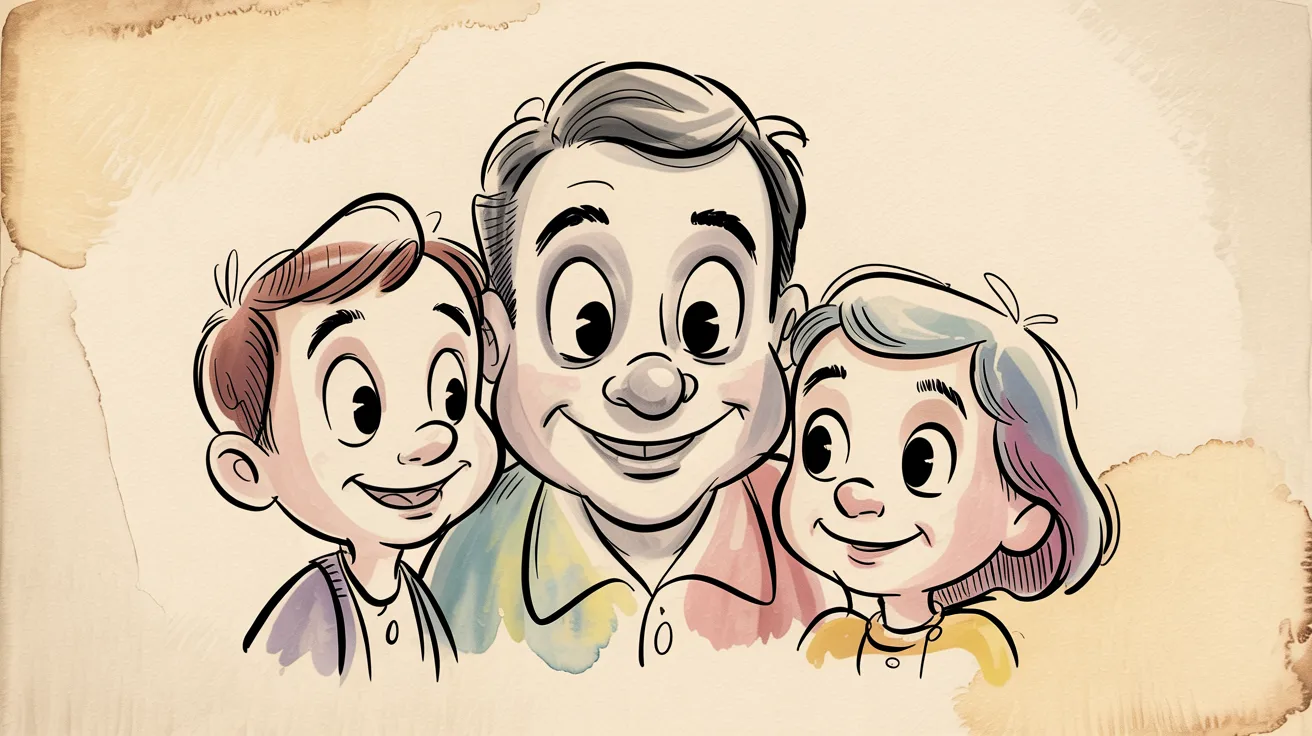
The classic hand-drawn style is one of the oldest forms of cartoon art. It uses clean lines, expressive faces, and smooth movement to tell stories.
Think of early Disney films or classic Saturday morning cartoons. Artists draw each frame by hand, giving the characters a warm and personal feel.
Key features:
- Clean, confident line work
- Expressive facial details
- Fluid, natural movement
Best use cases: Traditional animation, illustrated books, editorial art
Why artists love it: It feels personal and authentic. Every line has a human touch that digital tools can sometimes miss. Many artists still prefer this style for that reason.
2. Rubber Hose Style

Rubber hose is a fun, bouncy style that came from the early 1900s. Characters have long, flexible limbs with no joints. Arms and legs look like, well, rubber hoses.
This gave early animators freedom to exaggerate movement without worrying about anatomy.
Key features:
- Bendy, jointless limbs
- Round, simple shapes
- Expressive, often circular eyes
Best use cases: Retro-themed projects, music videos, fun brand mascots
Why artists love it: It’s playful and nostalgic. The style instantly stands out and works well for projects that want a vintage cartoon feel without being too serious.
3. Modern Digital 2D Style
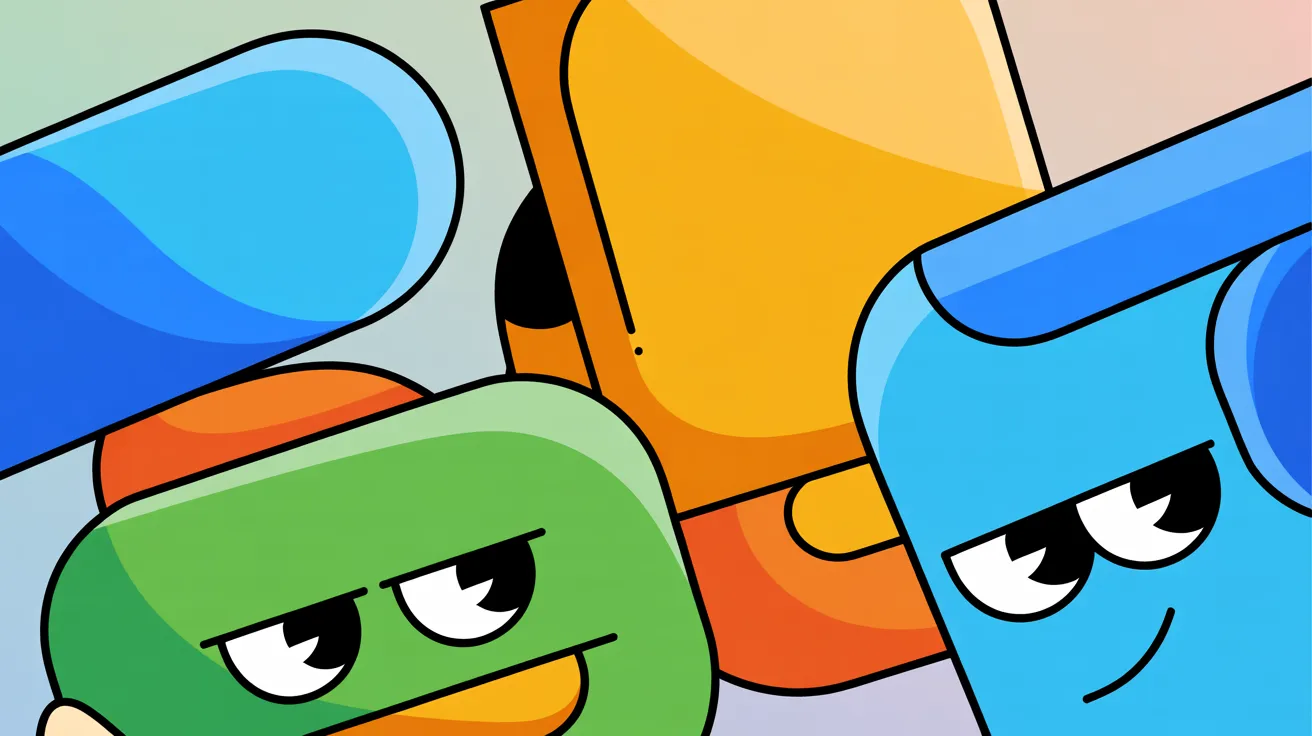
This is one of the most popular styles today. It uses vector graphics, bold colors, and clean shapes. You’ve seen it in explainer videos, social media content, and streaming shows.
Software like Adobe Illustrator or Procreate makes this style fast and scalable.
Key features:
- Vector-based, sharp lines
- Bold, flat colors
- Versatile for many formats
Best use cases: Explainer videos, YouTube content, app design, brand illustration
Why artists love it: It’s clean, professional, and works on any screen size. It’s also easy to edit and update, which is great for commercial projects.
4. Minimalist Cartoon Style
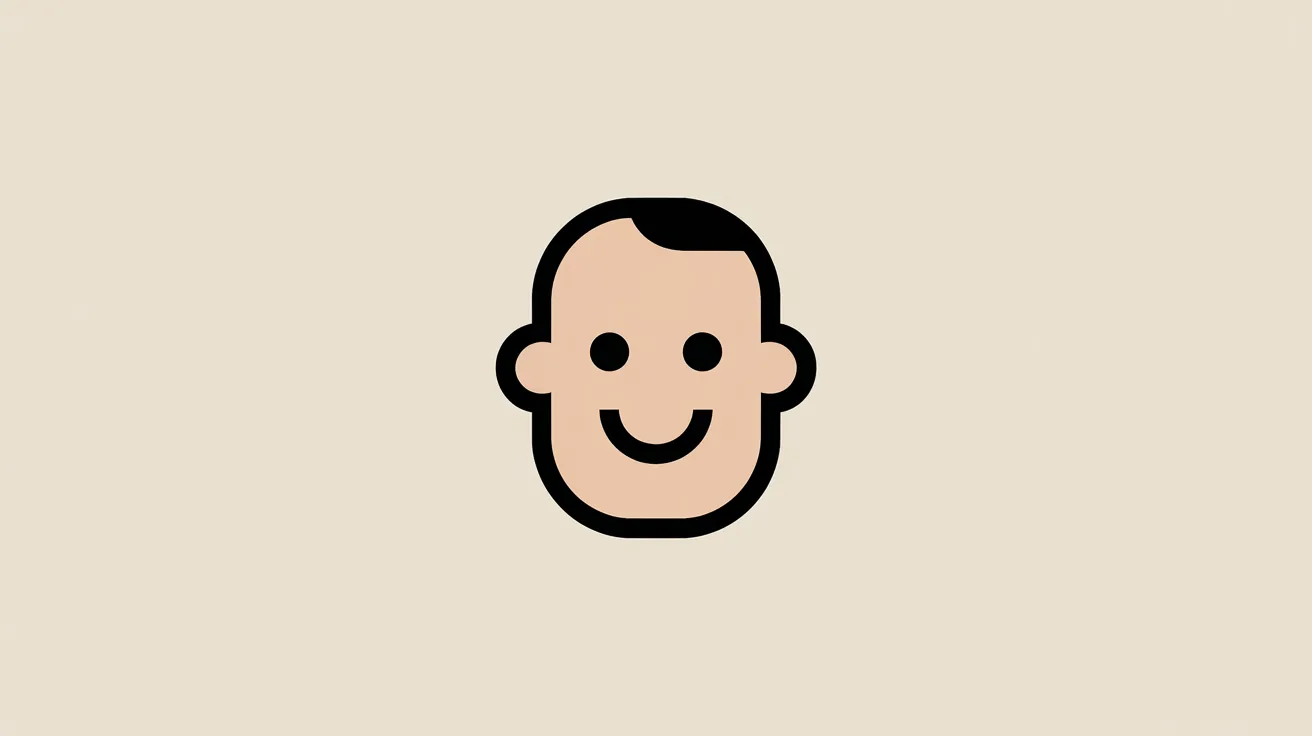
Less is more with this style. Minimalist cartoons use simple shapes, limited colors, and very little detail.
The goal is to say more with less. A circle for a head, two dots for eyes, a curved line for a smile. That’s often all it takes.
Key features:
- Basic geometric shapes
- Small color palette
- No unnecessary details
Best use cases: Branding, app icons, infographics, social media posts
Why artists love it: It’s approachable for beginners and effective for professionals. Simple designs often communicate faster than complex ones.
5. Anime Style
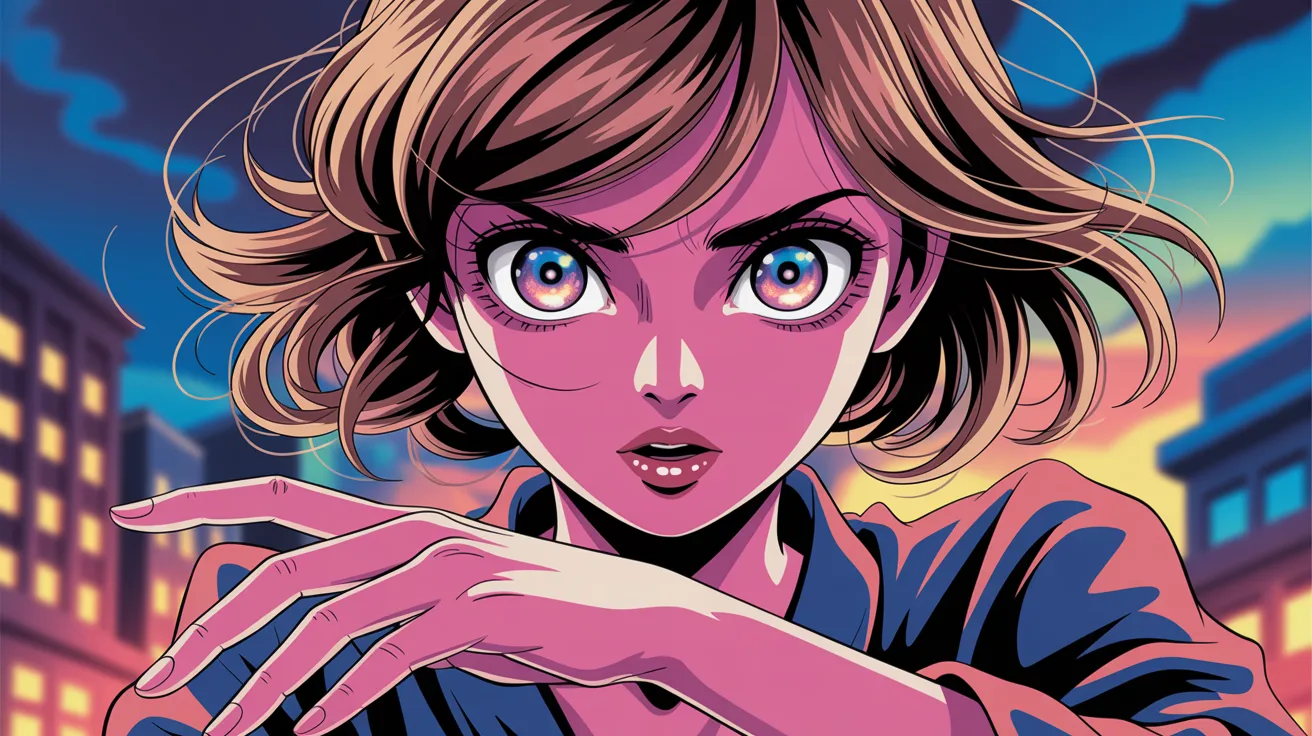
Anime is a Japanese animation style that has grown into a global art form. It’s known for large, expressive eyes, detailed hair, and dynamic action poses.
The style covers a wide range, from soft and romantic to intense and action-packed.
Key features:
- Large, detailed eyes
- Dynamic body poses
- Strong emotional expressions
Best use cases: Animation series, fan art, webtoons, game design
Why artists love it: Anime has a massive global audience. Mastering this style opens doors to a huge creative community and many commercial opportunities.
6. Manga Style
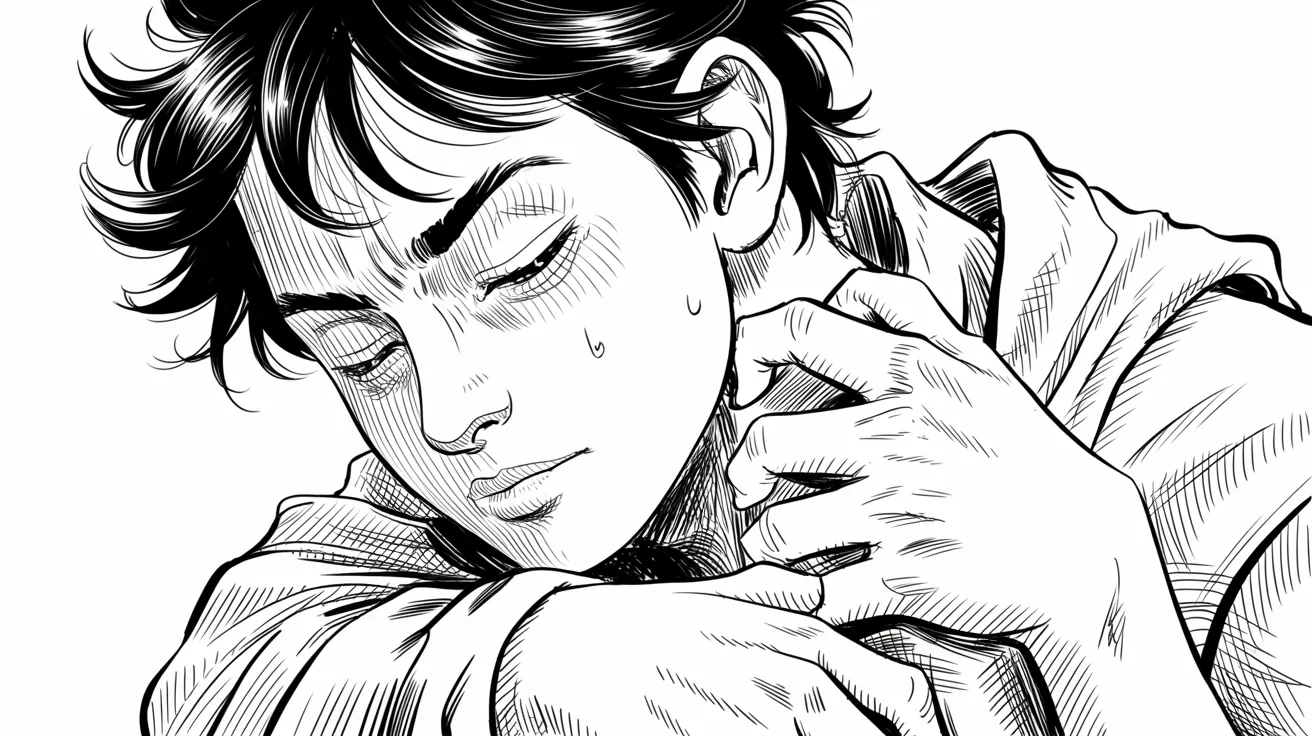
Manga is closely related to anime but focuses more on comic art than animation. Manga uses detailed line work, screen tones, and panel layouts to tell emotional stories.
It’s mostly black and white, which puts the focus on line quality and composition.
Key features:
- Detailed, expressive line work
- Strong use of black and white
- Panel-based storytelling
Best use cases: Graphic novels, comic books, webtoons
Why artists love it: Manga lets artists tell complex, emotional stories with great depth. The level of detail and storytelling craft required makes it one of the most respected art forms in comics.
7. Chibi Style

Chibi comes from Japanese slang meaning small or short. In art, it means characters with oversized heads and tiny bodies.
The style is super cute and full of energy. It’s used a lot in merchandise, stickers, and casual fan content.
Key features:
- Big head, small body ratio
- Simple, round features
- Very expressive emotions
Best use cases: Stickers, merchandise, social media, fan art
Why artists love it: Chibi is fun and fast to draw. It works great for adding personality to characters without getting into complex anatomy.
8. Realistic Cartoon Style
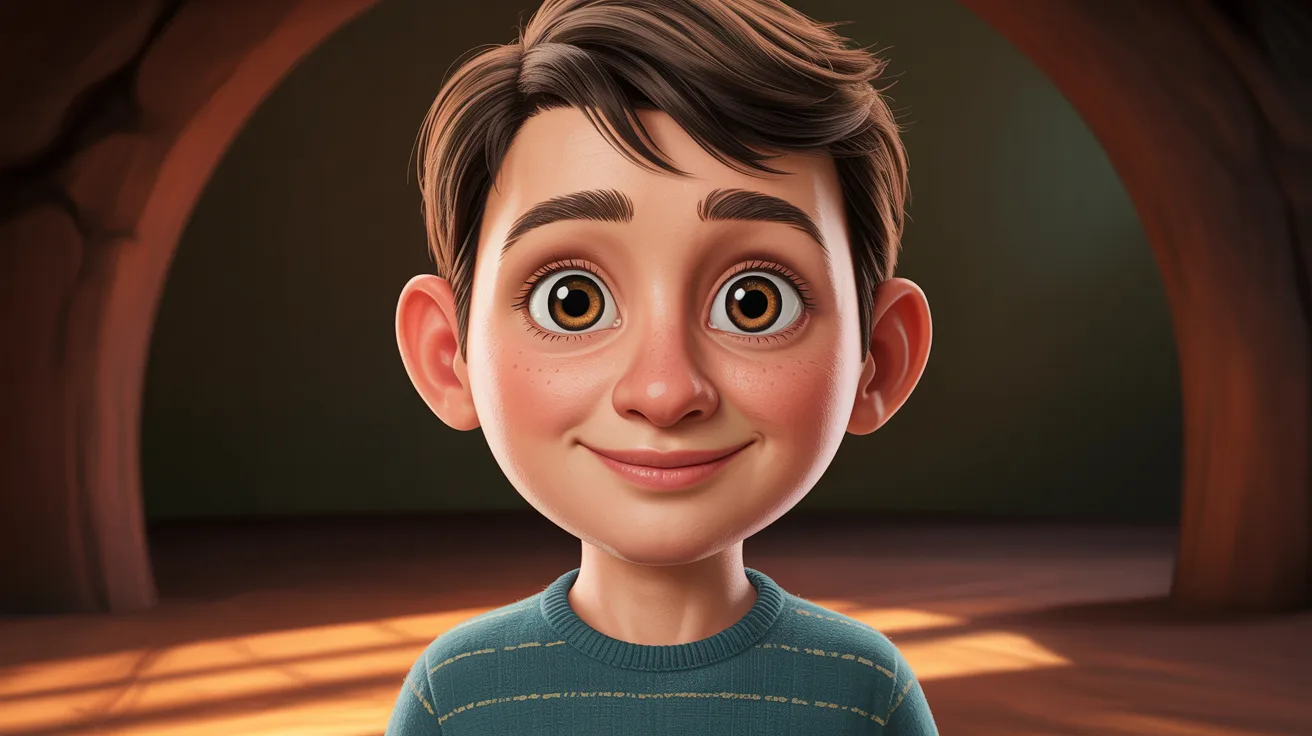
This style blends realistic proportions with cartoon simplification. Characters look almost real but still have that stylized cartoon quality.
Think of films like “The Incredibles or Spider-Man: Into the Spider-Verse”. The result is a cinematic, story-driven look.
Key features:
- Realistic body proportions
- Detailed facial expressions
- Strong use of light and shadow
Best use cases: Animated films, short films, cinematic storytelling
Why artists love it: It allows for deep emotional storytelling. Characters feel real and relatable while still existing in a cartoon world.
9. 3D Cartoon Style
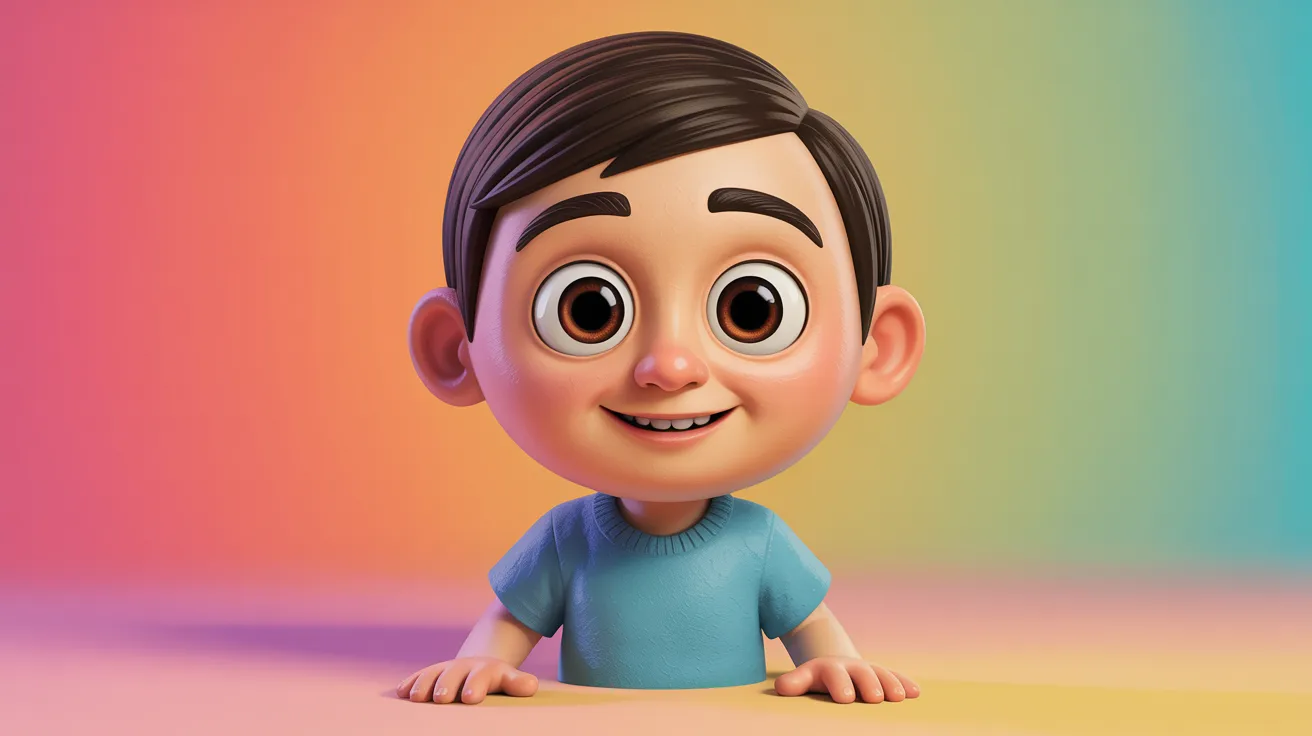
3D cartoon art uses computer-generated imagery to create depth, volume, and lifelike movement. Every shape has dimension. Light bounces off surfaces.
Characters move in three-dimensional space. This style dominates big-budget animated films and major ad campaigns.
Key features:
- Three-dimensional depth and volume
- Realistic lighting and shadows
- Smooth, lifelike movement
Best use cases: Animated films, TV commercials, video games, virtual reality
Why artists love it: The output looks polished and professional. It also opens up huge career opportunities in film, gaming, and advertising.
10. Sketch & Doodle Style
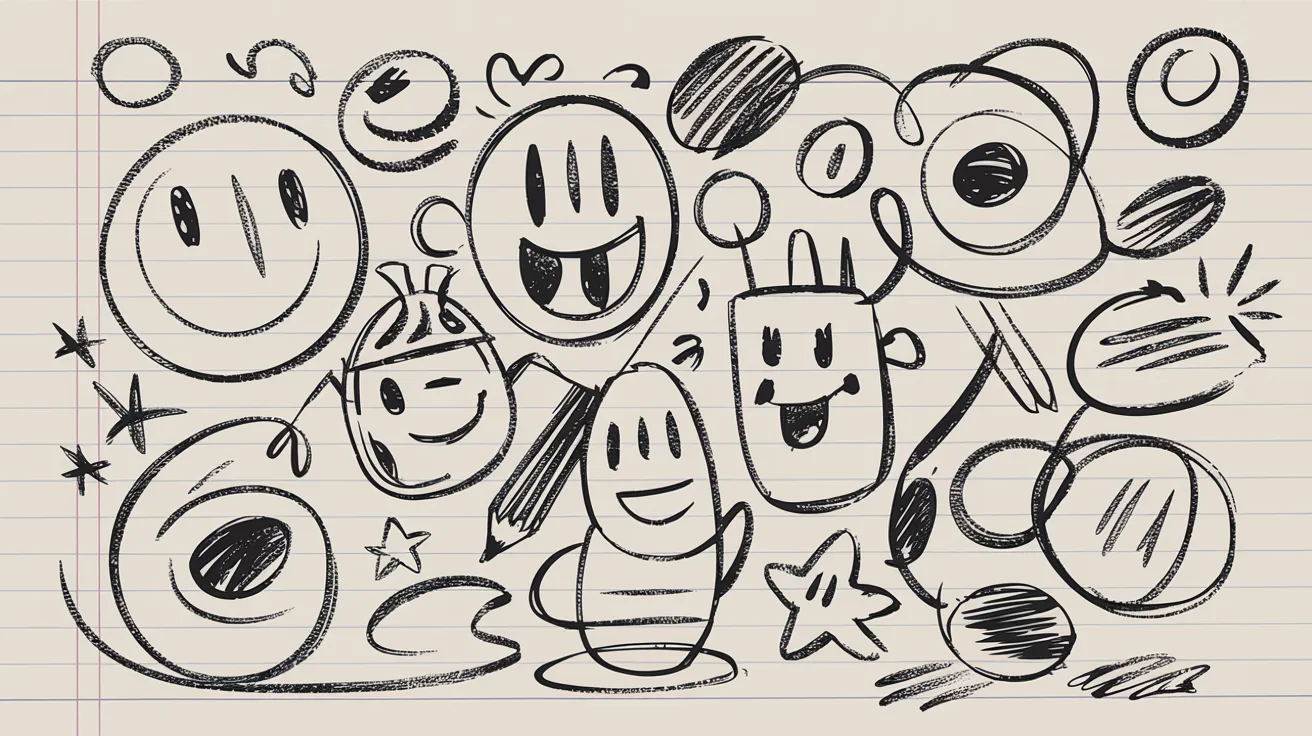
This style keeps things raw and loose. Lines are rough, shapes are imperfect, and that’s the point. It looks like something drawn quickly in a notebook.
That informal energy is exactly what makes it so appealing.
Key features:
- Rough, hand-drawn lines
- Imperfect shapes and textures
- Casual, energetic feel
Best use cases: Art journals, informal social media content, creative branding
Why artists love it: It’s freeing. There’s no pressure to make things perfect. The style feels honest and personal, which connects well with audiences looking for authenticity.
11. Retro/Vintage Style

This style pulls from the design language of the 1950s through the 1980s. Think bold outlines, muted color palettes, halftone dots, and fonts that feel like they belong on an old poster.
It’s nostalgic, charming, and highly recognizable.
Key features:
- Muted, warm color palettes
- Halftone textures and grainy effects
- Bold, classic typography pairings
Best use cases: Posters, branding for retro-themed brands, music artwork
Why artists love it: Nostalgia is powerful. This style instantly triggers warm memories and creates a strong emotional response in viewers.
12. Caricature Style

Caricature art exaggerates facial features for comic or satirical effect. A big nose gets bigger. A strong jawline becomes extreme.
The style captures the essence of a person in an exaggerated way that’s instantly recognizable.
Key features:
- Over-exaggerated facial features
- Strong personality expression
- Often humorous in tone
Best use cases: Political satire, editorial illustration, portrait caricatures, event art
Why artists love it: It’s one of the most expressive art forms around. Getting a caricature right takes real skill, and the result is always entertaining.
13. Mixed Media Style
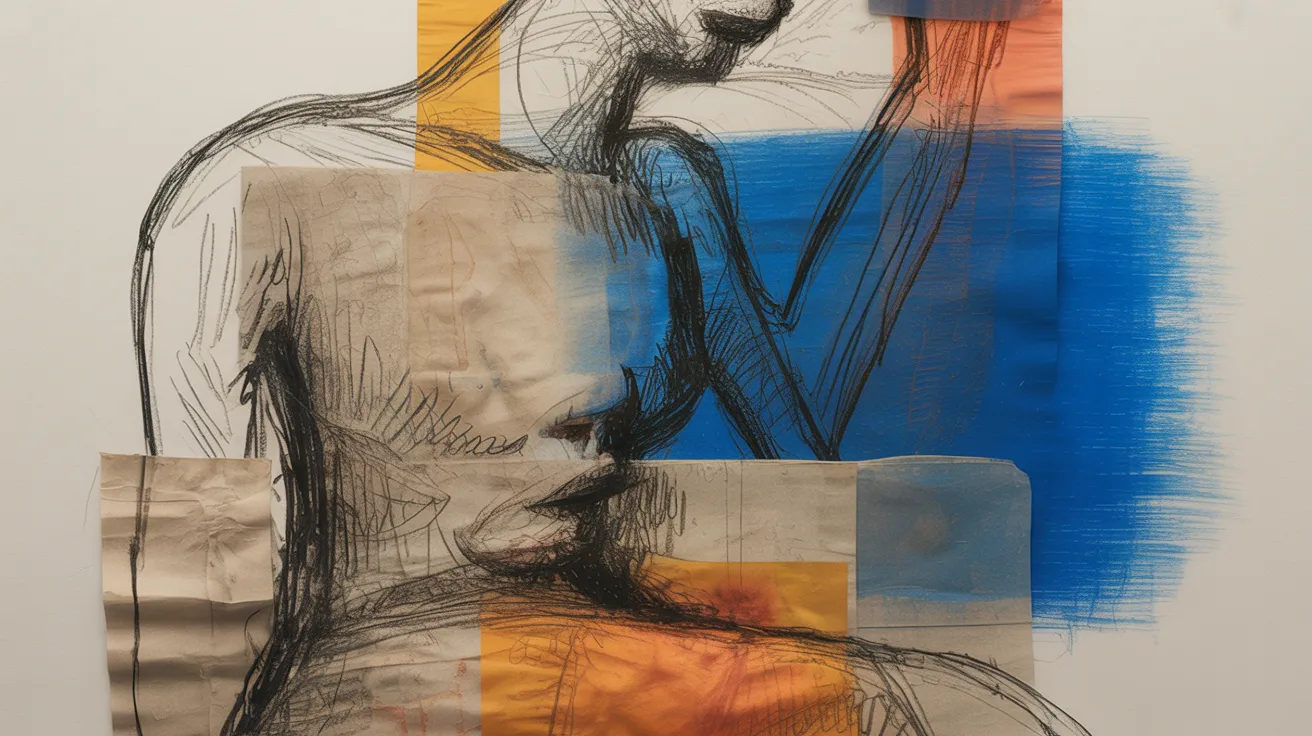
Mixed media combines two or more art styles or techniques in one piece. You might see watercolor textures mixed with digital line art, or hand-drawn characters placed over photographic backgrounds.
The result is something that doesn’t fit into any single category.
Key features:
- Combines multiple techniques or styles
- Often includes both digital and traditional elements
- Highly experimental and personal
Best use cases: Art installations, music videos, experimental short films, editorial work
Why artists love it: It breaks rules. There’s no limit to what you can create. Mixed media lets artists push boundaries and build a completely personal visual voice.
How to Choose the Right Cartoon Art Style

Choosing the right style depends on more than just looks. Here are four key factors to guide your decision.
Based on Your Skill Level
Beginners should start with minimalist, doodle, or chibi styles. These do not require complex anatomy or advanced software.
Intermediate artists can try anime or modern 2D. Advanced creators can take on realistic cartoon, 3D, or mixed media styles.
Based on Your Project Type
Match the style to the goal. Minimalist and chibi work well for social media. Classic hand-drawn or anime suits animation.
Branding calls for clean digital 2D or retro. Comics and graphic novels fit best with manga or realistic cartoons.
Based on Your Target Audience
Kids connect with chibi, rubber hose, and classic hand-drawn styles. Teens and young adults lean toward anime and manga.
Adults and professionals often prefer minimalist or realistic cartoons. Niche communities tend to enjoy retro, mixed media, or doodle styles.
Based on Brand or Personal Style
Your style should reflect your tone and message. Playful brands suit rubber hose or chibi. Modern brands fit clean digital 2D.
Creative personal brands can mix styles freely. Always think about the message before picking a direction.
Tips to Improve Your Cartoon Art Skills
The right habits make a real difference when you are learning cartoon art.
- Practice Multiple Styles and do not lock yourself into one too early. Each style you try teaches you something new and makes you a stronger artist overall.
- Study Popular Artists by following top creators in your preferred style on social media. Watch how they handle proportion, color, and line weight to train your eye.
- Experiment With Tools like Procreate, Clip Studio Paint, or traditional pencil and paper. Find what feels natural and do not be afraid to switch things up as you grow.
- Get Feedback From Others by sharing your work in online groups or art communities. Honest input helps you spot blind spots and improve much faster than practicing alone.
- Develop Your Own Style by letting your influences naturally blend together over time. Keep drawing, keep experimenting, and trust your own instincts as your voice grows.
Conclusion
I have spent a lot of time studying cartoon art styles, and honestly, the hardest part is just picking one and starting.
Every style on this list has something to offer, and you do not need to master all of them. Pick one that excites you, spend time with it, and build from there. Your style will grow as you do.
If this guide helped you, drop a comment below and let me know which style you are going to try first. Share this with a fellow artist who needs a nudge!
Frequently Asked Questions
What is the easiest cartoon art style to learn?
The minimalist cartoon style is one of the easiest to learn. It uses simple shapes and limited details, making it great for beginners who are just starting out.
Which cartoon art style is best for social media content?
Chibi, minimalist, and doodle styles work very well on social media. They are quick to create, visually clear, and easy to adapt to different post formats.
Can I mix two cartoon art styles together?
Yes, you can. Mixed media and experimental approaches often combine elements from different styles. Many artists blend styles to build a personal look that feels original.
How long does it take to learn a cartoon art style?
It depends on the style and how often you practice. Simple styles like chibi or minimalist can take a few weeks to get comfortable with. More complex styles like 3D or realistic cartoons may take months or years.
Do I need expensive software to create cartoon art?
No, you do not. Free tools like Krita or Medibang Paint are solid options for beginners. As your skills grow, you can invest in tools like Procreate or Adobe Illustrator if needed.
