


Choosing the right wood can make or break your carving project. I learned this when my first carved bowl cracked right down the middle.
I’ve spent years testing dozens of wood types and making every mistake possible. I’ve broken tools on woods too hard, watched details crumble in woods too soft, and wasted money on beautiful pieces that turned out impossible to carve.
Now I know exactly which woods work. In this guide, I’m sharing 15 best woods ranked by skill level, which wood fits your project, and where to find quality carving wood.
Let me save you the trial and error that nearly made me quit carving.
Hardwood vs. Softwood for Carving: What’s the Difference?
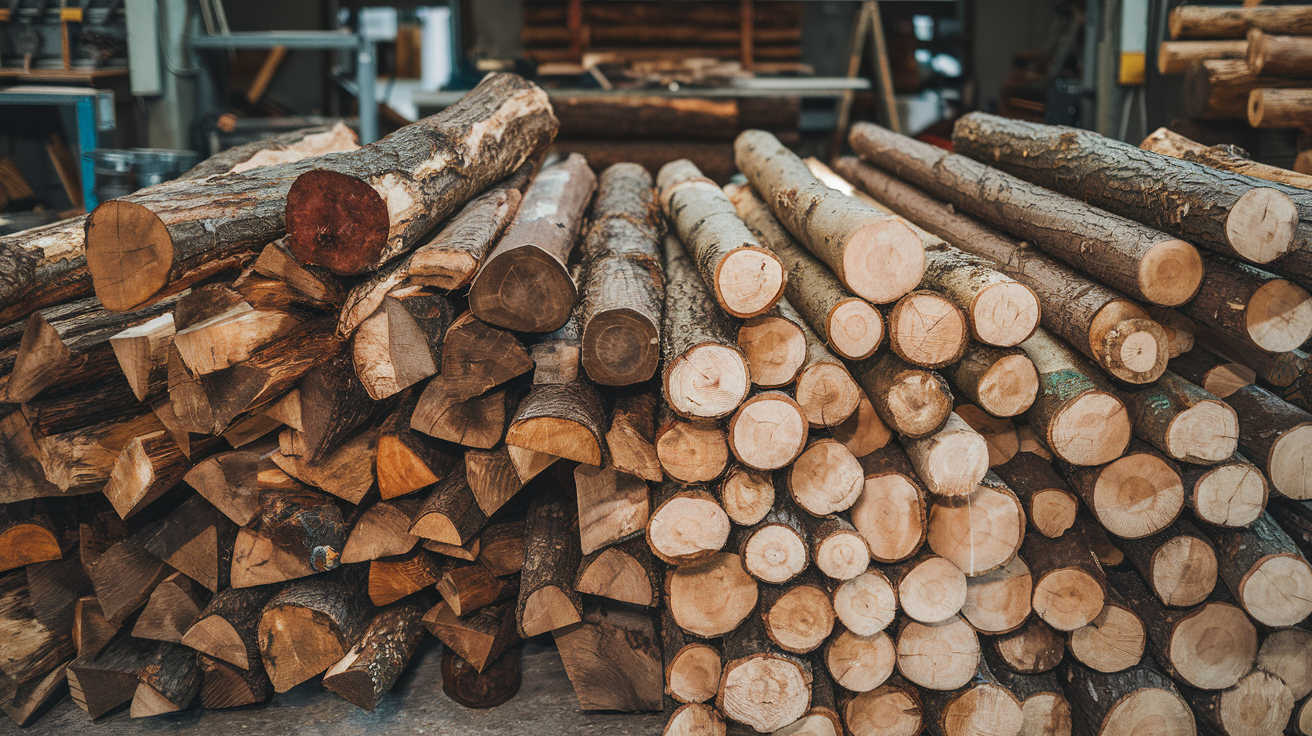
Many beginners make the mistake of thinking hardwoods are always harder to carve than softwoods. This isn’t always true!
Hardwoods come from deciduous trees (ones that lose their leaves). Examples include:
- Basswood
- Walnut
- Cherry
- Maple
Softwoods come from coniferous trees (evergreens with needles). Examples include:
- Pine
- Cedar
- Cypress
The main differences that affect your carving experience:
| Hardwoods | Softwoods |
|---|---|
| Usually denser | Generally lighter |
| Often more expensive | Typically more affordable |
| Hold detail better | Can be prone to splitting |
| Less likely to dent | May compress under carving tools |
| Often have interesting grain | Usually have simpler grain patterns |
Surprise fact: Some hardwoods (like basswood) are actually softer and easier to carve than many softwoods!
How to Choose the Best Wood for Your Carving Project
Picking the right wood depends on several factors:
- Your skill level – Beginners should start with forgiving woods
- Your carving style – Whittling, chip carving, and relief carving each work better with different woods
- The final look – Consider color, grain pattern, and how it will finish
- Your tools – Hand tools vs. power tools require different woods
- Your project – Small detailed pieces need different wood than large sculptures
Always ask yourself: “What am I trying to create?” Then choose your wood accordingly.
What Makes a Good Carving Wood?
Not all woods are created equal when it comes to carving. Here’s what to look for:
- Consistent grain structure – Fewer surprises as you carve
- Appropriate hardness – Soft enough to cut, hard enough to hold detail
- Minimal knots or defects – Unless you want them as features
- Stability after drying – Woods that won’t warp or crack
- Takes finish well – Accepts stains, oils, or paints evenly
The perfect carving wood balances all these qualities for your specific project.
Best Woods for Carving
I’ve organized this list based on my experience with each wood type. Each has unique properties that make it suitable for different skill levels and carving styles.
1. Basswood – The Beginner’s Best Friend
Skill level: Beginner
Hardness: Soft
Best for: General carving, whittling, detailed work
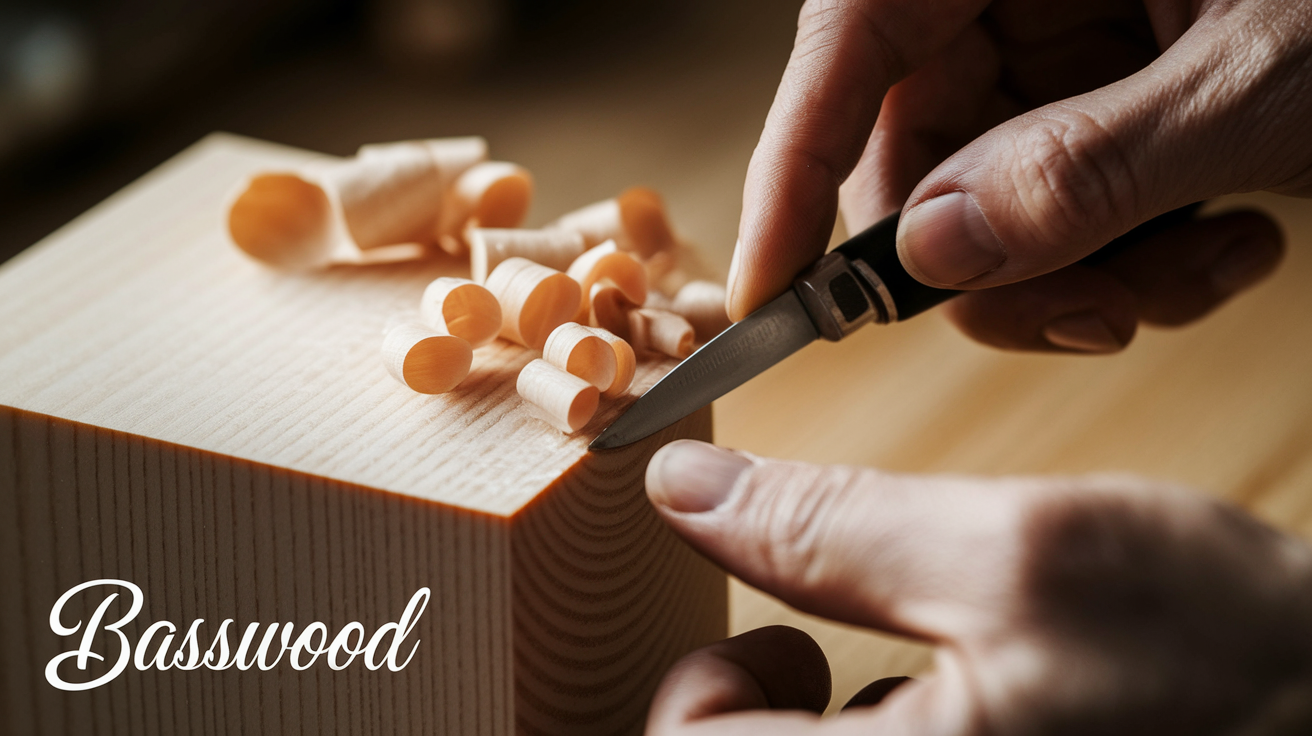
Basswood is the champion for beginners. It cuts easily in any direction with minimal grain, takes detail wonderfully, and accepts stains well.
When I carved my first figurines, basswood forgave my mistakes. Look for pieces with fewer grain lines for the smoothest carving experience.
2. Butternut – Lightweight and Lovely
Skill level: Beginner to Intermediate
Hardness: Soft to Medium
Best for: Relief carving, larger projects, natural finishes
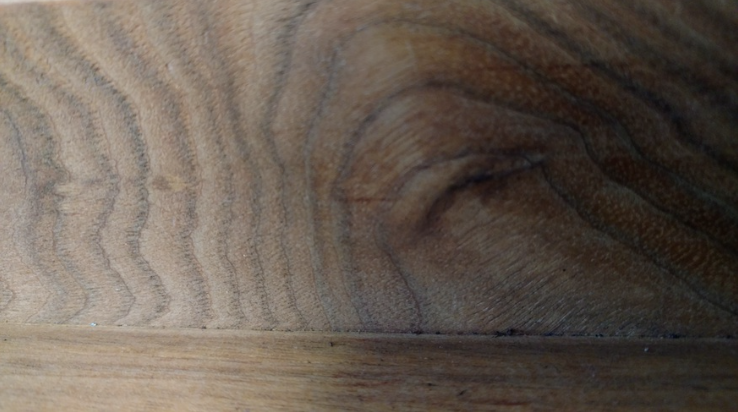
Butternut is basswood’s more interesting cousin. It offers a beautiful light brown color with darker streaks, straight grain that’s easy to carve, and natural oils that give it a lovely sheen.
I love butternut for relief carvings where I want grain character without difficulty. It’s becoming scarcer due to disease.
3. Walnut – A Dark and Durable Classic
Skill level: Intermediate
Hardness: Medium to Hard
Best for: Furniture carvings, display pieces, heirloom projects
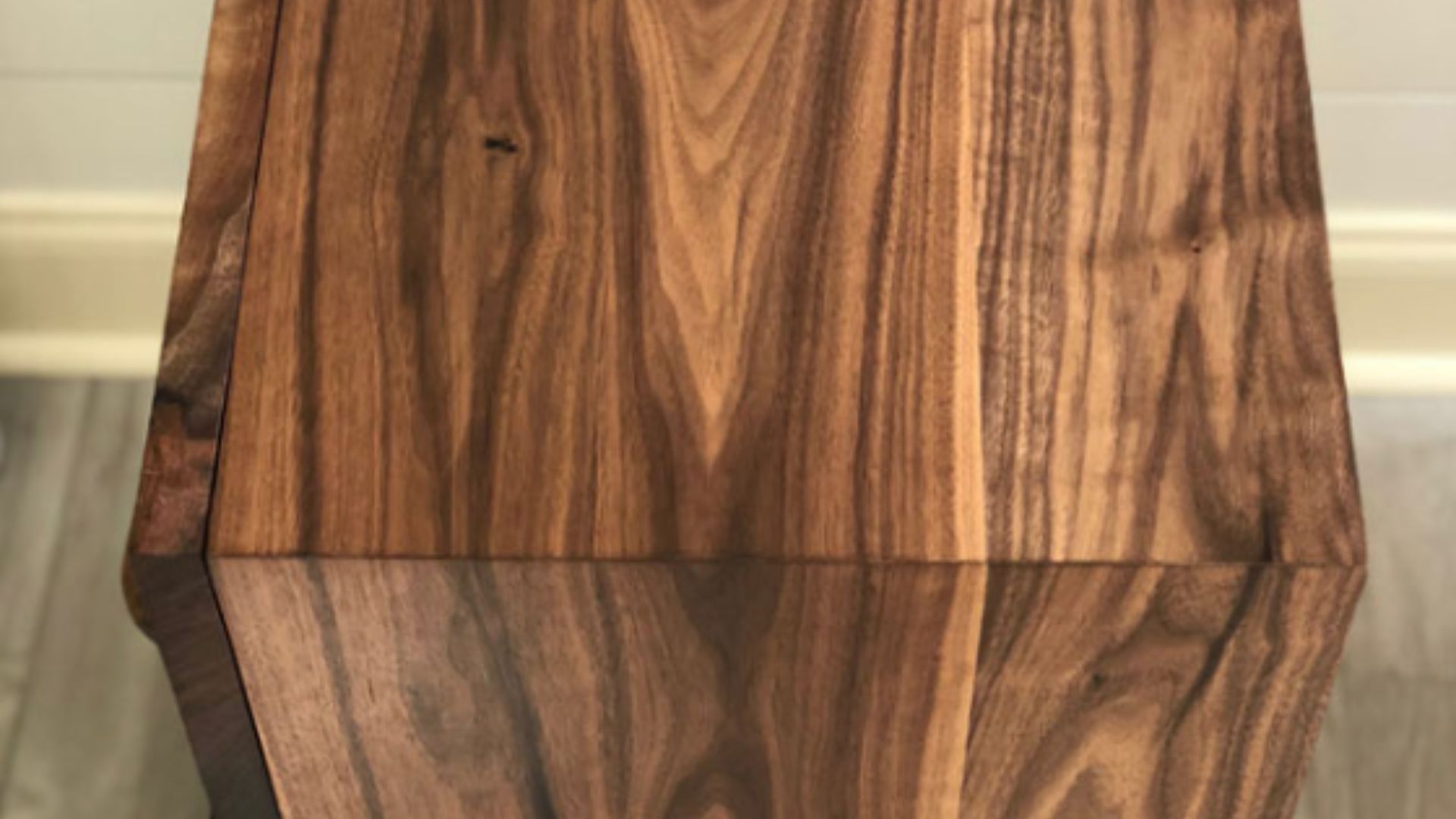
Walnut’s rich chocolate-brown color makes it stand out. It offers straight grain that carves predictably, excellent durability, and takes fine detail without breaking.
When I want a carving to last generations, I reach for walnut. It’s harder to work but worth the effort for lasting pieces.
4. Cherry – Smooth and Stable Hardwood
Skill level: Intermediate
Hardness: Medium
Best for: Furniture details, bowls, decorative items
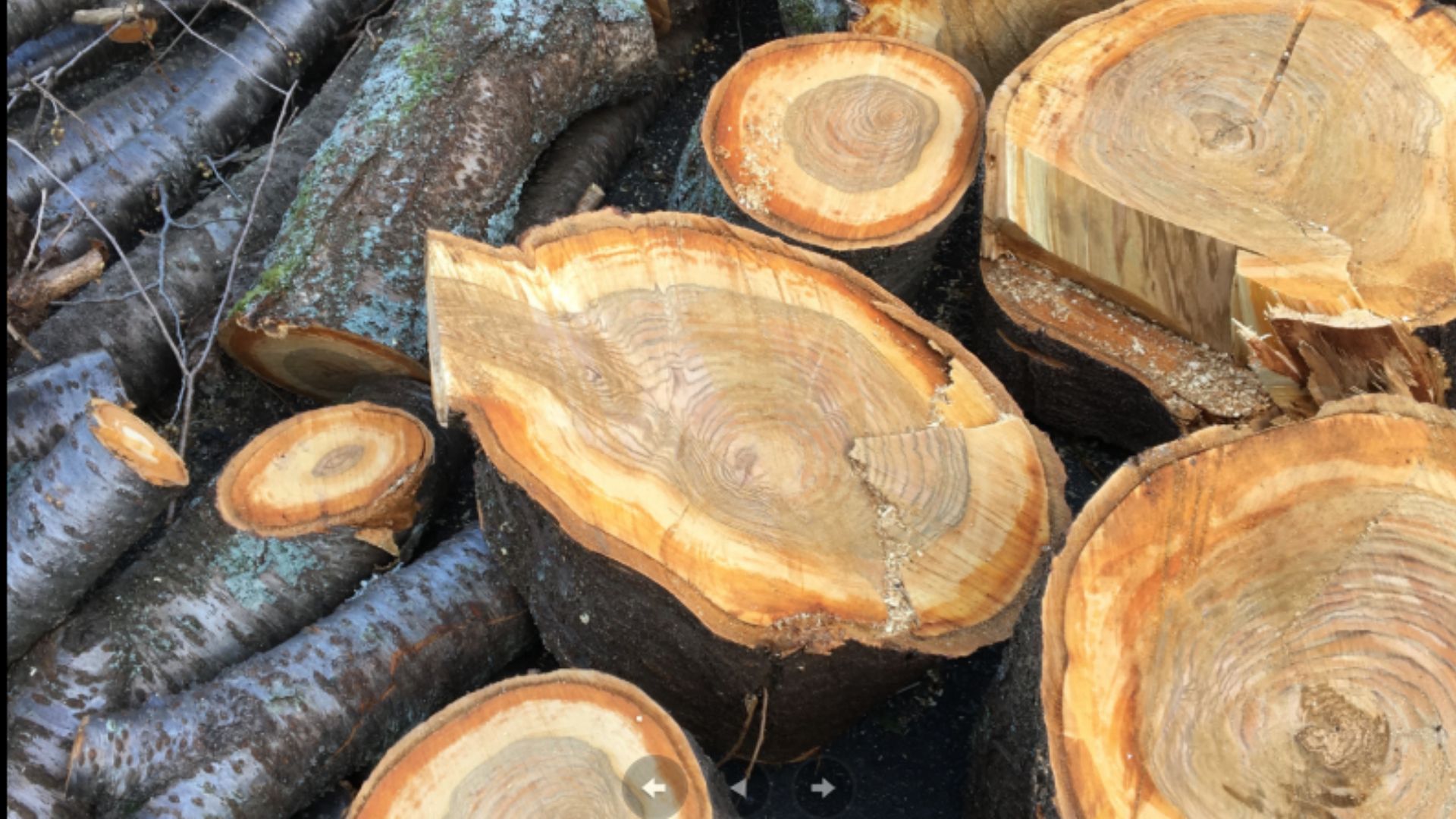
Cherry starts pale pinkish-brown and deepens to rich reddish-brown over time. It carves cleanly with sharp tools, has subtle grain that adds character, and polishes to beautiful natural luster.
Cherry is my go-to when I want something special that will look even better years from now.
5. Mahogany – Deep Color, Fine Grain

Skill level: Intermediate to Advanced
Hardness: Medium
Best for: Detailed architectural elements, furniture, boat parts
Mahogany offers a rich reddish-brown color that deepens with age, straight even grain that carves predictably, and excellent stability. It takes detail beautifully and finishes well.
True mahogany is expensive and sometimes harvested unsustainably, so look for certified sustainable sources or consider African mahogany alternatives.
6. White Pine – A Softwood for Smoother Cuts

Skill level: Beginner
Hardness: Soft
Best for: Practice pieces, rough outdoor carvings, signs
White pine offers very easy carving for beginners, low cost, and wide availability. It takes paint extremely well and is good for learning techniques. The downside? Pine’s prominent grain can tear out easily and it doesn’t hold fine detail as well as basswood does.
7. Aspen – Affordable and Accessible
Skill level: Beginner
Hardness: Soft
Best for: Whittling, practice pieces, painted carvings
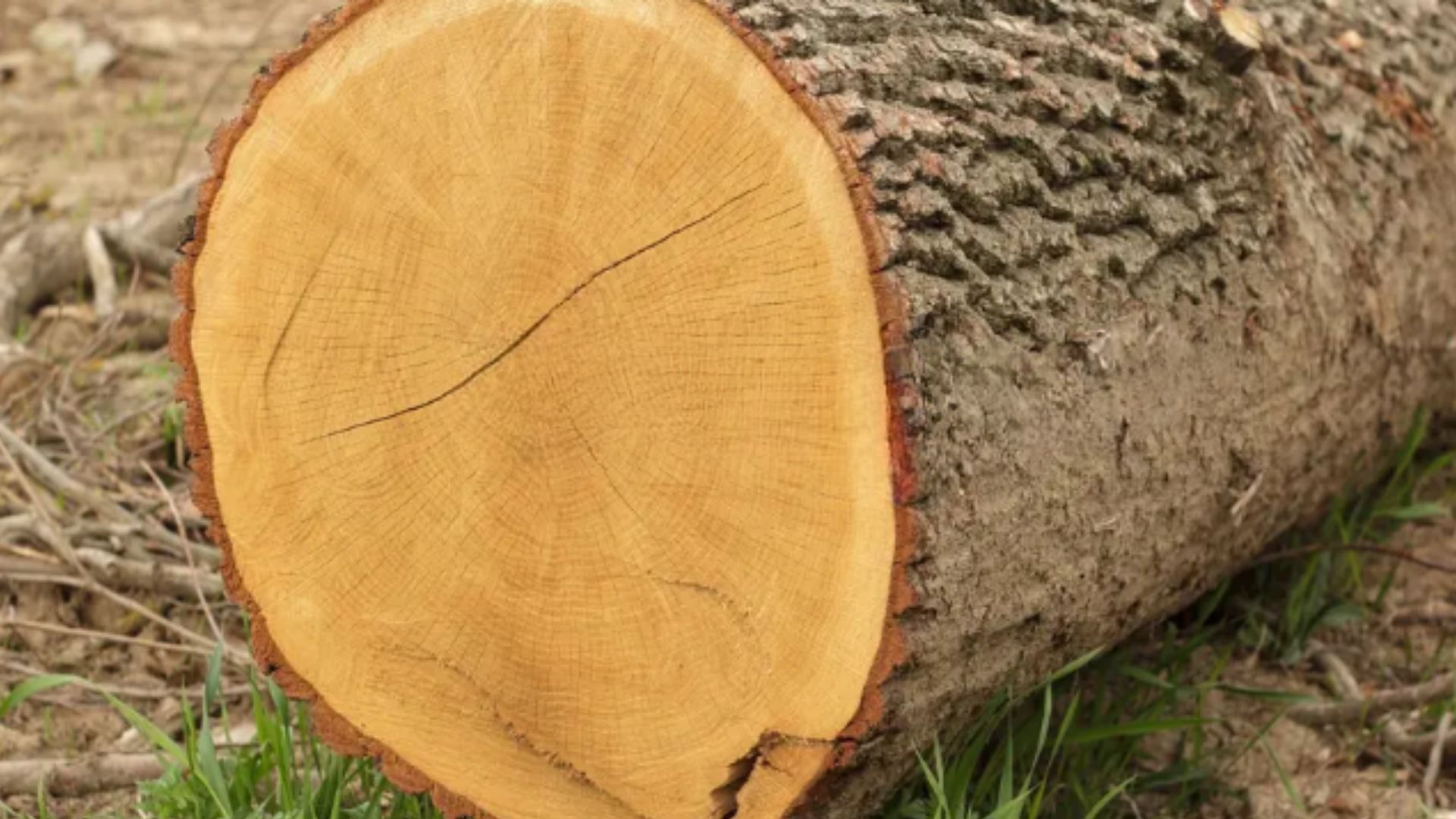
Aspen shares many qualities with basswood, including pale, almost white color, minimal grain pattern, and easy carving in all directions.
It’s much more affordable than basswood. If your budget is tight but you want something easier than pine, aspen is your answer for practicing and learning techniques.
8. Maple – Hard, Heavy, and Reliable
Skill level: Advanced
Hardness: Hard
Best for: Durable carvings, spoons, kitchen items
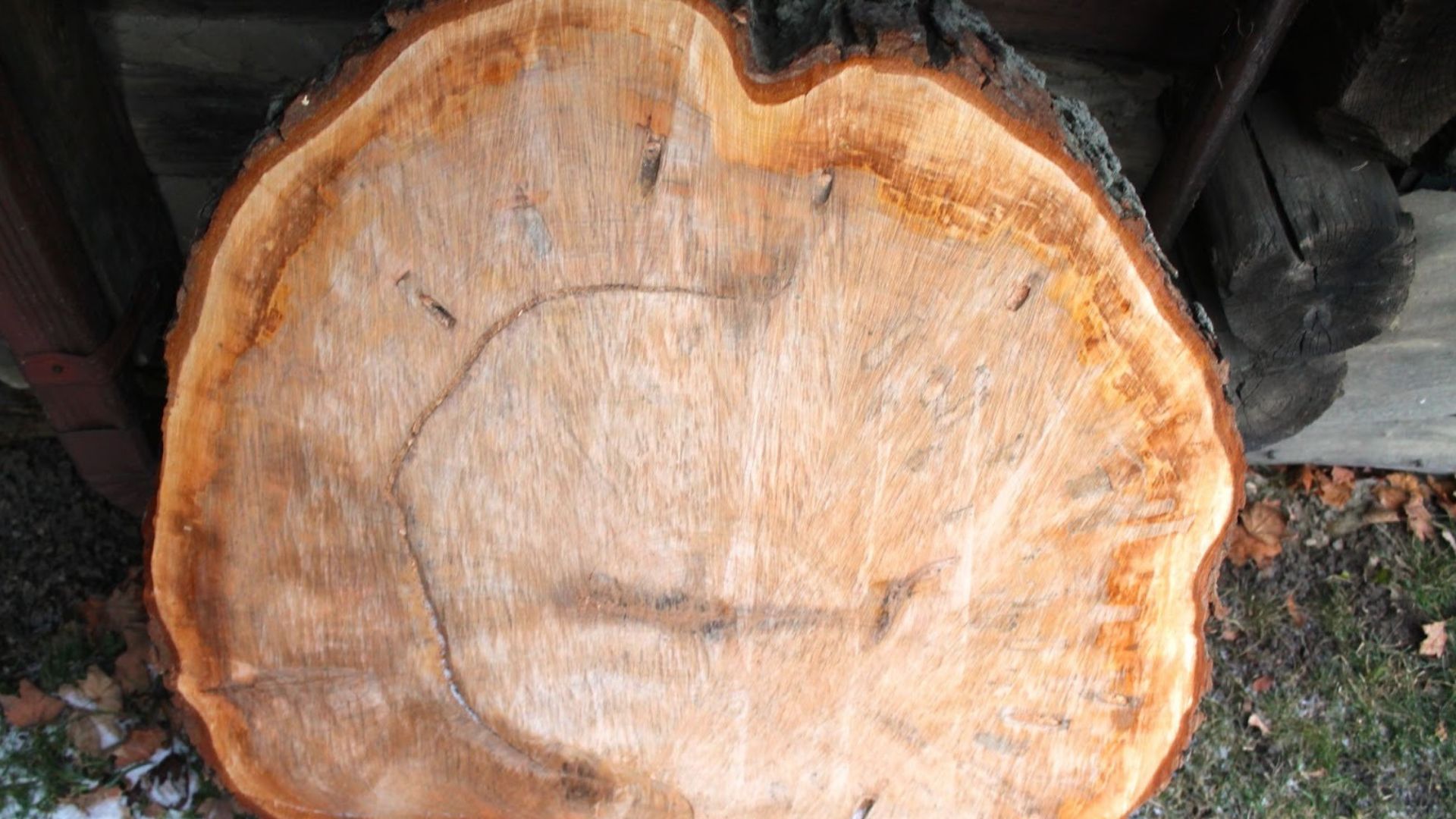
Maple demands respect and sharp tools but rewards you with incredible durability for high-use items, clean pale appearance, and ability to hold extremely fine detail.
It’s food safe for kitchen items. I only tackle maple when my tools are razor-sharp and I have plenty of patience. Results are worth it.
9. Cedar – Aromatic and Appealing
Skill level: Beginner to Intermediate
Hardness: Soft to Medium
Best for: Outdoor carvings, items that will be touched or smelled
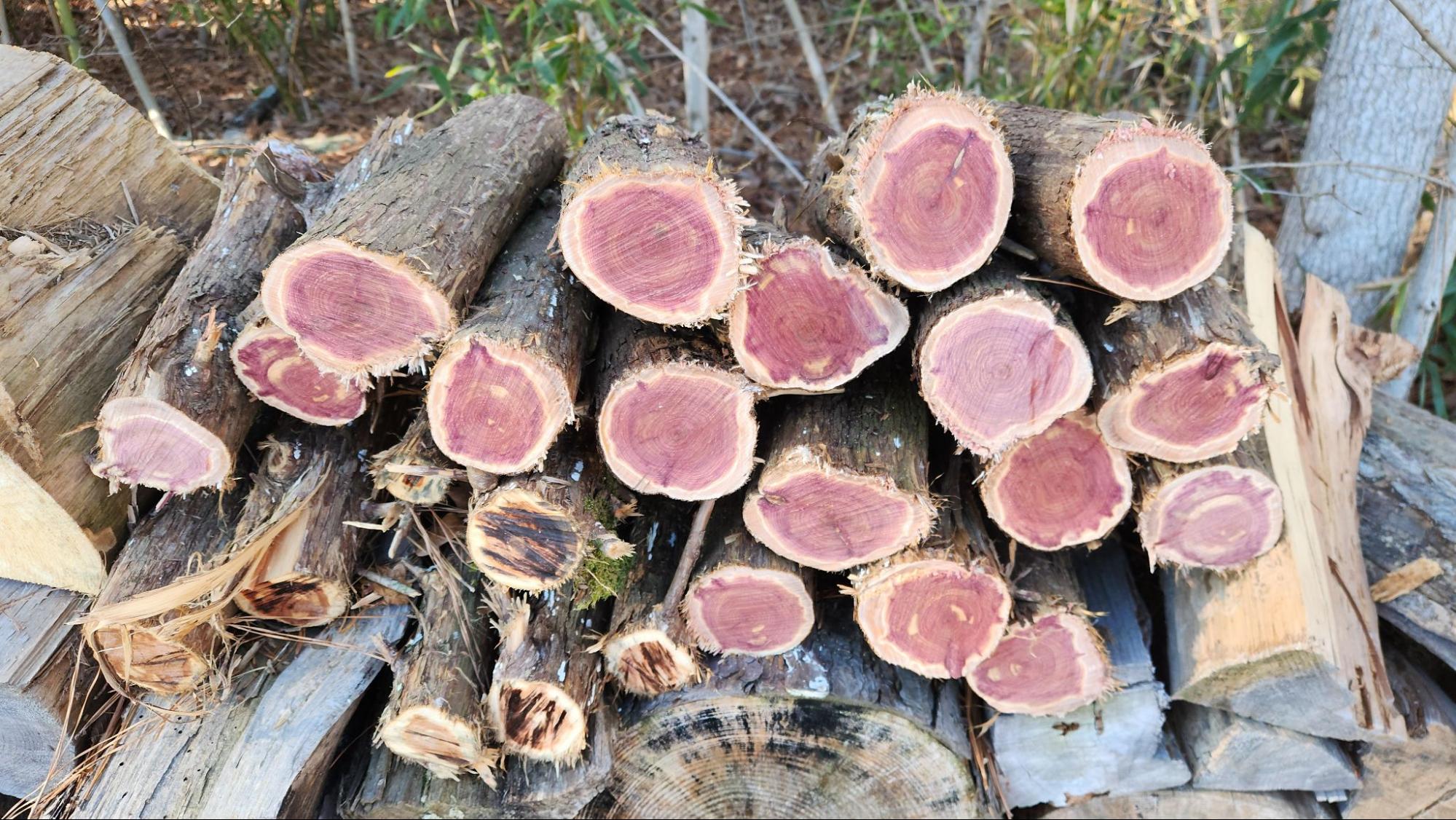
Cedar’s wonderful aroma sets it apart. Natural oils make it resistant to insects and decay with beautiful reddish color variations.
Straight grain carves well and it’s excellent for outdoor projects. The smell of cedar as you carve is therapeutic, making your carving session even more enjoyable.
10. Oak – Grainy but Gorgeous
Skill level: Advanced
Hardness: Hard
Best for: Furniture elements, architectural features
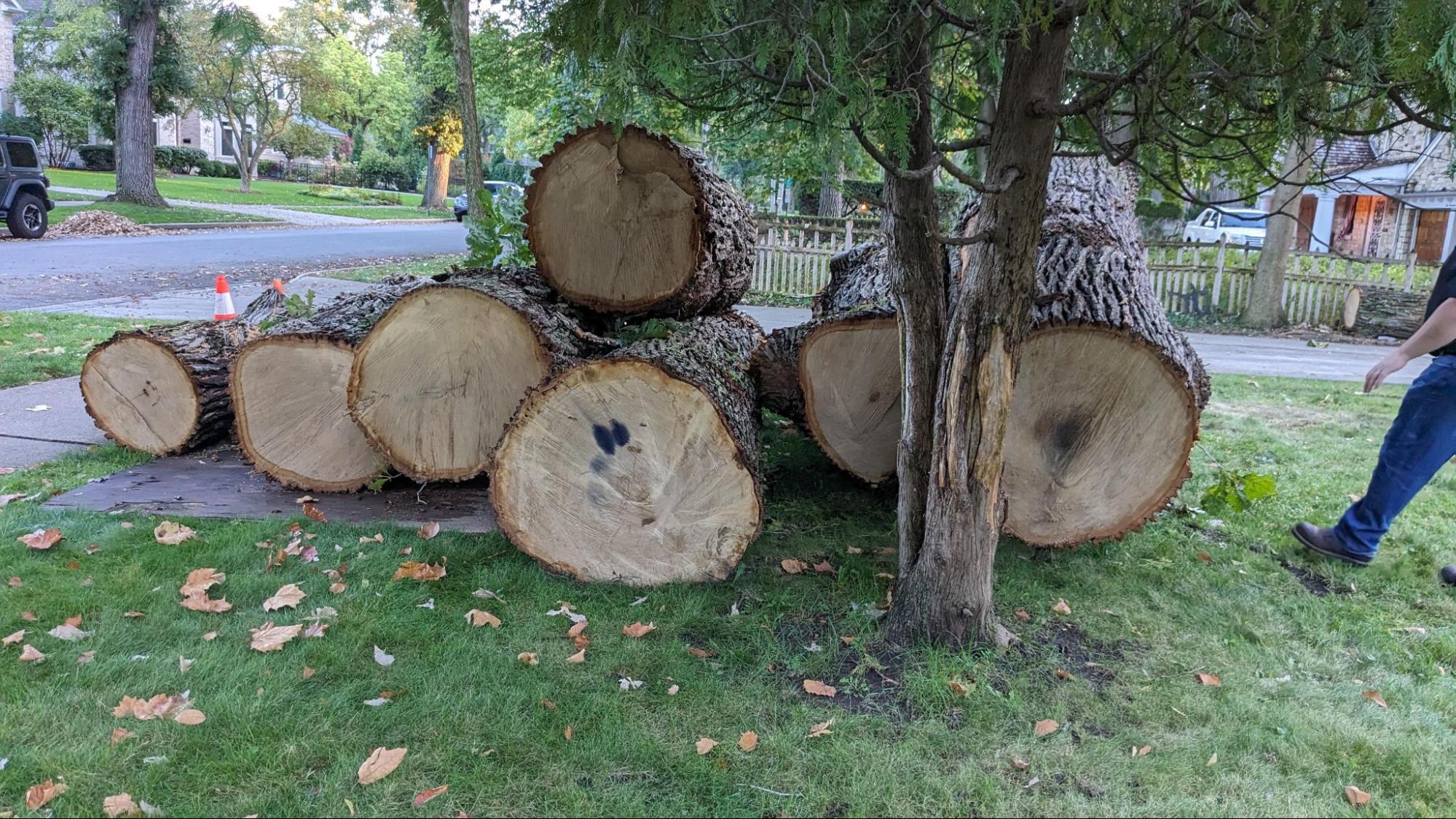
Oak challenges even experienced carvers. Prominent grain can cause tear-out, requires extremely sharp tools, and is very hard and resistant.
But the results can be spectacular, especially for relief carvings where the strong grain adds character. Only tackle oak when you’re ready for a challenge.
11. Cottonwood Bark – A Unique Whittling Choice
Skill level: Beginner to Intermediate
Hardness: Varies (generally soft)
Best for: Whimsical carvings, faces, houses
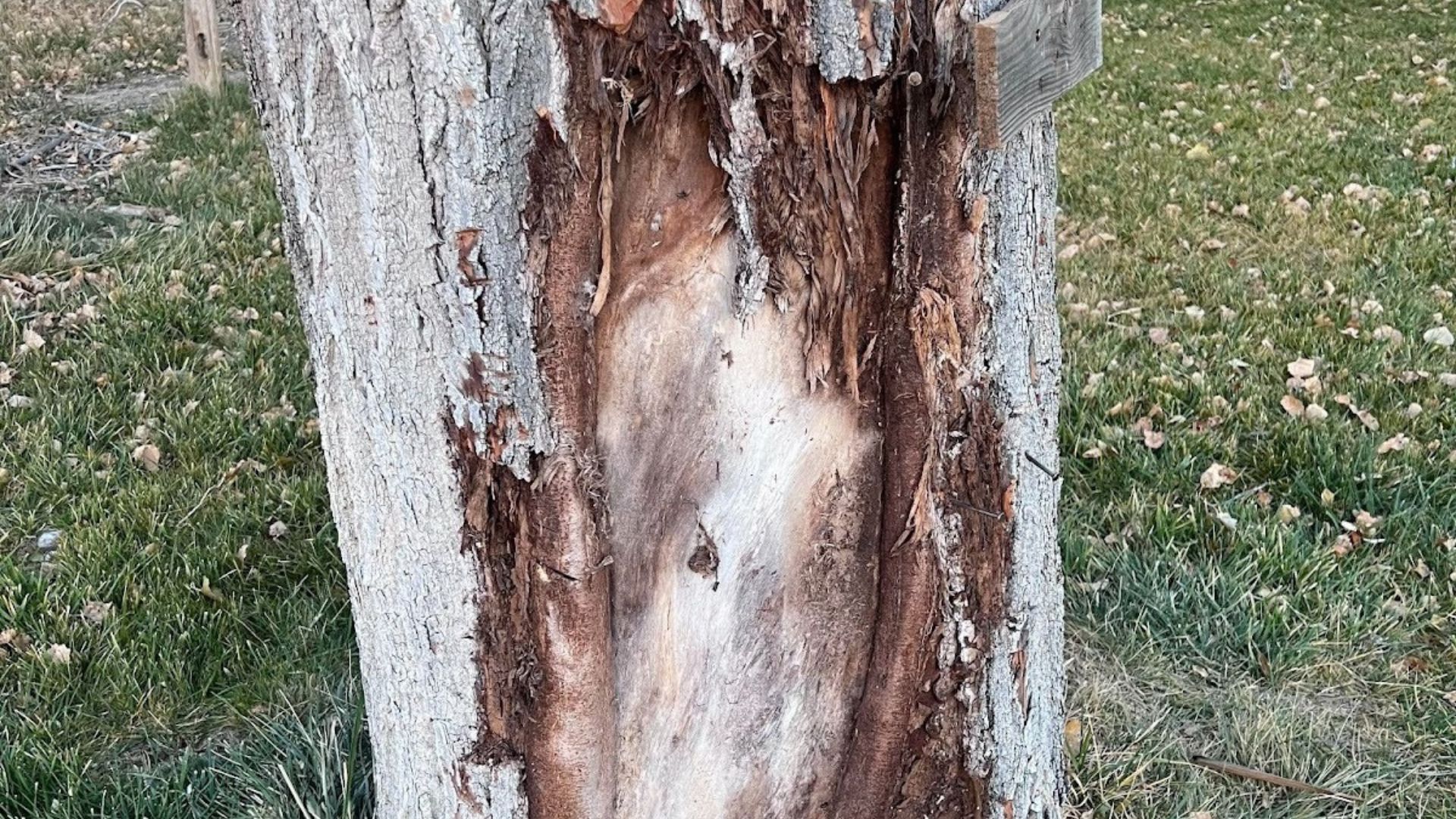
Cottonwood bark is actual tree bark, not lumber. It has natural ridges and formations that suggest faces and shapes, is extremely lightweight, and has no grain direction to worry about.
Many whittlers become absolutely addicted to carving cottonwood bark houses and faces. It’s completely different from traditional carving.
12. Jelutong – Exotic and Easy to Carve

Skill level: Beginner to Intermediate
Hardness: Soft to Medium
Best for: Detailed work, pattern making, models
This Southeast Asian wood offers extremely consistent texture with minimal grain. It carves like butter in any direction, holds detail nearly as well as basswood, and takes paint beautifully.
Though less common, if you find jelutong it’s worth trying for intricate projects requiring smooth consistent carving.
13. Limewood (European Linden) – Europe’s Basswood
Skill level: Beginner
Hardness: Soft
Best for: Detailed carvings, religious figures, fine art
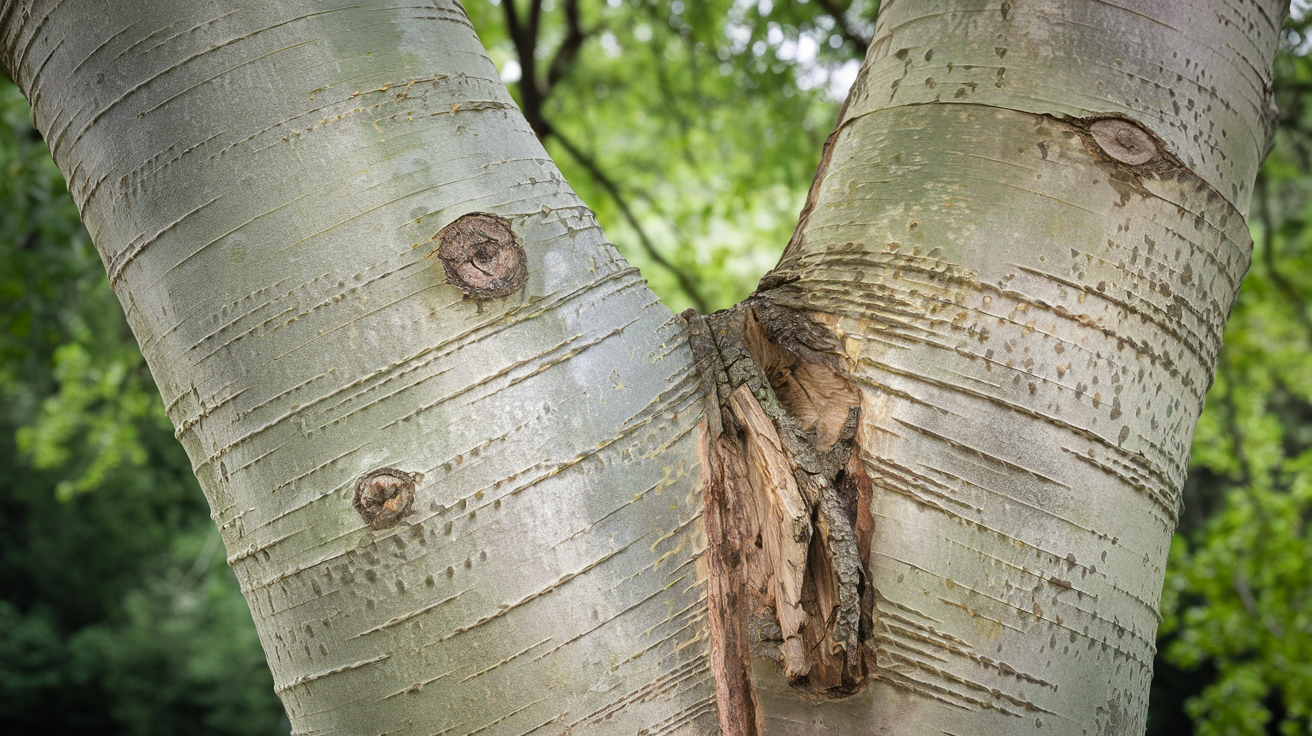
Limewood is basically European basswood. It’s been used for centuries by master carvers, offers consistent pale wood with minimal grain, and holds extremely fine detail.
It has slightly more character than American basswood. Many classical European wood sculptures were carved from limewood by historical masters.
14. Sycamore – Balanced and Underrated
Skill level: Intermediate
Hardness: Medium
Best for: Utilitarian items, spoons, kitchen tools
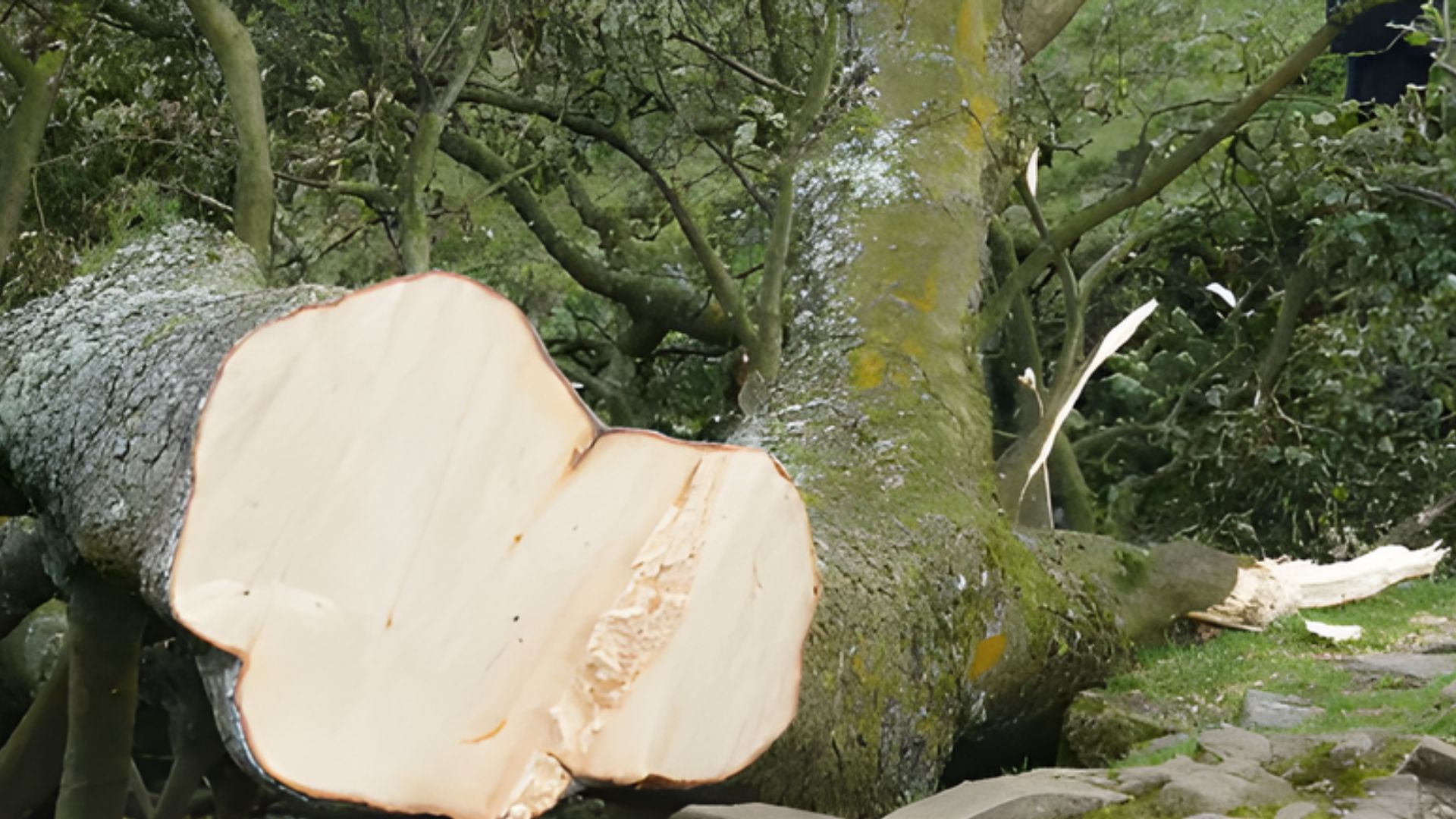
Sycamore deserves more attention. It has interlocking grain that adds strength, shows beautiful flecking when quartersawn, and carves cleanly with sharp tools.
It has natural antimicrobial properties great for kitchen items. I’ve found sycamore perfect for spoons and kitchen tools that need to withstand daily use.
15. Boxwood – Hard but Holds Fine Detail

Skill level: Advanced
Hardness: Very Hard
Best for: Chess pieces, musical instruments, miniatures
Boxwood has been prized for centuries for incredibly fine grain structure, ability to hold the most delicate details, and beautiful yellow color that ages to honey-brown.
Extremely dense and durable, this is the wood that historical masters used for their finest detailed work. Requires patience and very sharp tools.
Best Wood for Carving by Project Type
Different projects call for different woods. Here’s my quick guide:
For spoons and kitchen utensils:
- Maple (durability)
- Cherry (beauty and function)
- Sycamore (natural antimicrobial)
For outdoor carvings:
- Cedar (natural resistance)
- White oak (weather-resistant)
- Black locust (extremely durable)
For figurines and statues:
- Basswood (general purpose)
- Walnut (heirloom quality)
- Butternut (natural beauty)
For relief carvings:
- Basswood (beginners)
- Cherry (fine detail)
- Walnut (dramatic contrast)
Best Wood for Beginner Carvers
If you’re just starting out, keep it simple:
- Basswood – Forgiving, affordable, widely available
- Pine – Very cheap for practice (though grainy)
- Aspen – Good middle ground between pine and basswood
Don’t waste money on expensive hardwoods until you’ve developed your skills. Many beginners make this mistake and end up frustrated.
Best Wood for Detailed or Intricate Carving
When every tiny cut matters:
- Basswood – The standard for a reason
- Boxwood – When you need the ultimate fine detail
- Jelutong – For consistent texture
- Limewood – Slightly more character than basswood
Sharp tools matter even more than wood choice for detailed work.
Where to Buy Wood for Carving (Online & Local Sources)
Finding good carving wood doesn’t have to be difficult:
Local Sources:
- Woodcraft or Rockler stores
- Local hardwood dealers (look for “S4S” – surfaced four sides)
- Tree services (for green wood or unusual species)
- Habitat for Humanity ReStores (sometimes have hardwood scraps)
Online Sources:
- Heinecke Wood Products (specialized basswood)
- Amazon (convenient but check reviews carefully)
- Bell Forest Products (wide variety)
- Etsy (many small suppliers with unique woods)
Free Options:
- Fallen branches (great for spoon carving)
- Construction scraps (check with builders)
- Pallets (be careful of nails and chemicals)
How to Prepare Wood Before Carving
A little preparation makes carving much easier. Make sure wood is dry, below 15% moisture content unless you’re green carving. Draw your design with pencil on light woods or chalk on dark woods.
Cut away excess with a saw before detailed carving to remove large waste areas. Secure work properly using clamps, vises, or carving jigs to hold it steady.
Quick tip: For basswood blocks, soak tough areas in water for 30 minutes before carving to soften them temporarily.
Woods to Avoid for Carving (and Why)
Not all woods are carver-friendly. I suggest avoiding:
- Plywood/MDF – Adhesives dull tools and contain harmful chemicals
- Pressure-treated lumber – Contains toxic compounds
- Exotic hardwoods like cocobolo or rosewood Can cause severe allergic reactions
- Green oak – Extremely hard and prone to cracking
- Reclaimed wood with unknown history – May contain metal or chemicals
Your health is more important than your project. When in doubt, stick with known safe species.
Conclusion
Finding your perfect carving wood doesn’t need to be complicated. Begin with basswood if you’re new. It’s forgiving and versatile. As your confidence grows, experiment with butternut or cherry, or tackle harder woods like walnut and maple for heirloom pieces.
Remember that even the best wood won’t save dull tools. Keep your blades sharp and match your wood to your project’s purpose.
Start with easier woods, progress thoughtfully, and soon you’ll develop your own preferences based on experience.
What wood will you carve first? Share your choice in the comments below. Happy carving!
Frequently Asked Questions
What’s the absolute best wood for a complete beginner?
Basswood is unquestionably the best choice for beginners. It cuts easily in any direction with minimal grain issues and forgives many common beginner mistakes.
How do I prevent my carving wood from splitting?
Store your carving wood in a moderate-humidity environment away from heat sources. For detailed projects, consider sealing the end grain with wax or wood sealer before you begin carving.
Can power tools and hand tools use the same woods?
Yes, but harder woods like maple or oak are easier with power tools than hand tools. Softer woods like basswood and butternut work well with both hand and power carving tools.
What’s the most sustainable wood for eco-conscious carvers?
Basswood from certified sustainable sources is widely available and sustainable. Cedar and pine from well-managed forests are also excellent eco-friendly options for carvers.
How do I know when my carving wood is properly seasoned?
Properly seasoned wood will feel light for its size and make a higher-pitched sound when tapped. Use a moisture meter to confirm wood is below 12-15% moisture content for best carving results
