


I remember standing in front of a painting, nodding like I understood it, but having no idea what I was actually looking at.
If that sounds familiar, this is for you.
I’ve spent years learning what makes art work, and it’s simpler than you think.The 7 elements of art are the foundation behind every painting, drawing, and sculpture you’ve ever seen.
In this blog, I’ll walk you through each one with clear definitions and real examples. No confusing terms.
No fluff. Just clear answers you can actually use.
What Are the 7 Elements of Art?
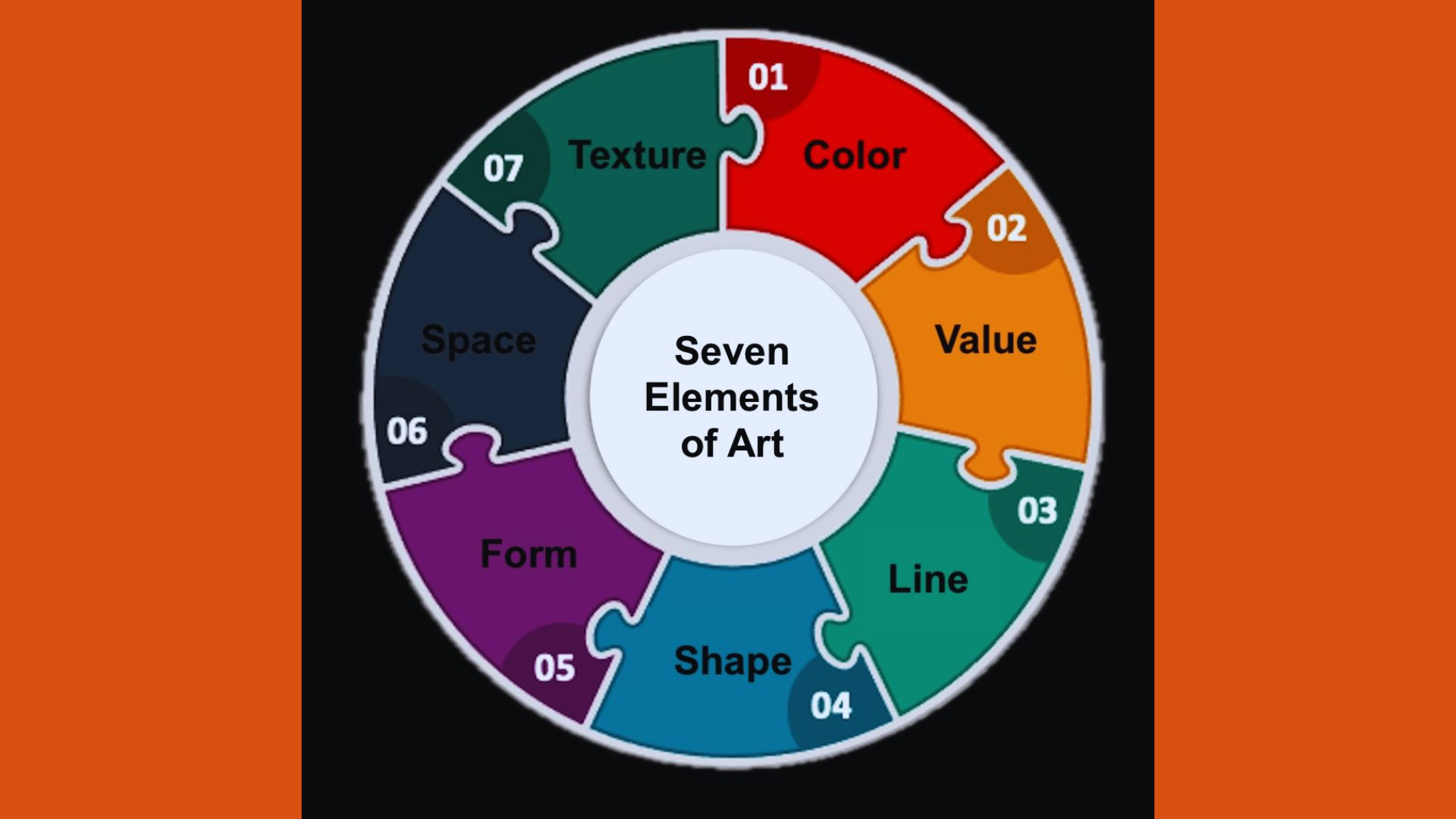
The 7 elements of art are the core tools every artist uses to create a piece of work. They are line, shape, form, value, color, texture, and space.
Think of them as the basic ingredients in a recipe. Each one has its own role. Together, they make something worth looking at.
Most people think great art comes down to raw talent. It doesn’t. There’s a clear structure behind every great piece, and these seven elements are that structure.
Artists use them every single time, on purpose. Once you know what they are, you start seeing art in a completely different way.
The 7 Elements of Art Made Simple with Examples
Here’s a breakdown of all seven elements, what each one means, and how artists actually use them in real work.
1. Line
A line is the most basic mark an artist can make. It connects two points but does far more lines guide your eye, create movement, and set a mood.
Horizontal lines feel calm, vertical lines suggest strength, diagonal lines add energy, curved lines flow softly, and zigzag lines feel tense or chaotic.
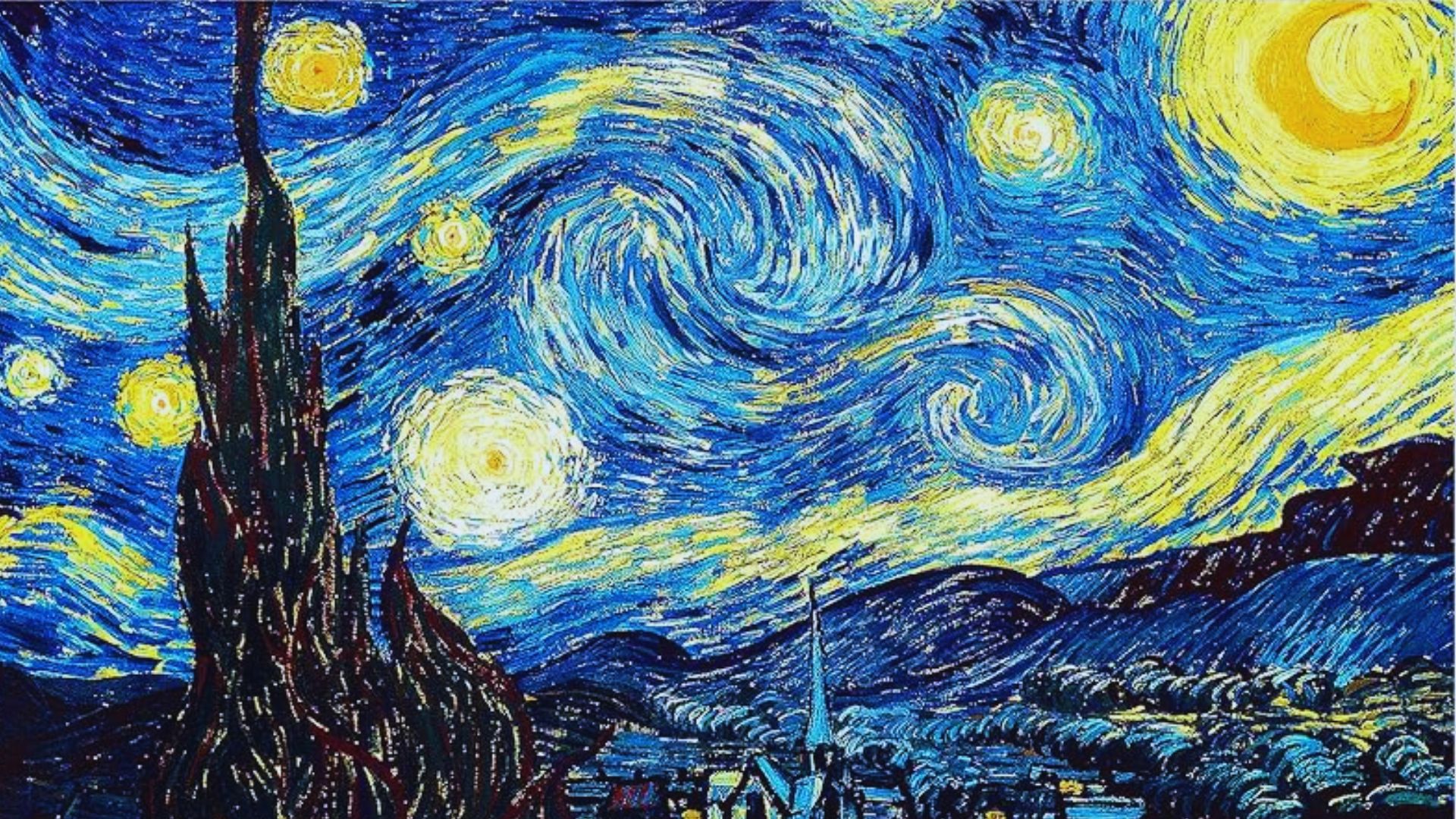
Example: The Starry Night – Vincent van Gogh
Look at the swirling sky. The curved lines create movement and emotion.That motion comes purely from line direction.
2. Shape

A shape is a flat, enclosed area with width and height that builds the structure of any artwork.
Geometric shapes like squares and circles create order, while organic shapes like leaves and clouds feel natural and free-flowing.
Positive shapes are the main subjects you focus on, and negative shapes are the spaces around them.
Example: Composition II in Red, Blue, and Yellow – Piet Mondrian
The entire artwork is built using geometric rectangles and squares.No realistic objects just clean shapes forming balance.
3. Form

Form is the three-dimensional version of shape: it has height, width, and depth, making objects look solid and real. A circle becomes a sphere, and a square becomes a cube.
Geometric forms like cylinders and cones are structured and precise, while organic forms like the human body or a rock feel natural and irregular.
Example: David – Michelangelo.This sculpture has real depth. You can walk around it.It is three-dimensional, that’s the form.
4. Value

Value refers to how light or dark something is, giving objects weight, depth, and a sense of where light falls.
Light values show where light hits directly, while dark values create shadow and contrast. High-key artworks feel airy and soft, while low-key ones feel dramatic and moody.
Example: The Night Watch – Rembrandt.Strong contrast between bright light and deep shadow creates drama.
Without those light and dark differences, it would look flat
5. Color

Color is one of the most expressive elements in art, affecting how you feel and what you notice first.
Primary colors like red, blue, and yellow mix into secondary and tertiary colors, building every palette.
Warm colors pop forward while cool colors recede, giving artists control over your eye.
Example: Woman with a Hat – Henri Matisse. Bold, unrealistic colors create emotion rather than realism. Color controls how you feel about the painting.
6. Texture
Texture refers to how a surface feels or looks like it would feel. The actual texture is physical, you can touch it in sculptures or thick paint layers.
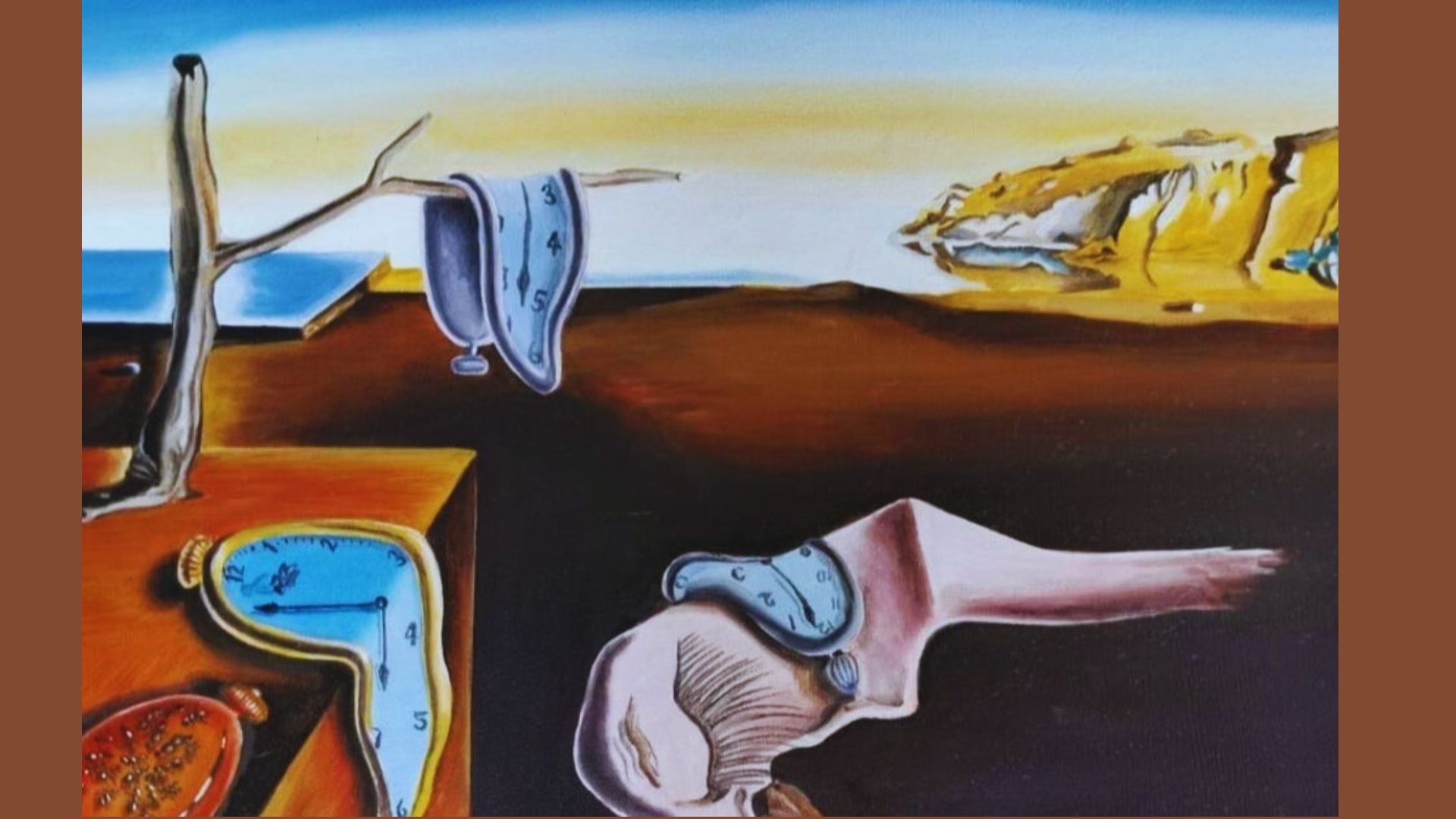
Implied texture is visual, created through brushstrokes and shading that fool your eye into seeing depth on a smooth surface.
Example: The Persistence of Memory – Salvador Dalí. The clocks look soft and melting.The surface is smooth, but it appears textured, that’s implied texture.
7. Space
Space refers to the area around, between, and within objects, giving a composition breathing room and helping subjects stand out.
Positive space holds the main subject while negative space surrounds it. both used with equal intention.
Deep space creates the illusion of distance, while shallow space keeps everything close to the surface.
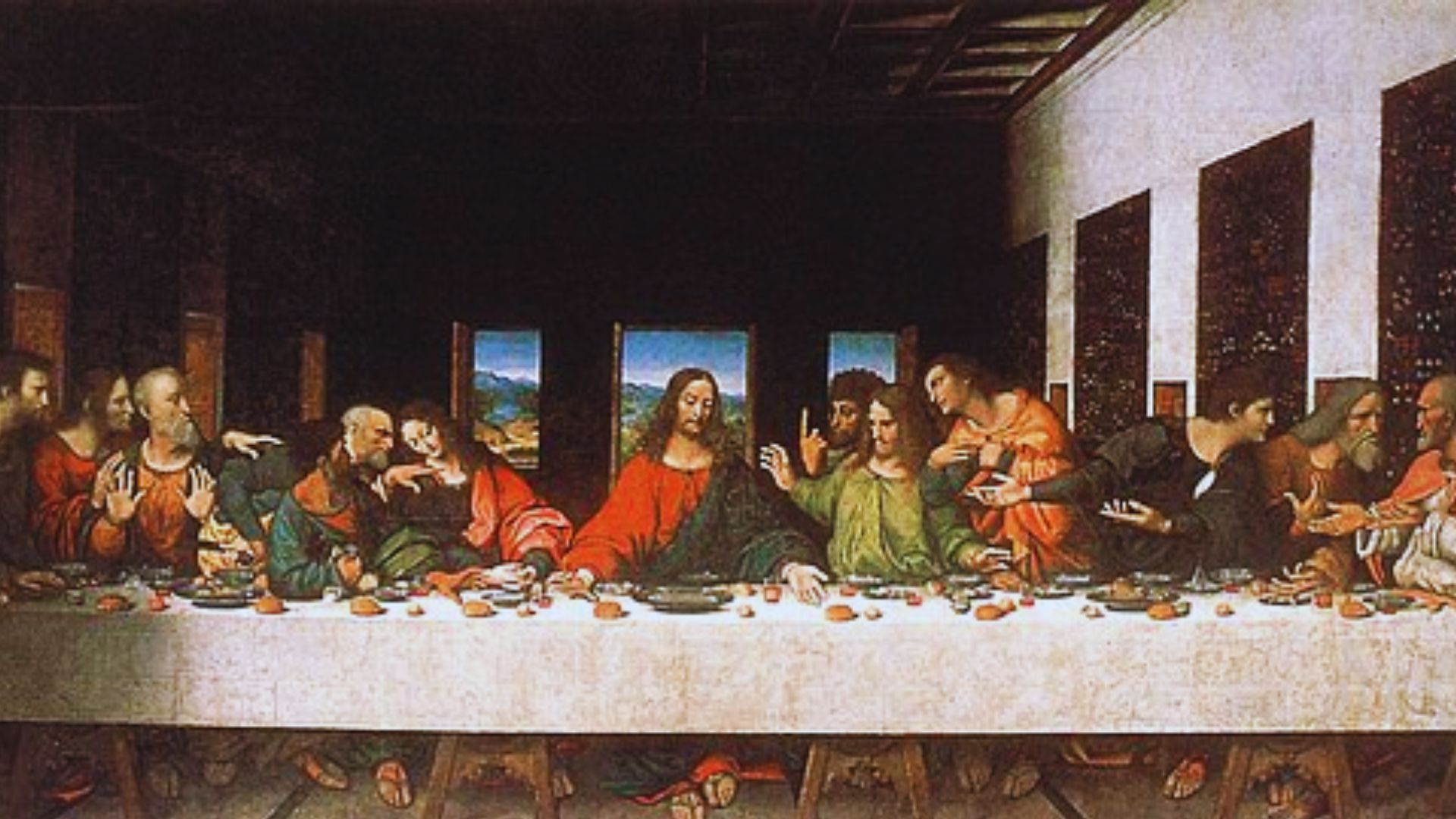
Example: The Last Supper – Leonardo da Vinci. The perspective lines pull your eye into the background.
It feels like you can step into the room, that’s deep space.
Conclusion
I remember the first time someone explained the 7 elements of art to me.
Everything clicked. Suddenly, I could look at a painting and actually understand what was going on. That’s what I hope this does for you.
These elements are not complicated. They are just the basic tools every artist uses.Now that you know them, start looking at art with fresh eyes.
Found this helpful? Leave a comment below or share it with someone learning about art right now.
Frequently Asked Questions
What are the 7 elements of art in simple terms?
Line, shape, form, value, color, texture, and space. These are the building blocks of every artwork.
Why are the 7 elements of art important?
They give art structure and meaning. Every artist relies on them.
How do the 7 elements of art work together?
They connect and support each other in every single artwork.
Can beginners learn the 7 elements of art?
Yes. They are taught at every level, from school to college.
What is the difference between form and shape in art?
The shape is flat. Form has depth. A circle is a shape. A sphere is a form.
