

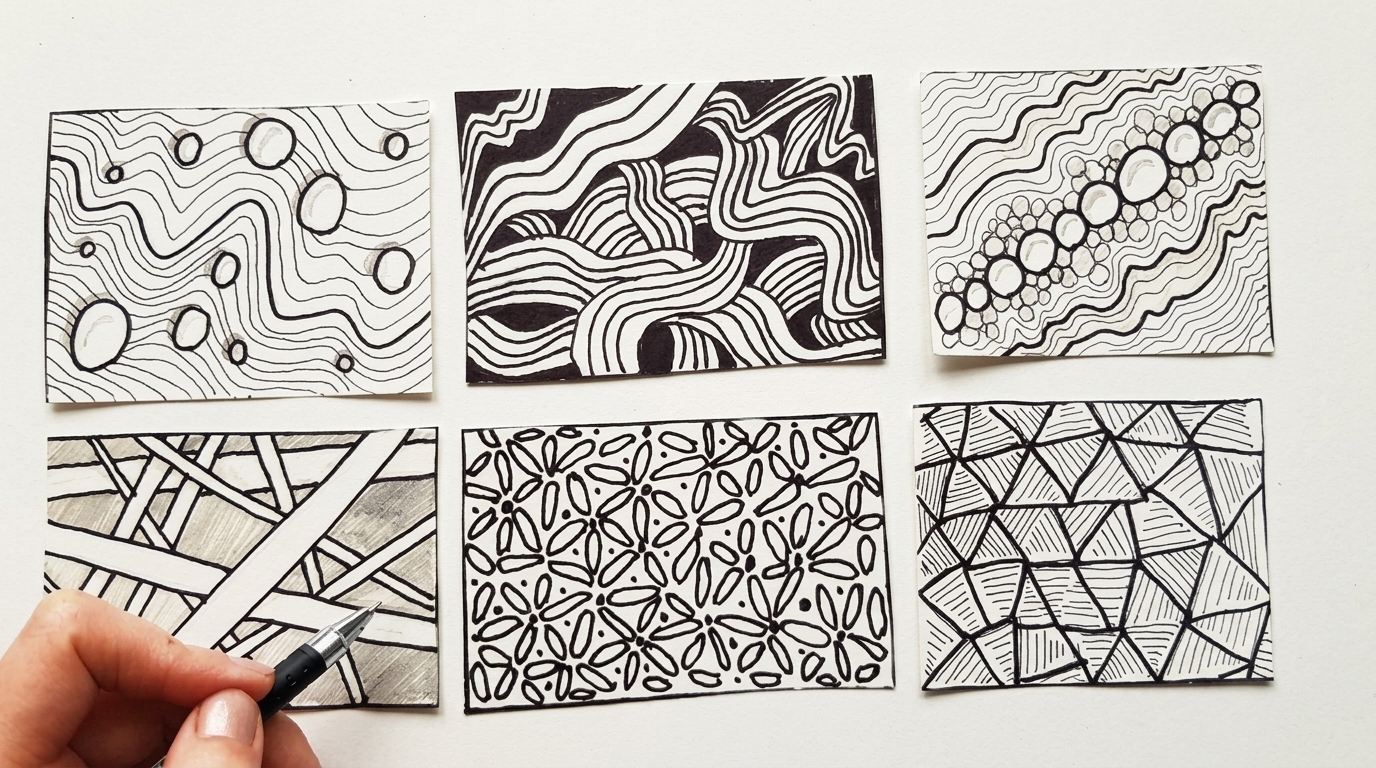
Learning to draw can feel hard if you don't know where to start. The good news is that Zentangle patterns make it simple.
You don't need talent or fancy tools. You just need a pen, some paper, and a few minutes.
In this guide, you'll learn 17 easy Zentangle patterns, the basic strokes behind them, and simple tips to combine designs for a clean finished look. There are also ideas for kids and absolute beginners.
I've spent hours testing these patterns myself, from shaky first lines to steadier ones, so I know exactly where beginners tend to get stuck.
By the end, you'll have everything you need to start your first tile today.
What Are Zentangle Patterns?
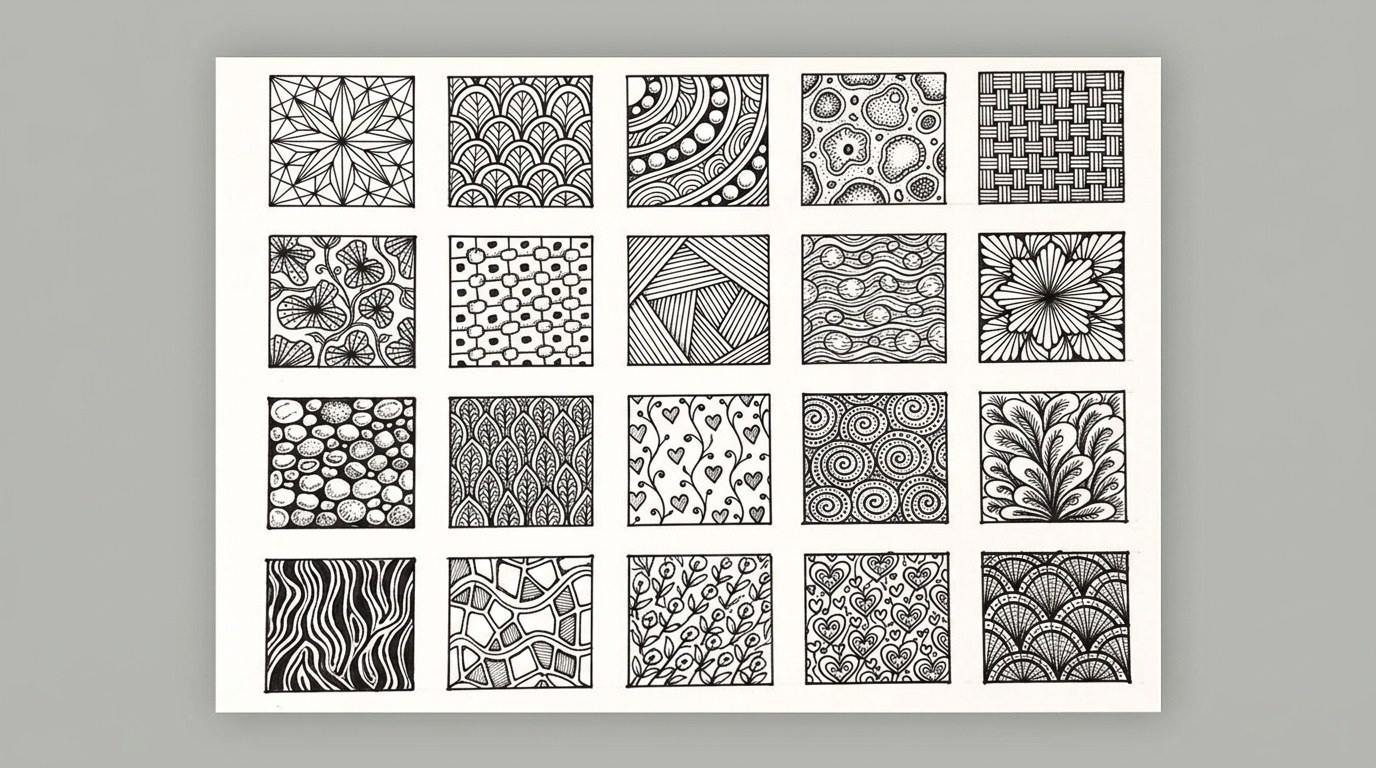
Zentangle patterns are simple repeated shapes and lines drawn one stroke at a time to build a design without any plan.
Zentangle patterns are small, structured drawings made from basic shapes like dots, lines, and curves.
You don't need a full picture in mind before starting. You just draw one simple stroke at a time, and each stroke leads to the next.
The method was created by Rick Roberts and Maria Thomas, who wanted a way for anyone to draw without needing artistic training.
The name combines "zen," for a calm state of mind, and "tangle," for the patterns formed as lines repeat and connect.
Each design is built on a small tile. Artists divide the tile into sections, then fill each one with a different pattern, often shading parts to add depth.
This practice works for anyone, regardless of age or skill level. The steps are loose and forgiving, so there's no pressure to plan ahead or get every line perfect.
Many people find the repetitive drawing calming, since it gives the mind something simple to focus on.
Zentangle Patterns for Beginners: Step-by-Step Basics
Zentangle drawing is a relaxed way to create art using small, repeated strokes. You don't need any artistic background to try it. All you need is a pen, paper, and a little patience.
How to start drawing beginner Zentangle patterns
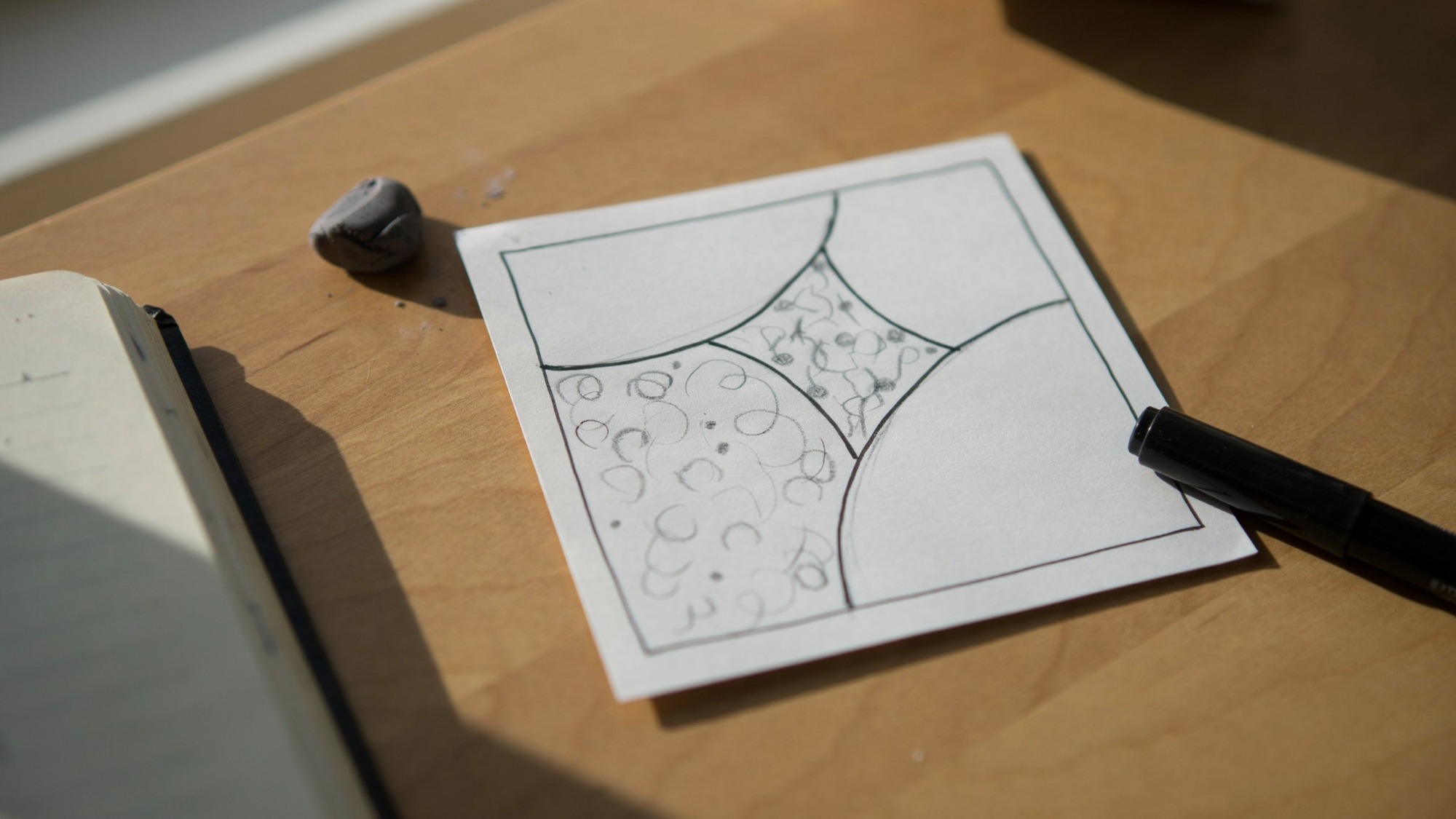
Start with a blank square of paper. Draw a light border around it, then add a few random lines inside to break the space into sections.
Each section becomes a spot for one pattern. This keeps things simple and stops you from feeling stuck on a full page at once.
Simple Strokes Used in Zentangle Art
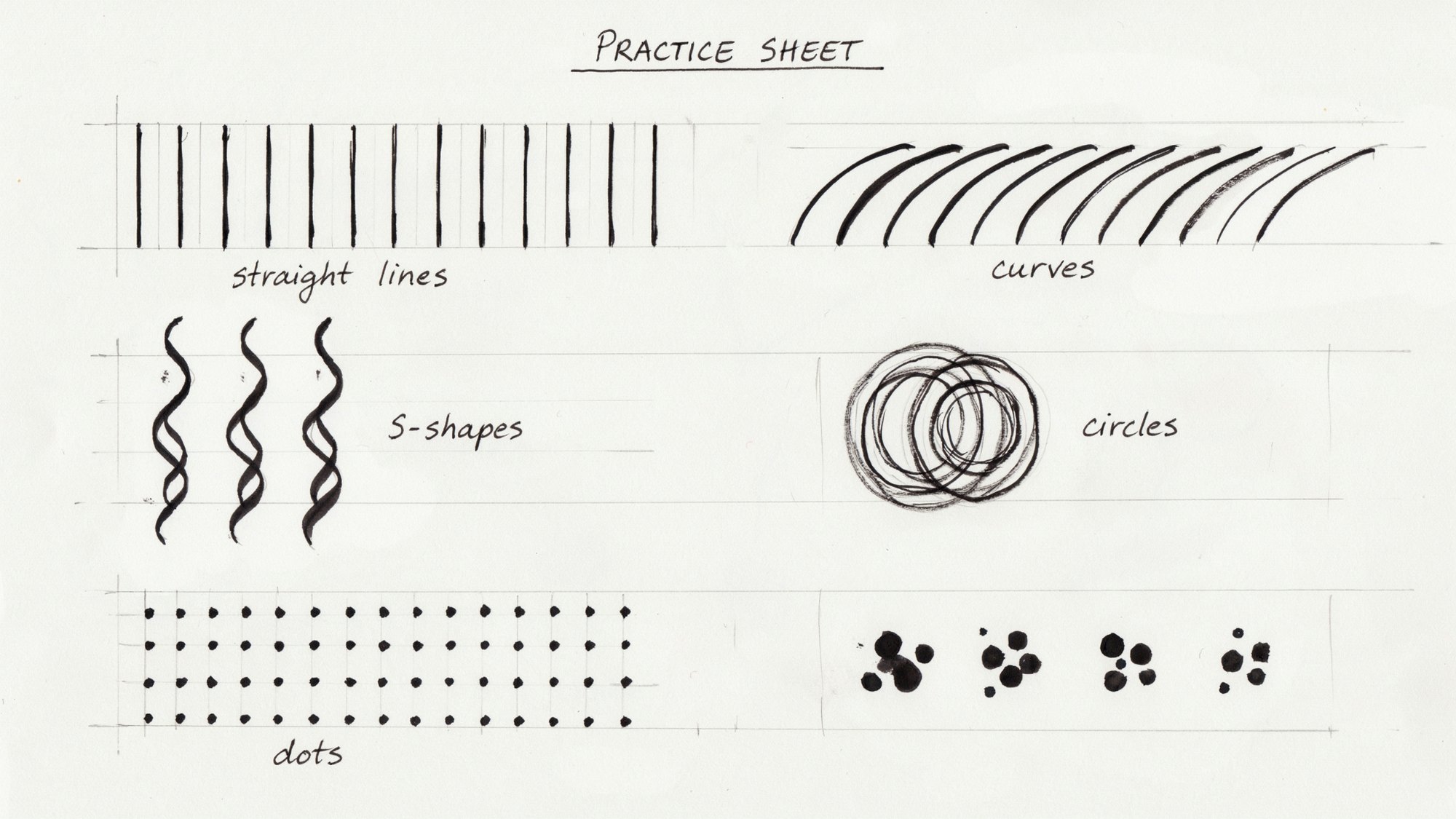
Most Zentangle patterns are built from five basic strokes: straight lines, curves, "S" shapes, circles, and dots.
Once you can draw these five strokes, you can combine them in different ways to create dozens of patterns. There's no need to memorize anything complicated.
Understanding the Step-by-Step Zentangle Drawing Method
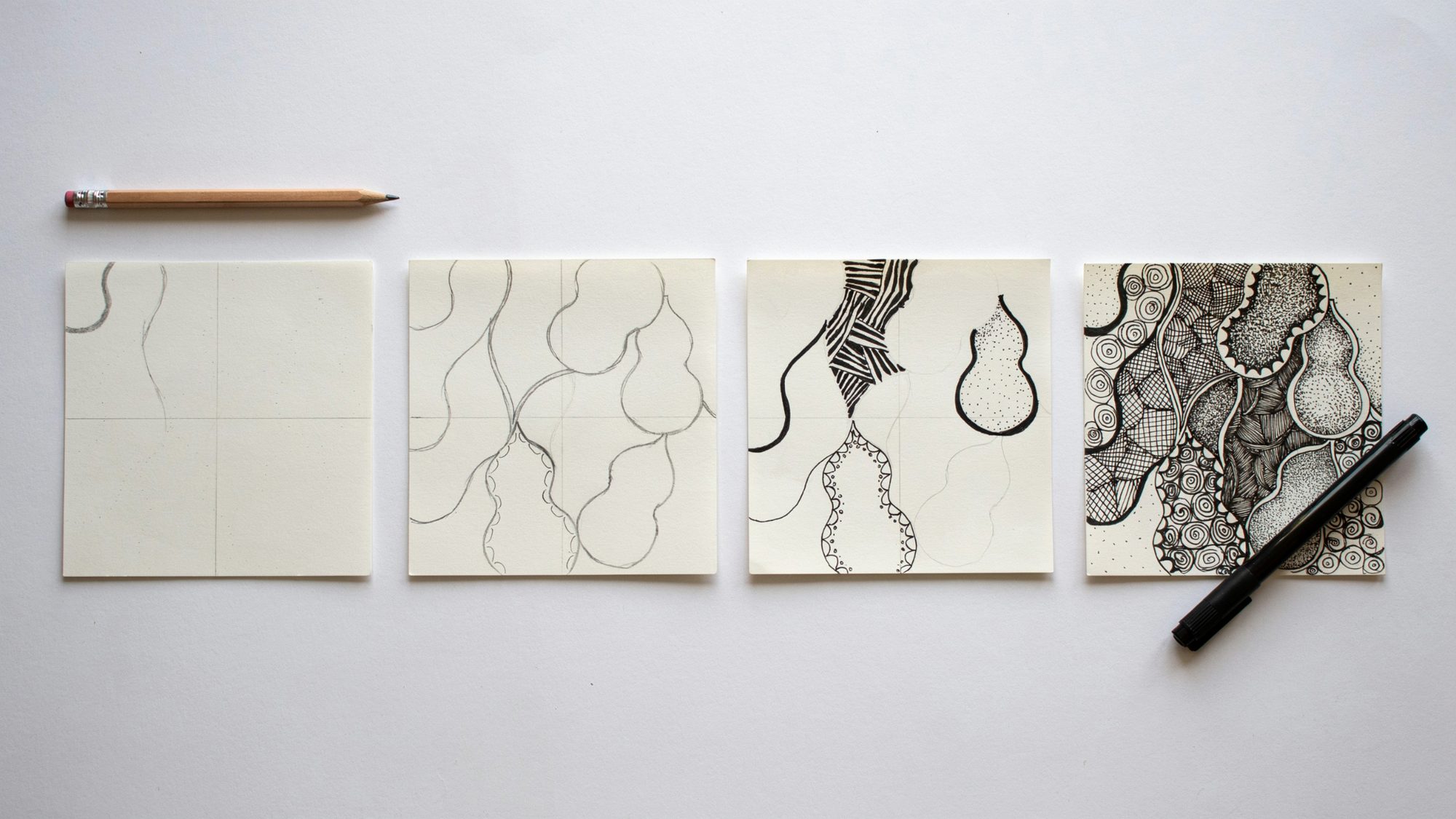
Each pattern is drawn one stroke at a time, repeated across the section. You're not trying to plan the whole design before you begin.
Instead, you focus on one stroke, then the next, letting the pattern build naturally as you go.
Tools You Need For Easy Zentangle Patterns
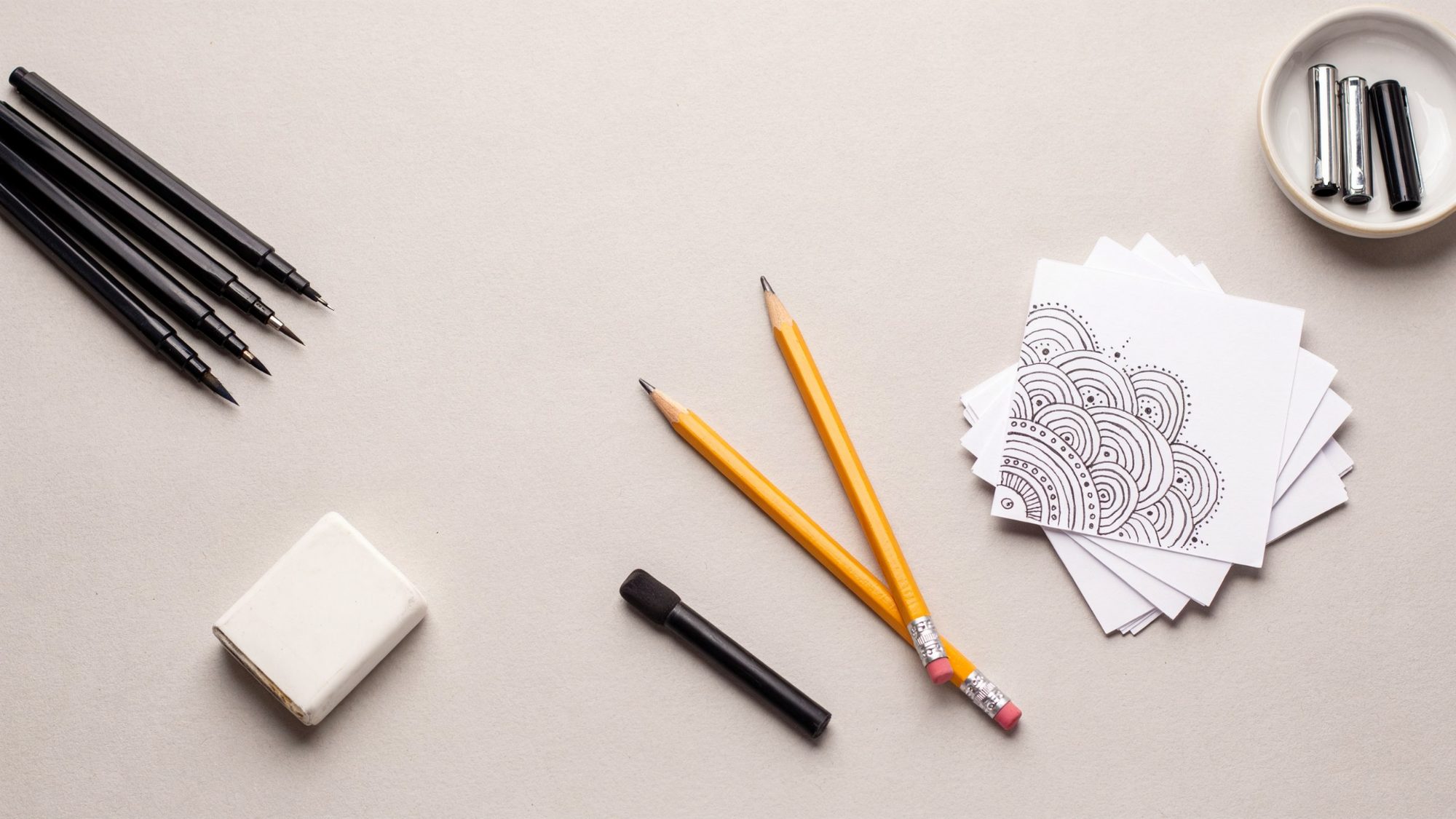
A basic black pen and white paper are enough to begin. Many people use a fine-tip pen for clean lines and a pencil for the initial border.
Some add a blending tool or shading pencil later, but these aren't required for your first attempts.
Easy Zentangle Patterns Step by Step (Core Techniques)
Core methods for drawing simple Zentangle shapes and lines, useful for daily practice and clean finished designs.
Simple Zentangle Patterns Using Basic Lines and Shapes
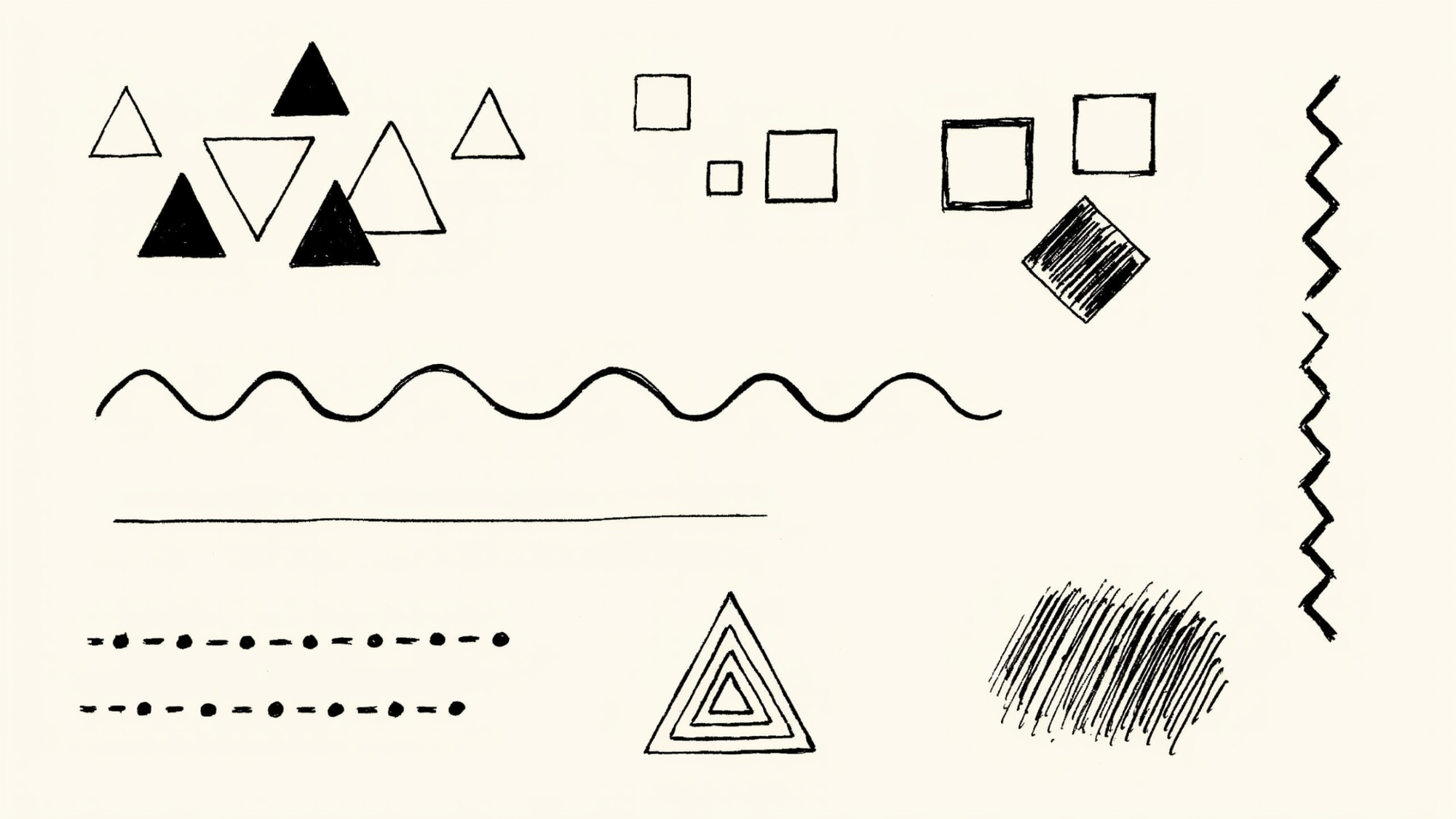
Lines and shapes form the backbone of most patterns. Try drawing a row of triangles, then a row of small squares next to it.
These plain shapes look good on their own and also work well as a base for more detailed patterns later.
Easy Zentangle Patterns for Daily Practice
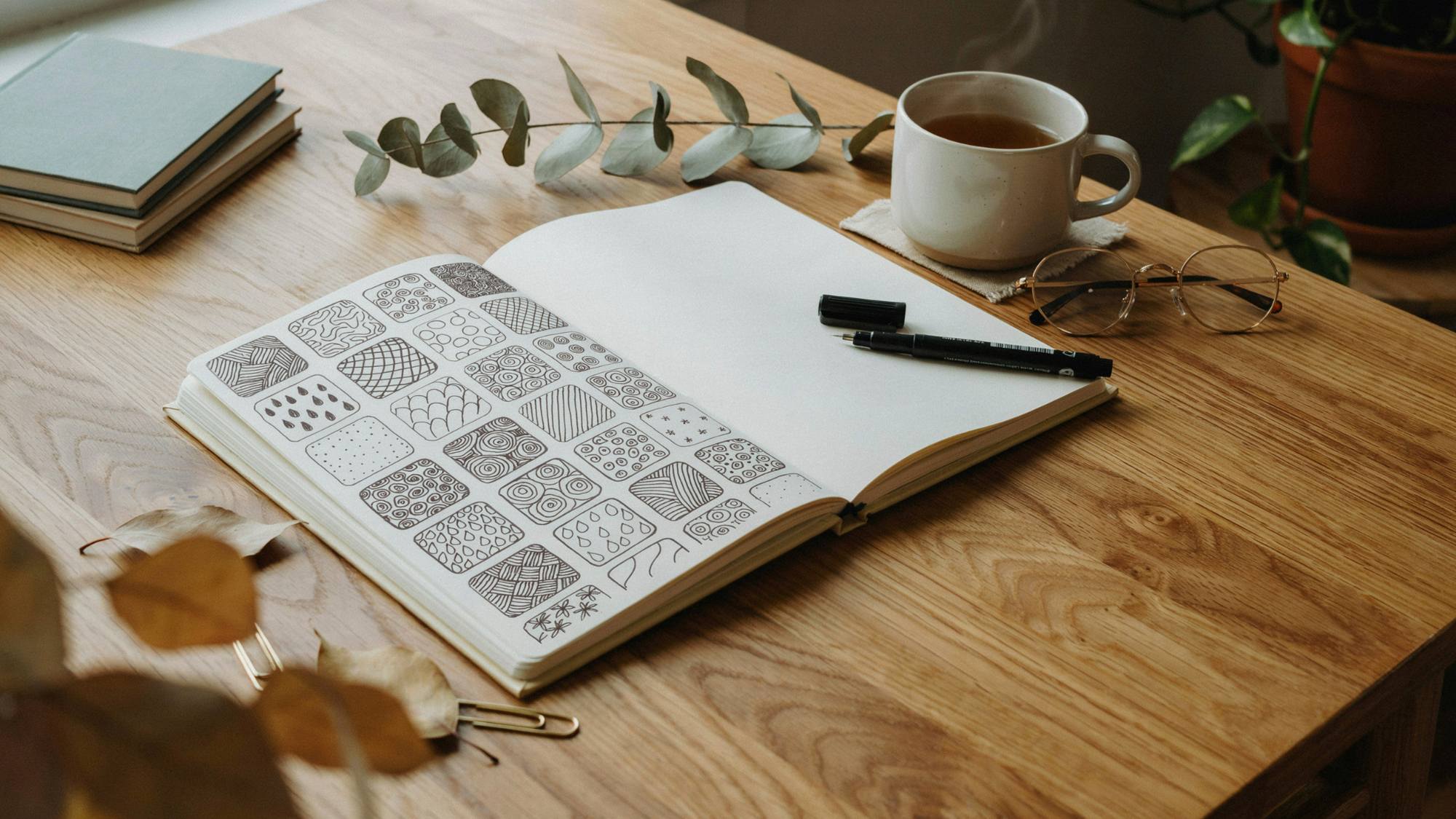
Spending even five or ten minutes a day on a small pattern helps build steady hand control.
Pick one simple pattern and repeat it across a small square of paper. Short daily sessions add up faster than occasional long ones.
Step-by-Step Zentangle Patterns for Clean Designs
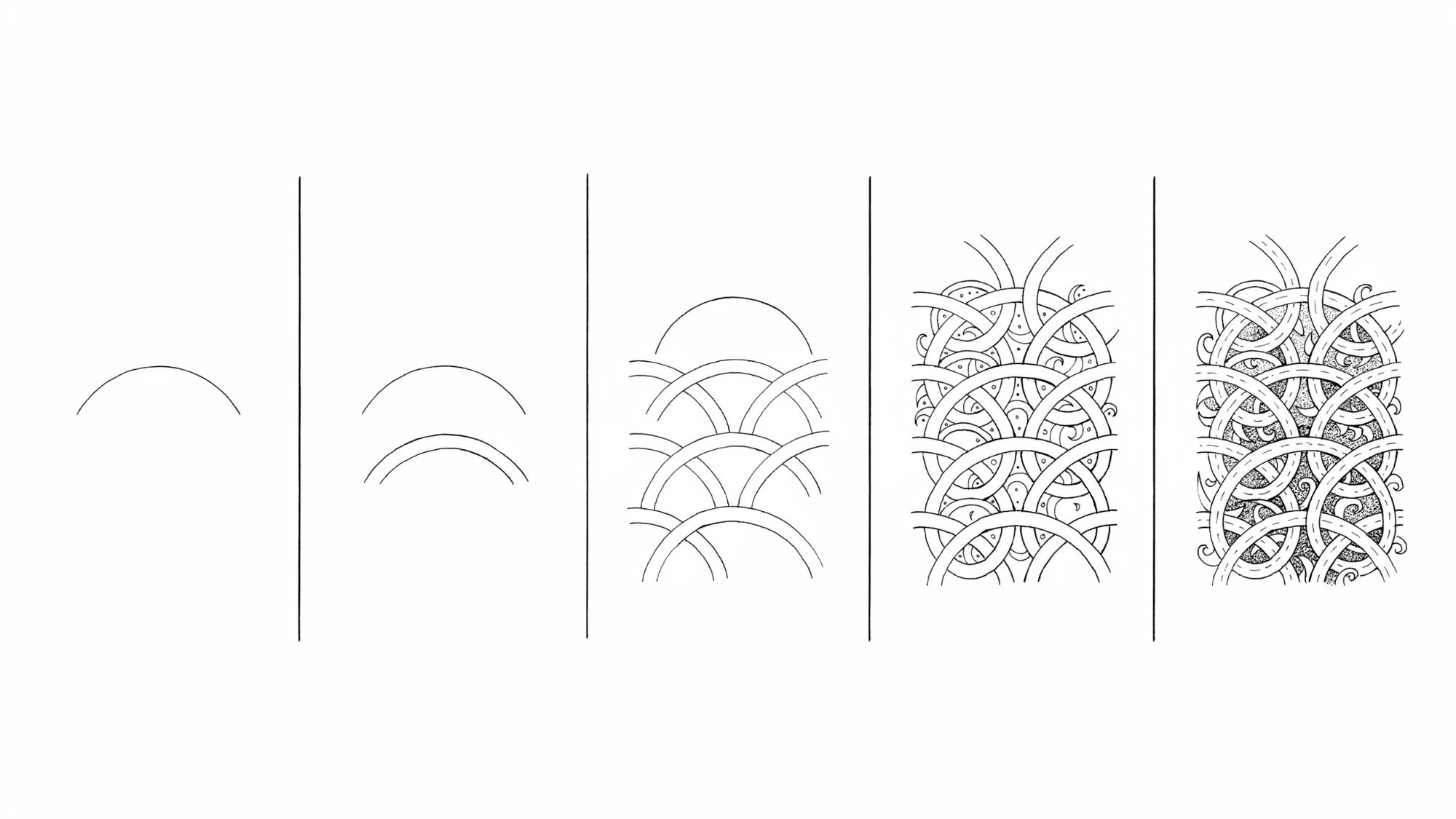
Working in clear steps, one stroke type at a time, keeps your lines neat and your spacing even.
Avoid rushing through a pattern. Slow, repeated strokes give a cleaner final look than fast, uneven ones.
How To Combine Simple Patterns in One Artwork
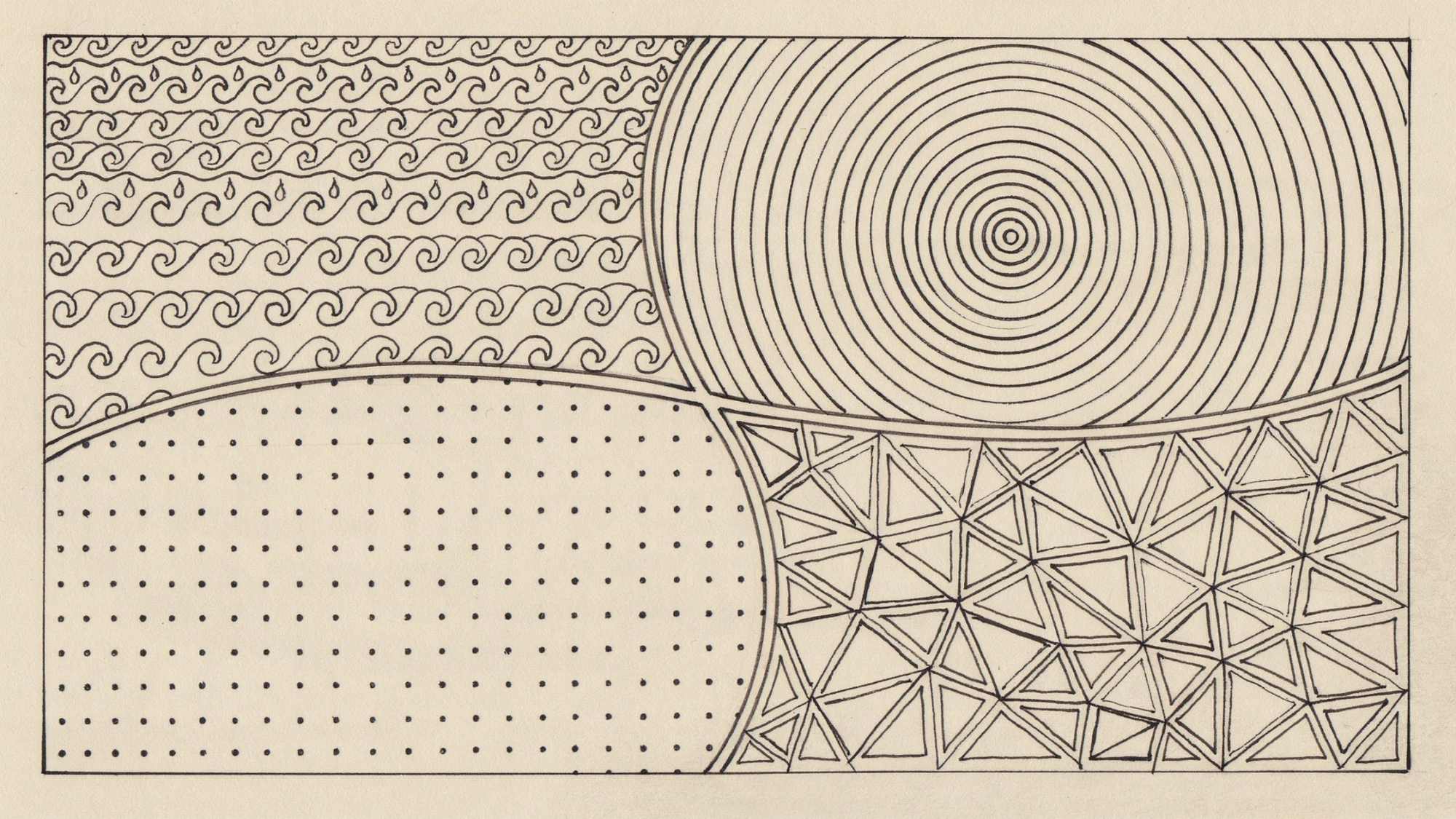
Once you know a few patterns, try placing two or three of them side by side within the sections of your tile.
Pick patterns with different stroke styles, such as one with curves and one with straight lines, so they stand apart from each other.
17 Easy Zentangle Patterns
A list of 17 beginner-friendly Zentangle patterns, each explained with simple steps anyone can follow at home.
Pattern 1: Basic Line Waves
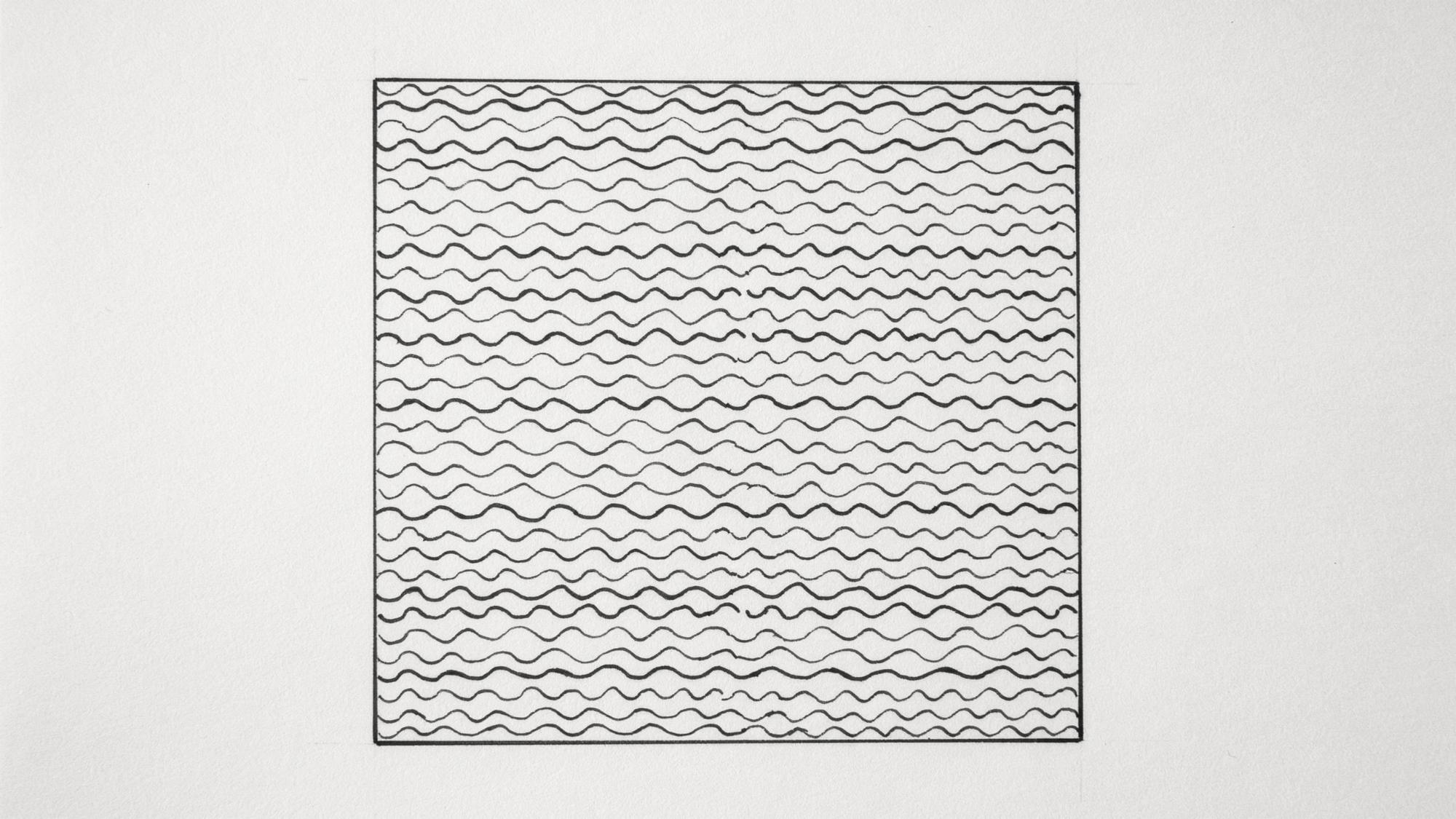
Draw a row of gentle wave lines across the section, keeping them evenly spaced. Repeat the wave below it, slightly offset, to build height.
Pattern 2: Dots and Orbit Pattern
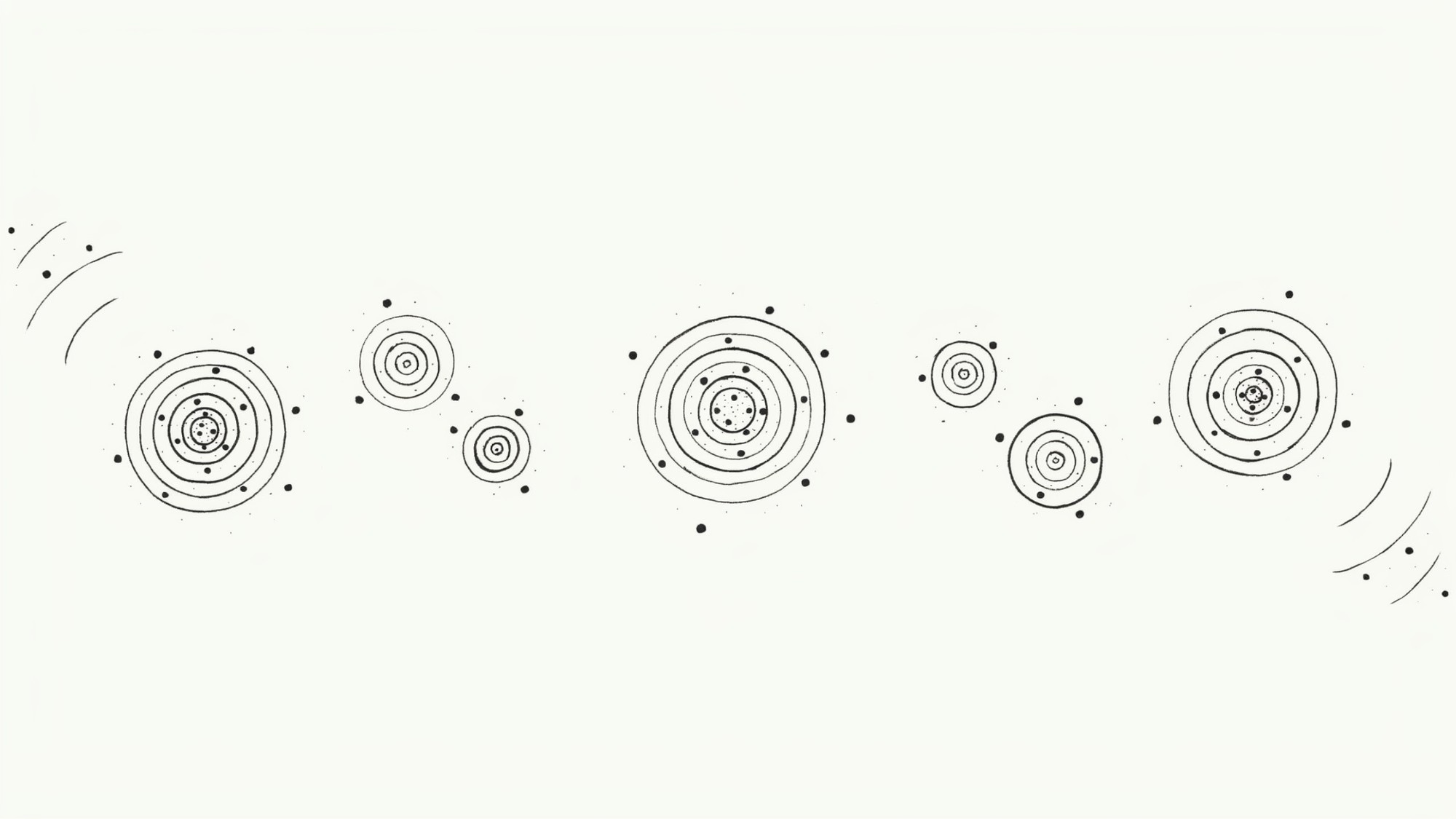
Place a dot, then draw a small circle around it. Repeat this dot-and-circle combination in scattered spots across the section.
Pattern 3: Spiral Shell Design
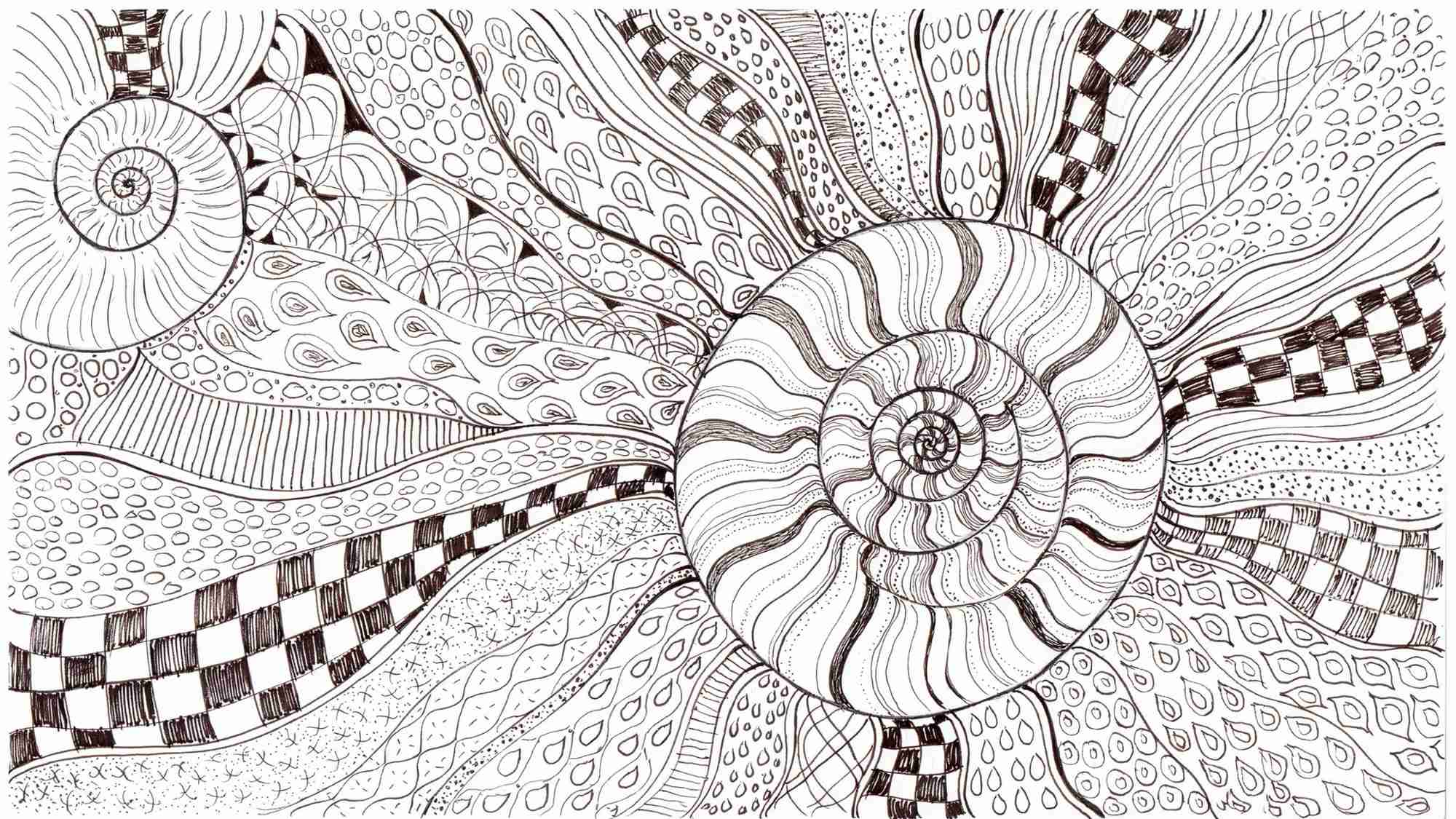
Start at the center and draw a spiral outward, like a shell. Add small lines radiating from the spiral edge for extra texture.
Pattern 4: Checkerboard Grid Pattern
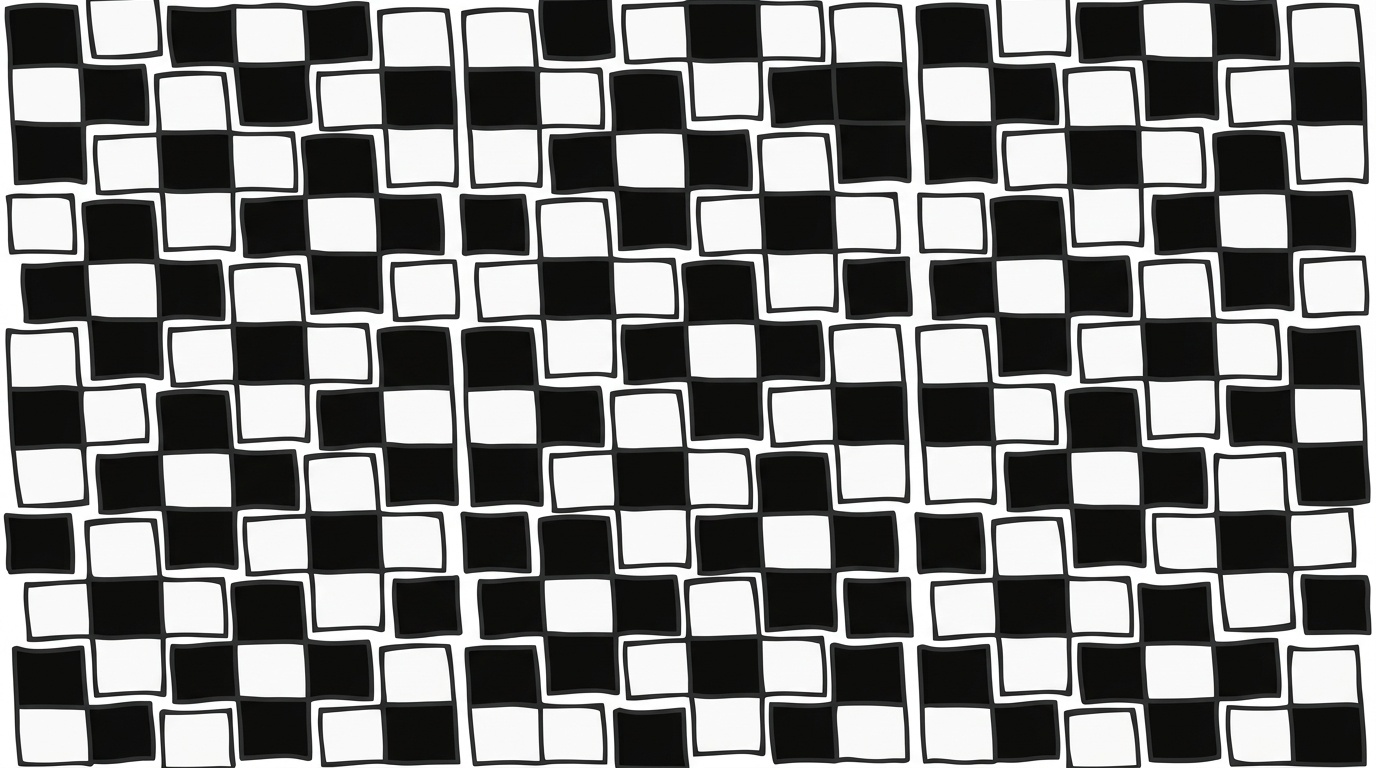
Draw a simple grid of squares, then fill in alternate squares with solid black or fine crosshatching.
Pattern 5: Leaf Stroke Pattern
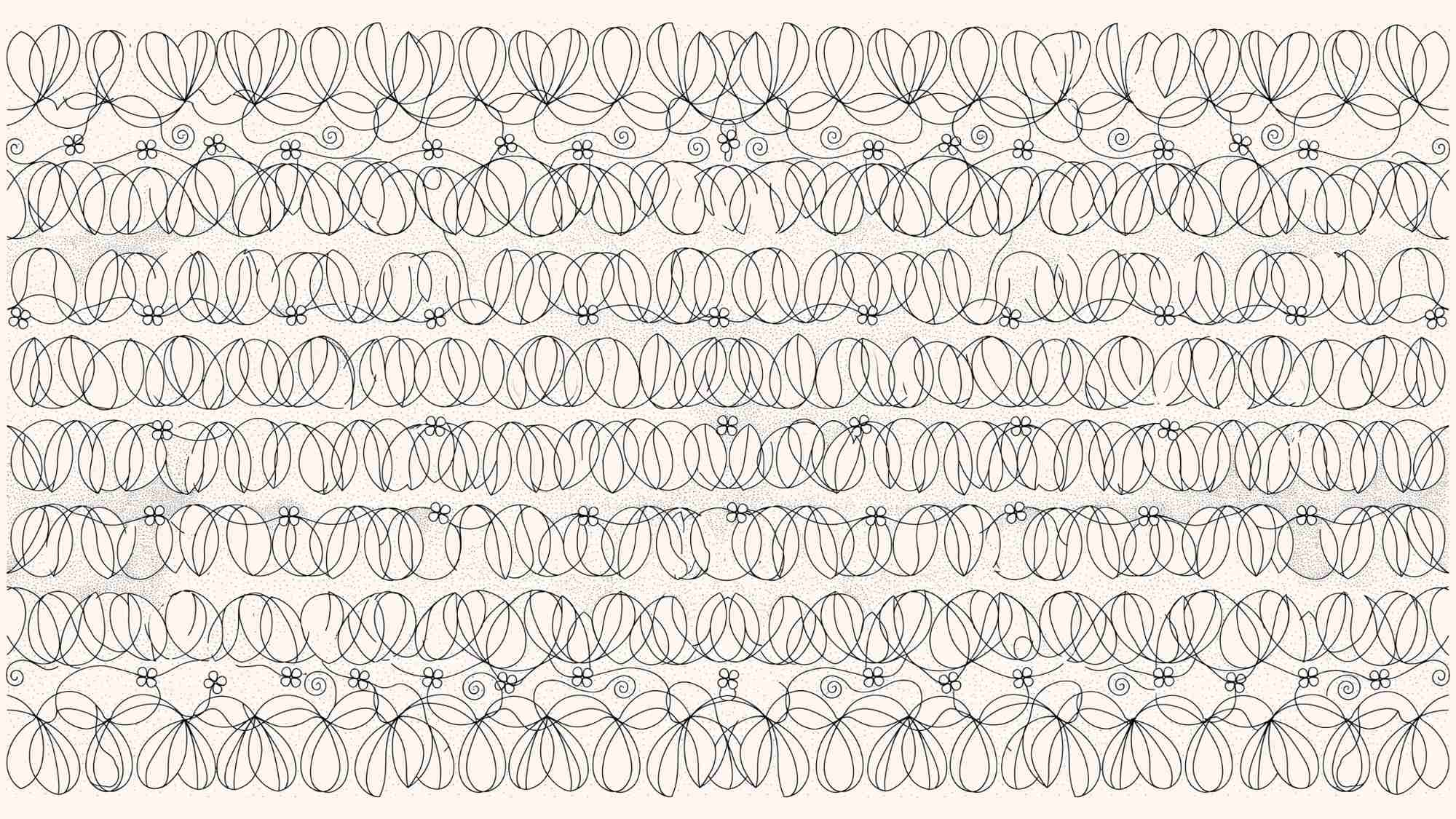
Draw a center line, then add short angled strokes branching off both sides to form a leaf shape. Repeat in rows.
Pattern 6: Ribbon Loop Pattern
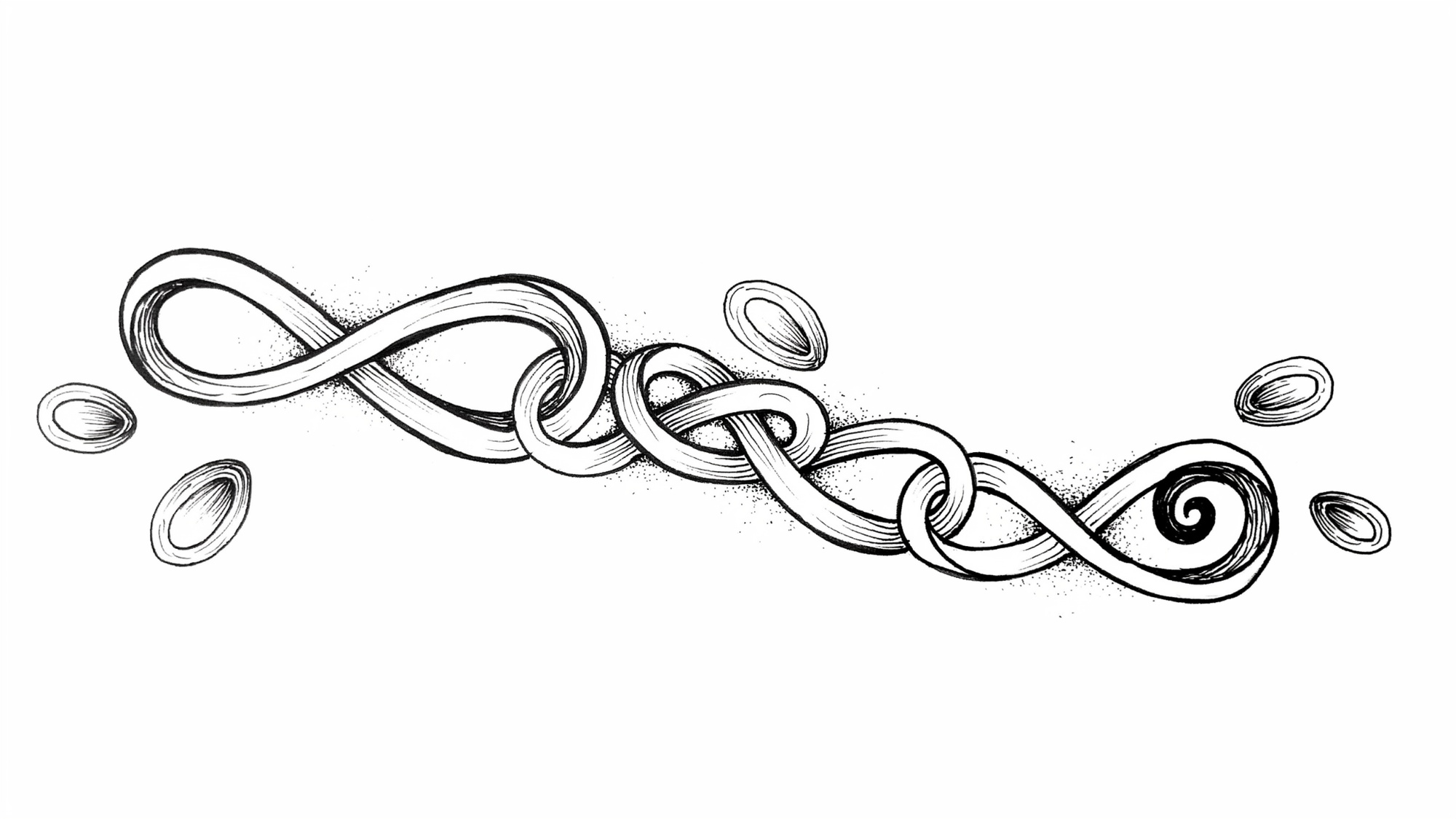
Draw a continuous looping line that crosses over itself, similar to a ribbon. Shade one side of each loop for depth.
Pattern 7: Zig-Zag Energy Lines
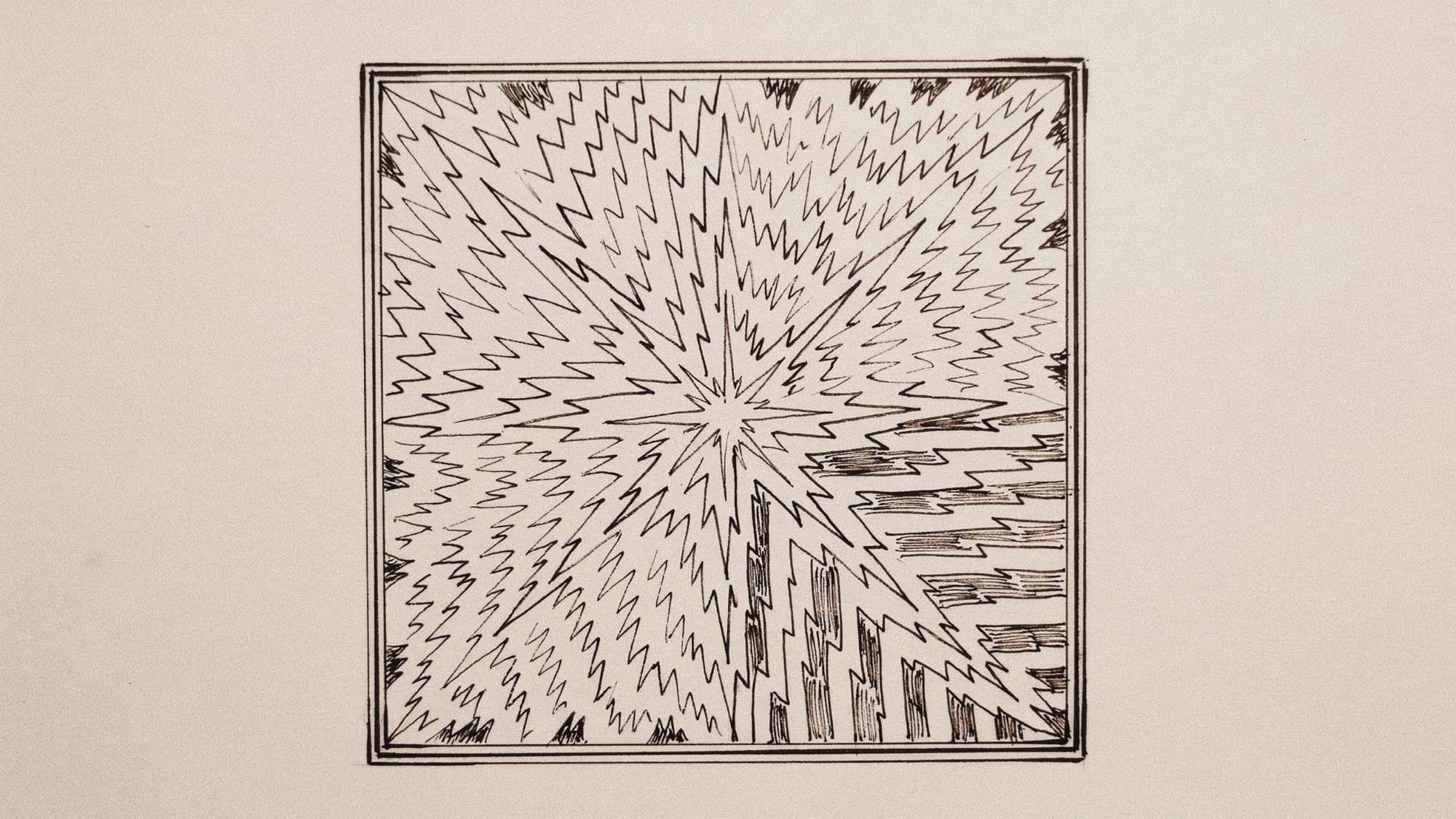
Draw sharp zig-zag lines across the section in clusters. Vary the angle slightly in each cluster for a more lively look.
Pattern 8: Floral Dot Cluster
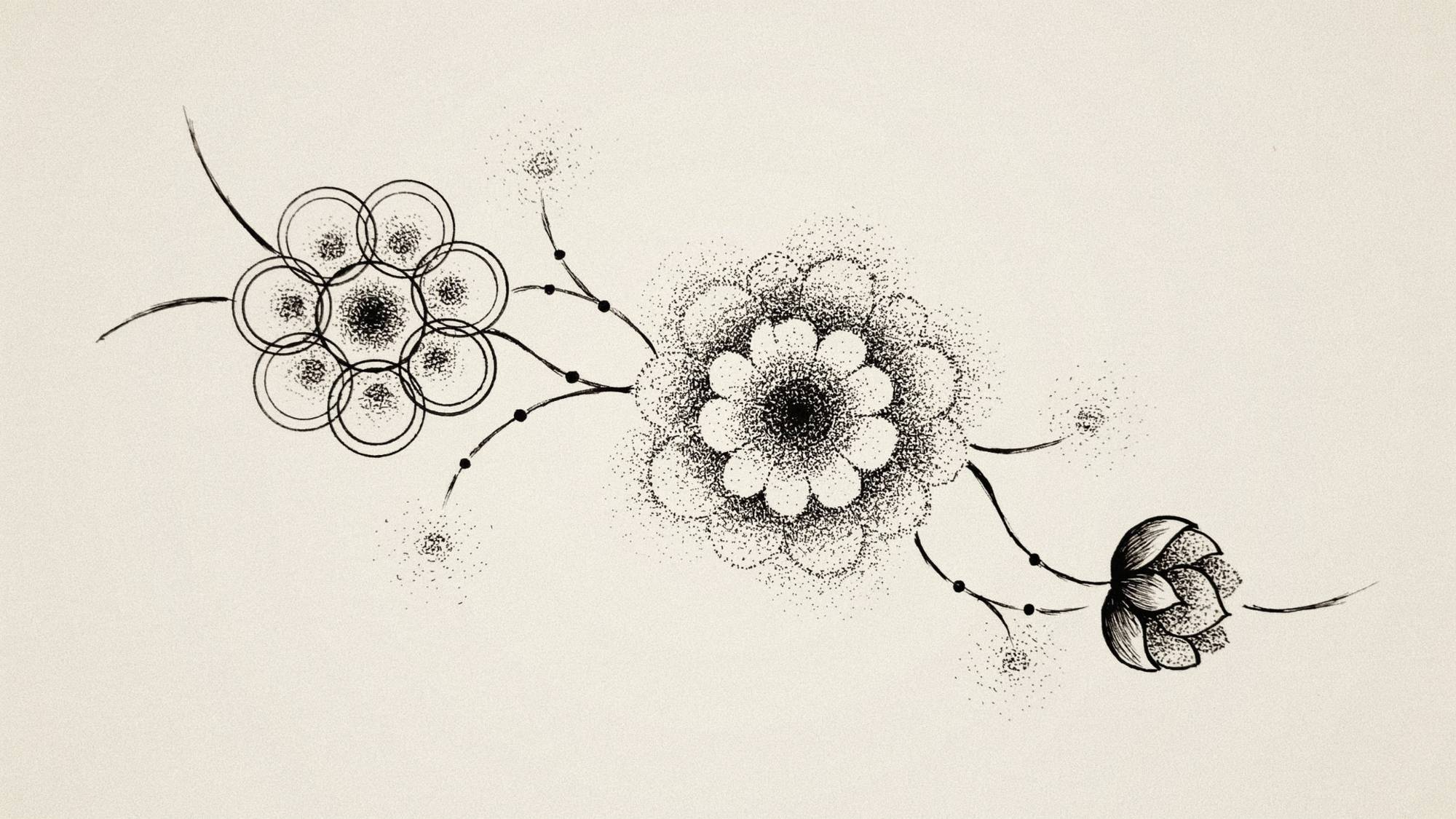
Group small dots into flower-like clusters, with one larger dot at the center of each group.
Pattern 9: Spiral Vine Pattern
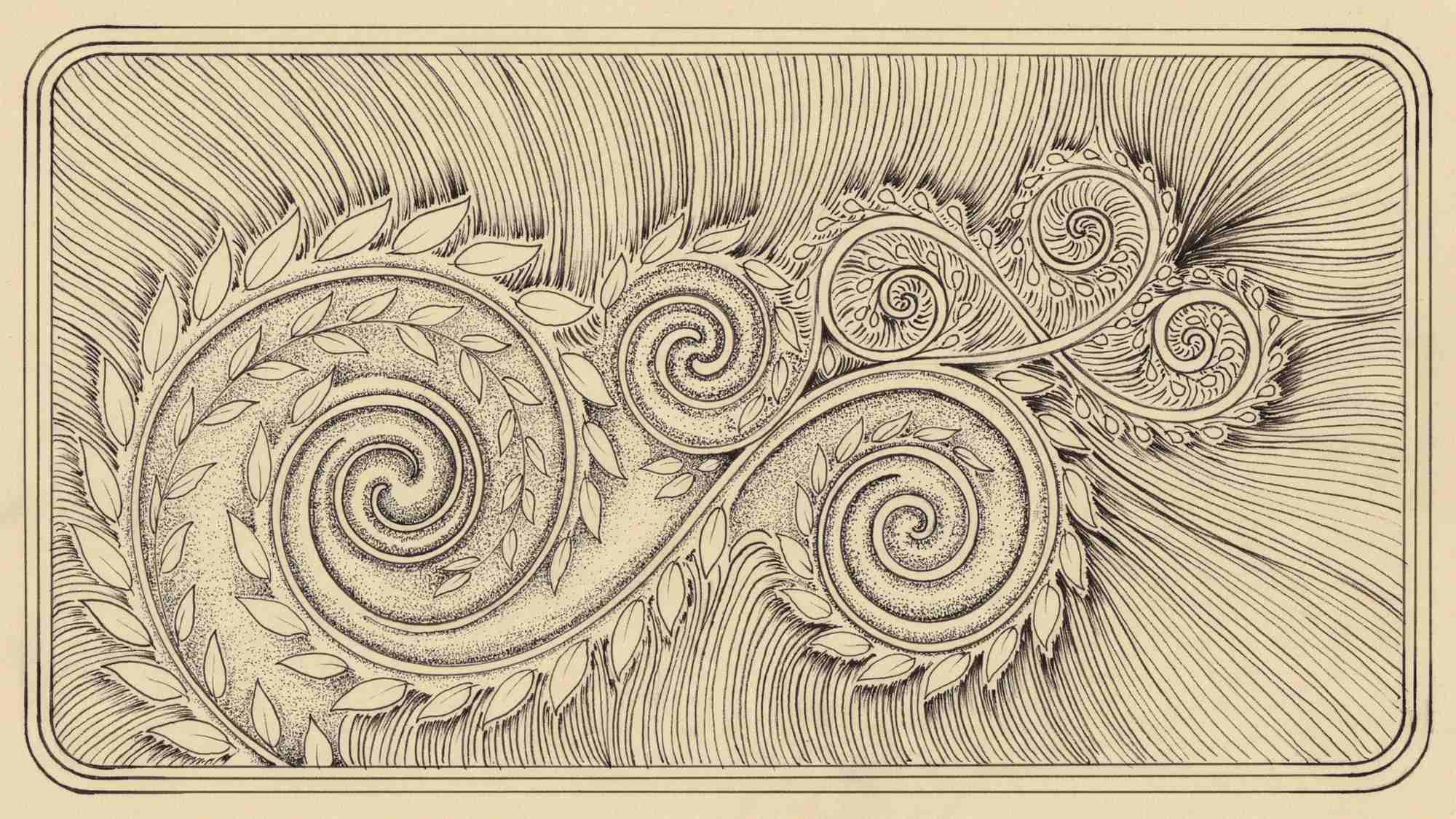
Draw a curved vine line, then add small spiral curls branching off at intervals along the vine.
Pattern 10: Wave Chain Pattern
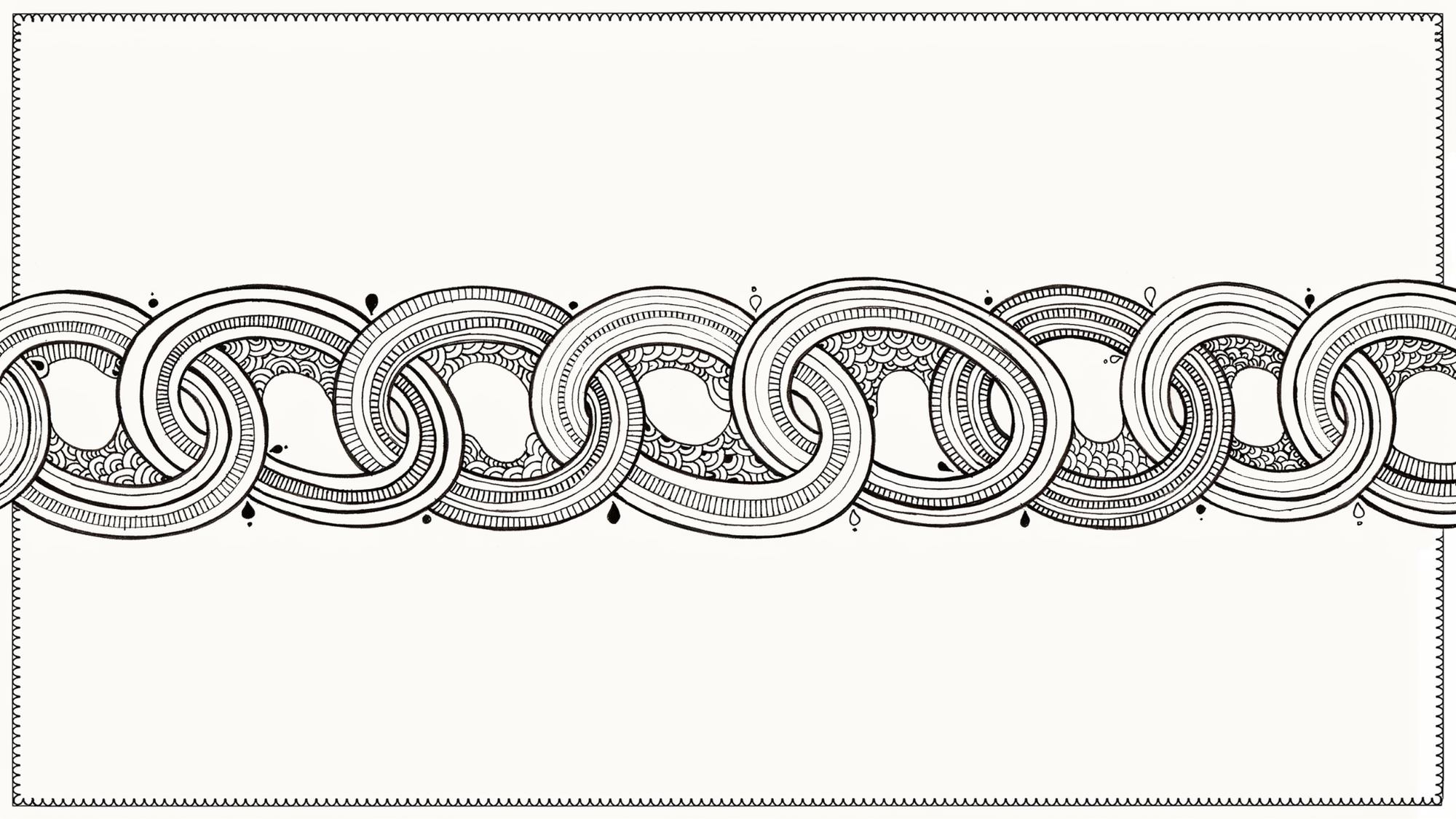
Connect a series of wave shapes end to end, like links in a chain, across the section.
Pattern 11: Circle Layer Pattern
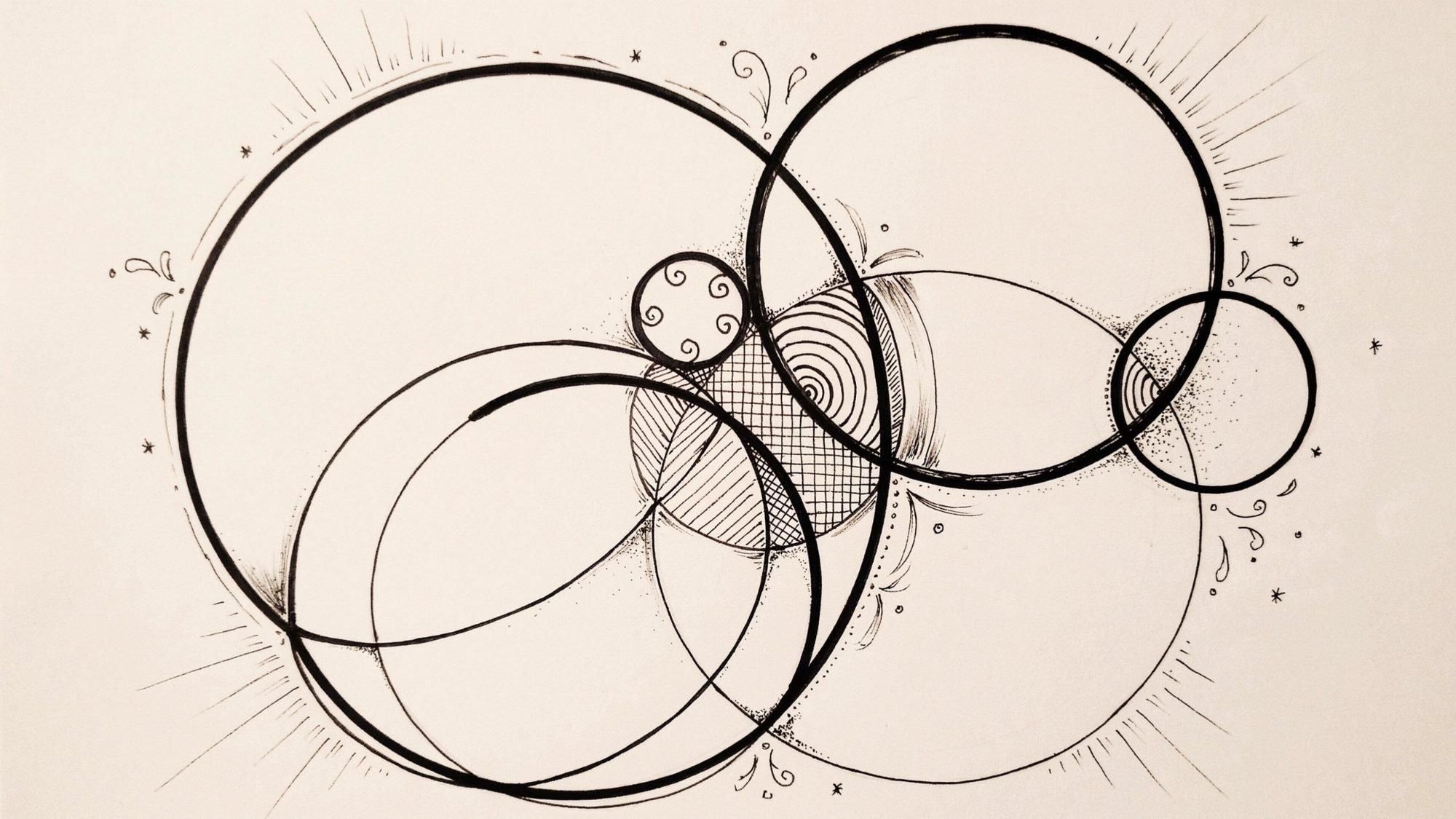
Draw several circles of different sizes overlapping each other, then shade the spaces where they overlap.
Pattern 12: Cross Hatch Grid

Draw two sets of parallel lines crossing each other at an angle to form a woven grid texture.
Pattern 13: Feather Line Pattern
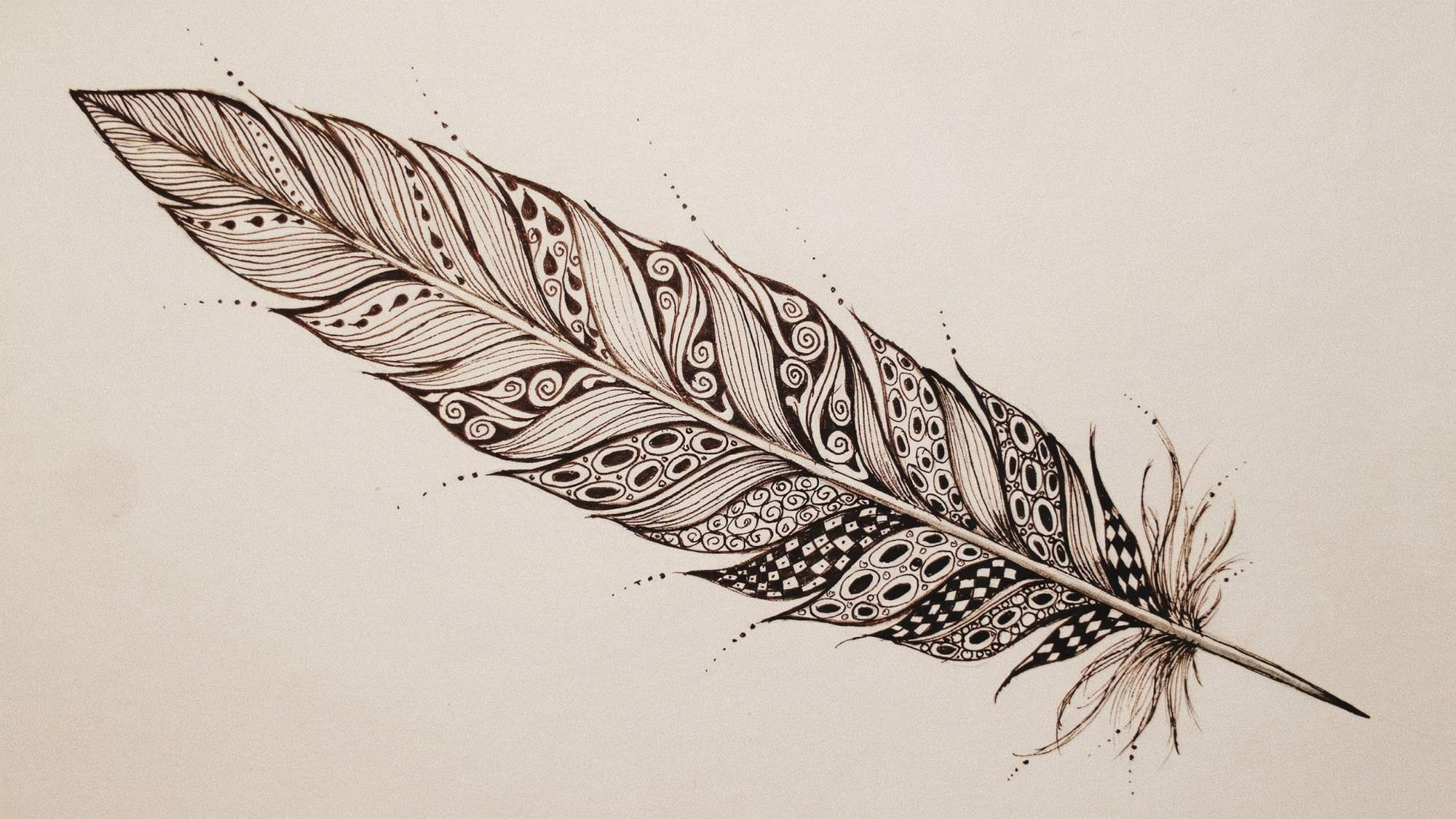
Draw a central line, then add short curved strokes branching off both sides, getting shorter toward the tip, like a feather.
Pattern 14: Brick Block Pattern
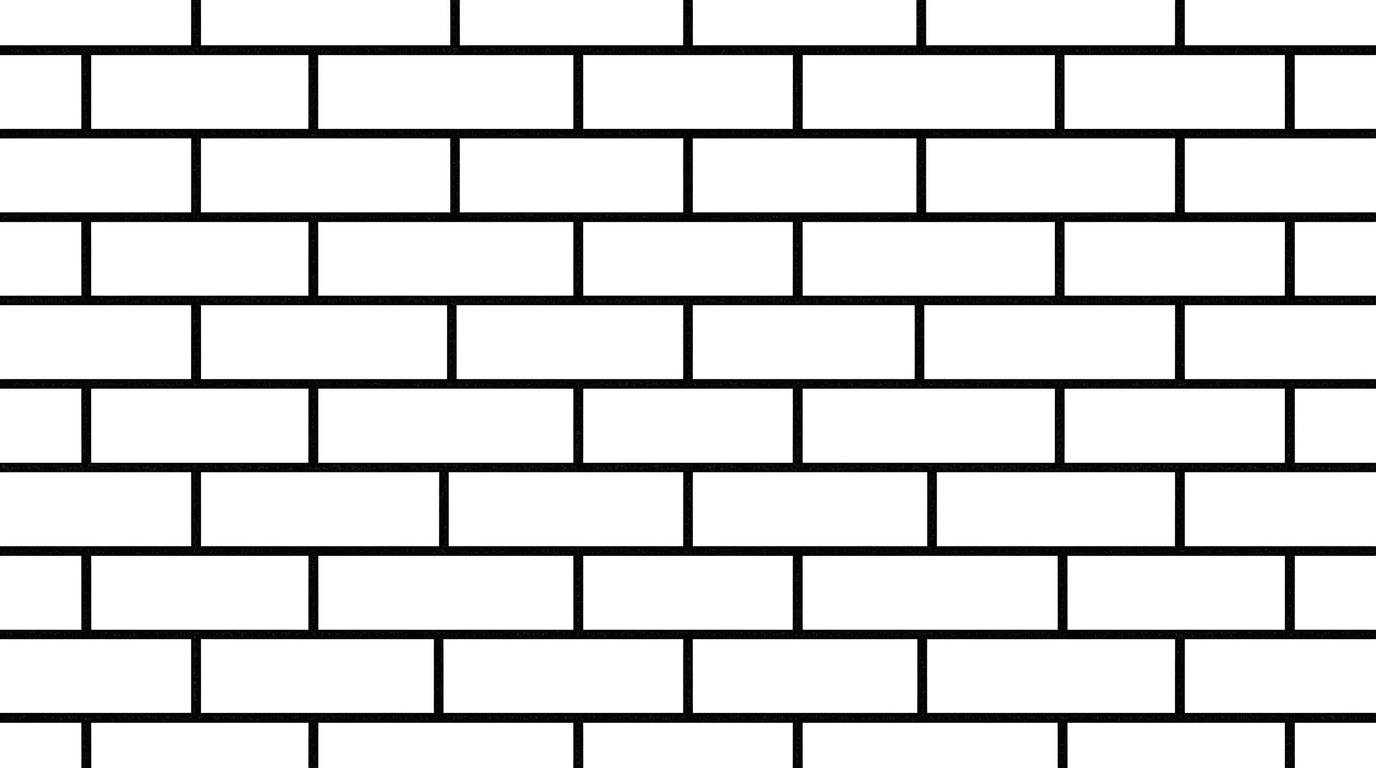
Draw rows of rectangles, offsetting each row like a brick wall, then add light shading to a few bricks.
Pattern 15: Star Burst Pattern
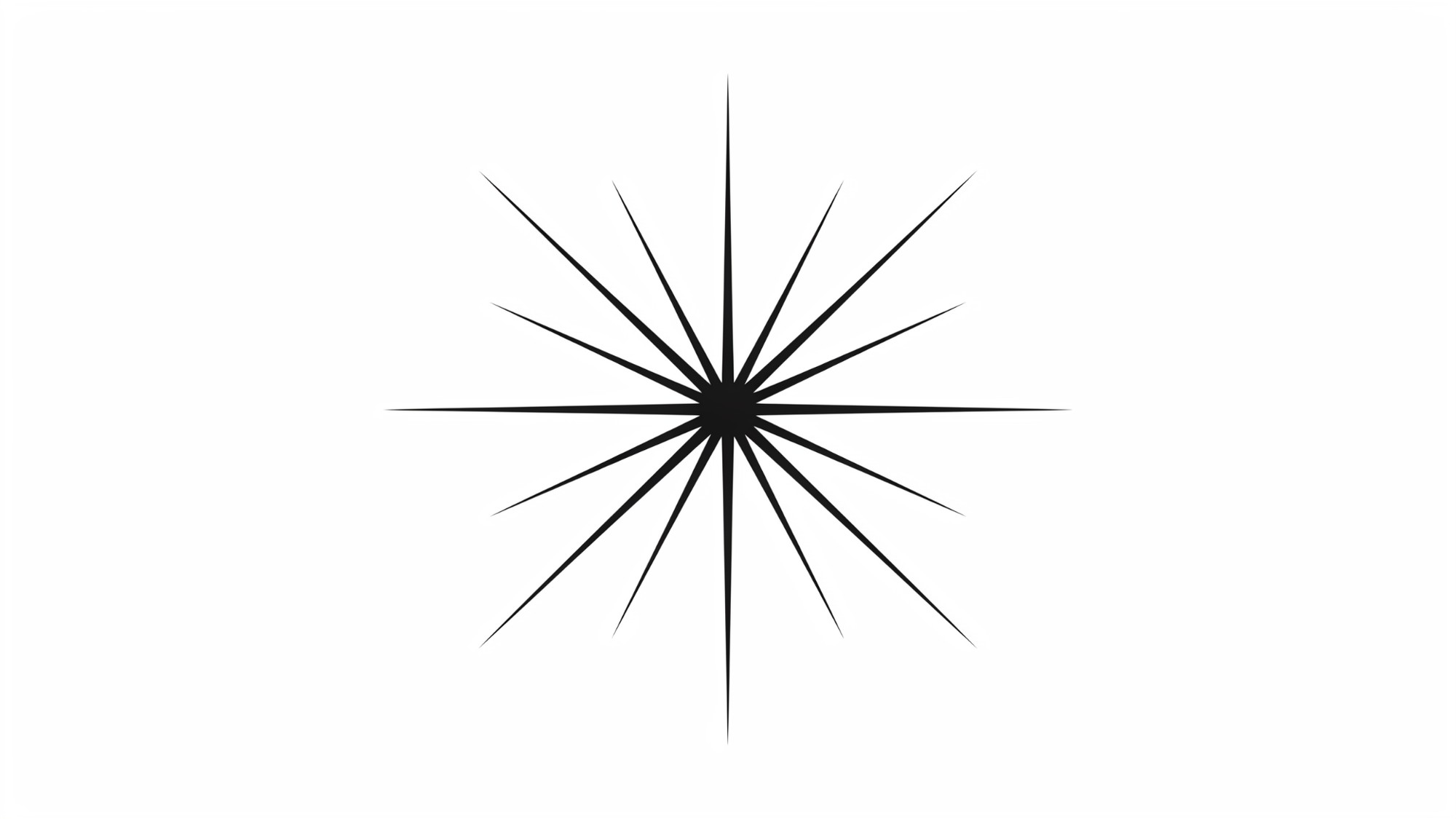
Draw a small center point, then add straight lines radiating outward in all directions to form a burst shape.
Pattern 16: Abstract Flow Pattern
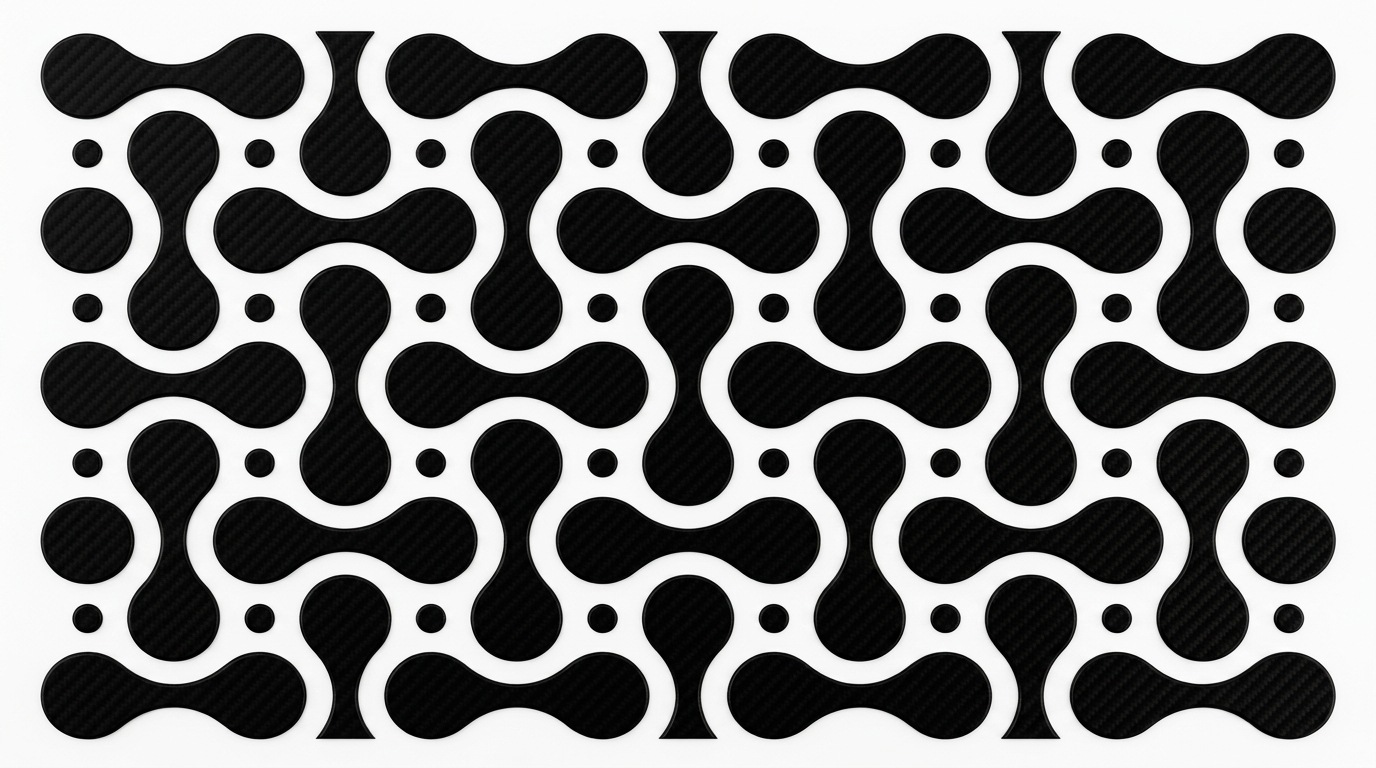
Combine curved lines and small dots in a loose, flowing arrangement without a fixed structure.
Pattern 17: Mixed Zentangle Fusion Pattern
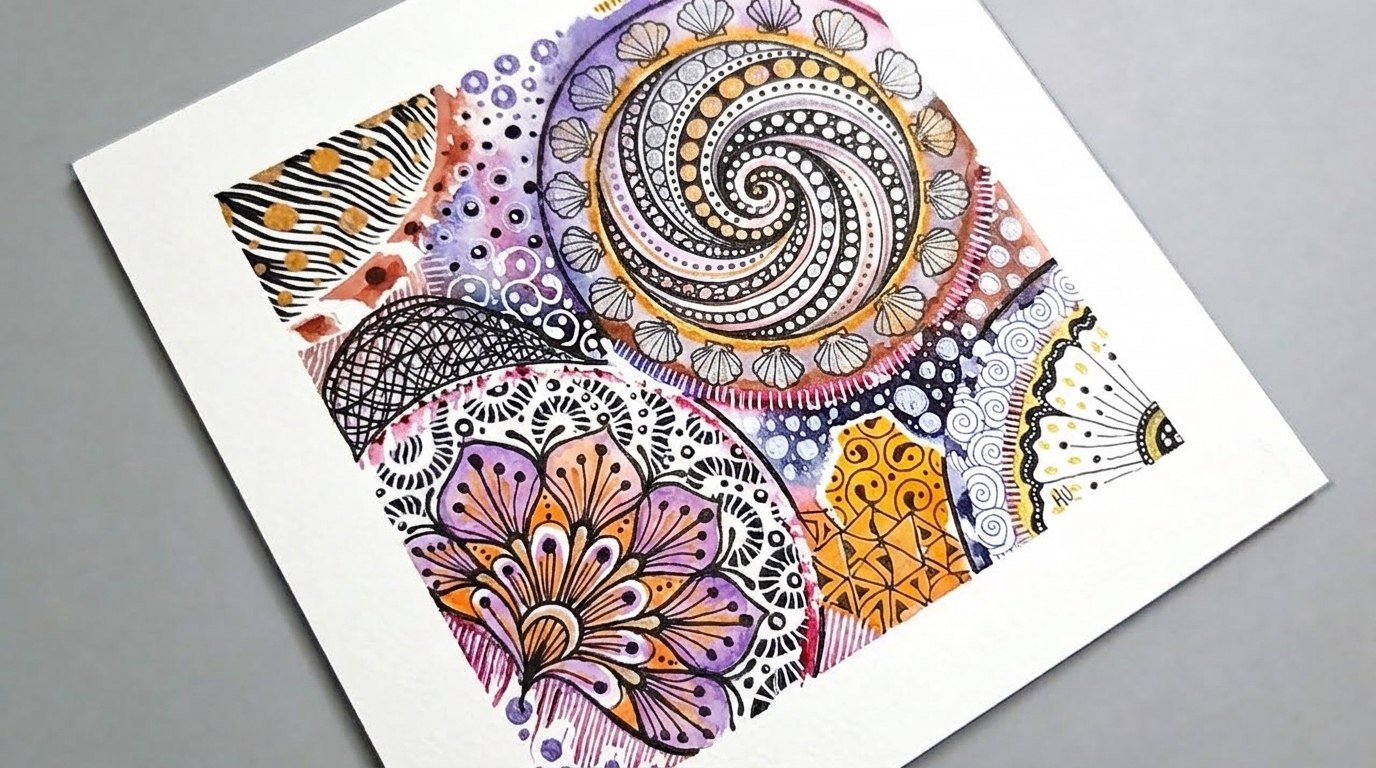
Pick two or three patterns from this list and blend them within a single section for a more layered design.
Zentangle Patterns for Kids and Absolute Beginners
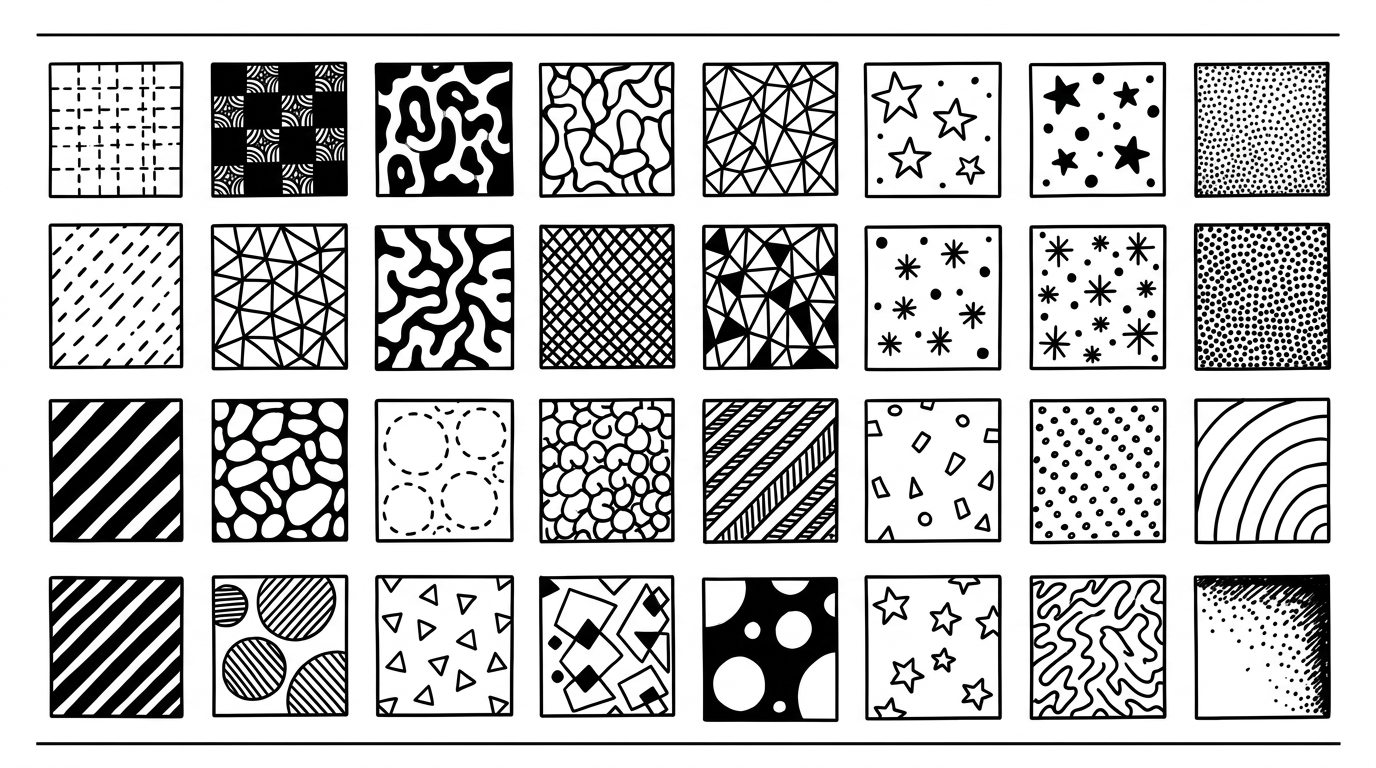
Easy and fun Zentangle pattern ideas designed especially for children and first-time beginners to enjoy drawing.
Easy shapes kids can draw in Zentangle style
Simple shapes like circles, hearts, and triangles work well for younger artists. Kids can repeat these shapes in rows or scatter them across the page without worrying about precision.
Fun and simple Zentangle patterns for beginners
Patterns based on dots and short lines are easiest for first-timers. They require very little planning and still produce a finished look quickly, which keeps beginners motivated.
Making Zentangle drawing enjoyable for learning
Turning the activity into a game, such as picking random shapes to combine, helps keep kids interested. There's no right or wrong way to draw a pattern, which takes the pressure off.
Tips to Improve Your Zentangle Drawing Skills
Practical tips on practicing patterns, mixing designs, using shading well, and developing your own original Zentangle styles.
- Set aside a small amount of time each day or every few days to practice. Repetition builds muscle memory and helps your strokes become steadier over time.
- Pair patterns with contrasting textures, such as a sharp zig-zag next to soft curves, so each one stands out more clearly when combined.
- Add light shading along the edges of shapes to give them depth without much extra effort.
- Leave small gaps of white space between patterns so the design doesn't look too crowded.
- Once you're comfortable with the basics, try changing the spacing, size, or direction of a familiar pattern. Small changes like these can lead to a pattern style that feels like your own.
Conclusion
Zentangle drawing really is as simple as one stroke at a time.
I started with nothing more than a pen and a square of paper, and the first few patterns came out messier than I expected. That was fine. The pen kept moving anyway.
Pick one pattern from this list and try it today. See what your hand does with it.
Drop a comment with how it went, share this with someone who needs a calm break, or look through more patterns on the blog. Your tile is waiting.
Frequently Asked Questions
What is the easiest Zentangle pattern for a beginner to start with?
Dots and orbit patterns are a good starting point since they only need a steady hand and a few repeated strokes. Most new artists pick this up within a few minutes.
Do I need special tools to draw Zentangle patterns?
No, a basic black pen and plain paper are enough to begin. Shading pencils and blending tools can be added later, but they aren't required at the start.
How long should I practice Zentangle patterns each day?
Five to ten minutes a day is plenty for building steady strokes and getting comfortable with new patterns. Short, regular sessions work better than long, occasional ones.
Can kids learn Zentangle patterns too?
Yes, kids can easily draw simple shapes like circles, hearts, and dots in this style. There's no fixed way to do it, so it stays fun for younger artists.
How do I create my own original Zentangle pattern?
Start with a pattern you already know, then change the spacing, size, or direction of the strokes. These small adjustments can turn a familiar pattern into something that feels like your own.
