


Starting out with painting can feel overwhelming. I've been there. That's exactly why I put together this list of 41 easy things to paint for beginners, so you don't have to guess.
Here, you'll find out why simple ideas work best, how easy paintings build real skill and confidence, what makes a painting truly beginner-friendly, and a full list covering cute, abstract, nature, and object ideas.
You don't need fancy supplies or years of practice. Just the right starting point and that's what this list gives you.
How to Improve Faster as a Beginner
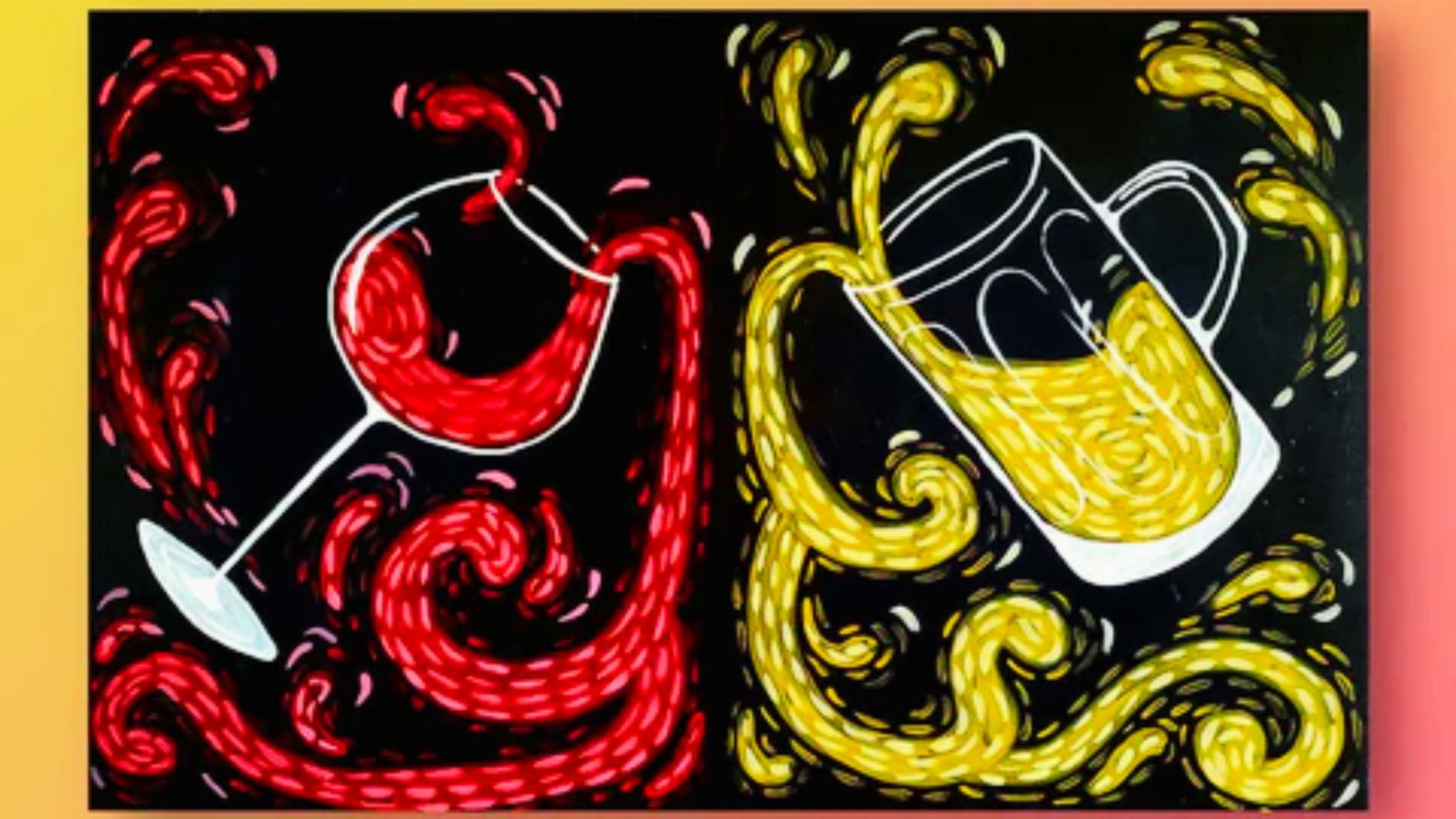
Getting better at painting builds up slowly through small, consistent actions. Practicing small daily sketches for even 10 minutes helps train your hand and eye.
Repeat simple subjects like a sunflower in different styles to build muscle memory faster. Try the same painting in different color combinations to learn how colors work together.
Showing up regularly matters more than painting perfectly. Confidence comes from doing, not waiting until you feel ready.
Set a small goal and paint three times this week. That is enough to start seeing real progress.
41 Easy Things to Paint for Beginners
A beginner-friendly list of painting ideas sorted by theme, so you always know what to pick up and paint next.
1. Sky Gradient with Clouds

Start with a light blue base. Add white in soft strokes across the middle and top. Blend gently with a dry brush. This teaches you how colors mix on canvas without overcomplicating things.
2. Sunset Sky with Warm Tones
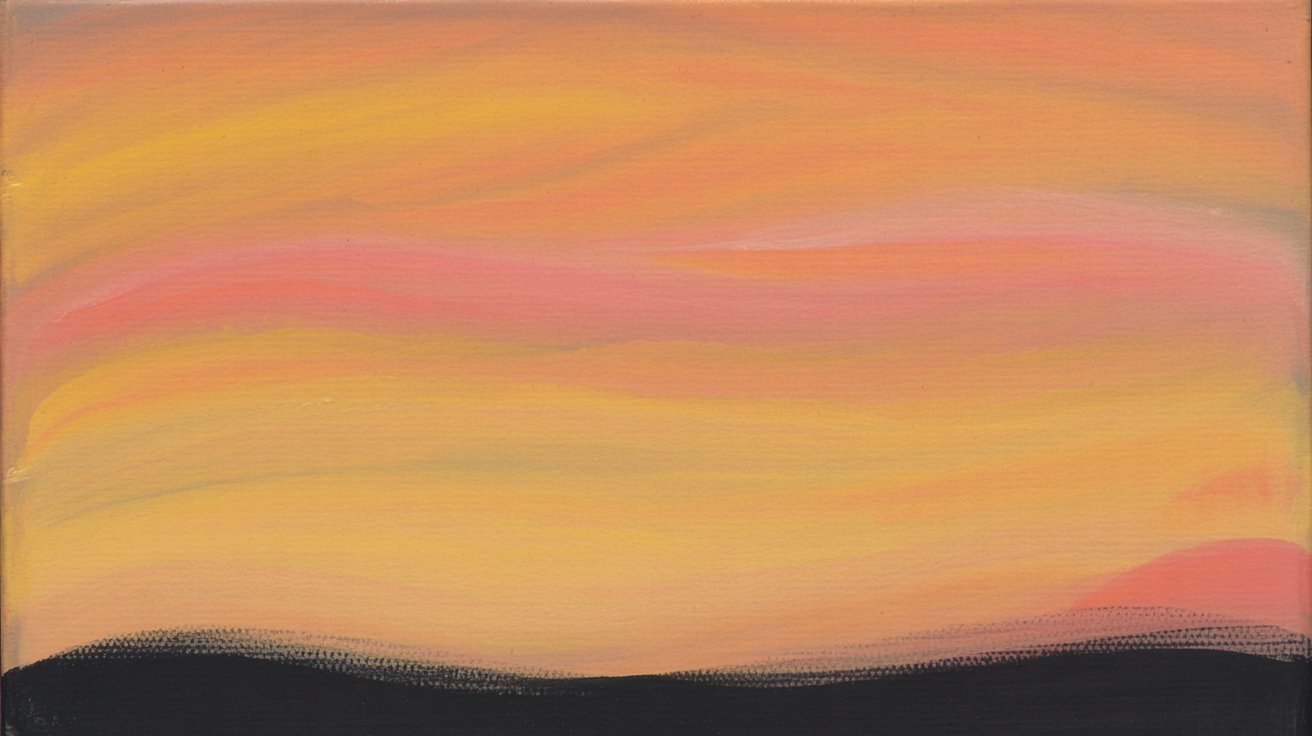
Use orange, pink, and yellow across the canvas. Blend them while still wet. Add a dark horizon line at the bottom. This is one of the best ways to practice color blending as a beginner.
3. Moon and Star Night Sky

Paint the background dark blue or black. Add a round white or yellow circle for the moon. Dot small stars with the tip of a thin brush. Simple, satisfying, and great for night sky practice.
4. Rainbow in the Sky

Draw light curved lines and fill each one with a different color. Keep the bands thin. Add soft clouds on each side. This is perfect for learning how to control brush pressure.
5. Soft Fluffy Clouds
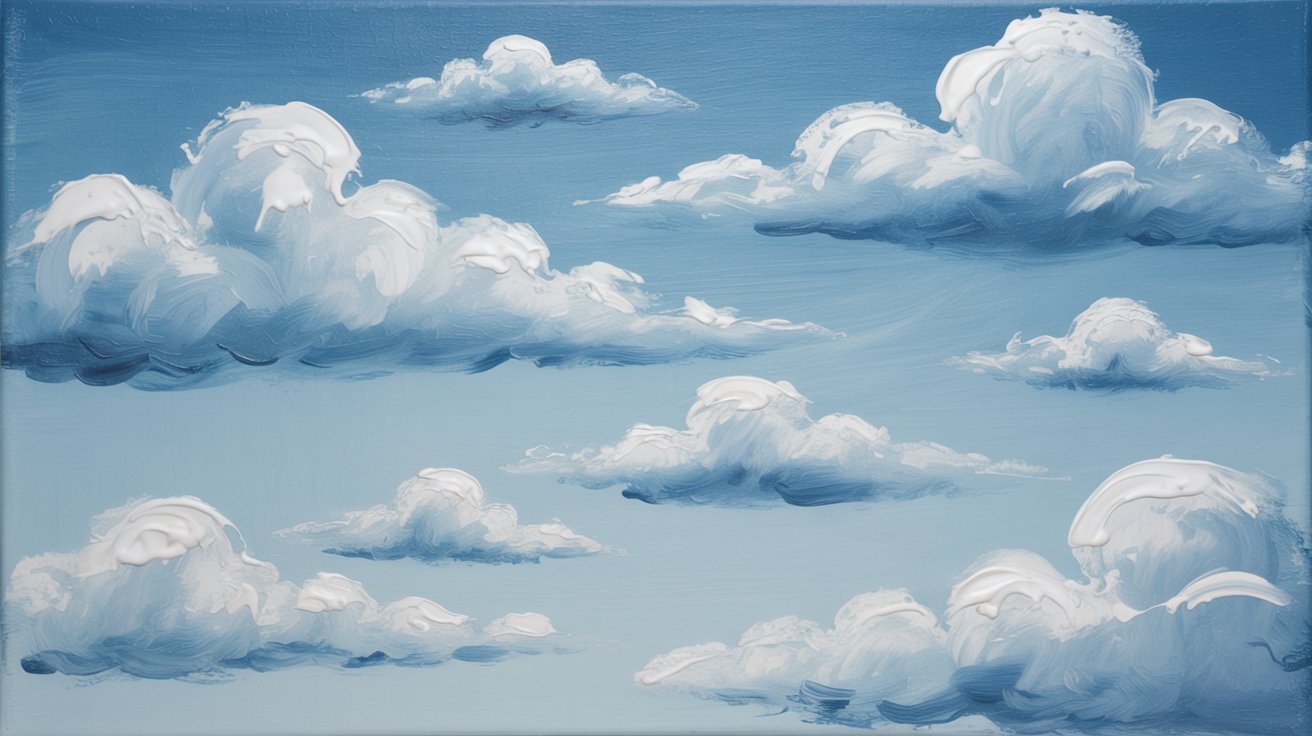
Use white paint on a light blue background. Dab with a round brush or sponge to get a fluffy look. Blend the edges softly. Clouds are forgiving, which makes them great for beginners.
6. Galaxy Night Sky

Start with black. Add patches of dark purple and blue. Flick white paint lightly with a stiff brush for stars. Smudge gently for a soft glow. This looks impressive but takes very little skill.
7. Meteor Shower Scene

Paint a dark sky. Add diagonal white streaks with a thin brush. Make them different lengths. Add a soft glow at the tip of each streak. It comes together fast and looks really cool.
8. Mountain Silhouette Landscape

Paint a light sky first. Let it dry. Then add dark mountain shapes along the bottom using a flat brush. Silhouettes are beginner-friendly because you only need solid shapes, no detail.
9. Ocean Waves with Moonlight

Use deep blue and green tones for the water. Add white at the tips of each wave. Paint a moon reflection with a thin line of yellow-white going down the center. Keep it loose and free.
10. Forest Tree Line Painting

Paint a plain sky background. Then dab dark green and brown along the bottom for tree tops. Use a fan brush if you have one. This creates a natural forest look with very little effort.
11. Desert Cactus Scene

Use a sandy yellow-brown for the ground. Add a simple green cactus shape in the center. Paint a warm orange sky behind it. Cactus shapes are easy because they are just simple ovals and lines.
12. River and Bridge Landscape

Paint blue-grey water across the lower half. Add a simple arched bridge shape above it. Reflect the bridge lightly in the water below. This teaches basic reflection and symmetry in painting.
13. Sunrise Over Hills
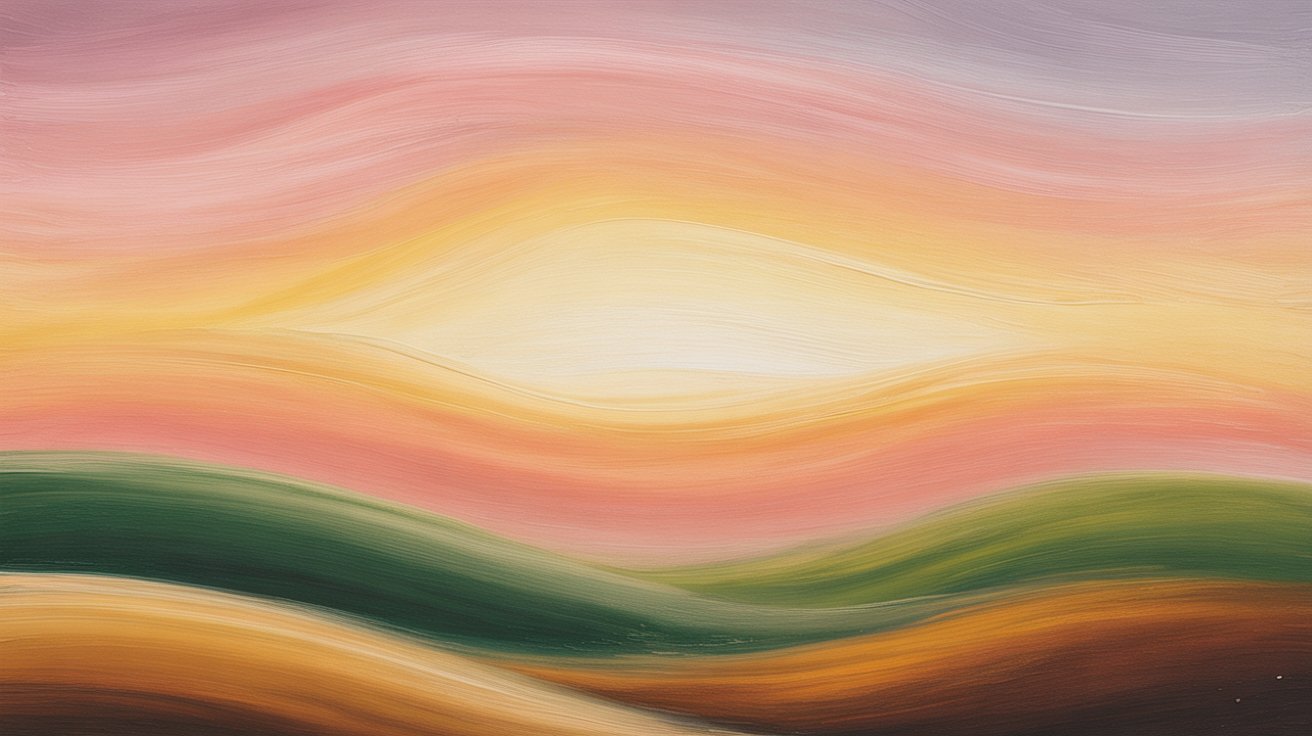
Blend pink, orange, and yellow for the sky. Add soft green or brown curved hills at the bottom. Keep the shapes rounded and simple. Sunrise paintings are easy to finish in one sitting.
14. Cute Cat Painting

Draw a simple round head, two triangle ears, and small facial features. Use grey, black, orange, or any color you like. Add whiskers last with a thin brush. Cute animals are a great confidence booster.
15. Sleeping Dog Illustration

Paint a round curled-up body shape. Add small paws and a simple face with closed eyes. Use soft browns or blacks. This is a relaxed, low-pressure painting that beginners love doing.
16. Butterfly Wing Design

Draw two large symmetrical wings. Fill each side with matching colors and simple patterns. You don't need to be perfect. Butterflies look great even when the two sides don't match exactly.
17. Whale Tail in Ocean

Paint a calm dark blue ocean. Add a simple whale tail shape rising from the water in the center. Keep the edges clean with a detail brush. It's simple but looks very striking when done.
18. Flying Bird Silhouettes

Use a light sky background. Paint small curved "m" shapes in different sizes across the canvas. That's it. These simple silhouettes give a natural, peaceful feel to any painting.
19. Jellyfish Underwater Glow

Use dark blue or purple for the background. Paint a rounded bell shape in the center. Add long flowing lines below it for tentacles. Add a soft glow around the body using lighter blue or white.
20. Koi Fish Painting

Paint a water background in blue or teal. Add simple orange and white fish shapes. Use curved lines for the tail and fins. Koi fish look detailed but are actually very easy to paint in steps.
21. Bunny Rabbit Sketch

Paint a round body, a smaller round head, and two long ears. Add a tiny tail and small eyes. Keep the colors soft. This is one of those easy paintings that beginners come back to again and again.
22. Simple Fish Bowl Art

Paint a round bowl shape. Add blue water inside. Place one or two small fish in the center. Add a few bubbles with a thin brush. It's small, quick, and great for practicing curved shapes.
23. Cartoon-Style Hamster

Use a large round head and chubby cheeks. Add tiny ears on top and small black eyes. Keep the body short and round.
Cartoon animals don't need to look realistic, which makes them very beginner-friendly.
24. Abstract Color Blending
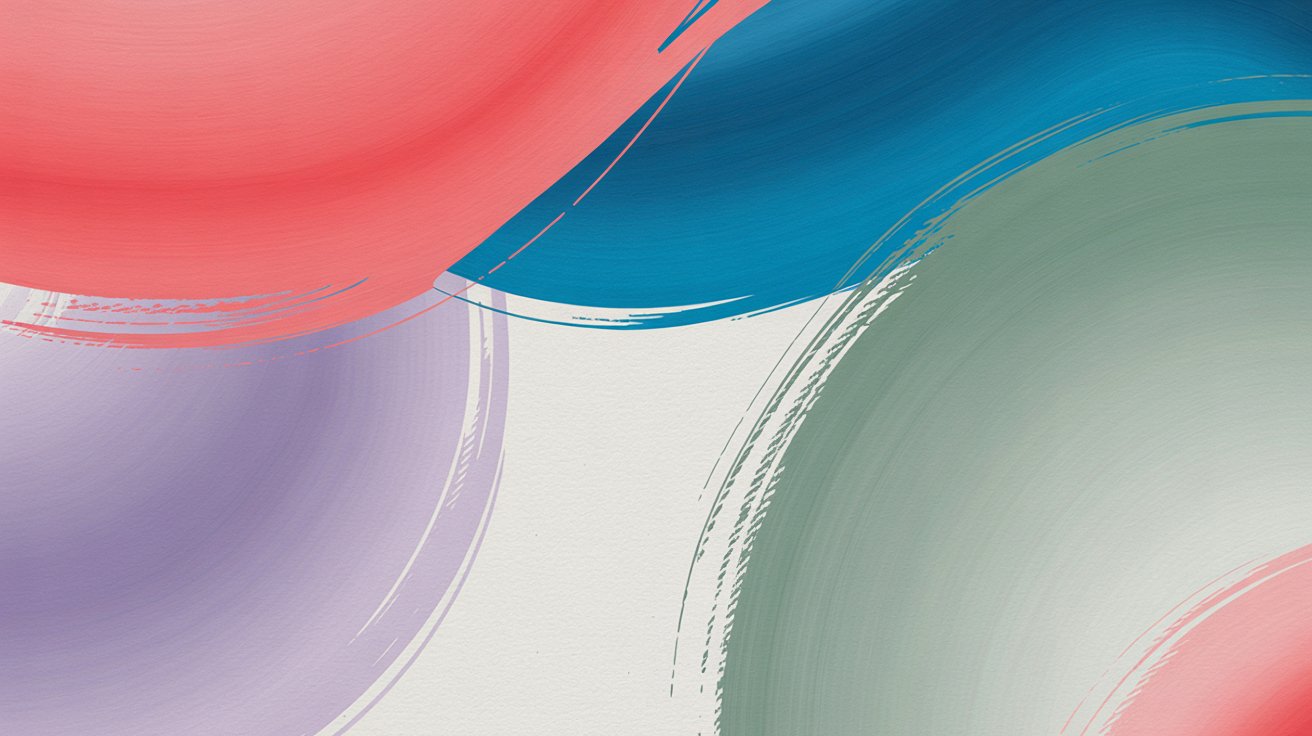
Put two or three colors side by side on your canvas. Blend where they meet using a dry brush. There are no rules here.
This is one of the easiest ways to practice blending without any pressure.
25. Paint Scrape Texture Art
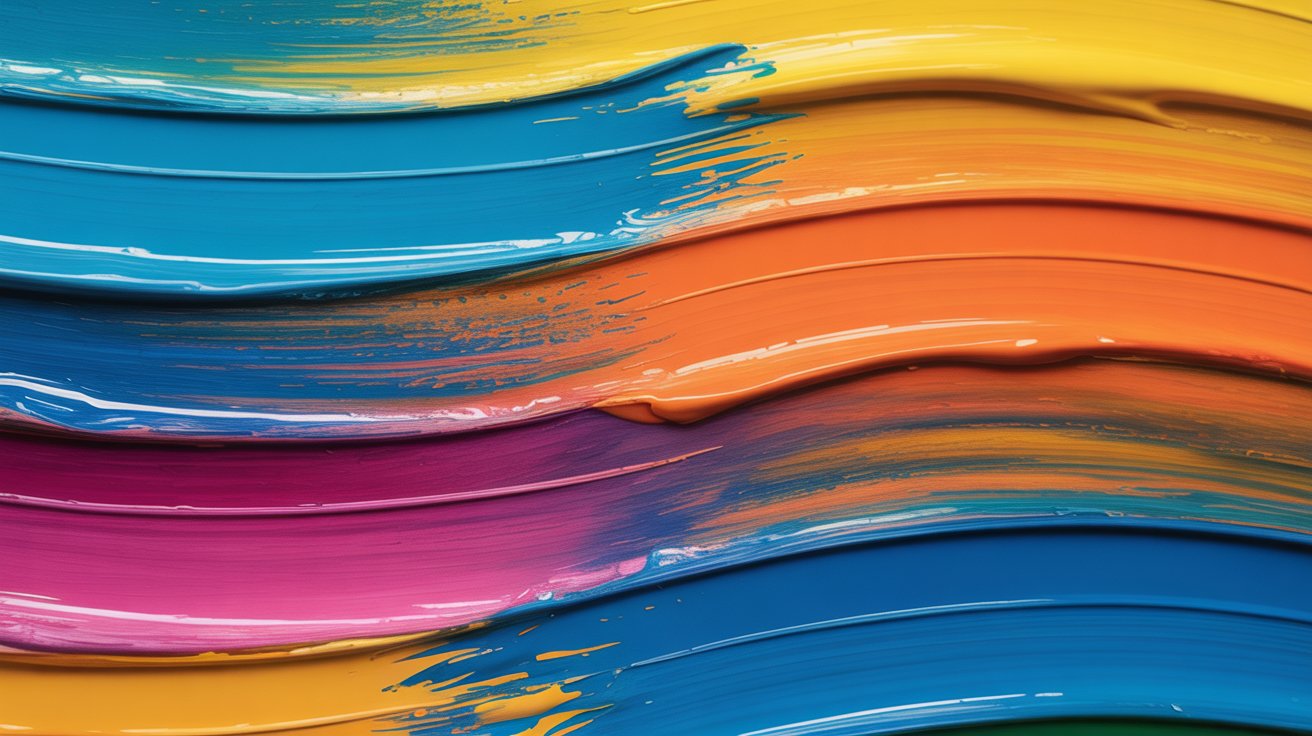
Load a palette knife or old card with paint. Drag it across the canvas in one smooth stroke. Repeat with different colors.
The result is always interesting, and no two paintings look the same.
26. Acrylic Pour Painting

Mix acrylic paint with a pouring medium until thin. Pour different colors slowly onto the canvas. Tilt the canvas to let them flow and mix.
This is one of the most relaxing beginner techniques out there.
27. Ombre Gradient Background
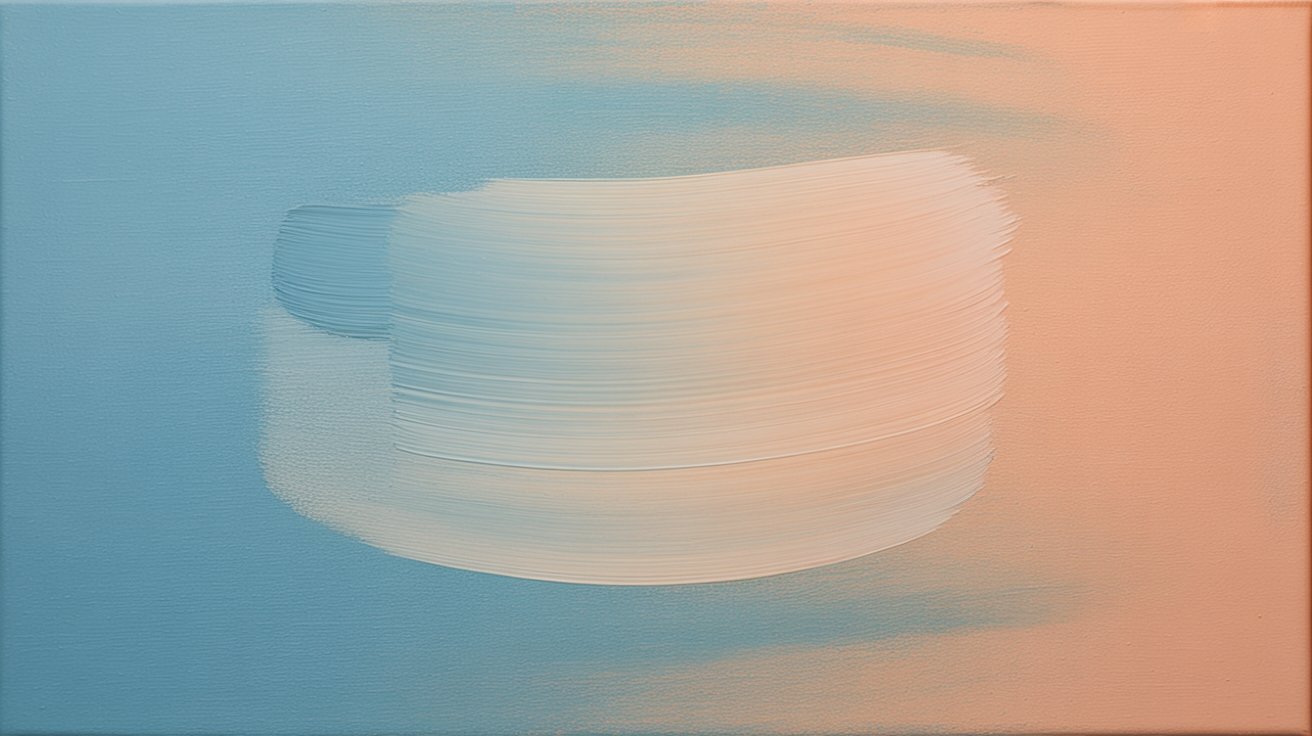
Pick two colors that go well together. Start with one at the top and the other at the bottom. Blend in the middle while both are still wet.
This simple technique looks clean and polished every time.
28. Scribble Abstract Art
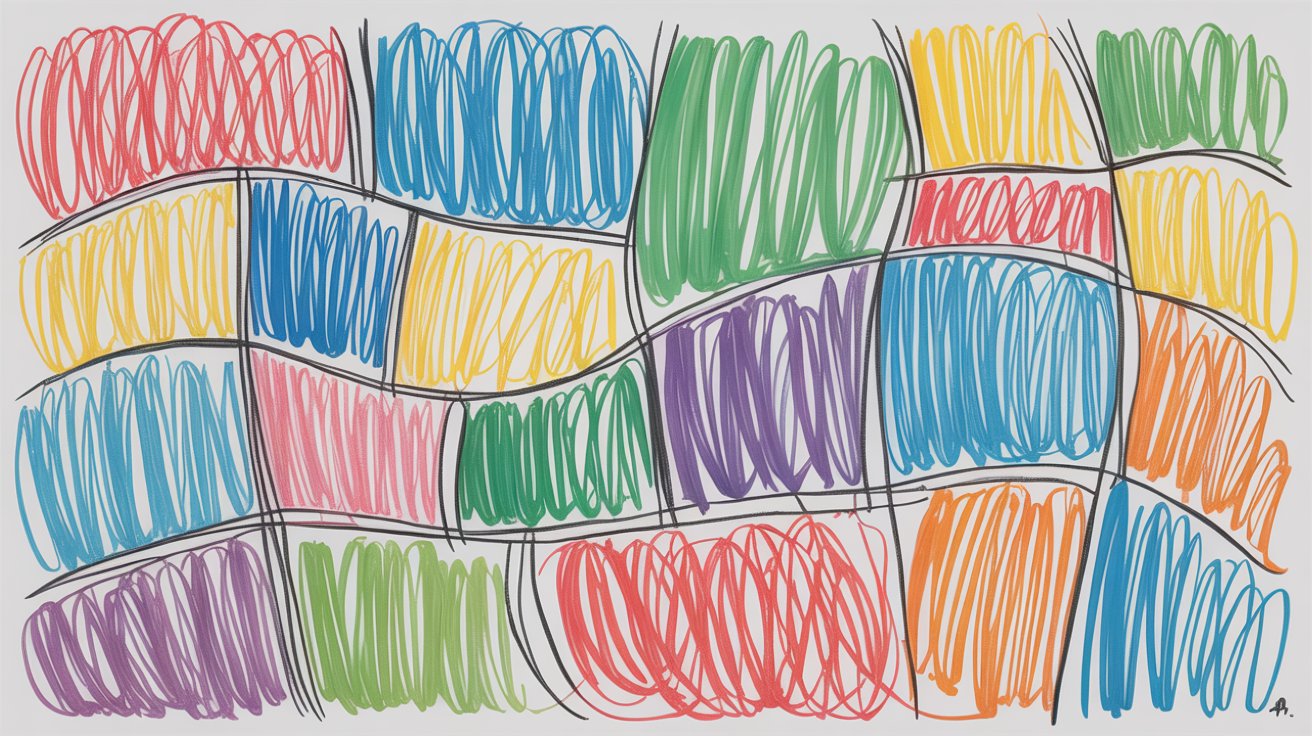
Use a pencil or brush to scribble freely across the canvas. Fill in each section with a different color. There is no wrong way to do this. It is a fun, low-stress painting that beginners enjoy a lot.
29. Geometric Shapes Design

Use a ruler and pencil to draw triangles, squares, and rectangles across your canvas. Fill each shape with a flat color. Keep the lines clean.
This works great even if you feel you can't draw freehand.
30. Brushstroke Experiment Art

Load your brush with thick paint. Make bold strokes across the canvas in different directions. Try short, long, curved, and straight strokes.
This teaches you how your brush behaves, which is very useful early on.
31. Coffee Cup Still Life

Paint a simple mug shape in the center. Add a small handle on the side. Include a saucer below it. Use warm browns and creams.
Still life objects are great because they sit still and you can take your time.
32. Paint Palette Artwork

Paint the outline of a classic palette shape. Fill in small blobs of different colors across it. Add a few brush marks around it. It's a fun, creative painting that feels very fitting for an artist.
33. Simple House Illustration

Draw a square base and a triangle roof. Add a door, two windows, and a chimney. Use flat, solid colors.
Simple house paintings are great for learning how to work with basic shapes and clean edges.
34. Window View Painting
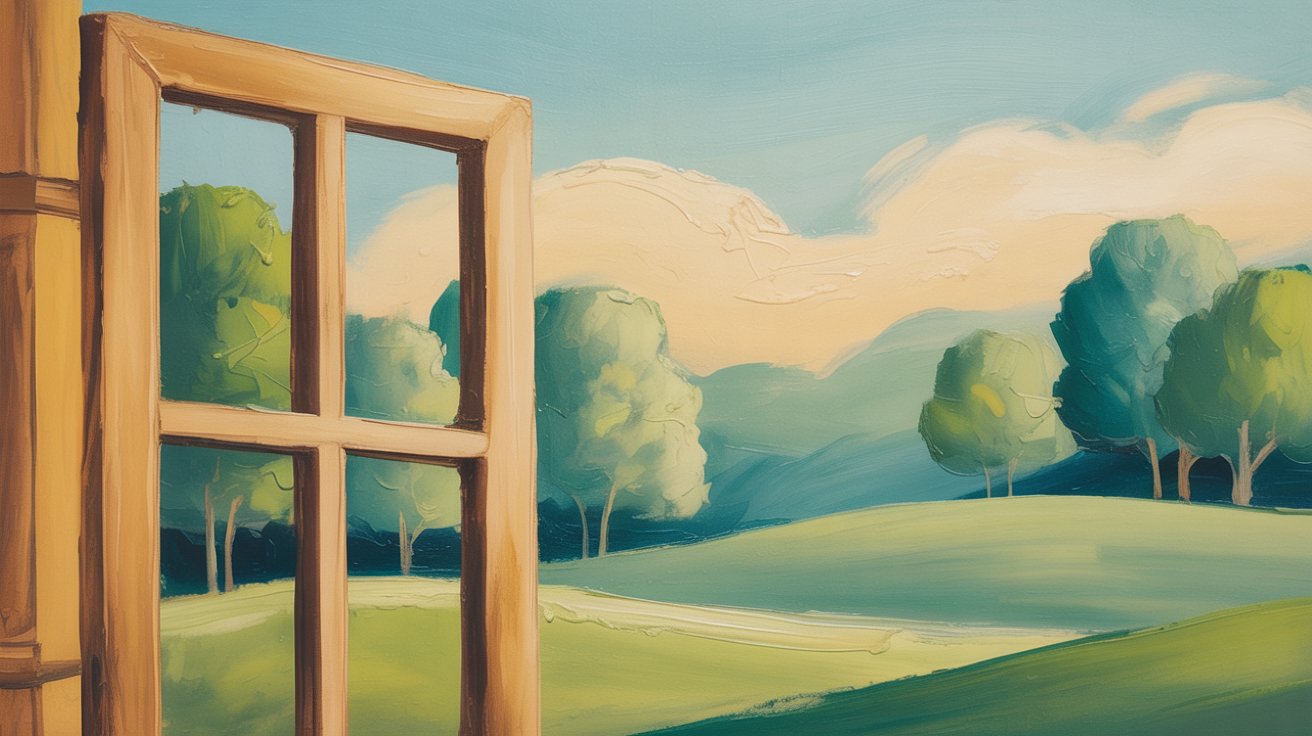
Paint a window frame first. Then fill in the view behind it. It could be trees, sky, or hills. This gives you a lot of creative freedom while keeping the structure simple and easy to follow.
35. Street Lamp at Night
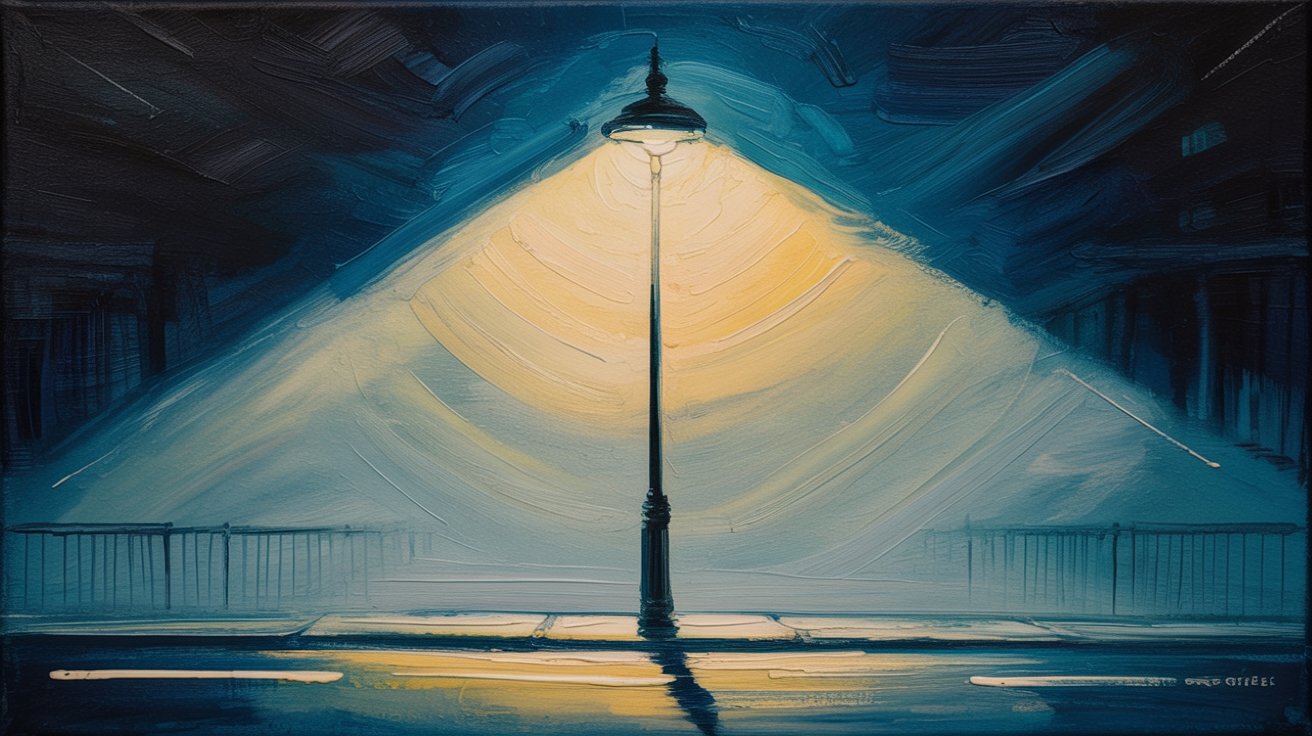
Paint a dark night sky background. Add a tall, thin lamp post in the center. Paint a soft yellow glow around the light at the top. This painting looks striking and takes very little time to finish.
36. Books or Desk Setup Scene
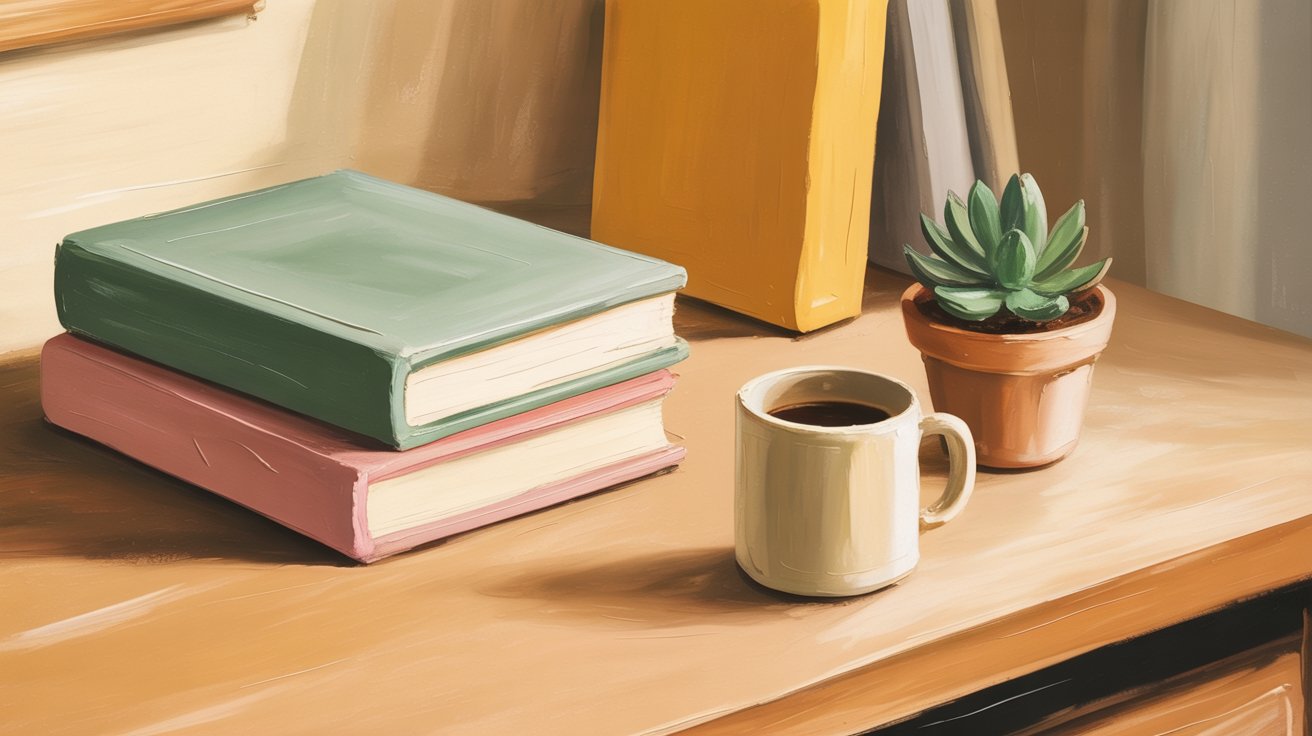
Stack two or three book shapes on a flat surface. Add different colors for each cover. Include a small mug or plant beside them. This is a cozy, simple painting that comes together quickly.
37. Minimal Object Composition

Pick one simple object, like a glass, a leaf, or a spoon. Place it in the center of your canvas.
Paint it with flat colors and simple shading. Minimal paintings are clean, modern, and very easy to do.
38. Sunflower Painting

Paint a brown or dark yellow circle in the center. Add long yellow petals around it.
Include a short green stem and a leaf or two. Sunflowers are cheerful and very forgiving for beginner painters.
39. Lavender Field Art

Use a light purple-blue for the sky. Add thin vertical strokes of purple and green for the lavender stems below. Work in rows.
Keep the strokes loose. This painting has a soft, natural look that is easy to get right.
40. Rose or Floral Bouquet

Start with a loose spiral in the center of the rose. Add curved petals around it. Group a few together for a bouquet.
Add green leaves around the base. Roses look complex but break down into simple steps.
41. Botanical Leaf Patterns

Paint simple leaf shapes in different sizes across your canvas. Use green, yellow, and brown tones.
Add a thin center line on each leaf for detail. Botanical patterns are relaxing to paint and look great when finished.
Beginner Painting Tips to Make Easy Things to Paint Even Easier
The right tools and a simple mindset make painting less stressful and a lot more enjoyable from day one.
- Best paints for beginners Acrylic is the top pick. It dries fast, is easy to fix, and works on almost any surface.
- Simple tools you need: A wide flat brush, a medium round brush, and a thin detail brush are all you need to start.
- Any surface works Thick watercolor paper, cardboard, or wooden boards all work well no need for expensive canvas boards.
- Fixing mistakes is easy With acrylic paint, simply paint over mistakes once the layer dries. No stress needed.
- Focus on enjoyment. A painting that makes you happy is a good painting. Fun matters more than perfection at the start.
Conclusion
I still remember my first painting; it was messy, uneven, and nothing like I planned. But it taught me more than any tutorial ever did.
That's the truth about 41 easy things to paint for beginners. The point is not to be perfect. Every painting you finish makes you better.
Try one idea from this list today. If it doesn't go as planned, paint it again. Have fun with it.
Drop a comment below and tell me which idea you're starting with I'd love to hear!
Frequently Asked Questions
What is the easiest thing to paint for a complete beginner?
A sky gradient or simple clouds are great starting points. They need only two or three colors and teach basic blending without any pressure.
Do I need expensive supplies to start painting?
No, you don't. Basic acrylic paints, three brush sizes, and thick paper or cardboard are enough to get started and practice regularly.
How long does it take to get good at painting?
There is no fixed timeline. With regular practice, even 10 minutes a day, most beginners start feeling confident within a few weeks.
Can I paint without any prior drawing skills?
Yes, absolutely. Many beginner painting ideas like abstract art, pour painting, and silhouettes need no drawing skills at all.
Which paint type is best for beginners?
Acrylic paint is the most beginner-friendly option. It dries fast, is easy to work with, and any mistakes can be painted over quickly.
