


Are you looking for a fun way to teach the letter E to your child at home?
In this blog, we will see E is for elephant craft ideas that make early literacy hands-on, engaging, and memorable.
I’ve worked with children for years and seen how activities like these spark curiosity, creativity, and confidence while teaching letters.
You’ll learn step-by-step guides and engaging crafts to try with your kid. Along the way, I’ll share tips for parents and educators to make learning interactive and safe.
Get ready to bring the letter E to life in a way your child will love.
Why is the Letter ‘E’ Important?
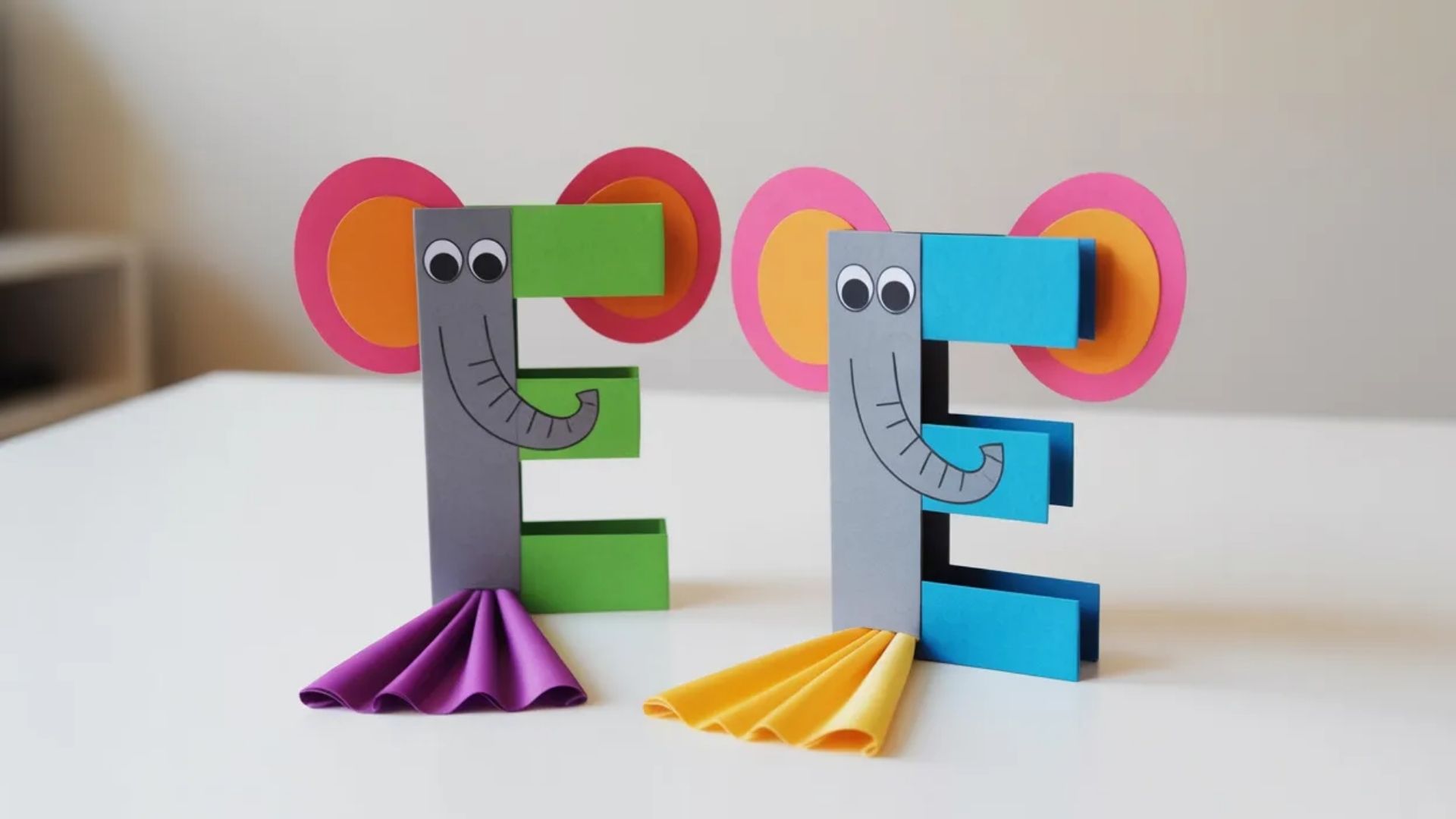
Learning the letter E helps children recognize letters, connect them to sounds, and start forming simple words like elephant, egg, and eat.
E is the most commonly used letter in English and the fifth in the alphabet, so children often notice it early.
Crafts reinforce learning by letting kids see, touch, and create, linking the letter to its sound and shape.
Making an “E is for Elephant” craft lets children trace the letter, assemble the elephant’s parts, and color it, making the learning hands-on and memorable.
Elephant-Themed Crafts for Letter E
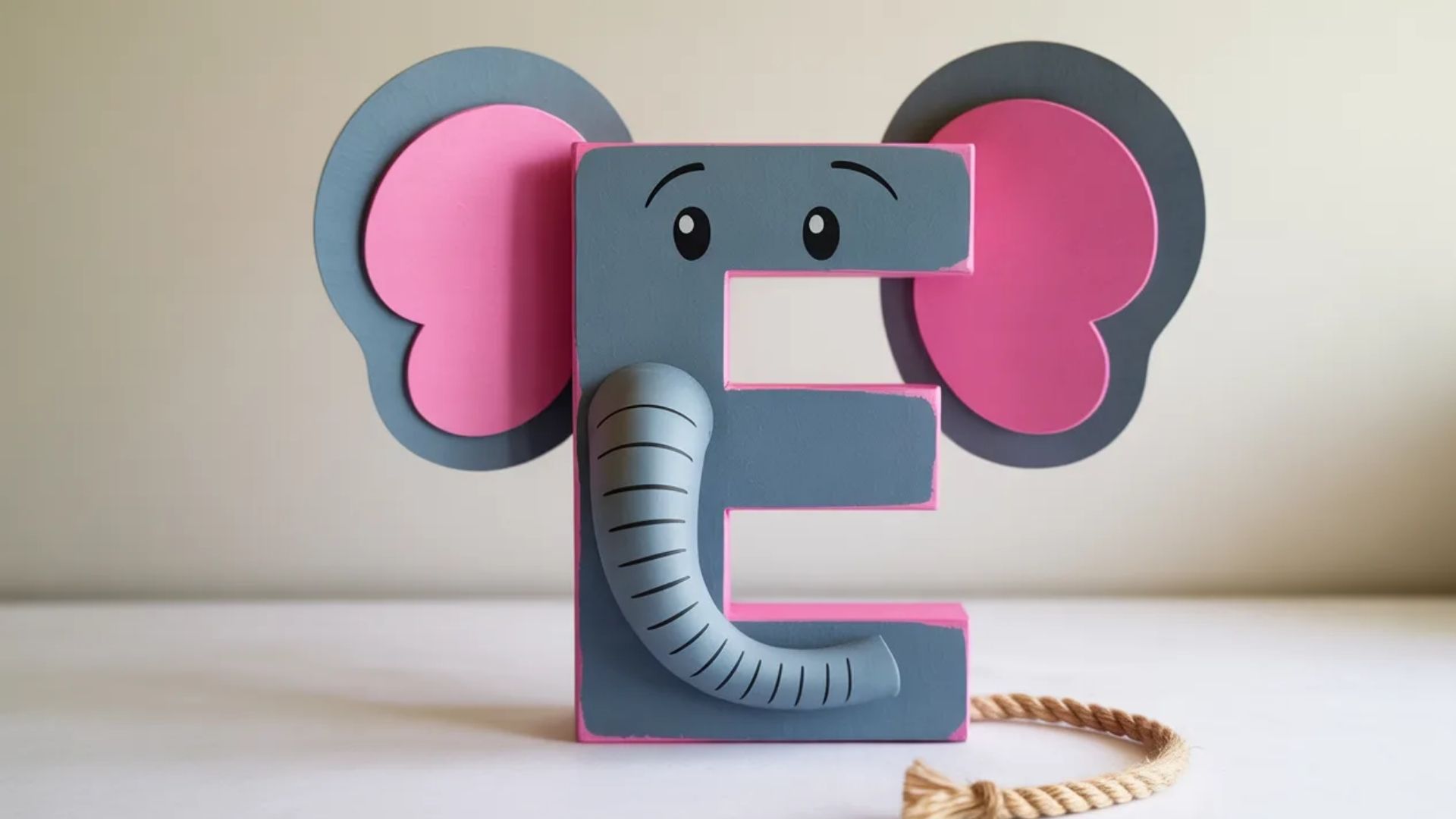
Learning the letter E is fun with crafts that let kids see, touch, and create. An elephant-themed activity helps teach the letter while being creative.
Materials You’ll Need:
- Cardstock or construction paper
- Scissors
- Glue
- Markers or crayons
- Printable letter E and elephant templates (free or paid)
- Googly eyes
- Cotton balls
- Textured paper
- Stickers
- Glitter, stamps, or paints for decoration
Step-by-Step Instructions:
Step 1 – Prepare Your Letter E: Cut or print uppercase and lowercase E shapes.
Step 2 – Create the Elephant Body: Attach the elephant pieces, trunk, ears, and tail, to the letter E. You can also use handprints or footprints for a special, personalized design.
Step 3 – Decorate and Personalize: Add eyes, patterns, textures, and colors. Encourage children to label the craft with “E is for Elephant.”
Step 4 – Display and Review: Hang the finished elephant on a wall at home or in the classroom. Practice saying the letter E and the word “elephant” to reinforce learning.
For a clearer path to creating your own ‘E is for Elephant’ craft, watch this step-by-step video tutorial linked below:
Letter E Craft | Elephant Craft for Kids
These simple steps make learning the letter E hands-on and memorable for your child. Enjoy creating, decorating, and practicing letters together while having fun.
Crafts for Letter E
Elephant crafts help kids learn the letter E while building fine motor skills, counting, and early literacy.
1. Paper Plate Elephant Craft
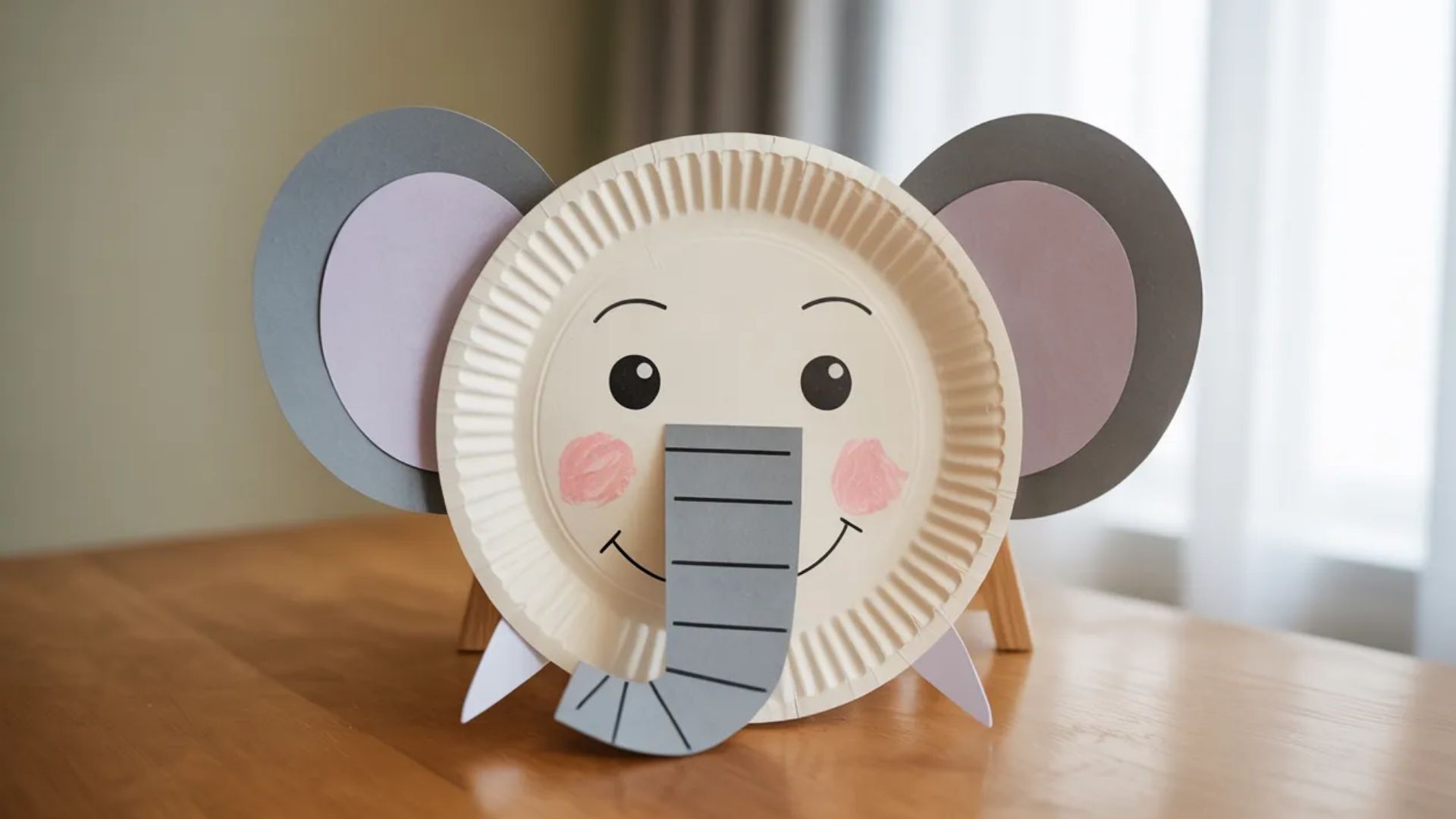
This craft uses a paper plate as the elephant’s body. Cut ears, trunk, and tusks from paper and glue them onto the plate.
Kids can color and decorate their elephant while counting ears or tracing the letter E, reinforcing letter recognition, shapes, and early counting skills in a fun, hands-on way.
2. Elephant Handprint Art
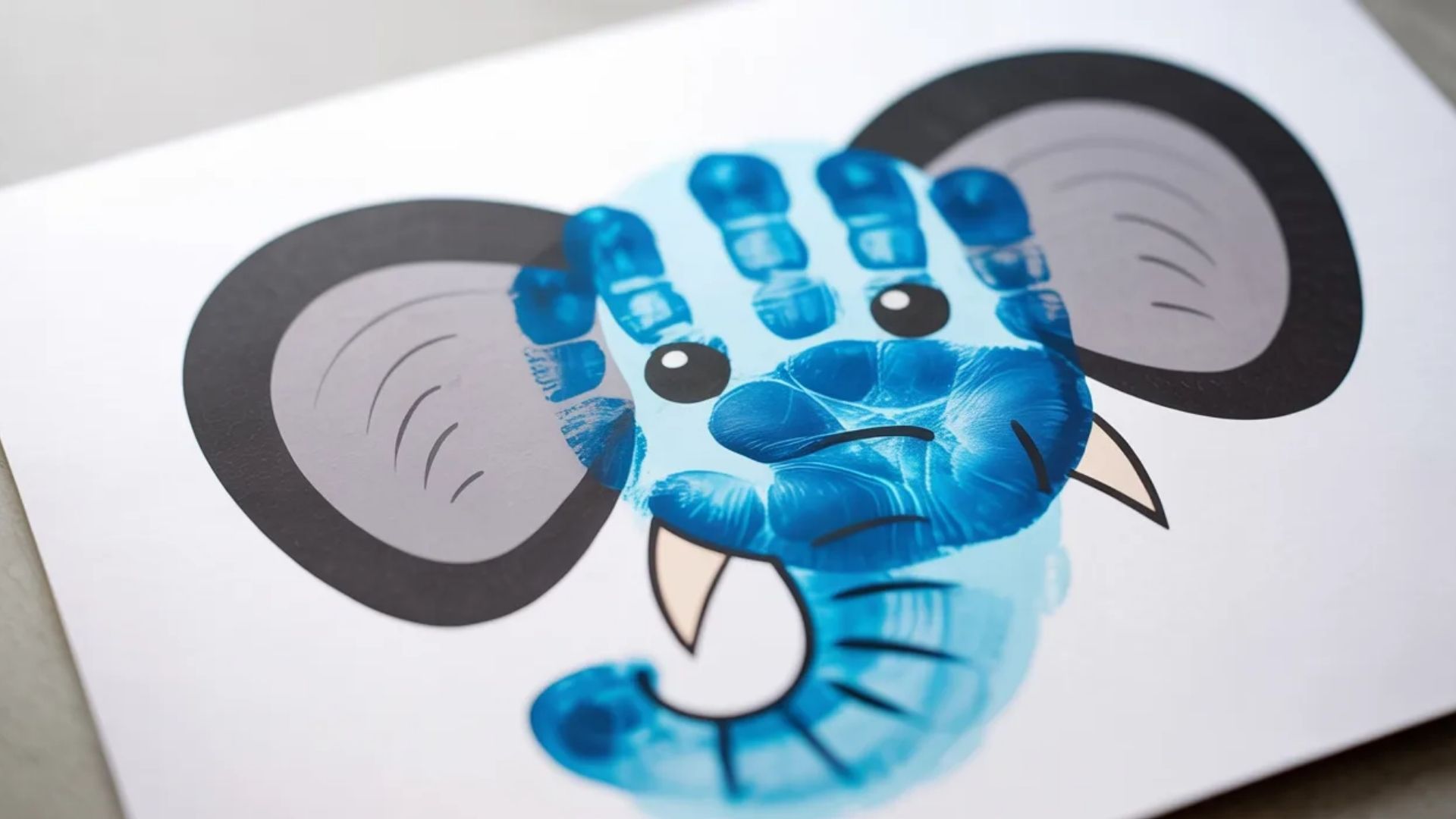
Using paints, paper, and markers, children create elephants with their handprints for ears and trunks.
After painting, they can add details like eyes and tusks.
This activity develops fine motor skills, reinforces the letter E, and provides a creative, tactile way to connect art with early literacy concepts.
3. Elephant Origami for Kids
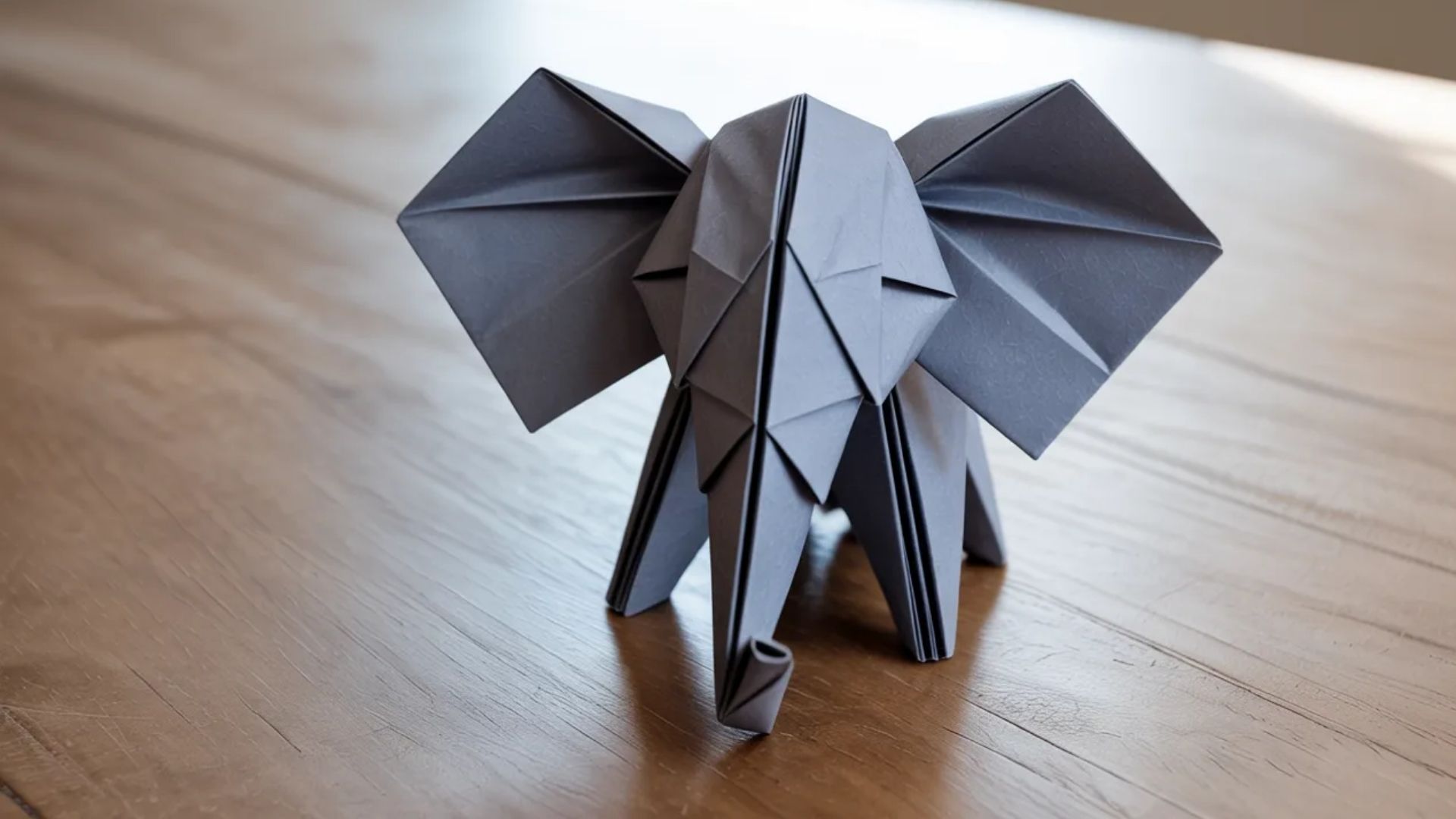
Simple origami steps guide children to fold paper into an elephant shape. Beginners can follow numbered or visual instructions to create trunks, ears, and legs.
Labeling the parts and tracing the letter E on the origami teaches letter recognition while encouraging problem-solving, sequencing, and attention to detail.
4. 3D Elephant Craft Using Recyclables
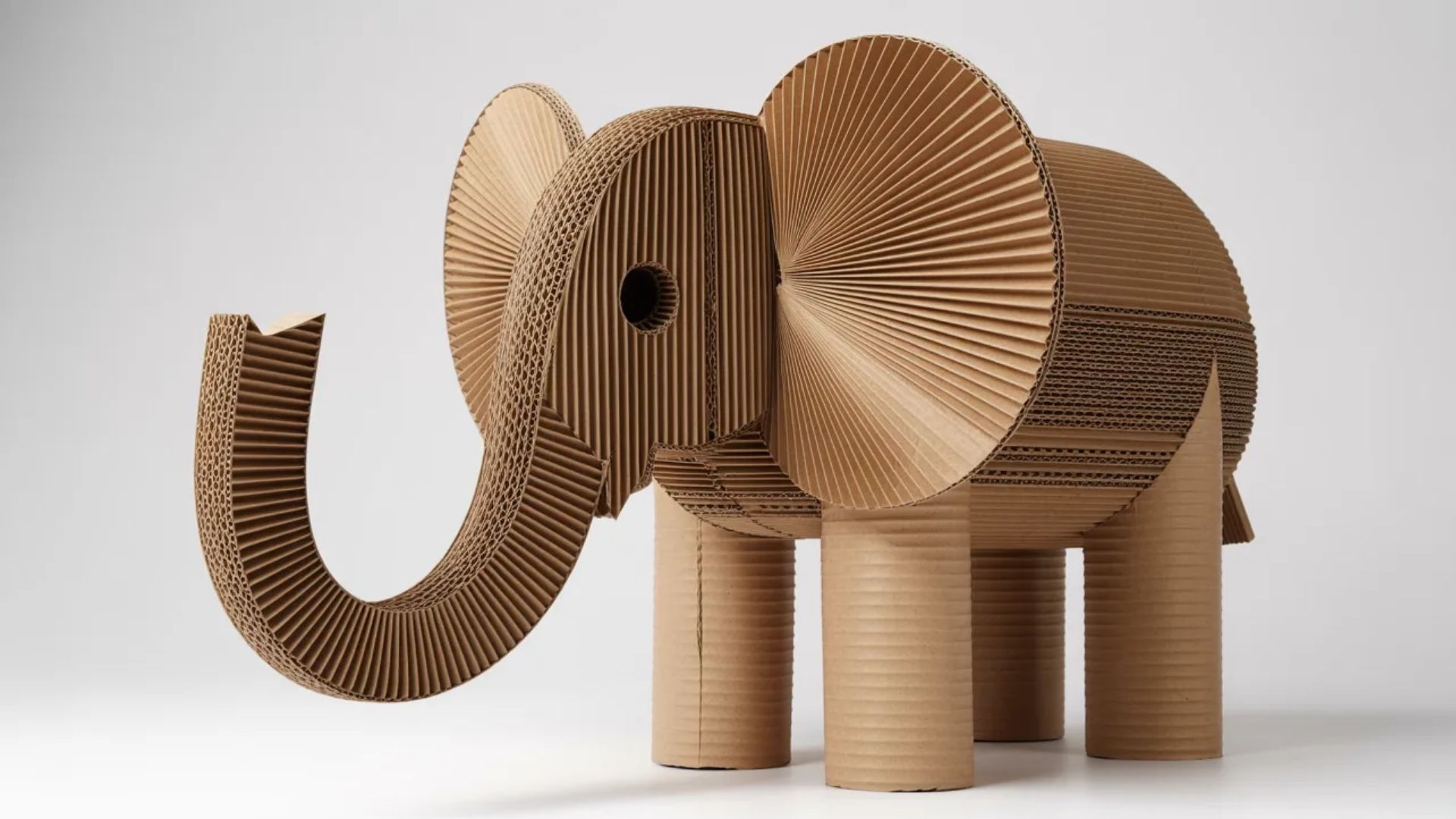
Children use cardboard, paper tubes, and glue to build a 3D elephant. They attach ears, trunk, and legs to create a sturdy model.
This project reinforces shapes, counting the legs and ears, and letter E recognition. It also promotes creativity, spatial awareness, and hands-on learning using recyclable materials.
These crafts make learning the letter E interactive and memorable. They help children practice letters while developing creativity, motor skills, and early literacy.
Elephant Activities Beyond Crafts
Elephant-themed activities can extend learning beyond crafting. These engaging exercises reinforce the letter E, build literacy skills, and make learning interactive and fun for kids.
5. Letter E Worksheets and Printables
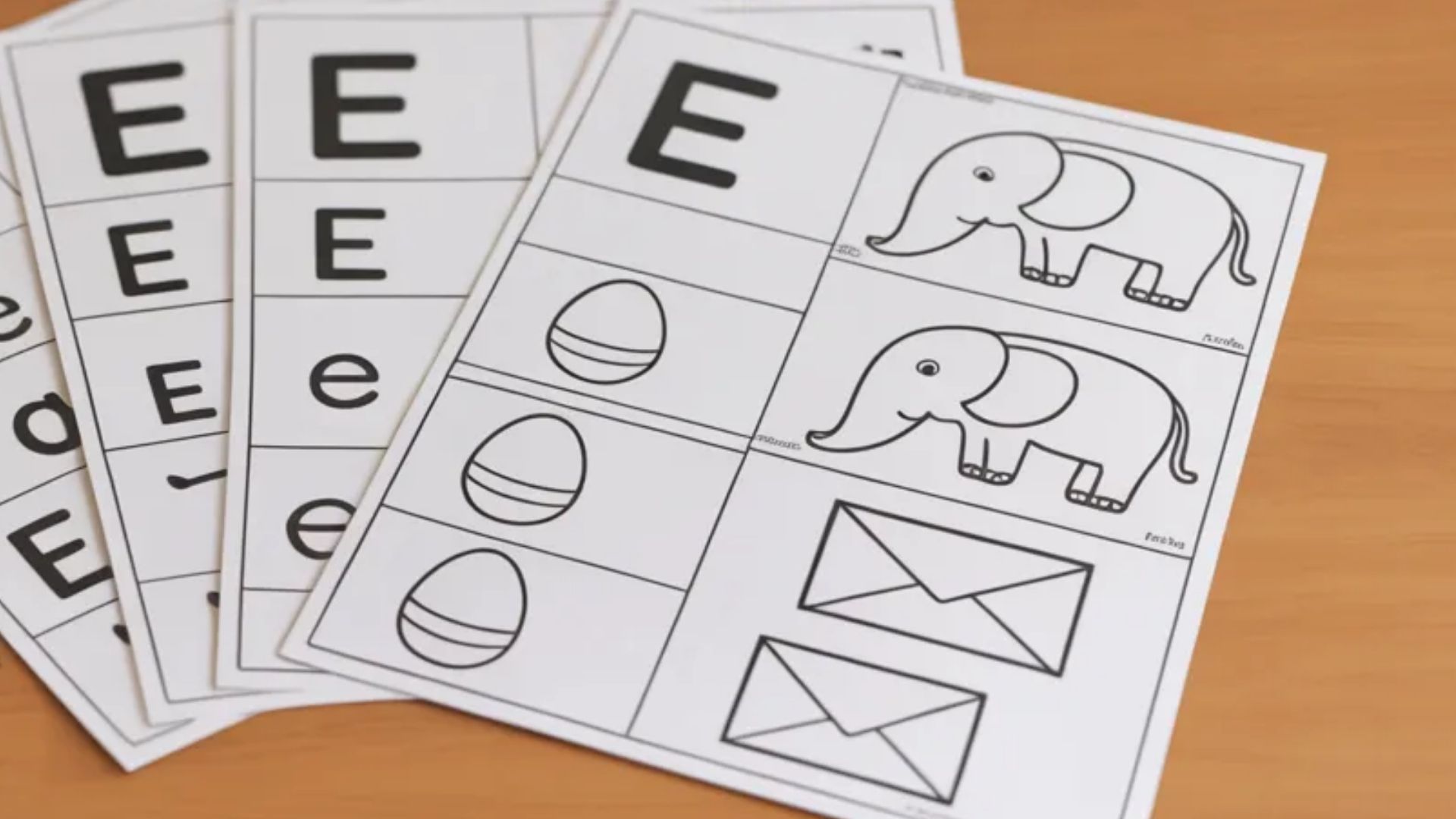
Worksheets let children trace uppercase and lowercase E while matching E words with pictures like elephant, egg, or envelope.
Free printable worksheets provide a structured way to practice letter recognition, phonics, and early writing skills in a hands-on, screen-free format.
6. Elephant-Themed Storytime
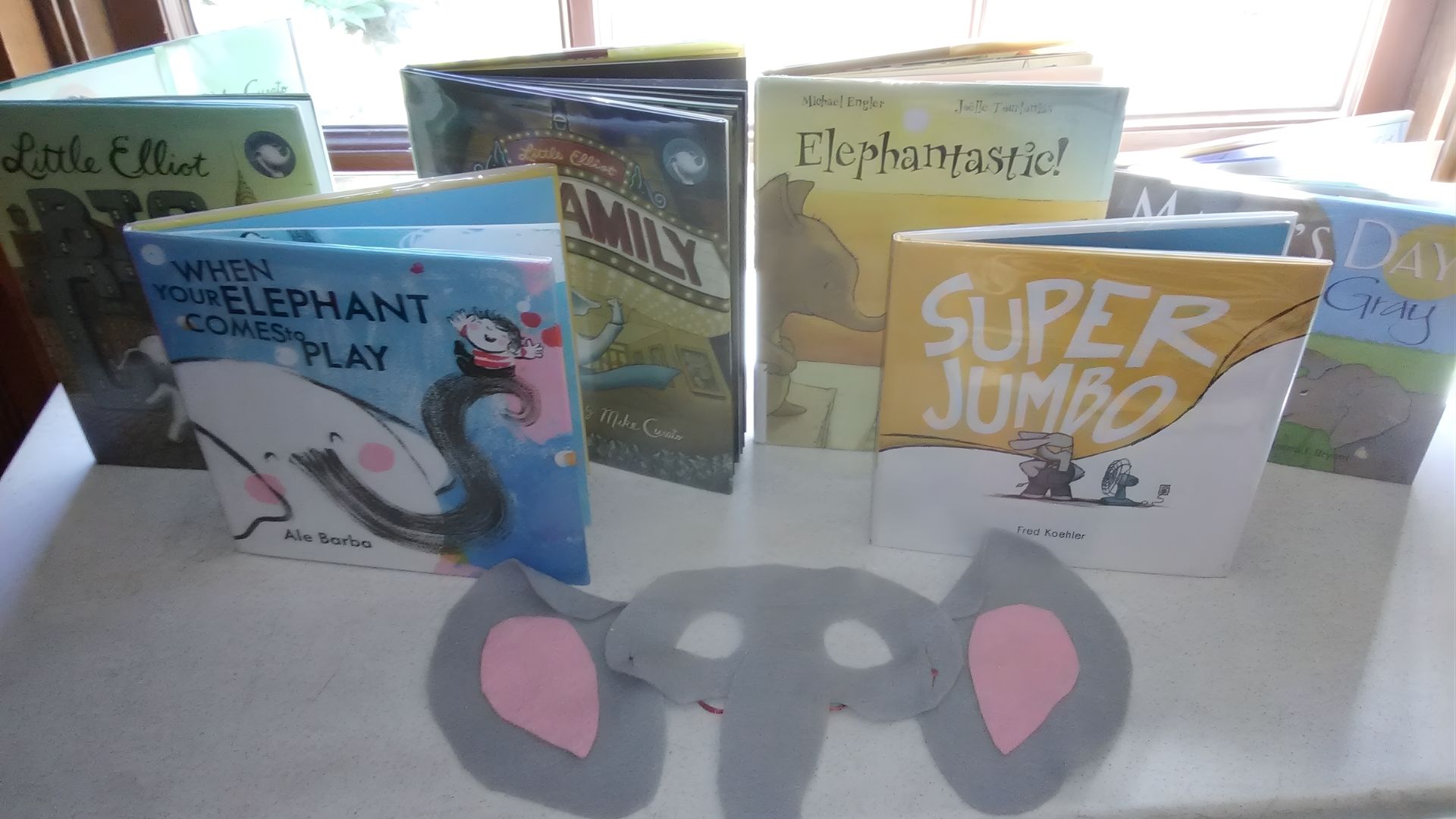
Reading children’s books featuring elephants encourages vocabulary and listening skills.
Interactive storytime can include asking questions about the letter E, identifying words that start with E, or discussing the story’s elephant characters, making reading both fun and educational.
7. Educational Games
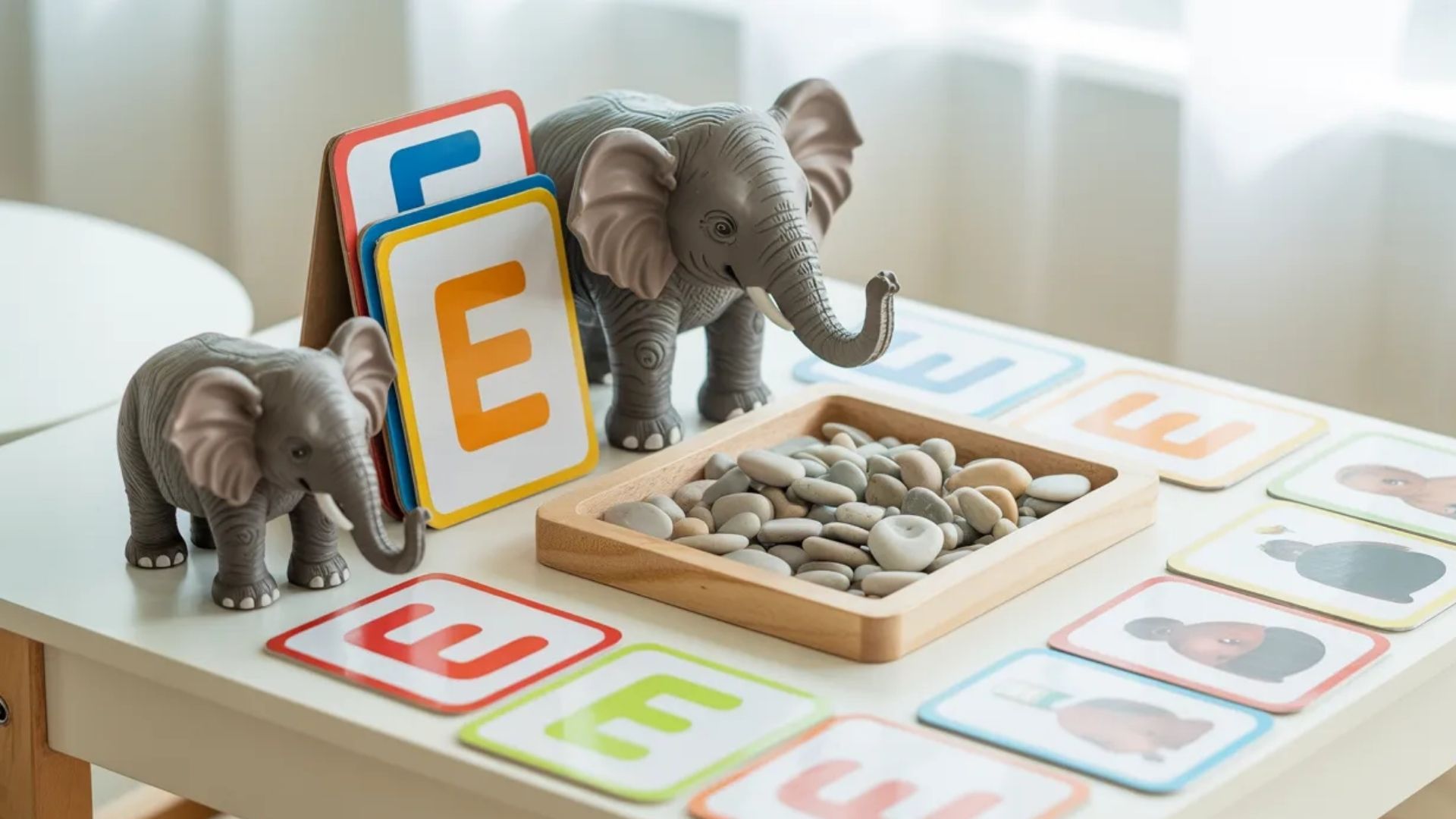
Games make learning the letter E active and playful.
A scavenger hunt for “E is for Elephant” items, matching games with E-words, or sensory bins with elephant toys and E-letter cards reinforce letter recognition, counting, and tactile learning while keeping children engaged and excited to participate.
These activities make learning the letter E hands-on and fun. They help children practice letters while building literacy, thinking, and motor skills.
Benefits of Learning Through Elephant Crafts
Elephant crafts do more than teach letters. They help children develop important skills while having fun.
Cognitive Development: Crafts help children recognize letters, remember their shapes, and connect them to sounds, boosting early literacy and memory skills.
Motor Skills: Activities like cutting, coloring, and gluing strengthen hand-eye coordination and fine motor skills, preparing children for writing and other classroom tasks.
Creativity and Imagination: Designing and decorating elephant crafts encourages children to think creatively, make choices, and work on their imagination while learning.
Emotional Engagement: Connecting learning with fun activities makes children more interested and motivated, creating positive associations with education and hands-on experiences.
By combining learning with creativity, these activities make the letter E memorable and enjoyable for kids.
Tips for Parents and Educators
Helping children learn through crafts can be simple and effective when done thoughtfully. Here are some practical tips to make the experience enjoyable and safe:
- Make crafts safe and age-appropriate by using child-friendly scissors, non-toxic glue, and simple materials.
- Encourage repeated practice without pressure, allowing children to learn letters and crafts at their own pace.
- Extend learning by combining crafts with songs, videos, or storytelling to reinforce letter recognition and engagement.
These tips help children practice letters while developing creativity and skills.
Conclusion
By learning these e is for elephant craft and activities, I hope you’ve seen just how fun and effective it can be to teach the letter E to your child.
You can use these hands-on projects to reinforce letter recognition, phonics, counting, creativity, and fine motor skills while spending quality time together.
I encourage you to try these ideas at home or in the classroom.
Now it’s your turn, pick up some paper, scissors, and glue, and make your very own E is for Elephant craft today!
Frequently Asked Questions
Can Toddlers Do This Craft Safely?
Yes, toddlers can do these crafts with adult supervision. Use child-safe scissors, non-toxic glue, and pre-cut templates to ensure safety while still allowing hands-on creativity.
How Long Does It Take To Complete?
Crafts usually take 15-30 minutes depending on the child’s age and complexity. Handprint elephants are quicker, while 3D recyclable models may take longer.
Can This Activity Be Adapted For Group Learning?
Yes, these crafts work well in classrooms or playgroups. Provide individual materials or organize small teams to encourage collaboration.
Are Lowercase And Uppercase Crafts Different?
Yes, uppercase E crafts use larger base letters, while lowercase e crafts are smaller or combined with other letters. Both help children practice letter recognition and phonics.
What Other Learning Skills Do Children Gain From These Crafts?
Children also develop fine motor skills, counting, creativity, and problem-solving while following instructions and learning art.
