

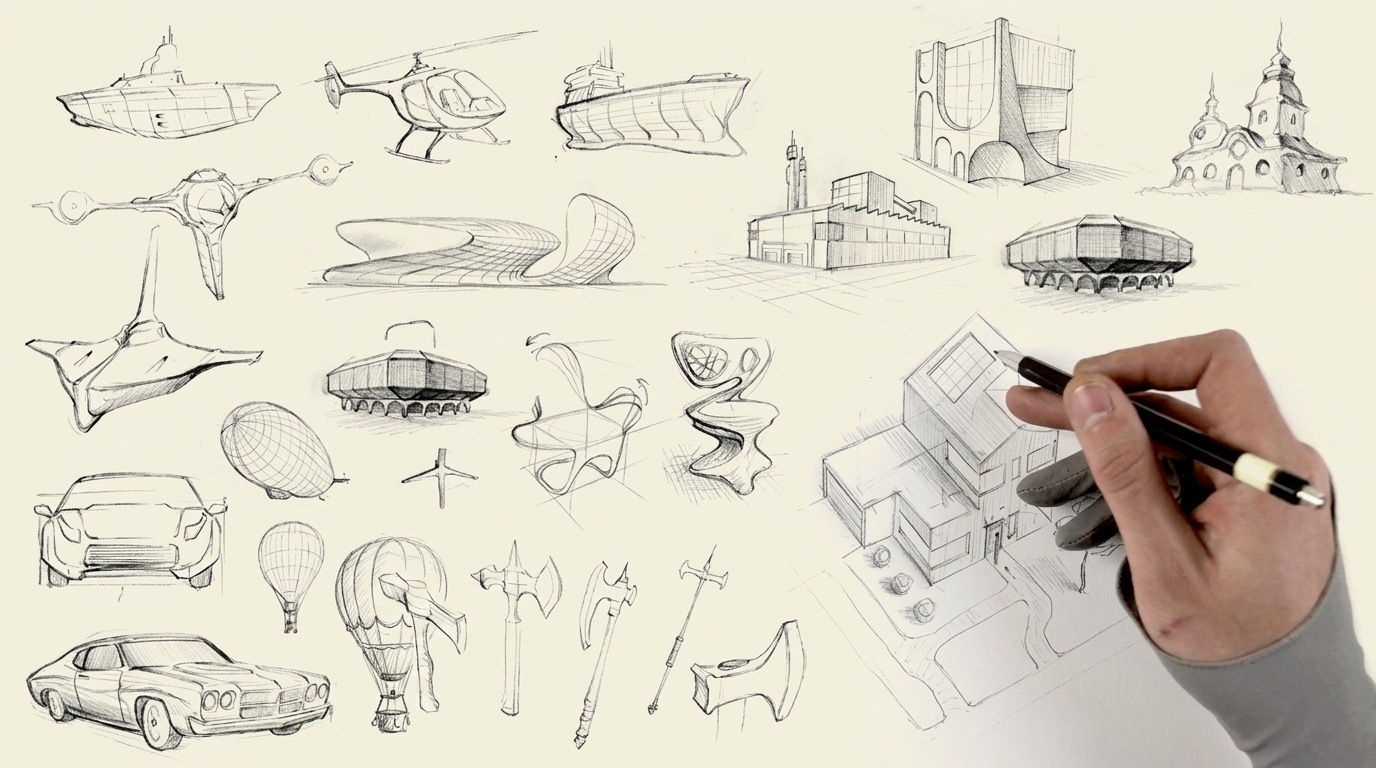
Staring at a blank page, trying to draw something from your head, can feel impossible.
You are not alone in this. Most artists hit the same wall before they learn what is actually going on.
This guide breaks down how to draw from imagination in simple, practical steps.
You will learn the core skills you need, how to build a visual library, and thirteen techniques that actually work.
I have spent years studying this process and testing these methods in my own sketchbook, so this is not just theory.
By the end, you will have a clear plan to practice with, not just vague advice. No guesswork. Just steps you can start using today.
What Does It Mean to Draw From Imagination?
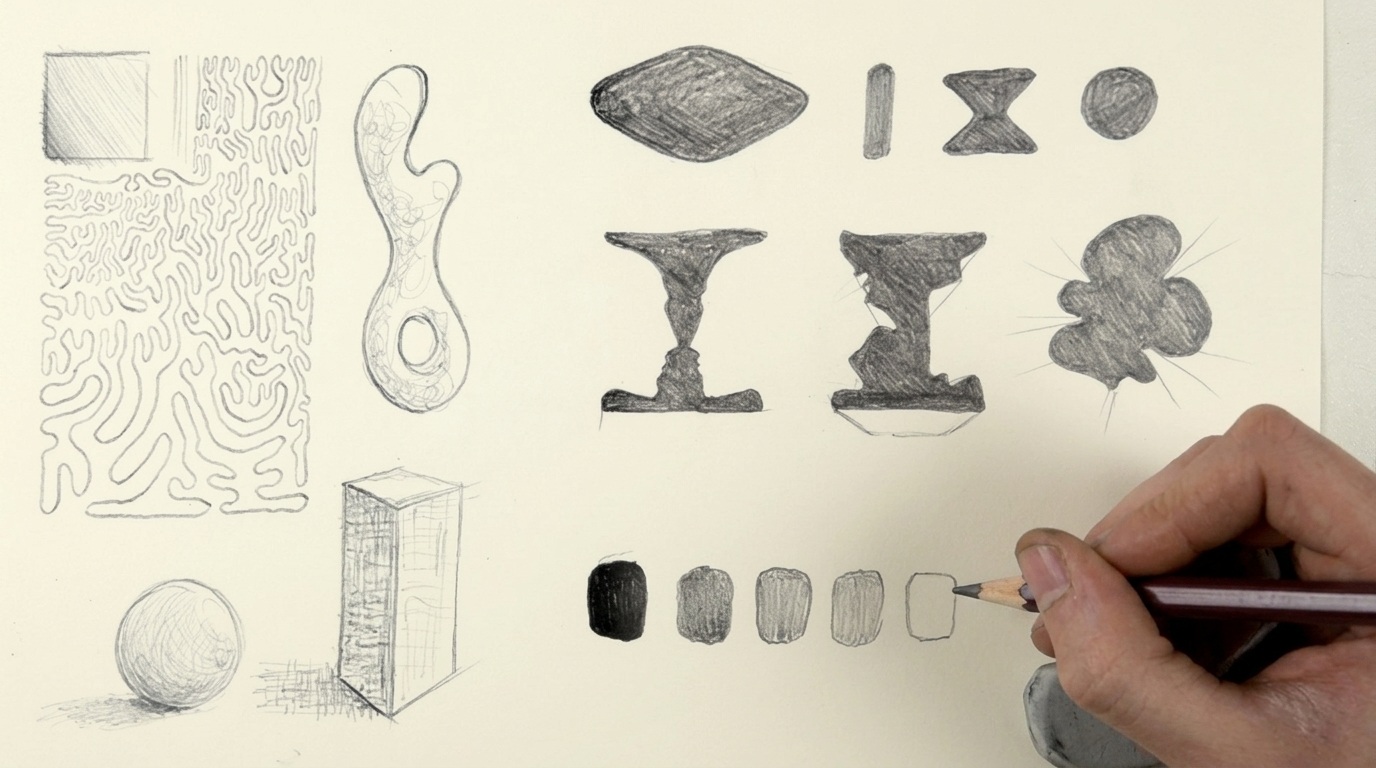
Drawing from imagination means creating an image without copying a photo, model, or reference in front of you.
The artist builds the scene in their mind first. Then they put it on paper or screen.
This process relies on memory, observation skills, and creative thinking.
An artist who has studied many real objects can recall shapes, light, and proportions even without looking at them directly.
It also means making choices. The artist decides what to add, remove, or change.
Nothing forces them to follow a fixed reference. This freedom can make the work feel personal and original.
Drawing from imagination takes practice.
Beginners often struggle with proportions or perspective because they have not built up enough visual memory yet.
Regular practice and study help the brain store more details to draw from later.
In short, this kind of drawing is about turning a mental idea into a finished piece of art, using stored knowledge instead of a direct source in front of you.
Why is Drawing From Imagination so Difficult?
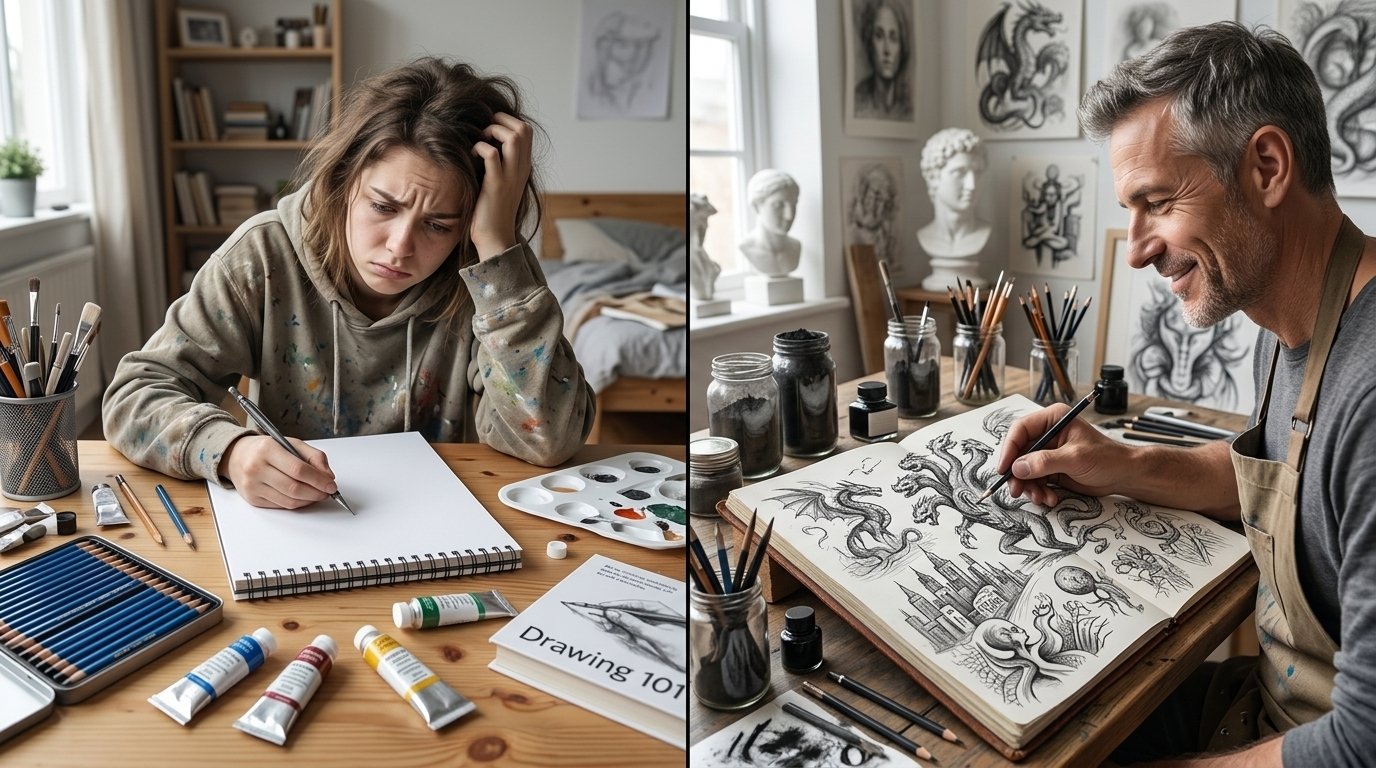
This section explains why imaginative drawing feels hard and shows that the struggle comes from skill gaps, not lack of talent.
The Difference Between Seeing and Understanding
Looking at an object is not the same as understanding its structure. Most people can recognize a chair instantly but cannot draw one from a new angle.
This happens because the brain stores general shapes, not exact details. To draw from memory, an artist needs to study form, not just glance at things.
Common Myths That Hold Artists Back
Many beginners believe that good artists are simply born with the ability to draw anything from their head.
This is not true. Most artists who draw well from imagination spent years studying real objects first.
Believing in natural talent alone often stops people from practicing the right way.
Why Talent is Less Important Than Practice
Drawing skill grows through repeated practice and honest feedback.
Talent might give someone a small head start, but it does not replace training.
Artists who practice regularly almost always improve faster than those who wait for natural ability to show up.
How to Draw From Imagination Step by Step
This section gives a simple step-by-step method for turning real-world knowledge into drawings made entirely from memory and imagination.
Step 1: Study Real-World References First
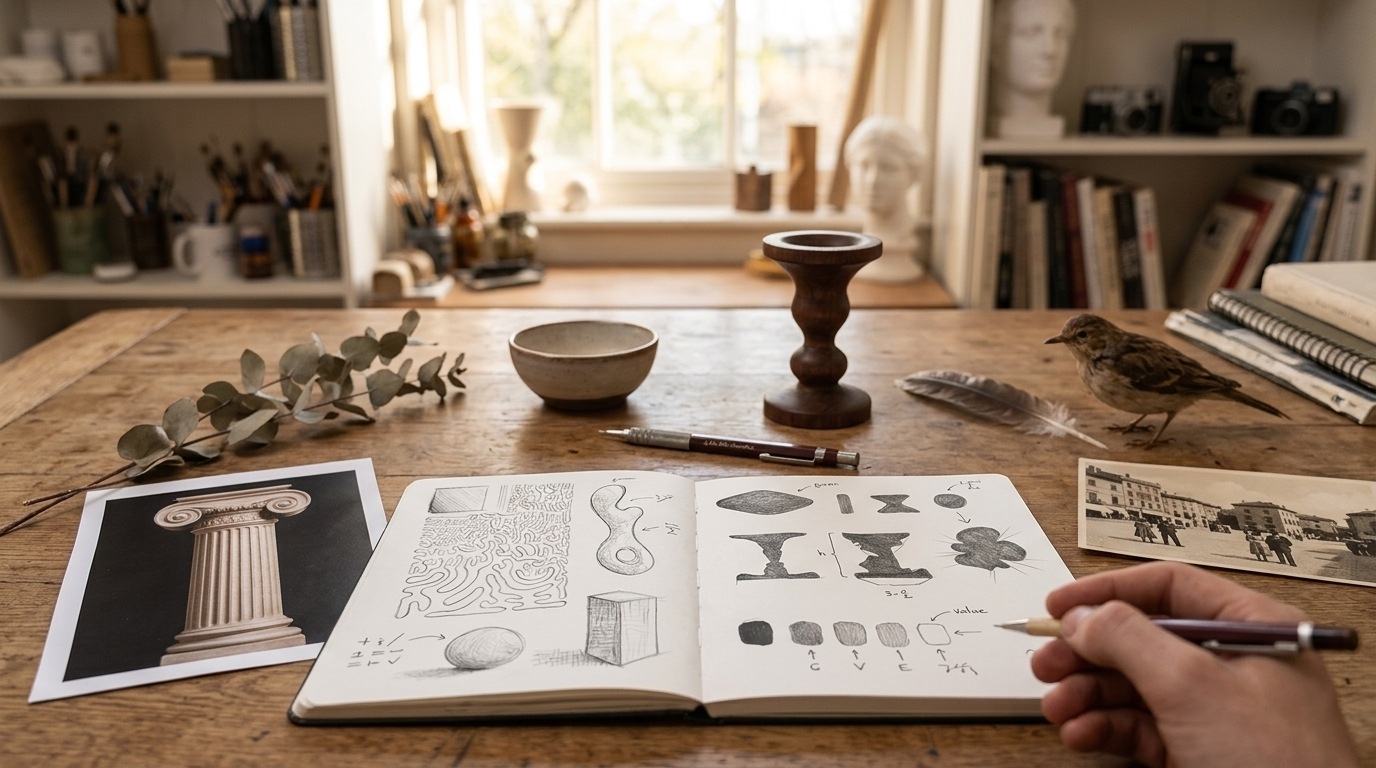
Before drawing from memory, spend time studying actual objects, people, or places.
Look closely at proportions, shapes, and small details.
This study phase builds the mental information you will later pull from when drawing without a reference.
Step 2: Simplify Subjects into Basic Shapes and Forms
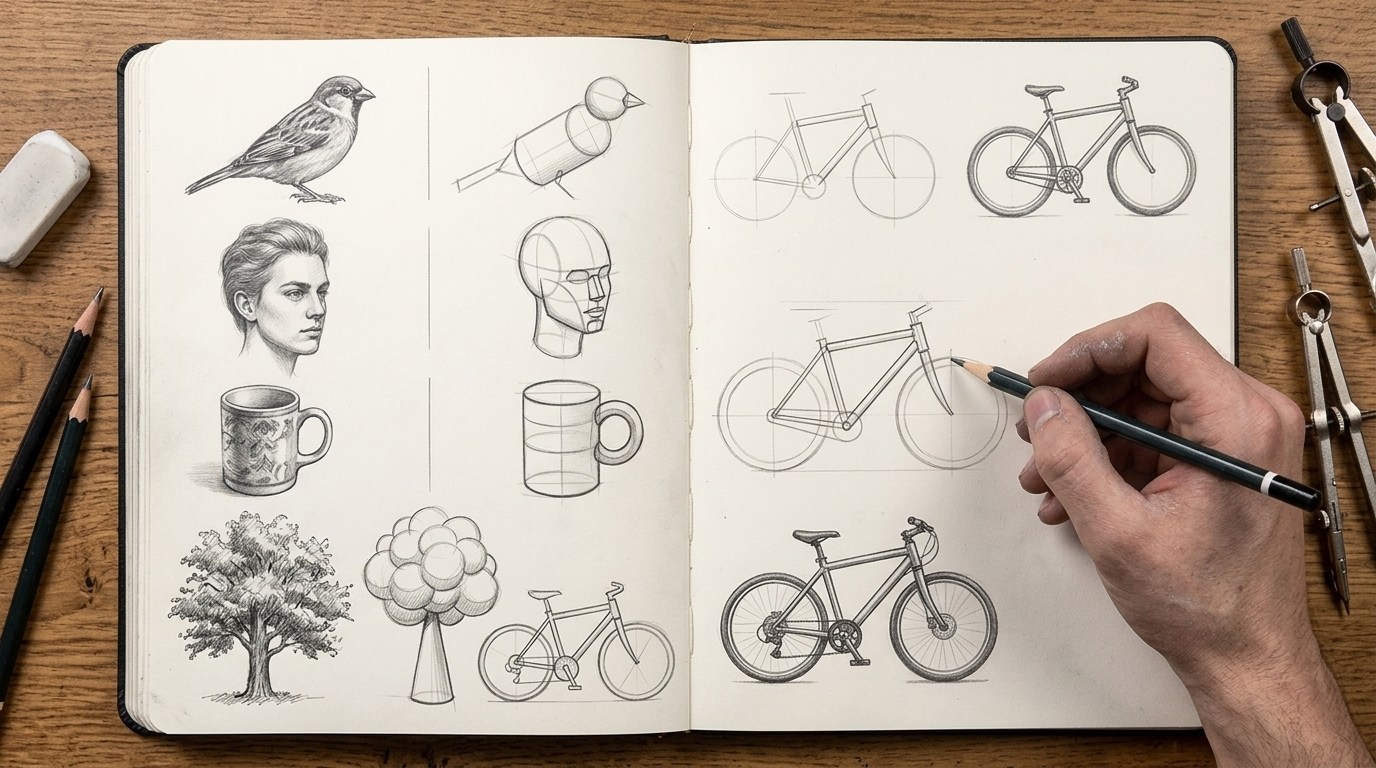
Break down complex subjects into simple shapes like circles, cubes, and cylinders.
This step makes it easier to remember and rebuild objects later.
Once you can see the basic shape inside something, drawing it from any angle becomes much simpler.
Step 3: Draw the Subject from Memory
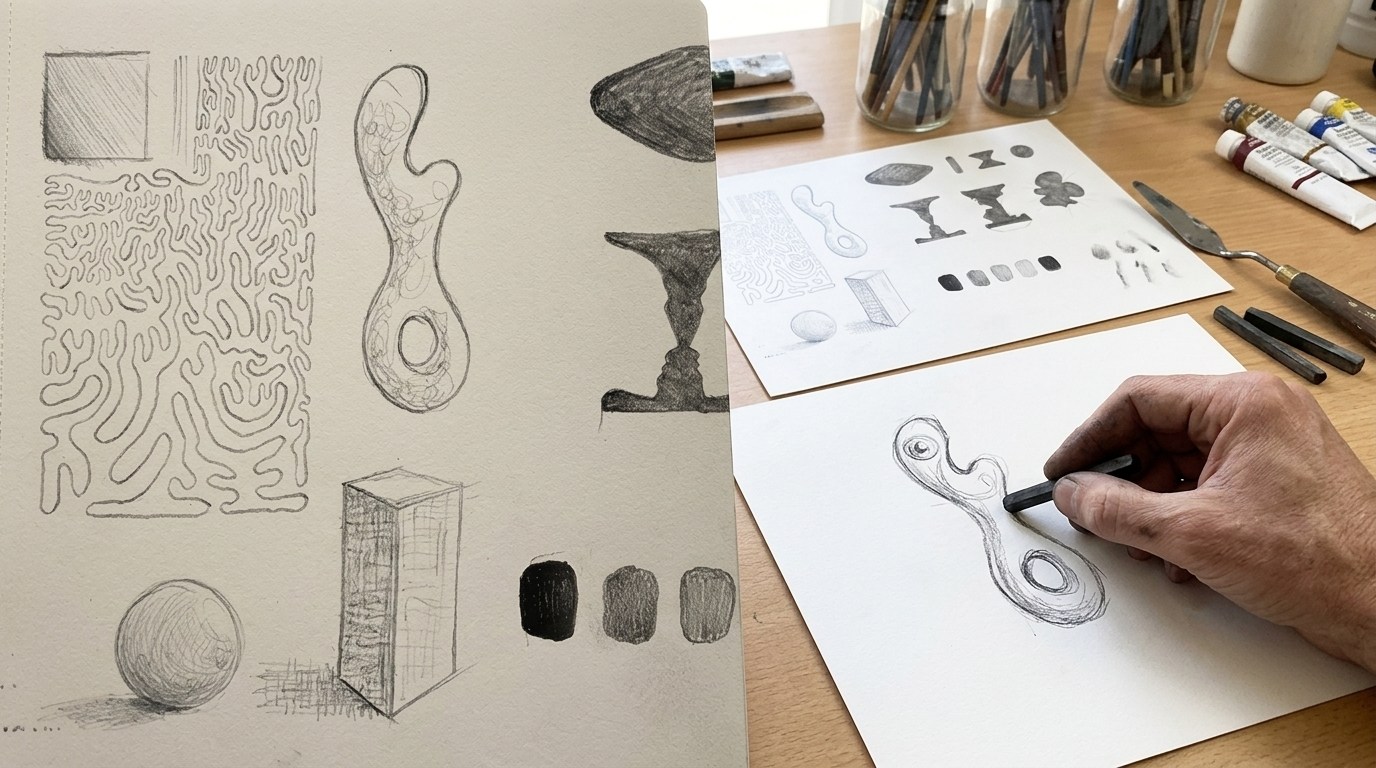
After studying a subject, put the reference away and try drawing it from memory.
Do not worry if the first few attempts look rough.
This step trains your brain to store and recall visual information on its own.
Step 4: Add Creative Changes and Personal Style
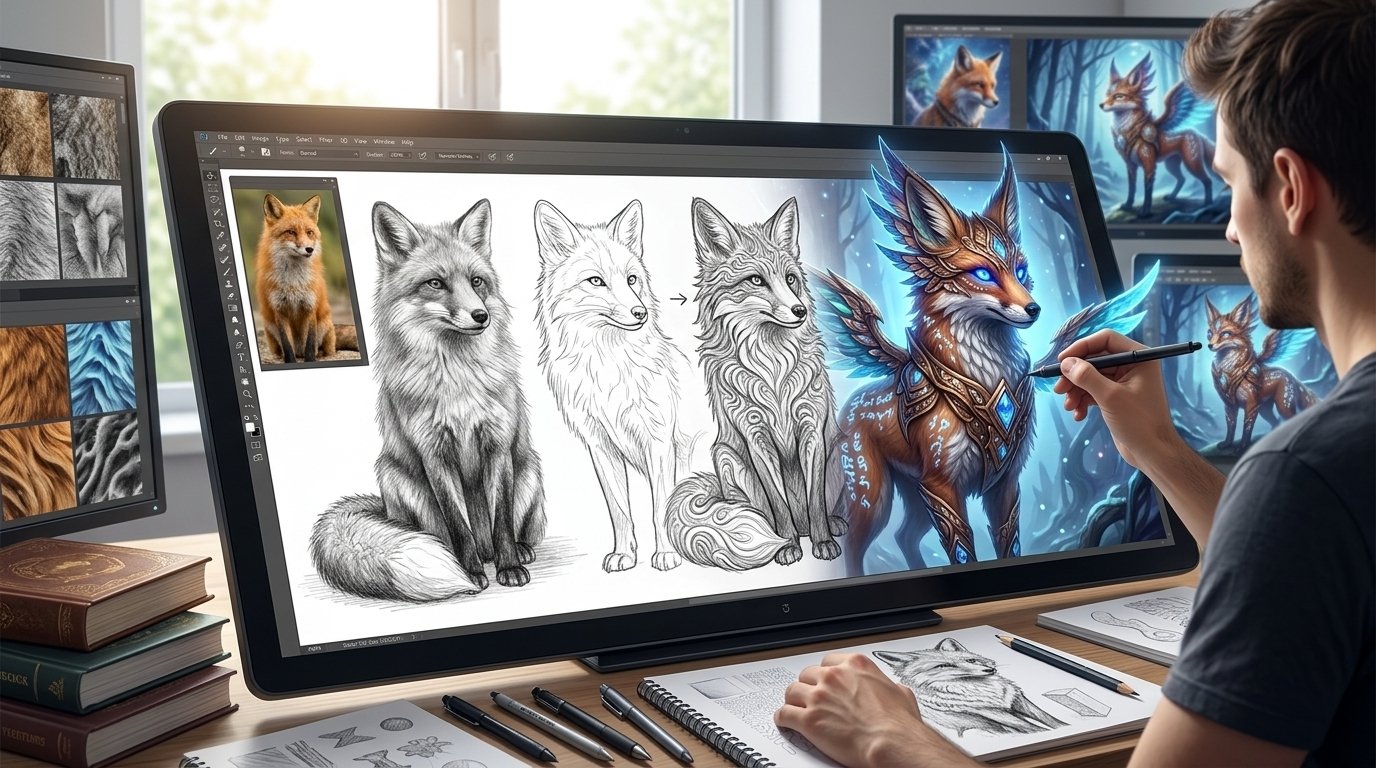
Once you can draw a subject from memory, start changing small details.
Adjust the size, shape, or design to make it your own.
This is where personal style begins to show in your work.
Step 5: Refine and Evaluate Your Drawing
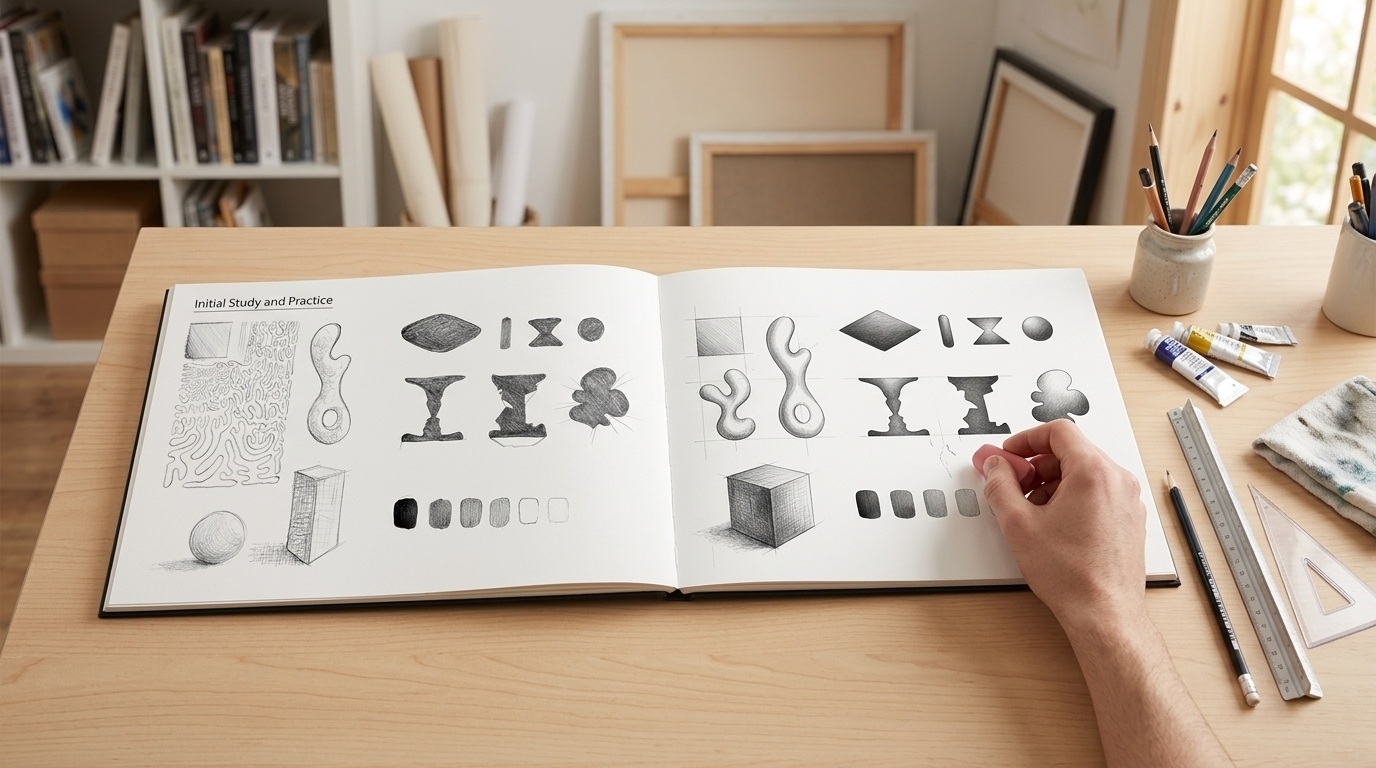
After finishing a drawing, compare it to real references and check for mistakes.
Look at proportions, structure, and balance.
Honest evaluation helps you improve faster than simply moving on to the next drawing.
The Fundamental Skills You Need to Draw From Imagination
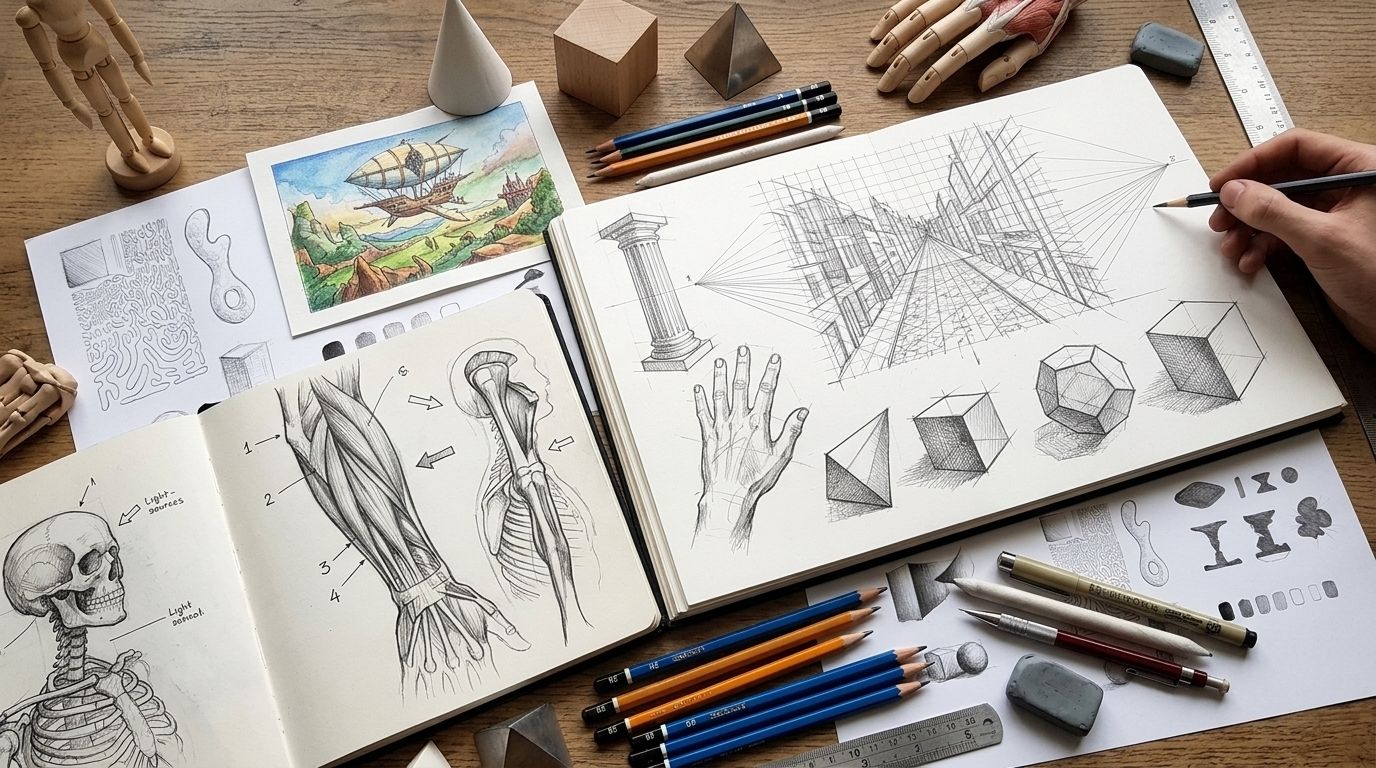
This section lists the core drawing skills, such as shapes, perspective, and anatomy, needed to support imaginative drawing.
Understanding Lines, Shapes, and Forms
All drawing starts with lines and shapes.
Learning how simple shapes combine to form complex objects gives you a strong base.
Without this skill, drawing from imagination becomes guesswork instead of structured thinking.
Learning Perspective for Believable Drawings
Perspective helps objects look correct in space.
Without it, drawings can feel flat or out of proportion.
Practicing basic one-point and two-point perspective makes imaginative scenes look more believable.
Using Light and Shadow to Create Depth
Shadows give drawings a sense of depth and form.
Learning where light falls on simple shapes helps you apply the same logic to imaginative subjects.
This skill turns flat sketches into drawings that feel solid.
Mastering Anatomy and Proportions
For figures and creatures, understanding basic anatomy is needed.
Knowing how bones, muscles, and proportions work together helps you draw bodies in different poses without a reference.
This knowledge becomes the base for imaginative character work.
Developing Visual Thinking Skills
Visual thinking means being able to mentally rotate, combine, or change objects in your head.
This skill grows through practice and is closely tied to how well you can draw from imagination.
The more you train it, the easier imaginative drawing becomes.
Build a Visual Library for Imaginative Drawing
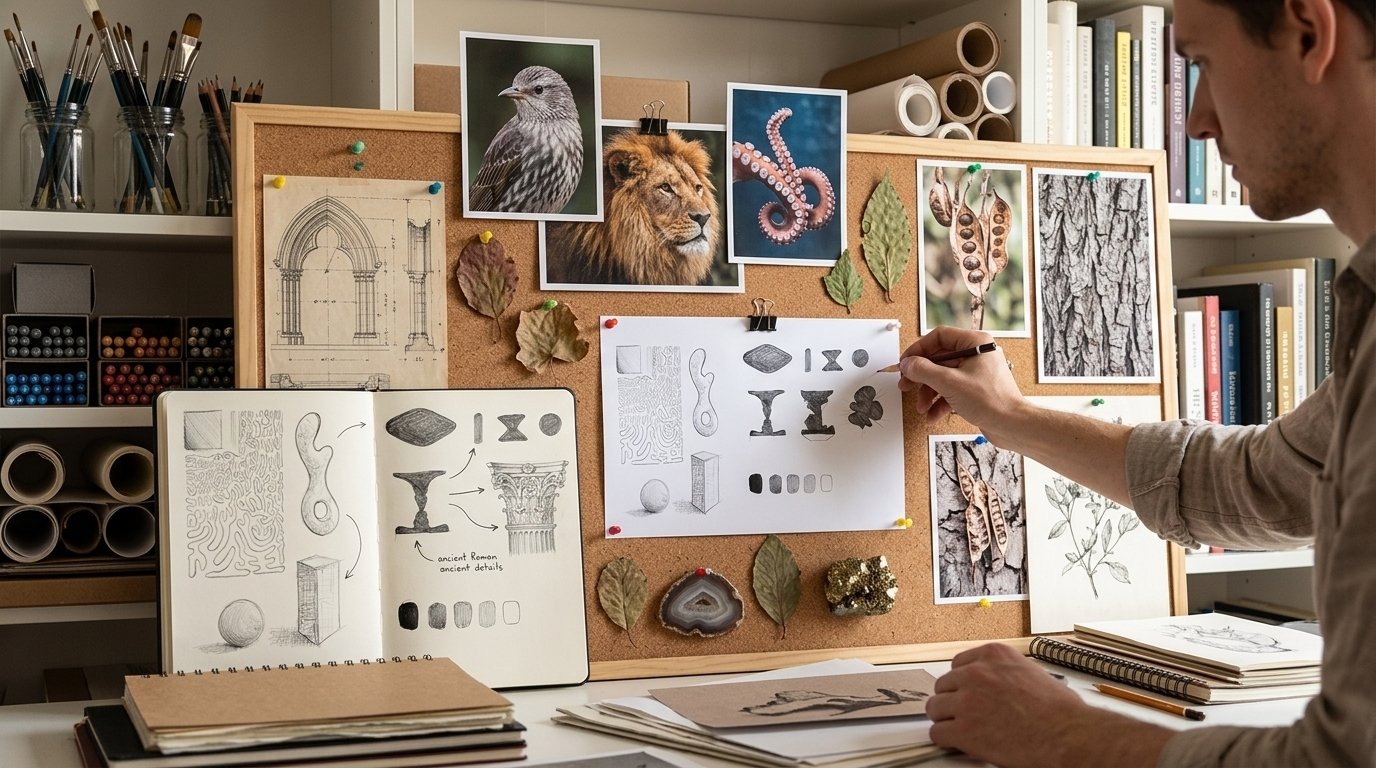
This section explains how collecting visual information from daily life builds the memory bank needed for imaginative drawing.
Observe the World and Capture It Through Photos
Notice shapes, colors, and small details around you.
Look at how light falls and how people move. This habit builds a mental store of visual information.
Take photos of objects, places, or moments that catch your eye.
These photos work as references for later study. Over time, they become a useful personal resource.
Keep a Sketchbook and Build Inspiration Boards
Use a sketchbook for quick notes and small studies.
This helps you remember details better than just looking once. It also shows your growth over time.
Organize photos and sketches into boards by subject, like animals or characters.
This makes it easy to find what you need for a new drawing.
13 Techniques to Improve Drawing From Imagination
This section lists thirteen practical techniques that train memory, creativity, and structure for drawing without references.
1. Practice Memory Drawing Exercises
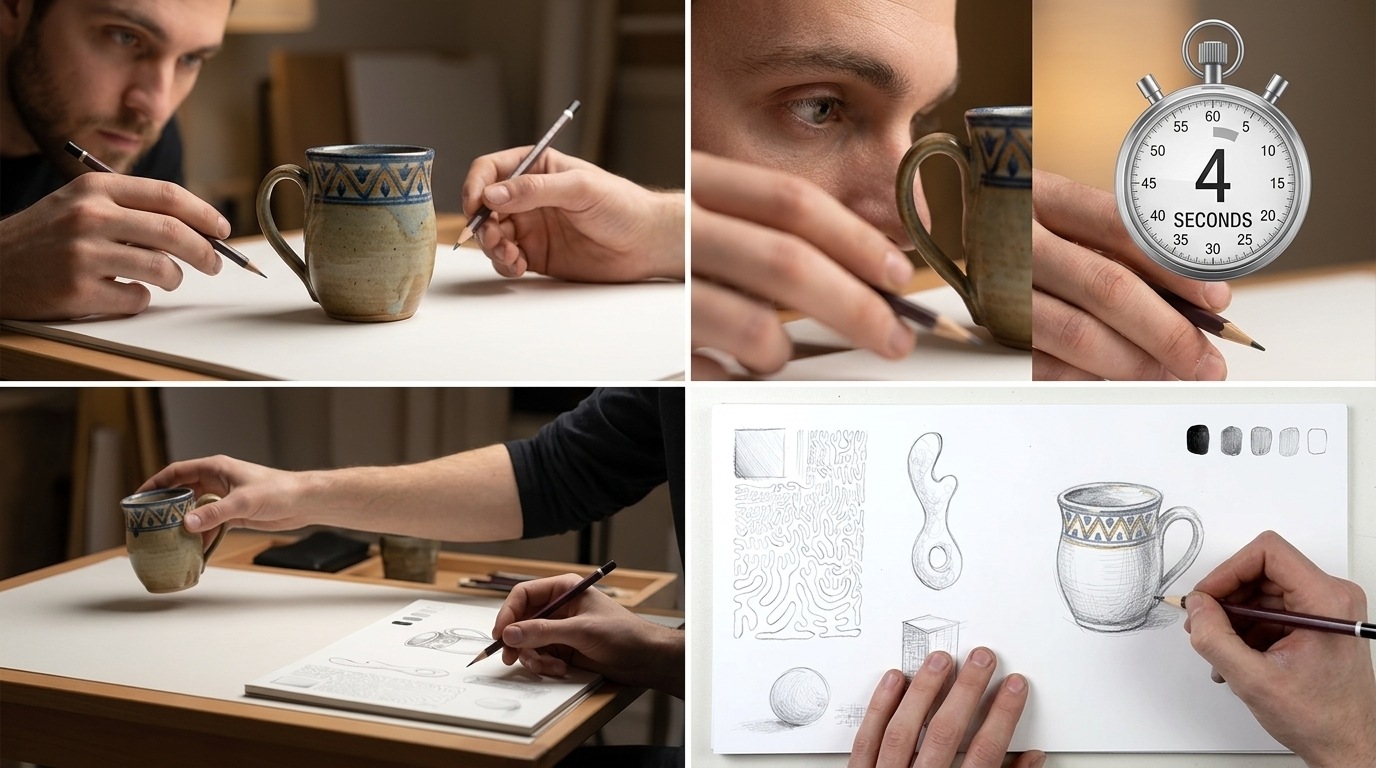
Study a subject for a short time, then draw it from memory.
Repeat this with different subjects daily. This builds the habit of storing visual details for later use.
2. Break Objects into Basic Shapes
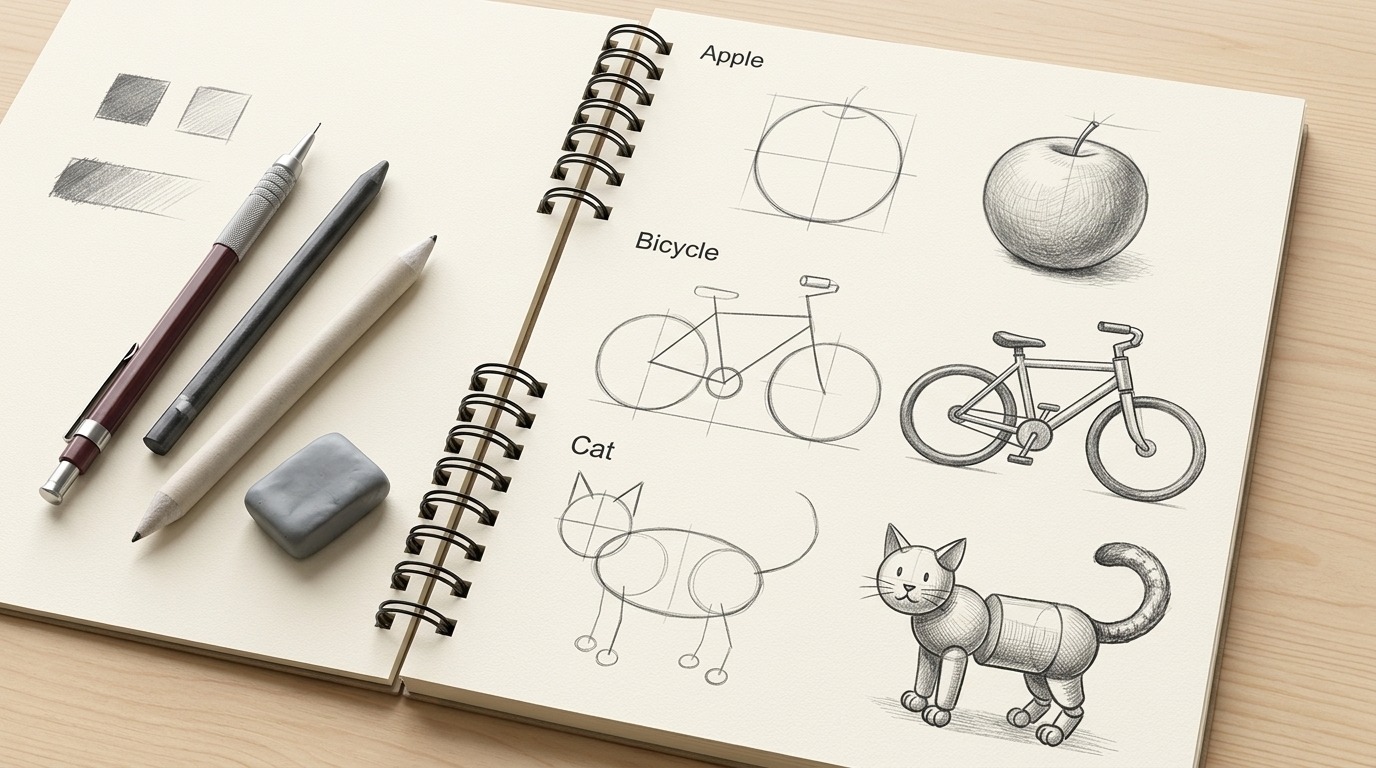
Reduce any subject to simple shapes before adding details.
This makes complex objects easier to remember and rebuild from imagination.
3. Use Construction Drawing Methods
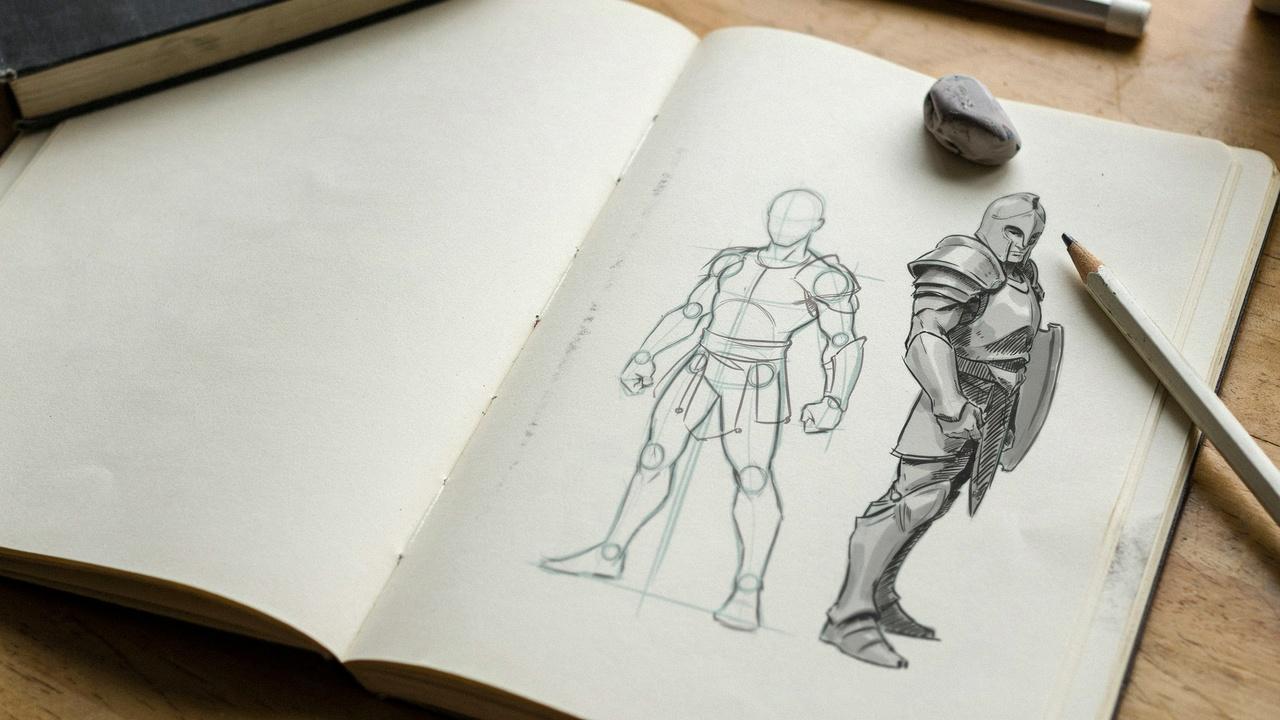
Build drawings using simple guidelines and basic forms before adding final lines.
This method keeps proportions correct, even when drawing from memory.
4. Draw Objects from Different Angles
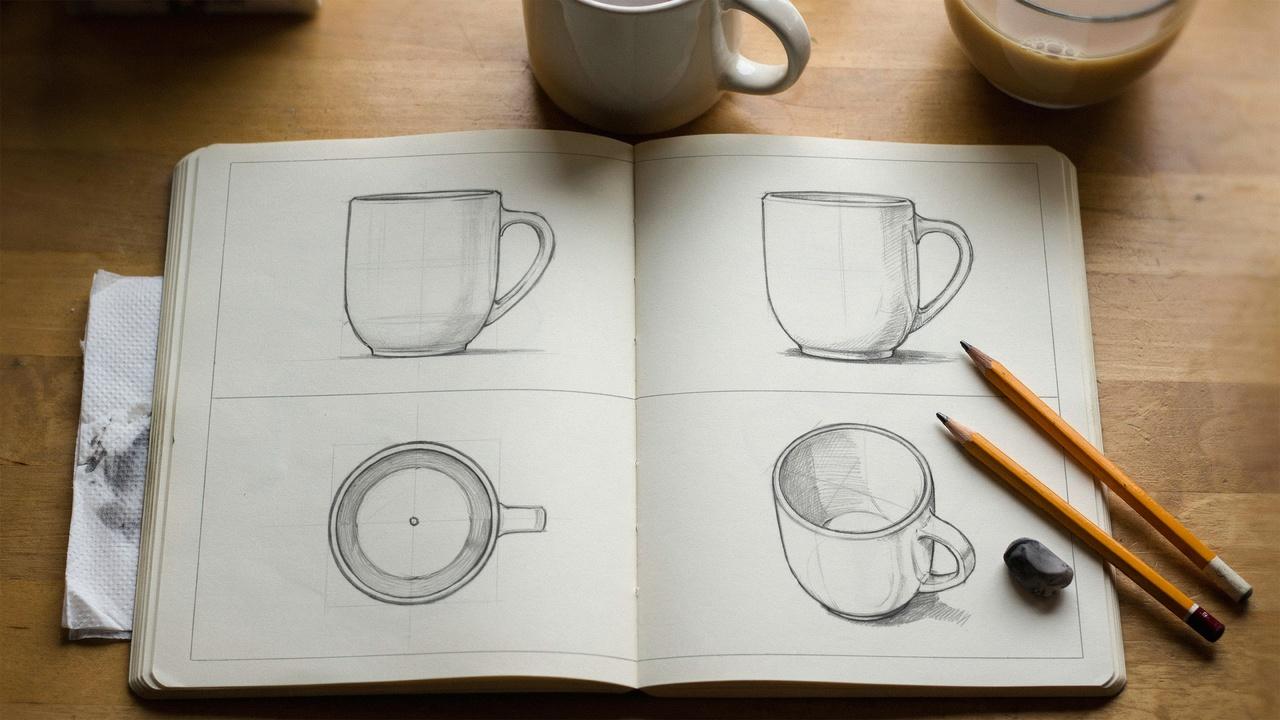
Practice drawing the same object from several angles.
This trains your brain to understand its full structure, not just one view.
5. Simplify Complex Subjects into Forms
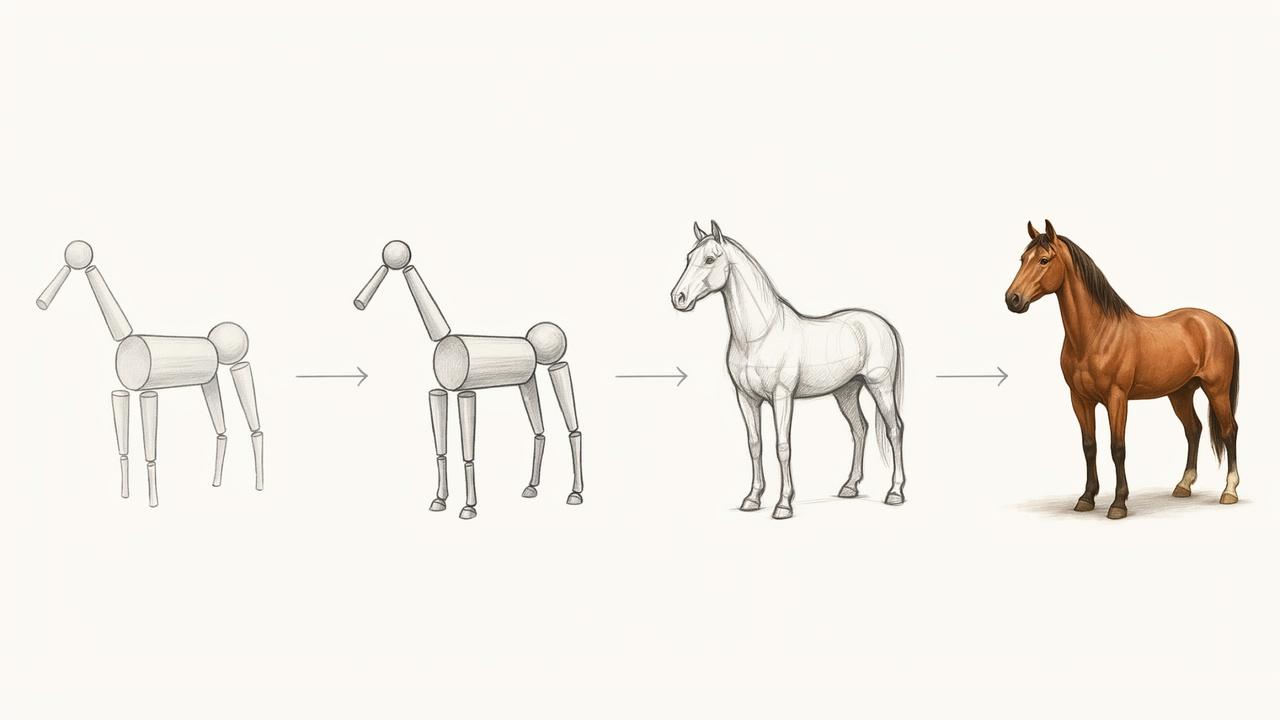
For detailed subjects like animals or buildings, break them into simple blocks first.
Add details only after the basic structure feels correct.
6. Create Shape Variations
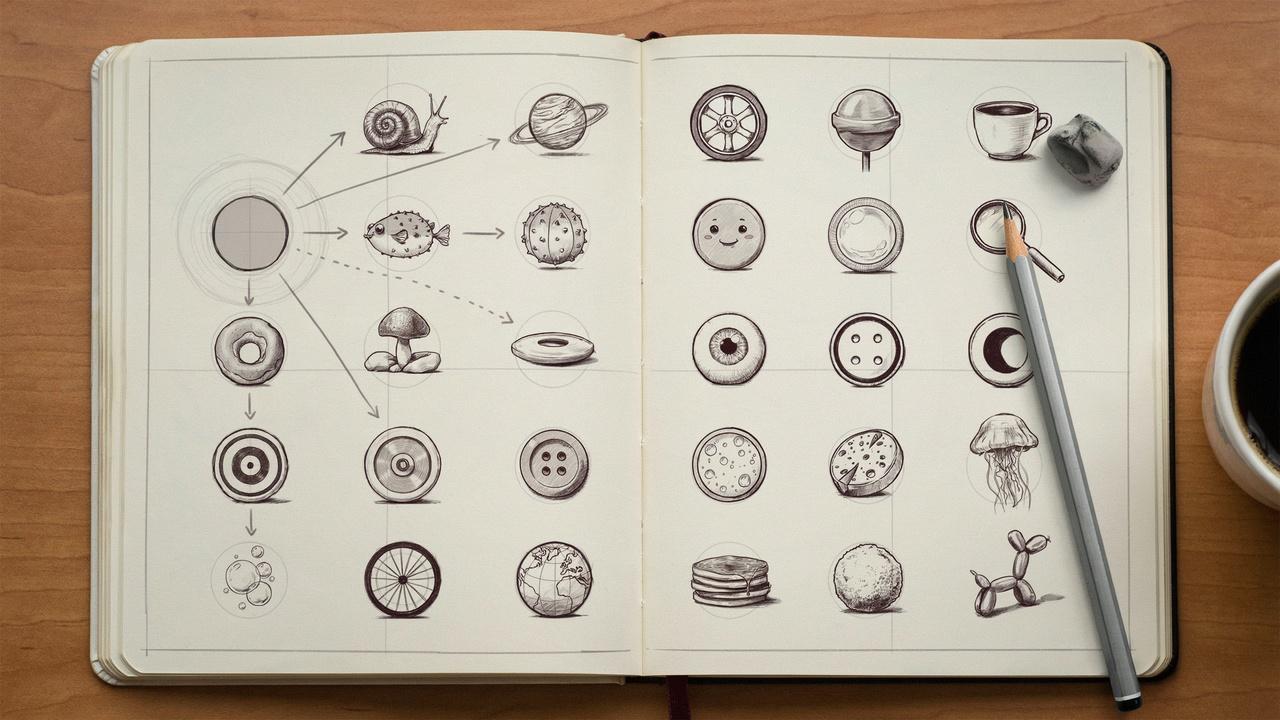
Take a basic shape and draw several different versions of it.
This builds flexibility and helps you avoid drawing the same design repeatedly.
7. Combine Multiple References into One Design
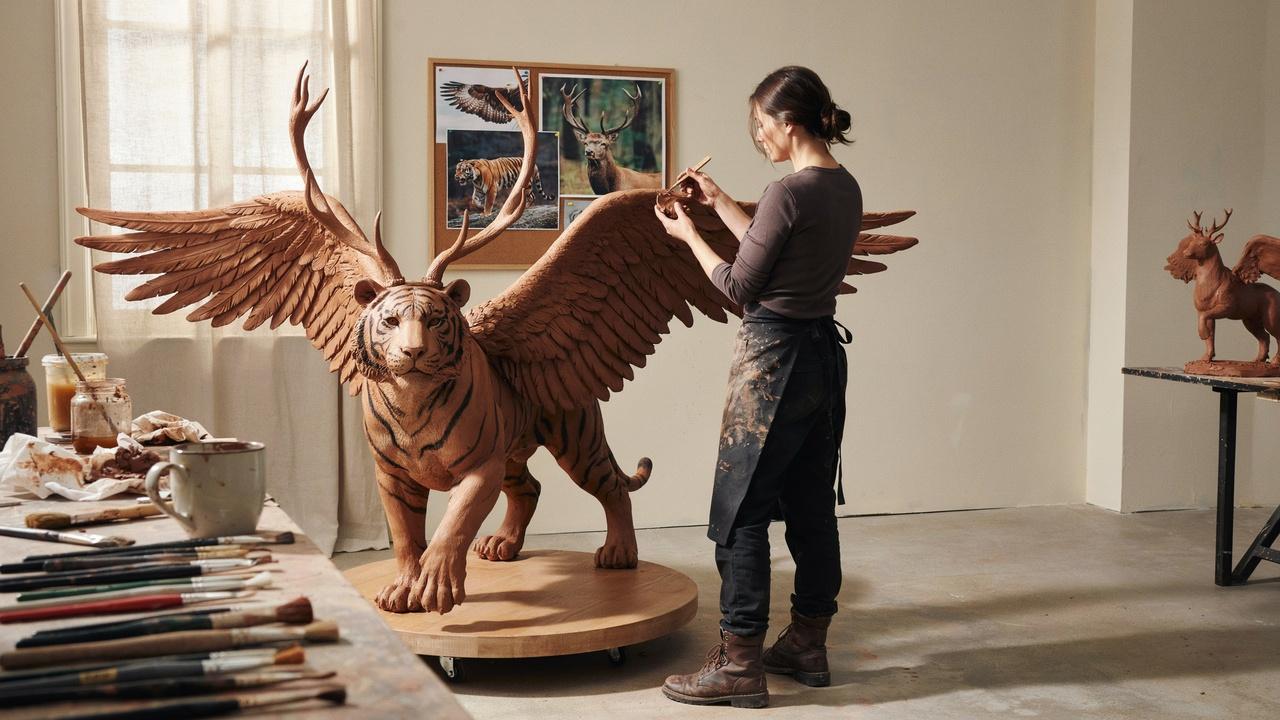
Pick two or more references and combine parts of each into a new design.
This trains creative thinking while keeping your drawing based on real structure.
8. Use the Object Remix Exercise
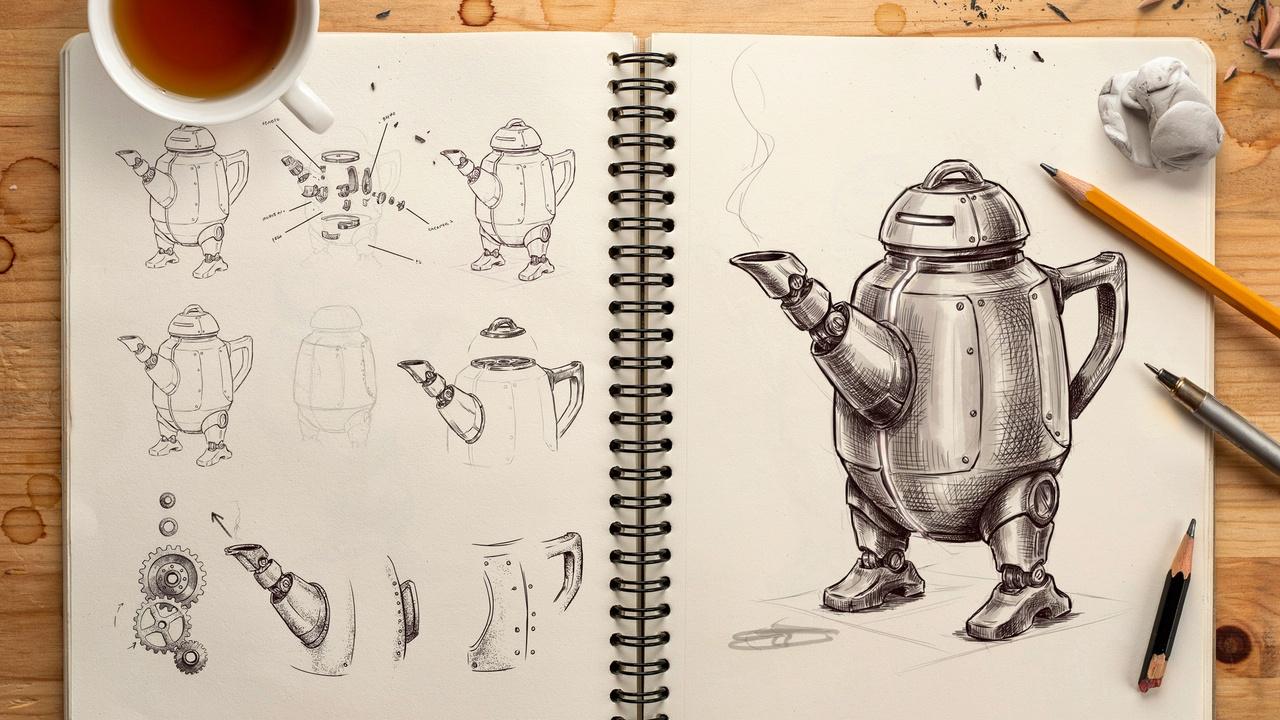
Take a familiar object and redesign it with new features or functions.
This exercise pushes creative thinking past basic memory recall.
9. Design Original Characters From Existing Ideas
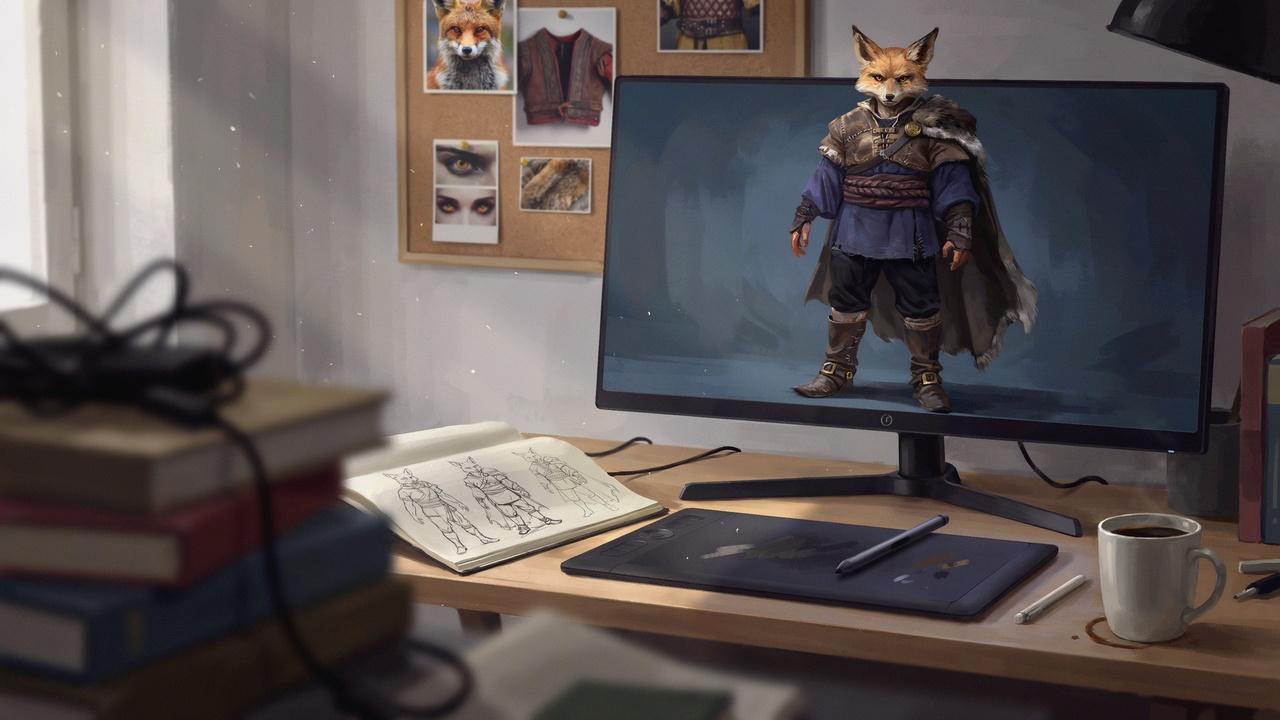
Study real people, animals, or costumes, then mix features to create a new character.
This keeps your designs believable while still being original.
10. Create Environments from Real-World References
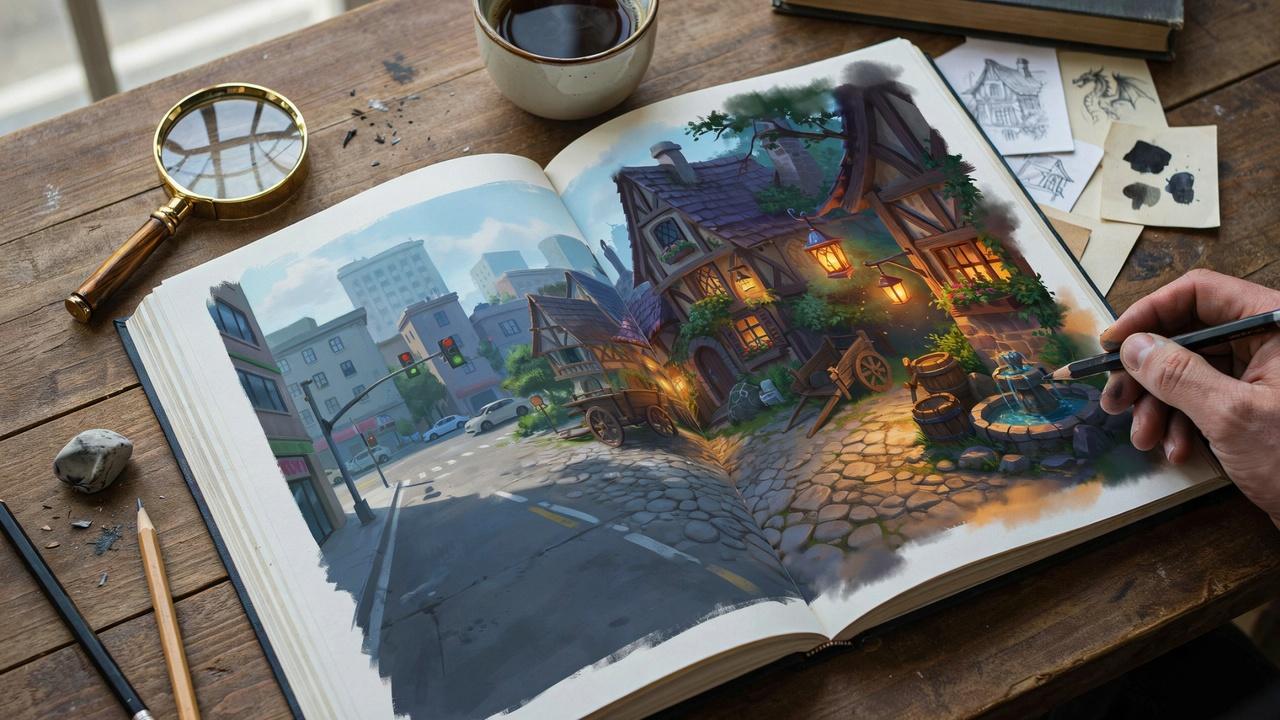
Study real locations, then build an imaginative environment using similar structures and lighting.
This keeps imaginative scenes grounded in real logic.
11. Practice Visual Storytelling
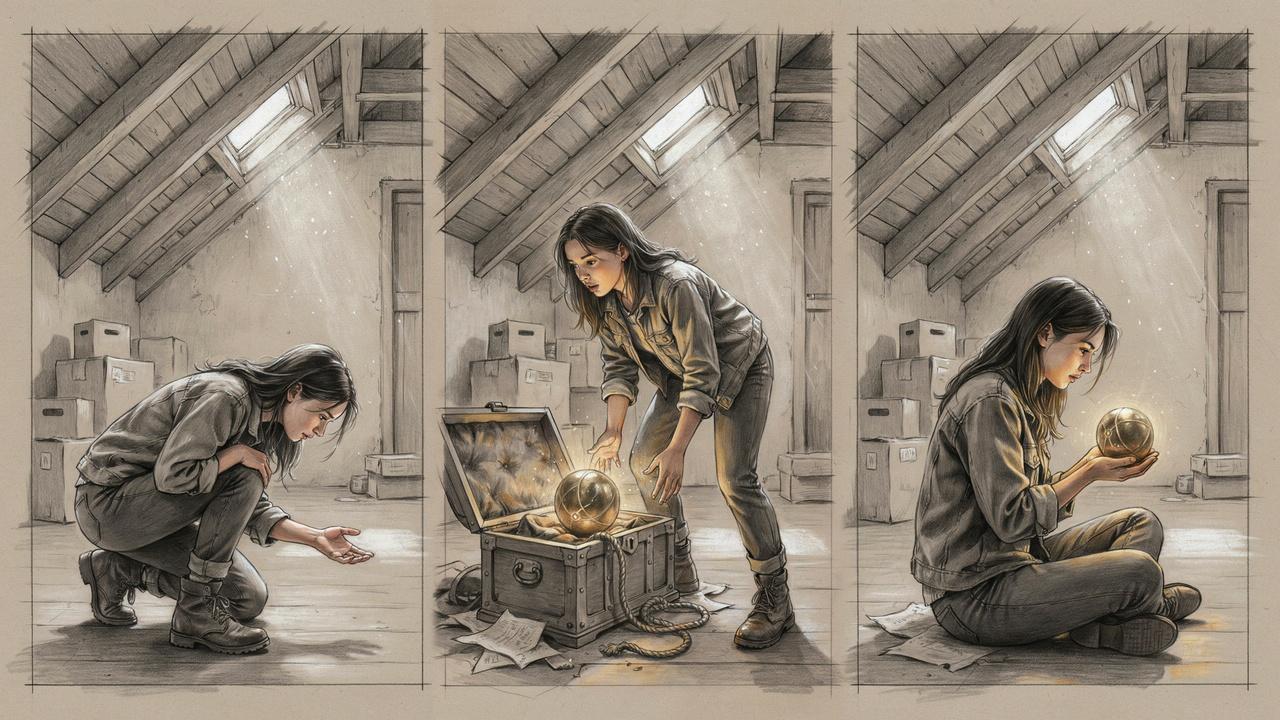
Try drawing a short scene that tells a small story without words.
This builds skills in composition, mood, and character placement.
12. Doodle to Generate New Concepts

Spend a few minutes doodling without a clear goal.
Many strong drawing ideas come from loose, low-pressure sketching.
13. Complete Imagination-Based Drawing Challenges
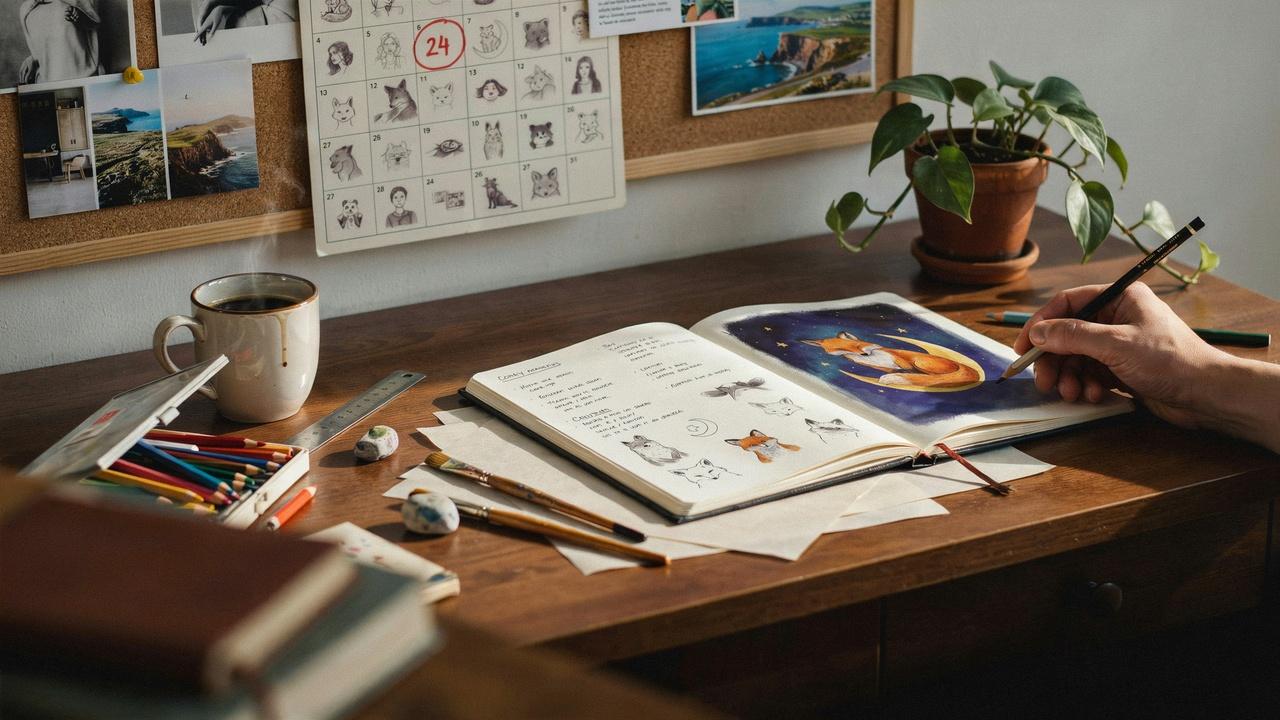
Set small daily or weekly drawing prompts that require imaginative thinking.
Challenges keep practice consistent and push you past your comfort zone.
How Professional Artists Use References While Drawing From Imagination


This section points to helpful books, courses, and free guides that support learning imaginative drawing skills.
Best Books for Imaginative Drawing
Look for books that focus on construction drawing, anatomy, and perspective.
These topics give a strong base for imaginative work.
Many well-known drawing instructors have published books covering these exact skills.
Helpful Tutorials and Online Courses
Online courses and video tutorials offer step-by-step lessons on shapes, anatomy, and memory drawing.
They are useful for visual learners who want guided practice.
Free PDF Guides and Practice Worksheets
Many artists share free practice sheets covering shapes, perspective grids, and figure templates.
These worksheets offer simple daily practice without needing to purchase materials.
How to Practice Drawing From Imagination Every Day
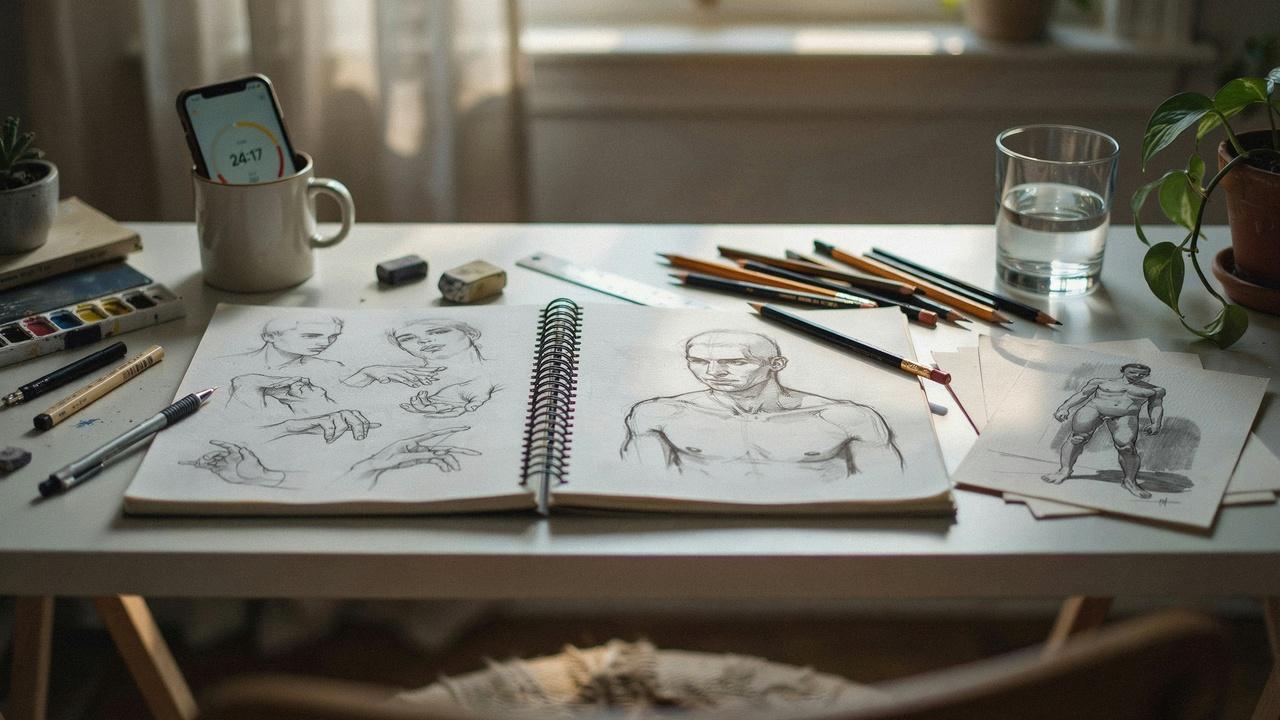
This section gives a simple daily and weekly routine for building imaginative drawing skills through small, consistent practice.
Set aside fifteen minutes a day for memory drawing or shape practice, since short, regular sessions build skill faster than occasional long ones and consistency matters more than session length.
To keep things interesting, pick a weekly theme, such as animals, vehicles, or characters, and create something new each day, which builds confidence over time.
It also helps to keep your older drawings so you can compare them with newer ones, since looking back at past work shows clear proof of improvement, even when progress feels slow day to day.
Top Tips for Learning How to Draw From Imagination
This section shares simple, practical tips to help artists practice smarter and stay consistent with imaginative drawing.
- Stop trying to draw everything from memory. Not every drawing needs to come from memory. Using references for difficult details is a normal part of the process, not a failure.
- Build a strong visual library through observation, and use it without guilt. Regular observation of real objects and scenes builds a mental collection you can pull from. References are a normal tool, not a shortcut to avoid, so there is no need to feel guilty about using them.
- Focus on understanding forms instead of details. The basic structure of a subject matters more than copying small details. Once the structure is correct, details become much easier to add.
- Draw consistently rather than occasionally. Small, regular practice sessions build skill faster than long, occasional ones. Daily habits create steady, lasting improvement.
- Study what you want to create, and accept imperfect results. If you want to draw something well from memory, study it directly first for faster results. Rough sketches and mistakes are part of normal growth, so accept them and keep practicing.
Conclusion
Learning how to draw from imagination takes patience, and that is okay.
I remember staring at a blank page for ages before I understood that memory grows through practice, not pressure.
Every artist you admire once struggled with the same blank page you are facing now.
So pick up your pencil today. Try one small exercise from this guide and see what happens.
Got a tip of your own? Share it in the comments below. If this helped you, pass it along to a friend who loves to draw too.
Frequently Asked Questions
Can anyone learn how to Draw from Imagination, or do you need Natural Talent?
Anyone can learn this skill with regular practice and patience. Talent might help at the start, but consistent effort matters far more over time.
How long does it take to get good at Drawing from Imagination?
There is no fixed timeline, since progress depends on practice and study habits. Most people notice real improvement after several months of regular work.
Is it cheating to use References while Drawing from Imagination?
No, using references is a normal part of the creative process for artists at every level. It helps confirm details like proportion, lighting, and structure.
What should Beginners practice first before Drawing from Imagination?
Beginners should start with basic shapes, perspective, and simple anatomy. These fundamentals make it much easier to build imaginative drawings later.
How often should I practice Drawing from Imagination each Week?
Short daily sessions work better than long, occasional ones. Even fifteen minutes a day can lead to steady, noticeable improvement.
