


Toddlers don't learn by listening. They learn by doing.
I noticed this early on. The moment I brought out sensory materials, everything changed. More focus. Less fussing. Real, active engagement.
That's when I started taking 5 senses crafts for toddlers seriously. And honestly? The results surprised me every single time.
These aren't just fun activities. They're quietly building your child's brain, one messy, hands-on moment at a time.
If you're curious about which crafts work best and why they actually matter, you're in the right place. Here are 37 ideas to get you started.
Why 5 Senses Crafts Are Important for Toddlers

When toddlers use their senses during play, their brains are working hard.
Each new texture, sound, or smell builds new connections. That early brain activity sets the foundation for learning later on.
These crafts also build vocabulary.
When a child touches something rough or smells something sweet, they start finding words to describe it. That's communication and language development happening in real time.
Sensory play pushes toddlers to ask questions and try new things. That curiosity is one of the best traits you can encourage at this age. It carries through into every area of learning.
Fine motor skills also get a real workout.
Squeezing, pinching, tearing, and sticking all strengthen those small hand muscles. Those same muscles are needed for writing, drawing, and self-care tasks down the road.
37 Best 5 Senses Crafts for Toddlers
These activities cover all five senses: touch, sight, smell, taste, and hearing. Most need simple supplies you already have at home. Pick one and start today.
1. Texture Collage Art
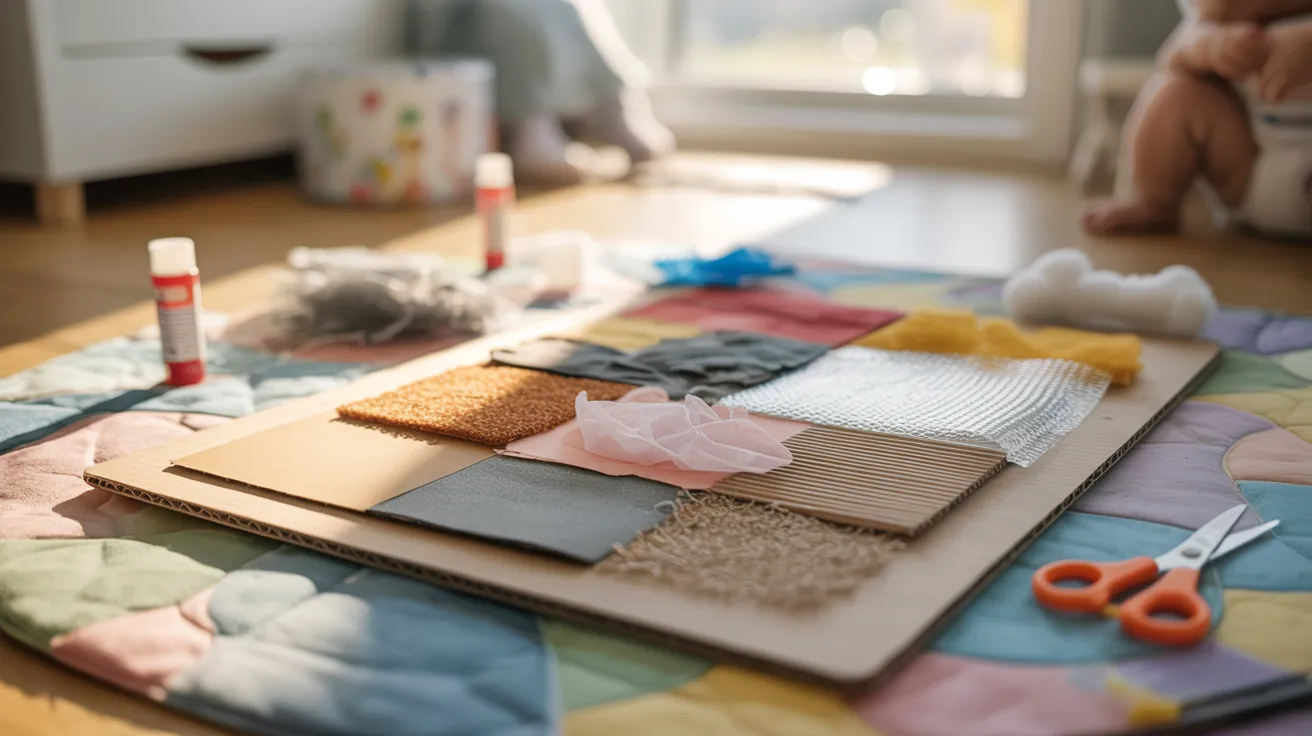
Gather materials with different textures like sandpaper, fabric scraps, bubble wrap, and foil. Let your toddler feel each one before gluing it onto cardboard. The exploring is the whole point.
This is one of the best 5 senses crafts for toddlers because it directly targets the sense of touch. Every material feels different. That contrast is what makes it so engaging.
Talk about what each piece feels like as they handle it. Rough, smooth, soft, bumpy. You're building vocabulary while they build their collage.
2. Sensory Sand Tray Play
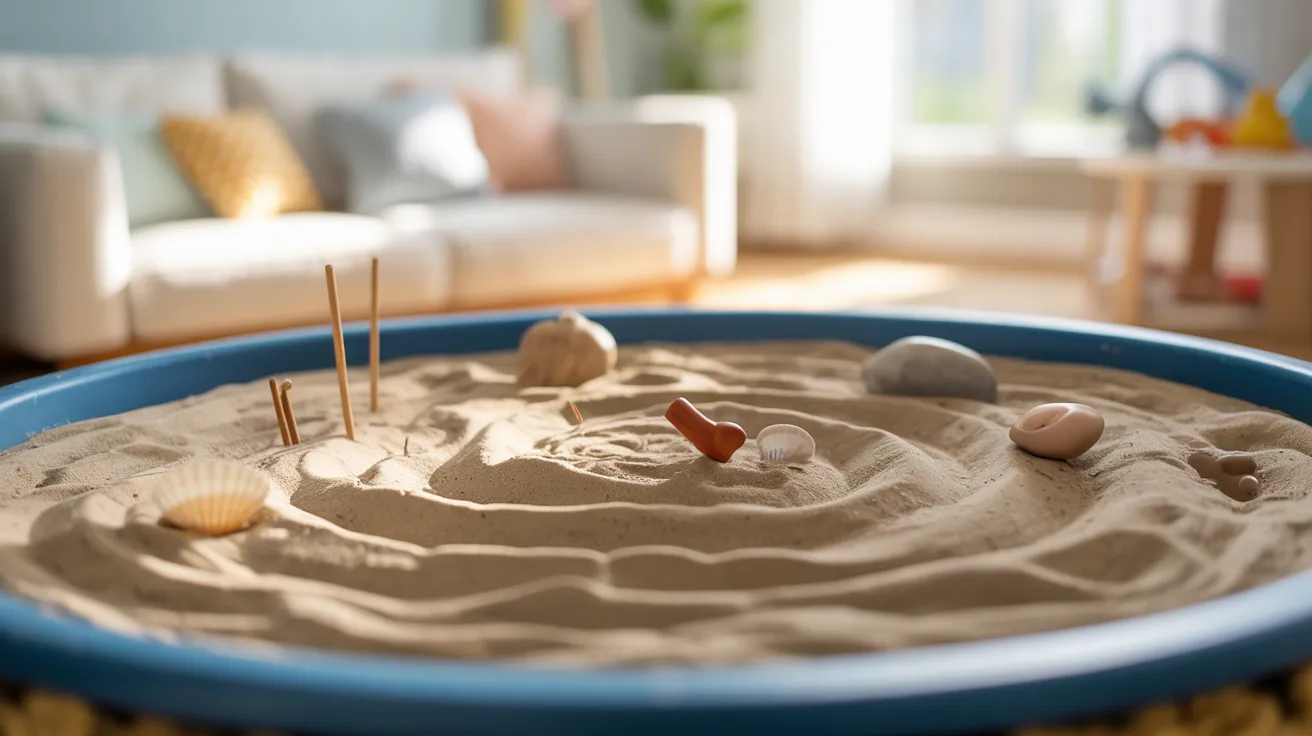
Fill a shallow tray with kinetic sand or regular play sand. Add small toys, shells, or sticks. Let your child drag their fingers through it freely.
Sand play is deeply calming for toddlers. The texture under their hands feels satisfying and grounding. Many kids will stay focused with a sand tray for much longer than other activities.
You can hide small objects under the sand and ask them to find them. It turns into a little digging game. Simple but genuinely fun.
3. Cotton Ball Snow Craft
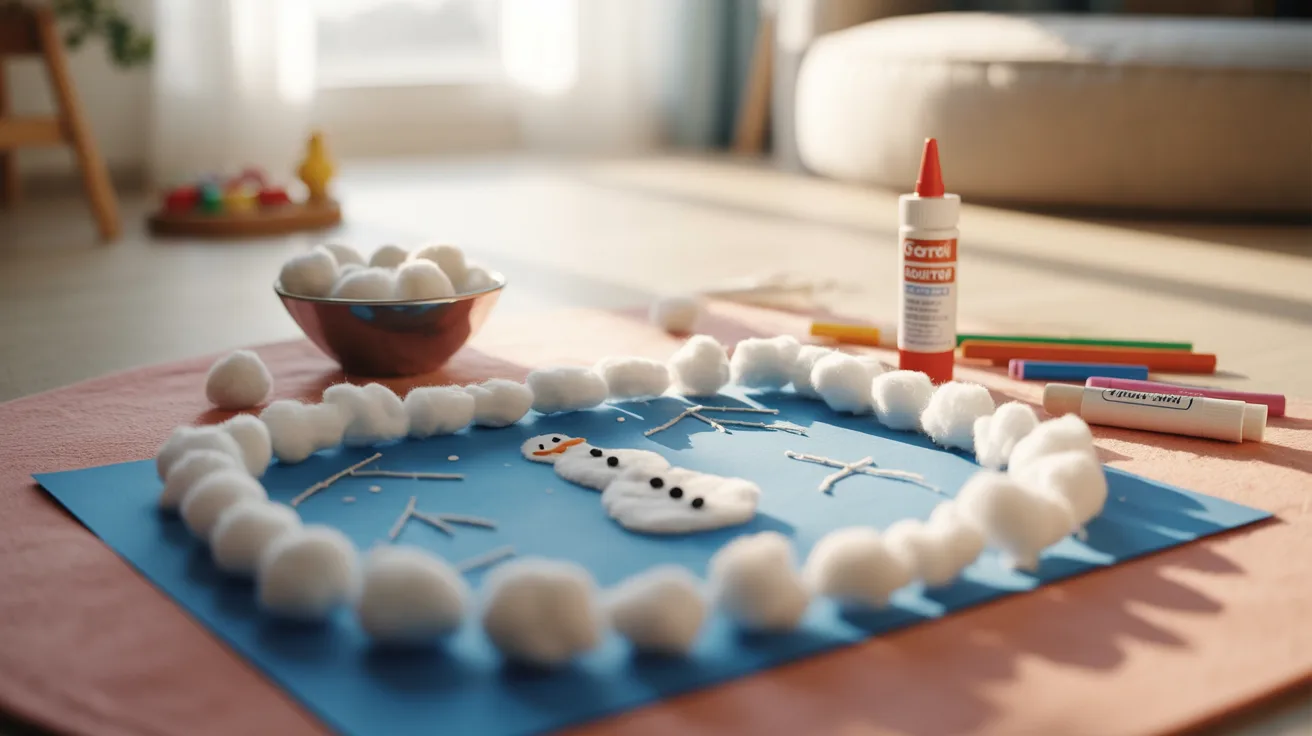
Glue cotton balls onto blue paper to make a snowy scene. Add trees, animals, or a snowman with markers. Let your child press and stick every piece themselves.
The soft, fluffy texture of cotton balls is great for touch-based sensory play. Squishing and pressing them onto paper builds hand strength. It's a low-mess activity with a big payoff.
This craft also works well as a seasonal activity. Talk about snow and what it feels like. It opens up great conversations even with very young toddlers.
4. Bubble Wrap Painting
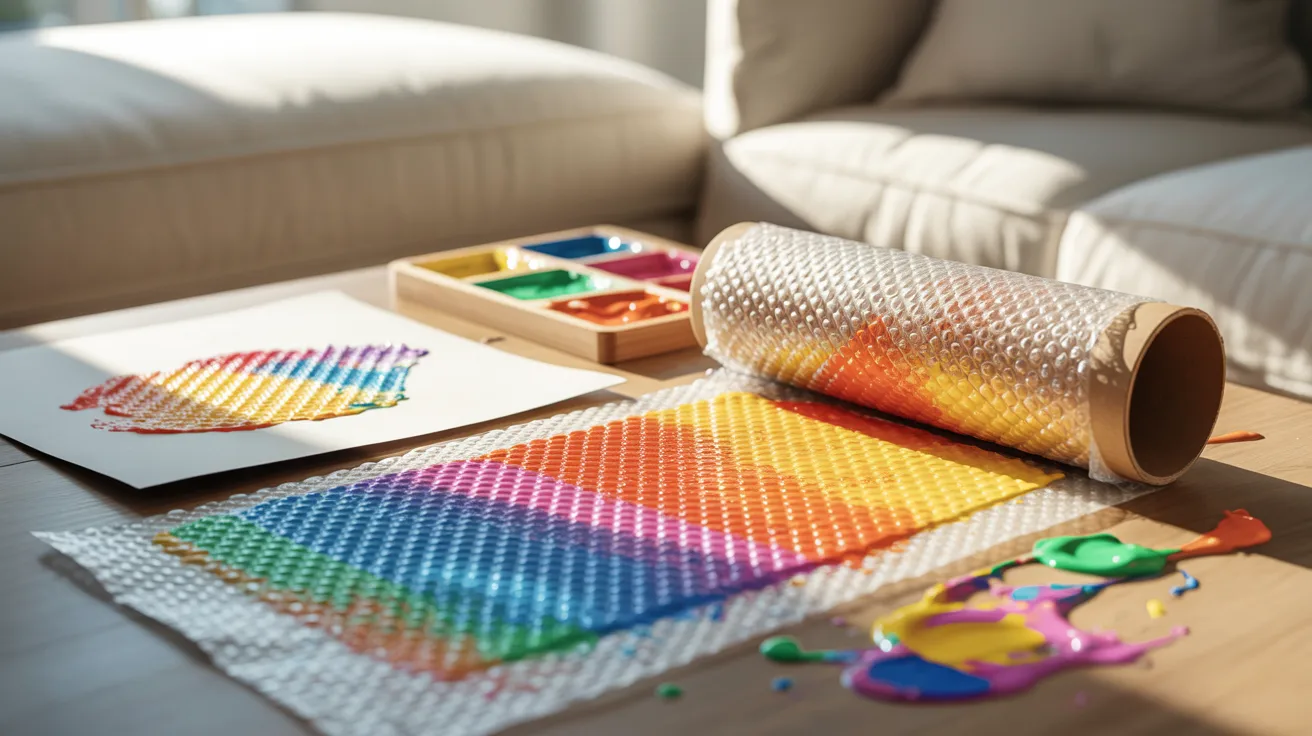
Lay a sheet of bubble wrap flat. Pour paint on top and let your toddler press their hands or feet into it. Then press paper on top to make a print.
The popping sensation under their hands or feet is a sensory experience on its own. Add paint to it and you've doubled the fun. Most toddlers can't get enough of this one.
You can also wrap bubble wrap around a cardboard tube and roll it through paint. Then roll it across paper for a patterned print. Easy and very satisfying.
5. DIY Sensory Bags
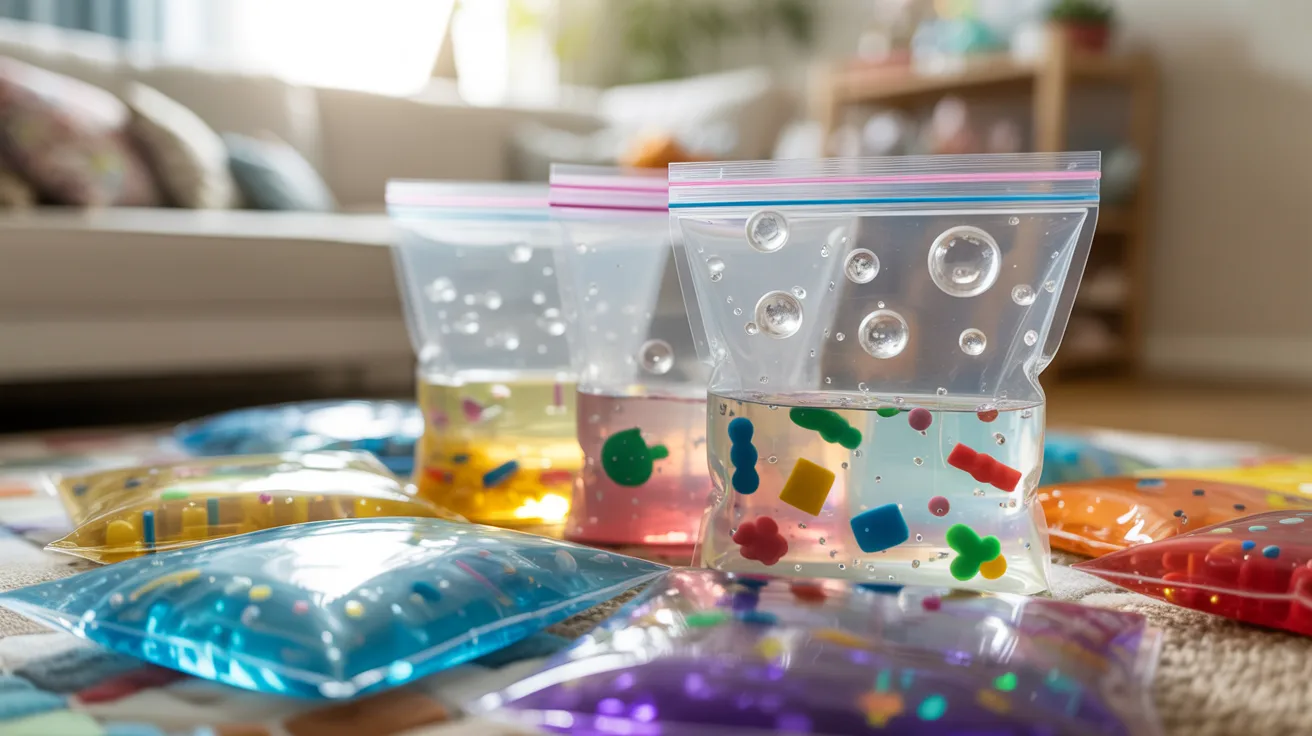
Fill a zip-lock bag with hair gel and a few small objects or glitter. Seal it tightly with tape. Let your toddler poke, press, and squish it freely.
There's no mess involved, which makes this one of the easiest 5 senses crafts for toddlers to set up. The gel moves in interesting ways under their fingers. Kids are drawn to it immediately.
You can use different colors of gel or add letters and numbers to make it educational. Change the contents each time to keep it fresh. Every version feels like a brand-new activity.
6. Playdough Shape Creations
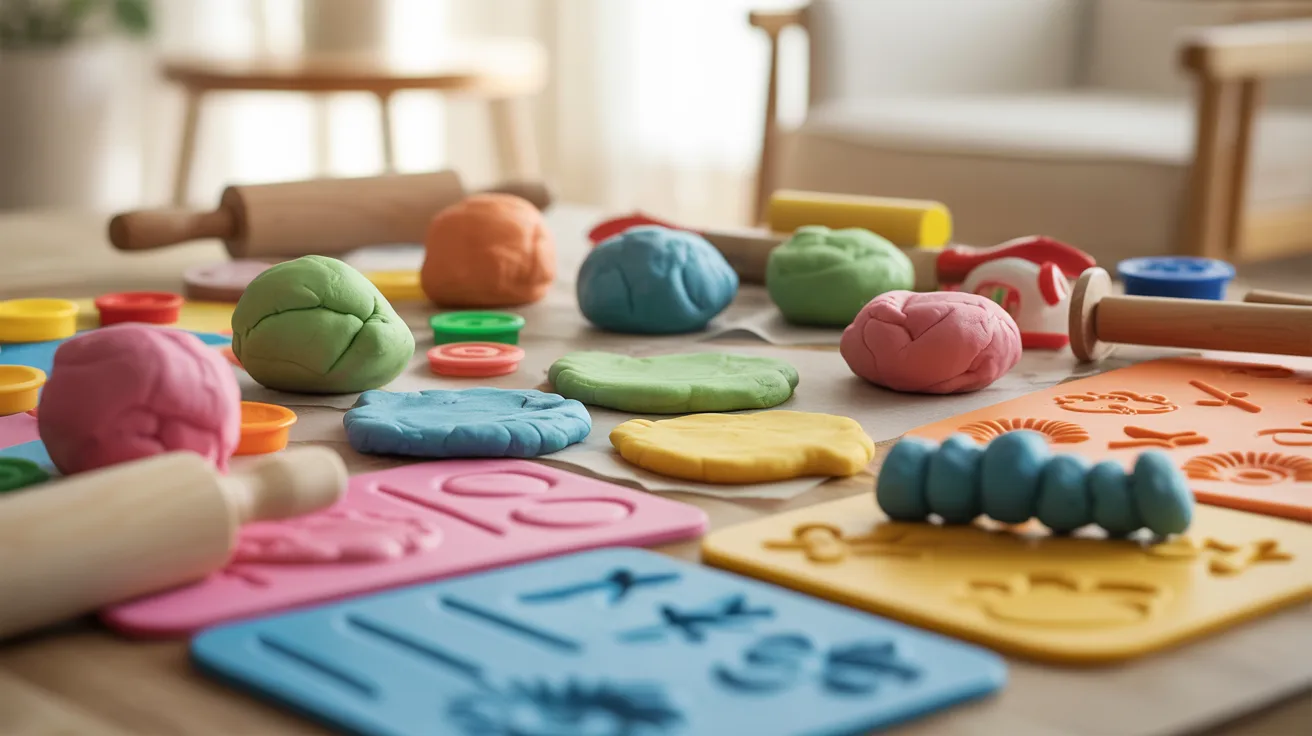
Make or buy soft playdough in a few colors. Show your toddler how to roll it, flatten it, and press shapes into it. Then step back and let them create.
Playdough is one of the most versatile sensory tools out there. The soft, pliable texture is perfect for little hands. Squeezing and shaping it builds serious hand muscle strength.
Press cookie cutters, buttons, or textured mats into the dough for extra prints. Each impression looks different. Toddlers love seeing what shows up.
7. Fabric Scrap Exploration Board
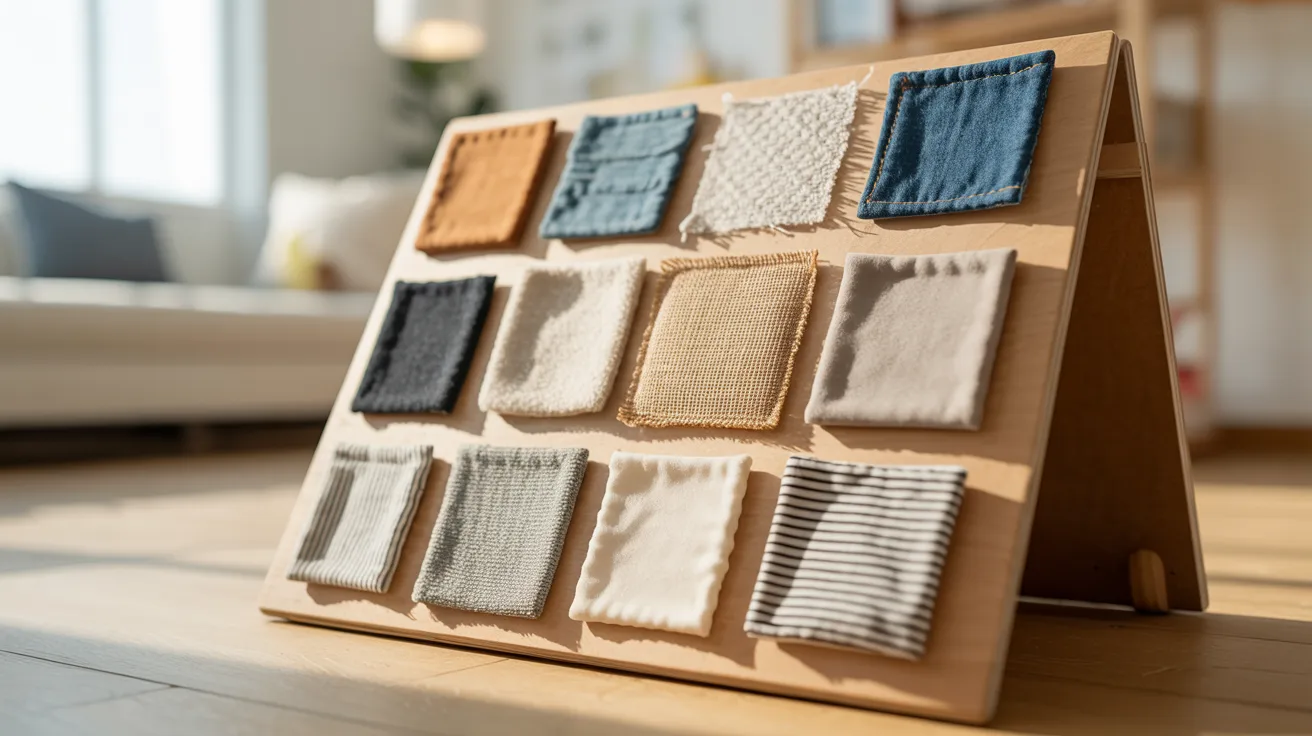
Glue different fabric scraps onto a piece of cardboard. Use velvet, denim, lace, fleece, and burlap. Let your child run their fingers over each one and feel the differences.
This is a quiet, focused activity that you can make once and reuse many times. Mount it on the wall at toddler height for easy access. It becomes a go-to sensory spot.
Name each texture as your child touches it. Soft, scratchy, bumpy, silky. You're teaching words and building sensory awareness at the same time.
8. Color Sorting Rainbow Craft
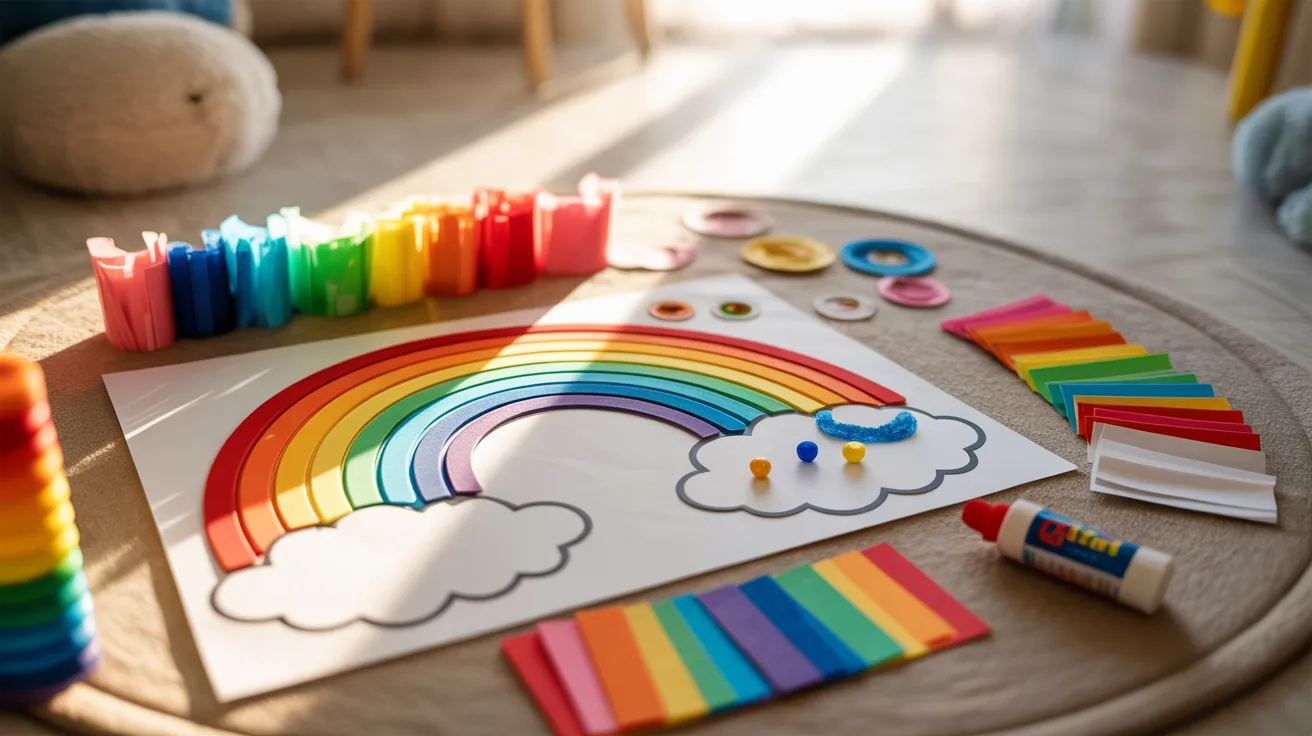
Cut colored paper into strips or circles. Ask your toddler to sort them by color and glue them onto a rainbow outline. It's a sight-based activity that builds color recognition.
Sorting by color is one of the earliest cognitive skills toddlers develop. This craft gives that skill a hands-on outlet. It works the eyes and the brain at the same time.
You can use tissue paper, fabric swatches, or magazine clippings instead of plain paper. The variety makes it visually interesting. Every rainbow ends up looking a little different.
9. Stained Glass Paper Art
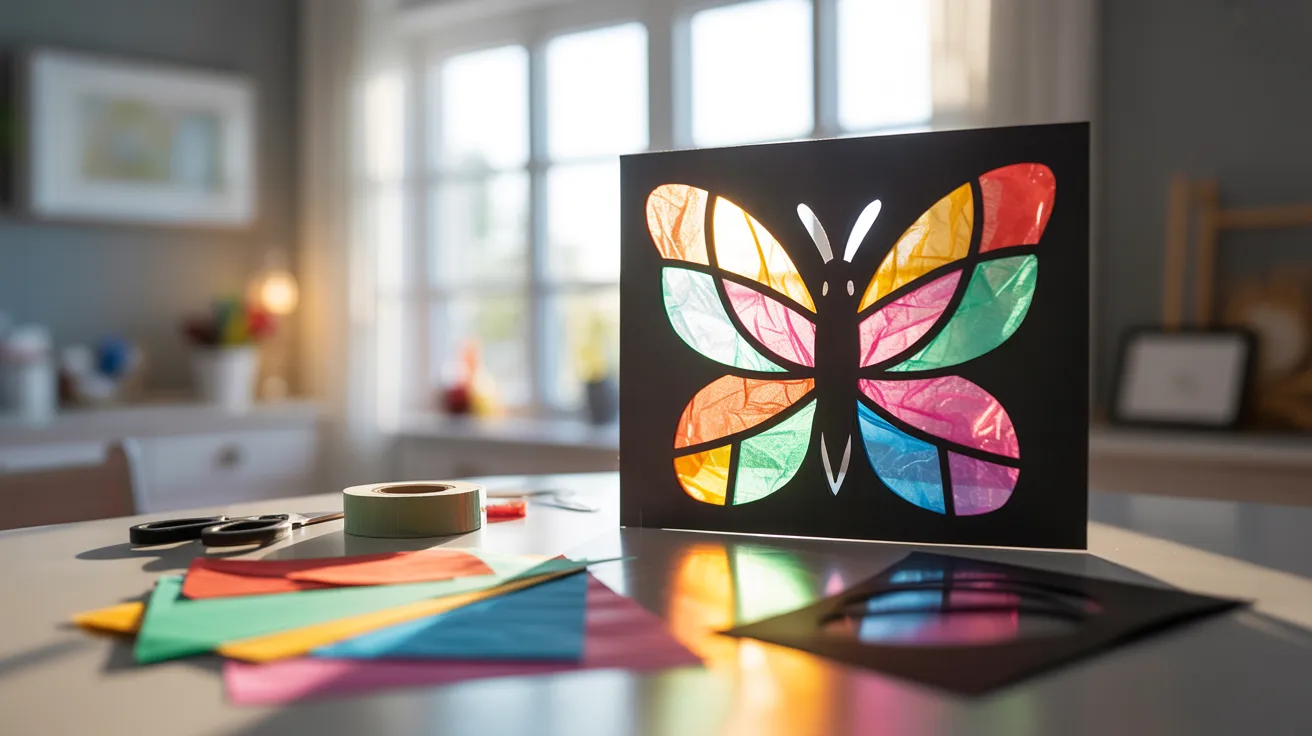
Cut out a simple shape like a butterfly or flower from black cardstock. Tape colored tissue paper behind the cutout sections. Hold it up to a window and let the light come through.
The way light passes through the tissue paper looks almost magical. Toddlers are naturally drawn to light and color. This craft gives them both.
It also teaches them about transparency in a very hands-on way. They see how some materials let light through and others don't. That's early science thinking right there.
10. Light and Shadow Drawing
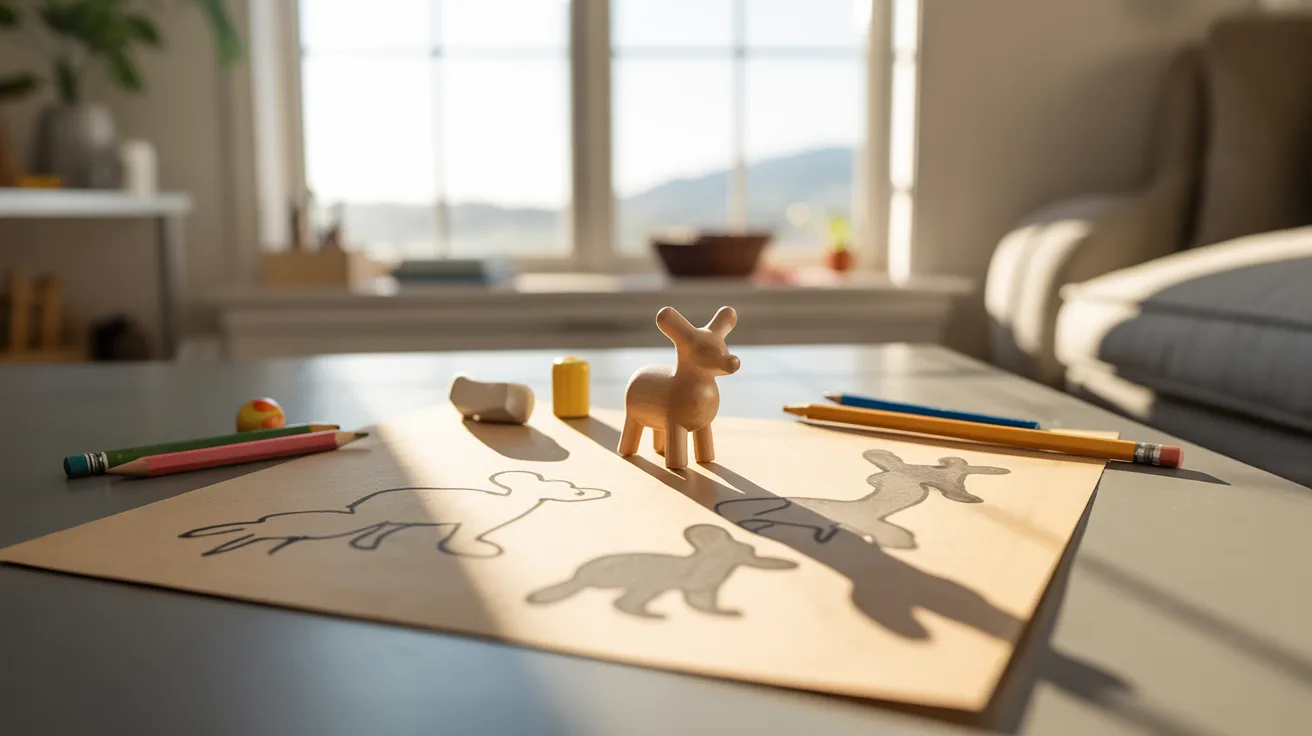
On a sunny day, place a toy or object on paper and trace its shadow with a pencil or crayon. Move the object and trace again. Watch how the shadow changes.
This is a sight-focused craft that gets toddlers thinking about the relationship between light and objects. It's simple to set up. You only need sunlight and paper.
Try it at different times of day when shadows shift and stretch. Talk about why the shadow moves. Kids are always genuinely curious about this one.
11. DIY Kaleidoscope Craft
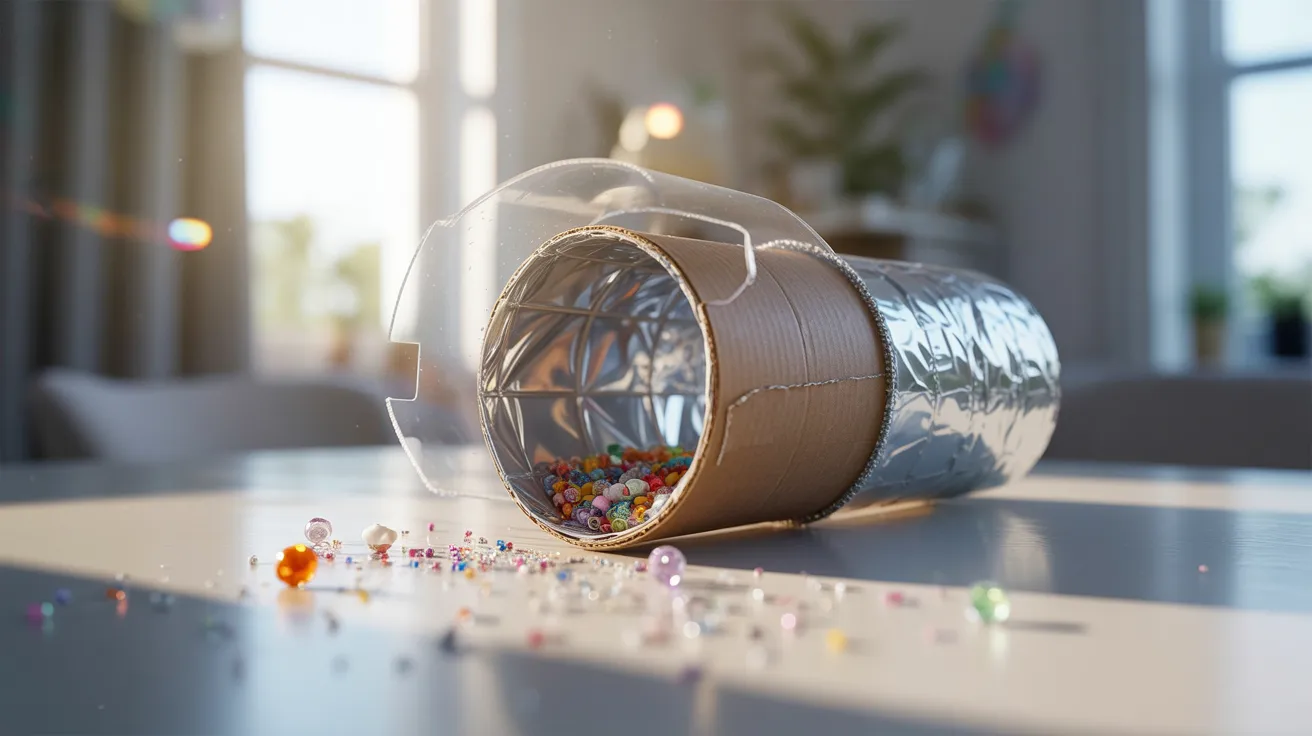
Use a cardboard tube and wrap the inside with foil. Add small beads or confetti inside and cover one end with clear plastic. Look through the other end.
When you tilt it toward light, the patterns shift and change. Toddlers can spend a long time just looking through it. Their sense of sight gets a real workout.
It's also a great conversation starter. Ask them what they see. Colors, shapes, movement. You're building descriptive language skills without even trying.
12. Color Mixing Painting Activity
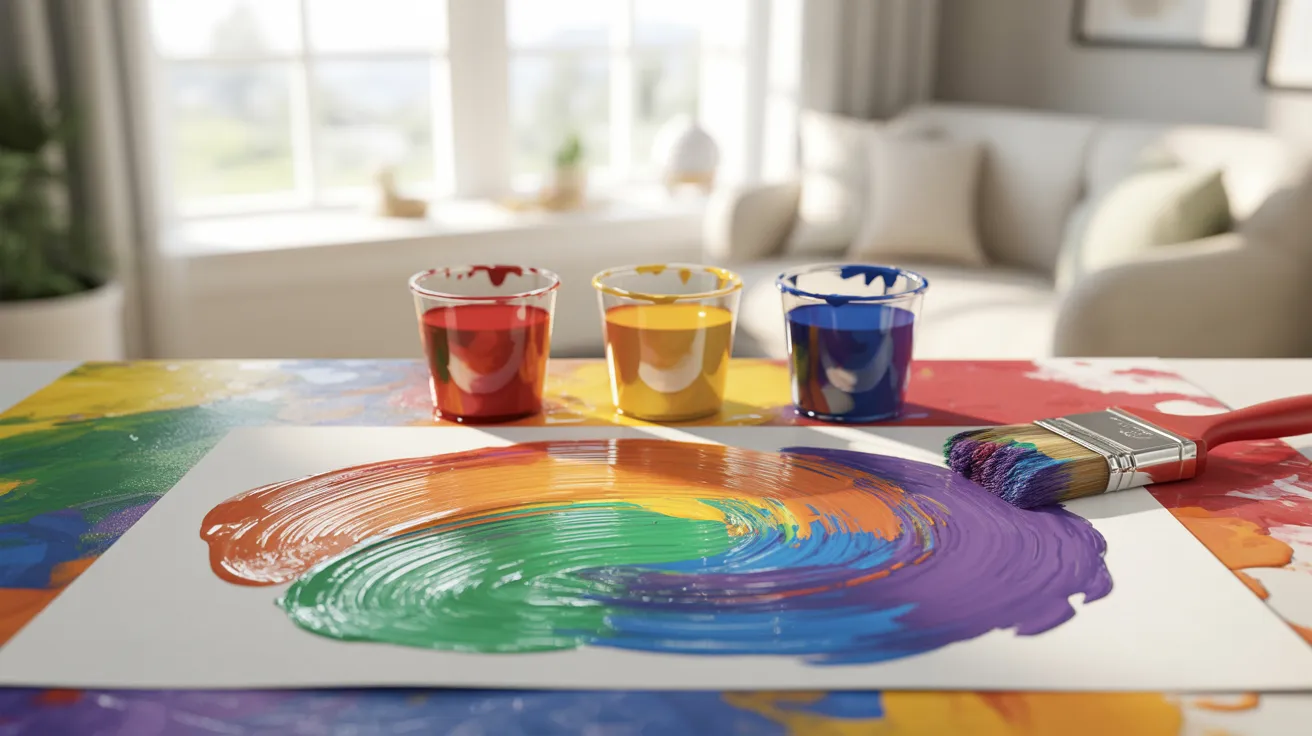
Set out red, yellow, and blue paint in separate cups. Give your toddler white paper and a brush. Let them mix the colors freely and see what happens.
When two primary colors meet on paper, something new appears. That moment of discovery is one of the best parts of early sensory play. Toddlers react with real surprise and excitement.
Guide them gently. Red and yellow make orange. Blue and yellow make green. But let them find it themselves first. That self-discovery sticks better than being told.
13. I Spy Bottle Craft

Fill a clear plastic bottle with rice or sand. Hide small objects inside like buttons, beads, or tiny toys. Seal the lid and let your toddler shake and search.
The visual challenge of finding hidden objects keeps kids focused and engaged. It's one of the simplest 5 senses crafts for toddlers you can make in under five minutes. And it lasts for weeks.
Shake it, tip it, and roll it. Every movement reveals something different. Make a list of what's inside so toddlers can check off what they find.
14. Shape Sticker Art
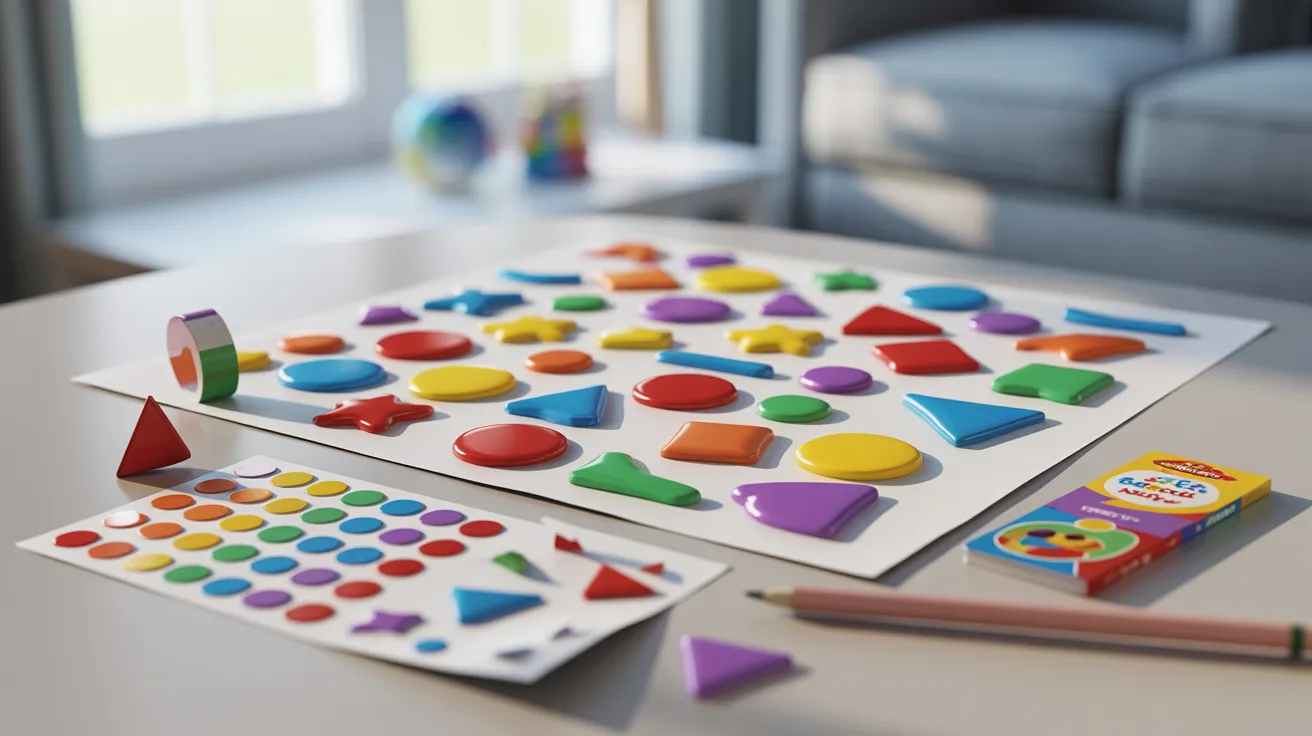
Give your toddler a sheet of shape stickers in different colors. Let them stick them anywhere on a blank piece of paper. No rules, no outline, just free sticker placement.
Peeling stickers is actually excellent fine motor work. It builds pincer grip strength, which toddlers need for writing later. The visual element comes in with all the colors and shapes.
Ask them to name the shapes as they place them. Circle, square, star, heart. You're combining visual learning with vocabulary in a very natural way.
15. Scented Playdough
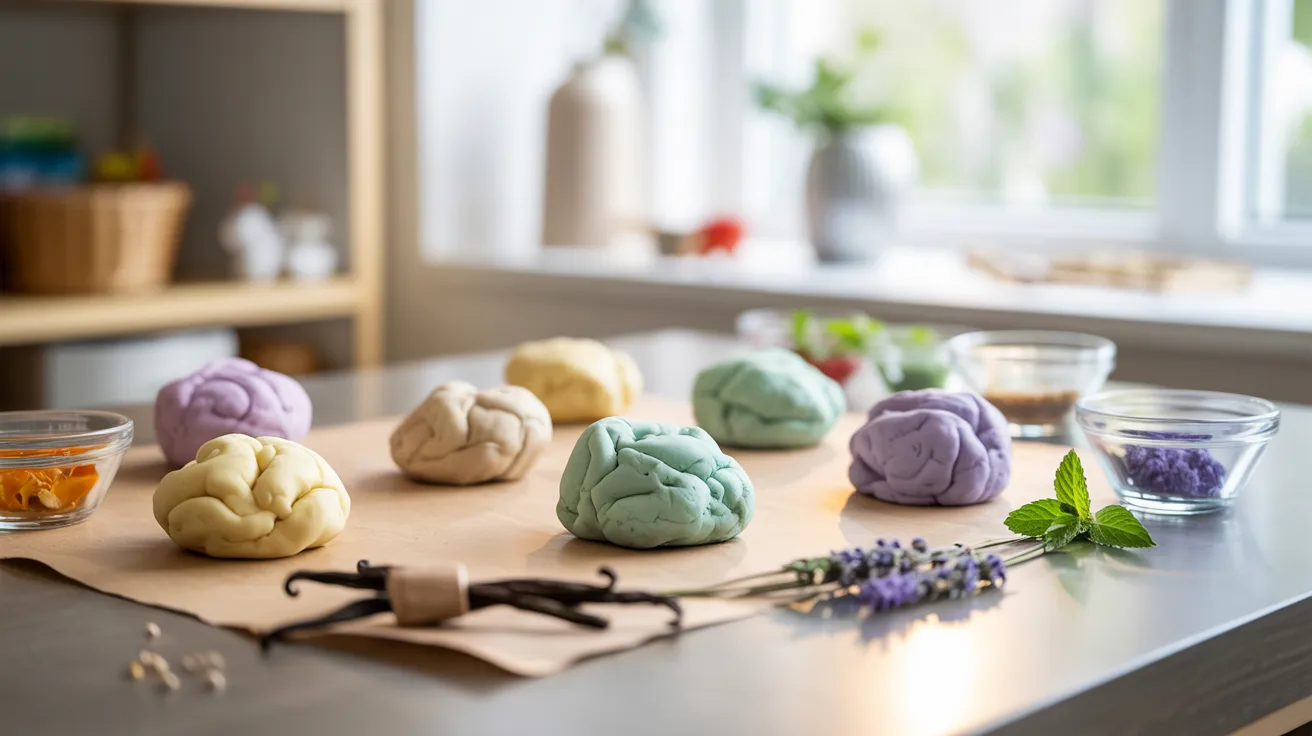
Make basic playdough and add a few drops of vanilla extract, peppermint oil, or lavender. Each batch gets a different scent. Let toddlers smell and play with each one.
The smell of the dough makes the activity feel completely different from regular playdough. It activates the sense of smell in a direct and memorable way. Kids talk about the scents long after the activity is over.
Try making two or three different scents and ask which one they like best. It opens up a fun conversation. You're also quietly building their ability to identify and describe smells.
16. Spice Painting Activity
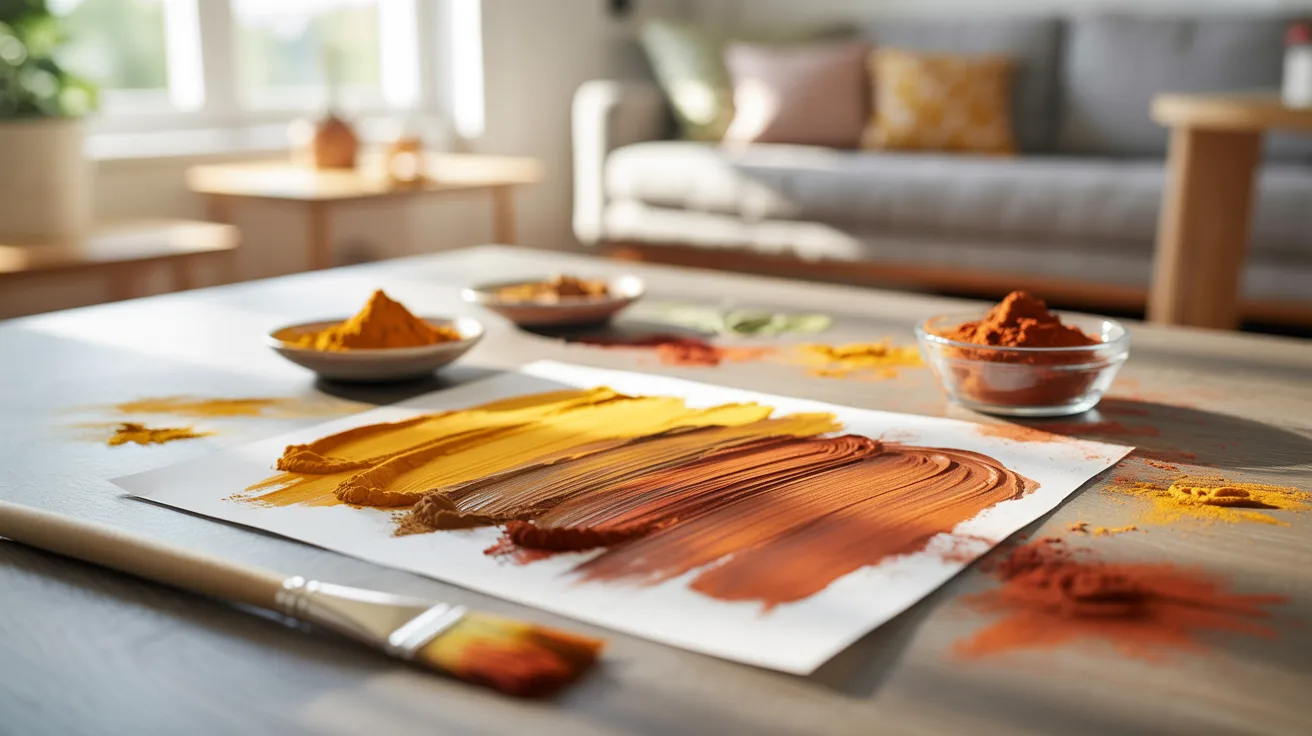
Mix common kitchen spices like cinnamon, turmeric, or paprika with a little water to make natural paint. Let toddlers brush it onto paper. The smell while painting is part of the experience.
The colors that come from spices are rich and warm. Turmeric makes a bright yellow. Cinnamon gives a deep brown. Kids are always surprised by where the colors come from.
This is one of those 5 senses crafts for toddlers that hits both smell and sight at once. It's also completely natural and safe. A great option for parents who prefer chemical-free crafts.
17. Scratch-and-Sniff Art
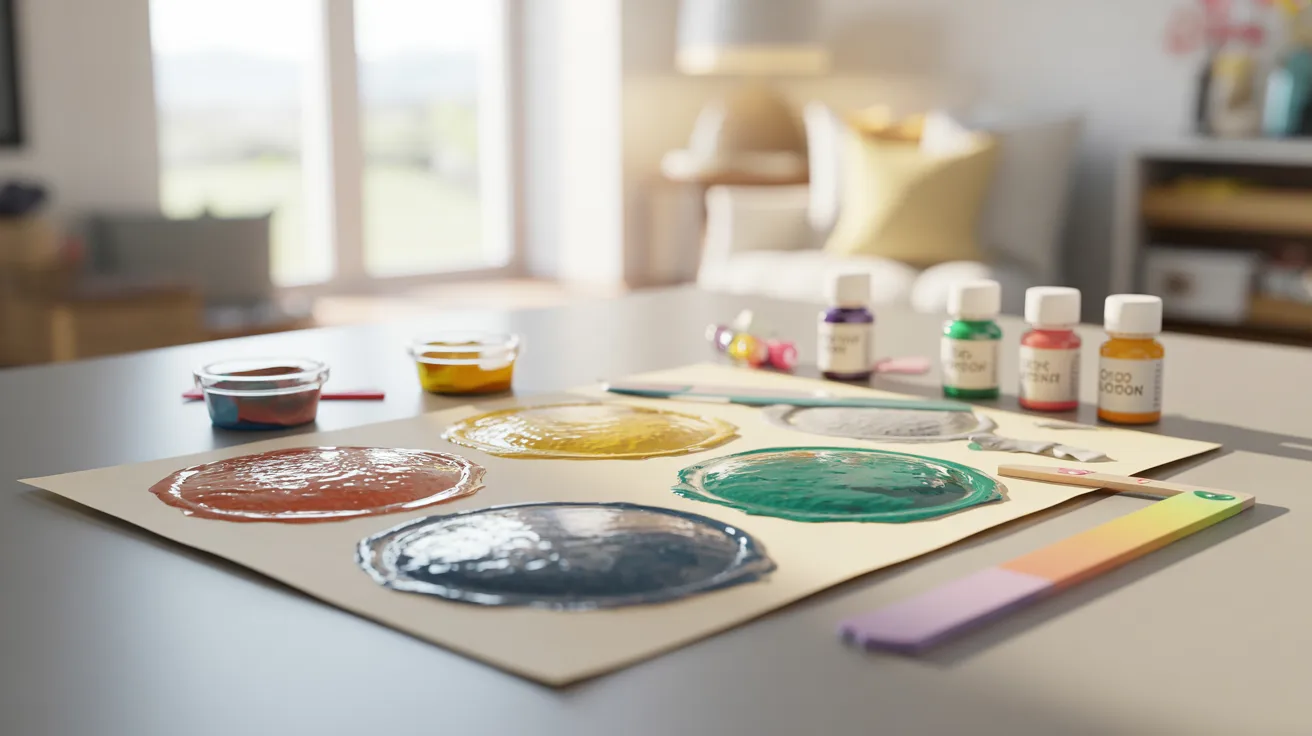
Mix scented extracts or essential oils into different piles of paint. Paint a picture and let it dry. Once dry, gently scratch the surface to release the scent again.
This craft gives kids the thrill of a secret. The picture looks like regular art until you scratch it. Then the smell surprises them every time.
Use lemon, strawberry, or mint extract for easy, familiar scents. Toddlers can try to guess the smell before they see the label. Great for building sensory memory.
18. Flower Petal Collage
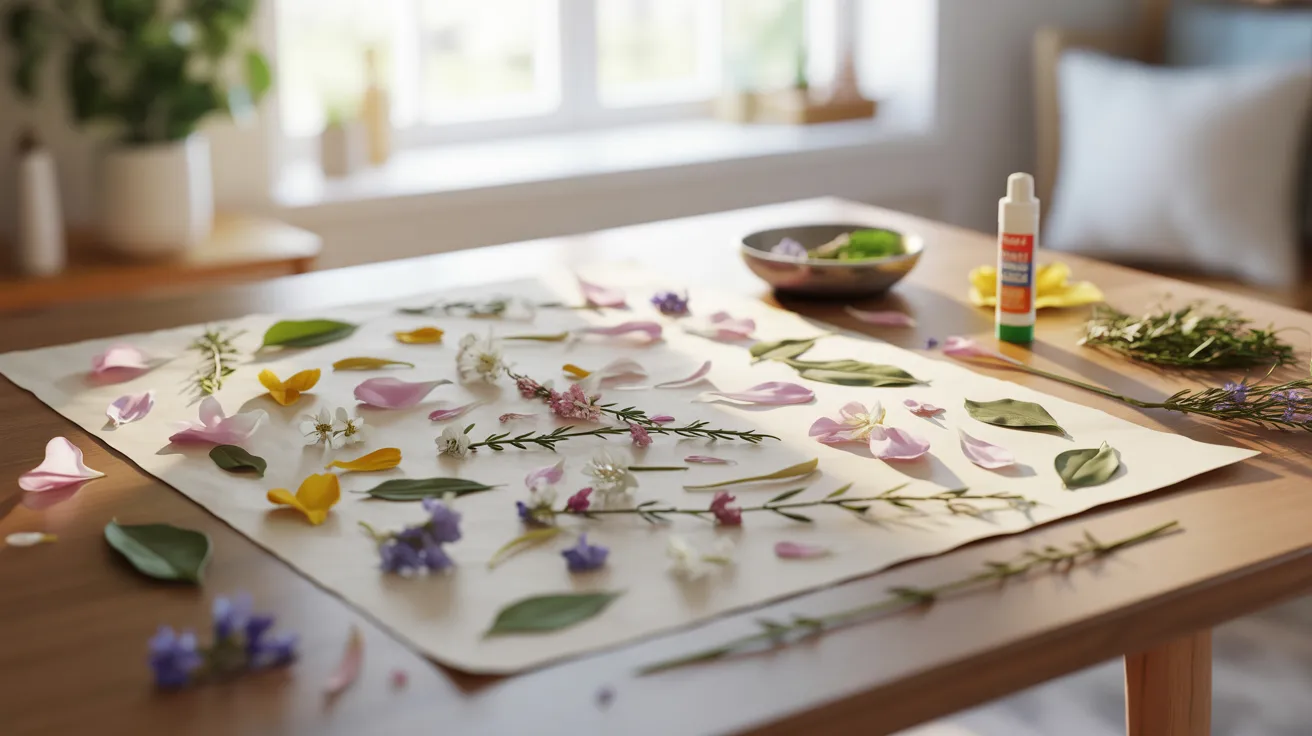
Head outside and collect fallen flower petals, leaves, and small blooms. Bring them inside and glue them onto paper to make a collage. The natural scents transfer onto the paper.
This craft blends nature exploration with sensory play. The petals have texture, color, and scent all in one. It's a multi-sensory experience without any extra work.
Encourage toddlers to smell each petal before gluing it. Let them sort by color or size first. The sorting step adds a quiet layer of learning before the crafting begins.
19. Citrus Stamping Craft
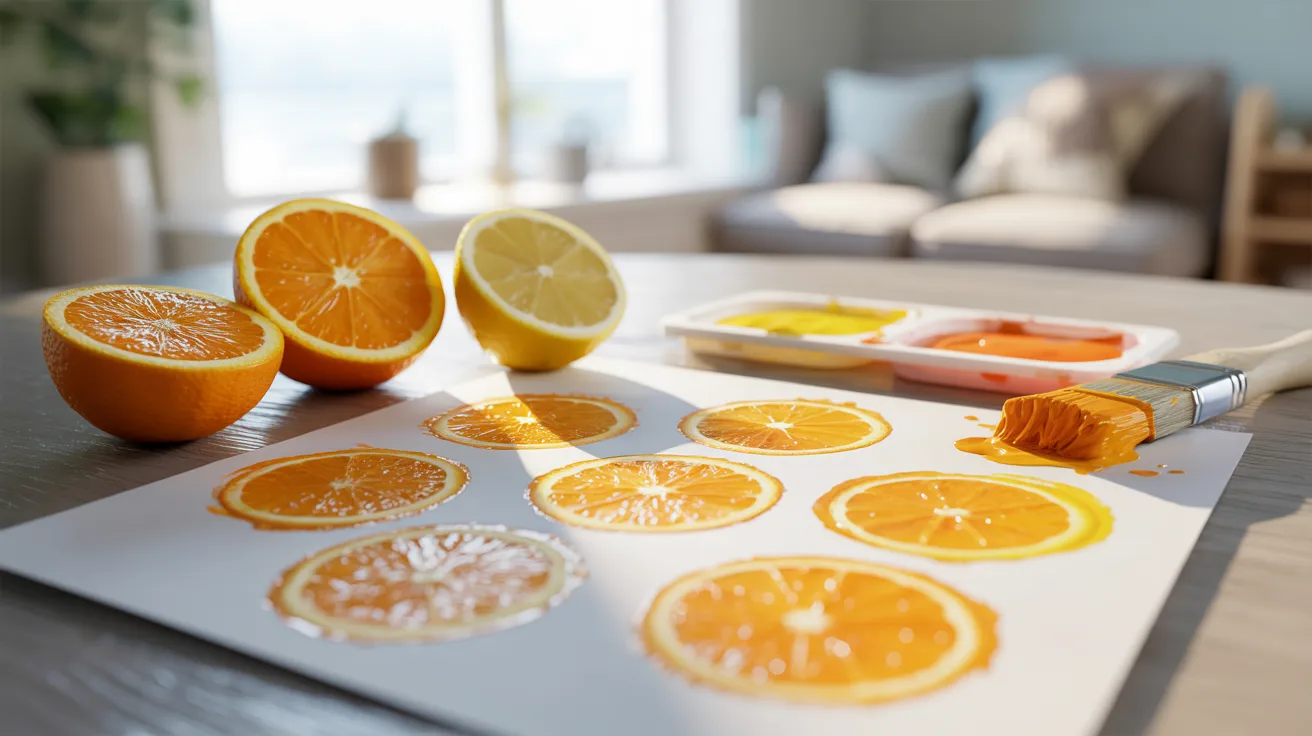
Cut an orange or lemon in half. Dip the flat side in paint and press it onto paper. The pattern from the fruit cross-section prints beautifully.
The smell of fresh citrus fills the room as they stamp. It naturally brings in the sense of smell alongside the visual. The whole activity feels fresh and fun.
Show toddlers what the inside of the fruit looks like before stamping. Talk about the seeds, the sections, the color. That little moment of observation counts as early science learning.
20. Herb Sensory Bags

Place fresh or dried herbs like rosemary, mint, or lavender inside a small zip-lock bag. Let toddlers squeeze and smell it. Change the herb each time for variety.
The scents are natural, calming, and totally safe. Lavender in particular has a noticeably calming effect on many toddlers. It can be a great wind-down activity before rest time.
Ask your child to describe each smell. Funny, nice, strong, sweet. Even basic descriptions build sensory language. That vocabulary carries into how they describe the world around them.
21. Perfume Spray Art for Kids
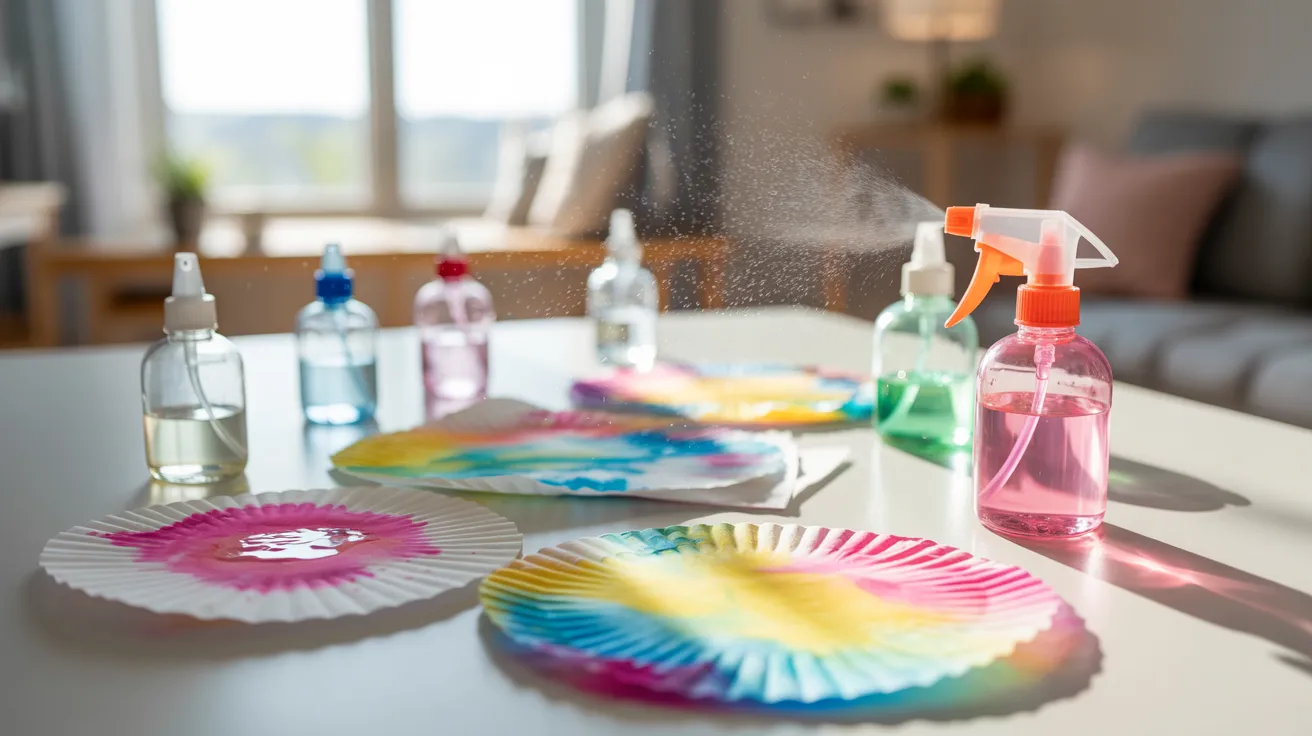
Fill a small spray bottle with water and a few drops of food coloring. Let toddlers spray the colored water onto paper towels or coffee filters. The colors spread and blend beautifully.
Add a drop of kid-safe essential oil to make it scented. Now it's visual and smell-based all at once. Toddlers love the spray mechanism. It feels very grown-up to them.
Hang the finished pieces to dry. They look like tie-dye art when they're done. A surprisingly beautiful result for a very simple activity.
22. Edible Rainbow Craft
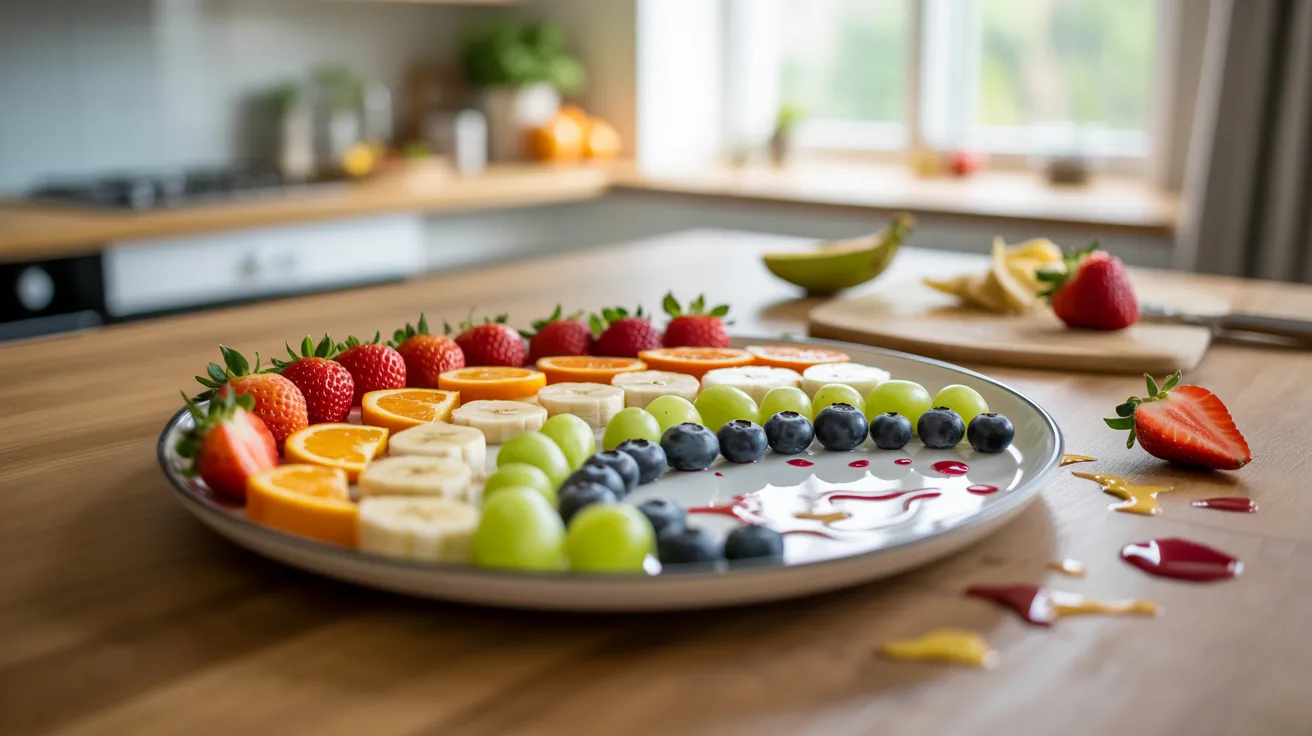
Arrange colorful fruits and vegetables on a plate in rainbow order. Red strawberries, orange slices, yellow bananas, green grapes, and blueberries. Let toddlers eat as they build.
This is food art that directly involves the sense of taste. Kids learn color order while trying different flavors. It's one of the few 5 senses crafts for toddlers where snacking is the whole point.
Talk about each food as they try it. Sweet, sour, juicy, crunchy. You're building vocabulary and flavor awareness at the same time. Learning never tasted this good.
23. Fruit Face Snack Art
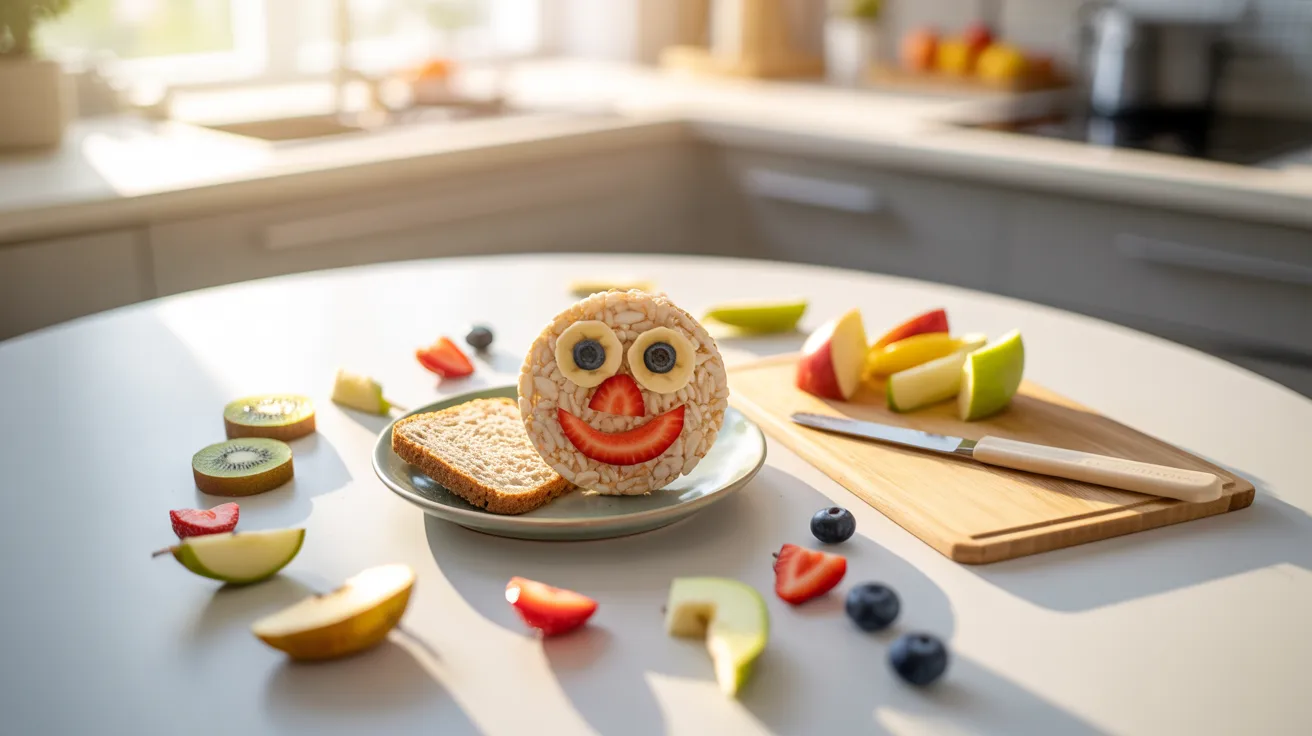
Give toddlers a plain rice cake or slice of bread as a canvas. Set out pieces of fruit and let them arrange a face on top. Eyes, nose, mouth, all made from food.
The tasting happens naturally as they build. They'll snack on pieces as they work, which is totally fine. That's part of the fun.
This activity also builds creativity and decision-making. Which fruit goes where? What should the mouth look like? Small choices like these matter a lot at this age.
24. Taste Test Chart Activity
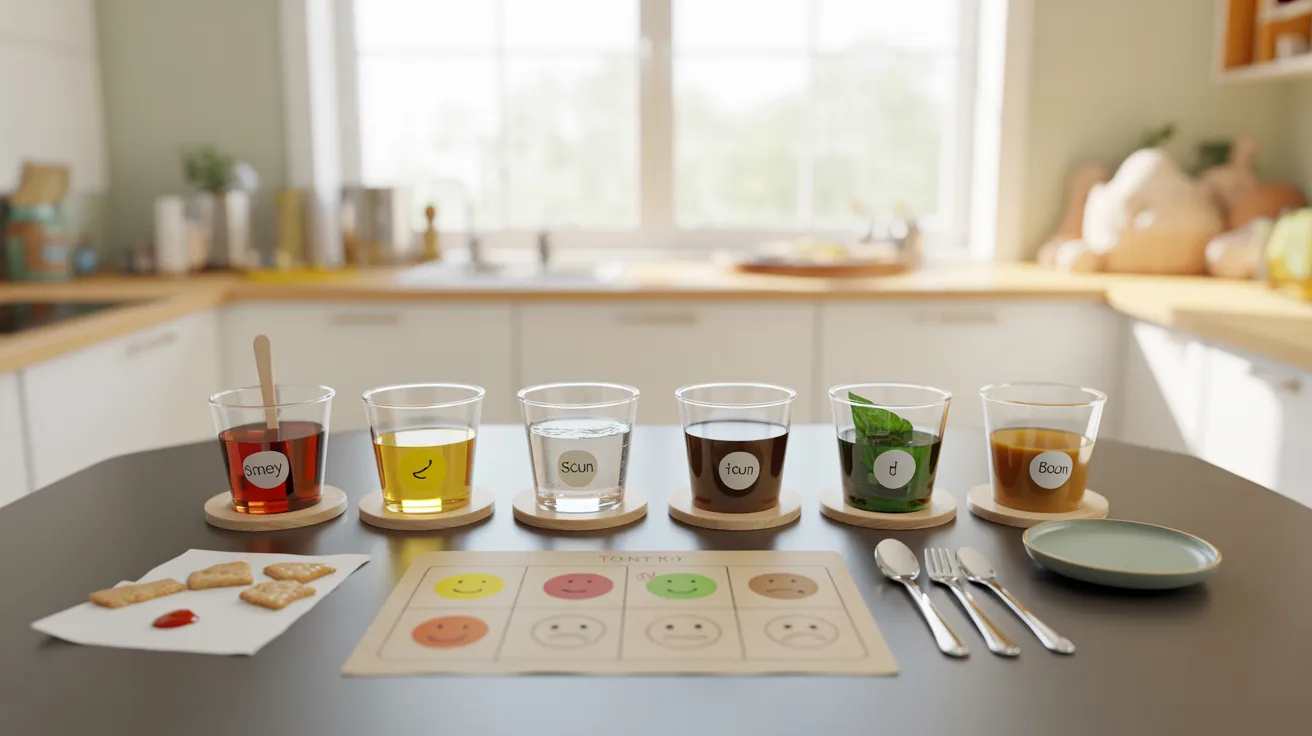
Set out small cups with four or five different flavors. Sweet, sour, salty, bitter, and savory. Let toddlers taste each one and react honestly.
Make a simple chart with happy and sad faces. Let them point to how each taste made them feel. It's a taste-focused activity that builds self-expression.
Talk about each flavor. Ask why they liked or didn't like something. There are no wrong answers. This activity is about exploring, not eating the right things.
25. Edible Playdough Fun
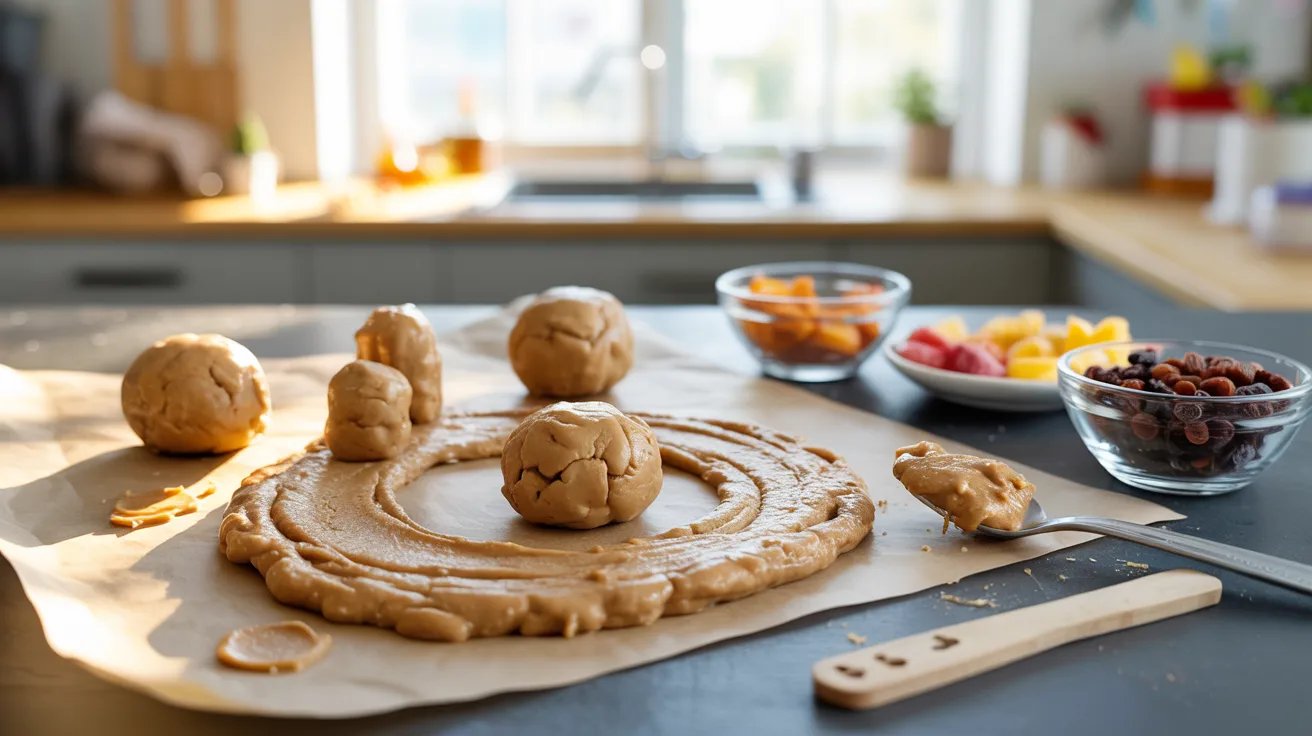
Mix peanut butter, oats, and a little honey to make a dough that's safe to eat. Let toddlers roll, shape, and sculpt it freely. And yes, tasting is allowed.
The texture feels similar to regular playdough but completely edible. That removes any worry about mouthing, which is common with younger toddlers. Parents can relax and let them play.
Add raisins, chocolate chips, or dried fruit for extra sensory elements. Pressing them into the dough and pulling them out is satisfying on its own. A craft and a snack in one.
26. Yogurt Painting Craft
Alt text:-Yogurt painting craft for kids’ sensory art activity using edible yogurt as a creative and safe painting medium.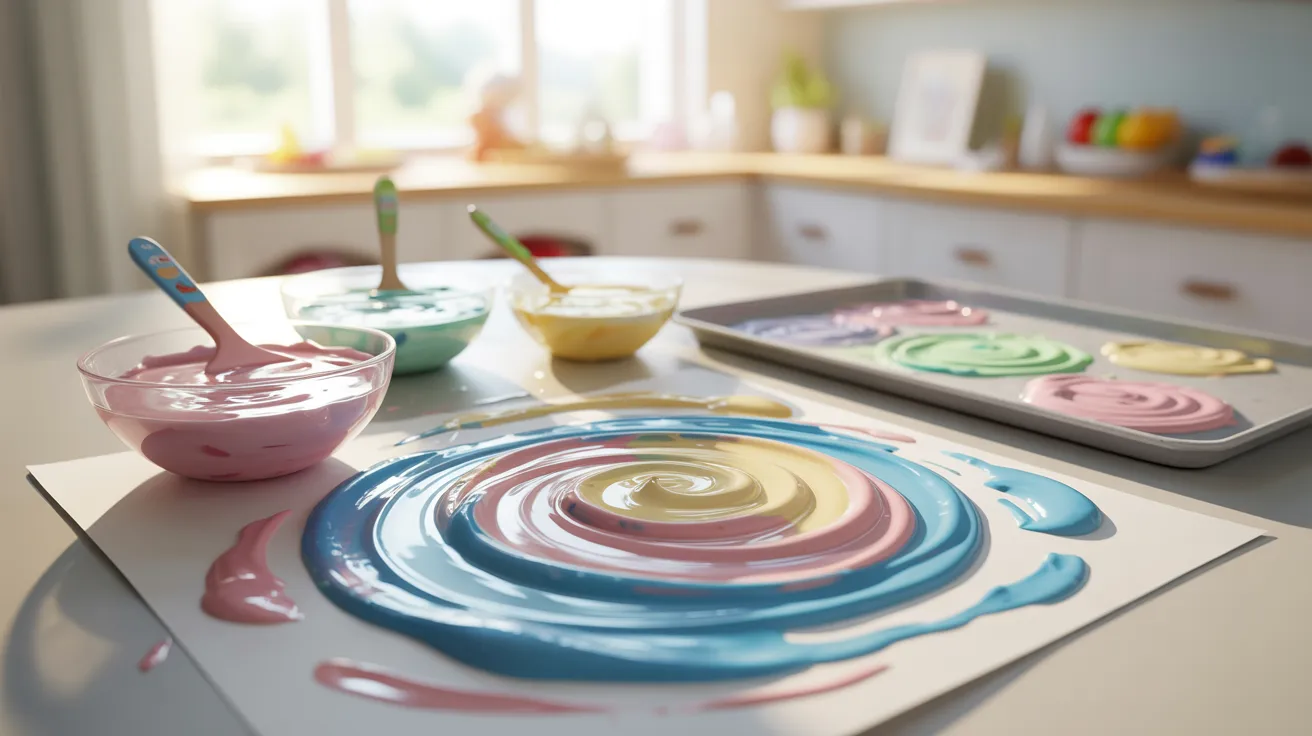
Spoon plain yogurt into small bowls. Add food coloring to each one. Let toddlers paint directly on paper or a tray using their fingers.
The cool, smooth texture of yogurt is a great sensory input. Finger painting with it feels softer and slicker than regular paint. And if they lick their fingers, no harm done.
Use bright colors to make the visuals pop. The finished pieces look just like regular finger paintings. Nobody needs to know the paint was yogurt.
27. DIY Popsicle Creation
Alt text:-DIY popsicle creation activity for kids’ hands-on sensory learning using colorful ingredients to make frozen treats.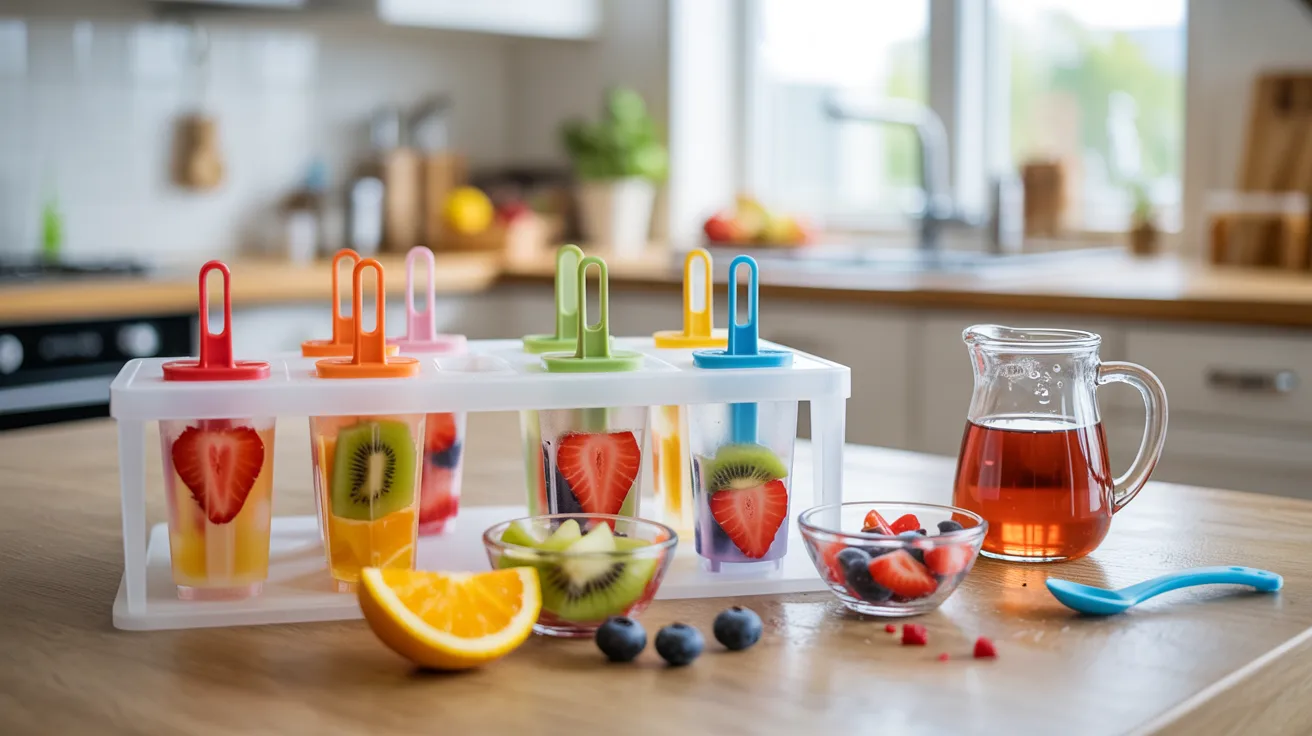
Mix fruit juice with small pieces of real fruit in a popsicle mold. Freeze overnight. Let toddlers help with the pouring and fruit-adding step the day before.
When the popsicle is ready, the tasting is the final sensory payoff. They made it themselves, which always makes it taste better. At least, that's what every toddler I've seen seems to think.
Talk about the ingredients before freezing. What fruit did we use? What color will it be? Building anticipation is part of the learning process.
28. Sweet vs Sour Sorting Activity

Set out a mix of sweet and sour snacks. Think grapes versus lemon slices, or raisins versus sour gummy pieces. Ask toddlers to sort them into two groups after tasting.
This is a taste-based sorting game that also builds early classification skills. Sweet on one side, sour on the other. Simple but really effective.
Make it a guessing game first. Ask them to predict before they taste. Then let them find out if they were right. That prediction step builds early critical thinking.
29. DIY Shakers and Instruments
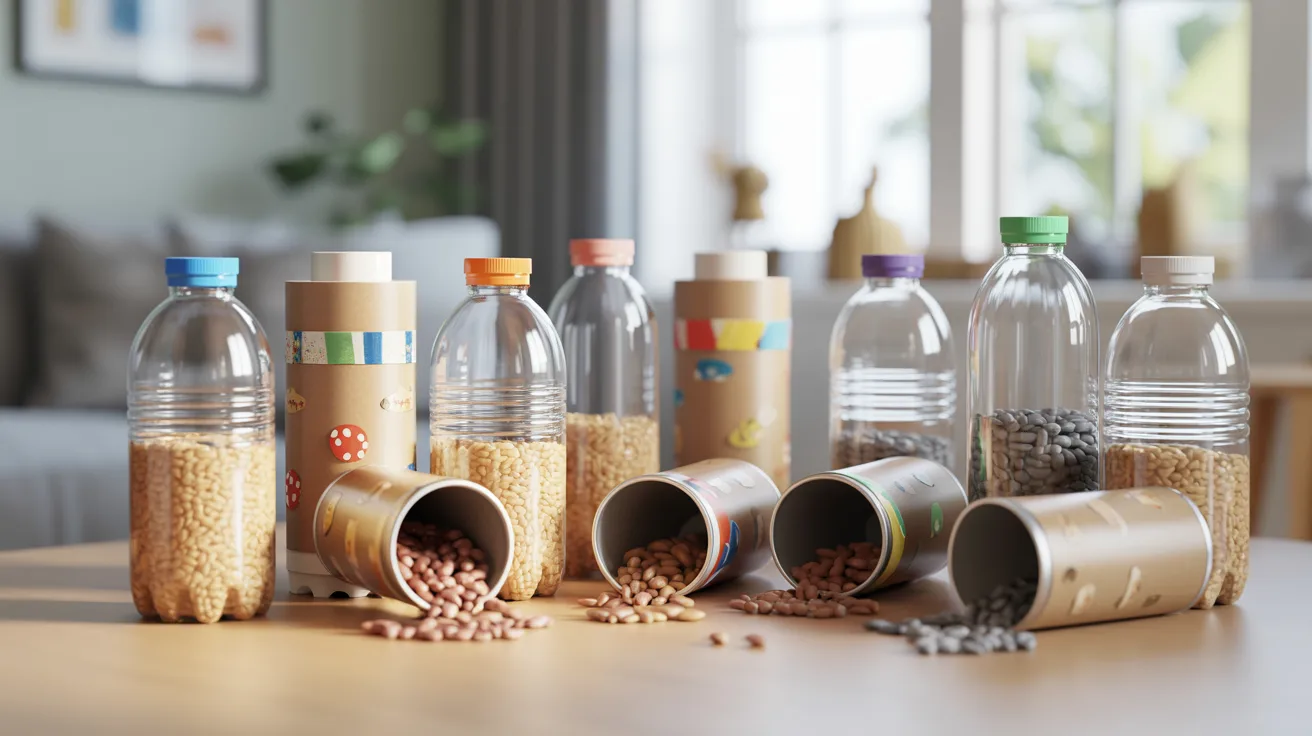
Fill empty plastic bottles or cardboard tubes with rice, beans, or small beads. Seal them tightly.
Shake them to make noise.
Different fillings make different sounds. Rice is soft and quiet. Beans are louder and heavier. Toddlers quickly notice the difference. That comparison is exactly the kind of hearing-based learning you want to build.
Decorate the outside with stickers or tape. Now it's a musical instrument they made themselves. Use it for dancing, singing, or just making joyful noise.
30. Sound Matching Game Craft
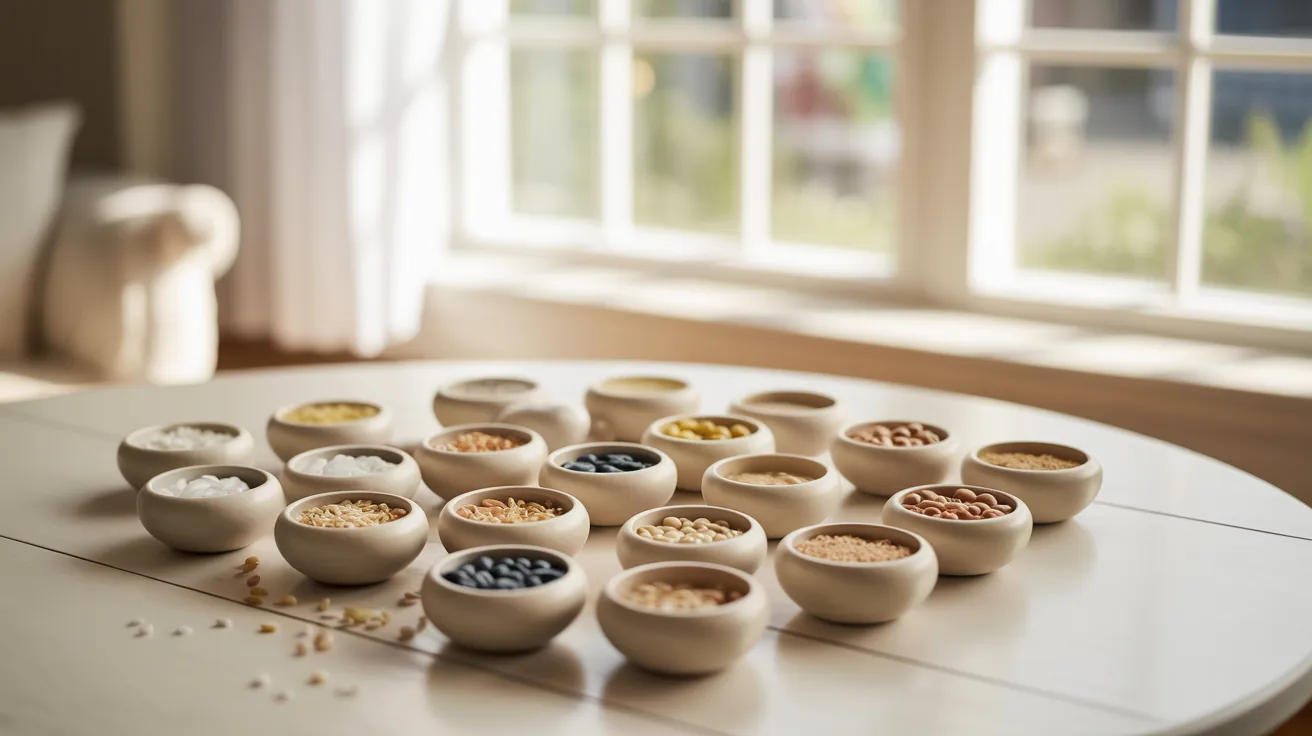
Fill pairs of small containers with the same material. Seal them so the contents are hidden. Let toddlers shake each one and try to find the matching pair by sound alone.
This game builds listening skills and auditory memory. Kids have to focus carefully to match the sounds. It's harder than it looks, which makes it satisfying when they get it right.
Start with two pairs and add more as they get better at it. Keep the containers identical on the outside so they can't peek. The challenge has to come from listening, not looking.
31. Musical Water Glass Experiment
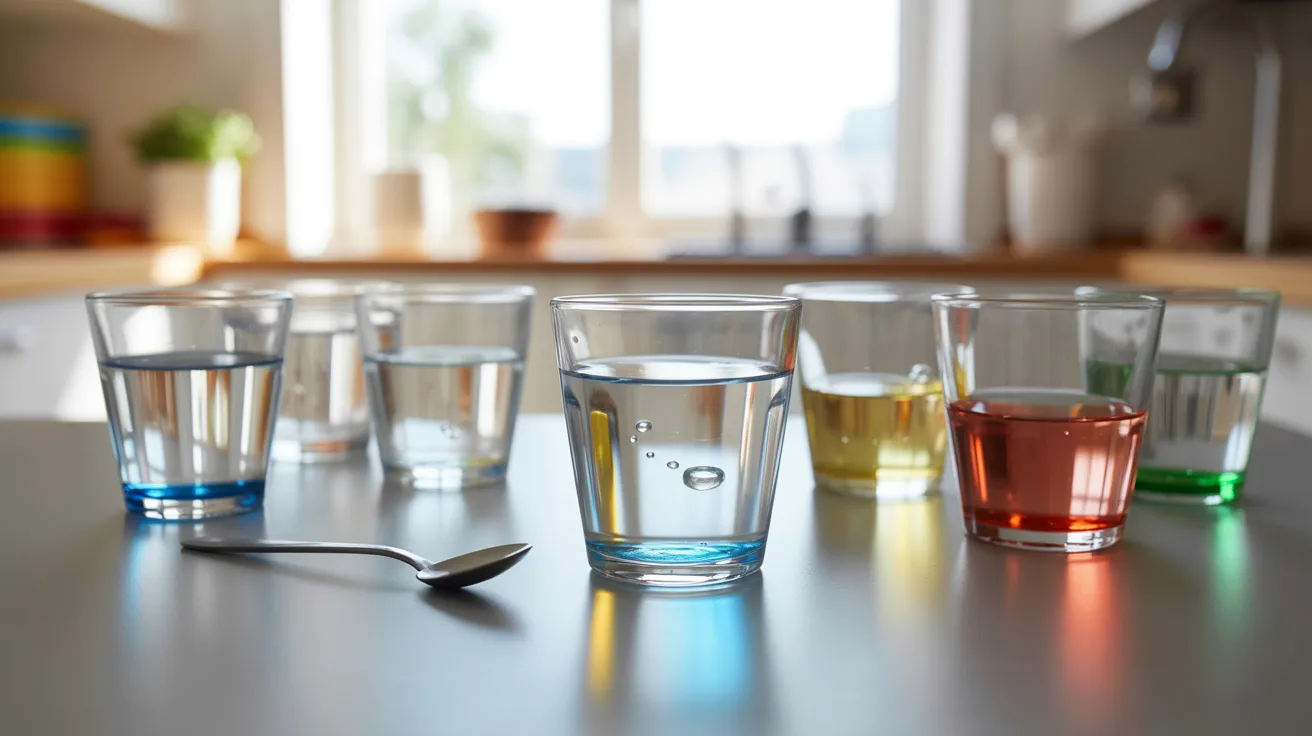
Line up several clear glasses. Fill them with different amounts of water. Tap each one gently with a spoon and listen to the sound.
More water makes a lower sound. Less water makes a higher pitch. Toddlers find this genuinely surprising. It's one of those moments where science feels like magic.
Try to play a simple tune by tapping the glasses in order. Add food coloring to each glass to make it visually interesting too. Sight and sound, covered in one activity.
32. Bell Bracelet Craft
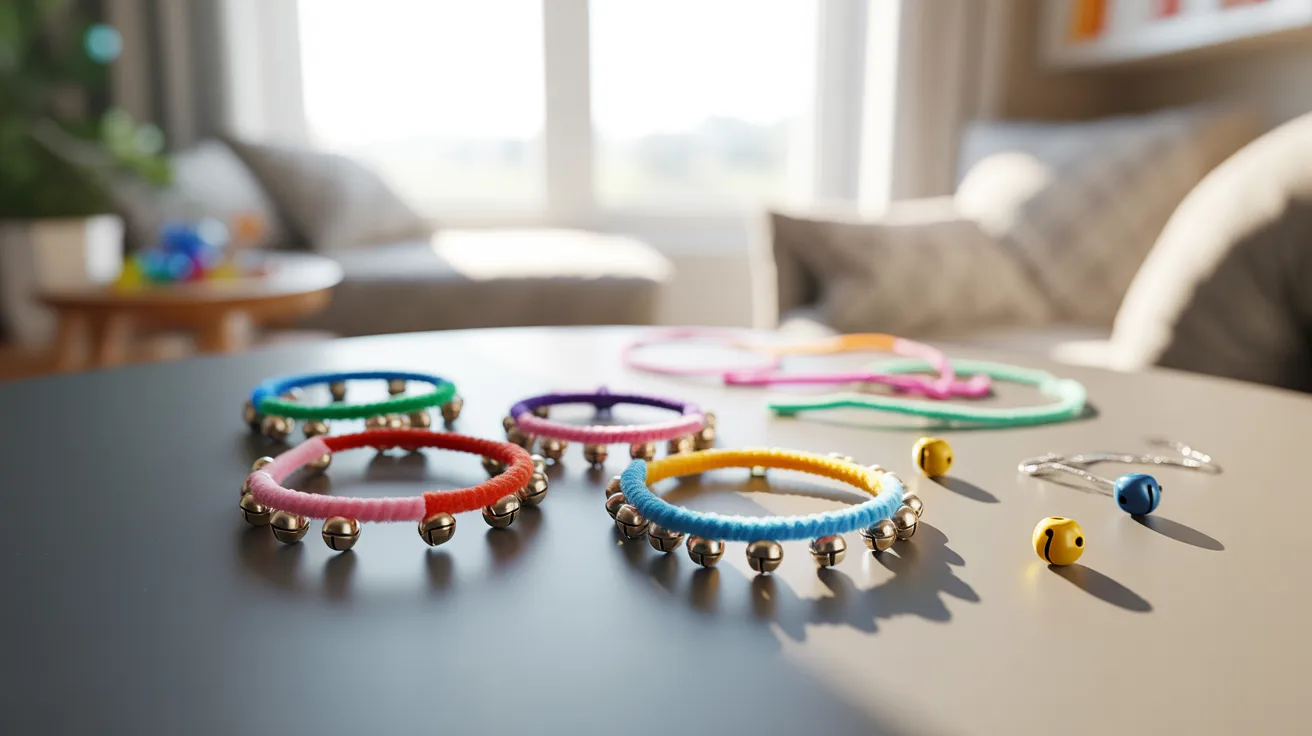
Thread small jingle bells onto a pipe cleaner. Twist the ends together to make a bracelet. Put it on and move around to hear it jingle.
Every movement makes sound. That direct connection between body movement and sound is exciting for toddlers. They start moving in different ways just to hear what happens.
Make one for each wrist and one for each ankle for a full sensory experience. Dance to music while wearing them. The bells add a whole new layer to the listening experience.
33. Paper Plate Tambourine
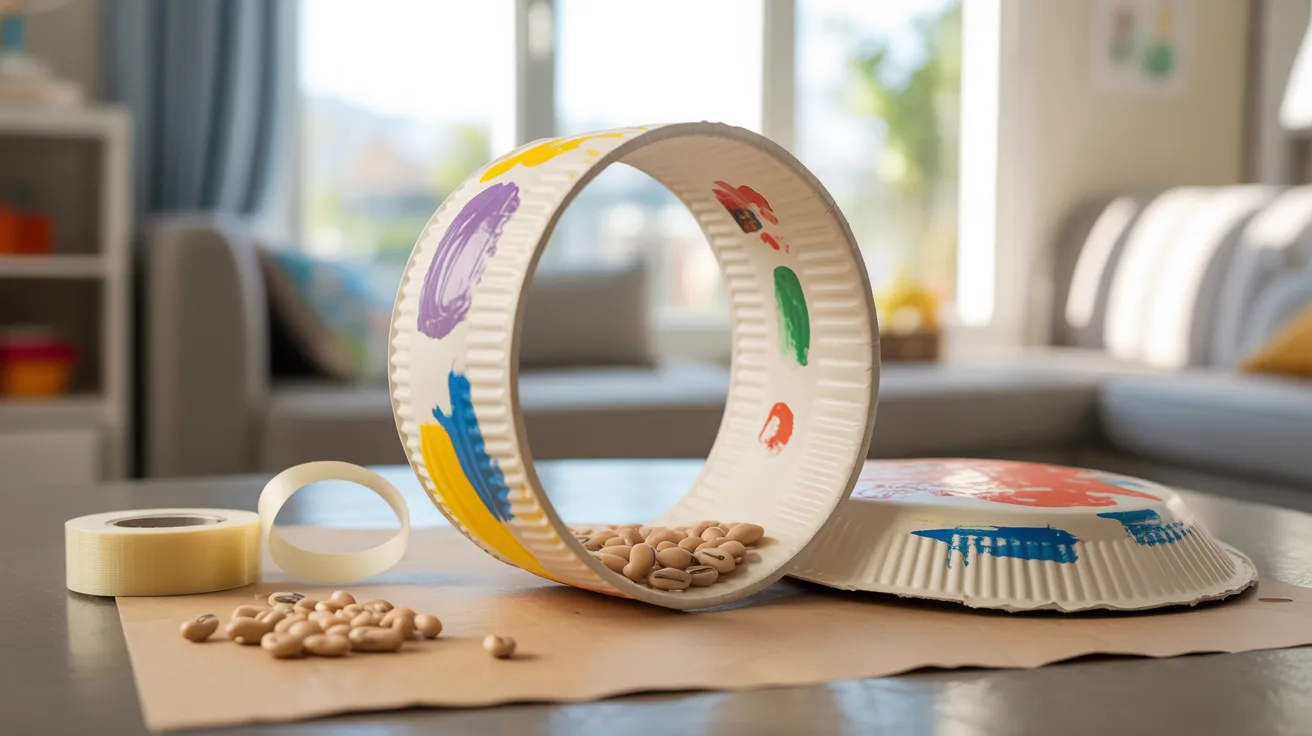
Fold a paper plate in half. Put a few dried beans or small beads inside before sealing the edge with staples or tape. Decorate the outside and shake it.
This is one of the most popular 5 senses crafts for toddlers because it makes real noise. Kids love that their craft actually does something. It's not just art. It's music.
Use it during storytime or a music session. Let toddlers shake it along to a beat. That rhythm practice supports both hearing and motor coordination.
34. Listening Walk Nature Craft

Take a walk outside with your toddler. Ask them to listen carefully and name every sound they hear. Back home, draw or paint what they heard.
This activity trains active listening. Most toddlers don't naturally pay attention to background sounds. This walk teaches them to tune in. Birds, wind, cars, footsteps.
The craft part comes after. Draw the sounds as pictures. A bird for chirping, a cloud for wind. It connects what they heard to what they can make. A great hearing-focused activity.
35. Sound Jar Guessing Game
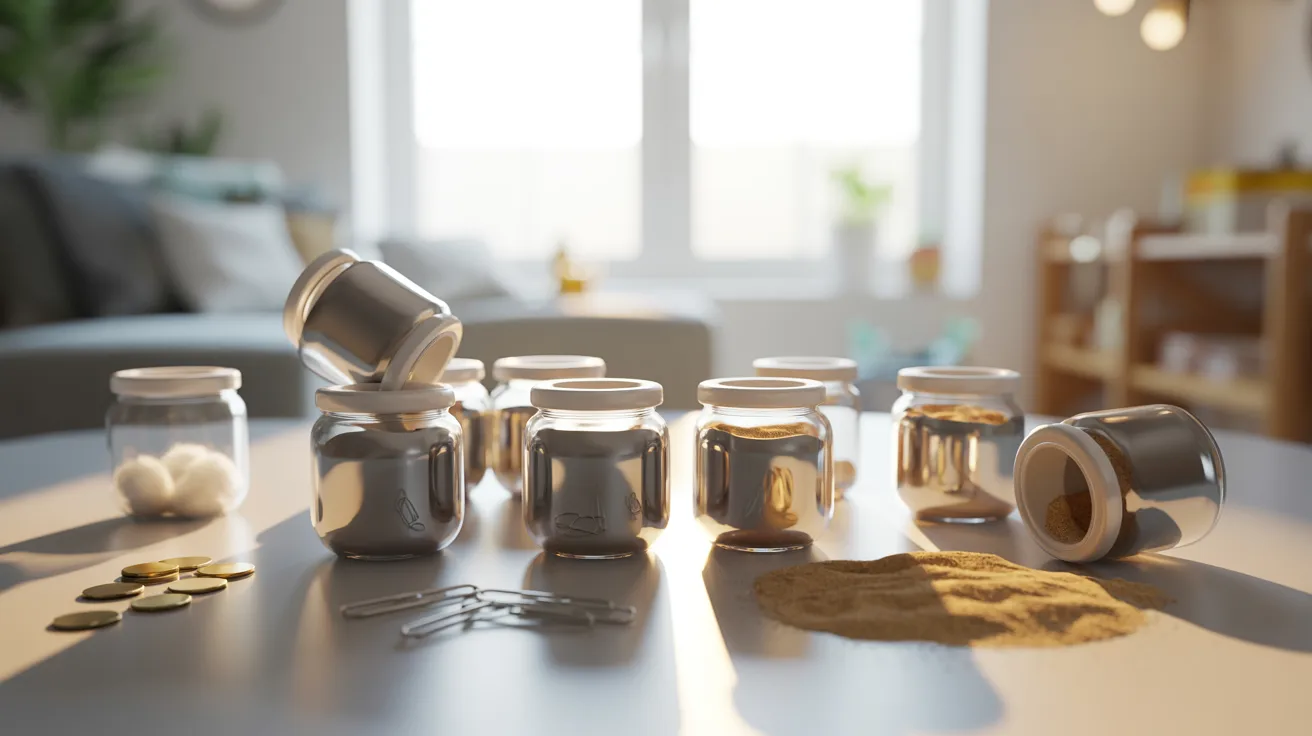
Fill small jars with items that make different sounds when shaken. Coins, paper clips, cotton balls, sand. Let toddlers shake each jar and guess what's inside.
Cover the jars so they can't see the contents. The only clue is the sound. That's a real listening challenge for little ears.
Reveal the contents after each guess. Right or wrong, make it fun. The guessing is the learning. Even wrong guesses teach toddlers to refine how they listen.
36. Rhythm Stick Craft
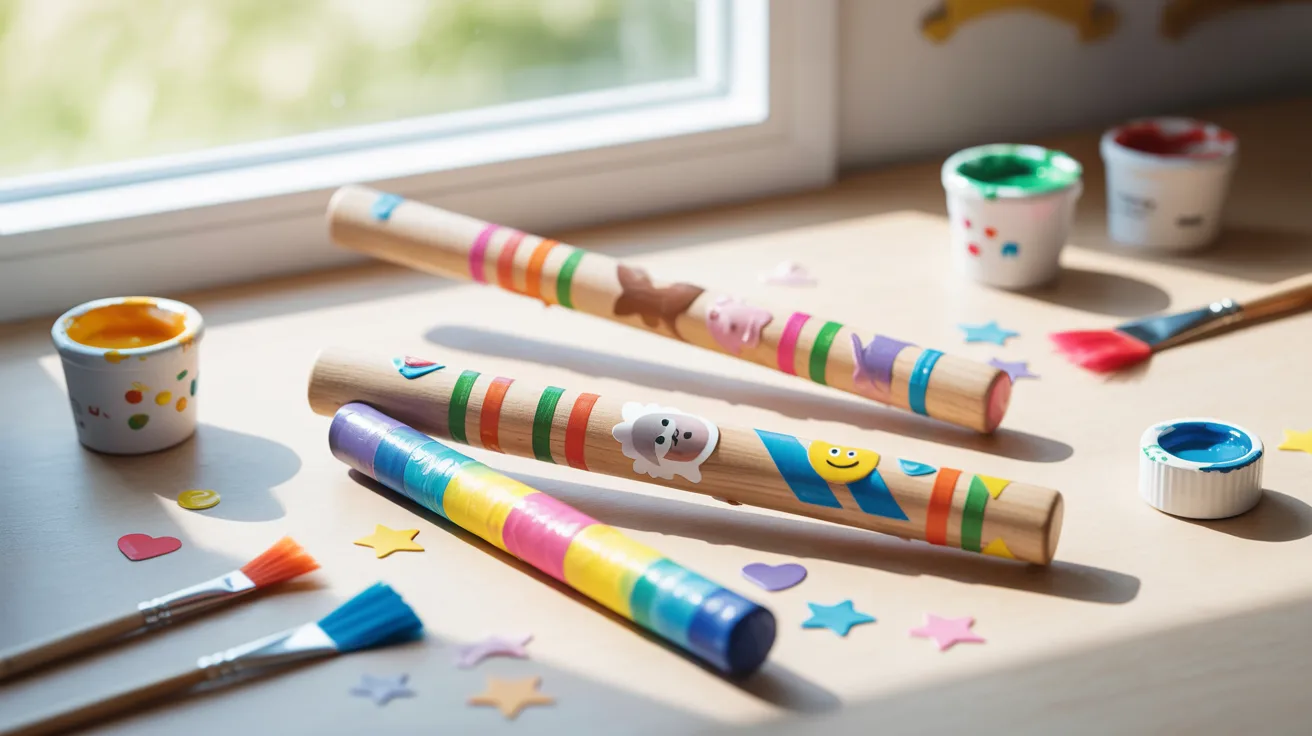
Take two plain wooden dowels or unsharpened pencils. Let toddlers decorate them with paint, stickers, or washi tape. Once dry, tap them together to make a beat.
The rhythm stick craft combines making and music. The decorating part engages sight and touch. The tapping part brings in hearing. Three senses in one simple activity.
Tap along to songs or make up your own rhythms. Ask your toddler to copy your pattern and then copy theirs. That back-and-forth builds listening and coordination together.
37. Animal Sound Matching Cards
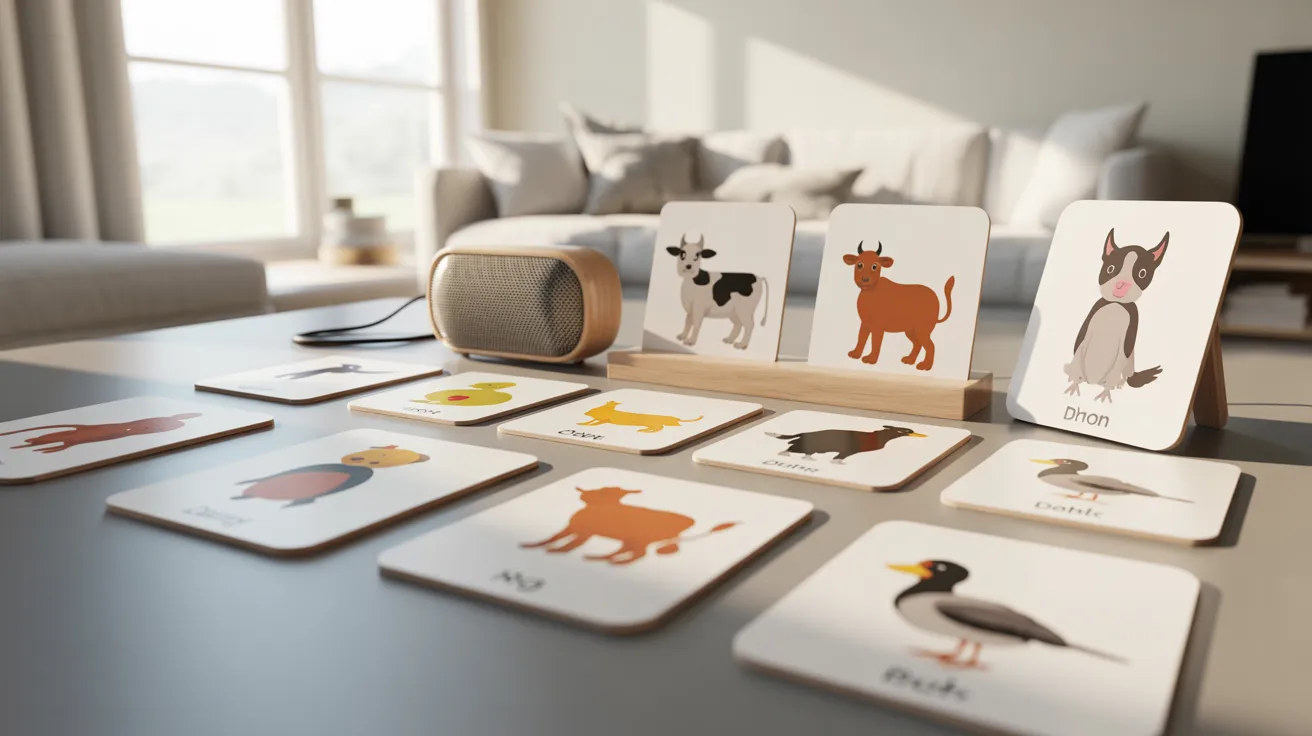
Print or draw pictures of animals on cards. Record or find clips of each animal's sound. Play a sound and ask your toddler to hold up the matching card.
This game builds auditory recognition and vocabulary at the same time. Toddlers love animals, which makes engagement easy. The matching element adds a light cognitive challenge.
Start with familiar animals like a dog, cat, and cow. Add less familiar ones as they get more confident. Each new animal is a small win that builds listening skills over time.
Tips for Doing Sensory Crafts Safely with Toddlers
Safety matters just as much as fun. Before you start any sensory activity, a few basic steps will protect your toddler and make the experience smoother for you.
- Always use non-toxic, child-safe paints, glues, and materials
- Supervise taste-based activities closely, especially with children under two
- Remove or avoid small parts like beads, buttons, and coins with younger toddlers
- Keep activities short and simple. Ten to fifteen minutes is plenty for most toddlers
- Encourage free exploration rather than pushing for a perfect result
- Check all materials for allergens before starting food-based crafts
- Have wipes or a damp cloth nearby. Things will get messy. That's fine.
Once you have a safe setup, the real fun begins. A relaxed, prepared space means your toddler can explore freely and you can focus on the experience together instead of worrying about what they're touching or putting in their mouth.
Conclusion
Every craft on this list is a small investment in your child's growth. And the best part? You don't need much to get started.
Pick one activity. Try it this week. Watch what happens when your toddler gets fully absorbed in something they made themselves.
That look on their face? That's learning happening in real time.
If this list helped you, save it so you can come back to it. Share it with a parent or caregiver who could use some fresh ideas.
And drop a comment telling me which activity your toddler loved most.
Frequently Asked Questions
What Are the 5 Senses Crafts for Toddlers?
These are hands-on activities designed to activate touch, sight, smell, taste, and hearing during play. Examples include texture collages, scented playdough, sound matching games, and edible crafts.
At What Age Can Toddlers Start Sensory Crafts?
Most toddlers are ready for simple sensory activities around 18 months to 2 years with close supervision. Start with safe, non-toxic materials and keep activities short.
Are Taste-Based Crafts Safe for Toddlers?
Yes, as long as all ingredients are edible and age-appropriate. Always supervise carefully and check for any food allergies before starting.
How Do Sensory Crafts Help Child Development?
They support fine motor skills, language development, cognitive growth, and sensory processing all at once. Regular sensory play builds stronger brain connections over time.
How Often Should Toddlers Do Sensory Activities?
A few times per week works well for most toddlers. Rotating between different types of sensory activities keeps things fresh and covers all five senses regularly.
