


Looking for saxophone drawing ideas that actually help? You are in the right place. This article covers everything from simple sketches to realistic pencil drawings, creative styles, different mediums, and themed concepts.
I have spent years drawing musical instruments, so I know how hard it can be to find a solid starting point.
You will find beginner-friendly drawing ideas, realistic illustration tips, creative and themed concepts, and medium-specific guidance inside. We will solve the "where do I start" problem for good.
What Makes a Great Saxophone Drawing
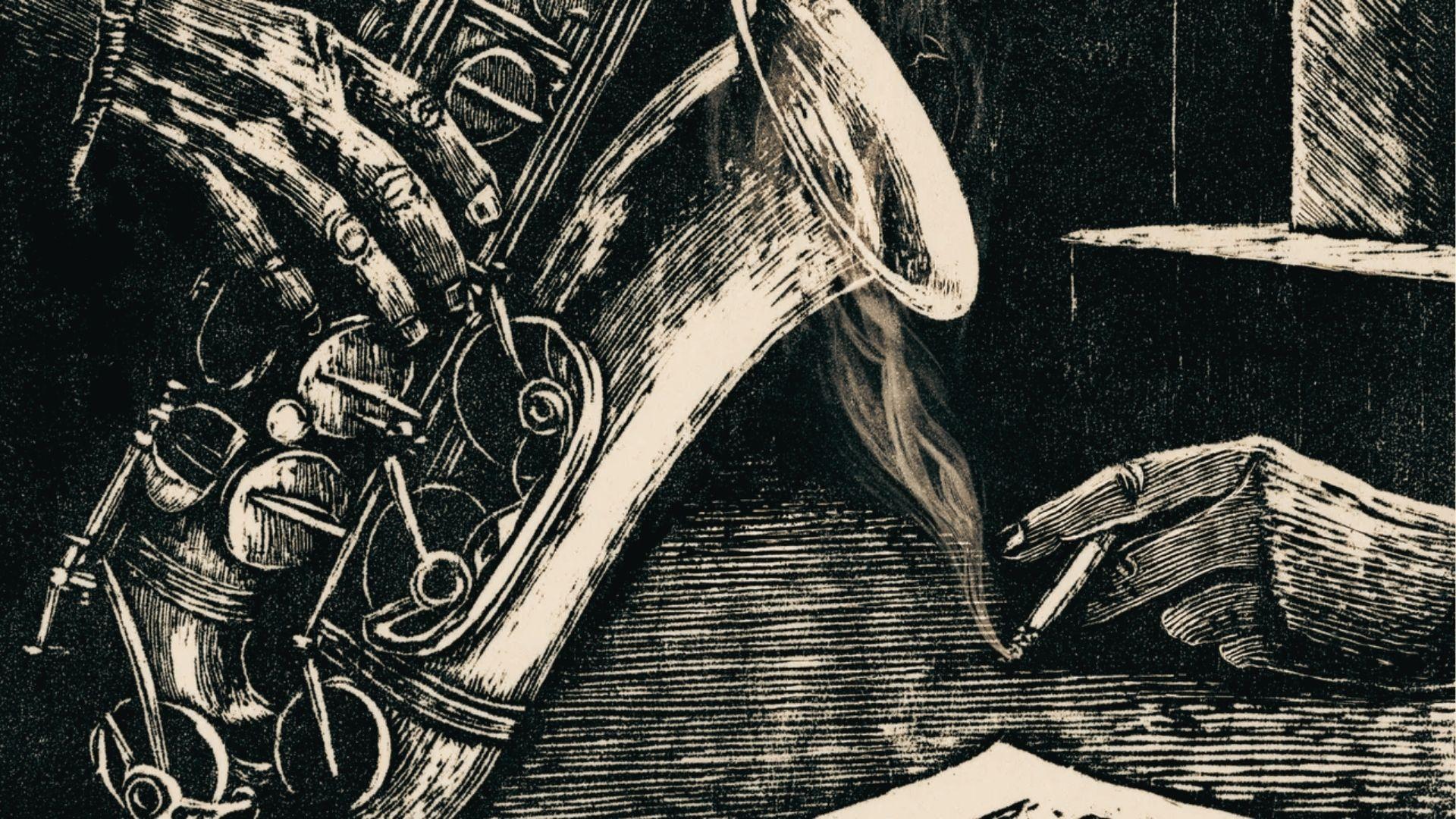
A good saxophone drawing is more than just getting the shape right. It is about capturing the feel of the instrument.
Key visual elements like the curved body, the bell at the bottom, the keys, and the neck all work together. Miss one, and the drawing can look off.
Proportions matter a lot. The saxophone has a natural flow to it. The body curves outward and then sweeps down. If that flow feels wrong, the whole piece suffers.
Style also plays a big role. A cartoon saxophone looks completely different from a realistic one. Neither is wrong. But knowing your goal before you start saves a lot of time and frustration.
Focus on these three things:
- Shape and curve accuracy
- Balanced proportions
- A clear style choice before you begin
Simple Saxophone Drawing Ideas for Beginners
Starting simple is always the smart move. You do not need to draw every key and screw on your first try.
Easy Line Art Saxophone Drawings
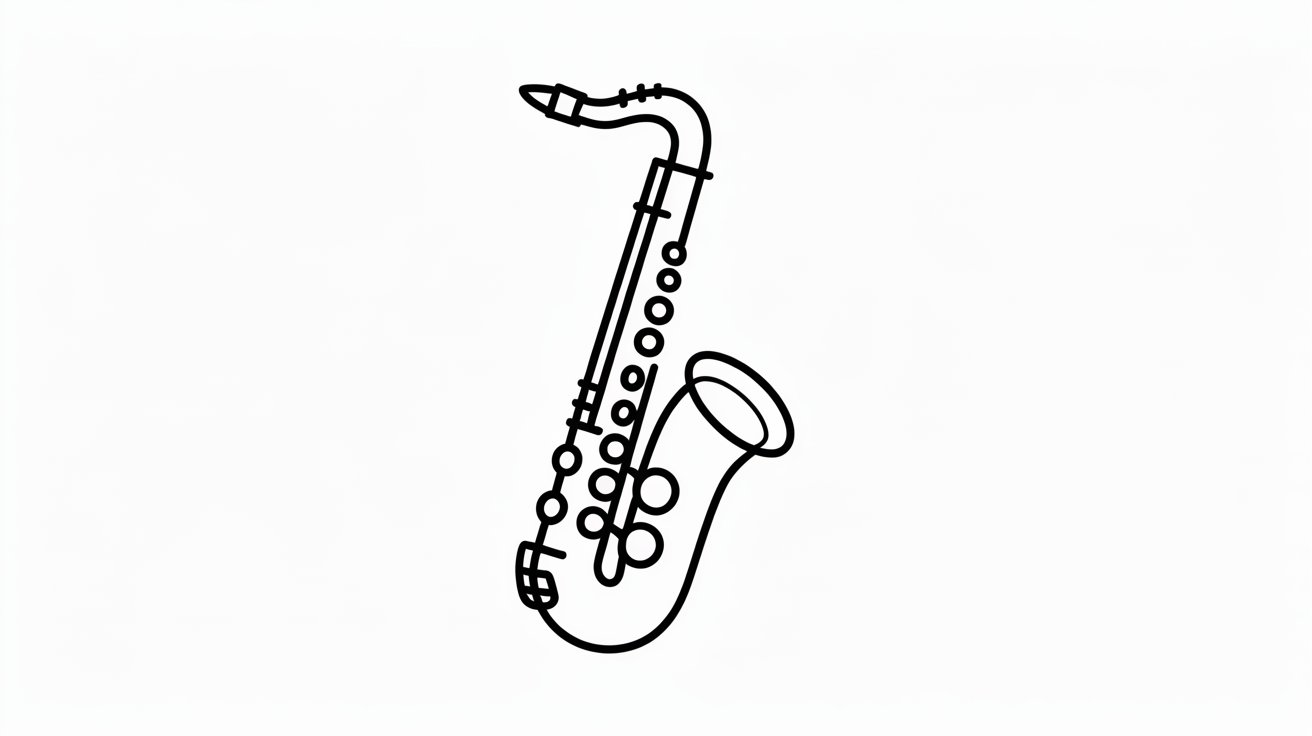
Line art is one of the best starting points. You use clean, simple lines to outline the saxophone shape without any shading or detail work.
Start with the main body. Draw the curved tube shape first. Then add the bell at the bottom. Keep lines smooth and flowing. Do not worry about perfection. Line art forgives small mistakes because the style is already minimal.
This style works well for prints, logos, and beginner practice. It trains your eye to see the saxophone as a set of connected shapes.
Minimalist Saxophone Sketches
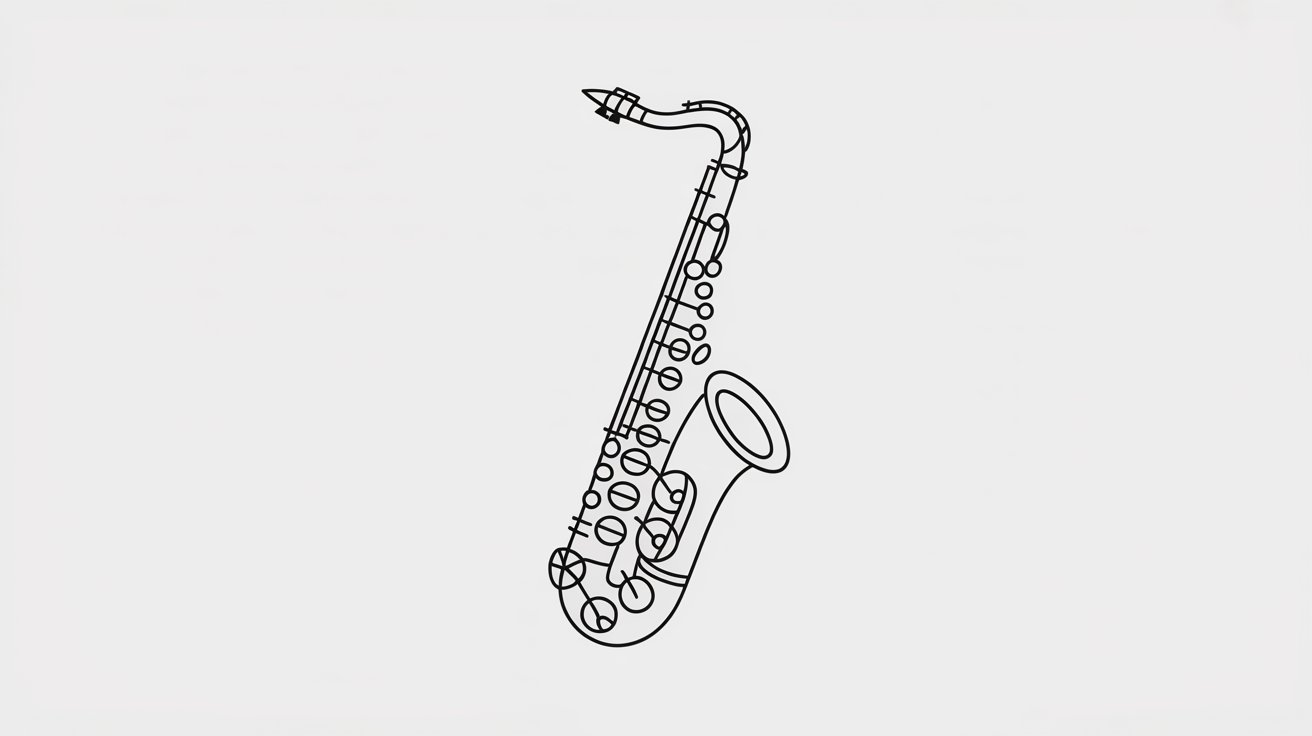
Minimalist drawings focus on just what is needed. Think fewer lines, clean shapes, and a lot of white space.
You might draw only the body outline and suggest the keys with small dots or dashes. The goal is to say more with less.
This style is great for greeting cards, digital art, or decorative pieces. It also helps you understand which parts of the saxophone are most recognizable at a glance.
Cartoon Saxophone Illustrations
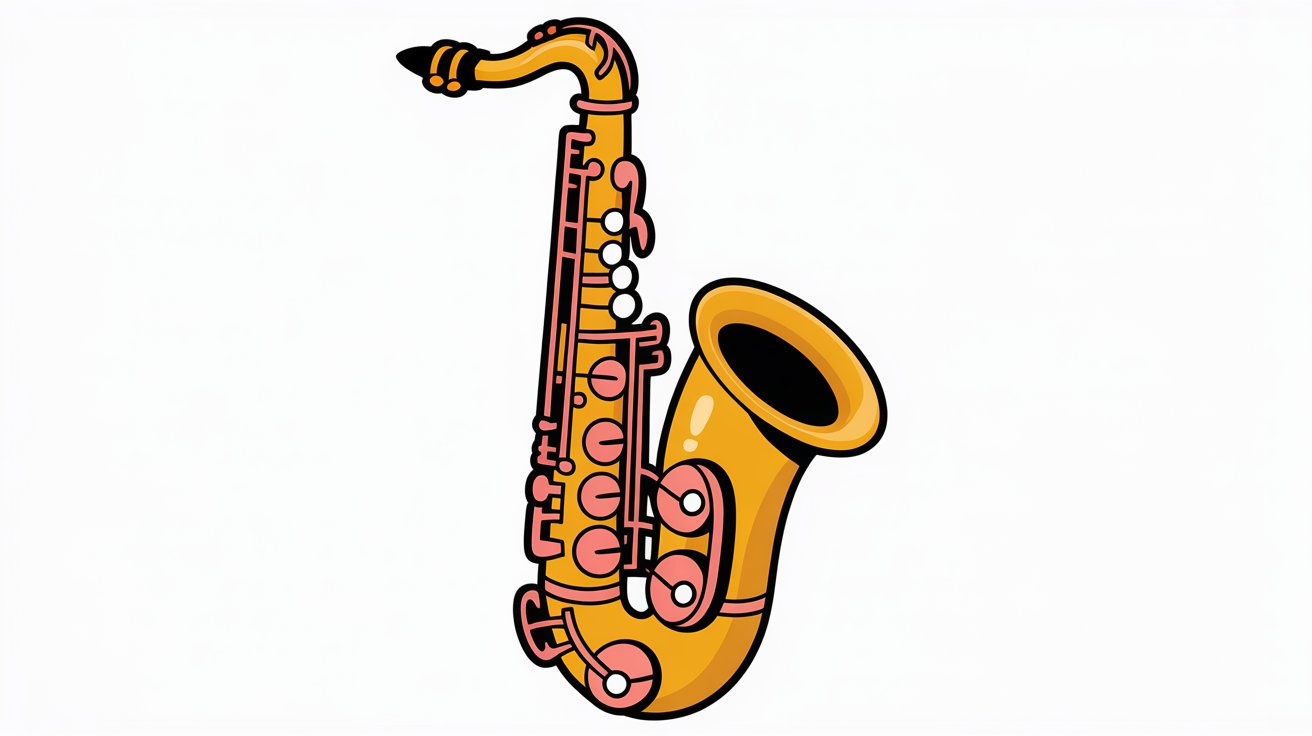
Cartoon saxophones are fun and expressive. They often have exaggerated curves, big shiny keys, and sometimes even faces or personality.
To draw a cartoon saxophone, make the body rounder and wider than a real one. Push the proportions a little. Thick outlines help give it that classic cartoon feel.
These drawings work well for kids' content, fun posters, and social media graphics. They are also a great way to practice loose, expressive linework.
Realistic Saxophone Drawing Examples
Realistic saxophone drawings take more time but the results are worth it. They challenge you to observe carefully and draw what you actually see.
Detailed Pencil Saxophone Drawings
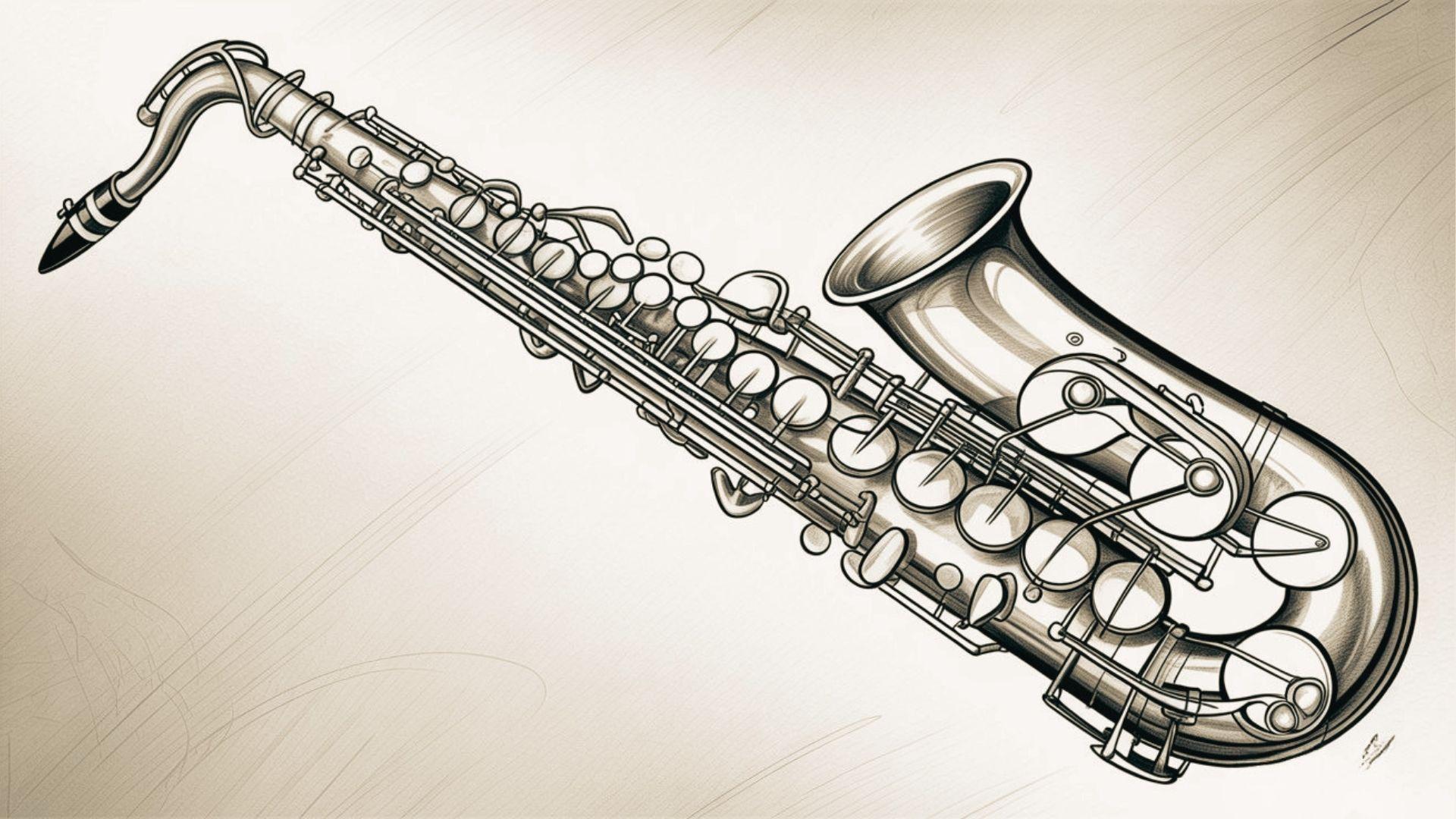
Pencil is the most popular medium for realistic saxophone art. It gives you full control over detail and tone.
Start with a light sketch of the overall shape. Then slowly build up the details. Focus on the key cups, the rods connecting them, the neck, and the ligature near the mouthpiece.
Use reference photos. Do not try to draw from memory when going for realism. The more you look, the better your drawing will get.
Shaded and Textured Illustrations
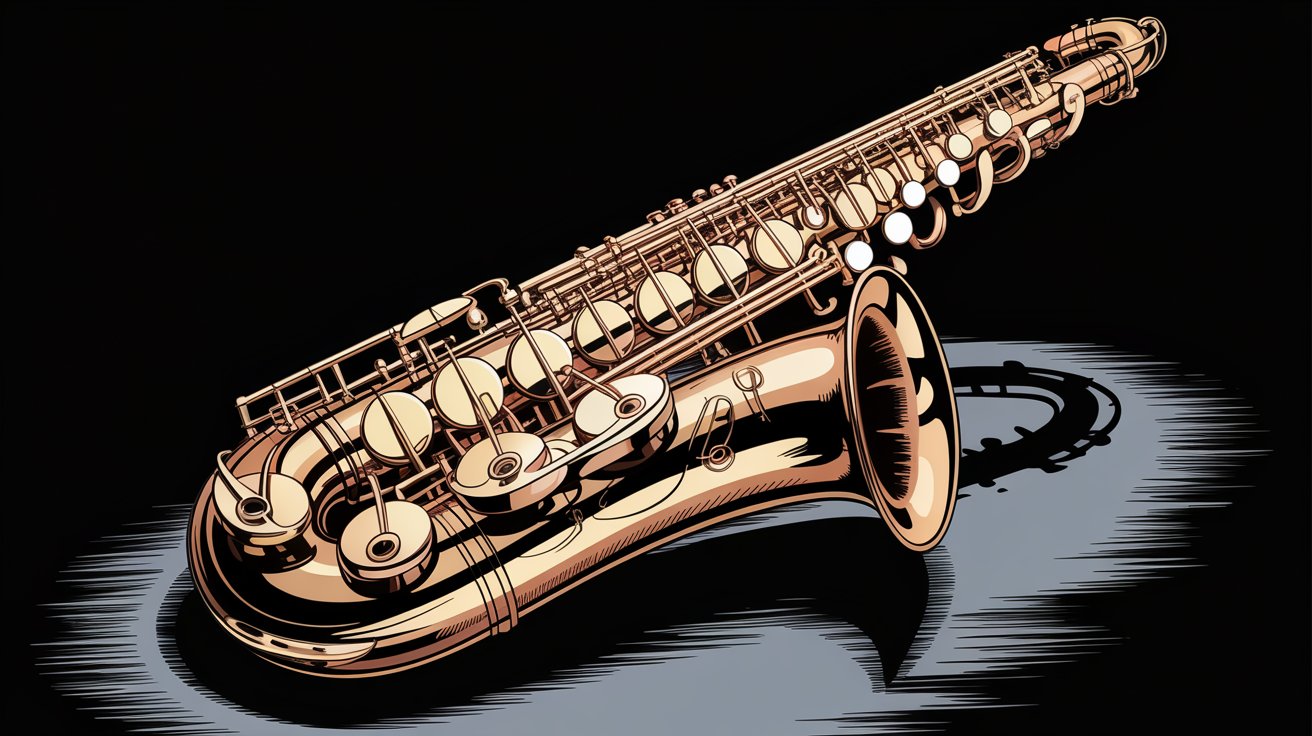
Shading brings a flat drawing to life. Saxophones have a brass or silver surface that reflects light in interesting ways.
Use hatching or blending to create tonal variation. The areas where light hits the curved body should be lighter. The undersides and recessed areas need deeper shadow.
Texture work is also important. The keywork has a different feel than the smooth body tube. Try to capture that contrast in your shading.
Close-Up Saxophone Studies
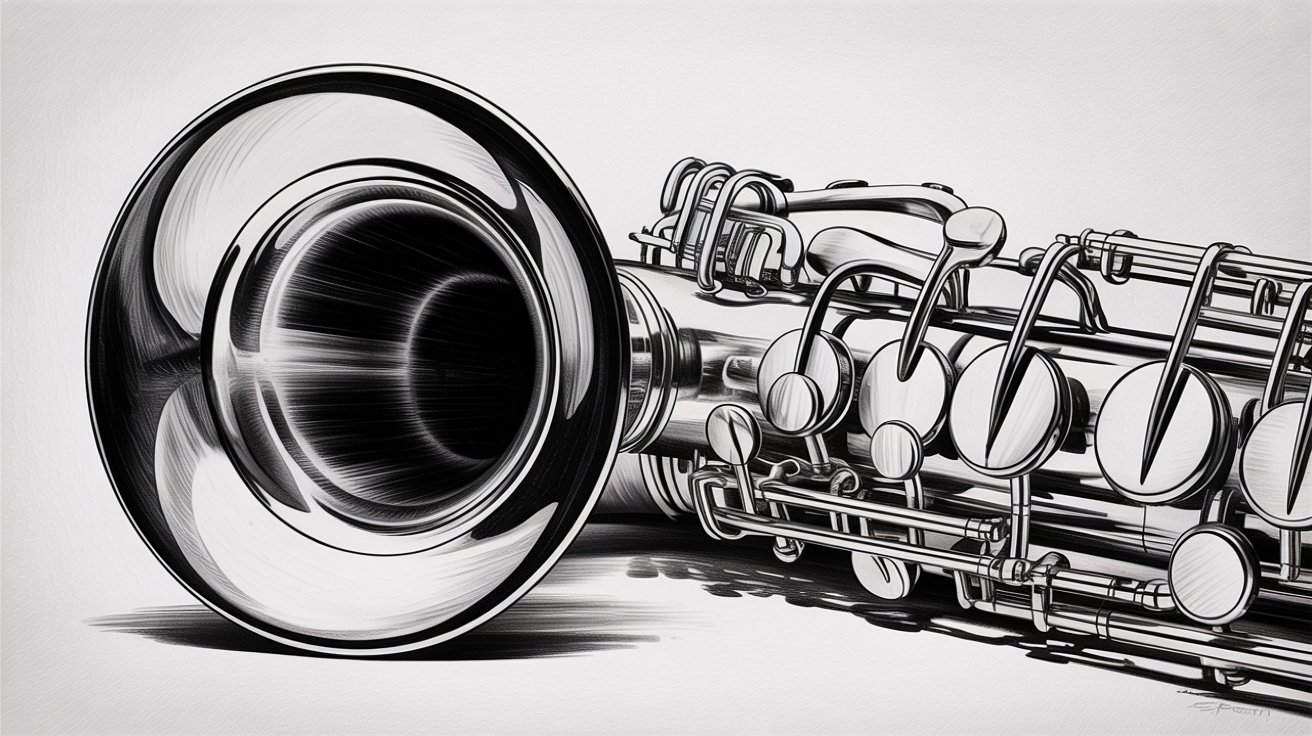
Instead of drawing the whole instrument, try drawing just one part of it. A close-up of the bell, the keys, or the mouthpiece can make for a very striking illustration.
This approach helps you focus on detail without getting overwhelmed. It also trains you to study small sections carefully. Many artists use these studies to prepare for a full instrument drawing later.
Creative Saxophone Drawing Ideas
Once you are comfortable with basics, creativity opens up. There are many ways to approach the saxophone as a creative subject.
Abstract Saxophone Art
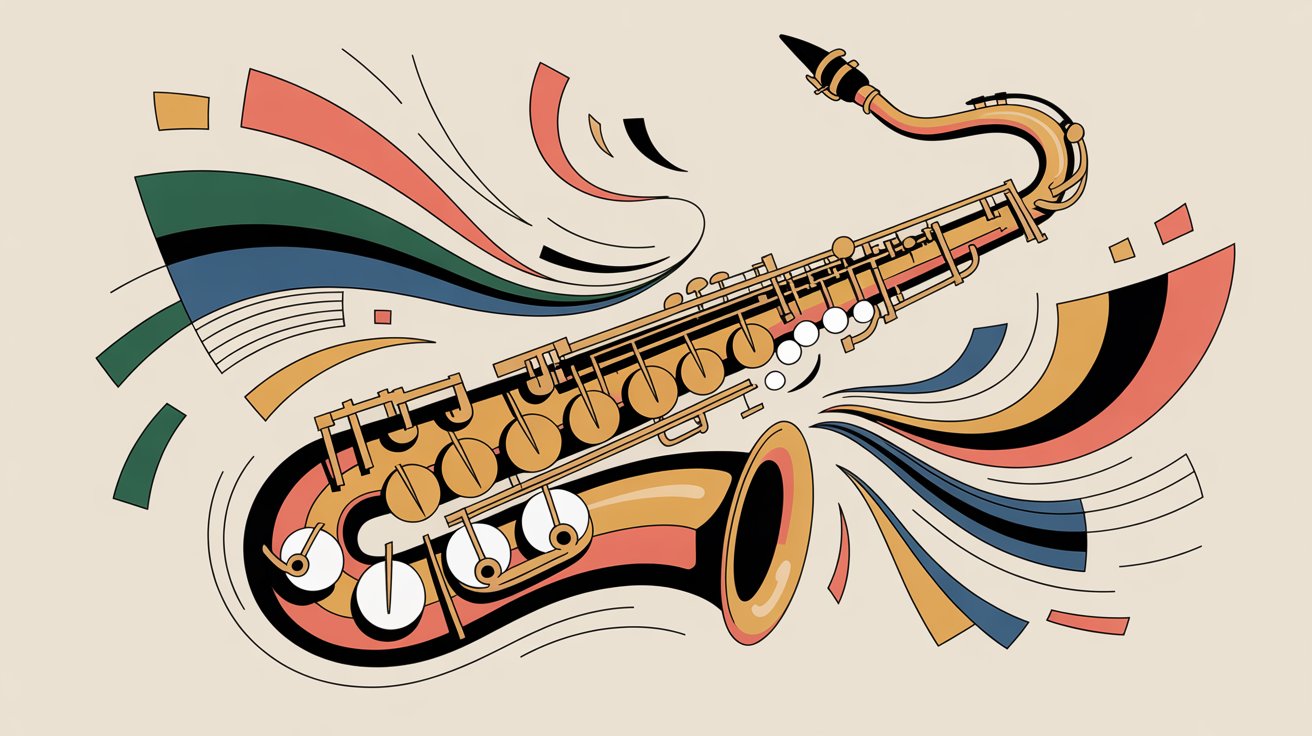
Abstract art lets you take the saxophone and break it apart visually. You might use geometric shapes, repeated patterns, or fragmented lines to suggest the form without drawing it literally.
Think about what the saxophone means to you. Is it sound, movement, or feeling? Let that guide your composition.
Abstract saxophone pieces work well in mixed media and modern art contexts. They are also a good way to experiment without pressure.
Stylized and Modern Designs
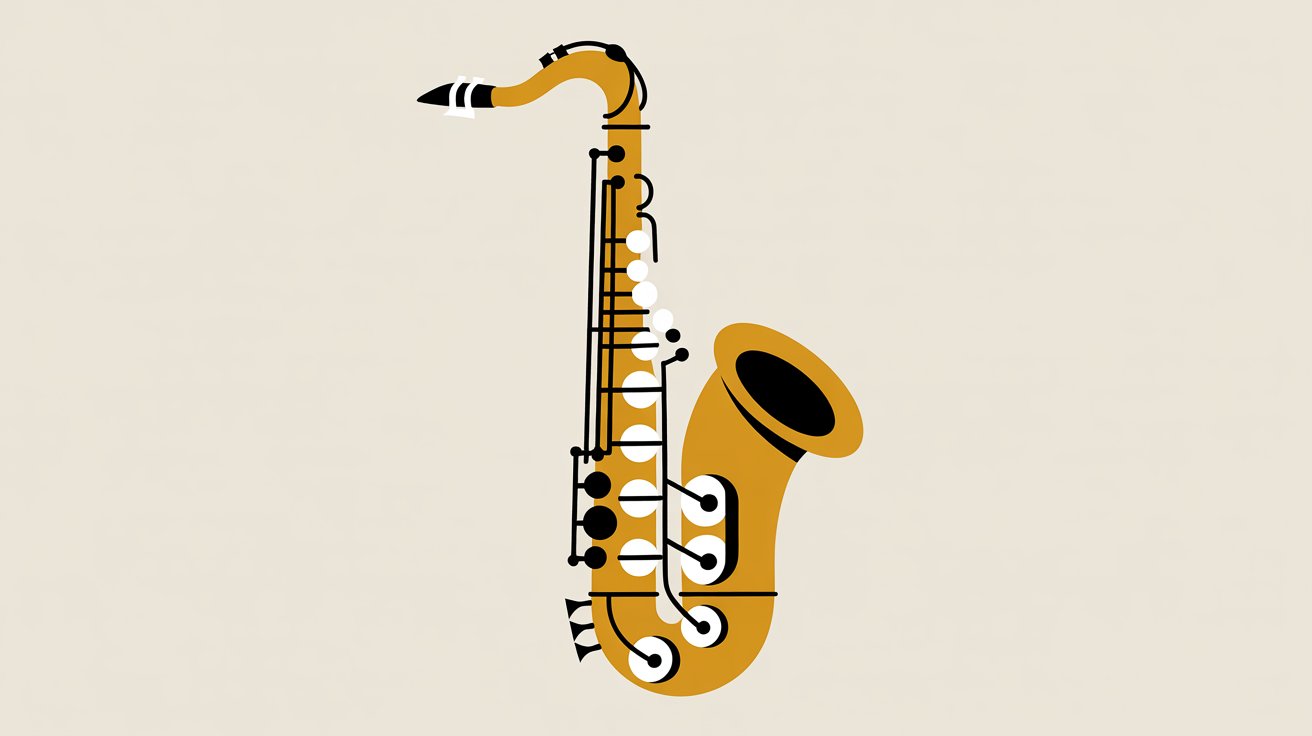
Stylized drawings sit between realistic and cartoon. They simplify the form but keep it recognizable. Think of graphic design illustrations or flat vector-style artwork.
Bold colors, clean shapes, and strong outlines define this style. It works well for posters, merchandise, and digital projects.
Try using a limited color palette. Two or three colors can make a stylized saxophone drawing look very polished.
Fantasy and Surreal Saxophone Concepts

This is where imagination takes over. What if the saxophone was made of vines and flowers? What if it floated in space or dripped like melting metal?
Surreal saxophone drawings combine the real shape with impossible or unexpected elements. They tell a story or create a mood.
These drawings are great for building a portfolio. They show range and creative thinking.
Saxophone Drawing Ideas by Medium
The medium you use changes how a drawing looks and feels. Here is a breakdown of the most common options.
Pencil Saxophone Drawings
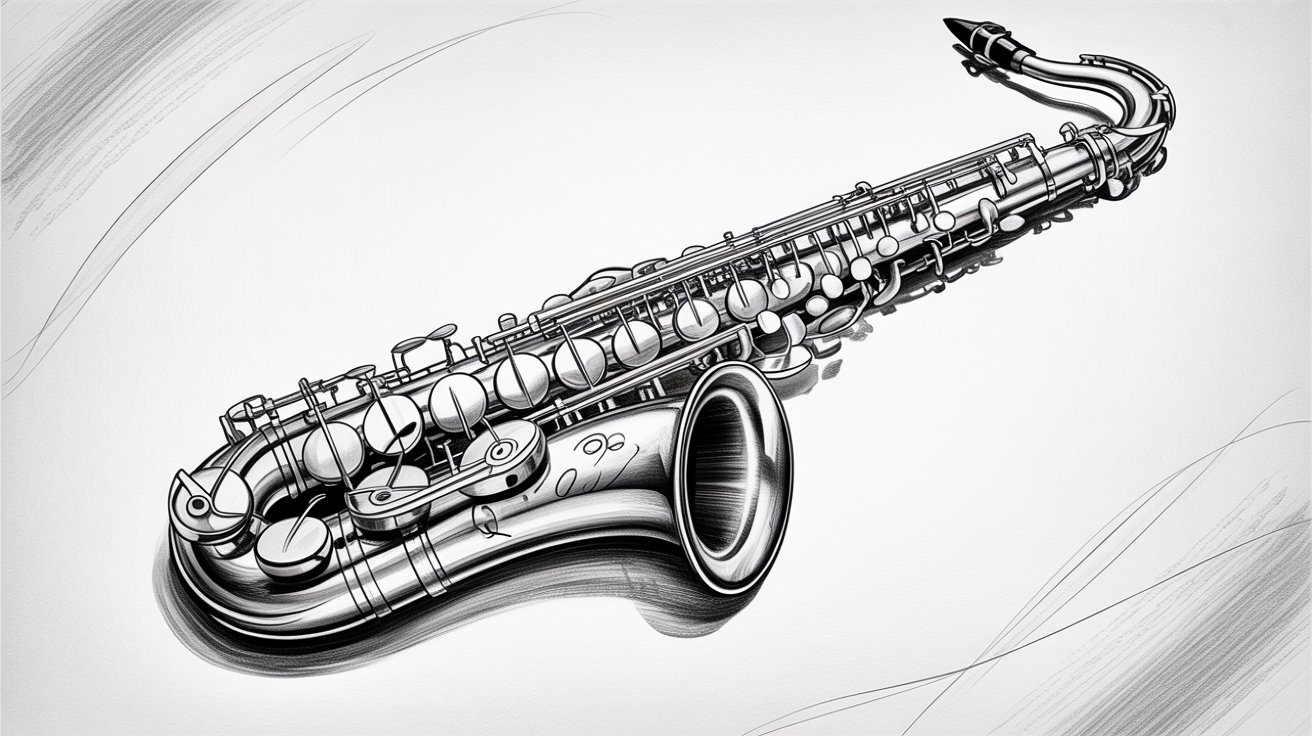
The pencil gives you full control. You can sketch lightly, adjust easily, and build up detail over time. Graphite pencils in a range of hardness (HB, 2B, 4B) let you go from soft lines to deep shadows.
Great for realistic work, studies, and practice.
Ink and Pen Saxophone Illustrations
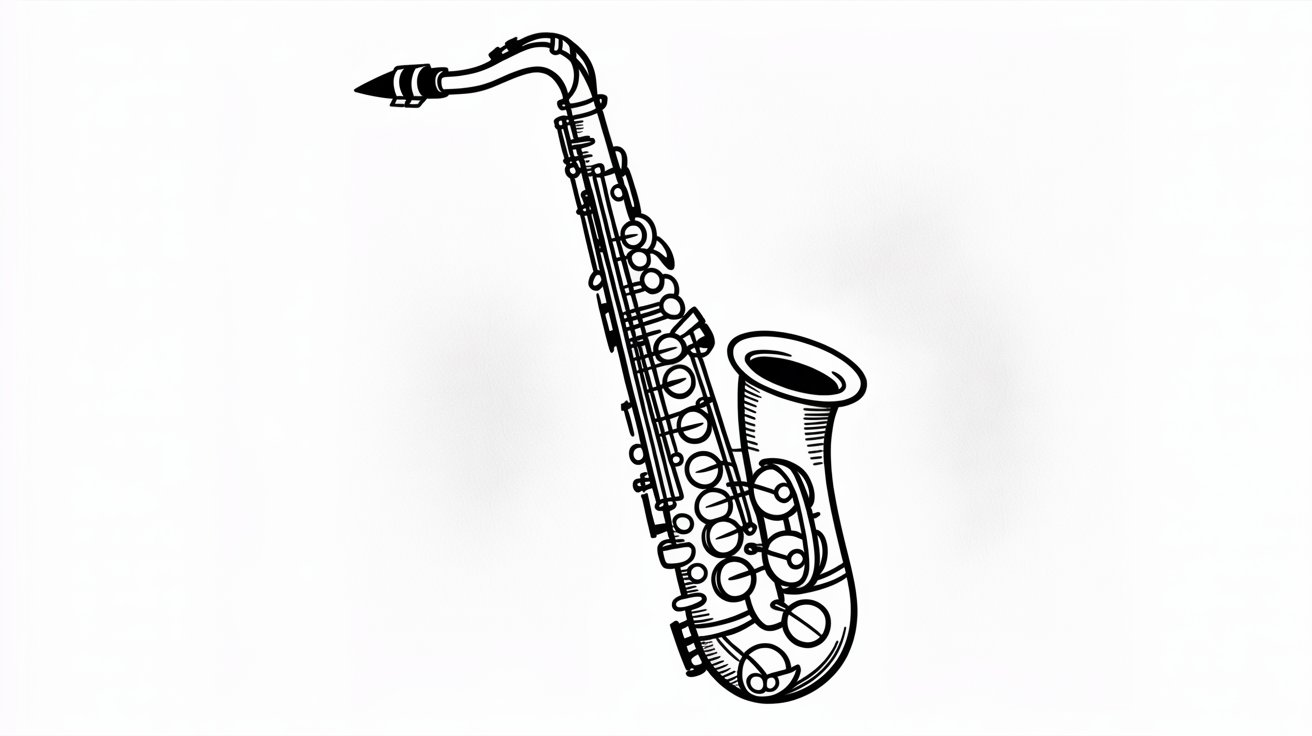
Ink is permanent and bold. It forces you to commit to your lines. This can feel scary at first but it also builds confidence.
Use fine-tipped pens for detail and thicker nibs for outlines. Crosshatching with ink creates rich shadows. Many illustrators combine pencil sketches with ink finishes for professional results.
Watercolor Saxophone Art

Watercolor gives saxophone drawings a soft, flowing quality. The brass tones of the instrument work beautifully in warm yellows and oranges.
Work light to dark. Let layers dry between applications. Use masking fluid to protect highlight areas.
Watercolor saxophone art looks great on prints and in music-themed illustrations.
Marker Saxophone Drawings
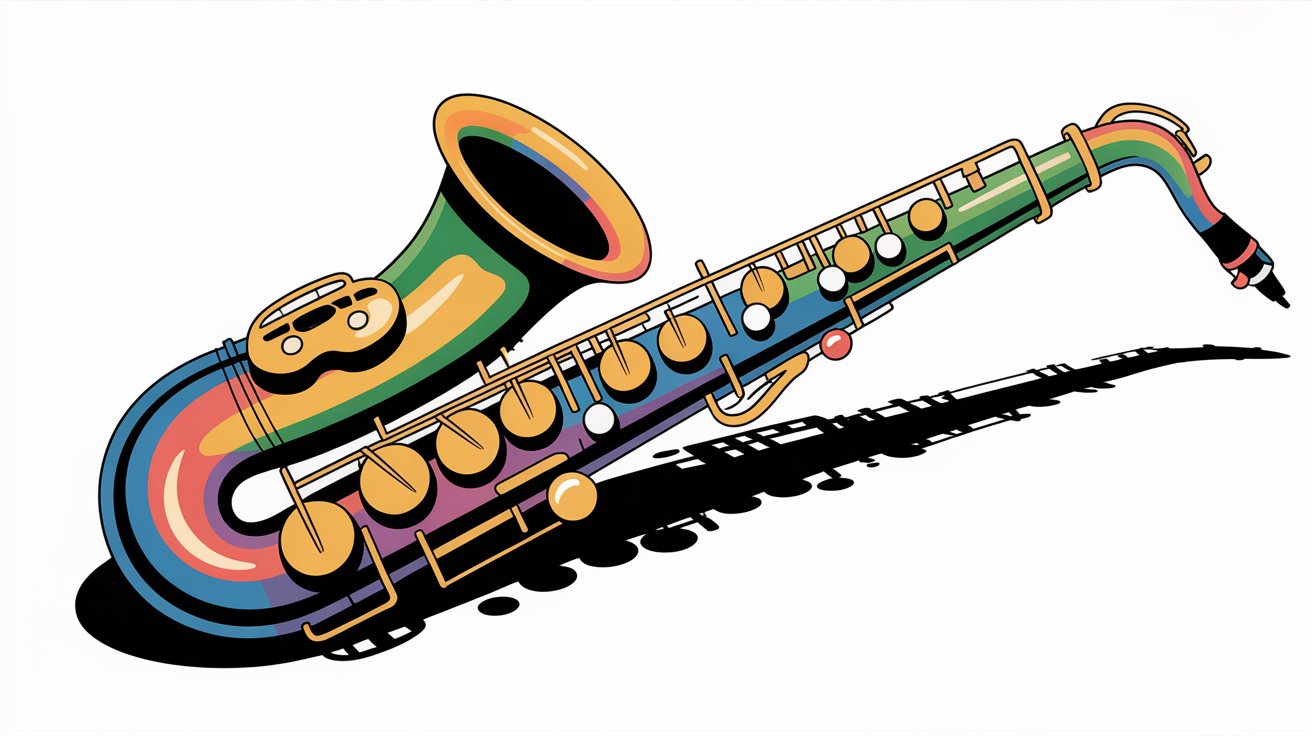
Alcohol-based markers produce smooth, vibrant color fills. They work well for stylized and graphic-style saxophone drawings.
Lay down light base colors first. Build up darker tones in layers. Use a colorless blender for smooth transitions.
Markers dry quickly, so you need to work with intention.
Colored Pencil Saxophone Drawings
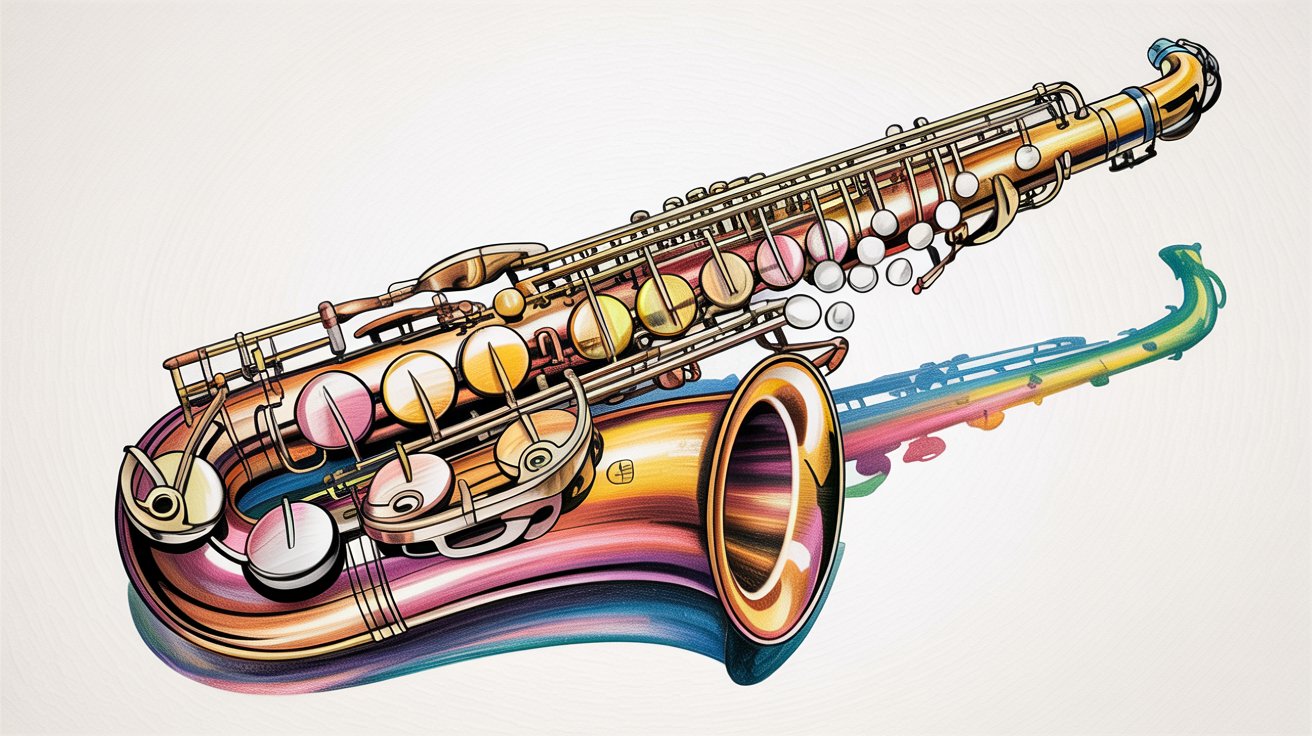
Colored pencils offer control and subtlety. They are great for building up realistic color and texture slowly.
Burnishing (pressing hard with a light pencil at the end) gives a polished finish. Good for detailed, patient work.
Saxophone Drawings with Characters
Adding a character to your saxophone drawing gives it a story. It goes from being an object to being a moment.
Jazz Musicians Playing Saxophone

Drawing a jazz musician brings in human anatomy, clothing, and expression. It is a bigger challenge but also more rewarding.
Focus on the relationship between the player and the instrument. How do the hands hold the keys? How does the neck tilt toward the mouthpiece?
Study reference photos of real saxophone players. Pay attention to posture and body language.
Cartoon Characters with Saxophones
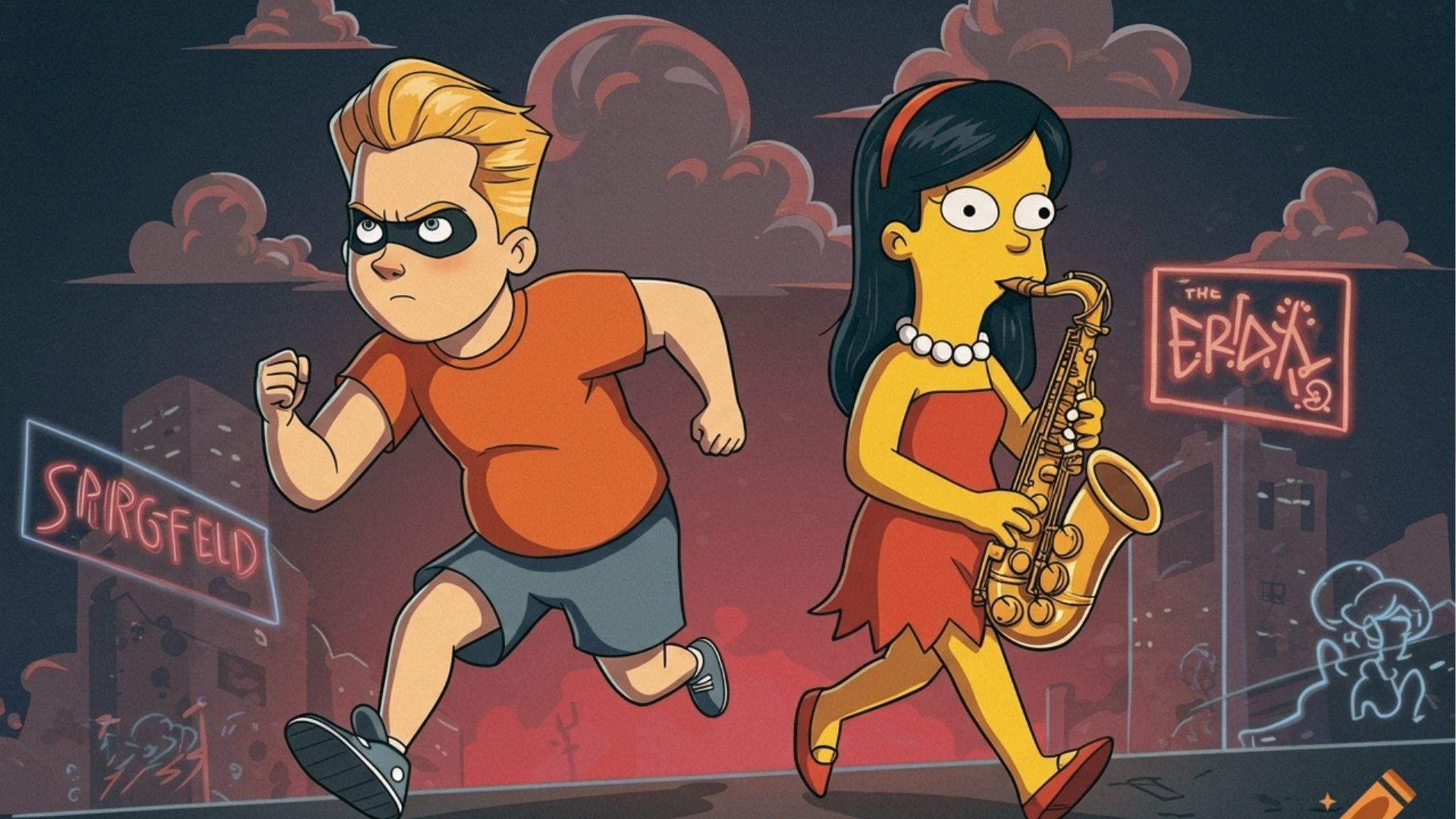
Cartoon characters playing saxophone are fun and expressive. Think of animated characters in a jazz band or a simple stick figure with a big saxophone.
Exaggerate the emotions. A character playing a saxophone should look like they feel the music.
These drawings are great for stickers, social media, and children's illustrations.
Animal and Fun Concept Drawings

Foxes, cats, and bears are popular choices for animal musicians in illustration. An animal playing saxophone is charming and highly shareable.
Give the animal expressive eyes and a natural pose. Let the saxophone look proportionally large to emphasize the fun contrast.
These drawings are a favorite in the art community for prints and merchandise.
Themed Saxophone Drawing Ideas
Themes help you make design decisions faster. They give your work a consistent look and feel.
Vintage Jazz Style Drawings

Vintage jazz art uses warm colors, art deco shapes, and a sense of nostalgia. Think posters from the 1920s and 1930s.
Silhouettes work well for this style. A saxophone player in profile against a warm background reads immediately as classic jazz.
Try adding vintage textures or aged paper effects to finish the look.
Steampunk Saxophone Designs
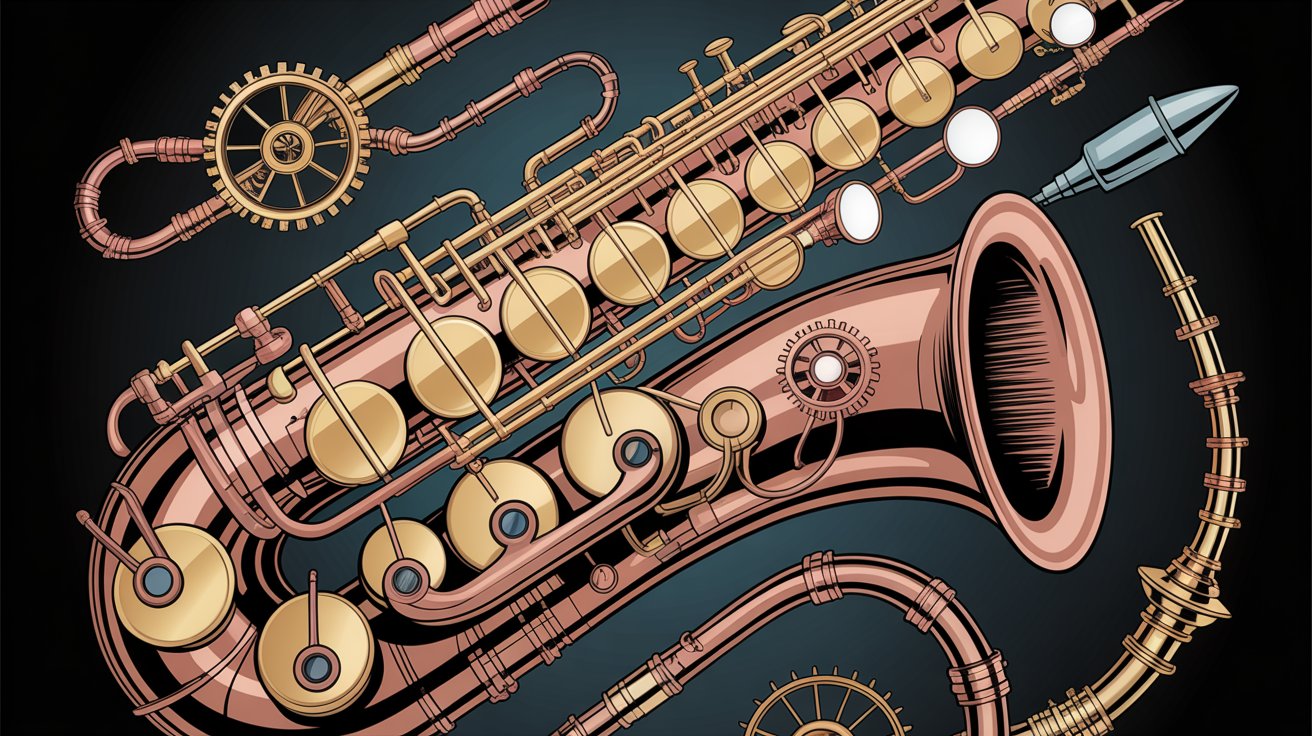
Steampunk mixes Victorian-era style with mechanical invention. A steampunk saxophone might have extra gears, copper tubing, rivets, or pipes added to the design.
This is a great theme for creative portfolio pieces. It combines technical drawing with imaginative design.
Use pencil or ink for the mechanical details.
Nature and Surreal Fusion Ideas
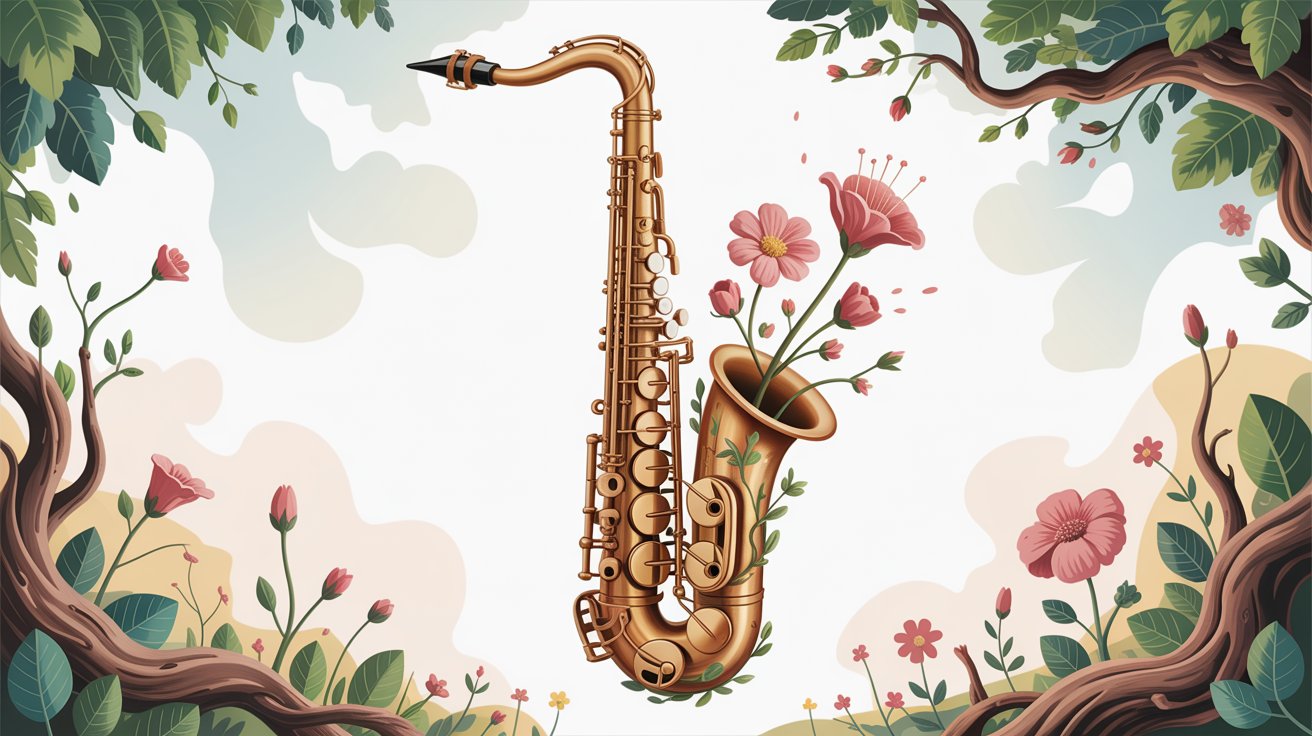
Imagine a saxophone made of twisted branches, or keys that bloom into flowers. Nature fusion drawings combine organic forms with the man-made instrument.
These ideas work well in both realistic and illustrative styles. They are a fresh way to draw a familiar subject.
Let the two worlds overlap naturally rather than forcing them together.
Quick Tips for Better Saxophone Drawings
Small adjustments that make a big difference in the quality and confidence of your saxophone illustrations.
- Break the saxophone into basic shapes first. The body is a curved cone, the bottom flares into a bell, and the neck bends upward. Start simple, then build up detail slowly.
- Use proportions as your guide. The bell should feel wider than the neck. If proportions feel off, the whole drawing looks wrong.
- Capture the metallic shine to make it look real. Leave bright white areas where light hits the body. Add dark shadows right next to each highlight for contrast.
- Match your medium to your goal before you start. Graphite suits detailed work, ink suits bold styles, and watercolor gives a soft finish. Choosing ahead saves frustration.
- Practice one section at a time. Focus on just the keys, the bell, or the neck in separate studies. Small focused practice builds skill faster than rushing full drawings.
How to Use Saxophone Drawing Ideas
Good ideas are only the start. What you do with them matters more.
Turn references into original artwork. Do not copy someone else's drawing. Use it as a starting point. Change the angle, the style, or the medium. Make it yours.
Mix styles for interesting results. Try combining cartoon proportions with realistic shading. Or use watercolor washes under ink linework. Mixing approaches leads to original outcomes.
Build a creative portfolio. If you draw saxophones in multiple styles and mediums, you show range. That matters whether you are building a personal portfolio or working with clients.
Start with one idea. Finish it. Then move to the next. Consistent practice builds skill faster than anything else.
Conclusion
I hope this list of saxophone drawing ideas gave you something real to work with. Whether you are just starting out or looking to push your skills further, there is always something new to try with this instrument.
I personally love how the saxophone's curves challenge you as a draftsperson. It teaches you to see shapes and flow in a new way.
Now it is your turn. Pick one idea and start drawing today. Have a question or a favorite tip? Leave a comment below and share your thoughts. We would love to hear from you.
Frequently Asked Questions
What is the easiest saxophone drawing style for beginners?
Line art is the easiest starting point. It focuses on simple outlines without shading, making it less overwhelming for beginners.
Do I need to know how to play the saxophone to draw it well?
No, you do not. But studying photos of the instrument closely will help you understand its form and draw it more accurately.
What pencil grades work best for saxophone drawings?
A range from HB to 4B works well. Use HB for light sketching and 4B for darker shadows and richer tonal depth.
Can I draw a realistic saxophone without using reference photos?
It is very difficult. Saxophone anatomy is complex. Using reference photos gives you accurate proportions and detail that improve the final drawing significantly.
How long does it take to get good at drawing saxophones?
With regular practice, most beginners see clear improvement within a few weeks. Consistency matters more than talent at the early stage.
