

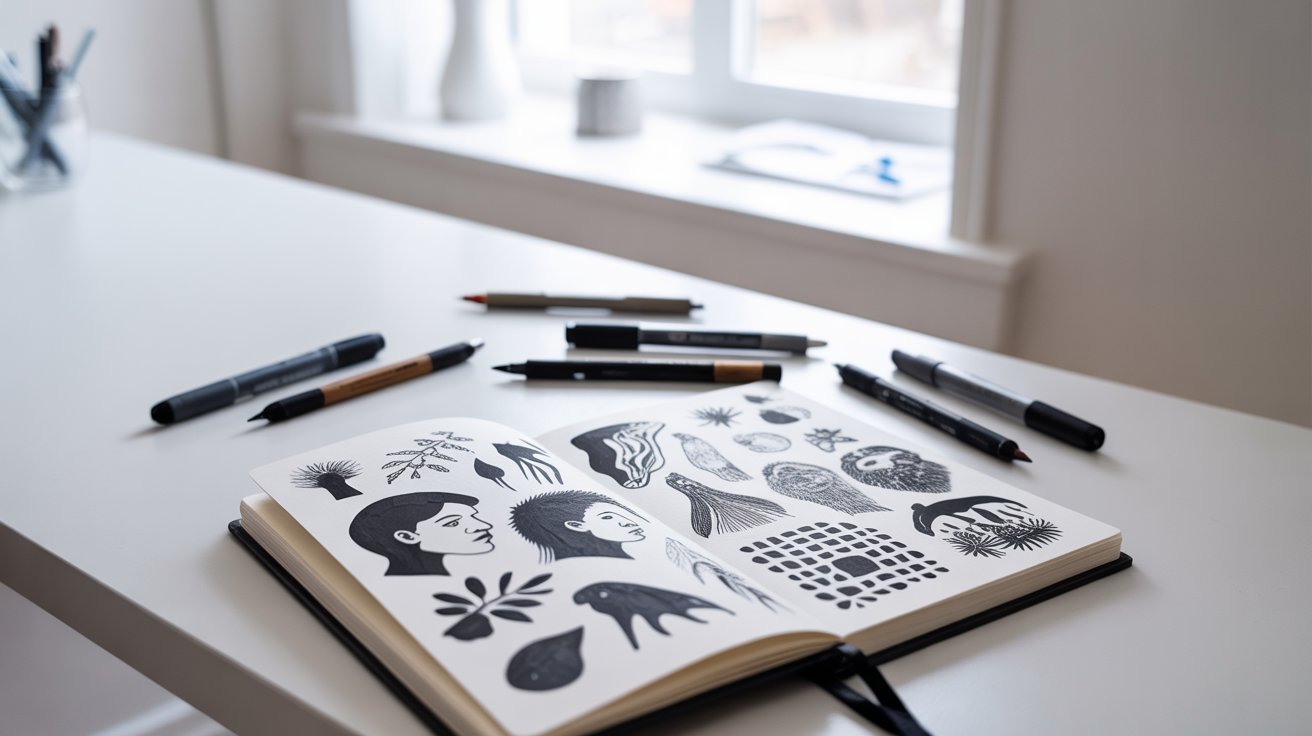
Ink drawing is one of those things that looks hard until you actually try it. I've sat with a blank page more times than I can count, pen in hand, no clue where to start.
Sound familiar? That's exactly why I put this list together.
In this blog, I'm sharing 27 ink drawing ideas that work for all skill levels. You'll also find quick tips, tool picks, and common mistakes to avoid.
I've been drawing with ink for years, so I know what actually helps. If you want ink drawing ideas that spark real creativity and get you creating right now, you're in the right place.
Why Ink Drawing Feels Different from Other Art Mediums
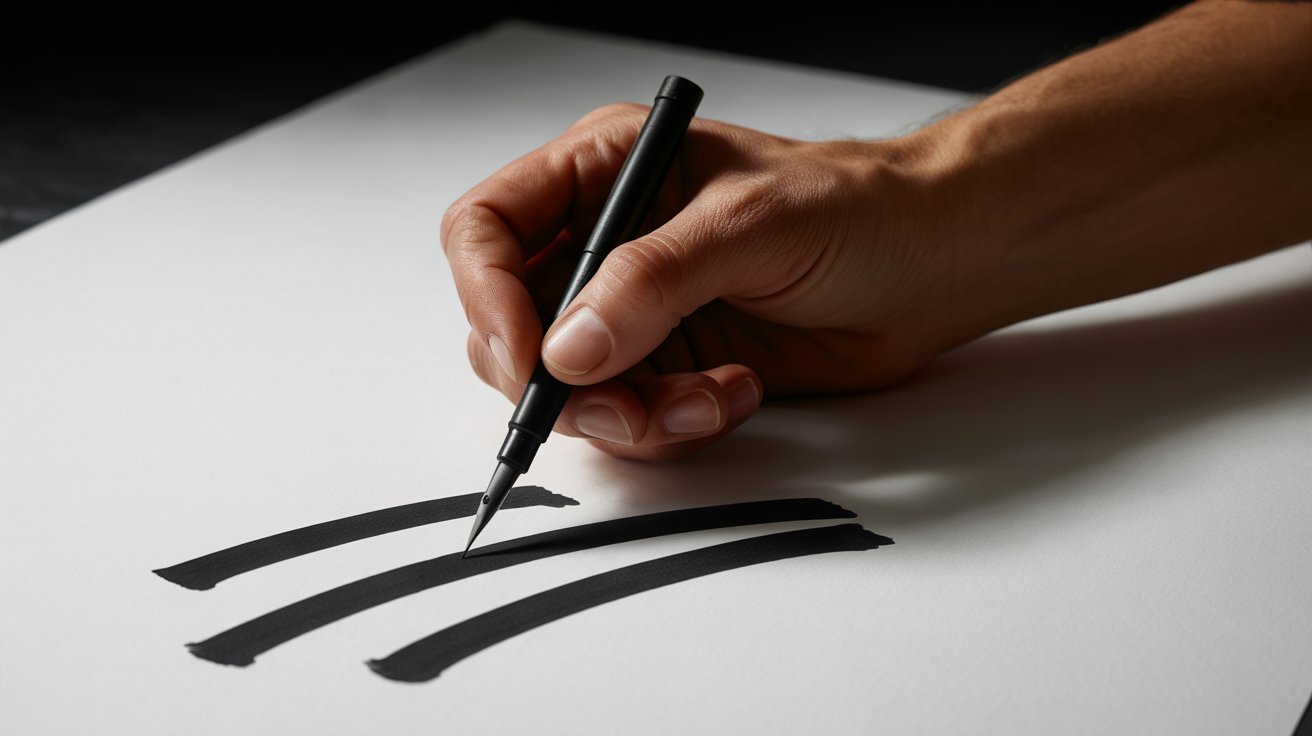
Ink is permanent. That's what makes it exciting and a little nerve-wracking at the same time.
Unlike pencil, you can't erase. Every line is a decision. That pressure actually makes you more focused and deliberate over time.
Ink also has a sharpness that other mediums don't. The contrast between black ink and white paper is strong and bold. Once you get comfortable with that, your lines get more confident fast.
Quick Tips Before You Start
Sketch lightly in pencil first. Once ink dries, the pencil erases cleanly and leaves only your crisp lines.
Test your pen on scrap paper before starting. Flow and line weight vary by brand. I do a few warm-up strokes at the start of every session.
Use proper drawing paper. I ruined early work on cheap notebook paper. It bleeds, warps, and kills the result before you finish.
27 Ink Drawing Ideas to Boost Creativity
Start here if you're stuck. These pen and ink exercises cover everything from beginner sketches to more advanced work.
1. Simple Line Art Faces (Great First Sketch for Beginners)
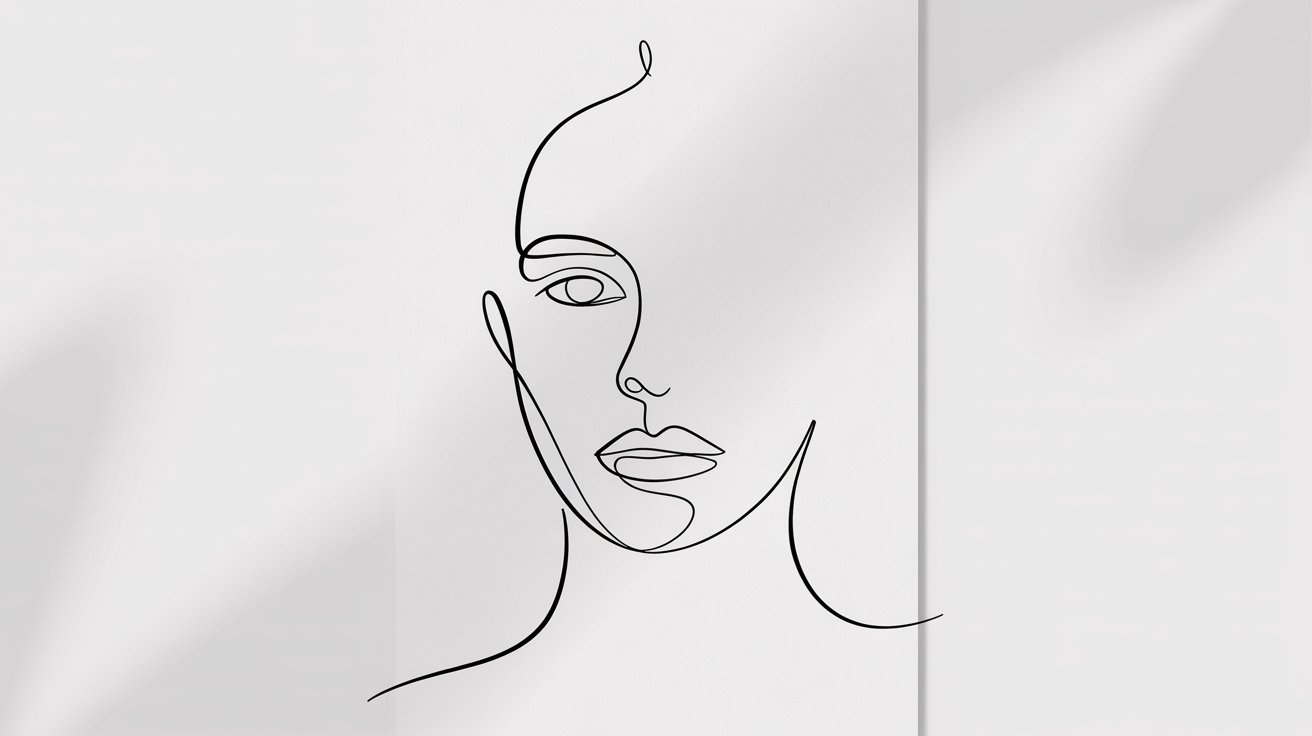
Draw a face using as few lines as possible. Focus on the eyes, nose curve, and jaw. Skip the details. This is a perfect warm-up that still produces something worth keeping. I still come back to this one when nothing else comes to mind.
2. Botanical Drawings to Improve Line Control Fast
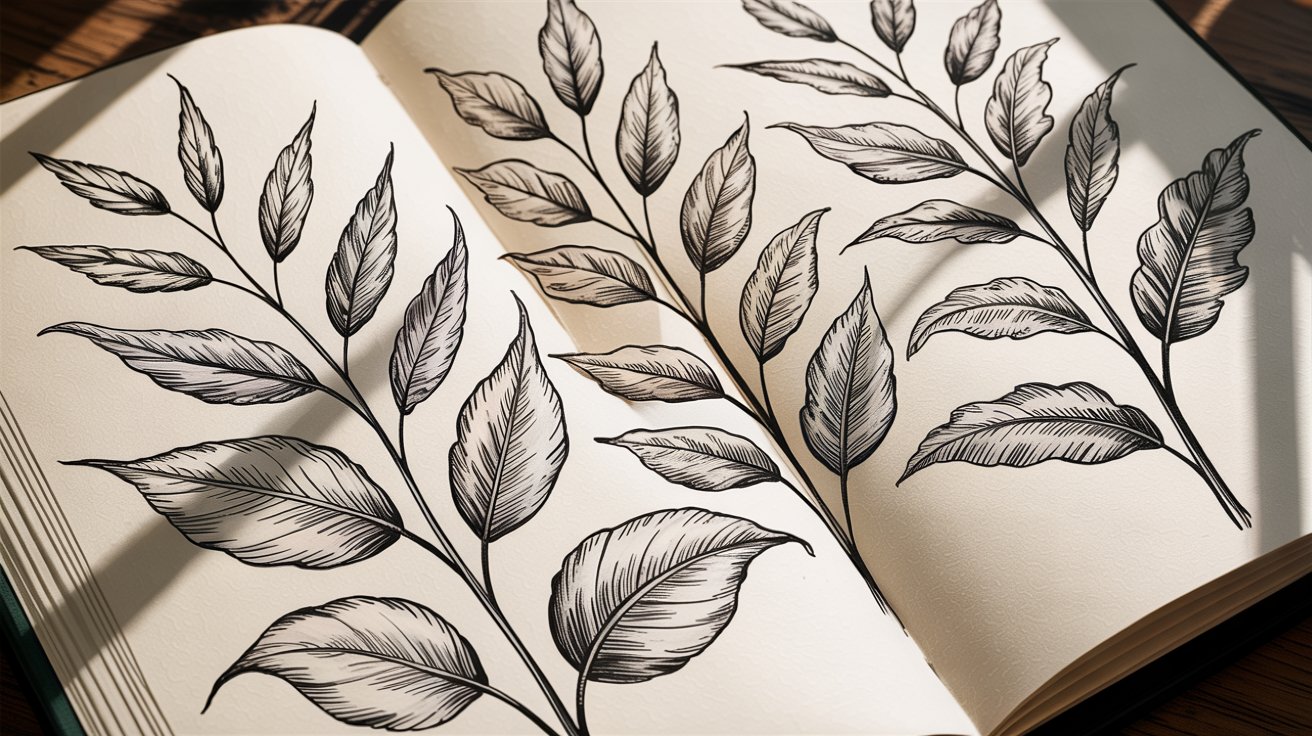
Leaves and plants are ideal because the shapes are natural and forgiving. You're training your hand to follow organic curves, not chasing perfection. Start with one leaf, then add stems and smaller offshoots. A real plant on your windowsill makes the best reference.
3. Abstract Doodle Patterns (No Rules, Just Ink)
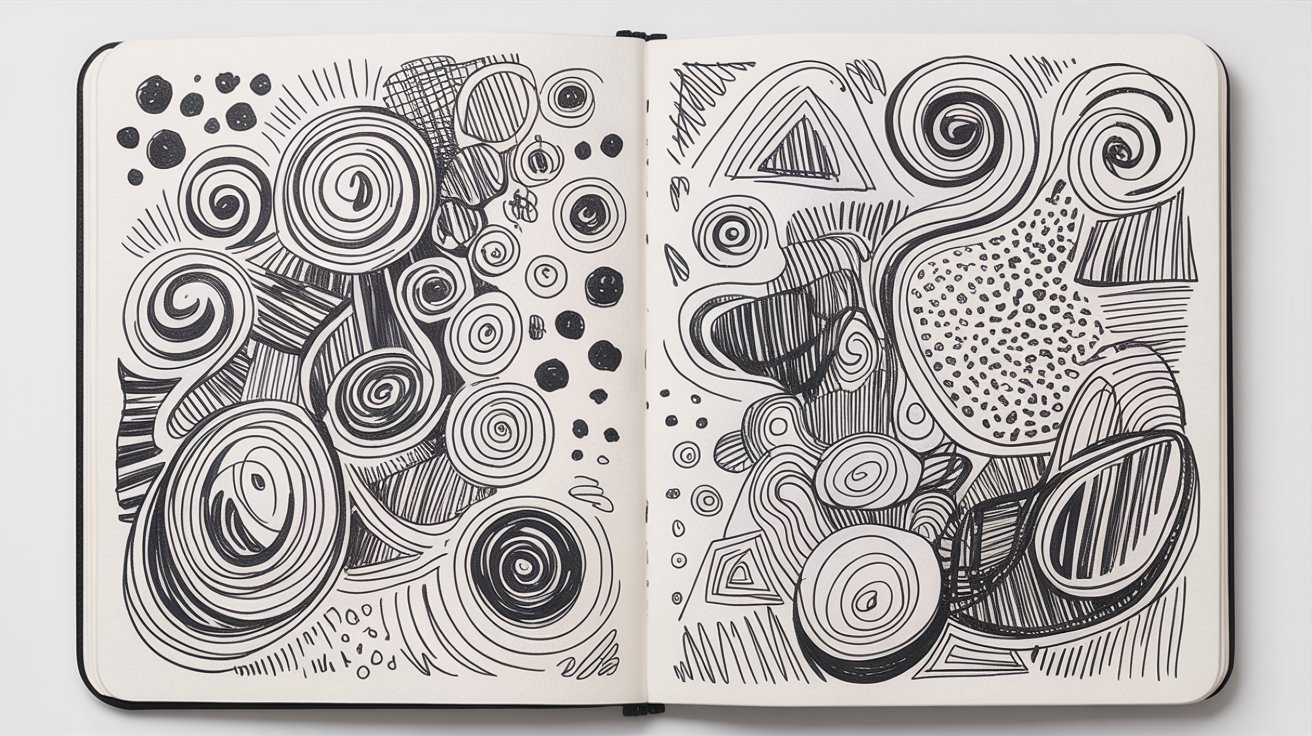
Fill a page with whatever shapes and lines come to mind. Circles, spirals, dots, grids, triangles. There is no wrong answer here. Free drawing like this loosens your hand and gets you past overthinking fast. It's also genuinely relaxing after a long screen day.
4. Everyday Objects (Mugs, Glasses, Books)
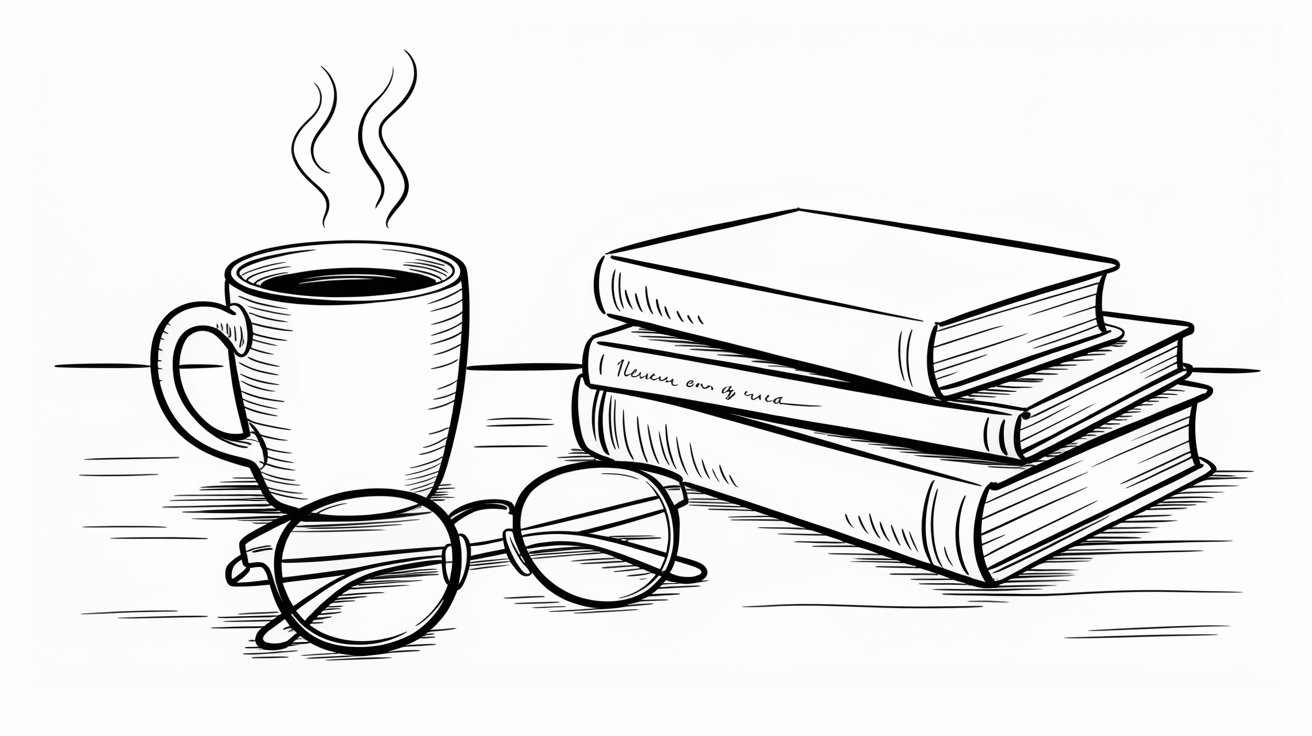
Look at your desk right now. Whatever's sitting there is your subject. Drawing ordinary objects teaches proportion and close observation in a low-pressure way. I've drawn the same coffee mug ten different times and each version looked different. That kind of repetition builds real skill.
5. Geometric Shapes with Ink Shading
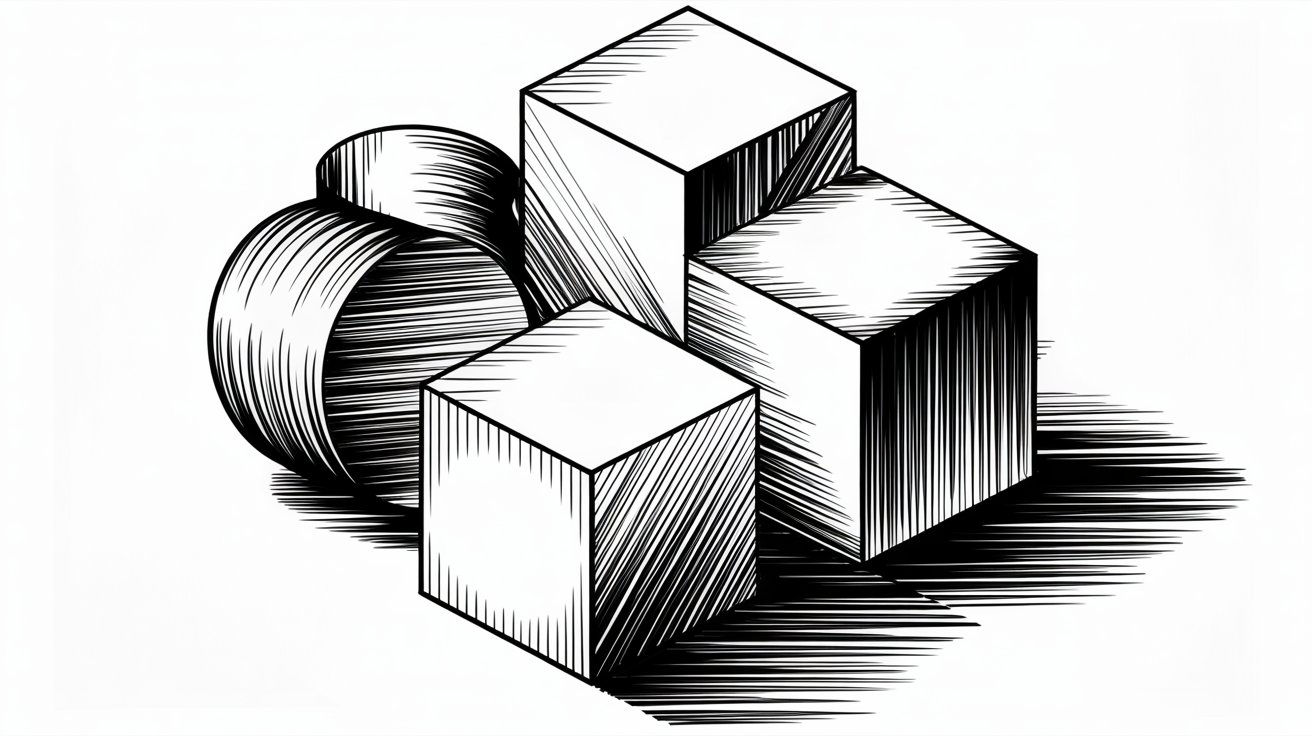
Draw basic forms like cubes, cylinders, and cones. Add crosshatch or parallel lines to create shadow. Once you understand shading on simple forms, applying it to complex subjects gets a lot easier.
6. Animal Sketches to Practice Proportion
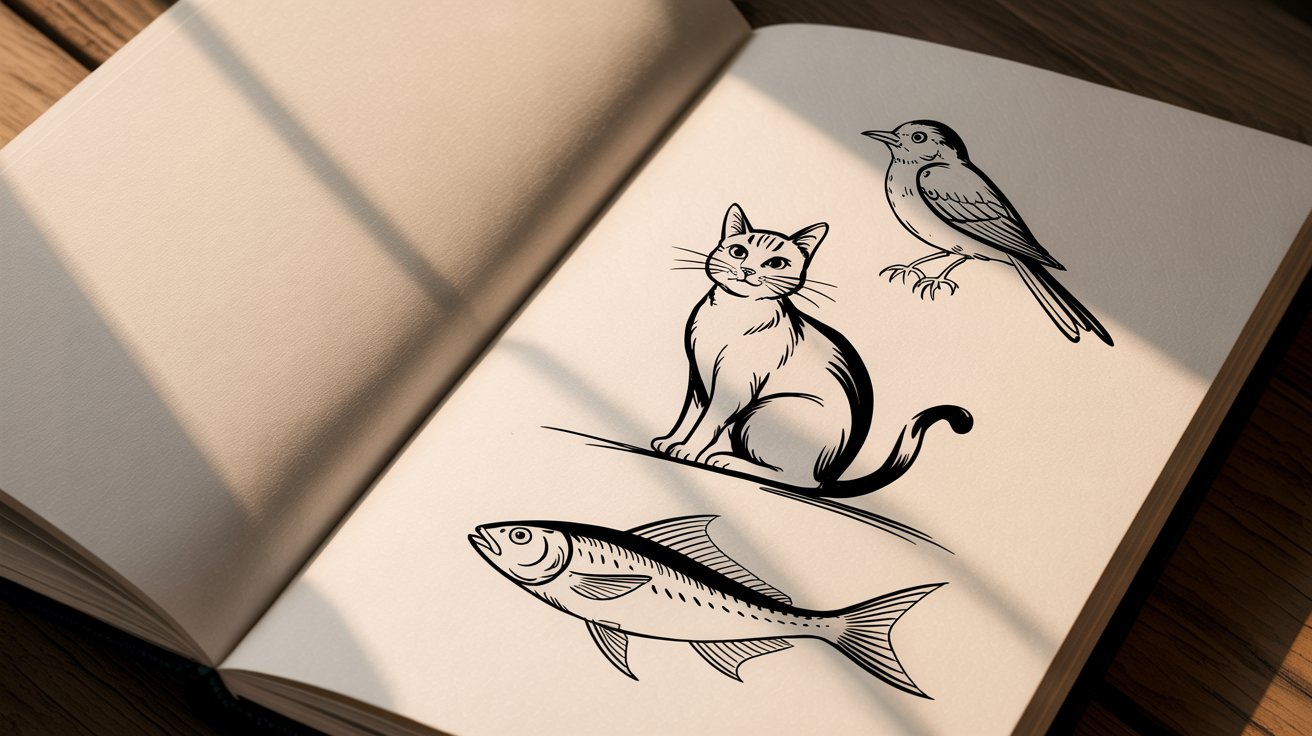
Pick a simple animal and break it into basic shapes before adding detail. Cats are forgiving because proportions are rounded. Birds help with different line weights. Fish give you a chance to work on texture and scale patterns. Cycle through all three regularly.
7. Single-Line Continuous Drawing (No Pen Lifts)
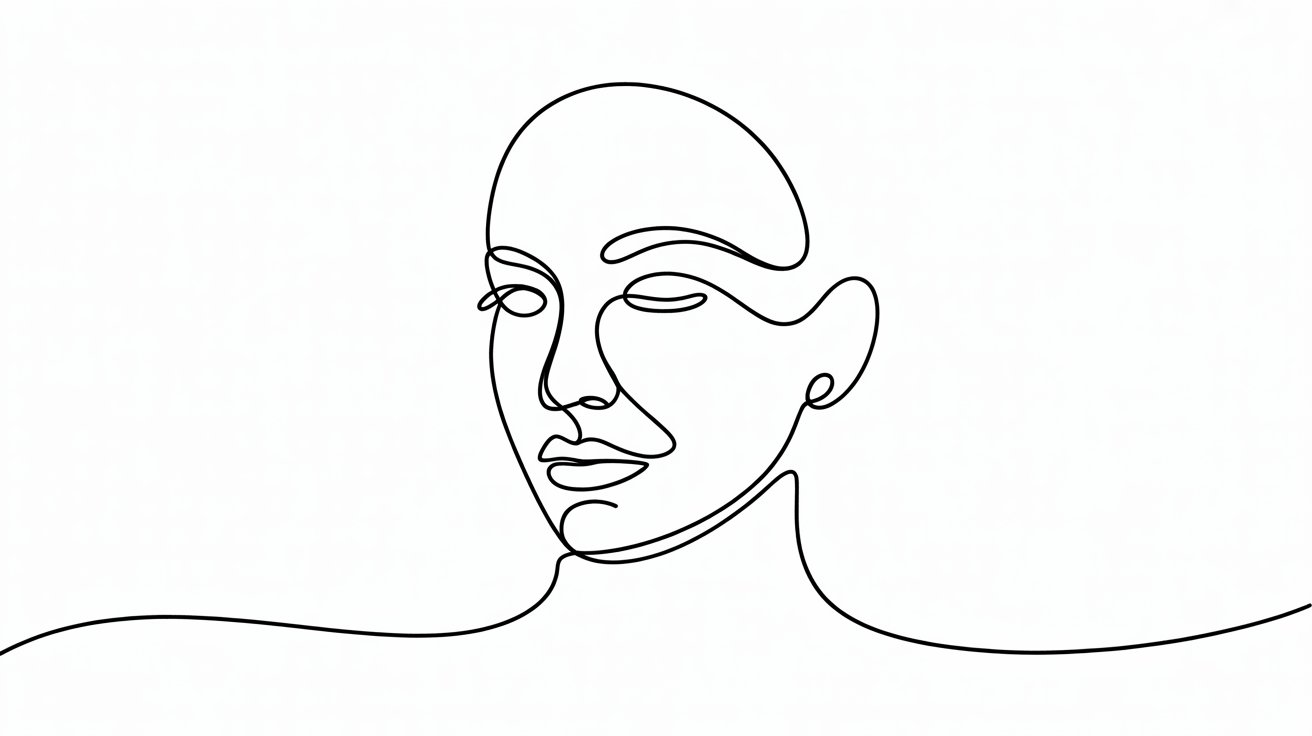
Draw a complete subject without lifting your pen once. Your eye has to stay ahead of your hand at all times. The result is a loose, expressive style that's hard to achieve any other way. Try a face or a hand first.
8. City Skyline Sketches (Urban Drawing Prompts)

Draw a row of buildings with varied heights, window repetitions, and small rooftop details. The repetition is calming and the finished result looks more complex than it actually is. Try one from memory and one from a photo reference. Both versions teach different things.
9. Mandala Art Designs in Ink
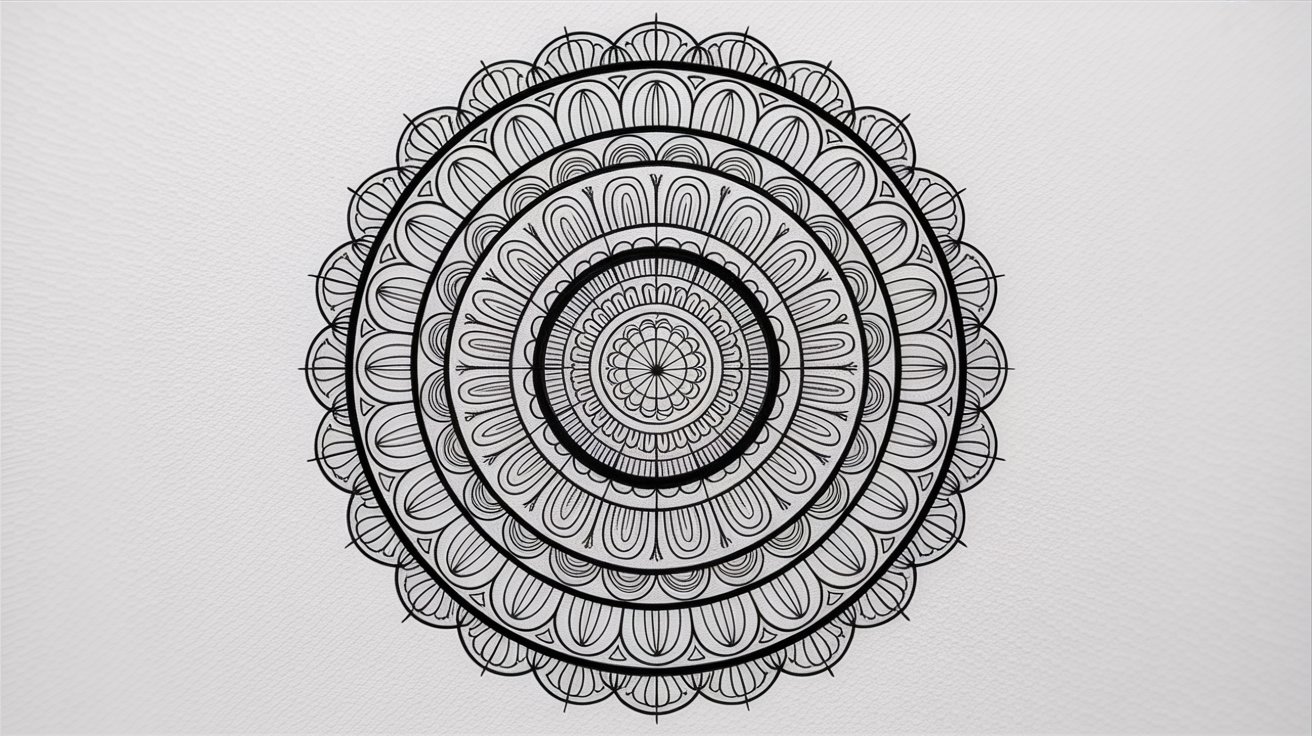
Start from a center point and build outward with symmetrical patterns. Use a compass for clean circles or go freehand for a more organic feel. Freehand mandalas look alive in a way traced ones don't. The repetitive structure makes this a meditative experience that ink handles really well.
10. Cross-Hatching Studies for Ink Technique
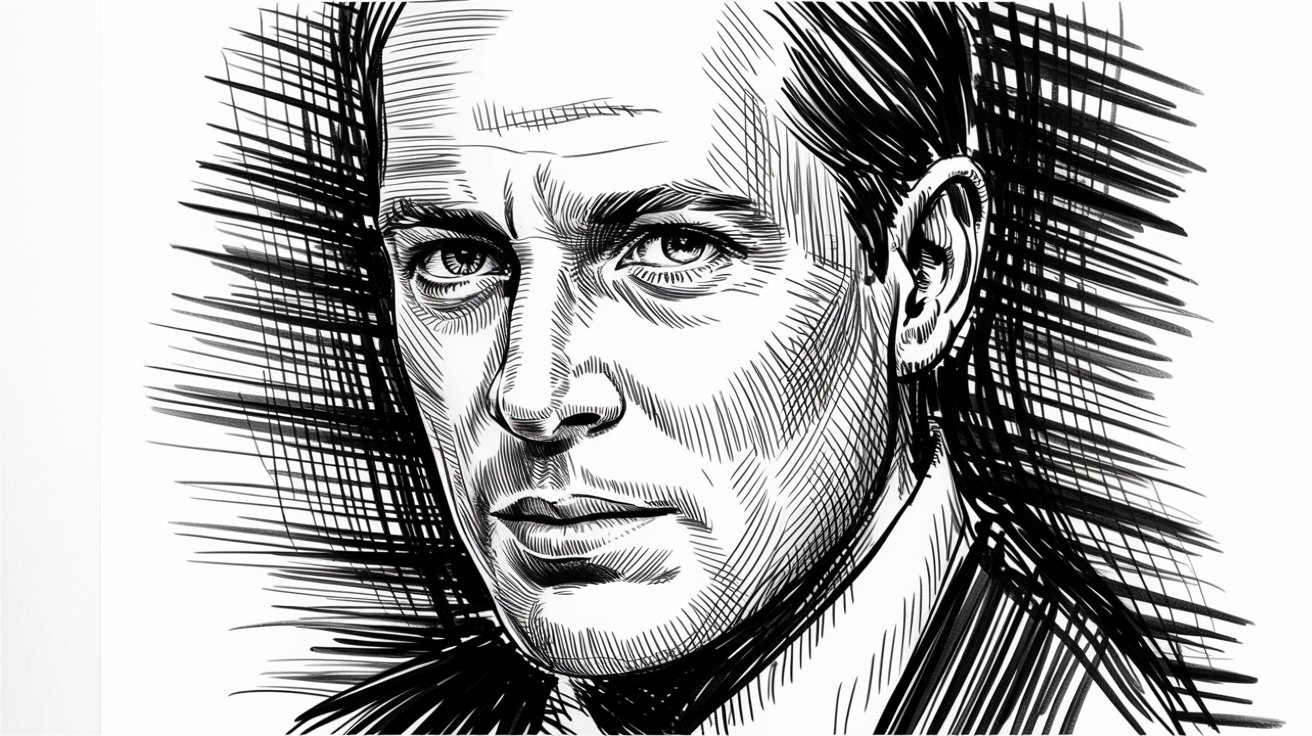
Cross-hatching builds shadow using layers of crossed lines instead of solid fills. Use a portrait reference and start with the darkest areas first. Work outward with lighter, more spaced lines. Even a beginner-level cross-hatched portrait looks genuinely strong when finished.
11. Food Illustrations in Ink (Realistic or Stylized)
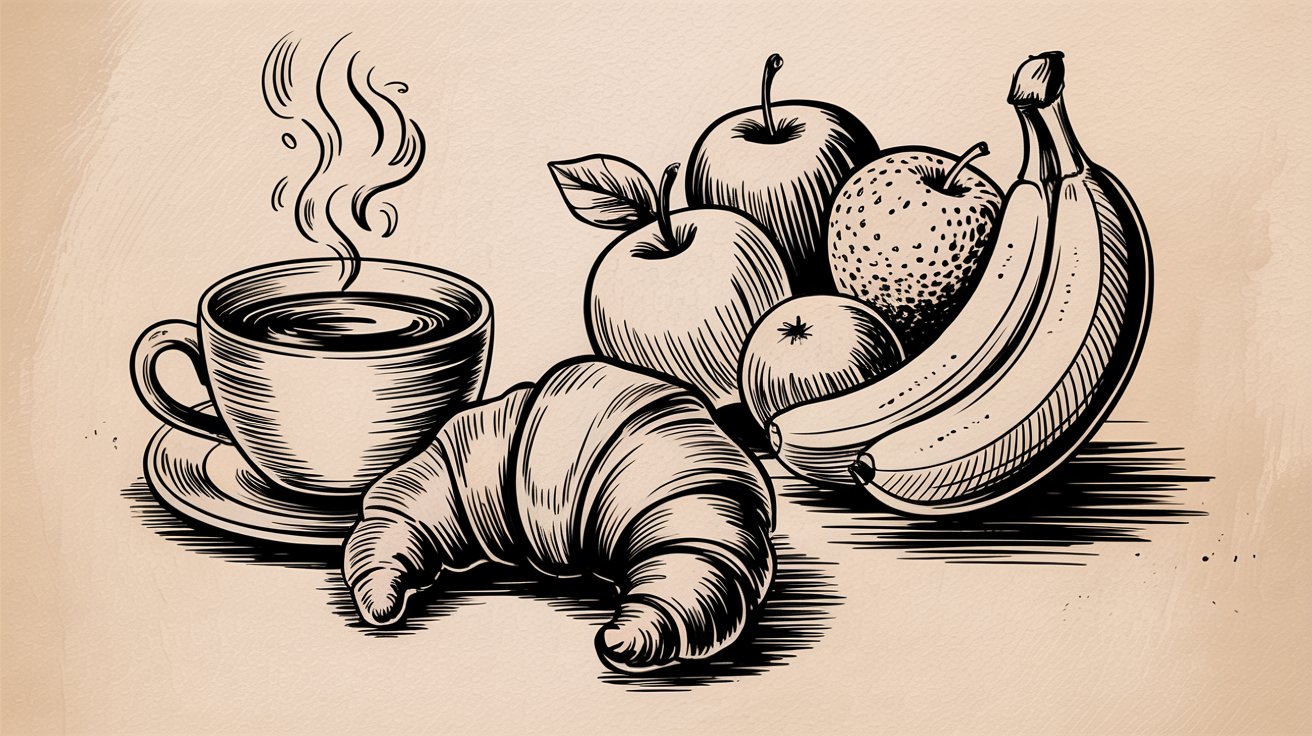
Coffee cups, bowls of fruit, toast, pastries. Food is one of the most popular pen and ink subjects for good reason. You can go realistic or cartoon depending on your mood. Drawing something you actually eat makes the session feel personal rather than like a formal exercise.
12. Nature Landscapes with Ink Line Work
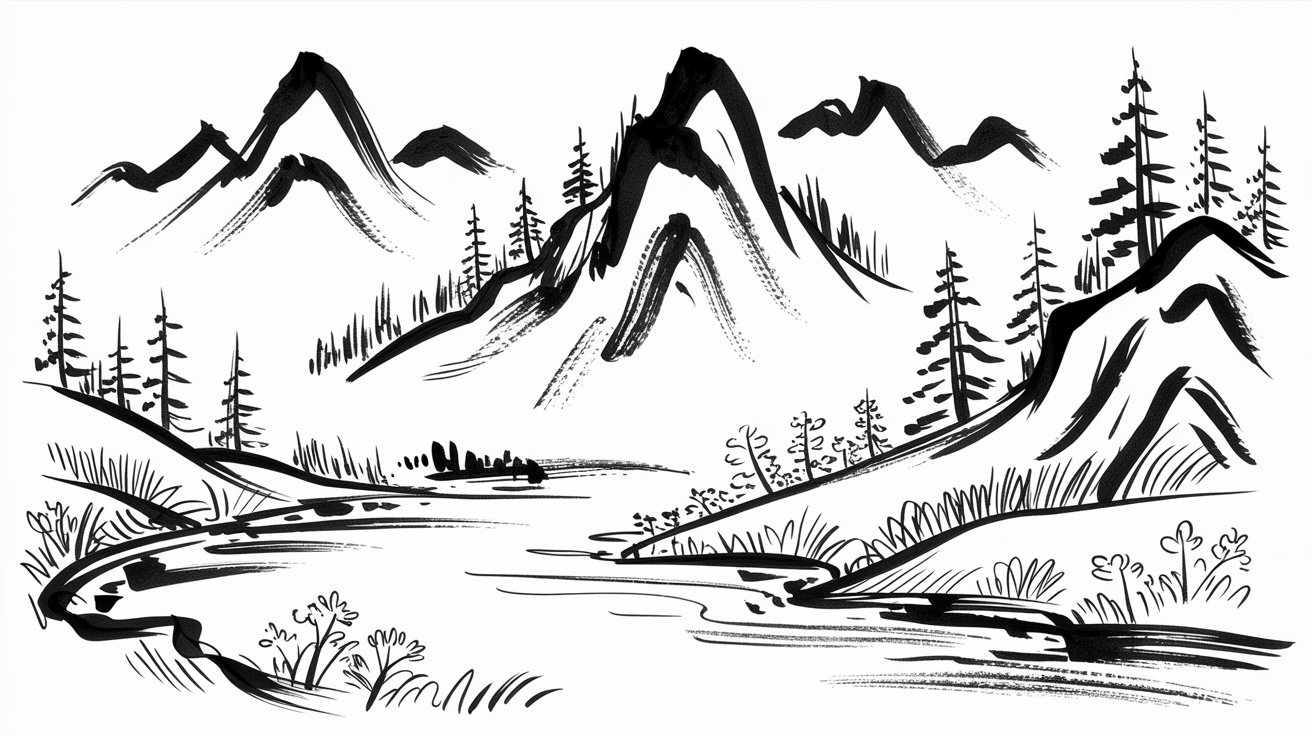
Pick one element and build a full scene around it. A mountain range with a treeline in the foreground is a classic starting point. Use different line densities to create depth. Distant objects get lighter, spaced lines. Close objects get heavier ones. This one rule improves landscape work immediately.
13. Hand Lettering and Typography in Ink
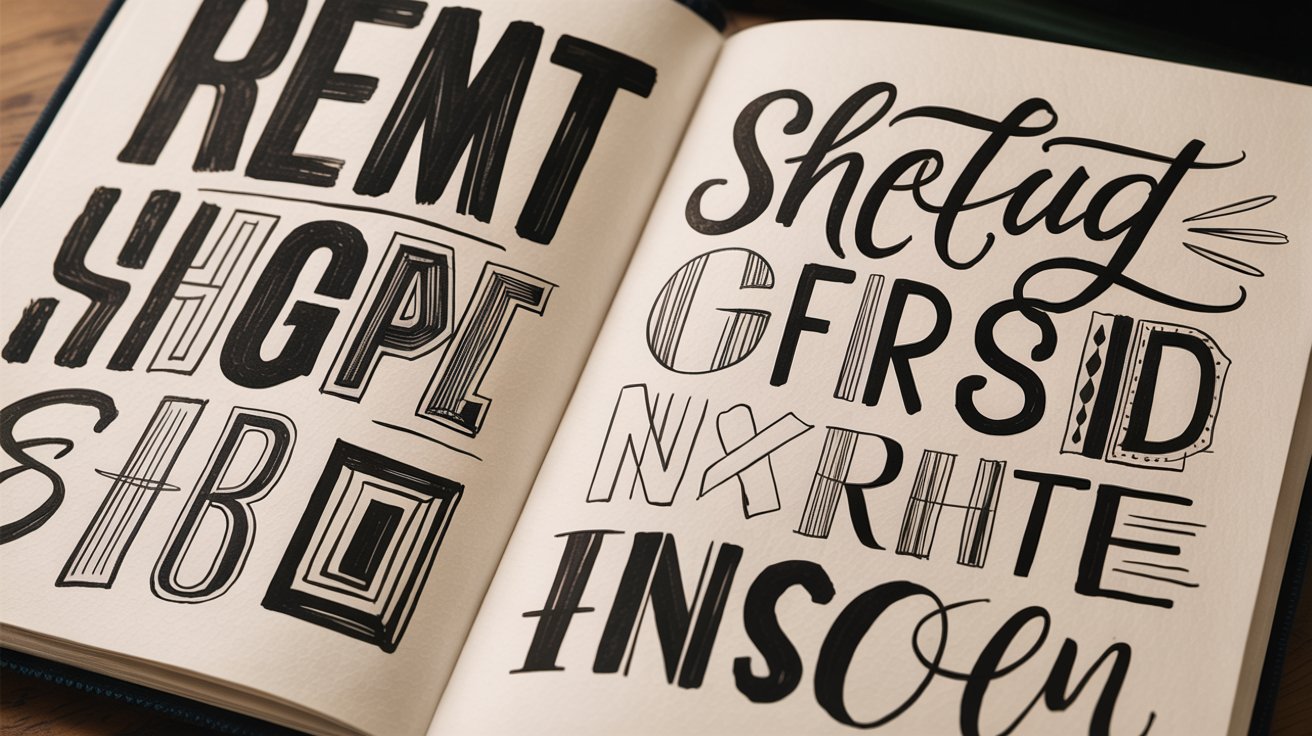
Write a word or short phrase and play with sizing, weight, and letter style across the page. This combines drawing and writing in a way that feels different from pure illustration. I find lettering a good option on days when I don't feel like working from reference.
14. Fantasy Creatures in Ink (Dragons, Monsters, Mythical Beings)
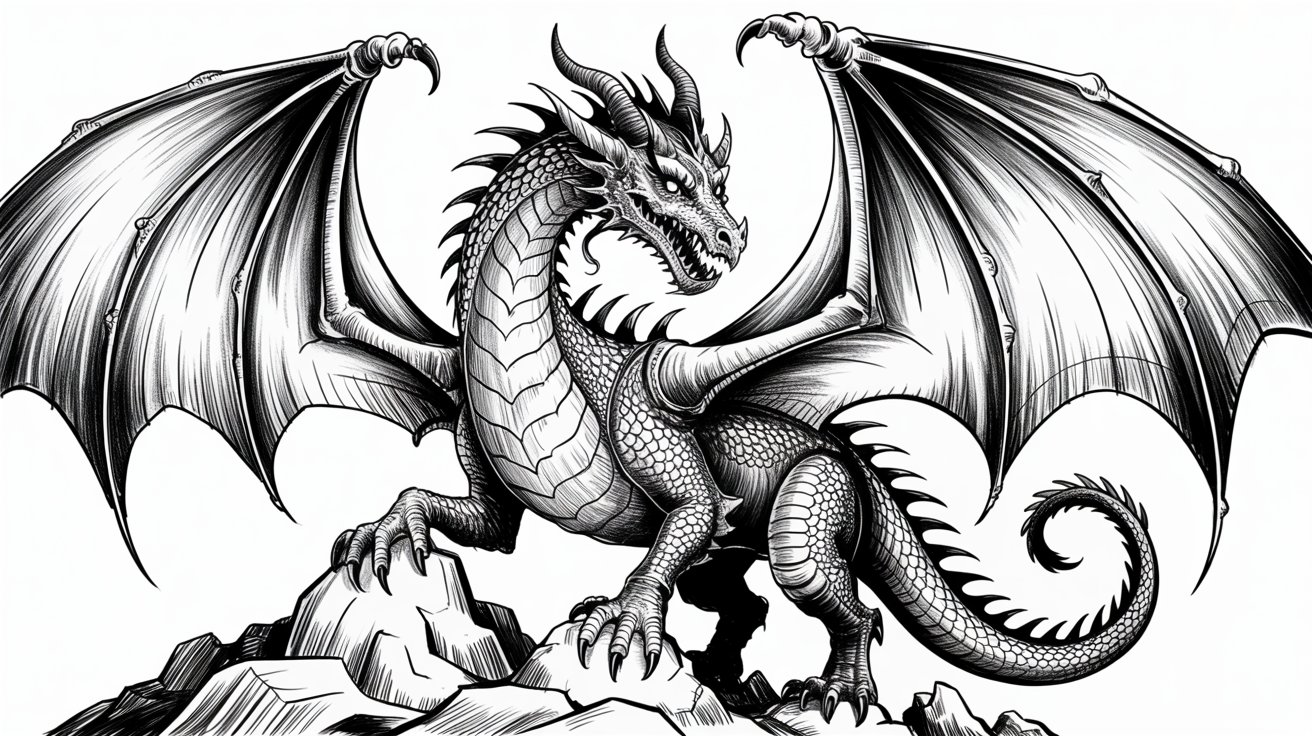
Start by building your creature from real animal shapes. A dragon can begin as a lizard body with added bat wings. Layer in scales, horn textures, and fine detail over the rough structure. This prompt is great for practicing how to invent textures from scratch.
15. Ink and Wash Technique (Lines Plus Water Effects)
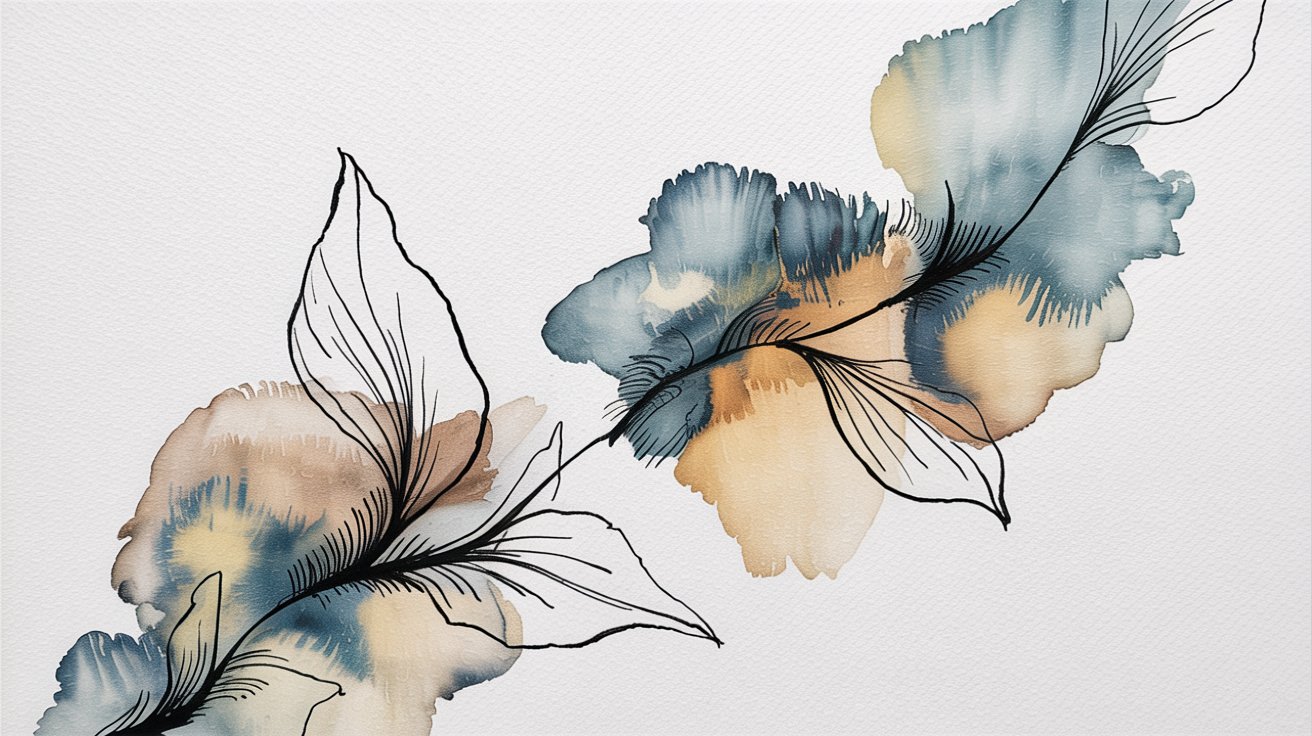
Draw your ink lines first. Once dry, add water with a brush to push the ink into soft washes. Use waterproof ink if you want clean lines that survive the water. Standard India ink will spread and blur, which looks great when done with intention.
16. Zentangle-Style Patterned Animal Illustrations
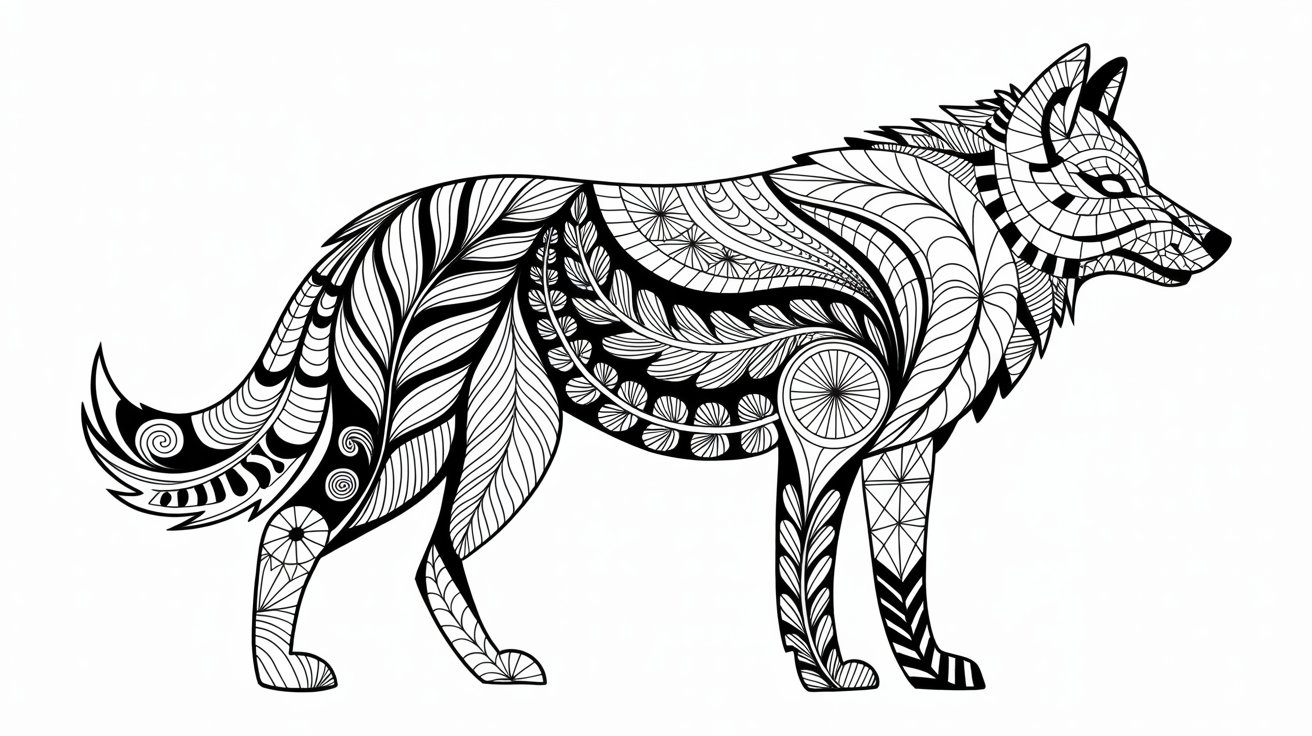
Draw a clean animal silhouette and fill the interior with intricate repeating patterns. Each body section can carry a different pattern. It takes more time than other prompts on this list but finishing one feels deeply satisfying. The fine detail at this scale looks very different from looser work.
17. Hyper-Detailed Eye Studies in Ink
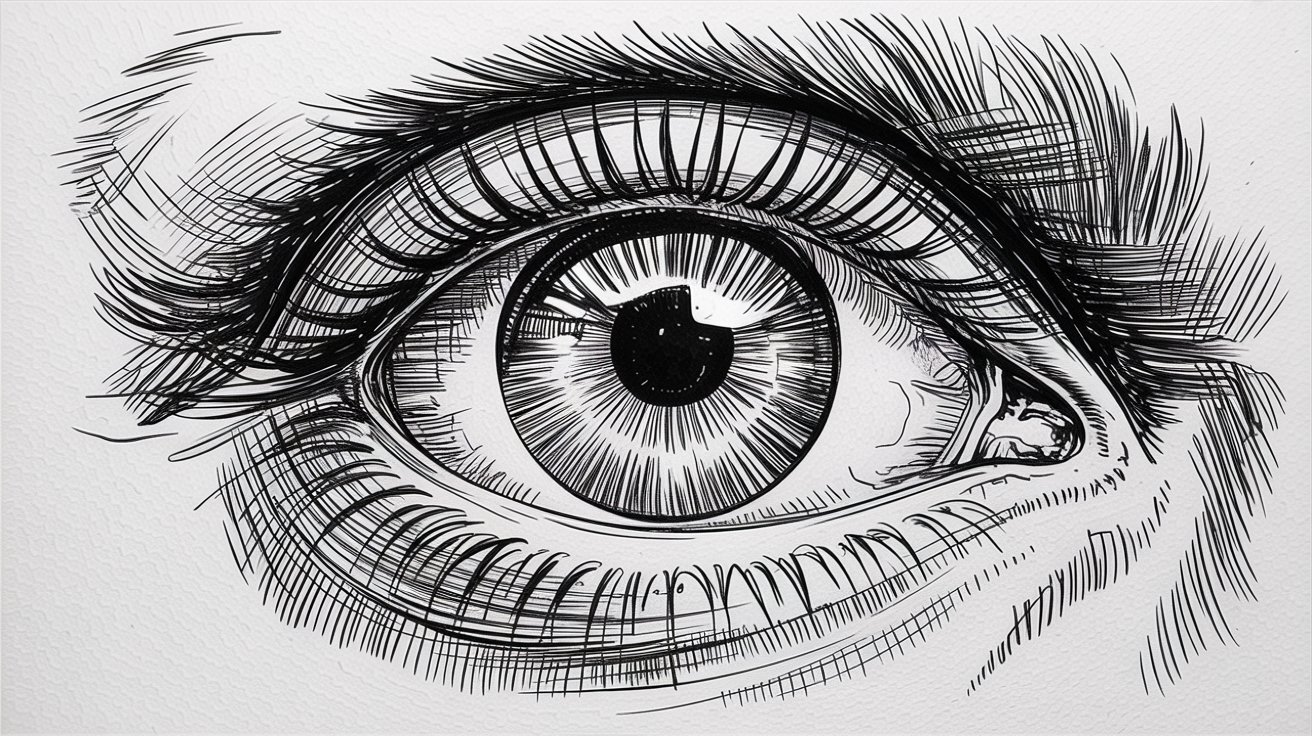
Spend a full session on a single eye with every lash, reflection, and eyelid fold drawn in ink. This is both a focus exercise and a finished piece in one sitting. I've filled entire sketchbook pages with just eyes and learned something new each time.
18. Architectural Perspective Sketches in Ink

Choose one building or doorway and draw it using one or two-point perspective. Drawing without a ruler gives a warmer, hand-drawn quality. Drawing with one gives a crisp technical look. Architectural work trains your eye for spatial relationships in a very direct way.
19. Dark Surrealism Concepts in Ink
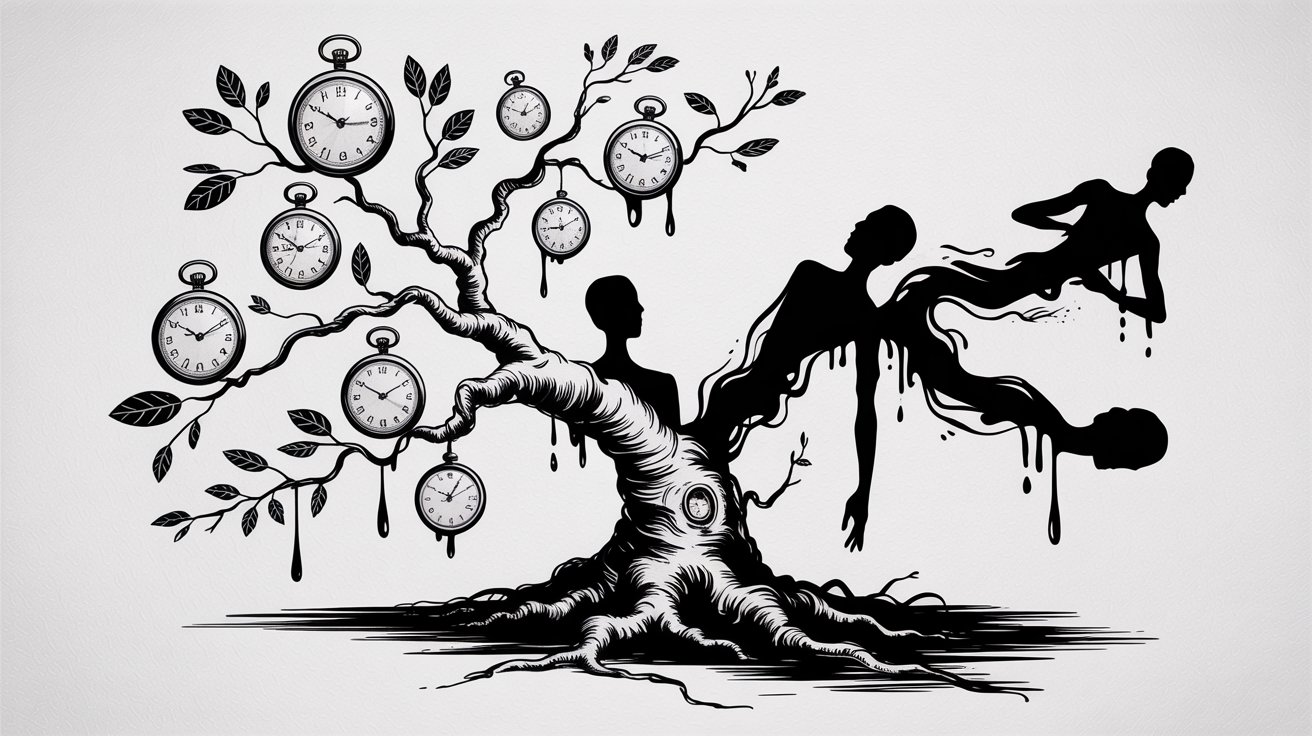
Put objects together that don't belong in the same scene. A clock growing from a tree. A figure built from broken mirror pieces. Surrealism in ink is more about concept than technical skill. It gives you permission to get genuinely strange on the page and often produces your most original work.
20. Full-Page Narrative Illustrations in Ink
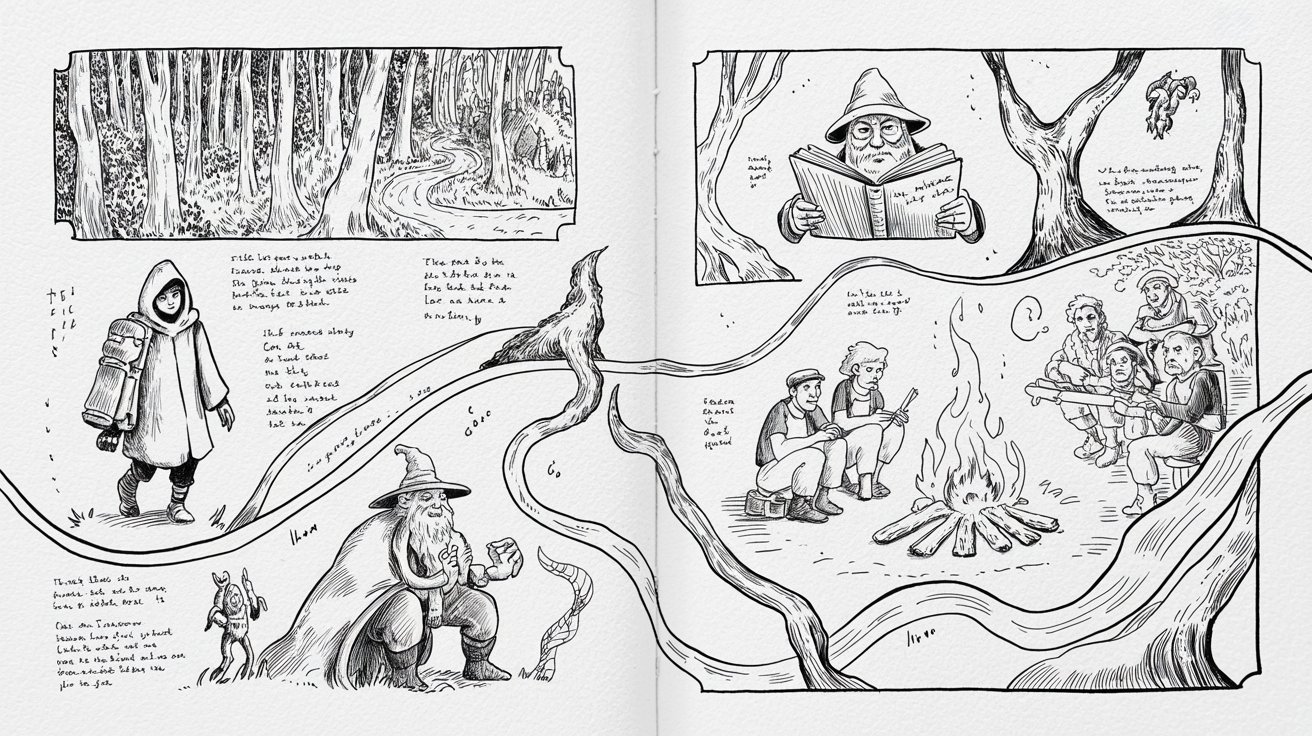
Fill an entire page with one continuous scene that tells a story without text or panels. This forces you to think about composition, character placement, and visual storytelling all at once. It's one of the most complete single exercises you can do.
21. Mixed Media Ink with White Gel Pen or Gold Leaf
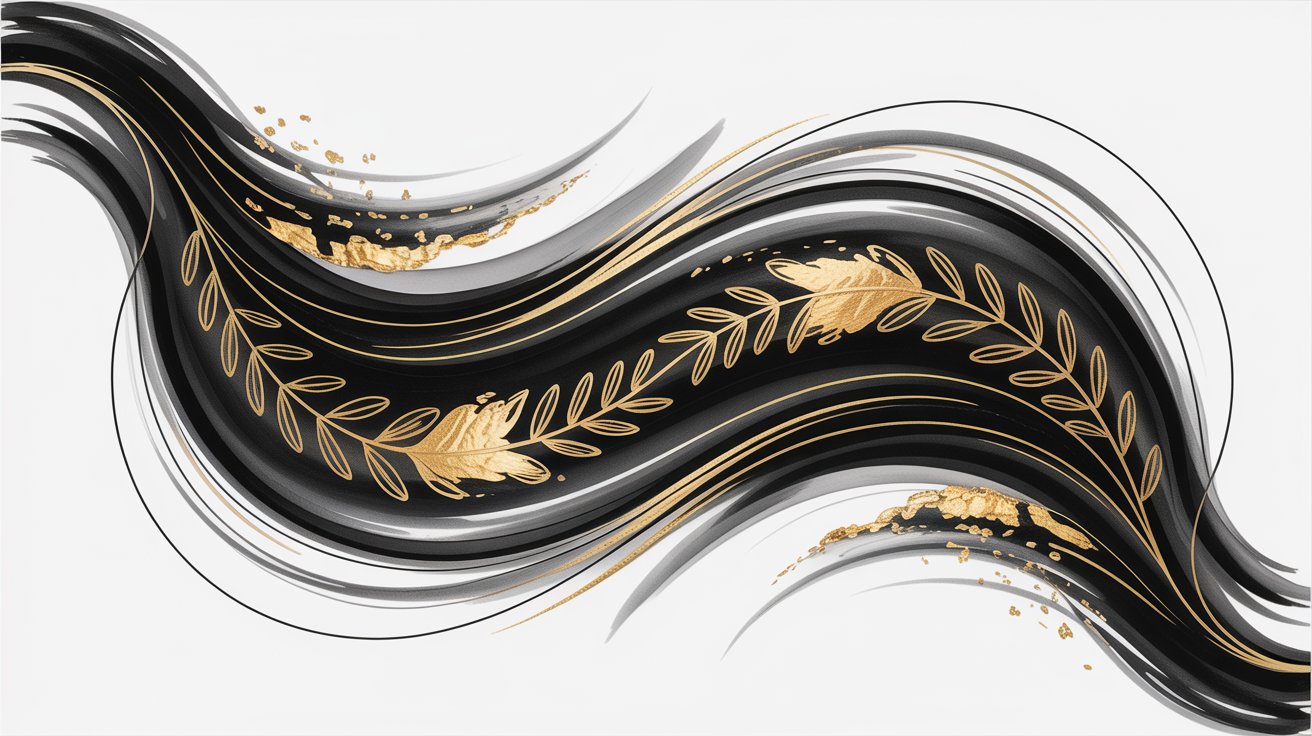
Let your ink drawing dry completely, then add highlights using a white gel pen or small areas of gold leaf. The contrast between dense black ink and metallic detail is very strong. I first tried this on a botanical piece and the result looked like something out of a printed art book.
22. Comic Strip Panels in Ink
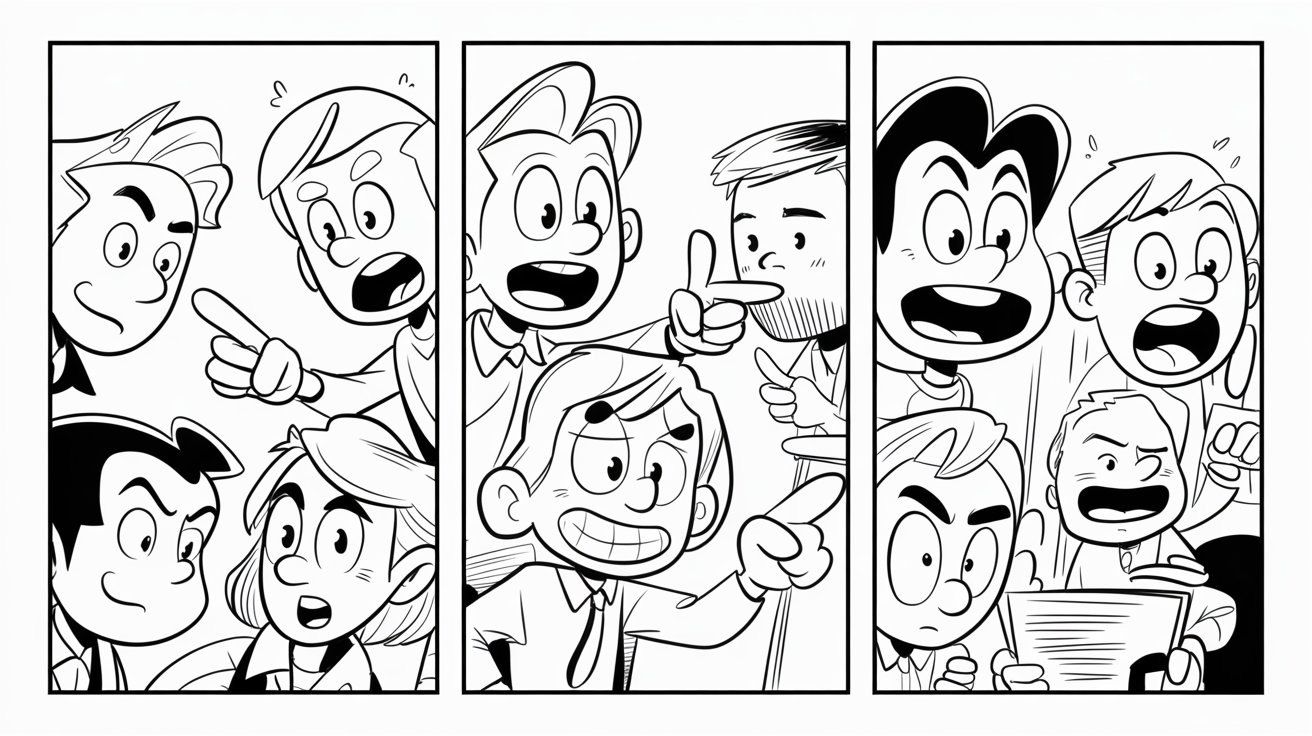
Plan a three or four-panel story. Sketch the layout, rough in the characters, then ink everything cleanly. You don't need a complex story. Even a simple interaction between two characters teaches composition, expression, and visual pacing in one go.
23. Negative Space and Silhouette Work in Ink
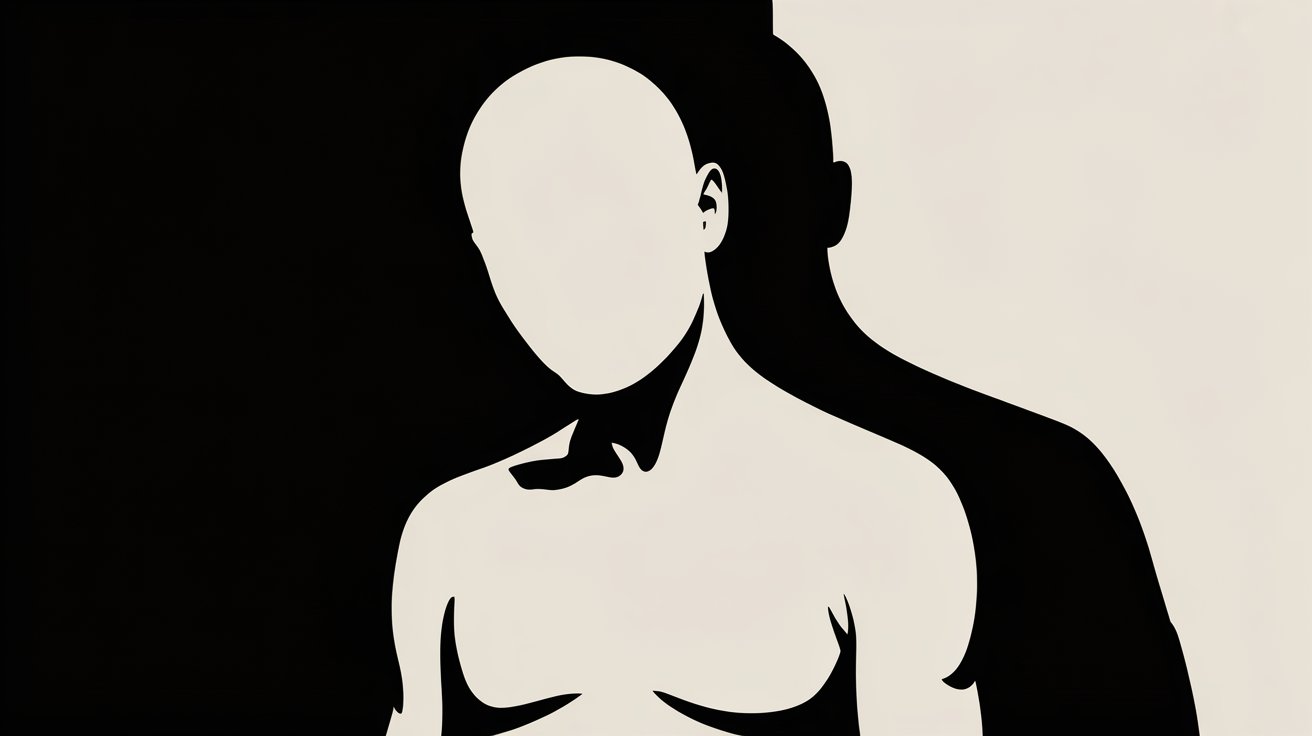
Instead of drawing the subject itself, fill in everything around it with solid black ink. The subject is defined entirely by what you leave blank. This is a different way of thinking about a drawing and produces strong, graphic results with less technical complexity than most other prompts.
24. High-Contrast Blackout Ink Art

Block out large sections of the page with solid black and let only key shapes remain white. The visual impact is immediate. You don't need strong linework for this approach. The boldness of the black carries the visual weight. It's a great technique while your lines are still developing.
25. Sci-Fi Scenes with Mechanical Ink Details
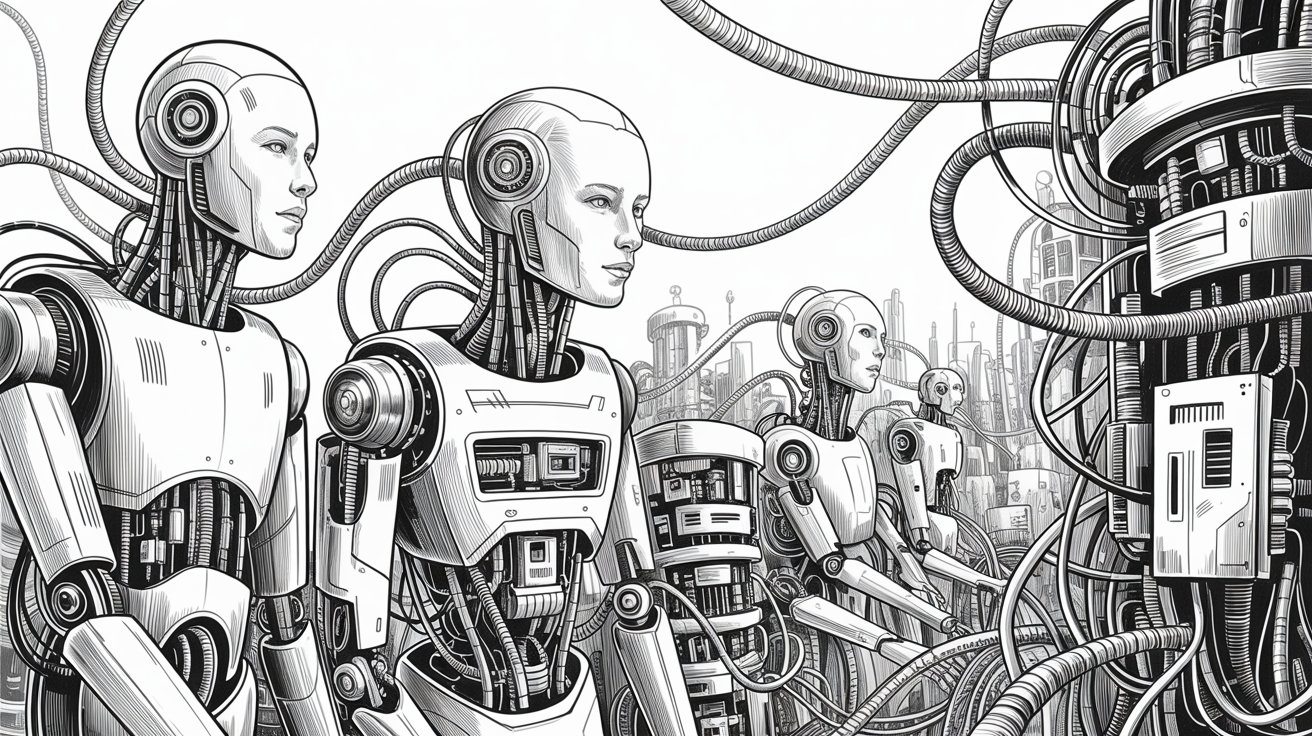
Robots, spaceships, and futuristic environments with wires, panels, and mechanical textures. Ink handles this kind of precision work really well. Consistency in line weight and spacing is the main thing to focus on. Reference from films and games helps a lot here.
26. Tattoo Design Concepts in Ink
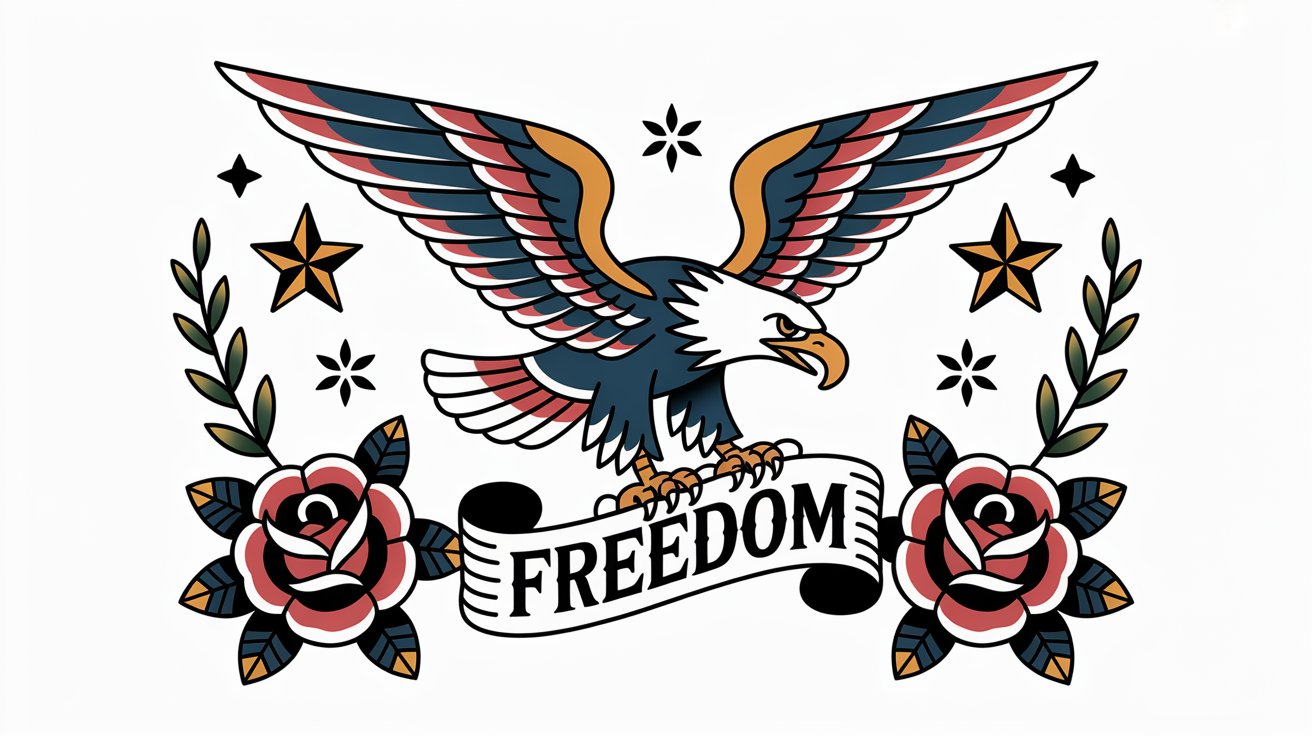
Study traditional tattoo art and practice drawing in that style. Bold outlines, solid fills, and strong use of black with clear negative space. It teaches you to design images that read well at a small scale without relying on color. It's a very different mindset from loose sketching.
27. Experimental Texture Studies (Fur, Water, Metal)
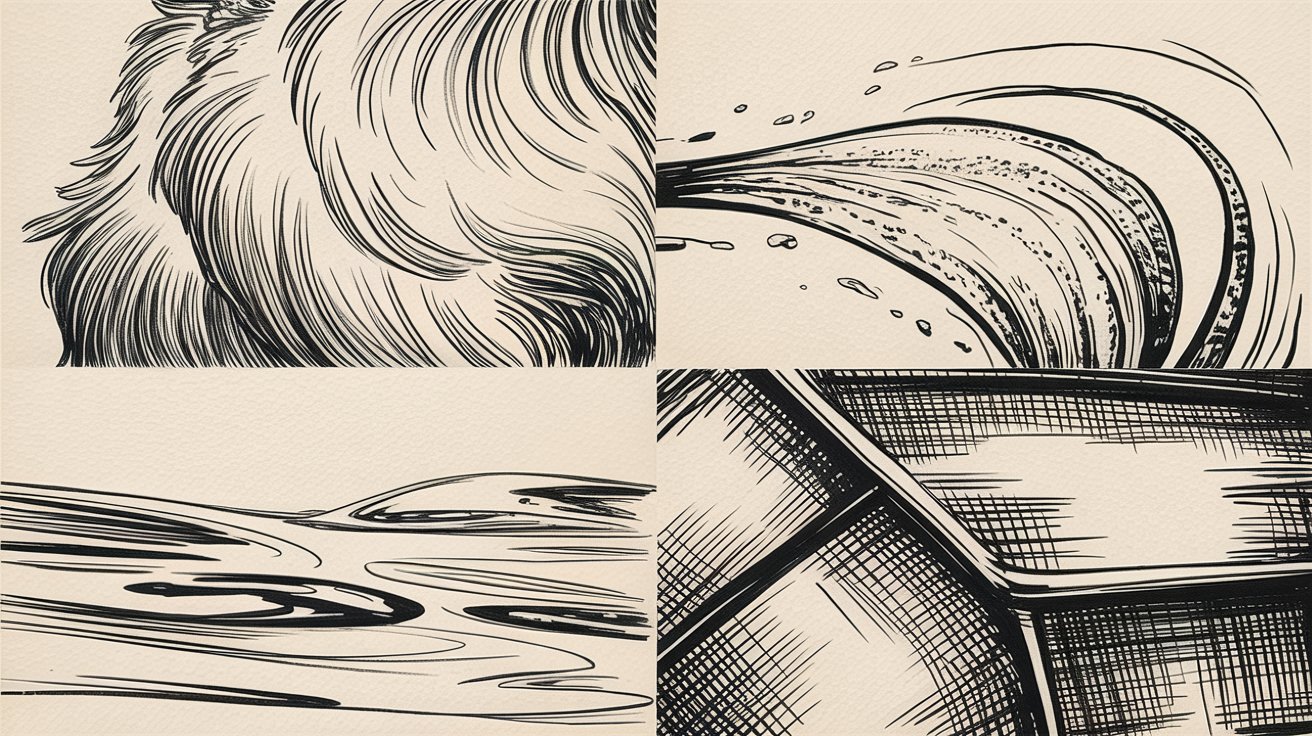
Pick one texture and dedicate a full page to it. How do you show fur with just lines? How do you make water look wet or metal look reflective? These focused studies improve your overall linework faster than almost any other exercise on this list.
How to Pick the Right Idea for Your Skill Level
Start with #1, #4, or #7 if you're new. These need no special technique and get you drawing right away.
Intermediate artists will get the most from #10, #15, or #18. Those push technical skill without being overwhelming.
If you've been at it a while, try #19, #23, or #27. They require a different way of thinking and often lead to your most original work.
Common Mistakes to Avoid in Ink Drawing
Rushing is the biggest one. Slowing down immediately improves line quality.
Using the wrong paper comes second. Bleed-proof paper or smooth bristol board makes a real difference. Switching from notebook paper early on was one of the best changes I made.
Skipping the pencil sketch is another common issue. Planning first is not cheating. Most professional artists sketch before they ever pick up a pen.
Best Tools for Ink Drawing (Beginner to Pro)
Let’s have a quick look at the types of best tools:
For beginners:Micron or Staedtler fineliner pens in 03 and 05 sizes cover most situations. They're consistent, portable, and easy to control from day one.
For mid-level artists:A dip pen with India ink lets you vary line weight naturally within a single stroke. The Nikko G nib is a reliable and affordable starting point.
For advanced work:Brush pens like the Pentel Pocket Brush give you a full range from thin to thick in one tool. The learning curve is real but the results are worth the practice.
How to Build a Daily Ink Drawing Habit
Keep your sketchbook open on your desk, not stored away. Visible tools actually get used. Hidden ones don't.
Set a small daily target. Even one sketch, no matter how quick, builds skill over time. I went from struggling with basic shapes to filling sketchbooks regularly. It started with just ten minutes a day.
Don't wait for inspiration before sitting down. Pick one prompt from this list and start. Most ideas come while you're already drawing, not before.
Conclusion
Ink drawing gets easier every time you show up for it.
This list covers 27 different sketch prompts and exercises, from simple line art all the way to complex texture work and surreal concepts.
There's something here regardless of your skill level or how much time you have.
Start with #1, #4, or #7 if you're just beginning. Move to #10, #15, or #27 once you want a real challenge. The most important thing is picking one and actually starting.
One mark on the page leads to another. Before long, you'll have a sketchbook full of work you're genuinely proud of.
So, which prompt are you picking up your pen for first?
Frequently Asked Questions
Can beginners start ink drawing without any art background?
Yes. Prompts like doodle patterns, simple line faces, and everyday objects need no prior training at all. A pen and paper is all it takes to begin.
What pen should a beginner use for ink drawing?
A Micron or Staedtler fineliner in size 03 or 05 is a solid first choice. Both are consistent, affordable, and easy to find at most art supply stores.
How do I correct mistakes in ink drawing?
A white gel pen or white gouache covers small errors well without ruining the rest of the piece. Starting with a pencil sketch underneath prevents most mistakes before they happen.
How often should I practice to see real improvement?
Daily practice, even just ten minutes, builds skill faster than long sessions once a week. Consistency over time matters far more than the length of individual sessions.
Is ink drawing harder to learn than pencil drawing?
The early curve is steeper because there's no erasing. But that challenge is also what builds hand confidence and drawing speed faster than pencil work alone.
