


Learning how to make peach color is simpler than you think. I’ve spent years mixing colors for different projects, and peach is one of my favoritesp>
This guide shows you exactly what colors make peach and how to get the right shade every timep>
You’ll learn mixing methods for paint, food coloring, and other materials. We’ll cover the step-by-step process, common mistakes to avoid, and tips for perfect resultsp>
I’ve tested these techniques myself across all mediums. You’ll find everything from basic color theory to practical mixing ratios. Soon you’ll create peach tones for your art, baking, crafts, and more.
What Colors Make Peach Color
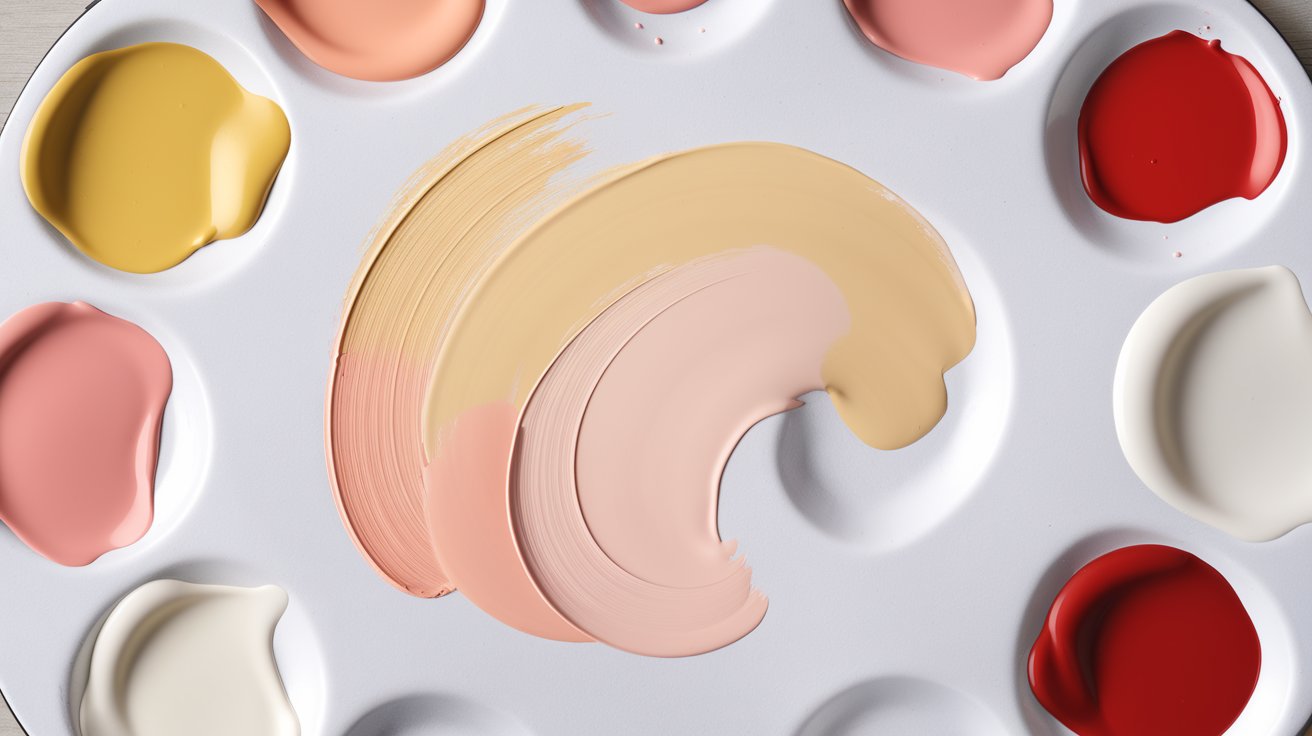
Peach is a soft, warm color that sits between orange and pink. You create it by combining warm and cool tones in specific amounts.
The basic method uses red, yellow, and white. Mix red and yellow to create orange, then add white until you reach a soft peach tone. Use more yellow than red for warmer peach.
The fastest method mixes yellow and pink in equal parts. Add white to lighten as needed. Adjust with more yellow for golden peach or more pink for coral peach.
You can make peach without white by using yellow as your base. Add a tiny amount of red to yellow. This creates a transparent peach perfect for watercolors and glazes.
How to Make Peach Color Step by Step
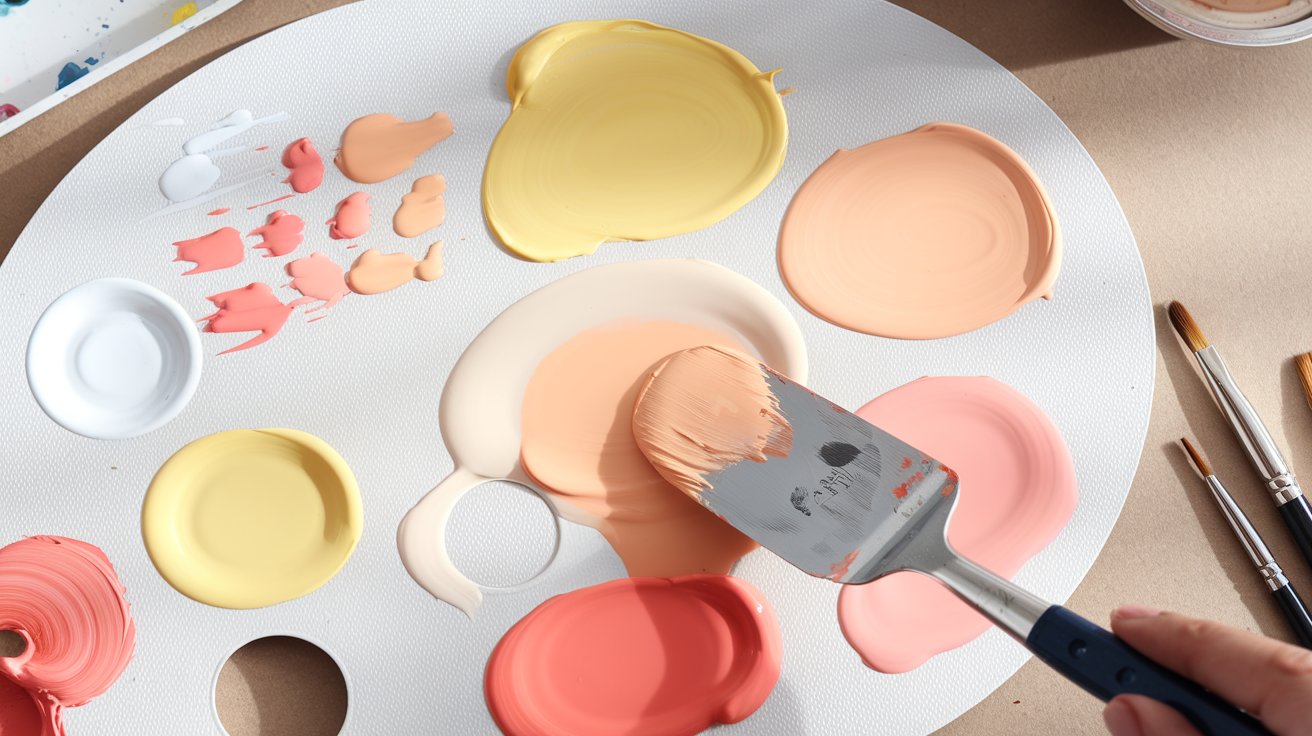
Follow these steps for consistent results every time you mix peach.
How to Make Peach Color in Paint
This simple six-step process works for any type of paint you’re using.
Step 1: Put white paint on your palette first.
Step 2: Add a small amount of yellow to the white.
Step 3: Mix in a tiny bit of red.
Step 4: Blend thoroughly until the color is even.
Step 5: Test the color on scrap paper.
Step 6: Adjust by adding more of any color as needed.
Start with white as your largest amount. Yellow should be your second largest. Red is the smallest amountp>
This 5:3:1 ratio gives you a classic peach.
How to Adjust Light and Dark Peach Shades
Small adjustments make big differences in your final peach tone.
For lighter peach: Add more white paint to your mix. Each addition makes it softer and pastelier.
For darker peach: Add tiny amounts of red or orange. You can also add a touch of brown for a deeper, muted peach.
For brighter peach: Increase the yellow content. This makes the color more vibrant.
For muted peach: Add a small amount of gray or its complement (blue). This tones down the intensity.
Common Peach Color Mixing Mistakes
Using too much red turns your peach into salmon or coral. Add yellow to fix this. Adding colors too fast makes it hard to control the shade. Always add small amounts.
Not mixing thoroughly creates streaky, uneven color. Blend until completely smooth. Forgetting to test means you might not like the final result. Always test on paper or a small area first.
Using cool-toned reds creates muddy peach. Stick with warm reds like cadmium red or vermillion.
How to Make Peach Color with Paint (All Mediums)
Each paint type behaves differently. Here’s how to work with each one.
How to Make Peach Color Paint for Beginners
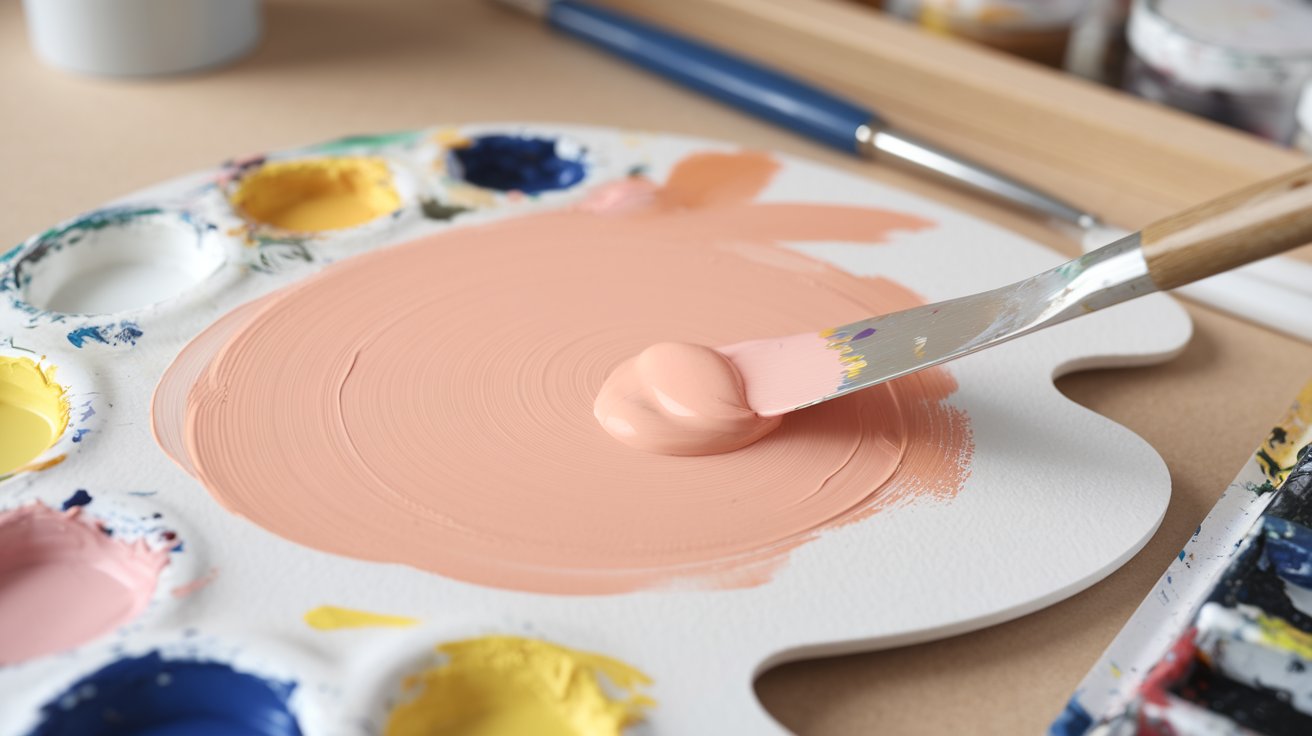
Start with premixed colors if you’re new to this. Use white, yellow, and pink from tubes. Mix equal parts yellow and pink firstp>
Add white until you get the shade you want. Keep notes on your ratios so you can recreate the shade later.
How to Make Peach Color with Acrylic Paint
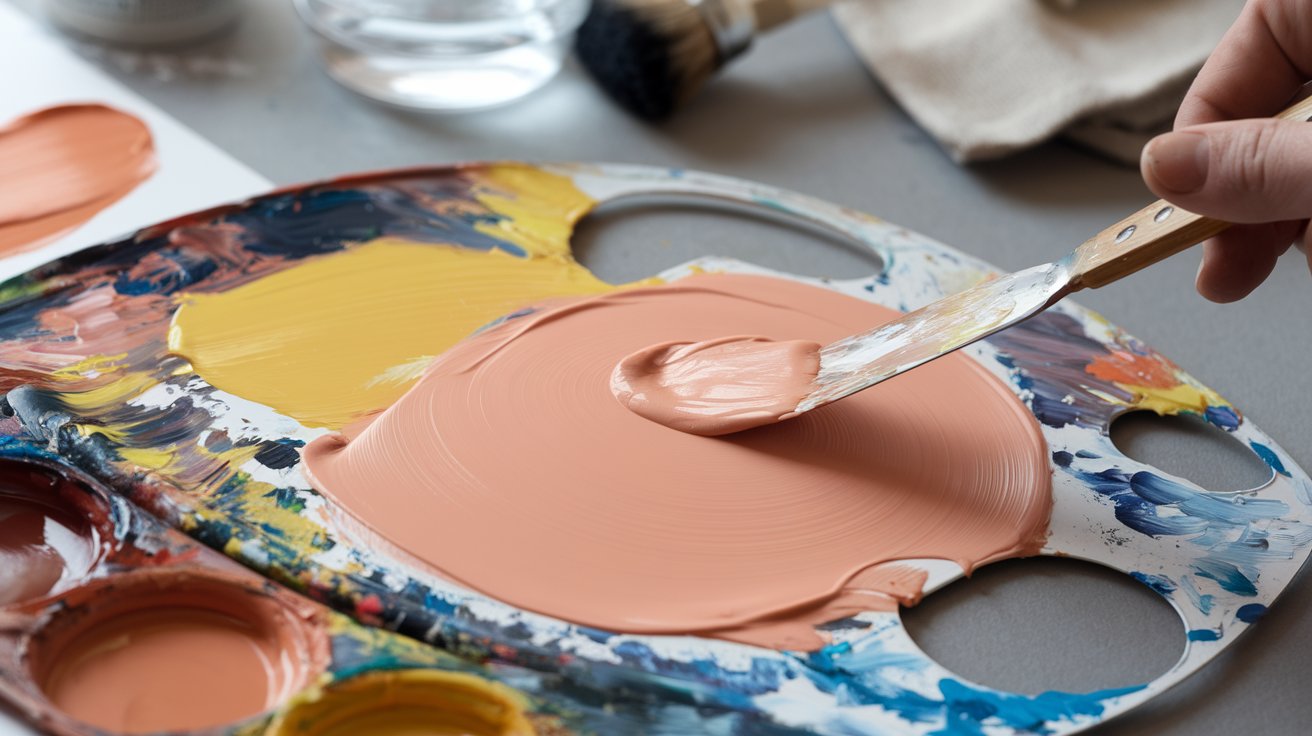
Acrylics dry darker than they look when wet. Mix your peach slightly lighter than your target shade. Use titanium white for the best coveragep>
Add yellow ochre or cadmium yellow, then mix in a touch of cadmium red. Blend on a palette with a knife for even color. Acrylics dry fast, so mix enough for your project.
How to Make Peach Color Watercolor

Watercolors work differently because they’re transparent. Start with wet paper for softer blends. Apply yellow wash first. While it’s still damp, add a tiny bit of redp>
Let the colors blend naturally on the paper. For a deeper peach, add more layers after the first dries. No white needed since the paper provides lightness.
How to Make Peach Color with Food Coloring
Food coloring follows the same rules but needs different techniques for icing and frosting.
Use gel food coloring for better control than liquid. Start with white icing as your base. Add yellow gel coloring first, then add one tiny drop of red or pinkp>
Blend thoroughly and test by piping a small amount on parchment paper. The color looks lighter in the bowl than on the cake.
For royal icing, make it lighter than you want since the color intensifies as it dries. Buttercream holds color well, so start light and build up gradually. Cream cheese frosting needs less yellow coloring due to its natural yellow tone.
Quick ratios for gel food coloring per cup of white icing:
Light peach: 4 drops yellow, 1 drop pink
Medium peach: 6 drops yellow, 2 drops pink
Coral peach: 5 drops yellow, 3 drops pink
Golden peach: 8 drops yellow, 1 drop pink
How to Make Peach Color with Other Materials
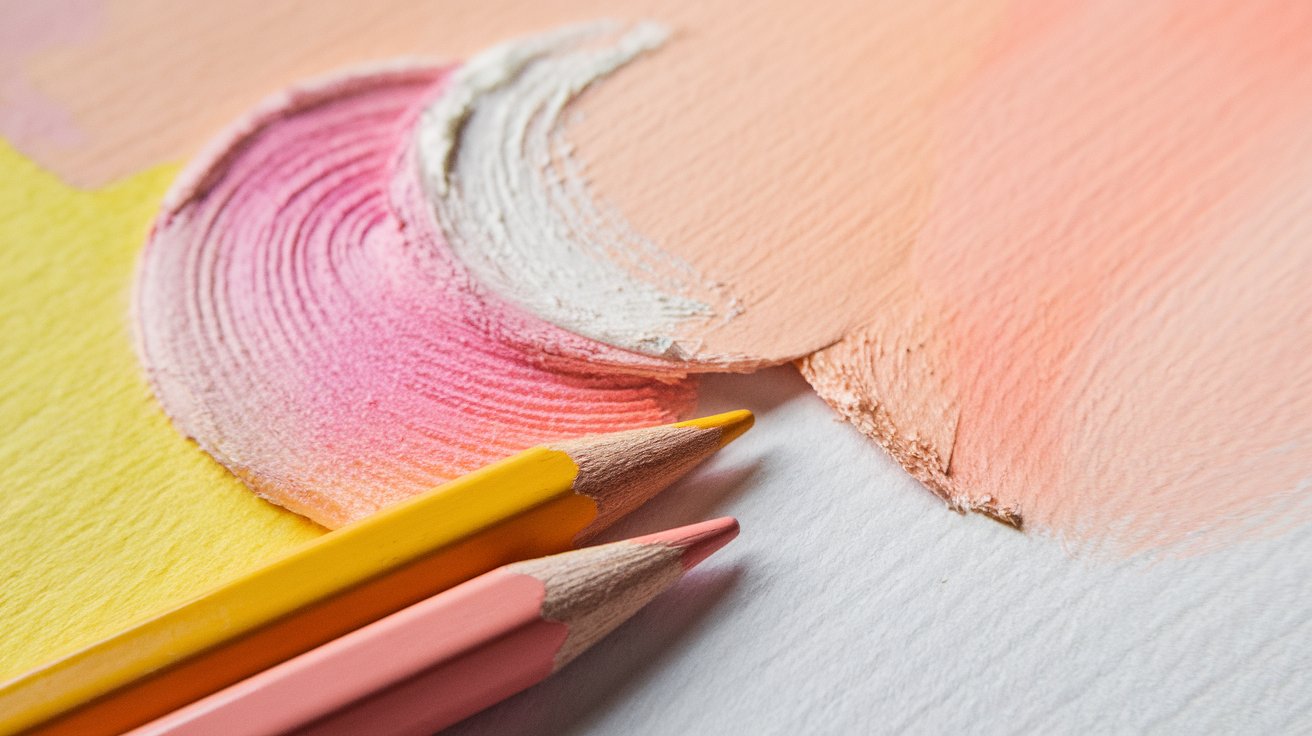
Peach works in many different mediums beyond paint and food.
How to Make Peach Color with Colored Pencils
Layer yellow first across your entire area. Press lightly. Add pink or light red on top using circular motions to blendp>
Add white or cream on top to soften the colors together. You can also use a blending pencil or colorless blender to smooth the layers into one cohesive peach tone.
How to Make Peach Color Clay
Polymer clay mixes like paint. Take white clay as your base (about 70% of total). Add yellow clay (about 25%) and red or pink clay (about 5%)p>
Knead thoroughly until the color is even throughout. The clay color when raw matches the baked color. Make test beads and bake them to confirm your shade.
How to Make Peach Color Nail Polish
Mix clear nail polish with crushed yellow and pink eyeshadow pigments. Add to clear polish and shake wellp>
You can also blend existing nail polishes by pouring yellow polish into a small container and adding drops of pink or coral polish. Mix with a toothpick using a 3 parts yellow to 1 part pink ratio.
Tips for Getting the Perfect Peach Color Every Time
Master these simple tips to mix the perfect peach shade on your first try.
- Start with the right ratios. Classic peach uses 5 parts white, 3 parts yellow, and 1 part red. Adjust based on your paint brand and desired shade.
- Always test before final use. Apply a small swatch and let it dry completely. Colors look different wet versus dry, especially with paint and food coloring.
- Check your color in different lighting. View your peach under natural light and where you’ll display it. Lighting changes how colors appear to the eye.
- Compare your shades to real peaches. Keep reference images of actual peaches nearby when mixing. This helps you create realistic and pleasing tones every time.
- Make sample pieces first. Test your color on scrap material before applying it to your final project. A small test saves you from redoing entire projects.
Conclusion
Now you know how to make peach color for any project you have in mind. I still remember my first attempt at mixing peach for a painting. It came out way too pink. But practice makes perfectp>
Start with the basic white, yellow, and red method. Test your colors before committing. Keep notes on what works. Soon you’ll mix the perfect peach shade without even thinking about itp>
Try making peach today and share your results in the comments below. What will you create first?
Frequently Asked Questions
What two colors make peach?
Yellow and pink make peach when mixed together. You can also use red and yellow, then add white. Mix them in a 3:1 ratio of yellow to pink for best results.
Can you make peach without white paint?
Yes, use yellow as your base instead of white. Add a very small amount of red to the yellow. This creates a transparent peach tone that works well for watercolors and glazes.
Why does my peach color look orange?
You’re using too much red or not enough white. Add more white to lighten it and more yellow to warm it up. This will shift the orange back to peach.
What is the difference between peach and coral?
Peach is softer and contain more yellow and white. Coral is brighter with more red and less white. Coral leans toward pink-orange while peach leans toward yellow-pink.
How do I make my peach color less pink?
Add more yellow to your mix. Yellow neutralizes the pink tone and warms up the color. Start with small amounts and blend thoroughly until you get the right shade.
