


Mixed media art looks impressive, but most tutorials make it too complicated. You want cool results without spending hours figuring out fancy techniques or buying expensive supplies. That’s where this guide comes in.
I’ve spent years teaching art classes and making mixed media pieces that actually sell. This article gives you tried-and-tested ideas that work for beginners and experienced artists alike.
Each project uses everyday materials you can find at any craft store or even around your house.
You’ll learn simple layering tricks and color combinations that make your work stand out. I’ll show you exactly which materials stick together and which don’t, so you won’t waste time or supplies.
These techniques have helped hundreds of my students create art they’re proud to hang on their walls or give as gifts. Let’s make something great together.
Basic Materials for Easy Mixed Media Projects
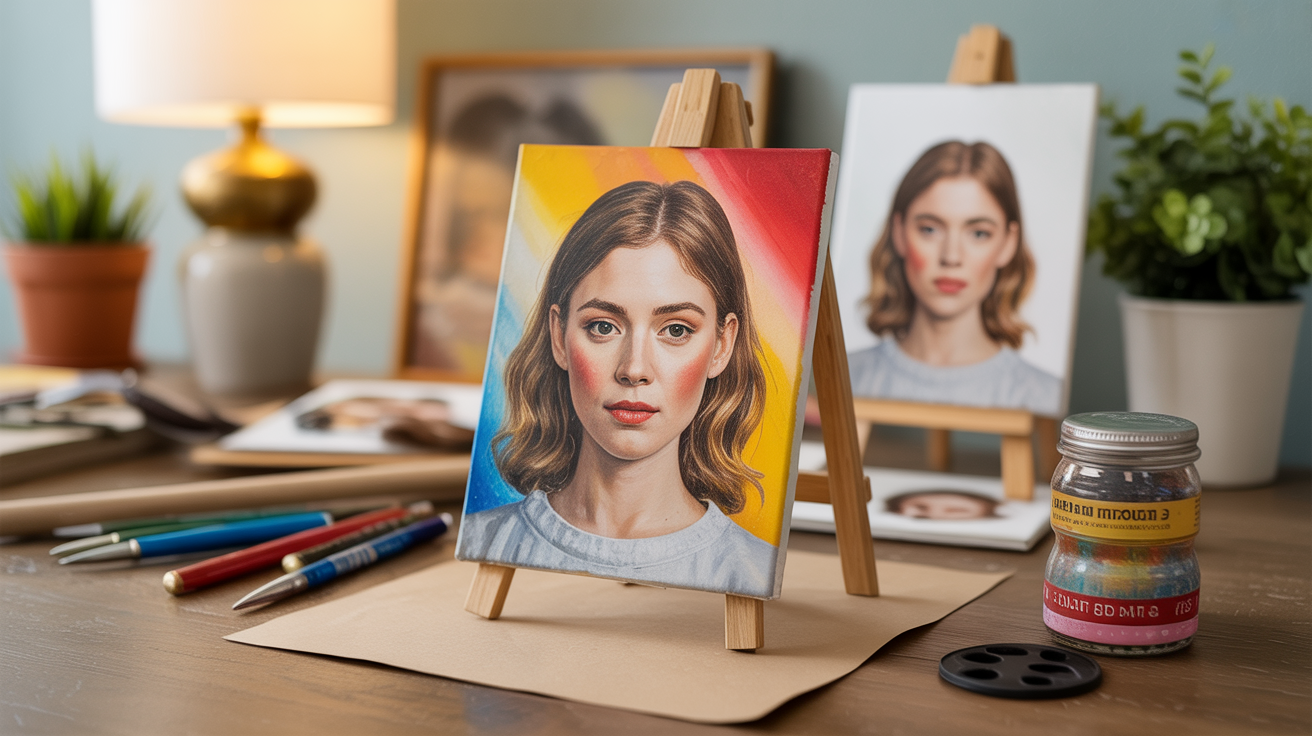
You don’t need a huge art supply budget to start. Mixed media works with what you already have at home.
I recommend starting small and building your collection as you go. Grab a few basics, and you’re ready to create.
- Start with basics: Get acrylic or watercolor paints, markers, and colored pencils. Add different papers like scrapbook sheets, tissue paper, or old newspaper. Brushes and sponges help you apply paint in different ways, as foam brushes work great, too.
- Add texture items: Look around your house for buttons, fabric scraps, or shells from your last beach trip. Stencils and stamps create quick patterns. Keep gel medium or Mod Podge on hand to stick everything down and seal your work.
- Pick your surface: Canvas boards give you a sturdy base that won’t bend. Cardboard works if you’re testing ideas or on a budget. Wood panels add weight and texture. Use a visual journal or sketchbook to practice and experiment without pressure.
Step-by-Step Techniques for Eye-Catching Mixed Media Art
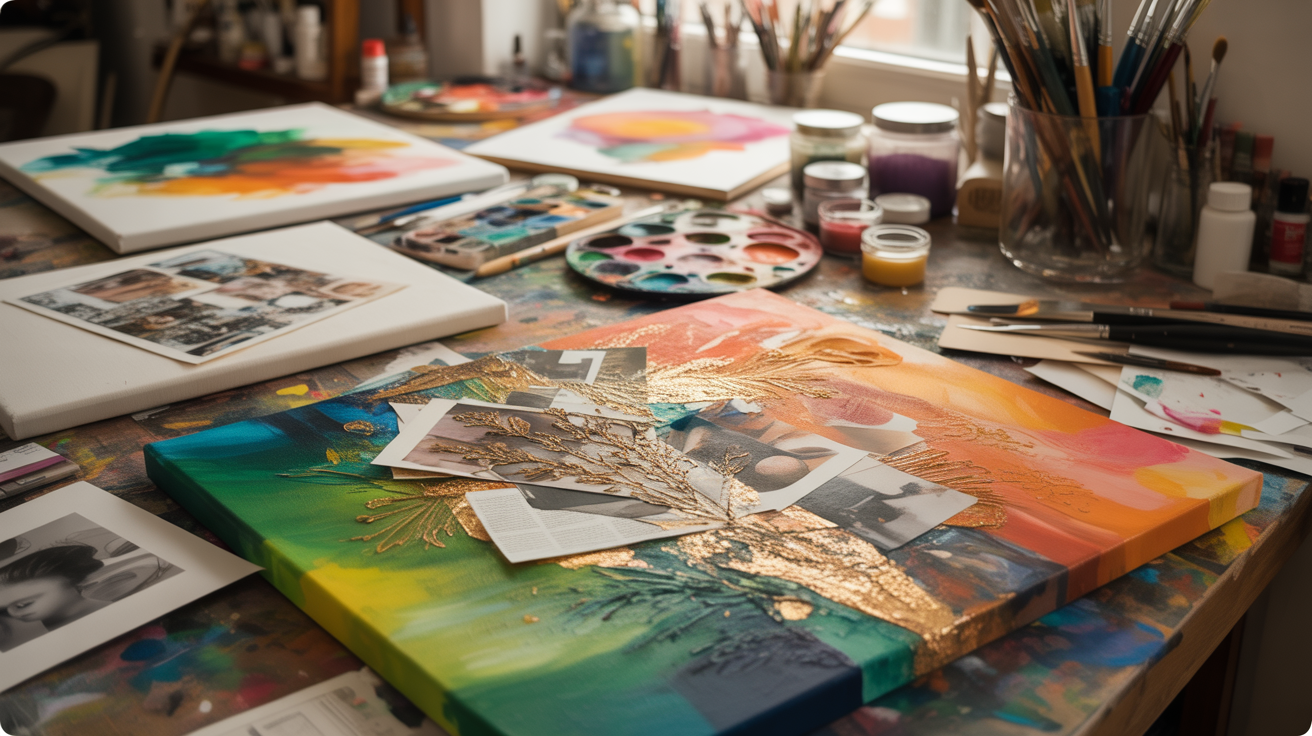
Mixed media art becomes easier when you follow a basic process. I’ll walk you through each step so you don’t feel lost staring at a blank canvas.
These techniques work if you’re making your first piece or your hundredth. The key is taking it one layer at a time instead of rushing.
- Plan your theme: Pick a focal point, color scheme, or theme before you start. Lay out your materials on the table and arrange them until the composition feels right. This saves you from regretting placements later.
- Start with background: Paint or glue down your base layer first and let it dry completely. This foundation gives you something to build on and sets the mood for everything else you’ll add.
- Layer for depth: Add textures like stencils, stamps, and paper pieces on top of your base. Place focal elements like drawings or cutouts next, using contrast between light and dark to create emphasis and visual interest.
- Glue it down: Use Mod Podge or gel medium for paper layers and heavier objects. Seal all edges flat so nothing peels up later, then let your piece dry overnight before touching it.
- Experiment freely: Mix unusual materials like watercolor with oil pastel or tissue paper under acrylic paint. Embrace happy accidents and play without worrying, as those “mistakes” often become the best parts of your art.
13 Easy Mixed Media Art Ideas and Their Making Process
These projects give you clear steps to follow from start to finish. I’ve organized them from simple to slightly more complex, so you can build confidence.
Each idea uses different materials and techniques, which means you’ll never get bored. Pick one that sounds fun and gather your supplies.
1. Paper and Paint Collage
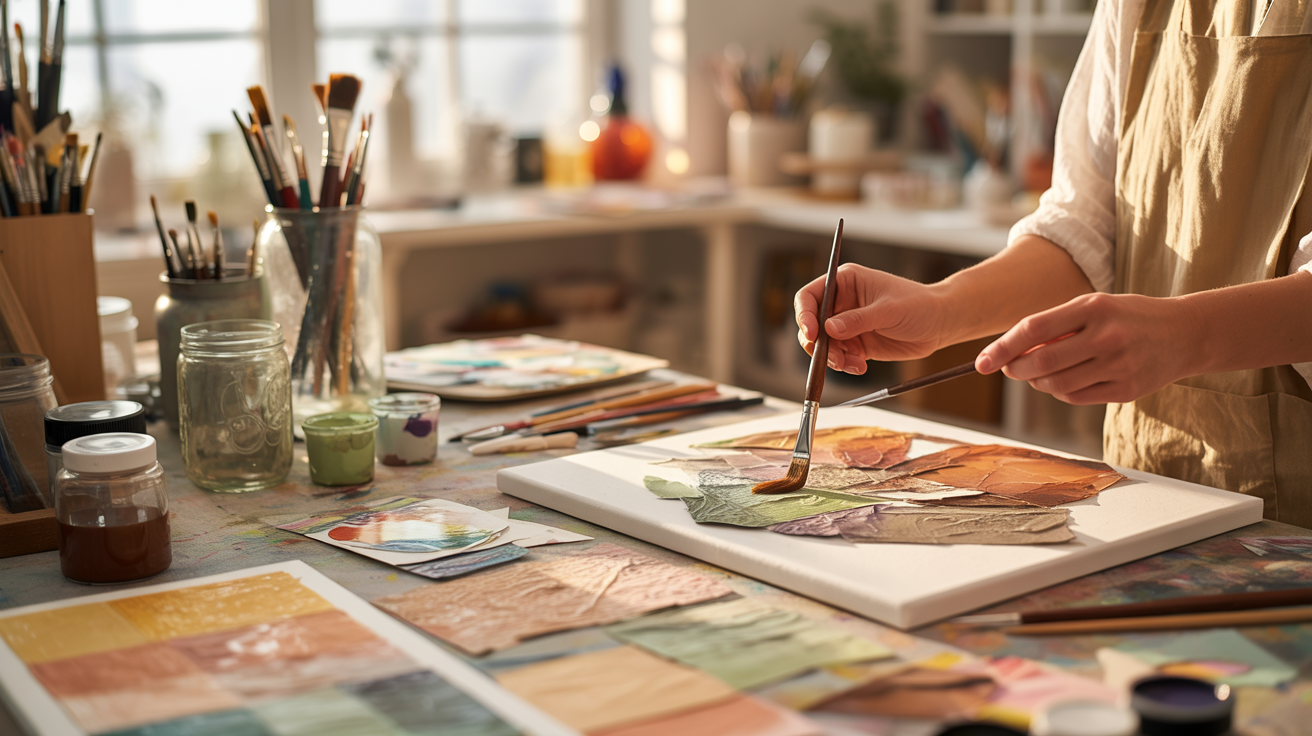
Start by painting your canvas or board any color you like. Let it dry completely before moving on.
Tear or cut colorful paper into shape, and don’t worry about ideal edges. Glue the pieces onto your painted surface in any pattern that looks good to you.
Add pen or marker details around the edges or on top for extra accents. This basic project teaches you how to paint and paper work together.
2. Mixed Media Cross or Symbolic Art
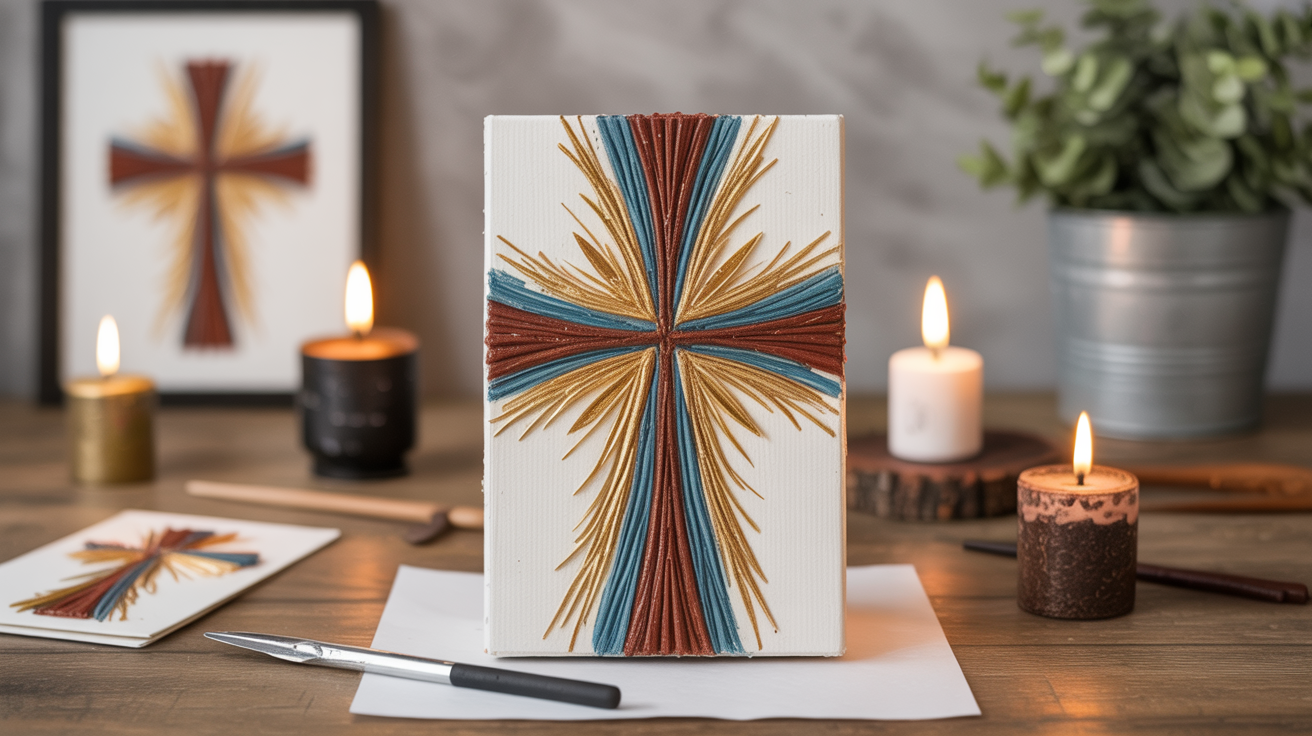
Pick a symbol that means something to you, a cross, heart, star, or anything else. This becomes your focal point.
Layer scrapbook paper or old sheet music as your background and glue it down. Paint your symbol directly on top, or cut it from paper and glue it on.
Add metallic or gold paint accents around the symbol to make it stand out. Religious or meaningful symbols work attractively in mixed media because the layers add depth to the meaning.
3. Visual Journals and Sketchbook Pages
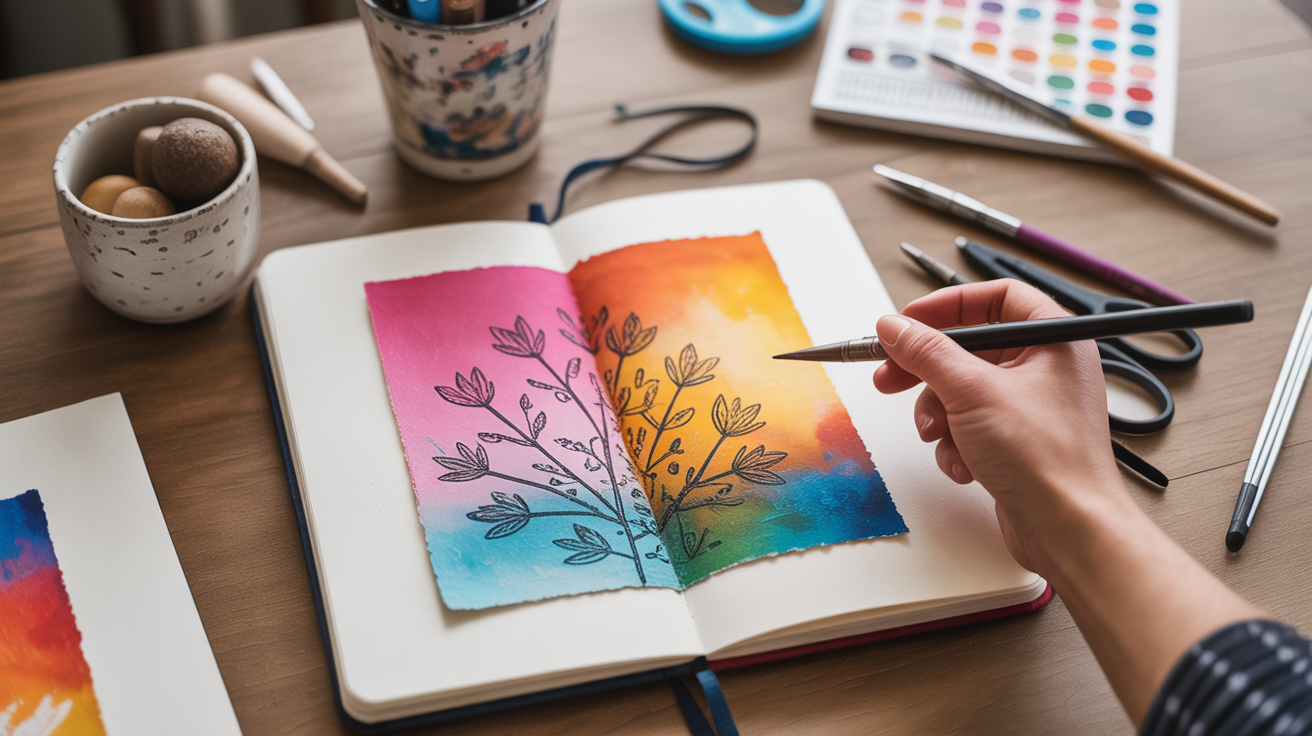
Choose two or three materials like watercolor, markers, and collage paper. Keep it simple so you don’t get overwhelmed.
Paint or layer background colors on your journal page first. Add textures using stamps, patterns, or simple doodles on top.
Focus on expressing yourself instead of making it look ideal. Journal pages are for experimenting and recording your thoughts visually. Nobody needs to see them but you.
4. Artist Trading Cards
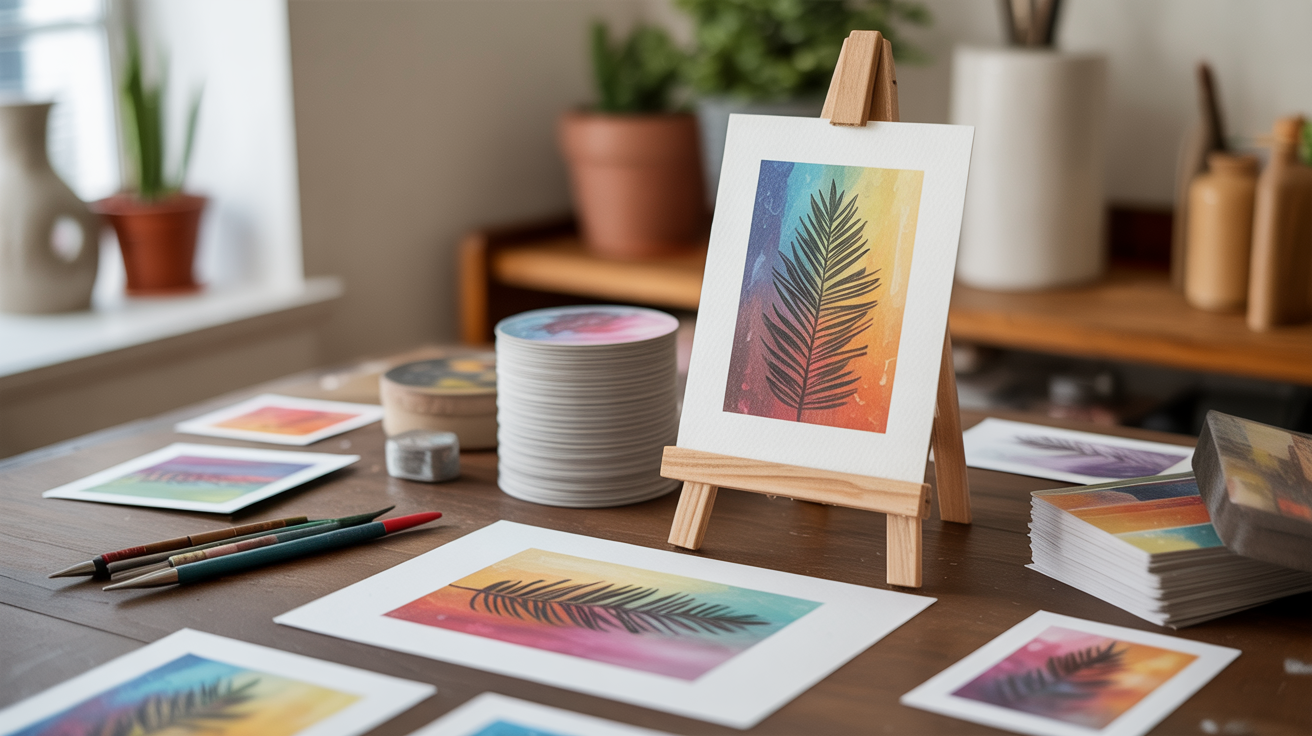
Cut small cards that measure 2.5 inches by 3.5 inches from cardstock. This tiny size makes projects quick to finish.
Paint or collage a background on each card. Add at least one other material like ink, pastel, or marker on top.
Make several cards at once so you can try different color combinations. Small cards let you test ideas without wasting materials or time on big pieces.
5. Mixed Media Plus Printmaking
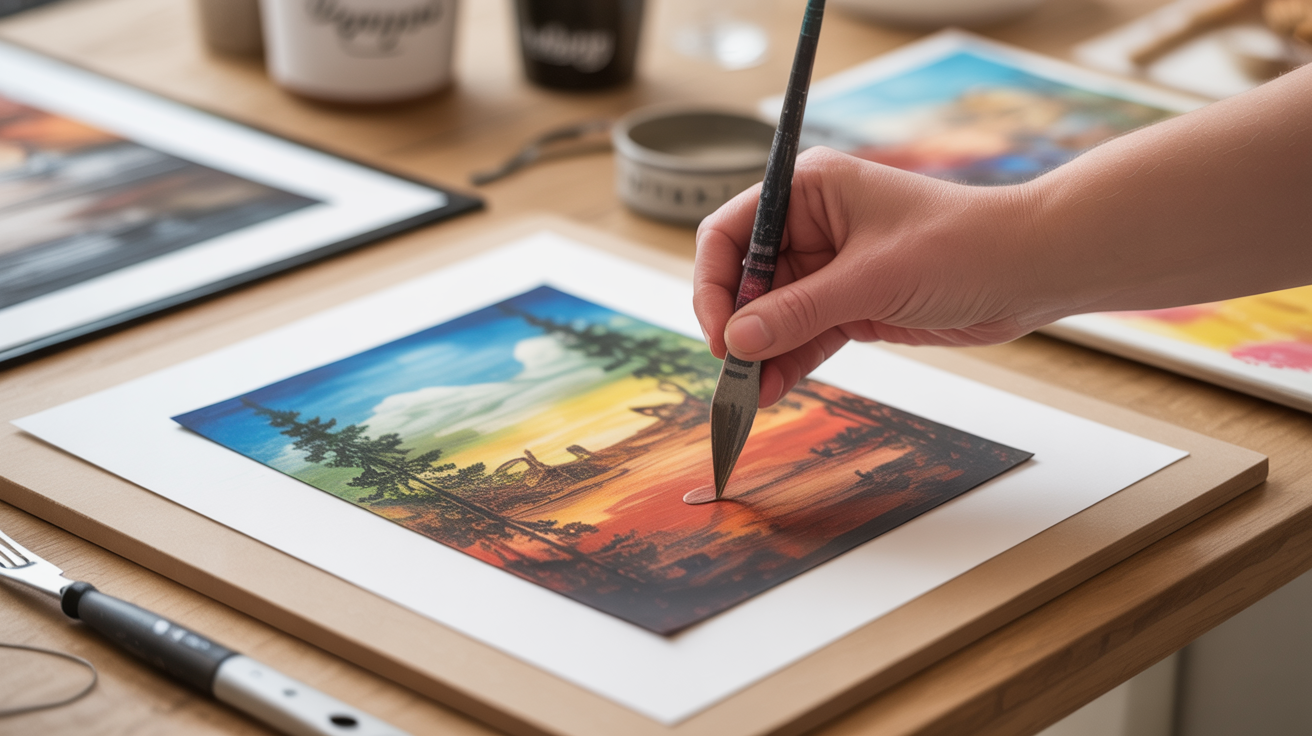
Make a simple print using a gelli plate, carved block, or even a textured surface. Pull the print onto your paper.
Use the ghost print or negative spaces creatively, as these “leftovers” often look cooler than the main print.
Layer watercolor, ink, or even hand stitching over your print for added texture. Combining printmaking with other materials creates unexpected results you couldn’t plan.
6. Collage Portraits
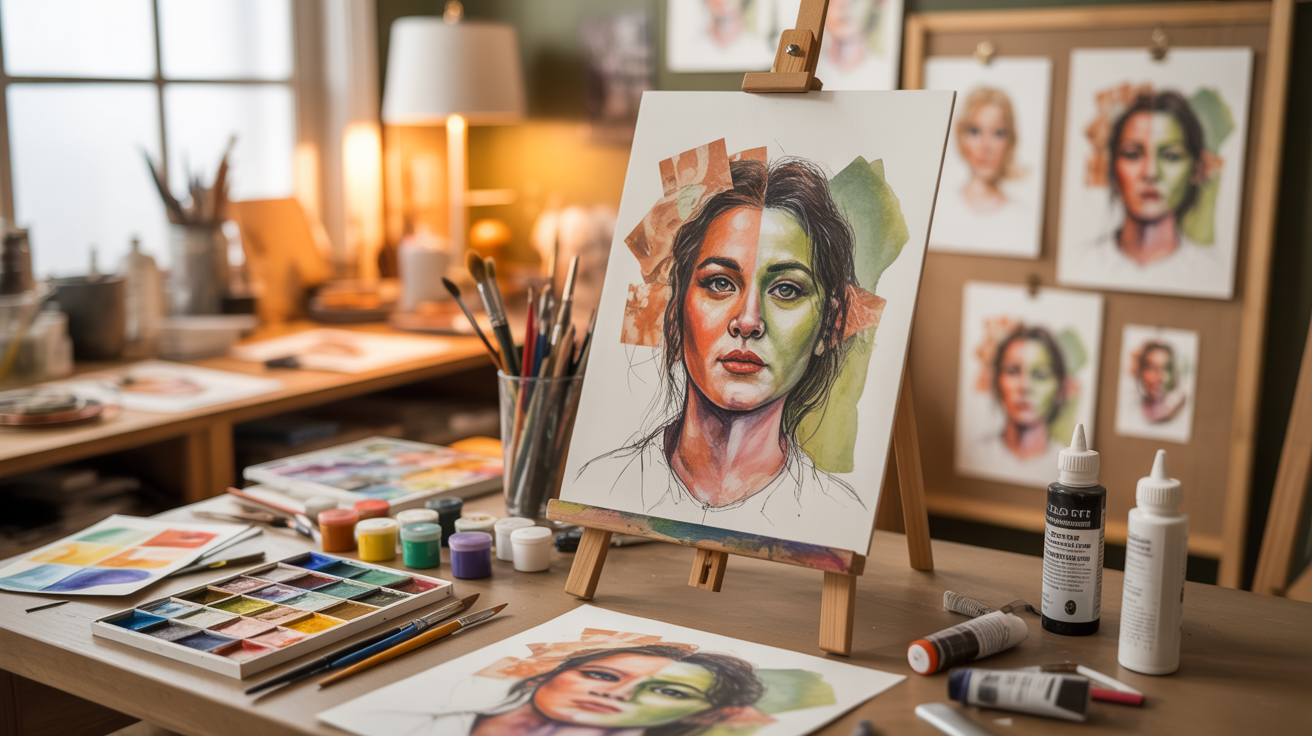
Draw a simple portrait outline with a pencil, just basic shapes for the head, eyes, nose, and mouth. Keep it loose.
Layer paper, fabric, or interesting textures to fill in the face, hair, and clothing areas. Add marker or pen details for features like pupils, lips, and wrinkles.
You don’t need to be good at drawing faces because the collaged textures do most of the work for you.
7. Nature-Inspired Art
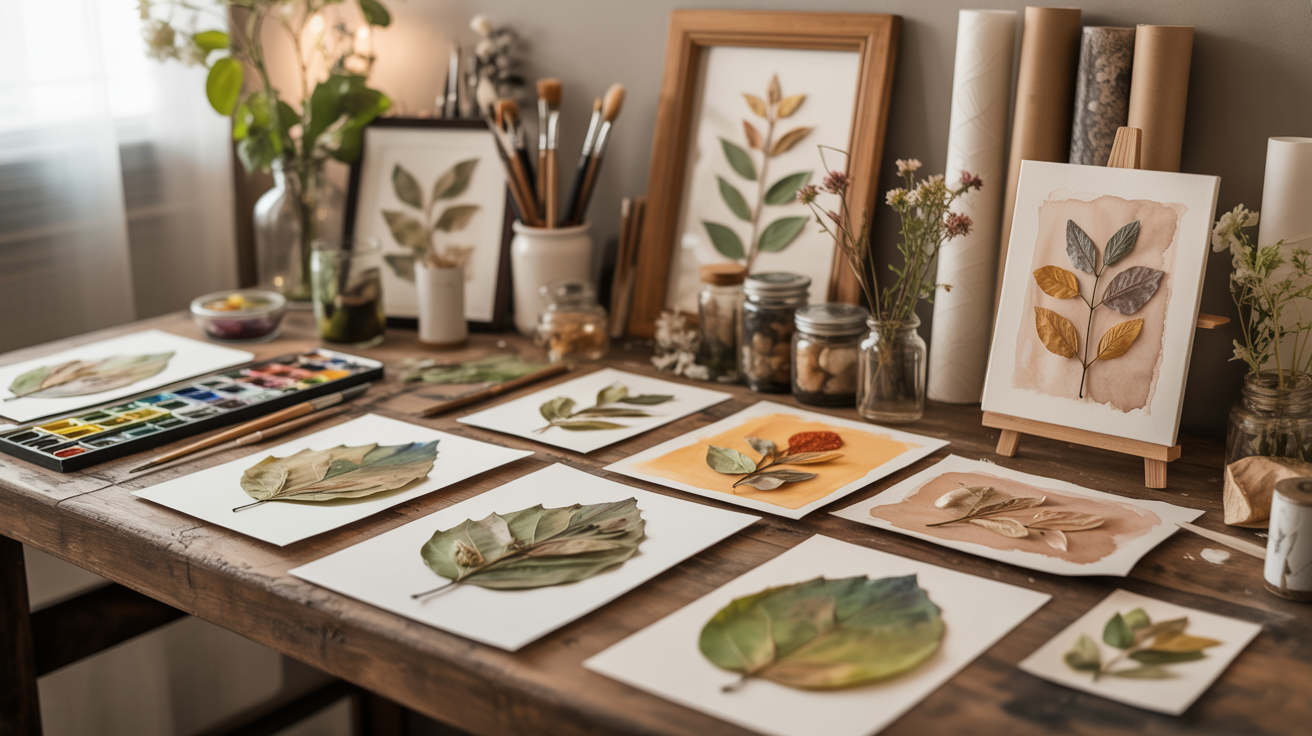
Take a walk and collect leaves, small flowers, or interesting twigs. Bring them home to use in your art.
Paint a background or sketch simple shapes like trees or mountains. Glue your natural elements onto the painted surface where they make sense.
Improve with extra paint or ink around the real objects to blend them in. Natural items add organic texture that’s impossible to fake with just paint.
8. Seasonal or Holiday-Themed Projects
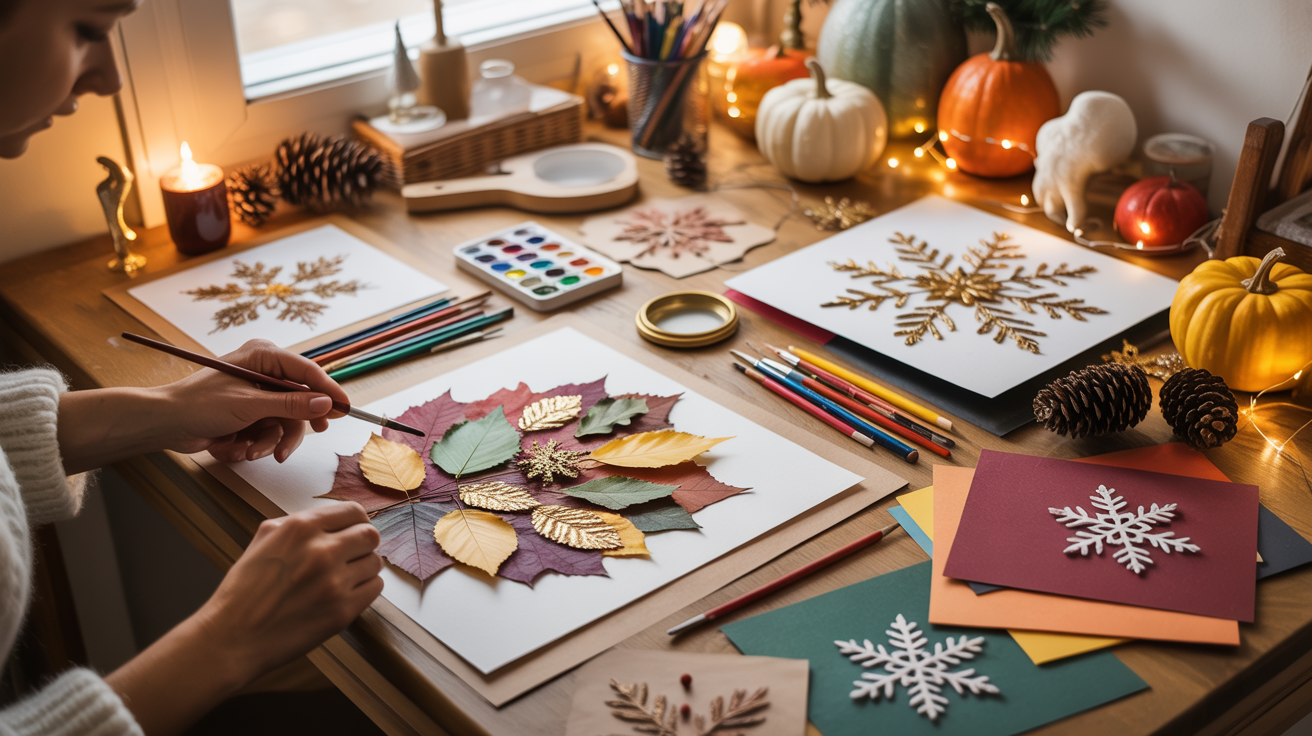
Pick a theme based on the current season, fall leaves, winter snowflakes, spring flowers, or summer sun. Holidays work great too.
Layer papers, fabrics, and small embellishments that match your theme. Add paint in seasonal colors, then finish with glitter or metallic markers for special touches.
Themed projects make great gifts because they feel personal and timely.
9. Abstract Layered Art
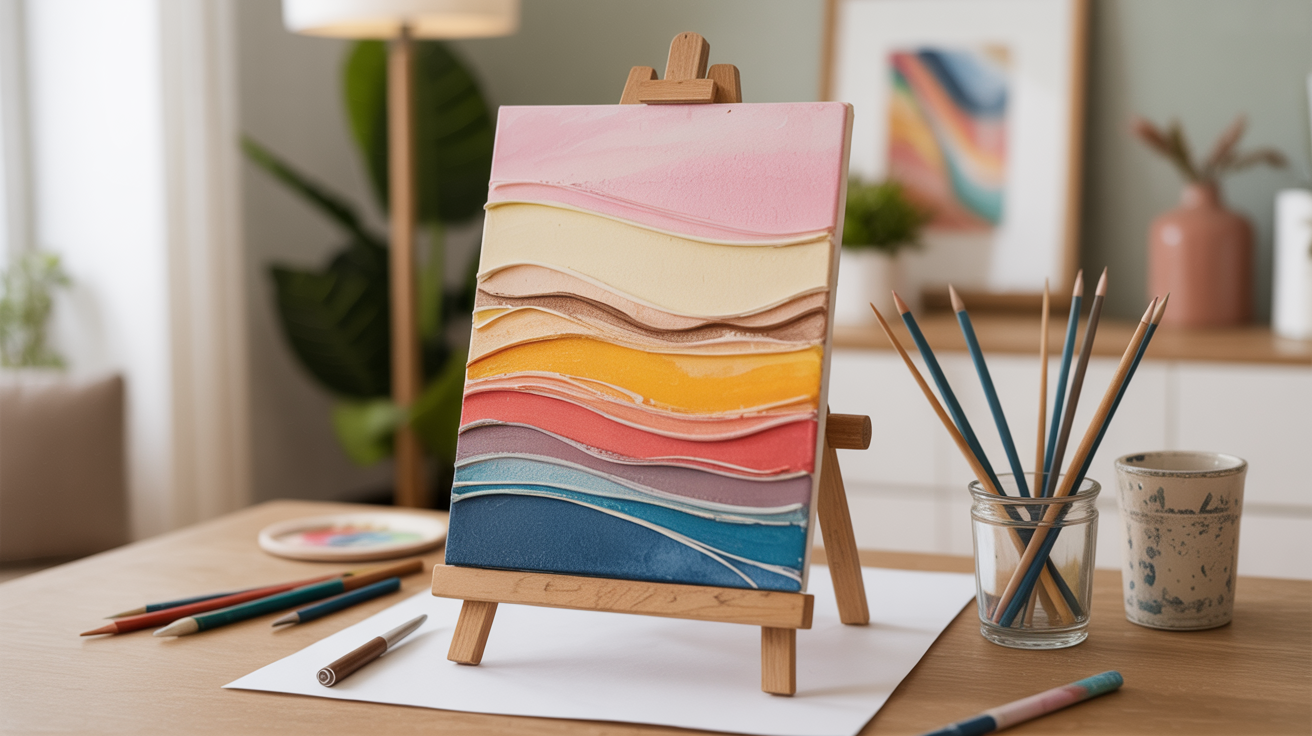
Paint large color blocks on your canvas in two or three bold colors. No plan needed, just paint.
Layer torn paper, textured fabrics, or stencils on top once the paint dries. Highlight contrasts by adding dark markers over light areas or metallic paints where colors meet.
Abstract art lets you focus purely on color and texture without worrying about making recognizable shapes.
10. Inspirational Quote Art
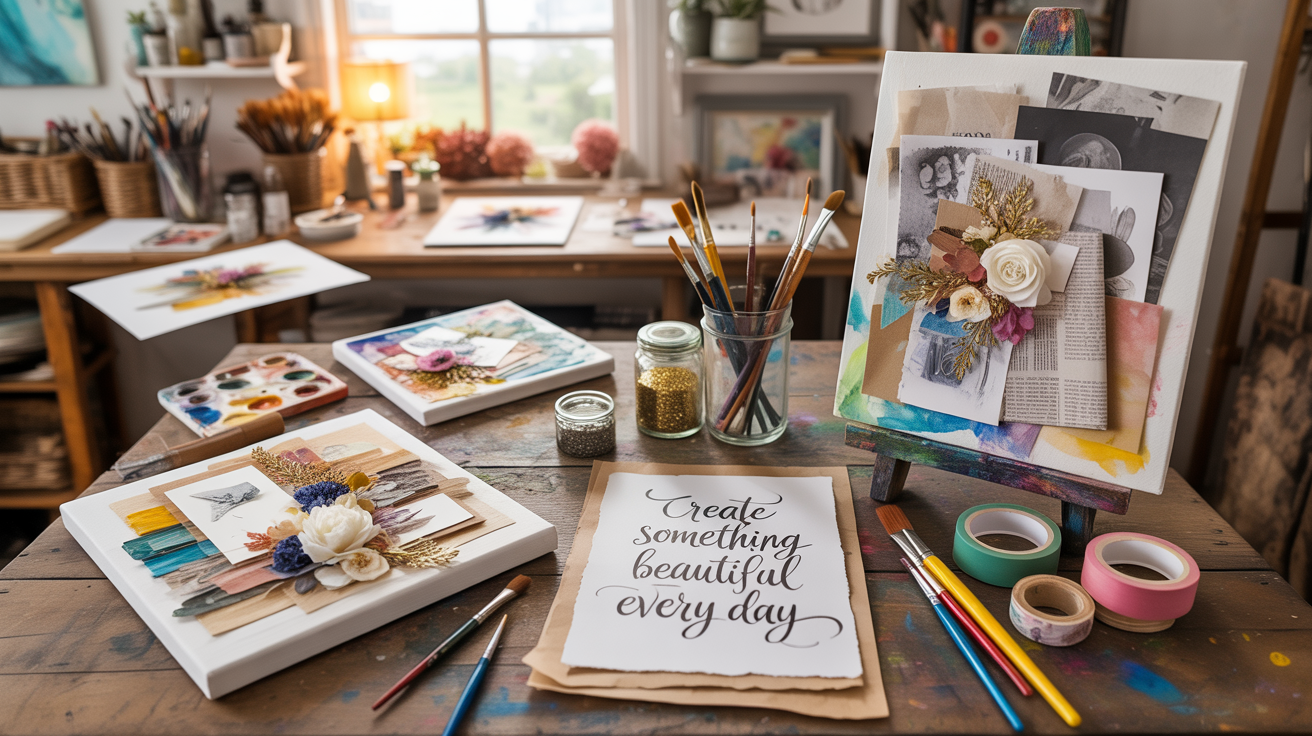
Paint or collage a colorful background that feels uplifting to you. Bright colors usually work best for quotes.
Write or stencil a motivational quote in the center using a paint pen or markers. Add small textures or embellishments like paper flowers around the words to make them pop.
Quote art combines words you need to hear with visual beauty you want to look at.
11. Mixed Media Mandalas
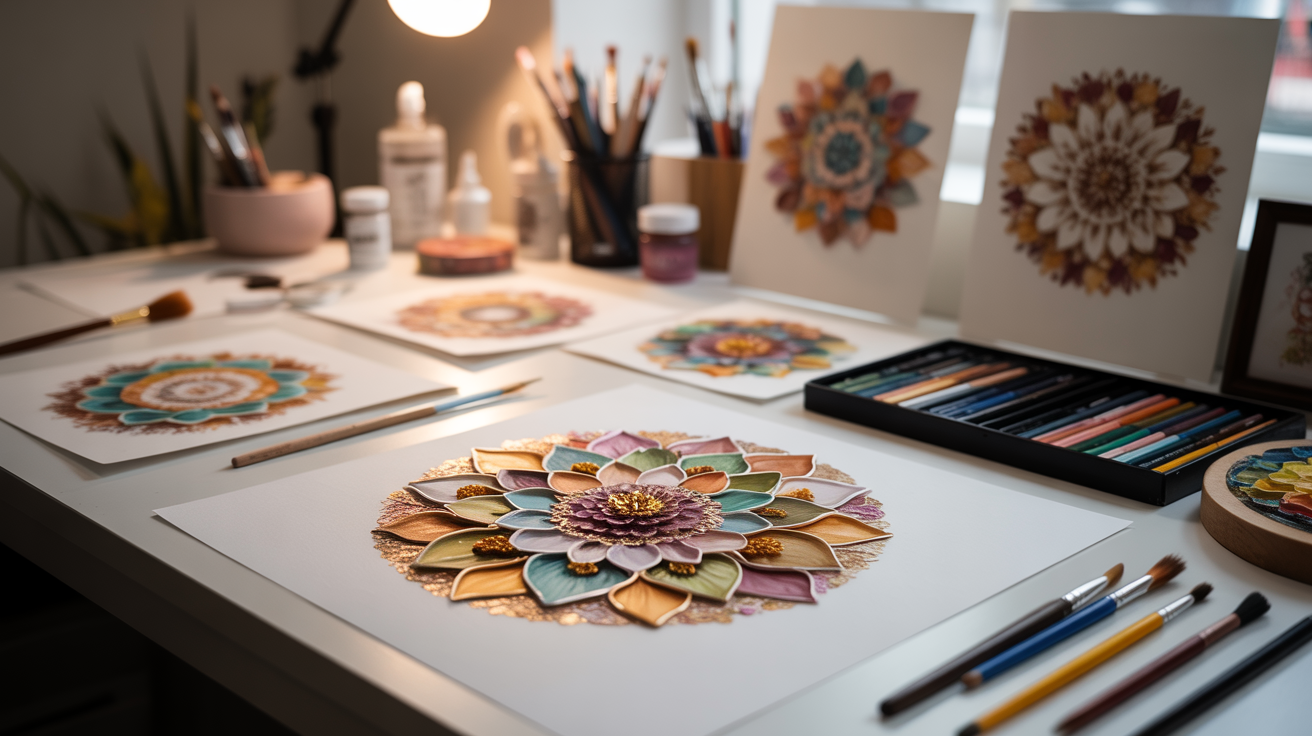
Draw a mandala outline lightly in pencil, use a compass, or trace circular objects for the rings. Keep your lines light.
Fill each section with different materials like paint, torn paper, or ink. Layer textures for depth by adding patterns or small details in each ring.
Mandalas feel meditative to make because the circular pattern naturally calms your mind while you work.
12. Found Object Art
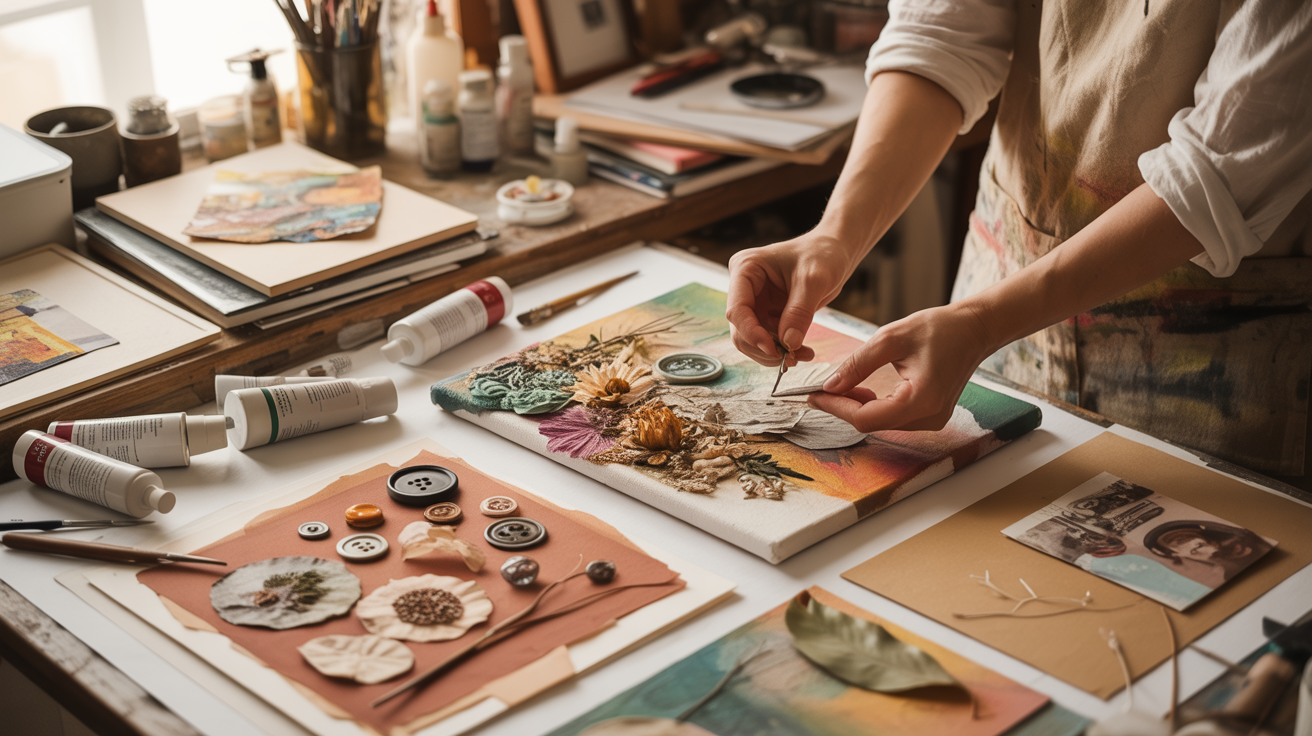
Walk around your house and collect small objects like buttons, old keys, shells, or broken jewelry. These “trash” items become art supplies.
Glue objects onto a painted or collaged background in an arrangement you like. Add paint, ink, or marker accents around the objects to unify everything into one design.
Found object art gives new life to things you might have thrown away.
13. Layered Texture Boards
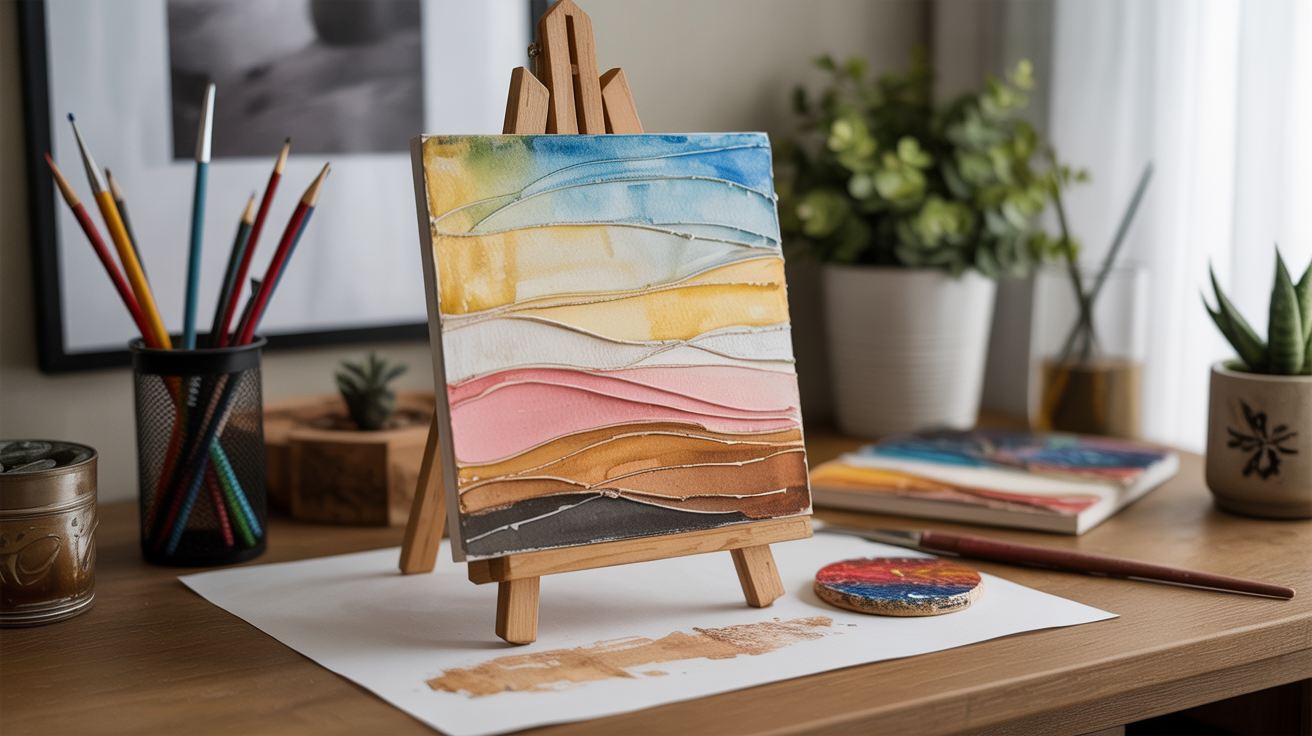
Create a textured base using gesso, thick paint, or modeling paste spread with a palette knife. Make ridges and bumps.
Layer paper, fabric scraps, or small objects on top while the texture paste is still wet. Once dry, use ink, pastels, or metallic paints to highlight the raised textures.
This heavily textured approach creates dramatic shadows and depth you can actually feel with your fingers.
Tips for Success in Mixed Media Art
Mixed media art feels scary at first. But you’ll get comfortable fast once you start playing with materials.
I’ve found that the best pieces happen when you stop overthinking and just create. Let go of ideal results.
- Get organized first: Lay out your paints, papers, and glue before you begin. Having everything within reach keeps your creative flow going. You won’t lose momentum searching for supplies when inspiration hits you.
- Layer slowly: Start with one simple background color or collage layer. Let it dry. Add another element on top. Build your piece step by step instead of doing everything at once, as this gives you better control and more interesting depth.
- Mistakes are good: That drip or torn paper might become your favorite part. Mixed media lets you paint over anything you don’t like. Share your finished work with friends or post it online. Feedback helps you grow as an artist.
Conclusion
These easy mixed media art ideas give you ways to express yourself differently. You now have the tools and tips to mix different materials and make art that stands out. The best part is that you can start right away with supplies you probably already own.
Don’t worry about making mistakes or getting everything right. Mixed media art is all about trying new things and seeing what works. Each project you create helps you grow as an artist and find your own style.
Pick one idea from this list and give it a shot today. What materials will you combine first? Drop a comment below to share your results, or tag us on social media with your finished pieces. We can’t wait to see what you make.
Frequently Asked Questions
What are easy mixed media art ideas for beginners?
Start with simple collages using magazine cutouts, paint, and markers on canvas. Try combining watercolors with pen drawings or adding fabric scraps to painted backgrounds. You can also mix acrylic paint with tissue paper or use photos with paint overlays. These basic combinations help you learn how different materials work together.
What materials do I need for mixed media art?
Gather acrylic paints, markers, colored pencils, and gel pens. Collect papers like magazines, newspapers, tissue paper, and scrapbook sheets. Add glue, Mod Podge, and a canvas or thick paper. You can include fabric scraps, buttons, stamps, or stencils, too. Start with what you have and add more supplies later.
Can kids try easy mixed media art ideas?
Yes, kids ages 6 and up can create mixed media art with supervision. They can glue paper, paint over collages, and add drawings to their work. Choose non-toxic, washable materials for younger children. Older kids and teens can handle more complex techniques like layering and texture building with different art supplies.
How do I start my first mixed media art project?
Begin with a background color using paint or colored paper. Add a layer of torn magazine pieces or patterned paper with glue. Let it dry, then paint or draw over parts of it. Keep adding layers until you like how it looks. Don’t worry about mistakes, as fixed media art is all about experimenting.
What surfaces work best for mixed media art?
Canvas boards and stretched canvas work great for heavier projects. Thick watercolor paper or mixed media paper handles multiple layers well. Wood panels give you a sturdy base for textured work. Cardboard and old book pages create an interesting background, too. Choose surfaces that won’t buckle or tear when wet.
