


I’ve spent a lot of time staring at blank classroom walls wondering what to put on them. If you’re an art teacher, you know that feeling.
This blog gives you 19 art bulletin board ideas for teachers that actually work. From career displays to color theory boards, I’ve got you covered.
These ideas are simple to set up and fun for students. I’ve seen firsthand how a great board can spark conversations, build confidence, and make a classroom feel alive.
You’ll find something here for every grade and every theme.
Let’s get into it.
Why Art Bulletin Boards Matter

A good bulletin board does more than fill wall space. It tells students their work has value. It sets the tone for your whole classroom.
When students see their art on display, they feel seen and heard. It keeps learning visible all year long.
A well-thought-out board can reinforce key skills, celebrate real growth, and build a sense of belonging. Words alone can’t do that. But a great board? It can.
Art Bulletin Board Ideas (All 19 Ideas)
Here are 19 creative and easy-to-make art bulletin board ideas that work for any classroom.
1. Highlight Art Careers
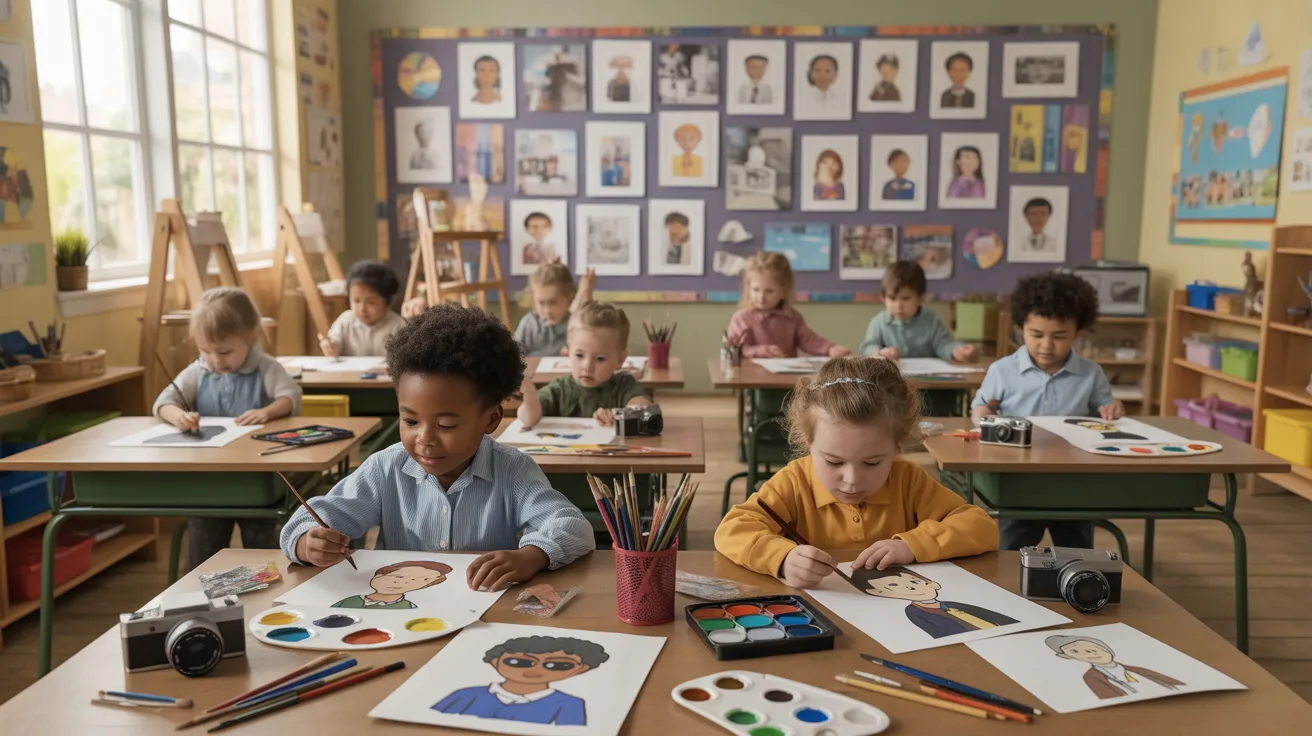
Have students research one art career each. They create a small card with the job title, the skills it needs, and the tools used.
Pin all the cards together on the board. It’s a great way to connect art class to the real world. Students start thinking bigger about what being an artist can mean.
2. Artist-Inspired Displays
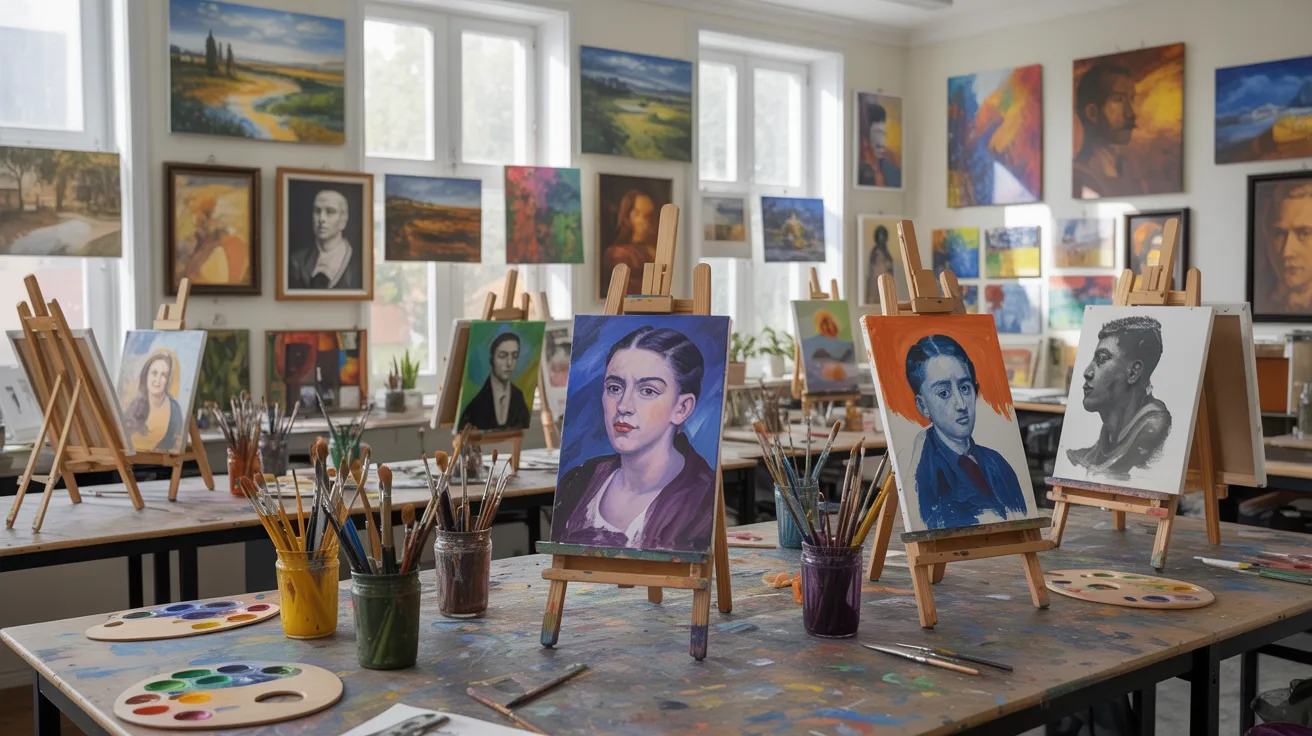
Print portraits of famous artists and pair them with student work inspired by that artist’s style. A student who studies Monet might recreate a soft, blurry landscape.
Seeing their work next to a real reference builds confidence. It also shows students that learning from others is part of being an artist.
3. Art Is Everywhere Theme
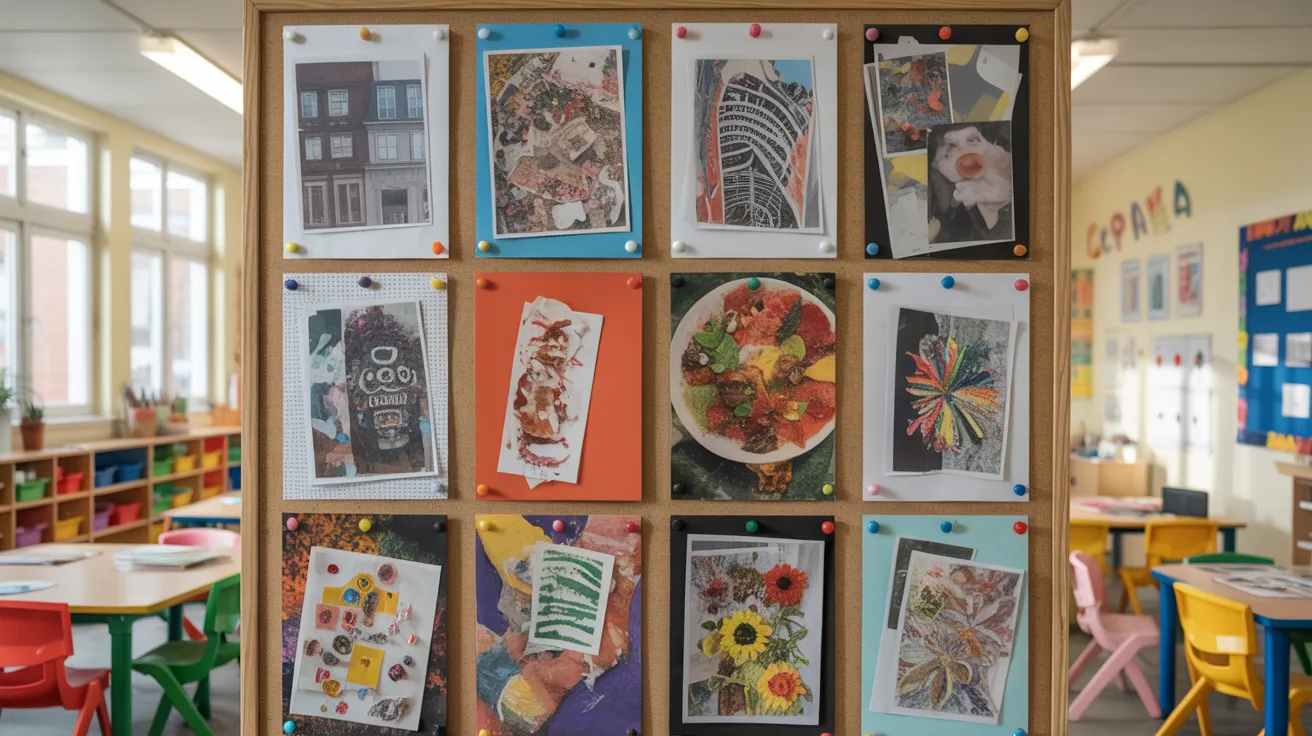
Students make collages showing art in everyday places, like buildings, clothing, or food. They can also draw links between art and other school subjects.
This board reminds everyone that art isn’t just for the art room. It lives everywhere, and that’s something worth celebrating on your wall.
4. What Kind of Artist Will You Be?
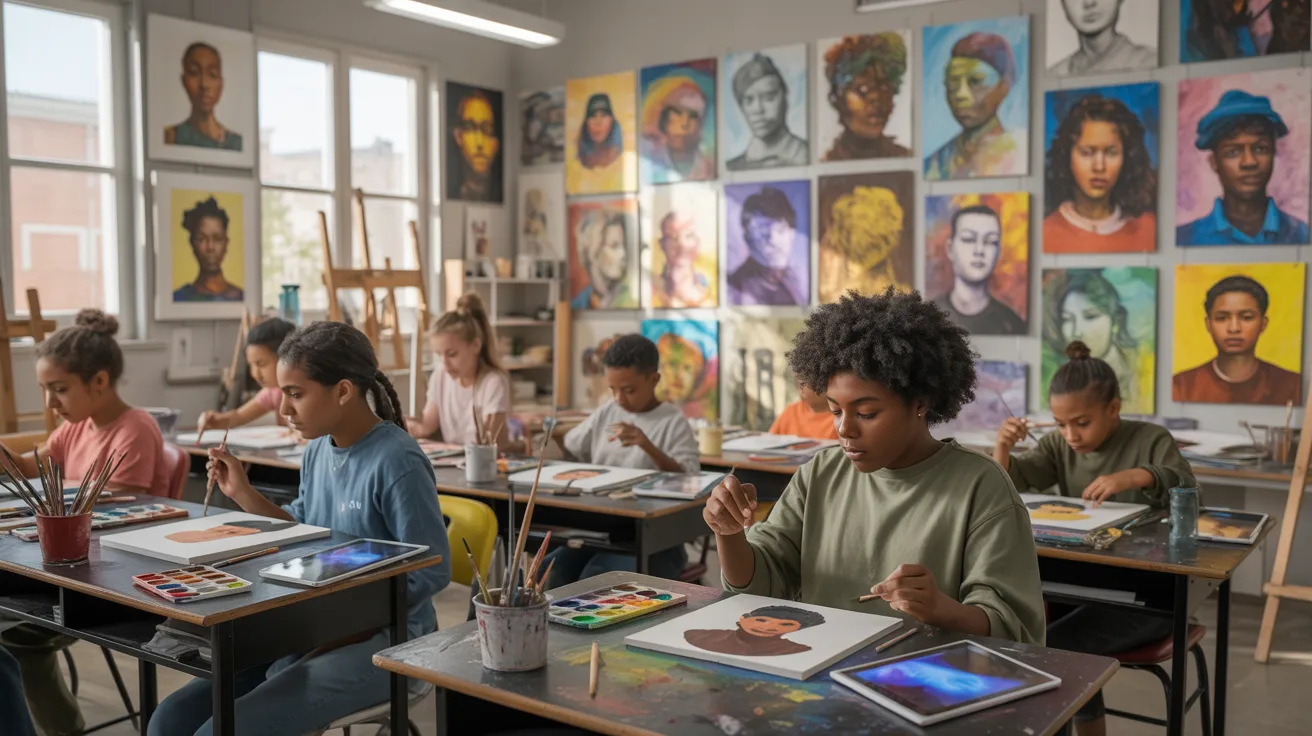
Each student writes or draws a reflection on their artistic identity. What do they love making? What do they want to get better at? Display their goals and drawings together.
This board grows with your class across the year. It’s personal, meaningful, and one student actually stops to read.
5. Rainbow of Possibilities
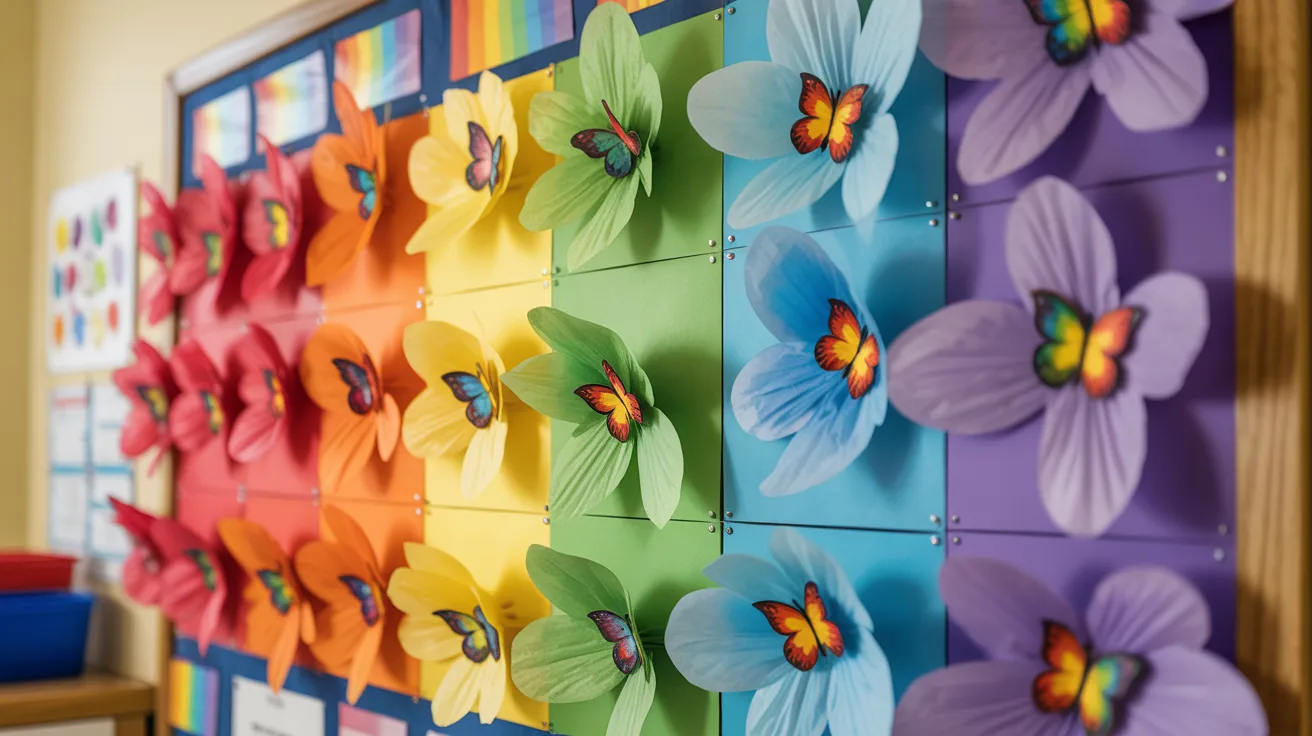
Students use coffee filters or colorful paper to create flowers, butterflies, or abstract shapes. Arrange them in a rainbow or garden pattern on the board.
The result looks incredible without much prep. This one works for all grade levels. It’s color-packed, cheerful, and takes almost no time to pull together.
6. We All Fit Together
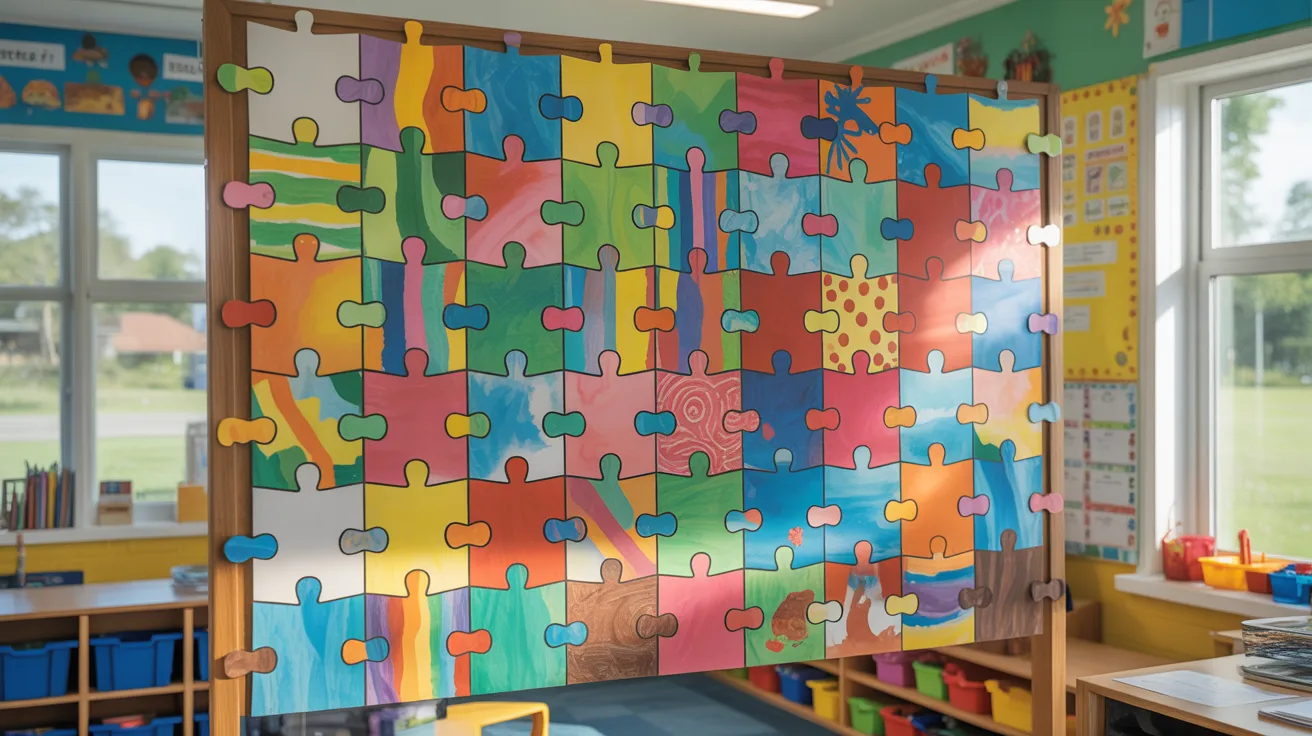
Each student decorates one puzzle piece. When you put them all together, the puzzle forms a complete picture. It’s a strong message about teamwork and belonging.
This board works well at the start of the year. It shows students right away that their place in the class matters.
7. Weave Together a New Beginning
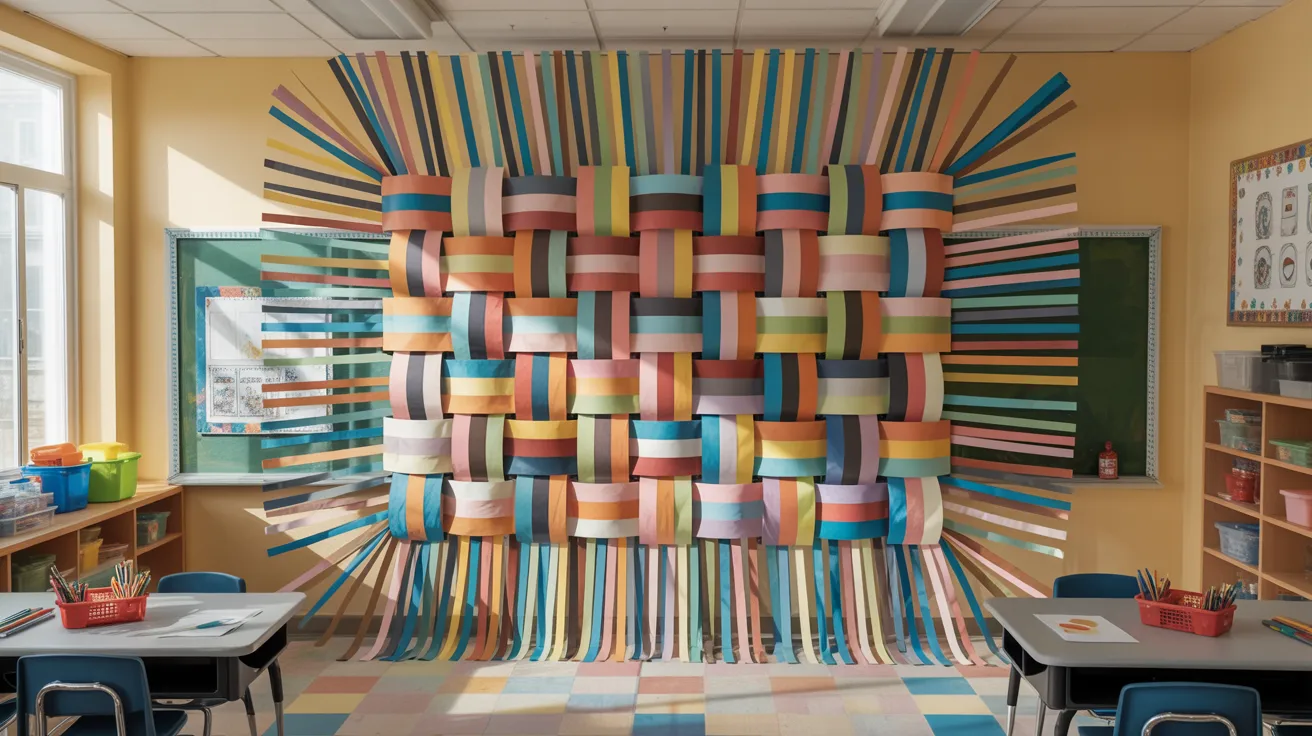
Students weave strips of paper and write one thing they loved learning on each strip. All the strips come together in a large woven display.
It looks complex but is easy to make. The message is simple: we’re stronger together. This is a great one for the end of a unit or year.
8. Mosaic School Name Board
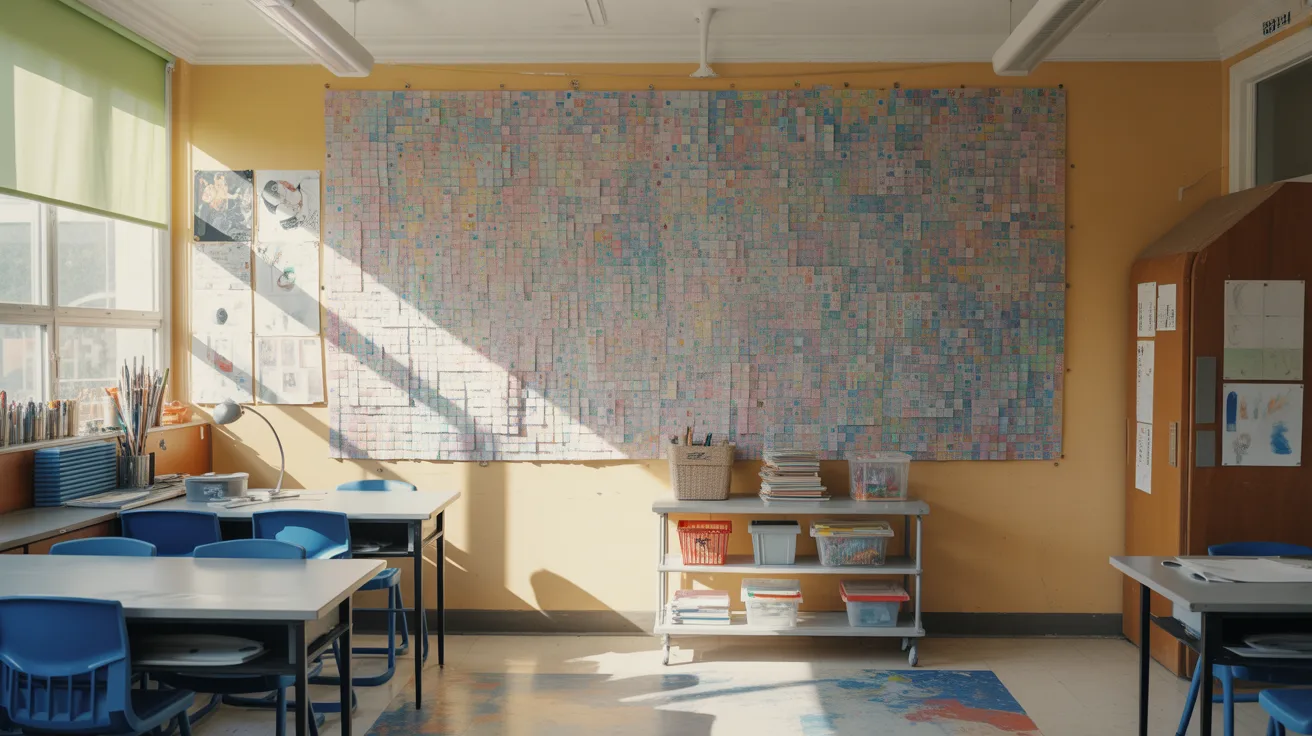
Students each paint or decorate small paper squares. You arrange the squares to spell out your school name or initials.
The finished board looks like a real mosaic. It takes a few class sessions but the payoff is worth it. Students love pointing out their square to friends and family.
9. Seasonal Art Display
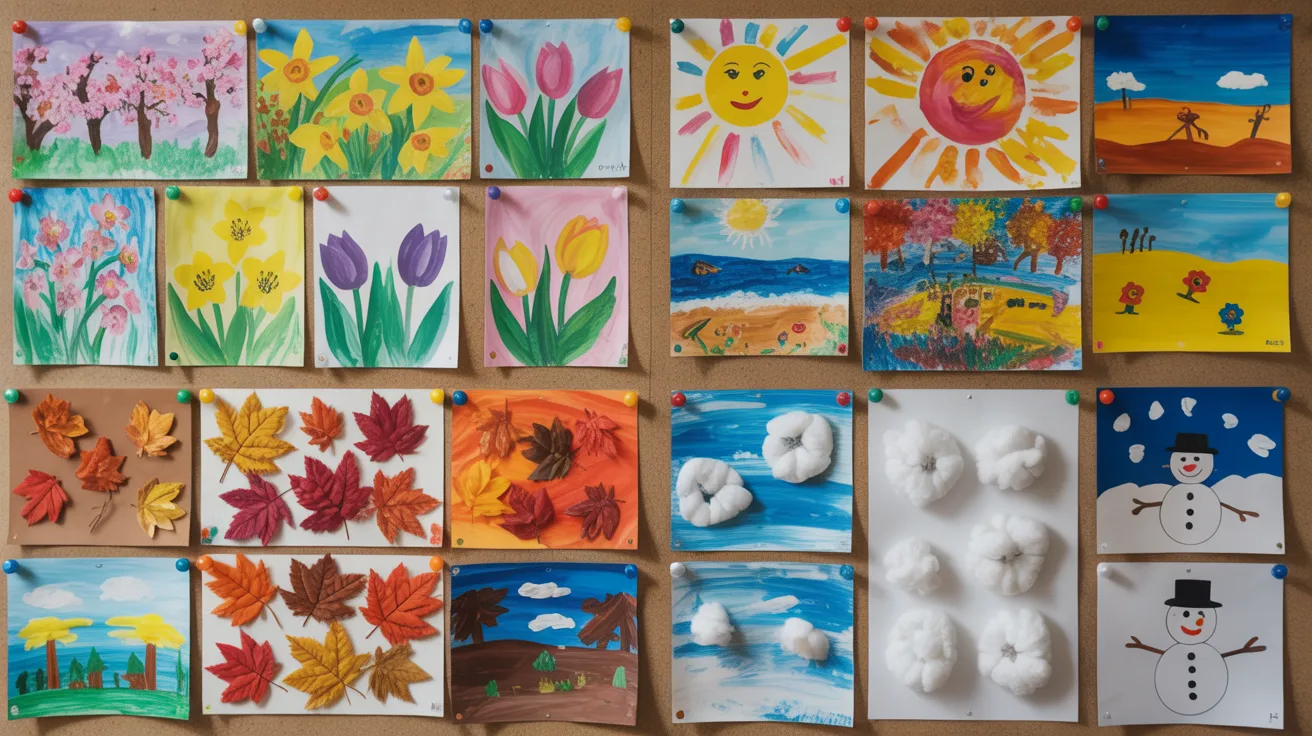
Create four seasonal boards or rotate one board through spring, summer, fall, and winter themes. Students make artwork that fits each season.
Changing the display keeps the wall interesting. It also gives every student a chance to be featured more than once. Rotate it every few months and your wall never feels stale.
10. Back-to-School Welcome Board
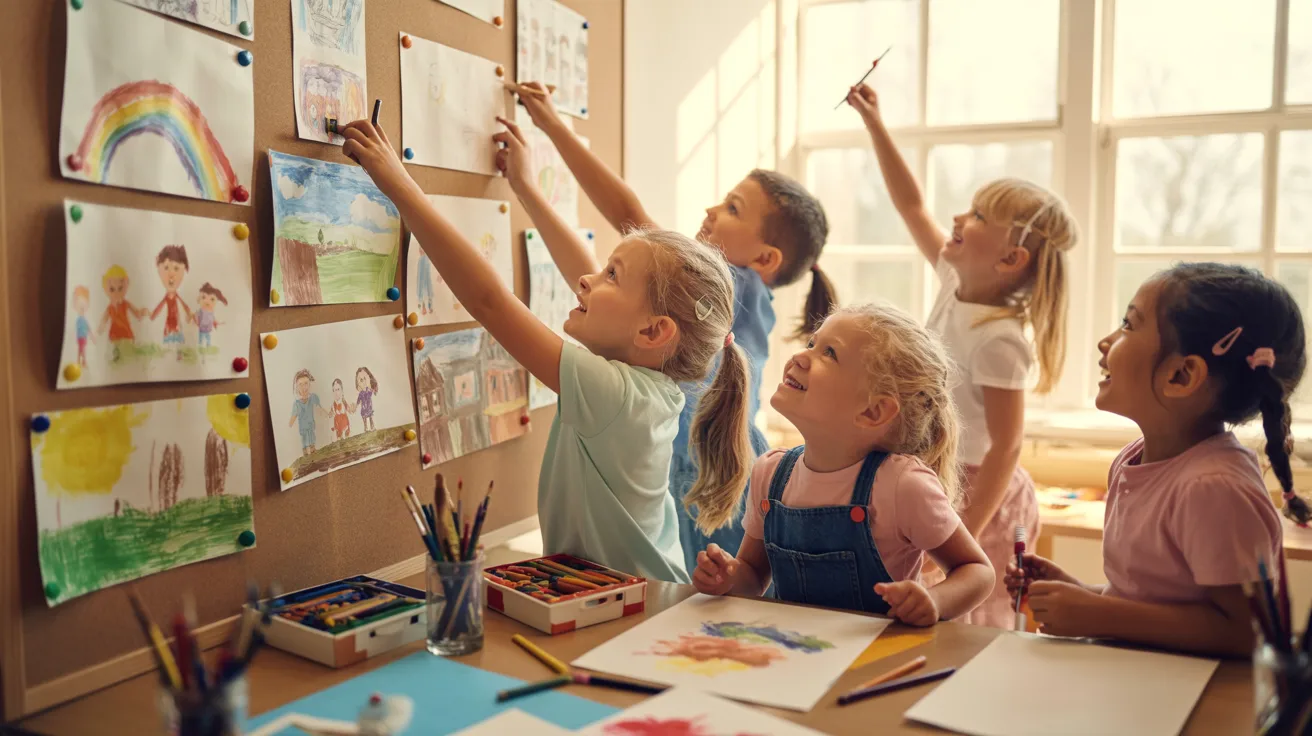
Have students create welcome art on the first day or week. Add positive messages and simple classroom rules.
Displaying this early tells students the classroom belongs to them too. It sets a warm, creative tone from day one. First impressions matter, and this board makes a good one.
11. Interactive Gallery Walk Board
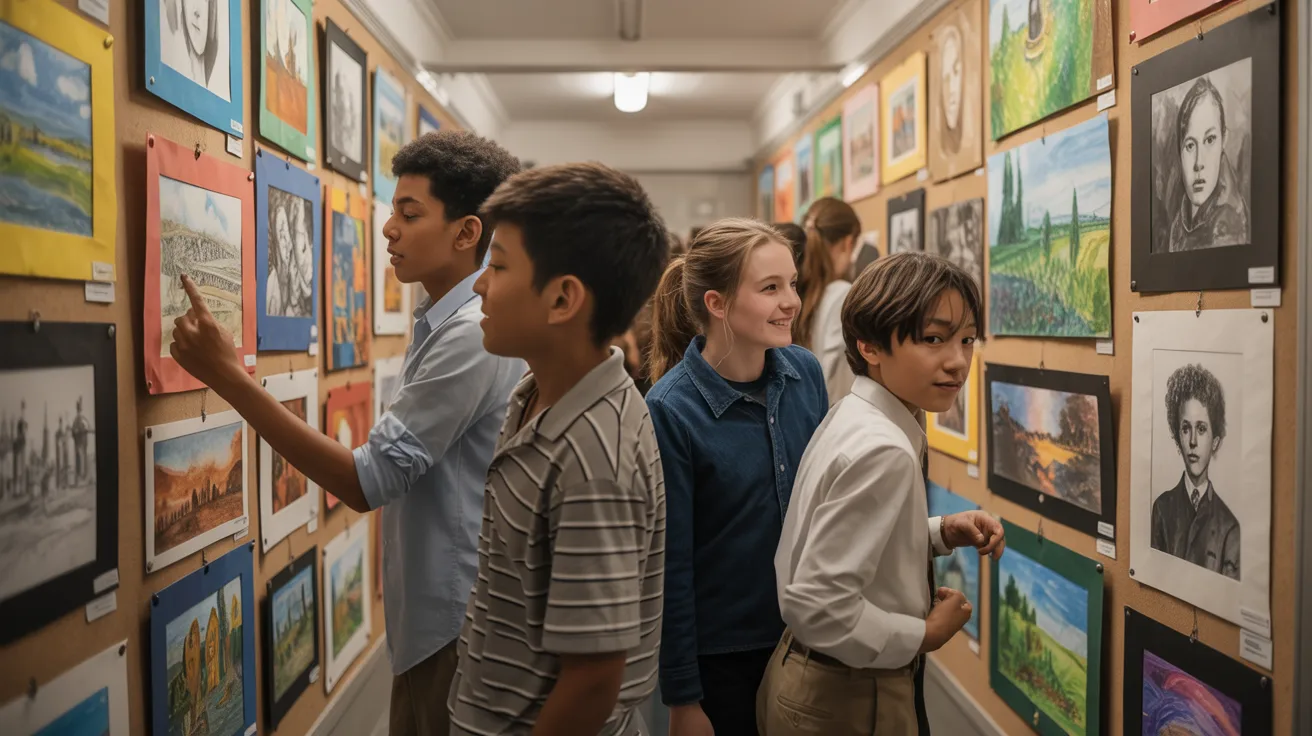
Display student artwork and leave sticky notes nearby. Students walk around and leave short feedback or questions for each piece. It builds respect and listening skills.
Students learn how to talk about art in a kind and thoughtful way. It’s also a low-prep activity that fills a whole class period.
12. Student Voice & Expression Wall
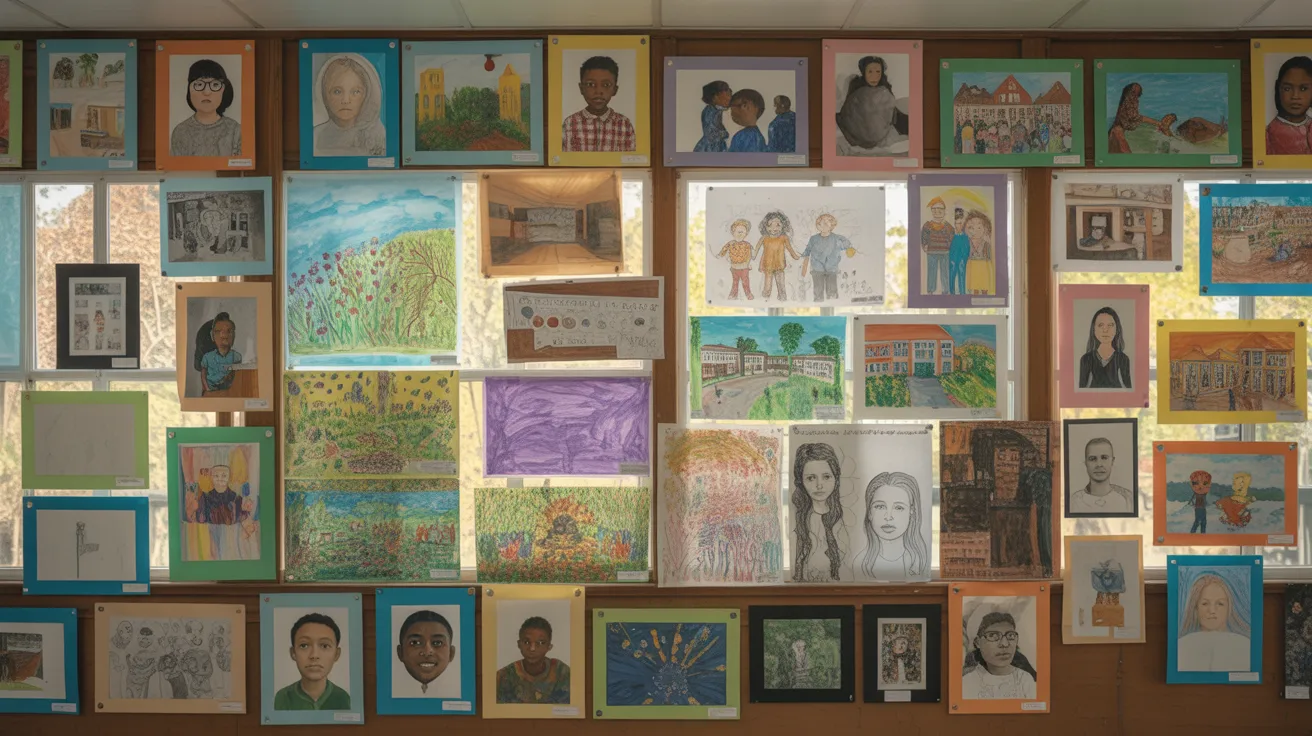
Students create artwork around a topic they care about, like identity, nature, fairness, or their community. Display the work together with a short artist statement.
This board shows that art has a voice. It encourages students to make work with meaning, not just skill. That shift is worth a lot.
13. Growth Mindset Art Board
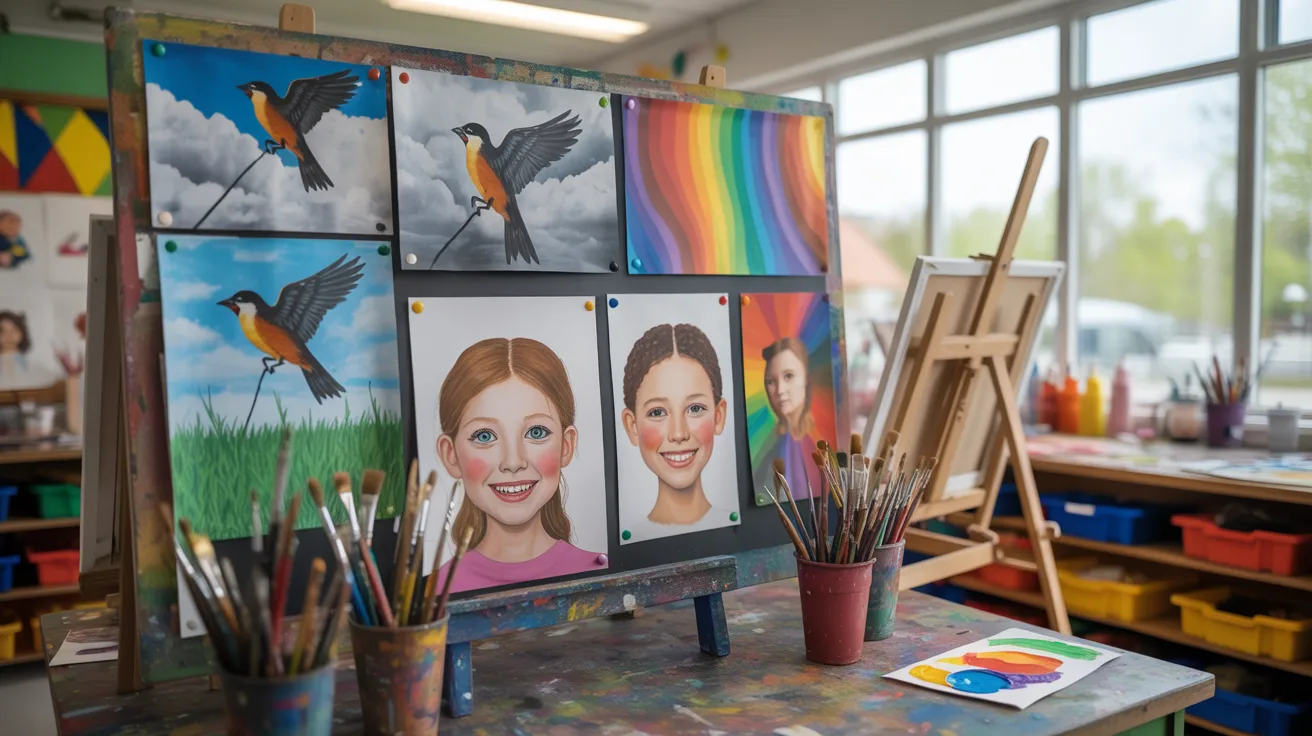
Students choose an inspirational quote about effort or improvement. Then they illustrate it. Display the quote and illustration side by side.
This board works as a daily reminder that progress matters more than perfection. It’s especially helpful during tough points in the school year when students feel stuck.
14. Before-and-After Process Showcase
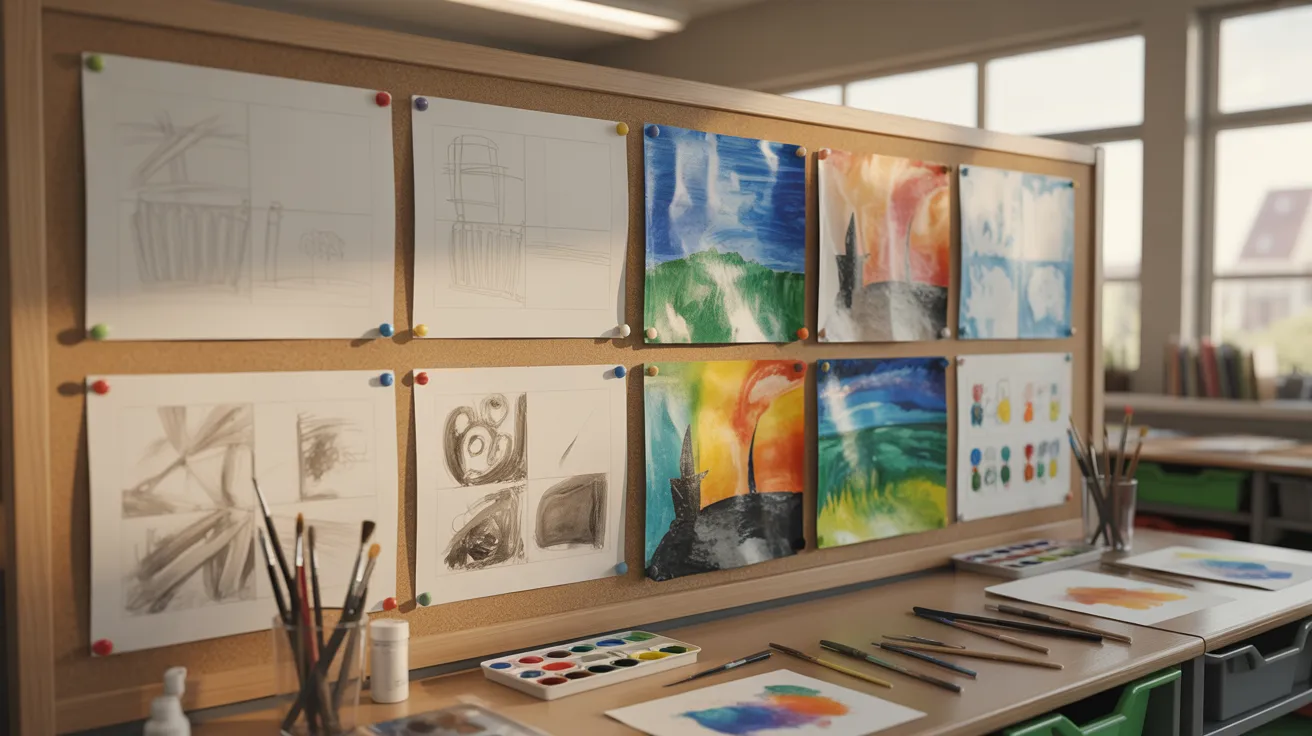
Students display their first rough sketch next to their finished piece. This shows how much thought goes into a final artwork. It also normalizes messy beginnings.
Students often compare their rough drafts and laugh. But they also start to see growth. And that’s a lesson no textbook can teach as well.
15. Elements of Art Display
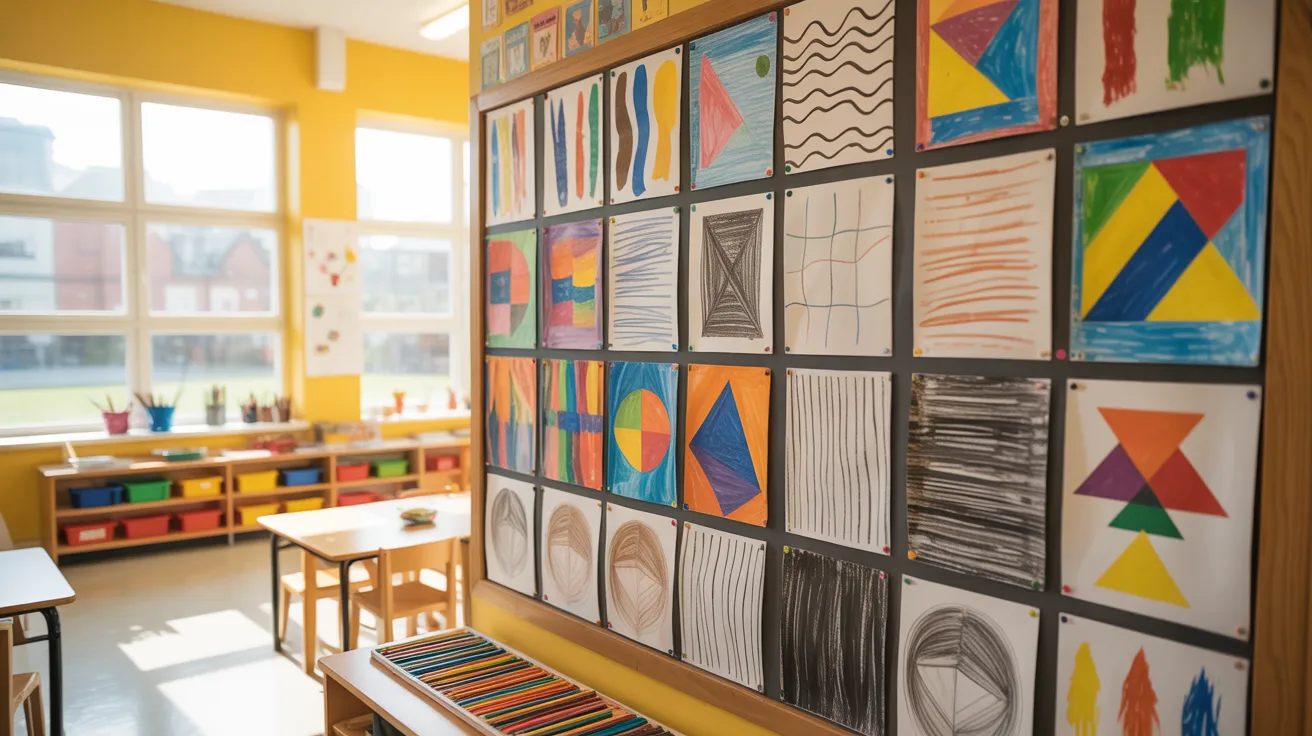
Create one section for each element: line, shape, color, texture, form, space, and value. Use student-made samples to fill each section. This board works as both art and a teaching tool.
When students forget what texture means, they can look up. Having student examples makes it more relatable than a printed poster.
16. Color Theory Board
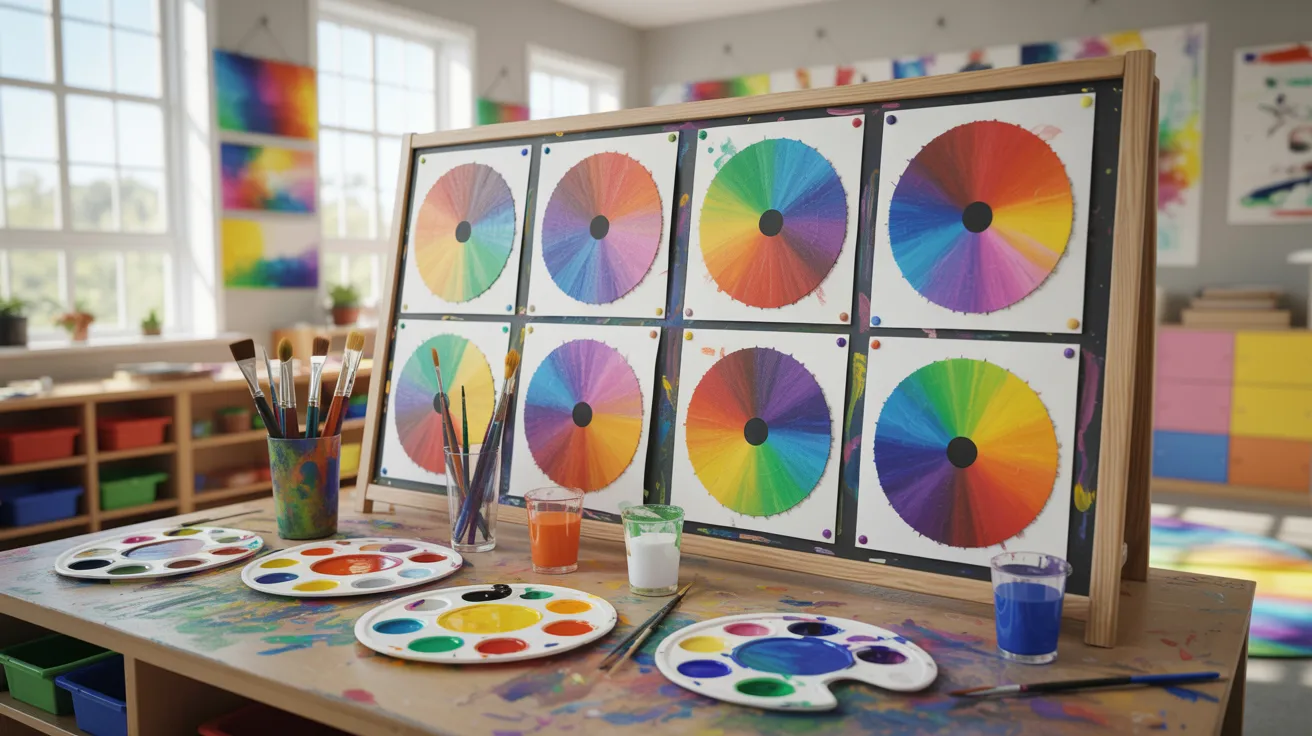
Students mix their own colors and create their own color wheel or experiment. Display warm, cool, and complementary color examples together.
This board teaches and shows at the same time. It’s a great reference during painting projects. Students feel proud when their work becomes part of the classroom’s learning wall.
17. Drawing Technique Showcase
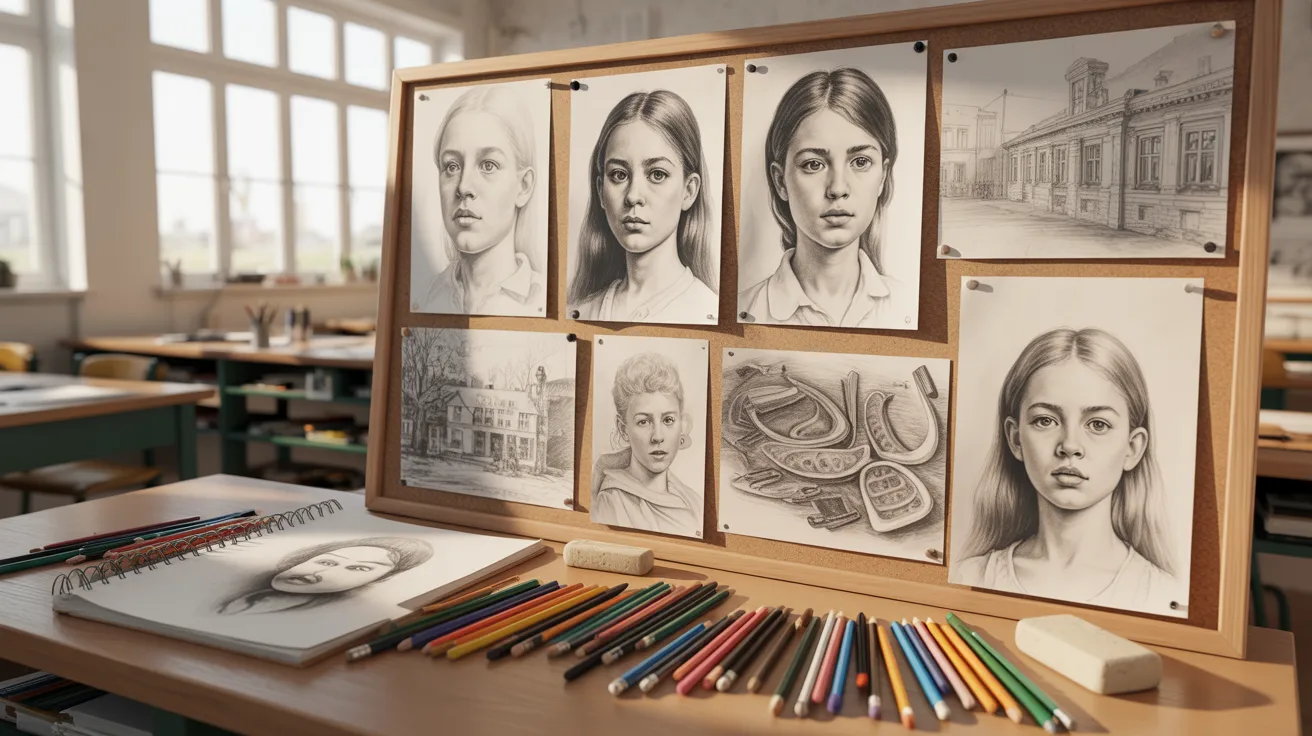
Display examples of shading, perspective, and contour drawing made by your own students. Label each technique clearly.
This gives beginners a visual guide and gives advanced students recognition. It also shows that technical skill is something you can practice and improve.
That message is worth saying over and over again.
18. Texture & Pattern Exploration
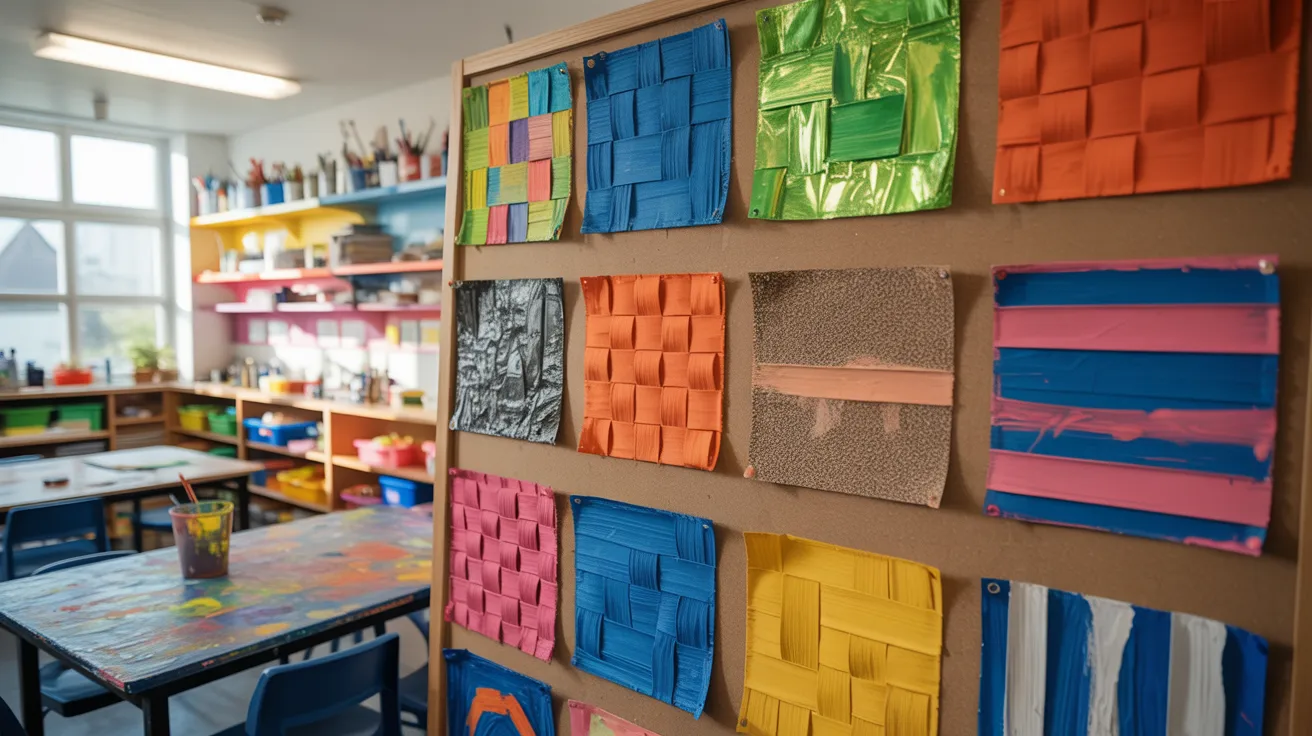
Students create small texture samples using different materials like fabric, foil, sandpaper, or paint. Repeated patterns are arranged into a larger design.
The board becomes tactile and interesting. Students from other classes stop to look. It’s a simple idea that creates a big, memorable display.
19. Holiday or Event-Themed Board
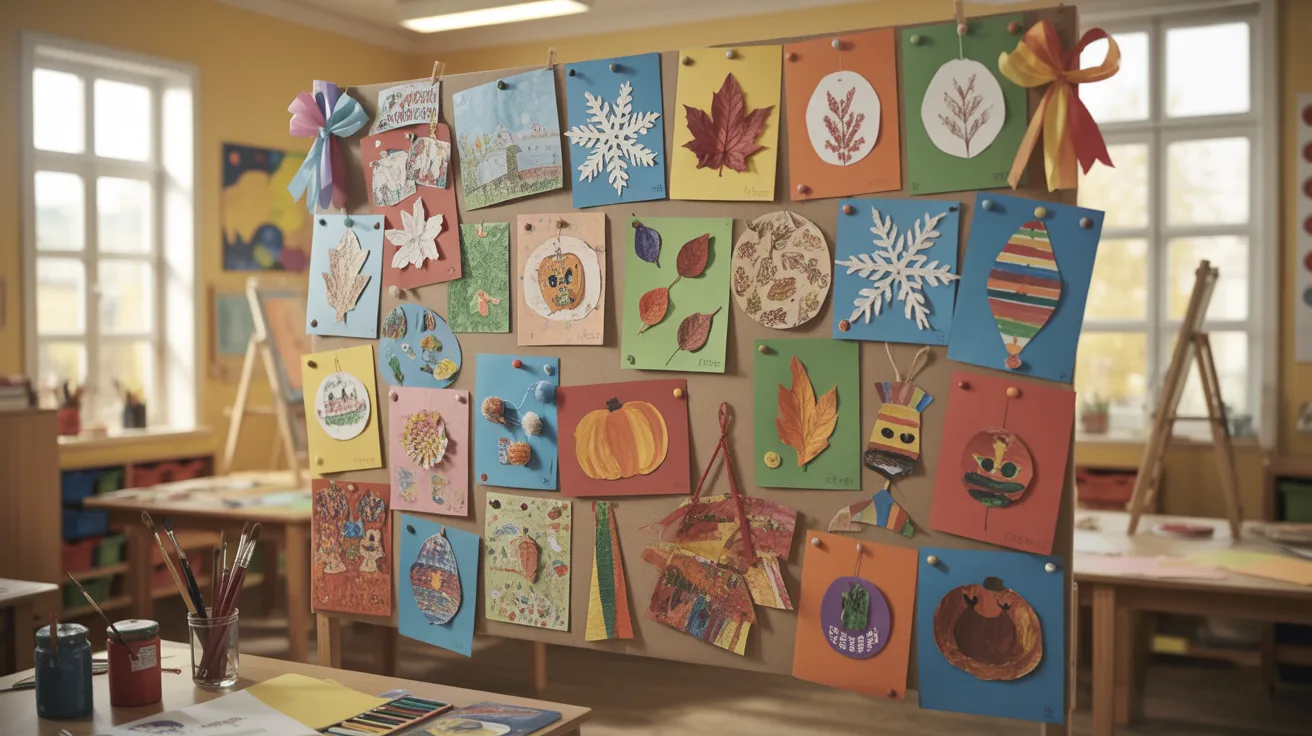
Build displays around holidays, cultural events, or school celebrations. Students create themed artwork that fits the occasion.
Rotate the board throughout the year to keep it current. This gives students a reason to look at the wall with fresh eyes every time. It also shows families that art connects to real life.
Tips for Creating Effective Art Bulletin Boards
- Plan ahead before pinning anything up.
- Use clear labels and big fonts so students can read it from across the room.
- Swap out work every few weeks so everyone gets featured.
- Let students help arrange the board, it builds ownership.
- Connect the board to your lesson, not just what looks good.
Conclusion
I hope these art bulletin board ideas for teachers gave you something real to work with. I know how much time goes into keeping a classroom looking fresh and meaningful.
These boards don’t have to be perfect. They just have to feel like yours.Pick one idea, try it this week, and see how your students respond.
Even a small change on your wall can shift the whole energy in a room. I’d love to know which idea you’re going to use first.
Drop a comment below and share it with a fellow art teacher who might need a little inspiration today.
Frequently Asked Questions
How often should I change my art bulletin board?
Try to rotate your board every 4 to 6 weeks. This keeps the display fresh and gives more students a chance to have their work featured throughout the year.
What supplies do I need to set up a classroom art bulletin board?
You’ll need a backing paper, push pins or staples, printed labels, and student artwork. Simple tools like scissors, tape, and a ruler help keep everything neat and well-organized.
Can I use art bulletin boards in non-art classrooms?
Yes, absolutely. Boards with color theory, elements of art, or student self-portraits work well in any classroom. They add visual interest and make creative thinking feel welcome everywhere.
How do I get students involved in building the bulletin board?
Let students help arrange their own work, write their labels, or vote on a theme. When students have a hand in making the board, they feel more connected to it and more proud of the result.
What are the best art bulletin board ideas for the beginning of the school year?
The “Back-to-School Welcome Board” and “We All Fit Together” puzzle board are great starting points. Both help build community quickly and give students a sense of belonging from day one.
