


Starting watercolor painting can feel a little confusing at first. You might not know what to paint, what supplies to buy, or how to even hold the brush.
This guide will make it simple.
Inside, you will find 80 easy watercolor painting ideas for beginners, along with the basic supplies you need and the core techniques every new painter should learn.
I have spent years experimenting with watercolor, making mistakes, and slowly figuring out what actually works, and I am sharing all of that here so you do not have to learn it the hard way.
Whether you want simple ideas to copy or tips to improve your skills, this post covers it all.
By the end, you will know exactly where to start and how to keep getting better.
What Is Watercolor Painting?
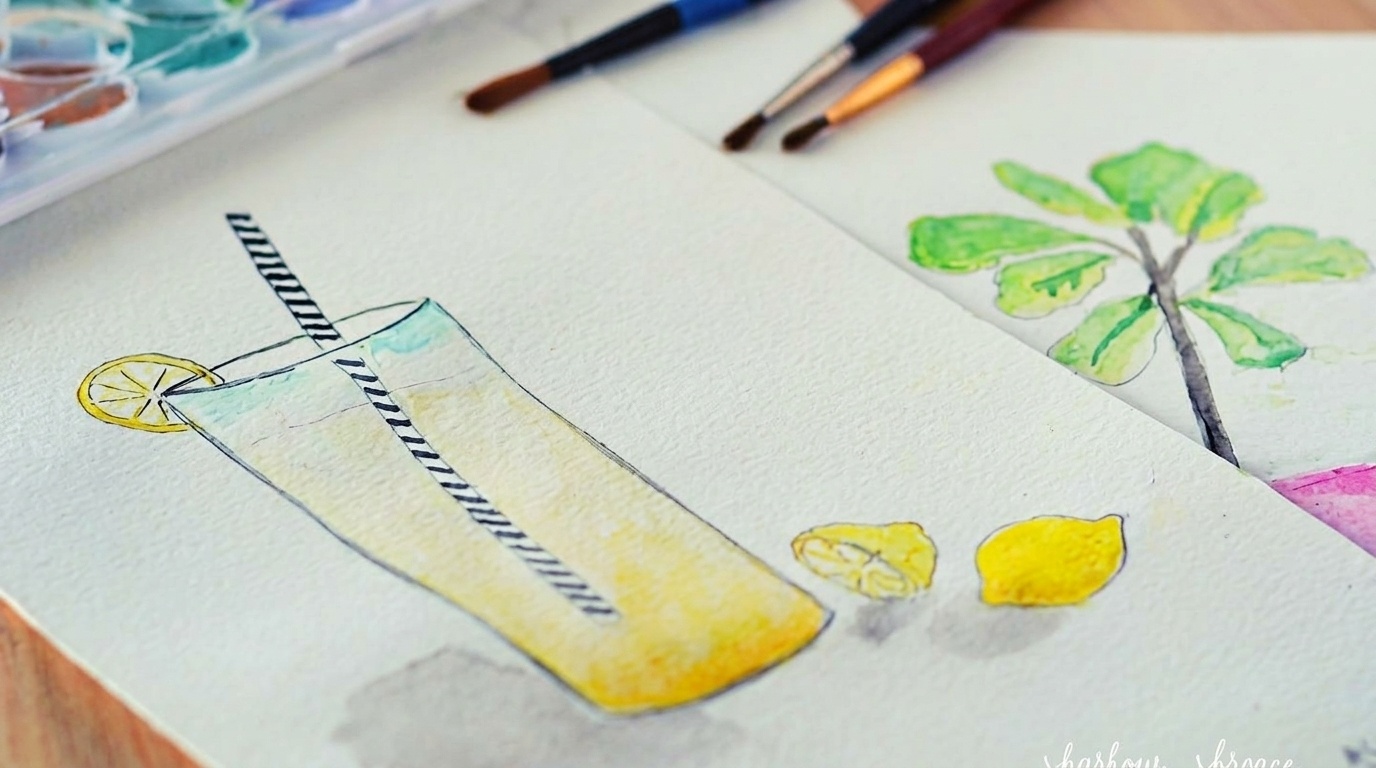
Watercolor painting is a method that uses pigments mixed with water. The paint goes onto paper using a wet brush. As the water dries, the color settles into soft layers.
This style is known for its light and see-through look. Artists often let colors blend right on the page instead of mixing them fully on a palette first.
This creates soft edges and gentle shifts between shades.
Watercolor works differently than oil or acrylic paint. It dries faster and reacts more to water and air.
Artists usually pick paper that absorbs moisture well, such as cold press or hot press paper, to control how the paint spreads.
People use watercolor for many subjects. These include landscapes, portraits, flowers, and abstract designs.
The medium suits both quick sketches and slow, detailed final pieces, which is part of why so many painters return to it again and again.
80 Easy Watercolor Painting Ideas for Beginners
Watercolor painting opens up a calm, simple way for beginners to explore color and creativity with these 80 easy ideas to try.
1. Autumn Watercolor Landscape
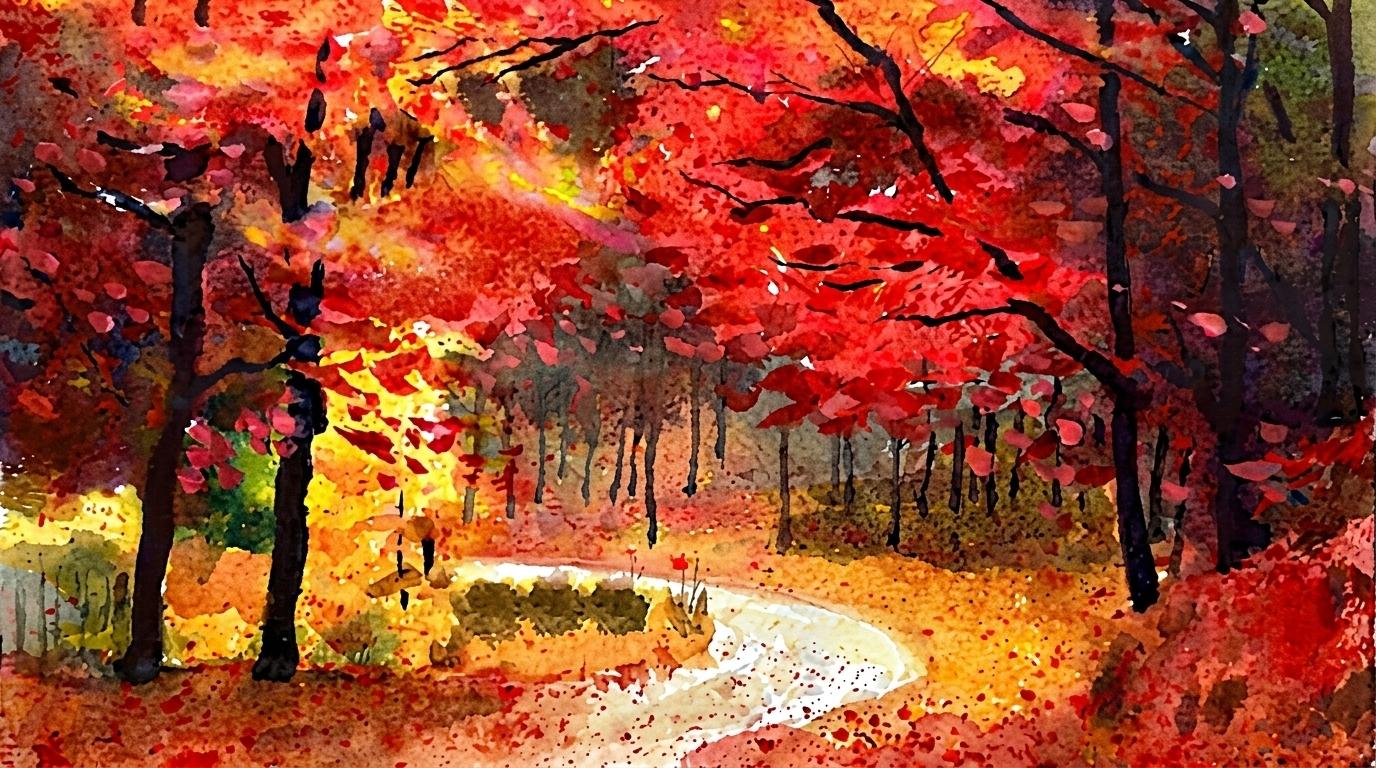
Paint red and yellow trees scattered across a quiet October scene. Great practice for warm color blending and creating depth with overlapping foliage.
2. Beach Watercolor Painting
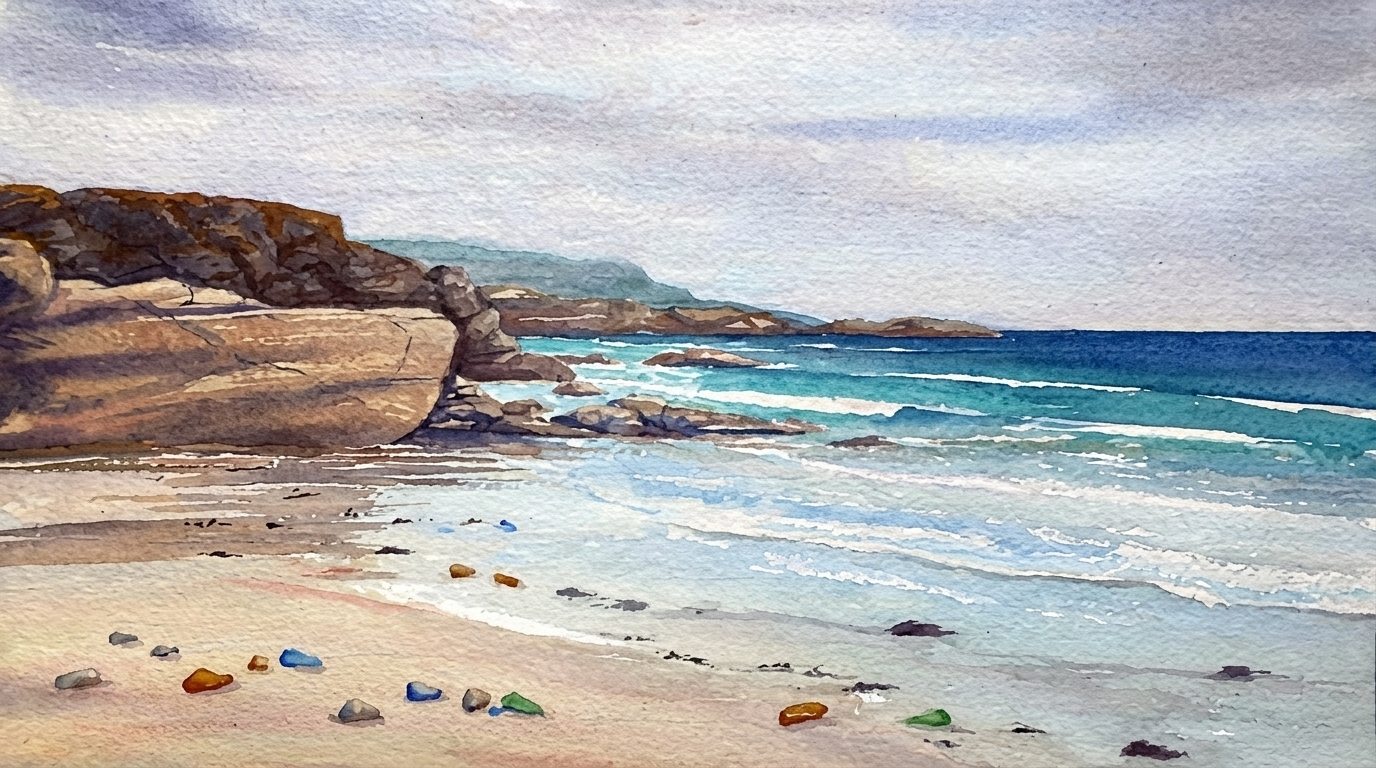
Show soft blue water meeting golden sand under a clear sky. Helps build skill in horizontal wash gradients.
3. Skyline Watercolor Painting
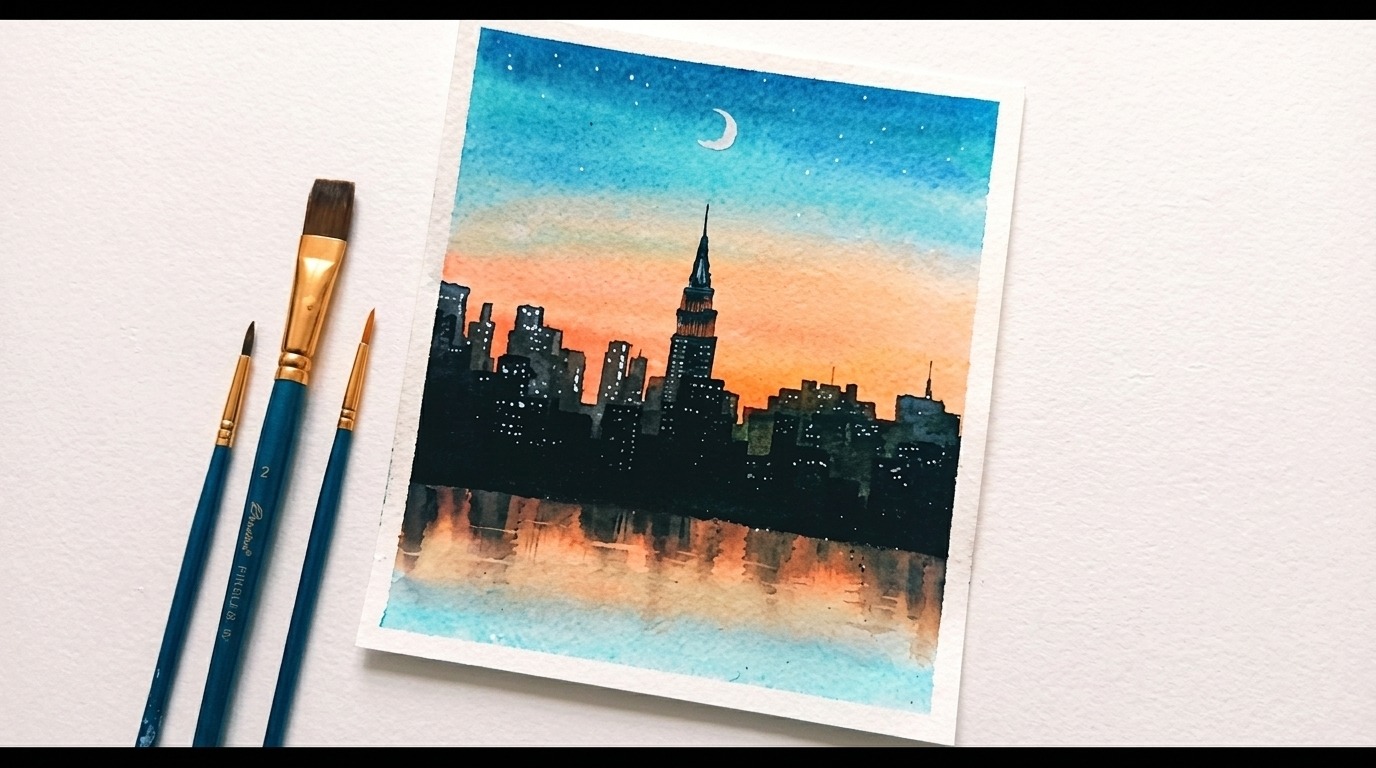
Use thin lines and washes to paint city buildings against the sky. Good for practicing straight edges and silhouette contrast.
4. Mountain Watercolor Painting
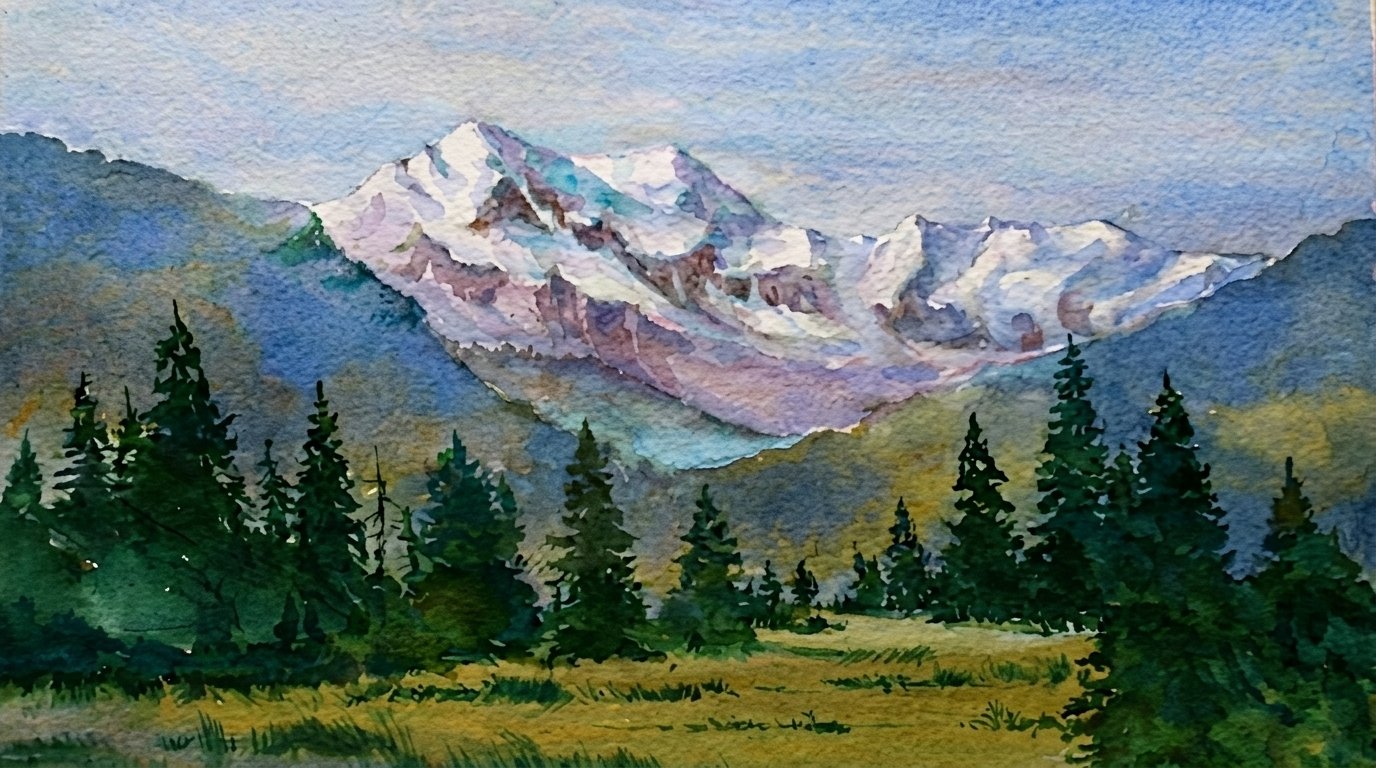
Layer cool blues and greys to give peaks a sense of distance. Useful for learning atmospheric perspective.
5. Waterfall Watercolor Painting
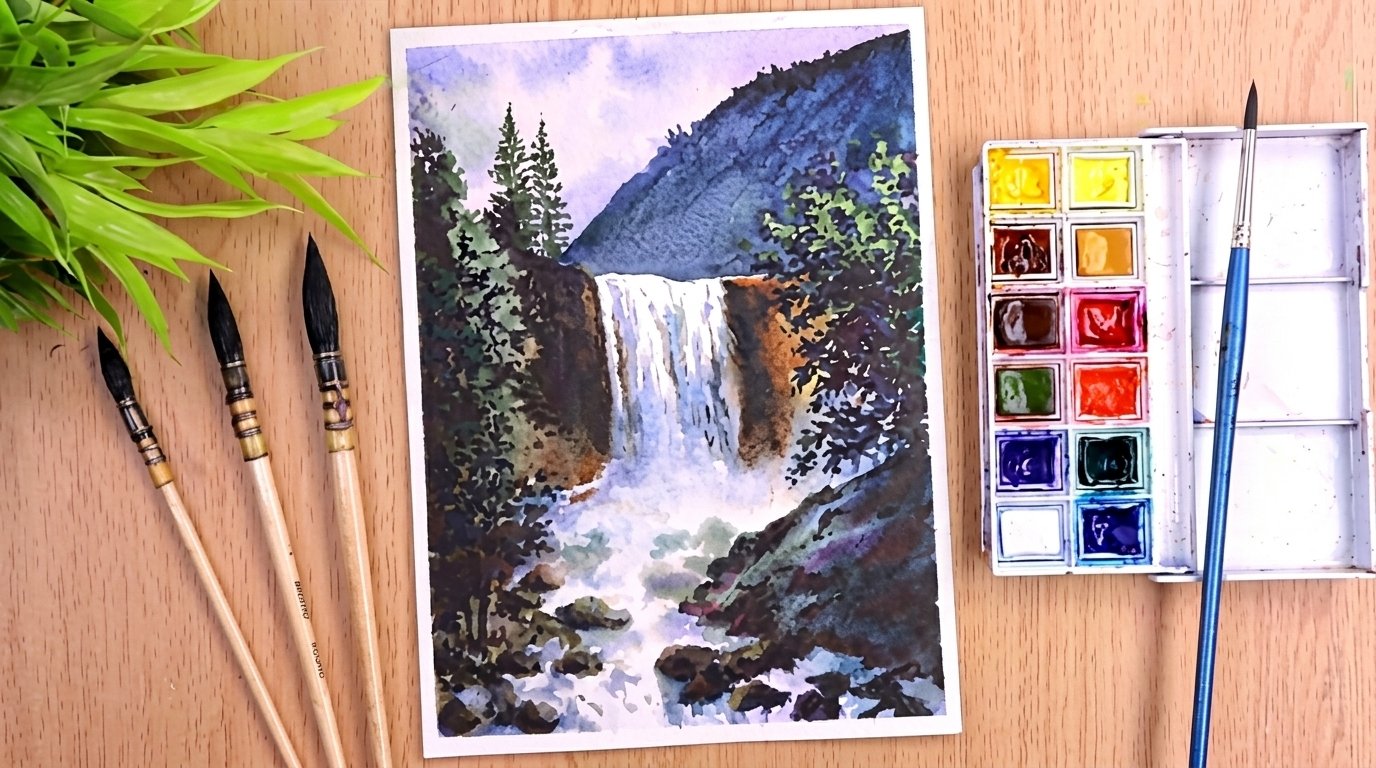
Practice loose brush strokes to show water falling over rocks. Builds confidence with wet-on-wet technique.
6. Forest Landscape Watercolor
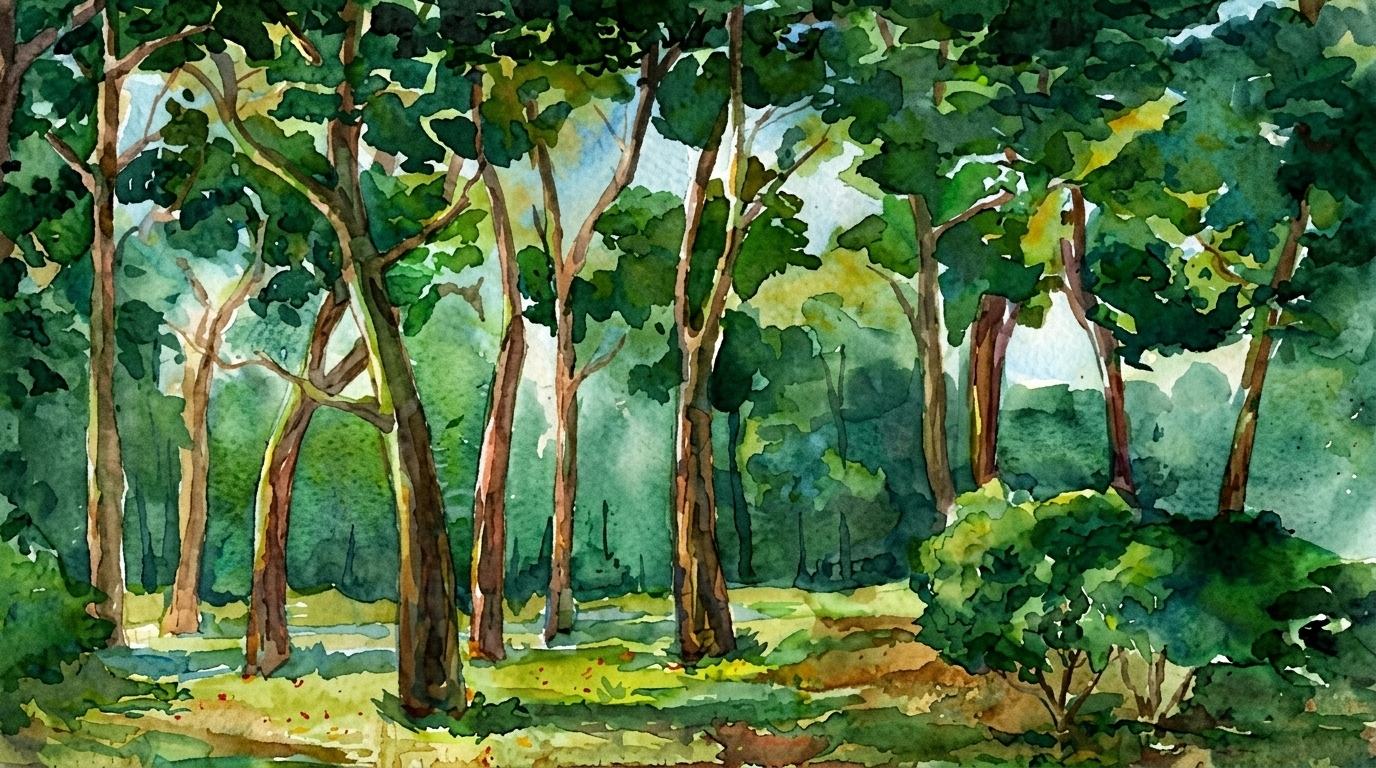
Mix shades of green to paint tall trees and shaded paths. Teaches color mixing and layered depth.
7. Ocean Watercolor Painting
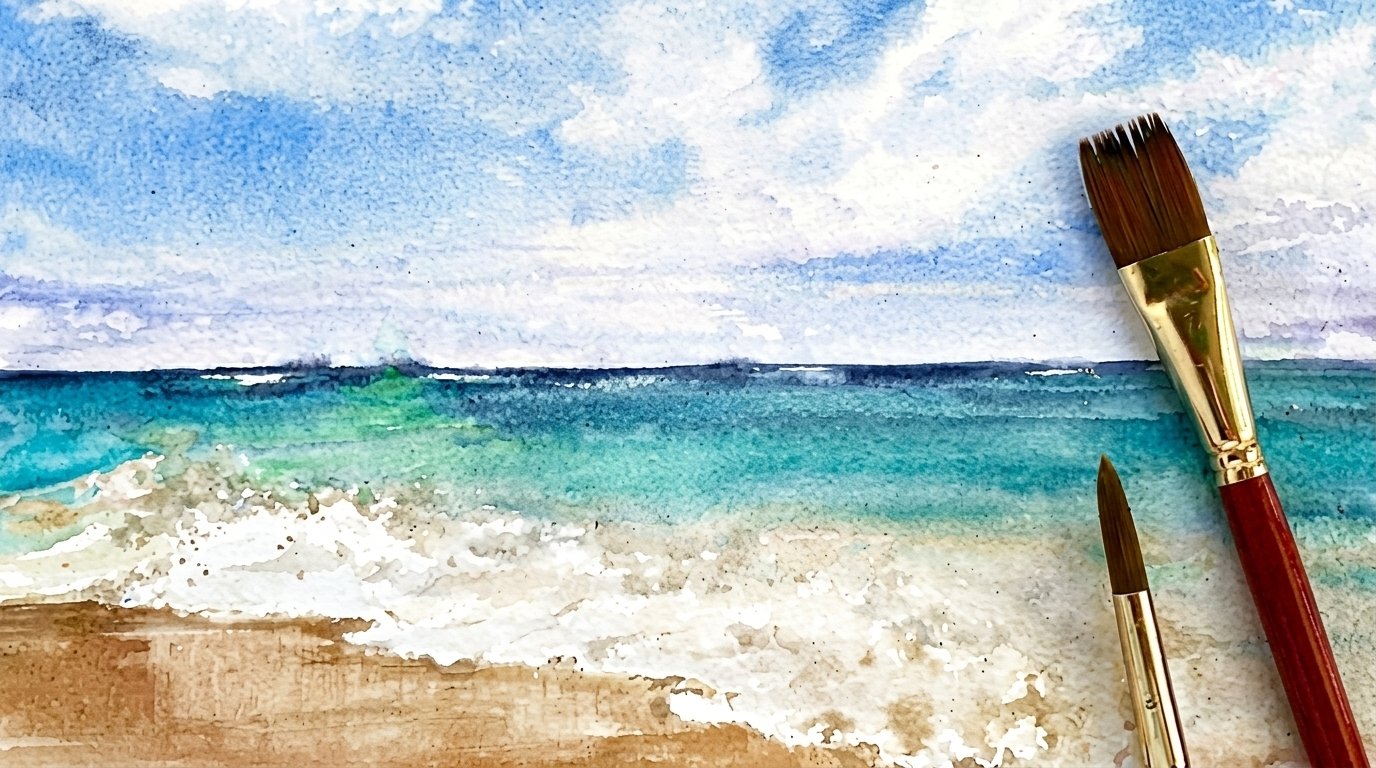
Use wet brush strokes to show waves moving across open water. Strengthens fluid, movement-based brushwork.
8. Underwater Watercolor Scene
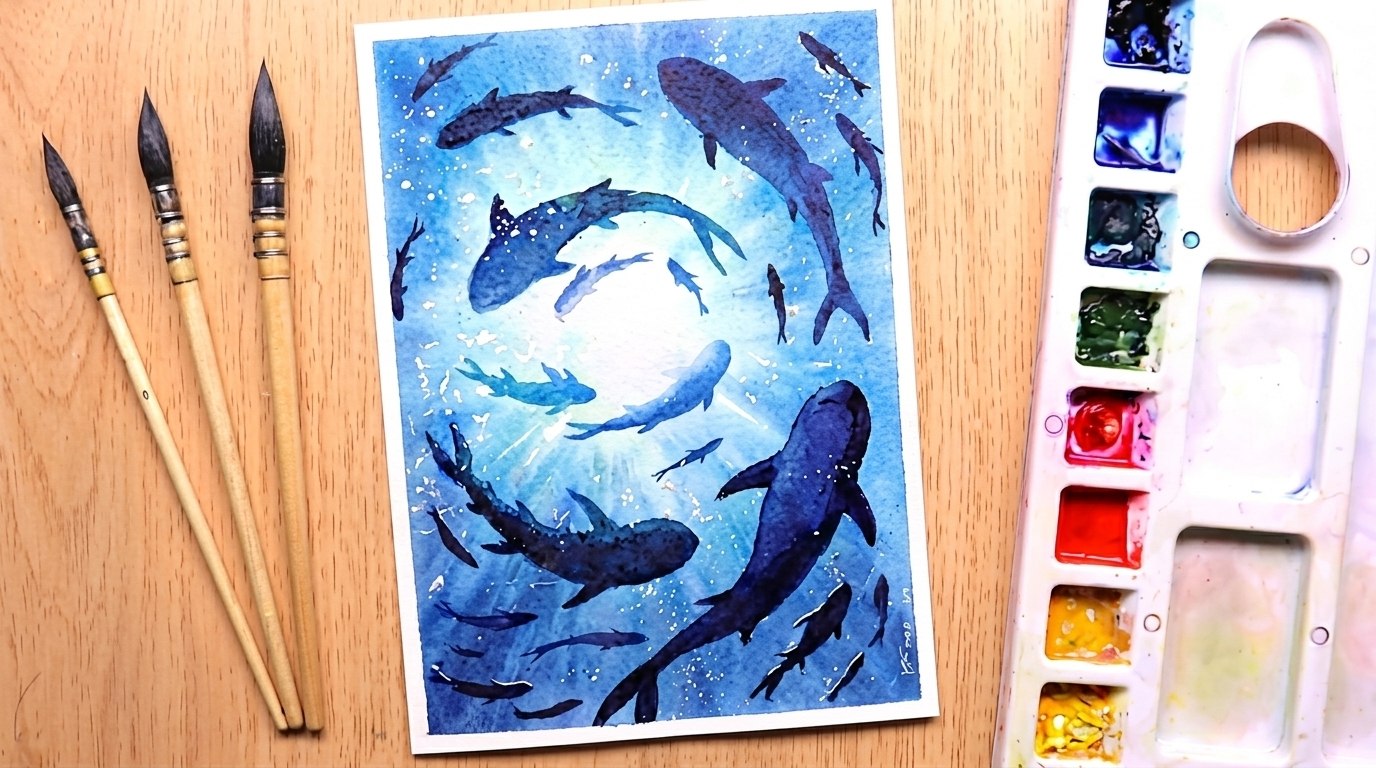
Add fish, coral, and bubbles below a calm blue surface. Combines wash backgrounds with small detail work.
9. Watercolor Clouds
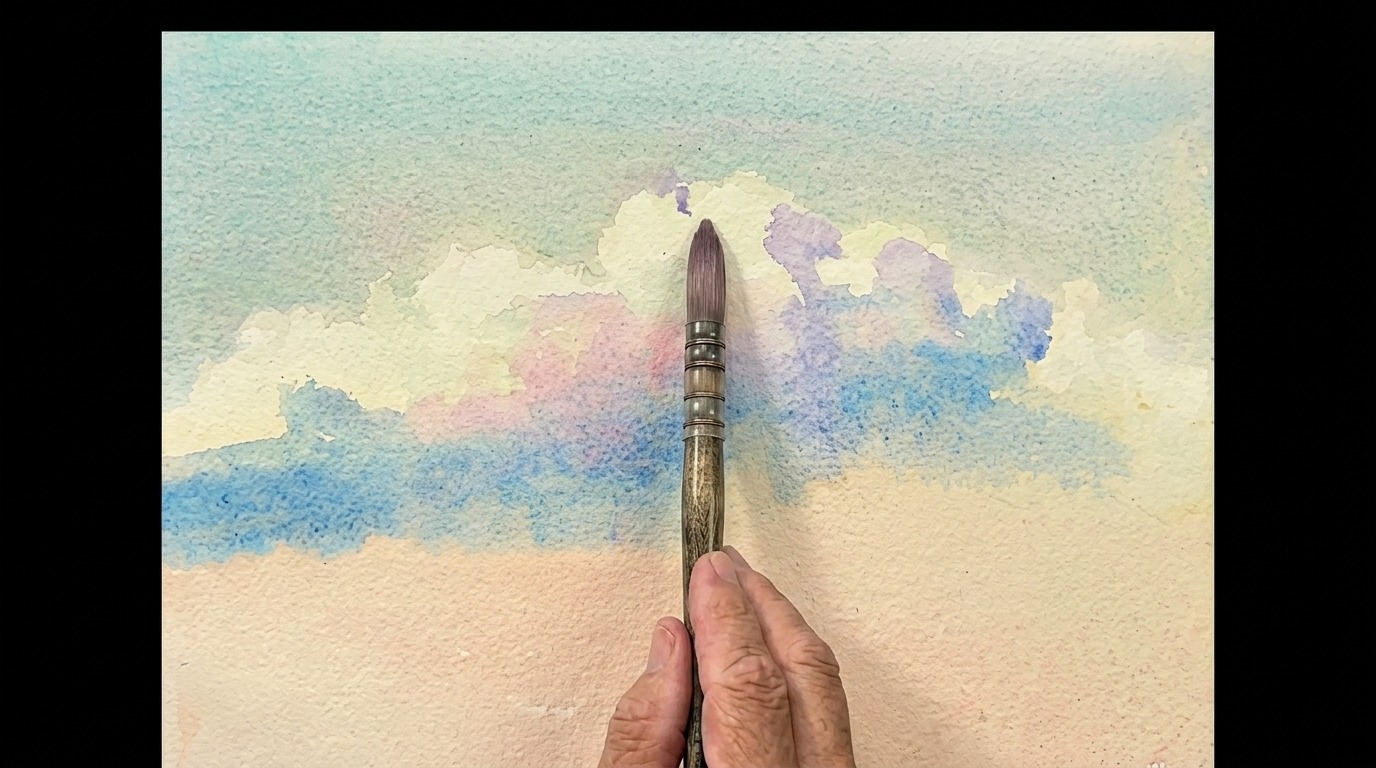
Practice soft edges and light shading to paint fluffy clouds in the sky. A simple exercise in softening hard lines.
10. Night Sky Watercolor
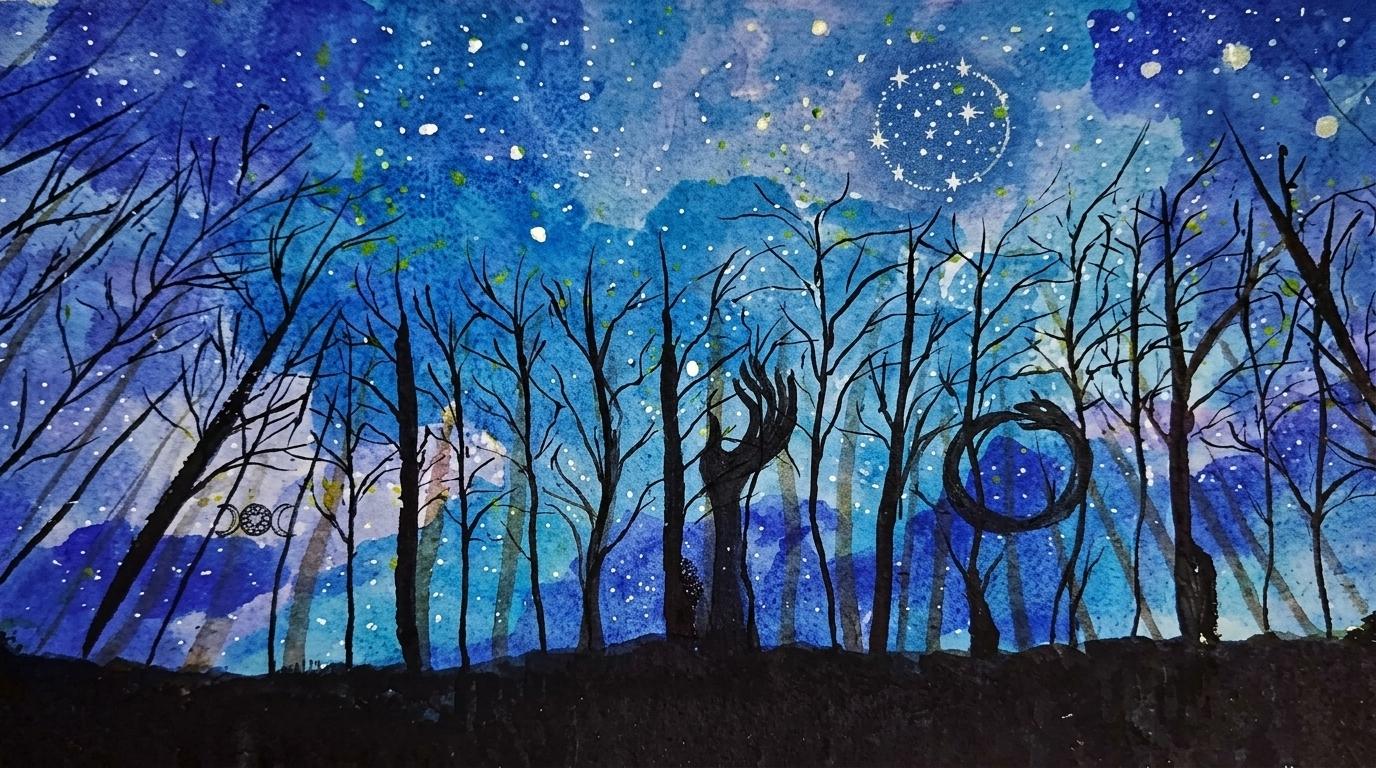
Paint a dark blue background dotted with small white stars. Good for practicing dark, even washes.
11. Rainbow Watercolor Painting
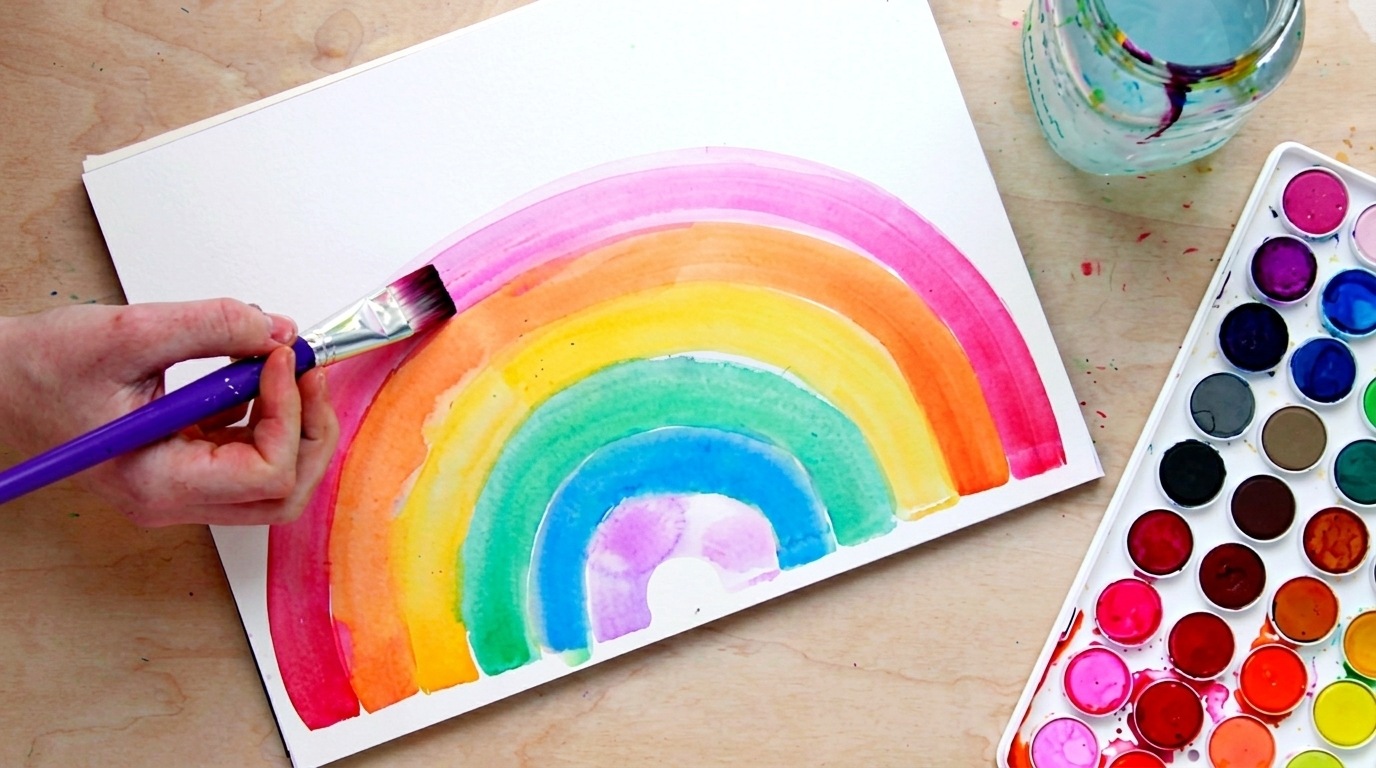
Mix bright colors side by side to form a curved rainbow. Helps with smooth color transitions.
12. Galaxy Watercolor Painting

Blend deep purples and blues with small white specks for stars. Builds skill in layering dark tones.
13. Sky Watercolor Painting
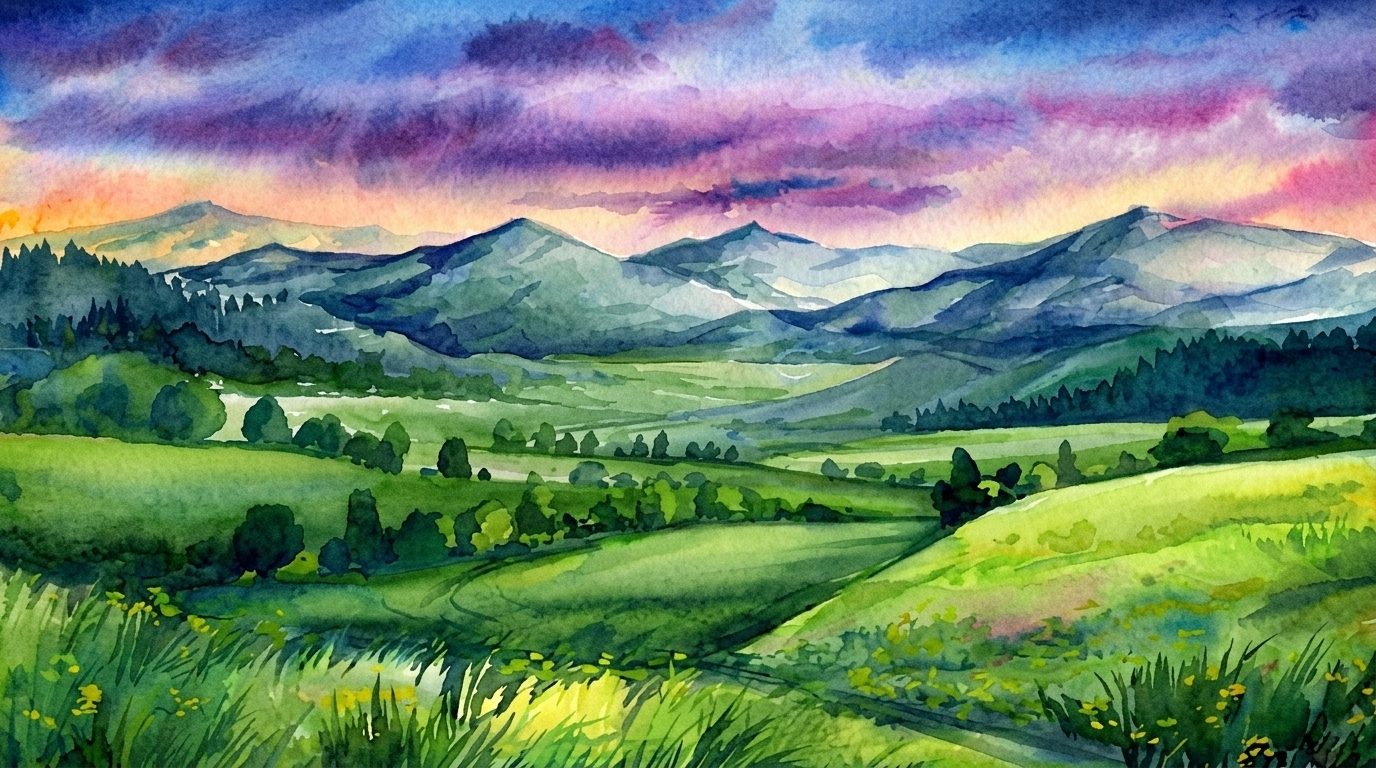
Practice color blending by painting a plain sky at different times of day. A flexible study for gradients.
14. Palm Tree Watercolor Painting
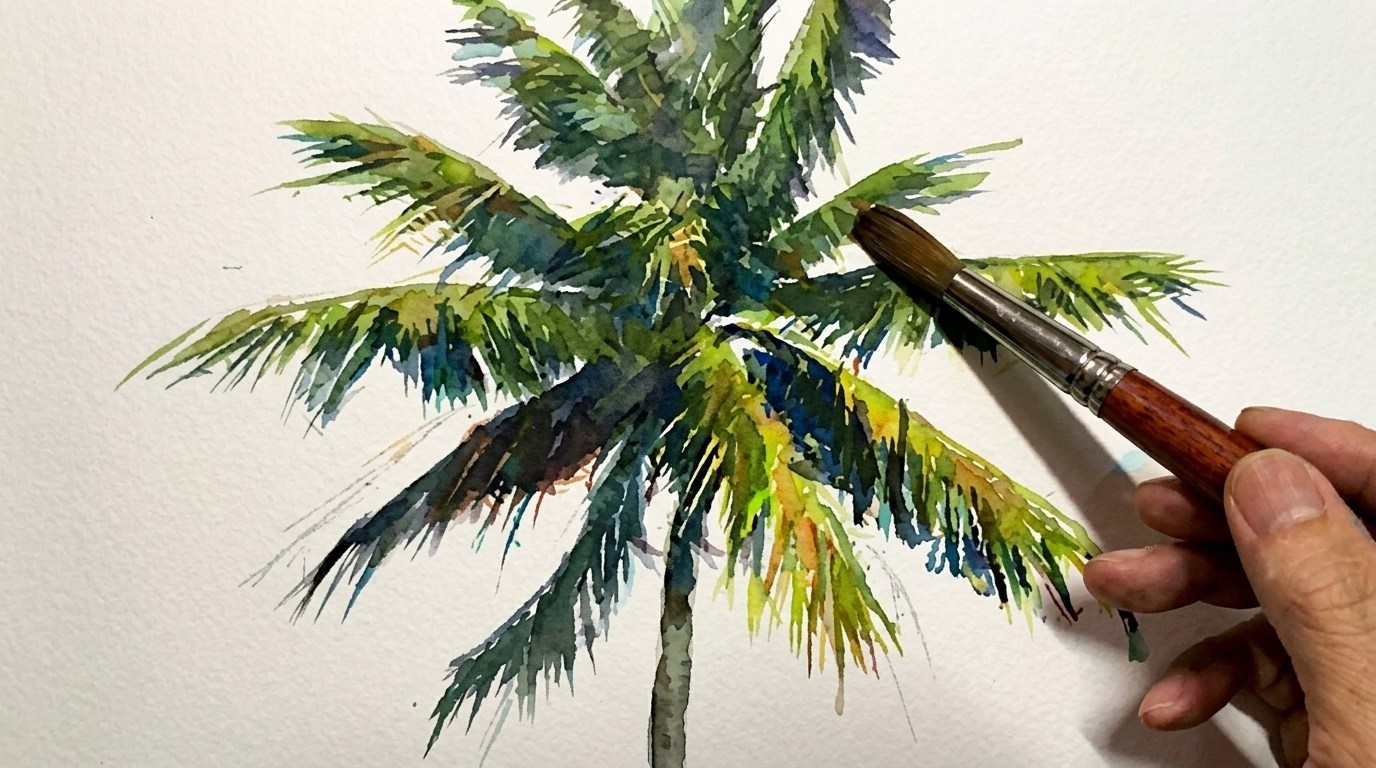
Paint tall trunks and green leaves against a warm background. Good for line control and leaf shapes.
15. Lighthouse Watercolor Painting
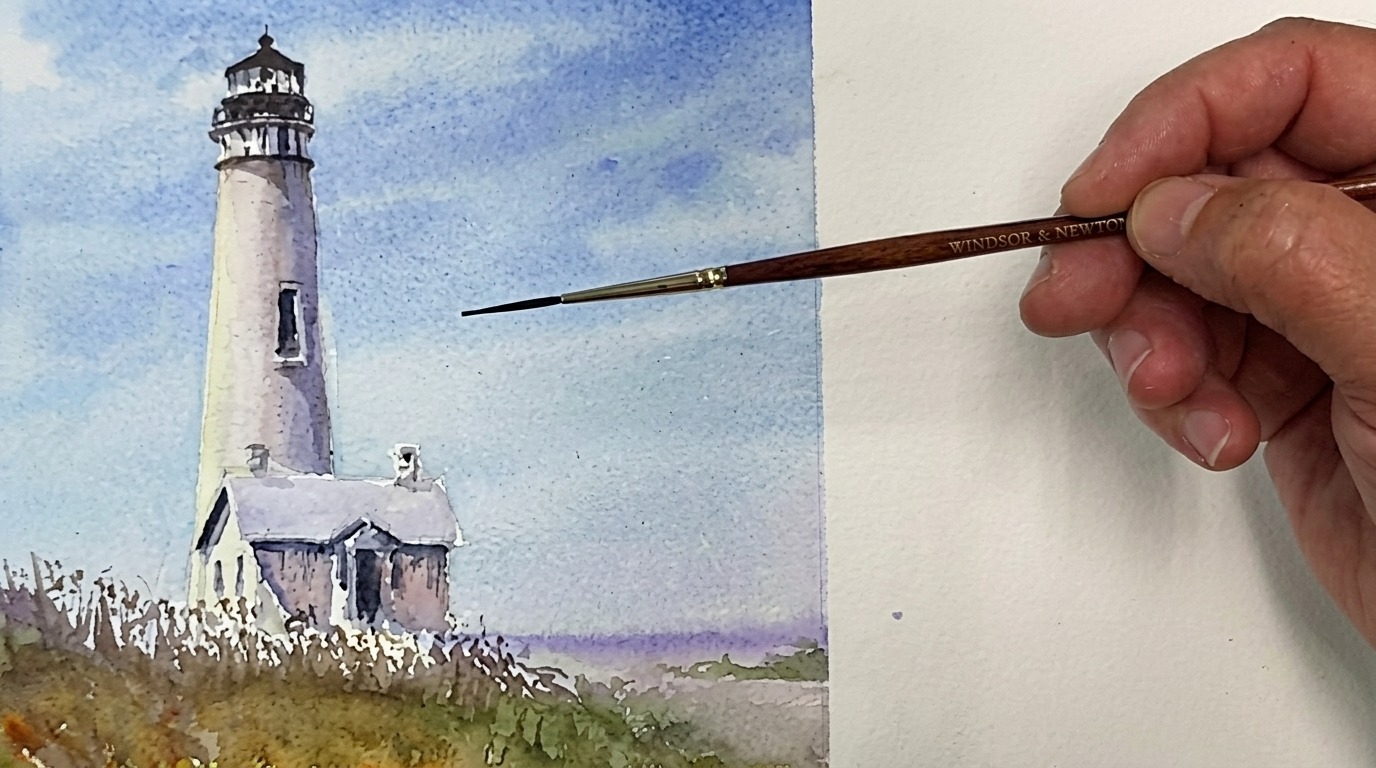
Show a tall lighthouse standing near rocky cliffs and open water. Combines architecture with texture.
16. Boathouse Watercolor Painting
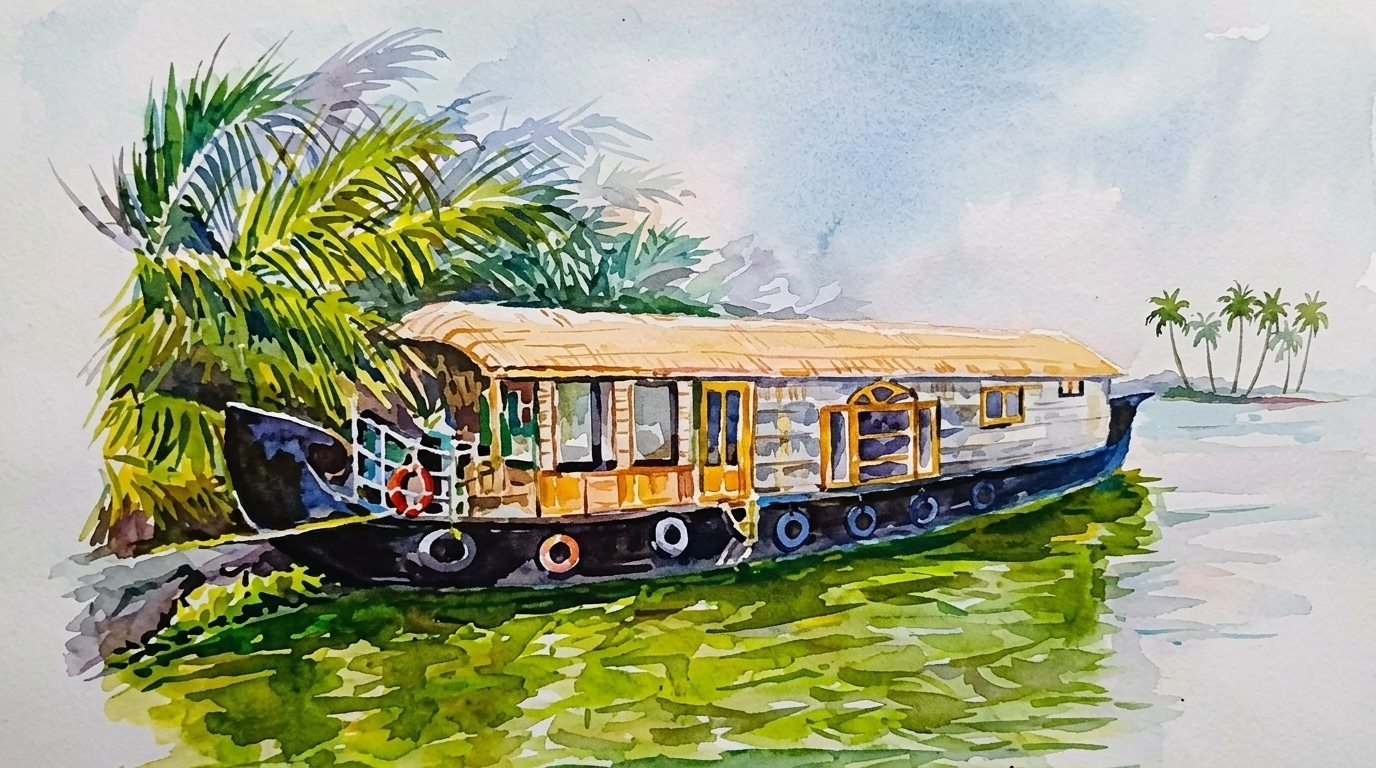
Paint a small wooden house resting at the edge of a lake. Practice for reflections and structure.
17. Camp Landscape Watercolor
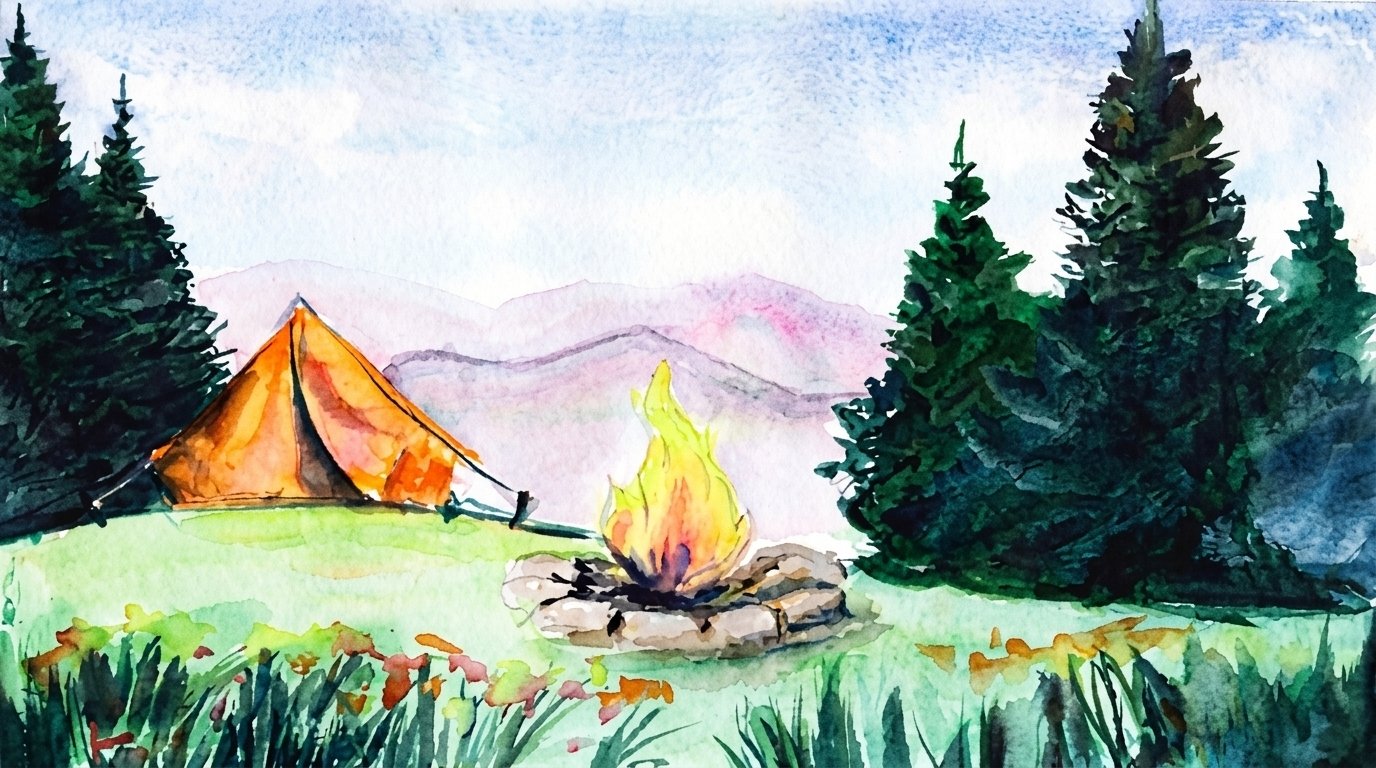
Add a tent, campfire, and trees to show an outdoor scene. A fun multi-element composition exercise.
18. Snow Watercolor Painting
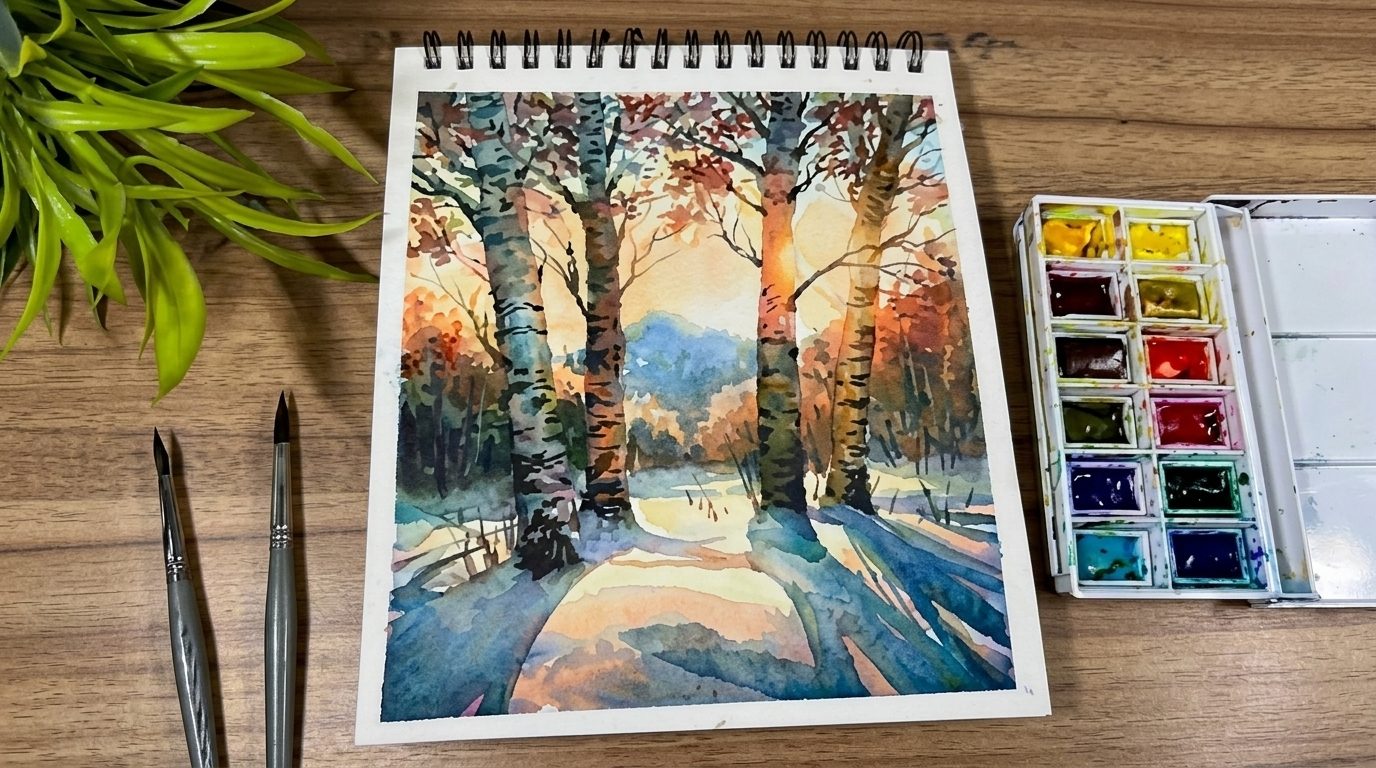
Use white space and light grey shading to show falling snow. Teaches restraint and negative space.
19. Moon Watercolor Painting
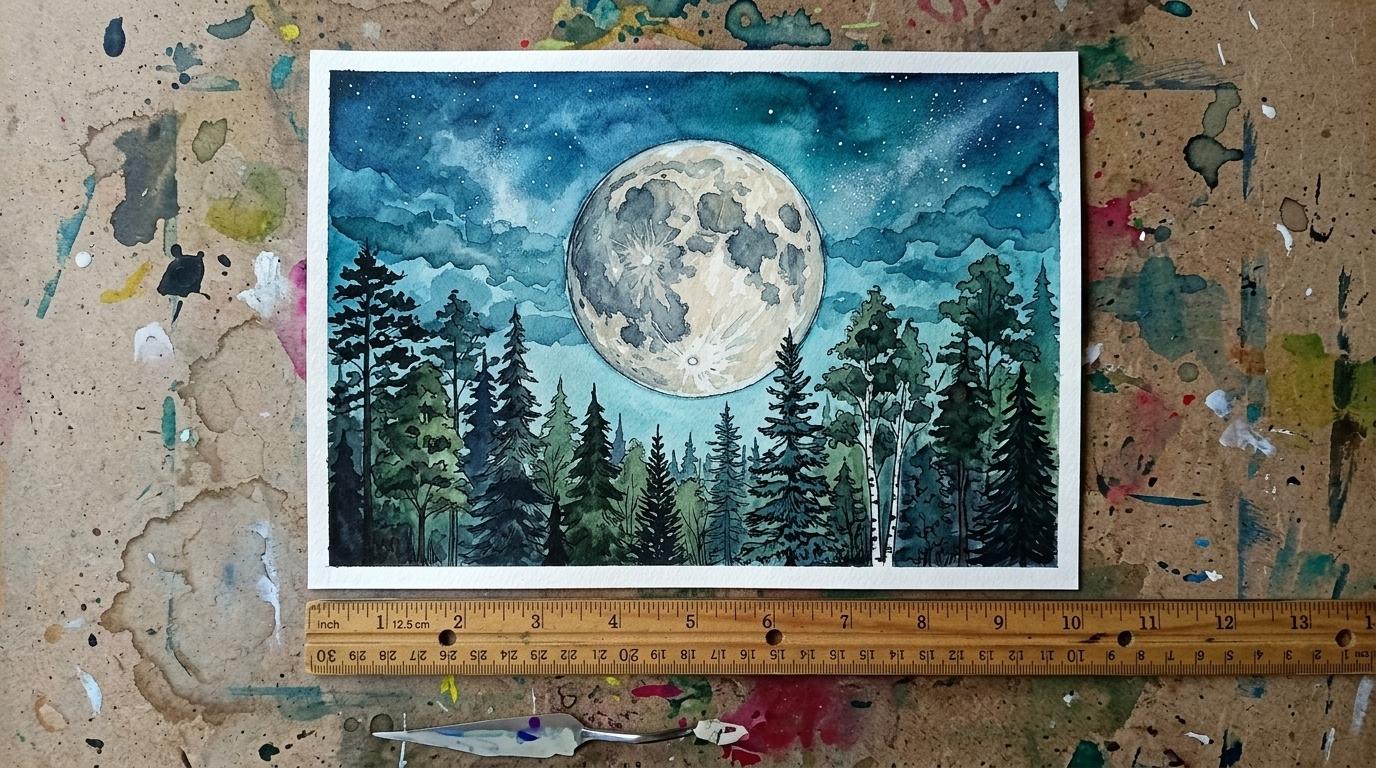
Paint a glowing circle in a dark sky using soft washes. Simple practice in soft glow effects.
20. Watercolor Flowers
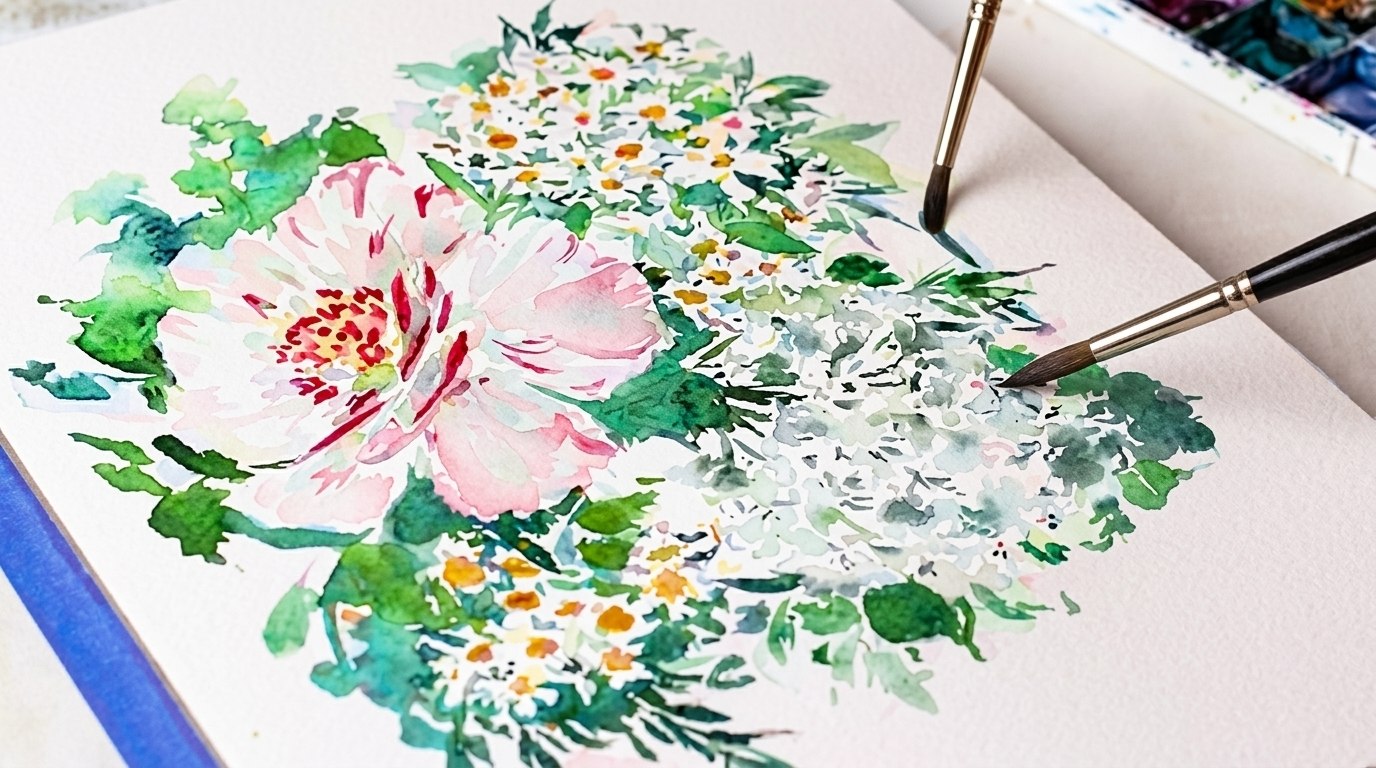
Practice round and pointed petal shapes using light brush strokes. A foundational floral exercise.
21. Sunflower Watercolor Painting

Paint bright yellow petals around a dark brown center. Good contrast practice.
22. Rose Watercolor Painting

Layer red and pink shades to form rounded rose petals. Builds layering and shading skill.
23. Tulip Watercolor Painting
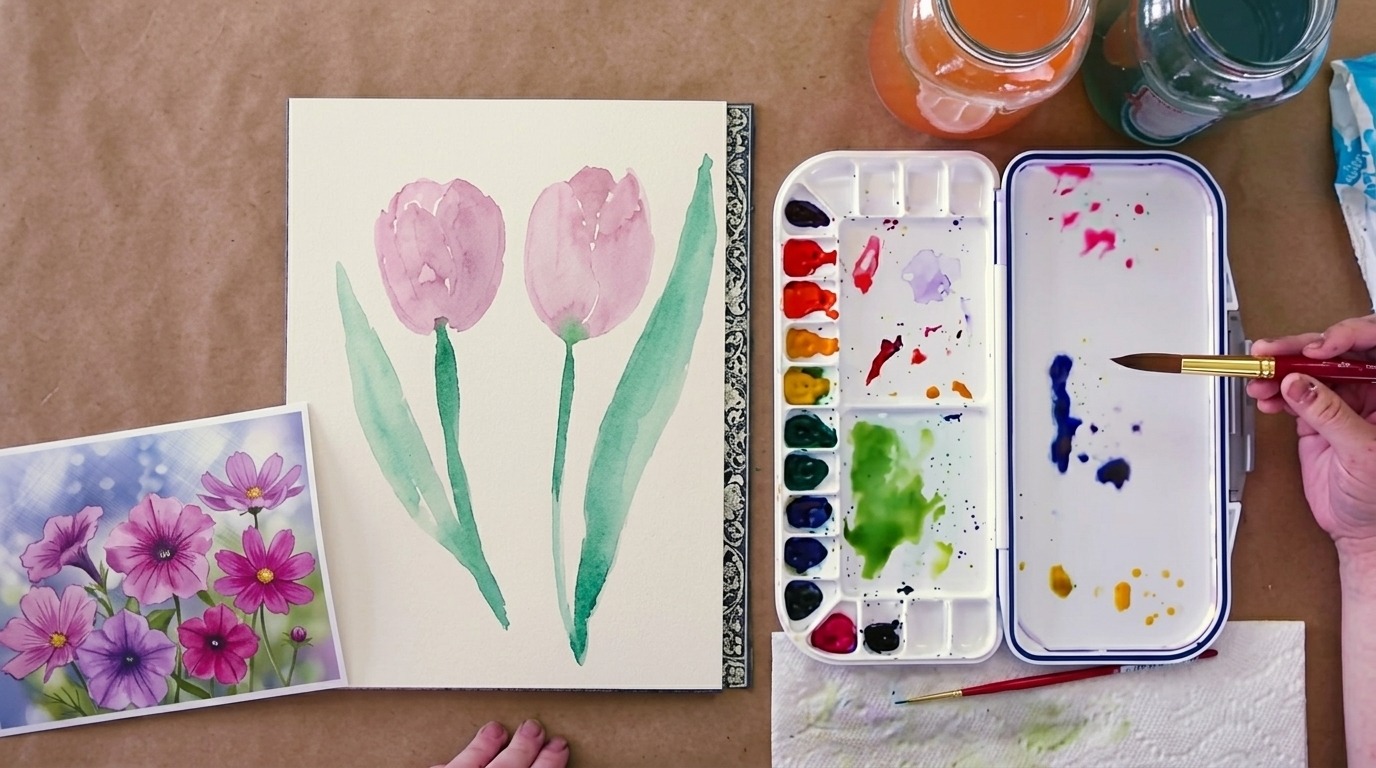
Paint tall stems topped with smooth, curved tulip shapes. Easy shape-based practice.
24. Wildflower Watercolor Painting
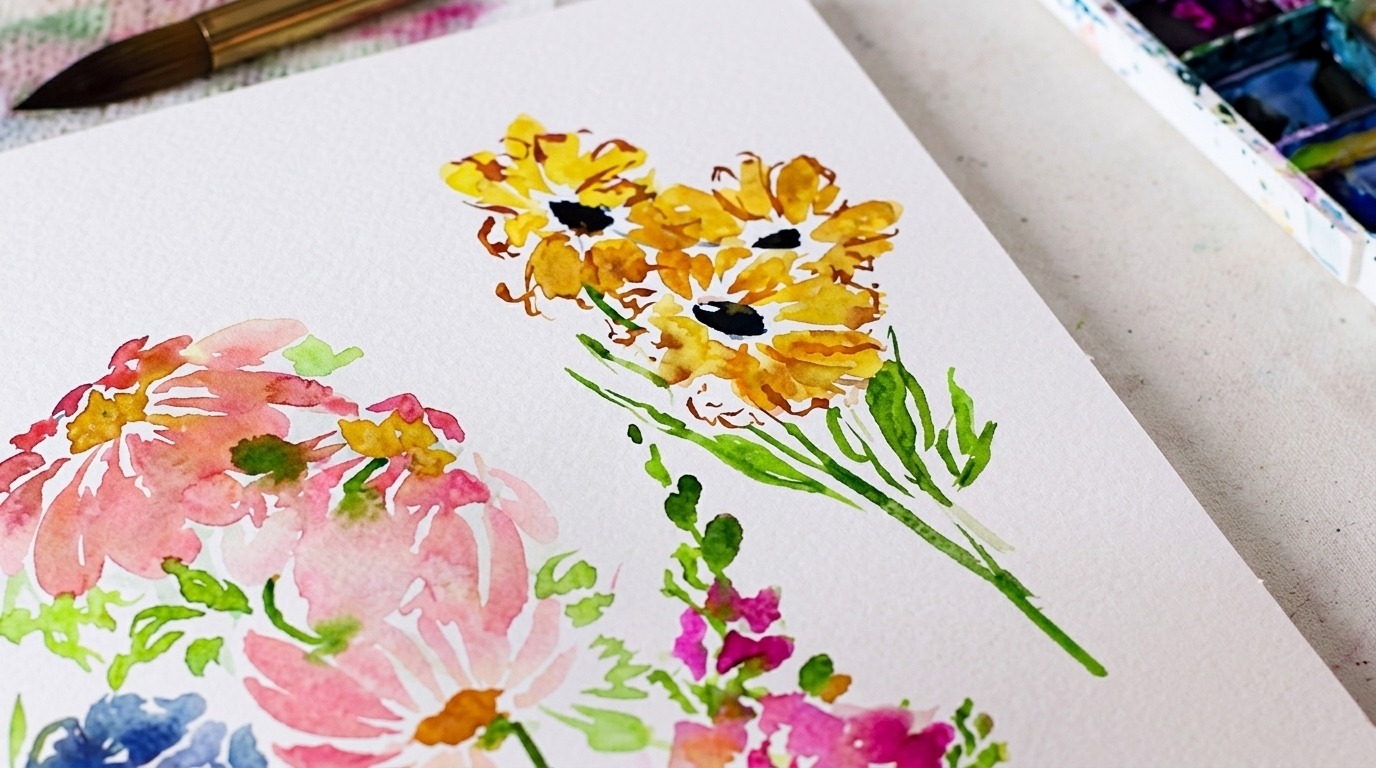
Mix small flowers and leaves into a loose, natural cluster. Great for loose, expressive brushwork.
25. Cherry Blossom Watercolor
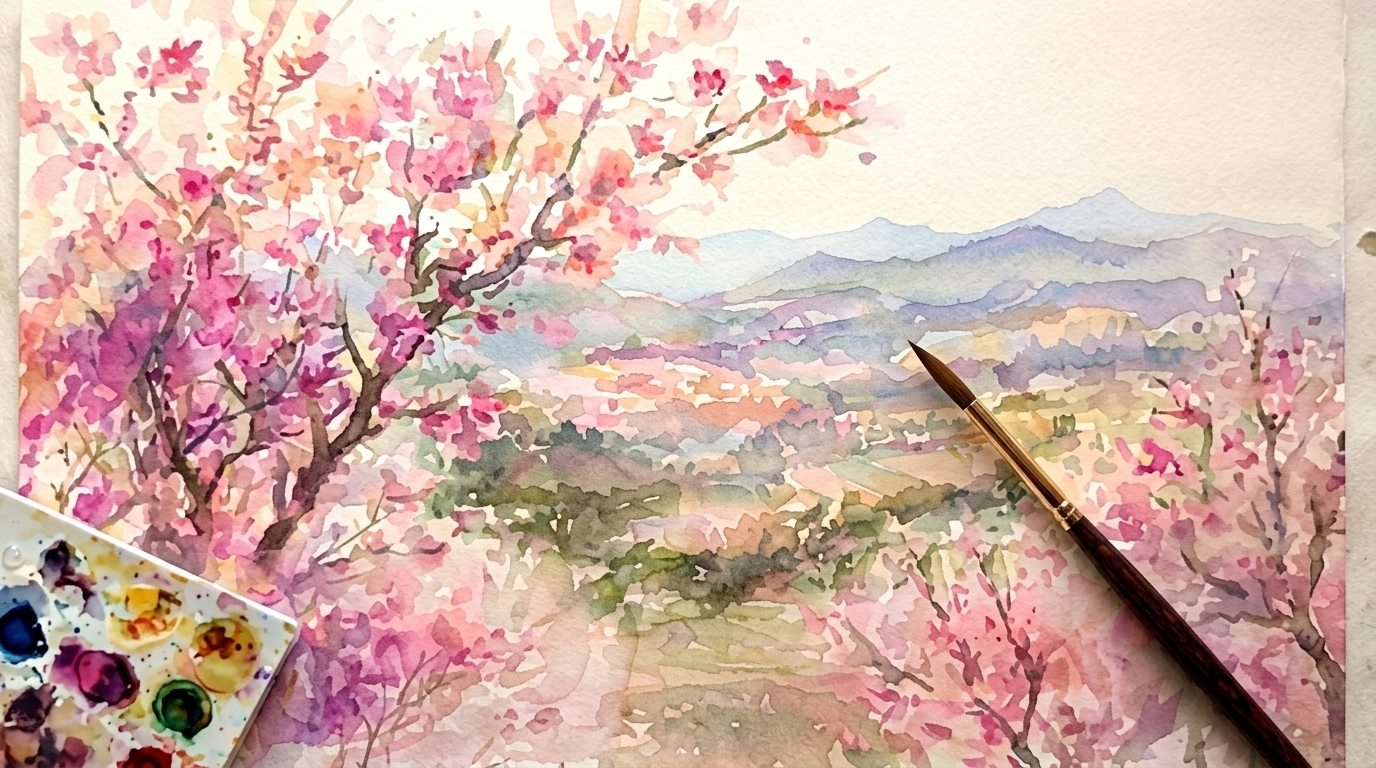
Paint small pink petals scattered along thin tree branches. Practice for delicate detail.
26. Poppies Watercolor Painting
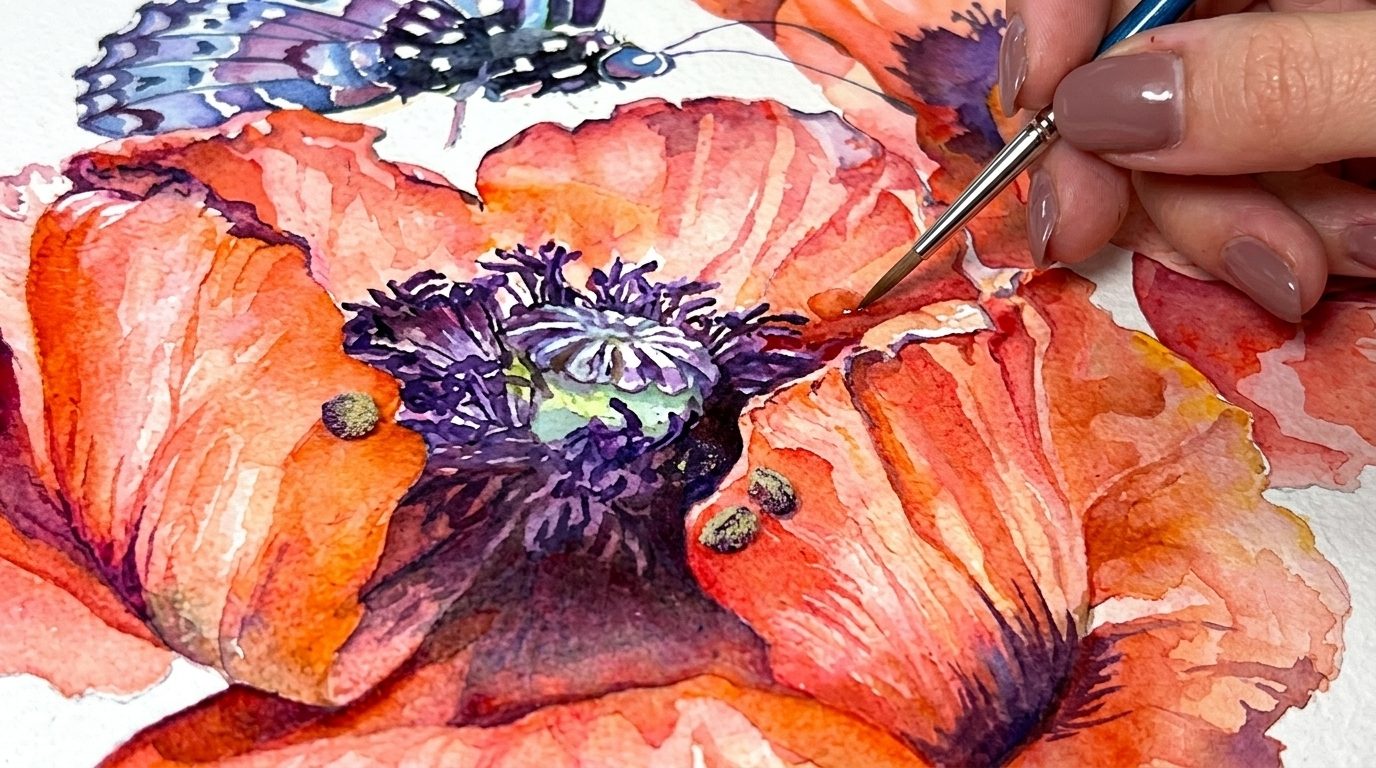
Use bold red strokes to paint thin, papery poppy petals. Good for vibrant pigment control.
27. Hydrangea Watercolor Painting

Group small petal clusters together to form a full flower head. Builds patience with repetitive shapes.
28. Peony Watercolor Painting
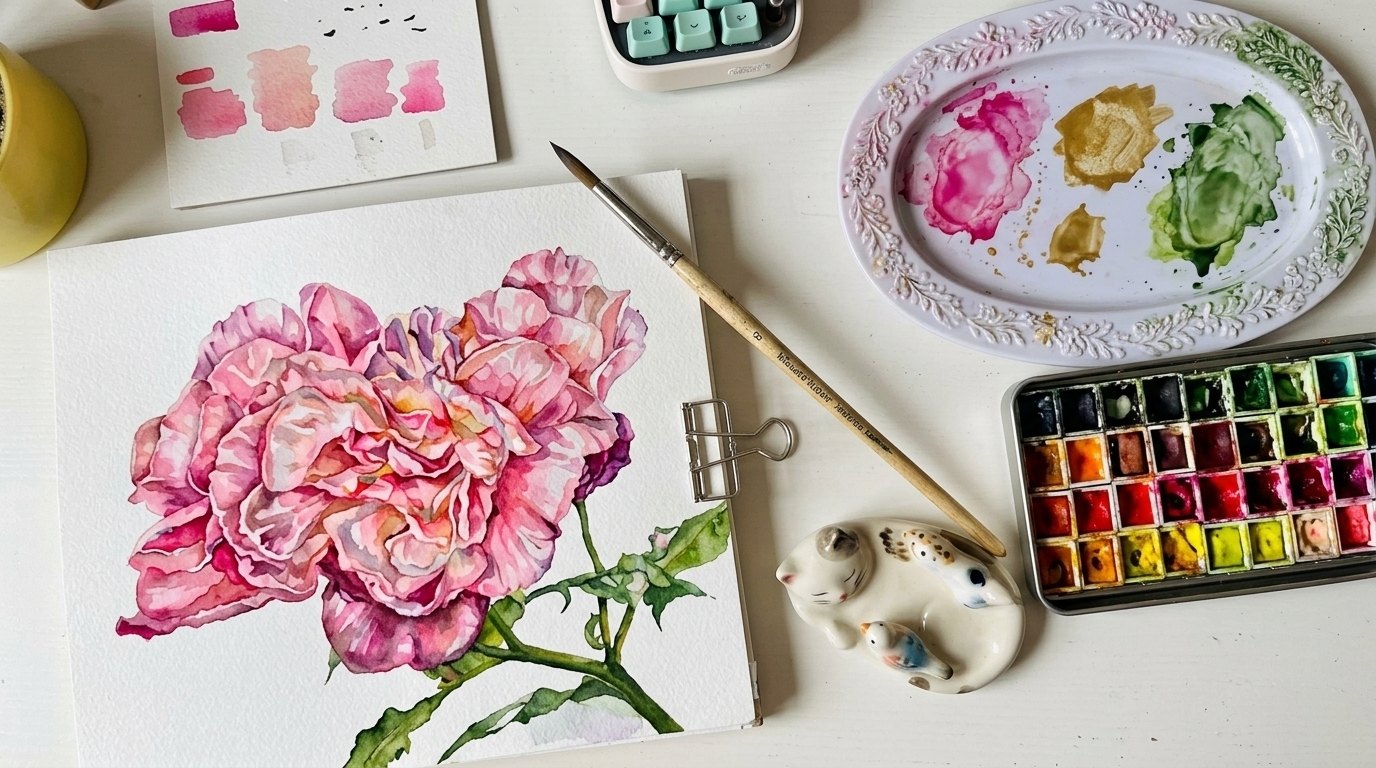
Layer soft pink and white tones for round, full petals. Teaches soft tonal blending.
29. Daisy Watercolor Painting
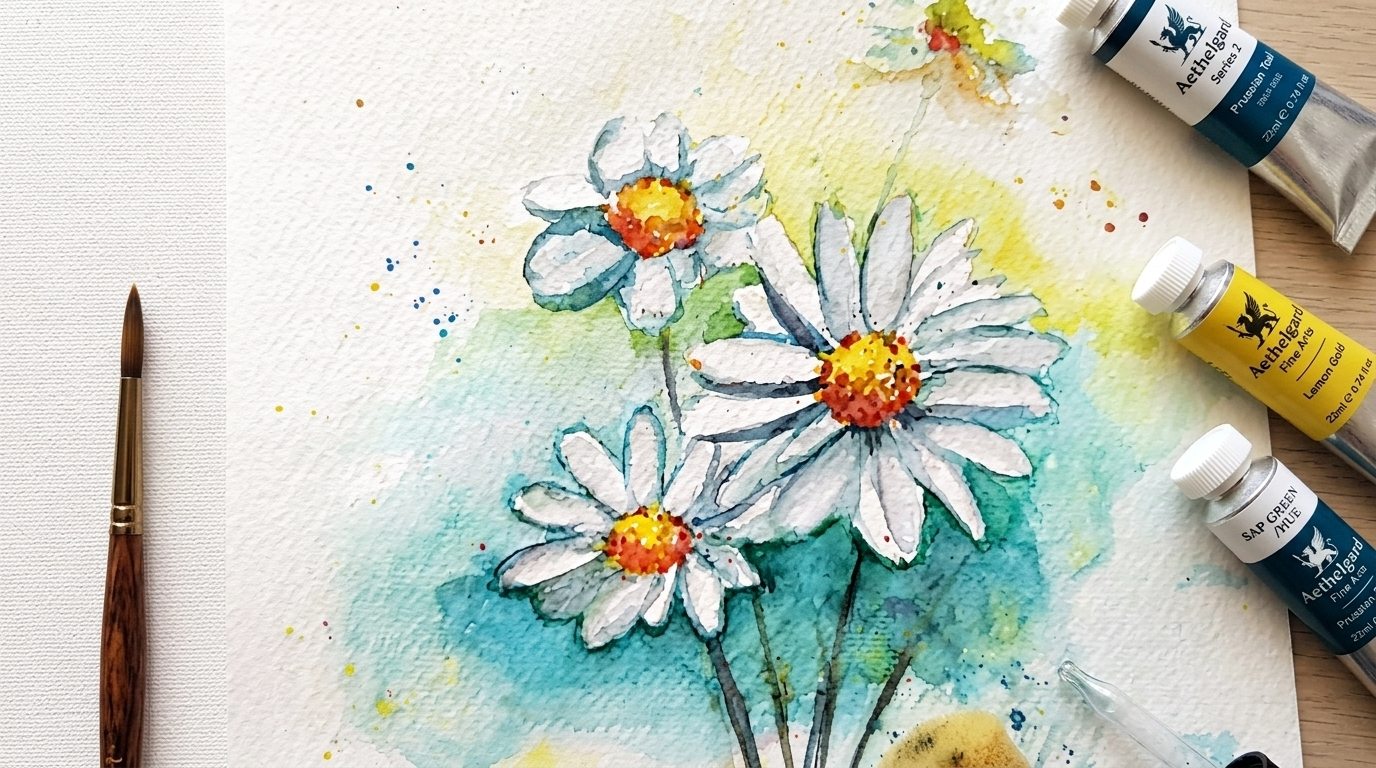
Paint white petals around a small yellow center. Simple, beginner-friendly subject.
30. Daffodil Watercolor Painting
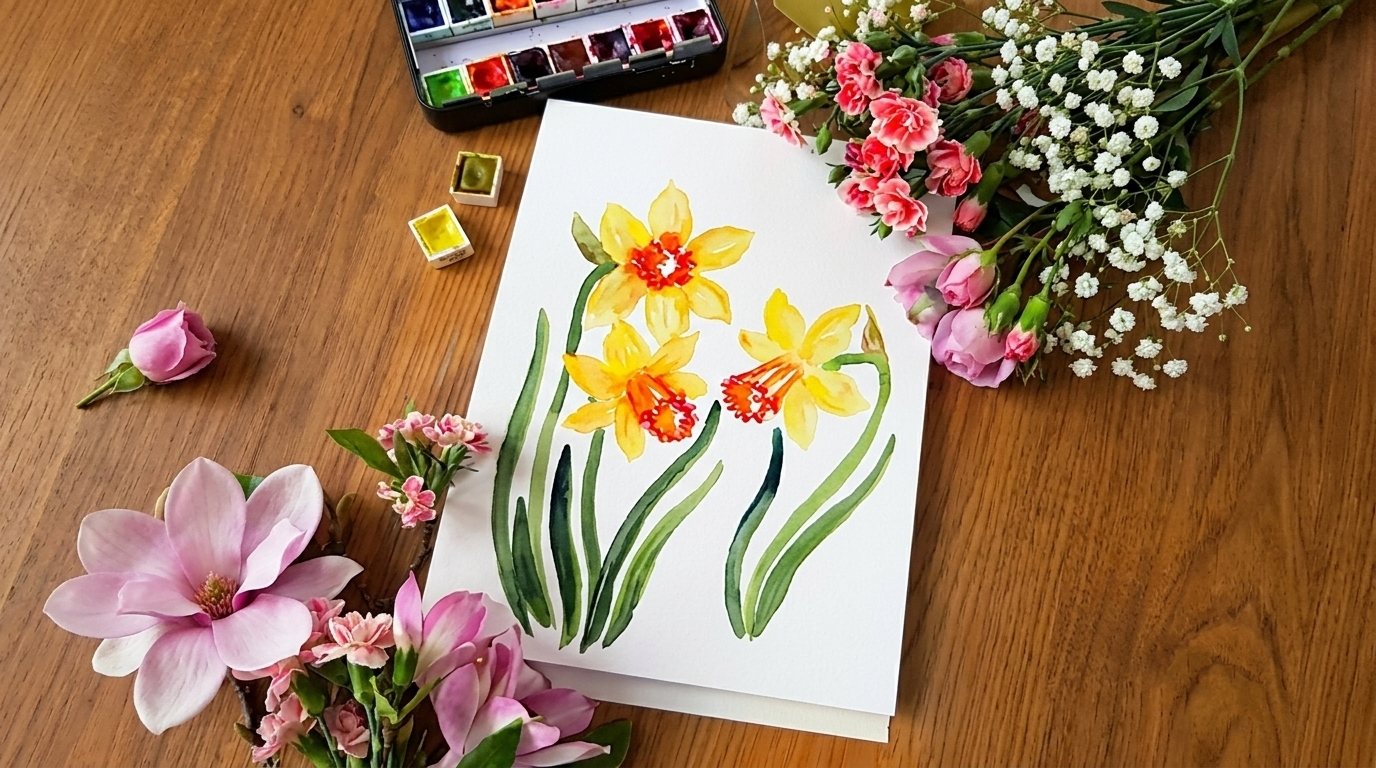
Use yellow and orange shades to paint trumpet shaped petals. Good for shape and shadow practice.
31. Butterfly Watercolor Painting

Paint symmetrical wings using bright colors and simple patterns. Practice for symmetry and pattern work.
32. Watercolor Bird
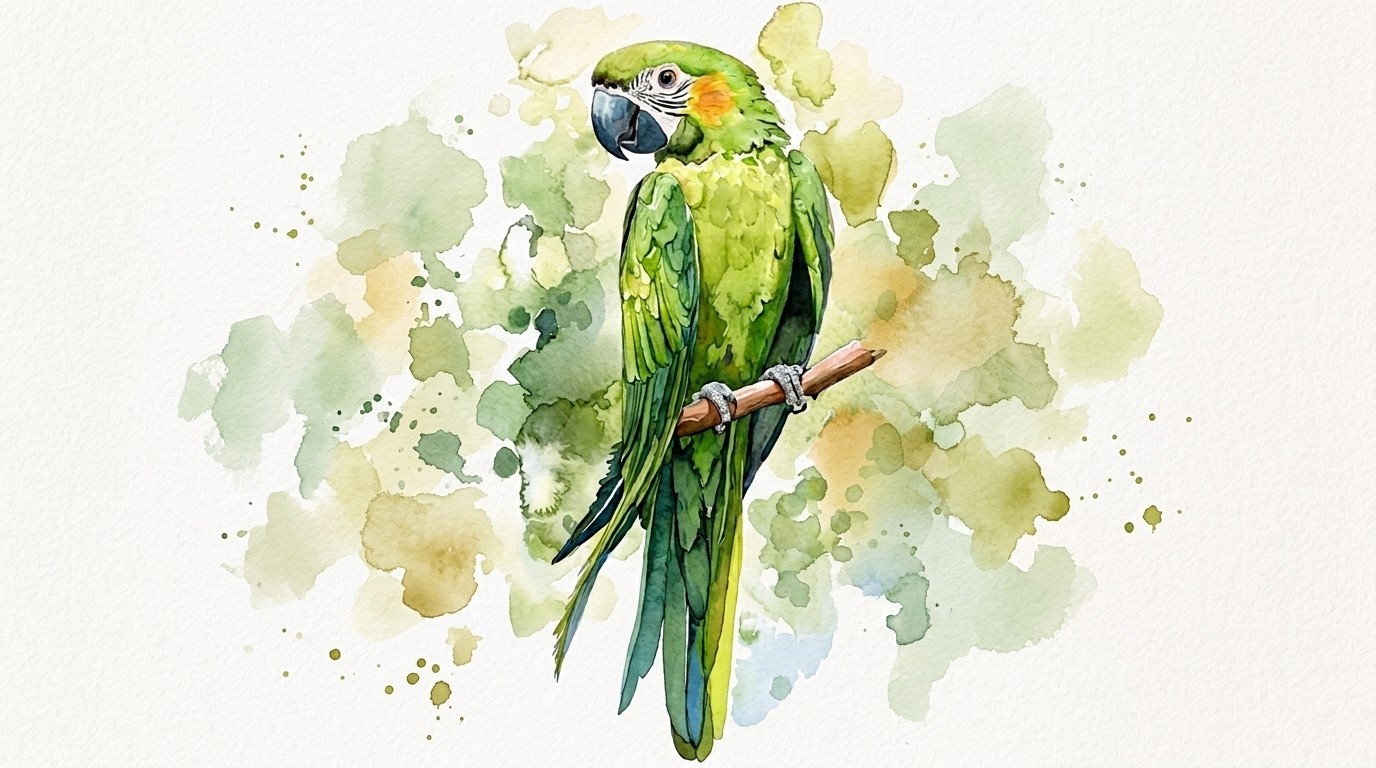
Practice small brush strokes to paint feathers and a curved beak. Builds fine detail control.
33. Watercolor Peacock
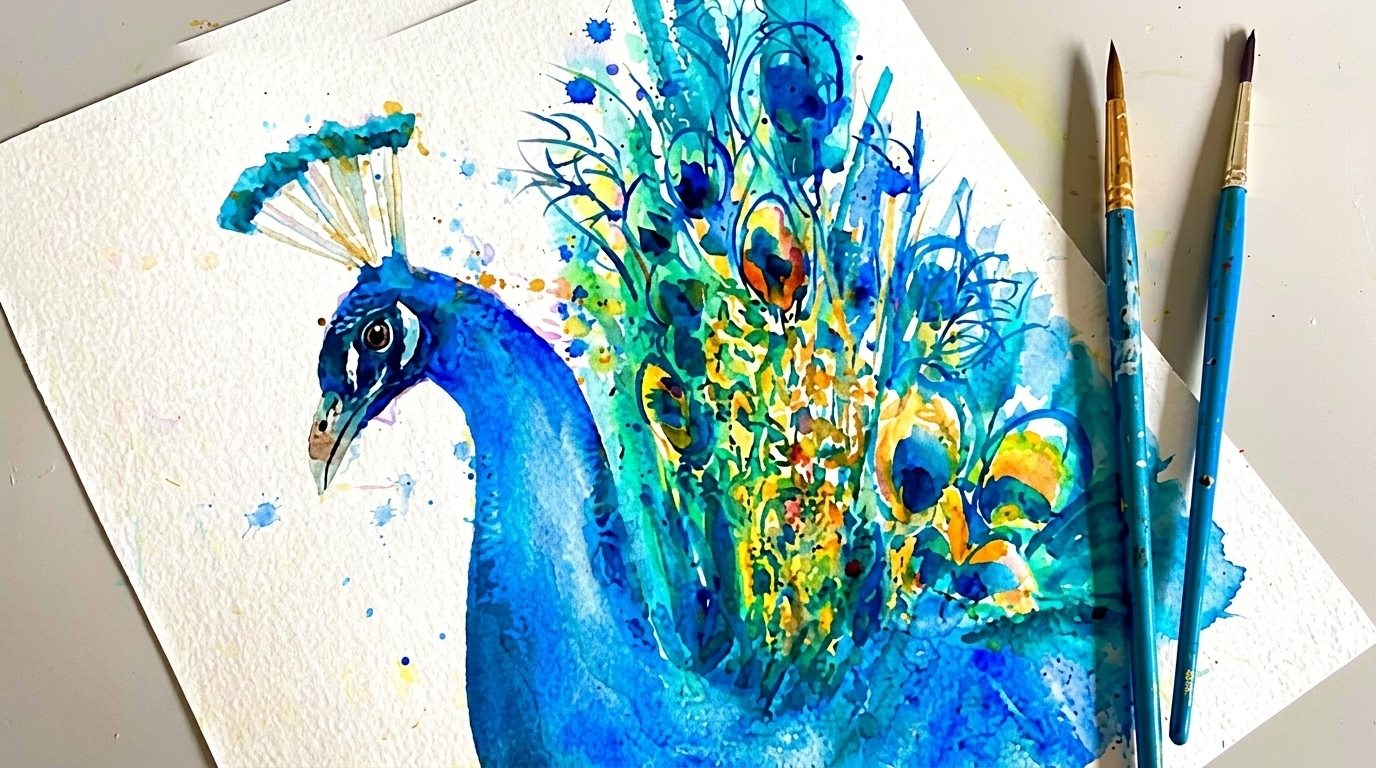
Add blue and green feather patterns to a long, fanned tail. Great for intricate pattern practice.
34. Dragonfly Watercolor Painting
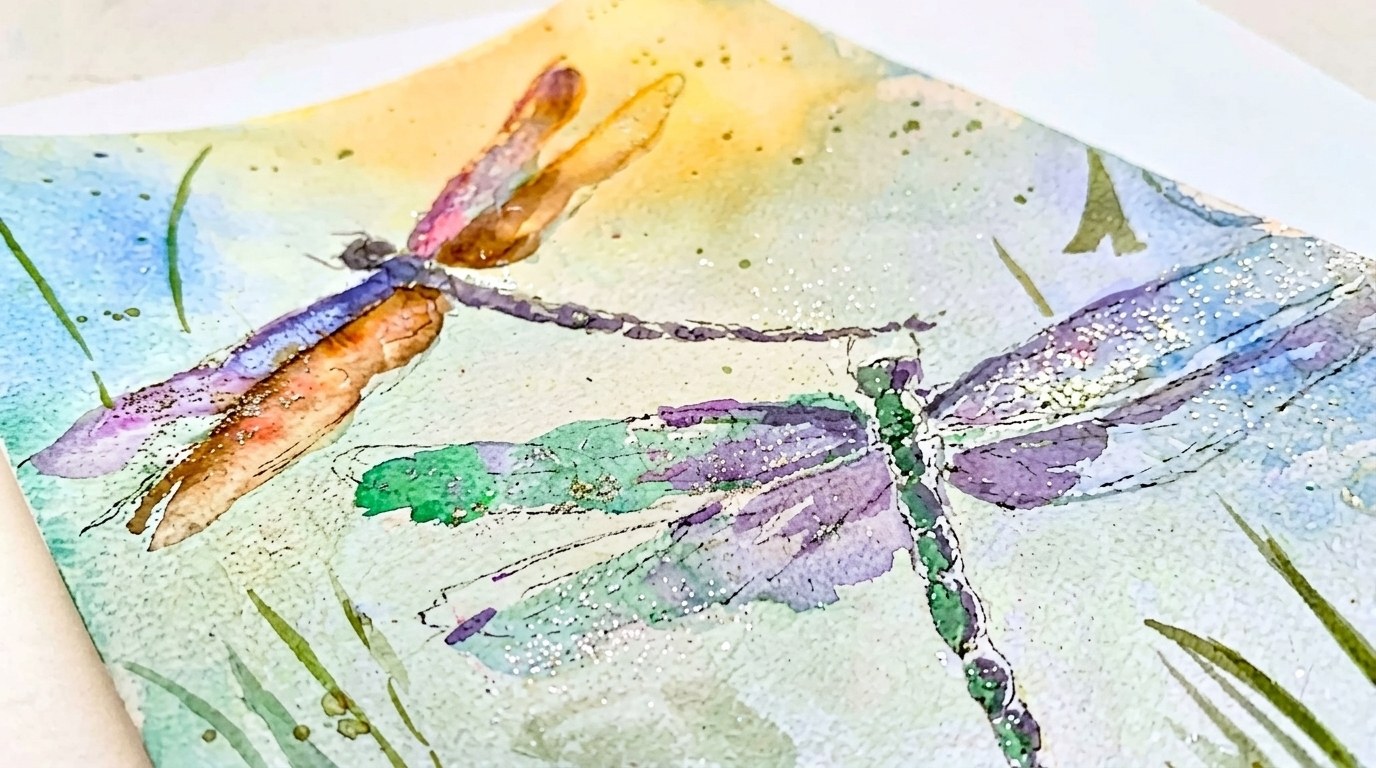
Paint thin wings and a long body using light, careful lines. Good for precision linework.
35. Cat Watercolor Painting
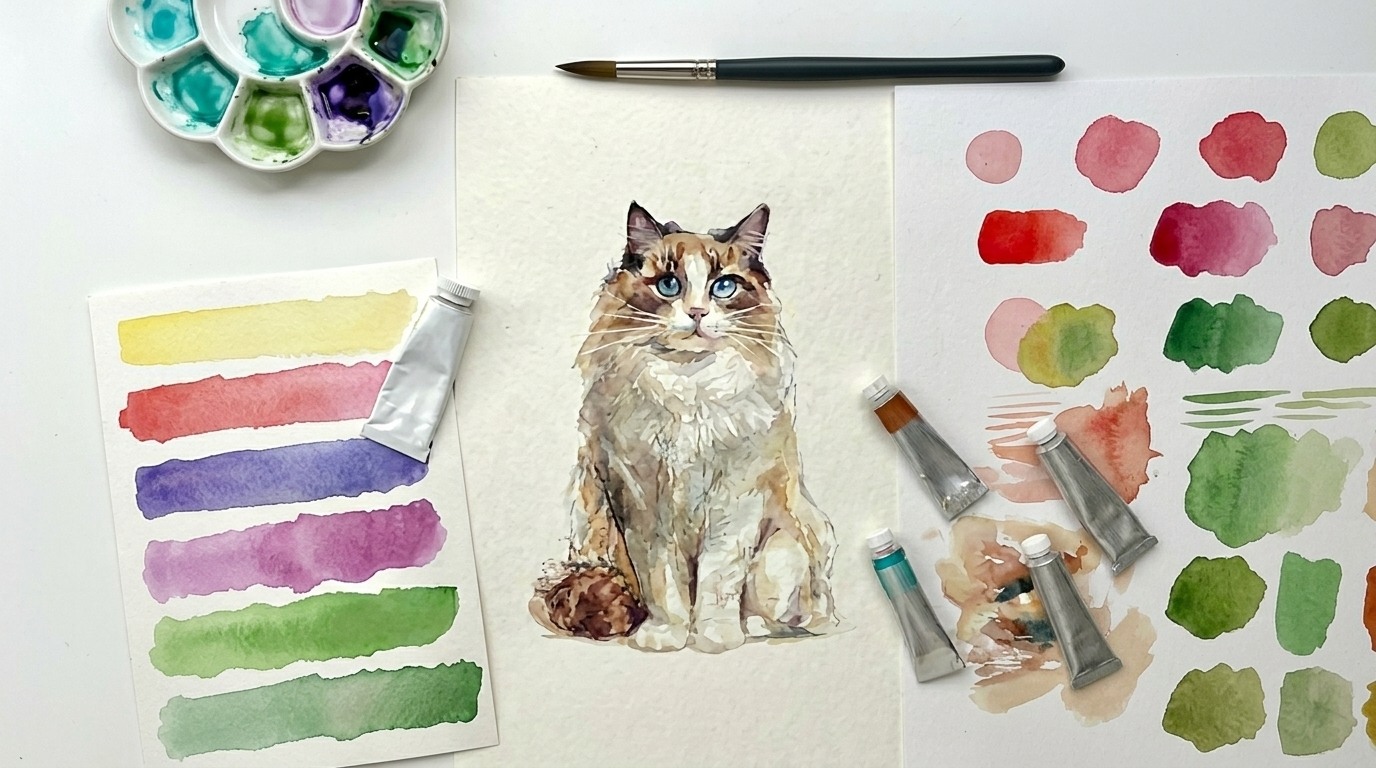
Paint soft fur texture using light, layered brush strokes. Builds texture skills in it.
36. Bunny Watercolor Painting
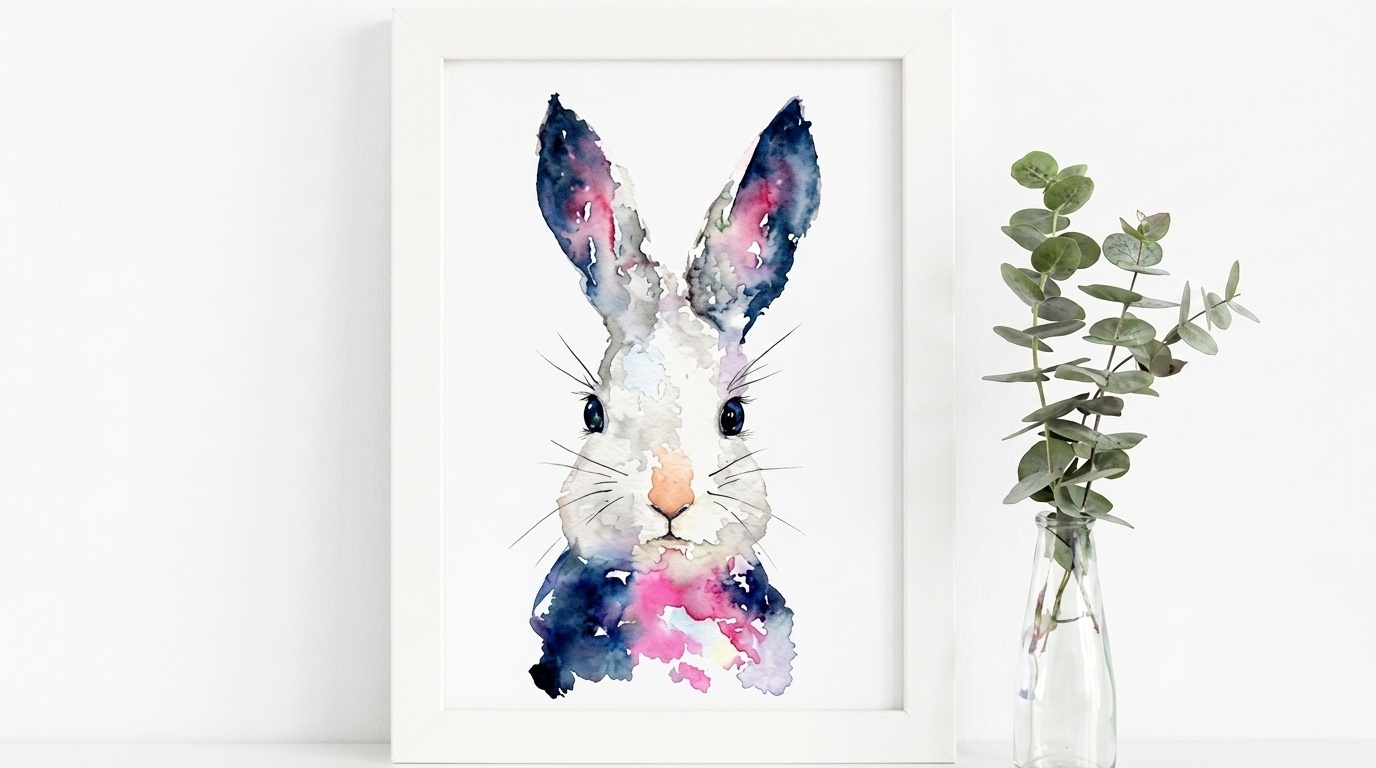
Use round shapes and soft grey tones for a small rabbit. Simple shape and shading exercise.
37. Elephant Watercolor Painting
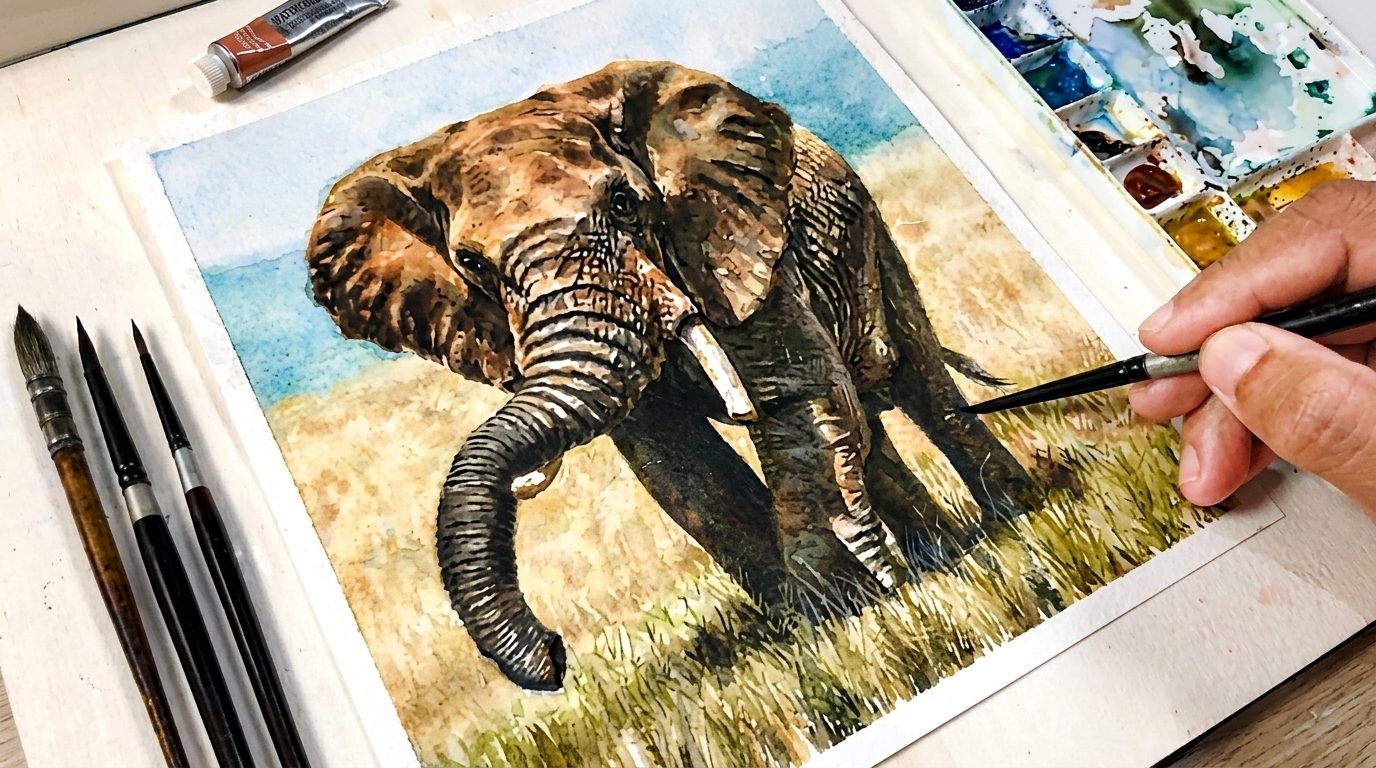
Paint grey skin texture using light washes and shading. Good for large, soft shading in it.
38. Giraffe Watercolor Painting
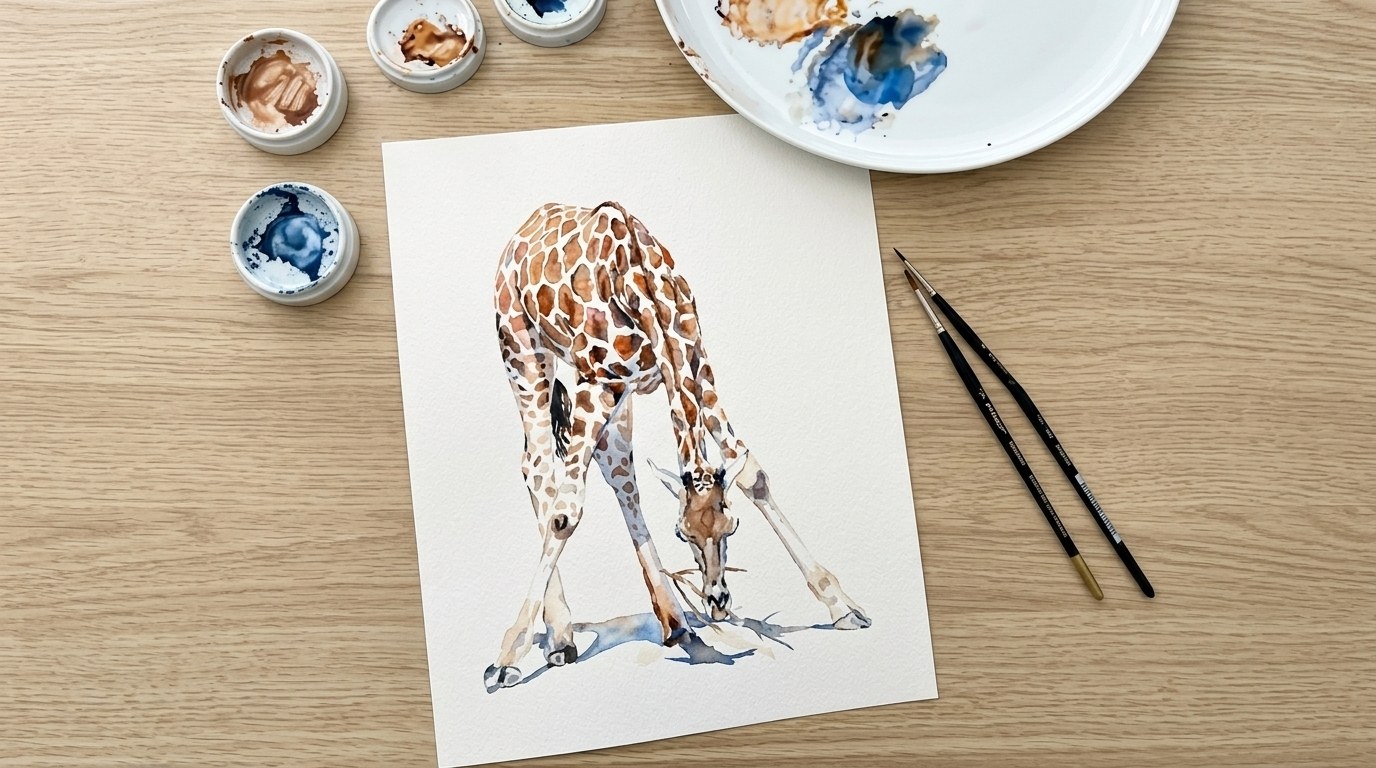
Add brown patches over a tall, long necked body. Practice for pattern placement.
39. Fox Watercolor Painting
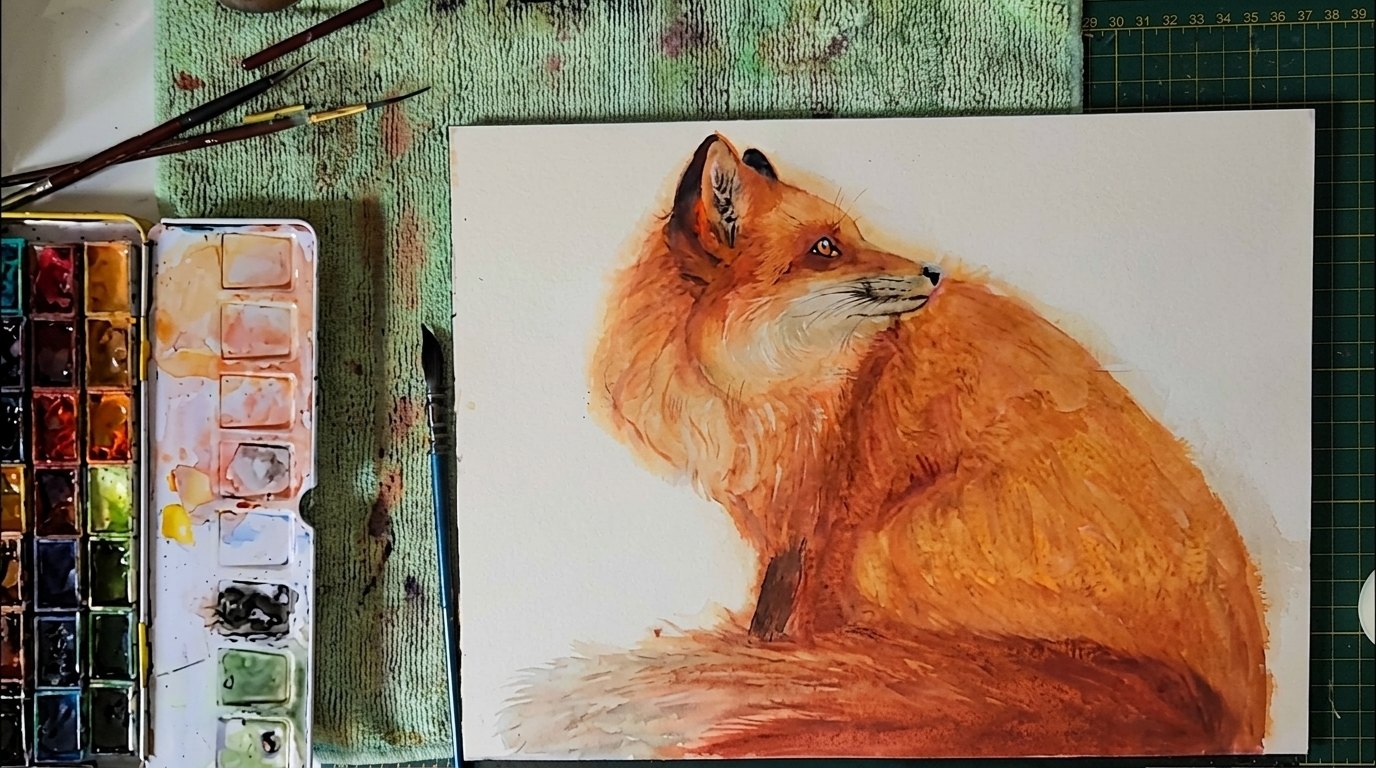
Use orange and white tones to paint a fox's fur. Good contrast and color-blocking exercise.
40. Owl Watercolor Painting

Layer brown feathers around large, round eyes. Builds layered texture skill in it.
41. Hummingbird Watercolor Painting
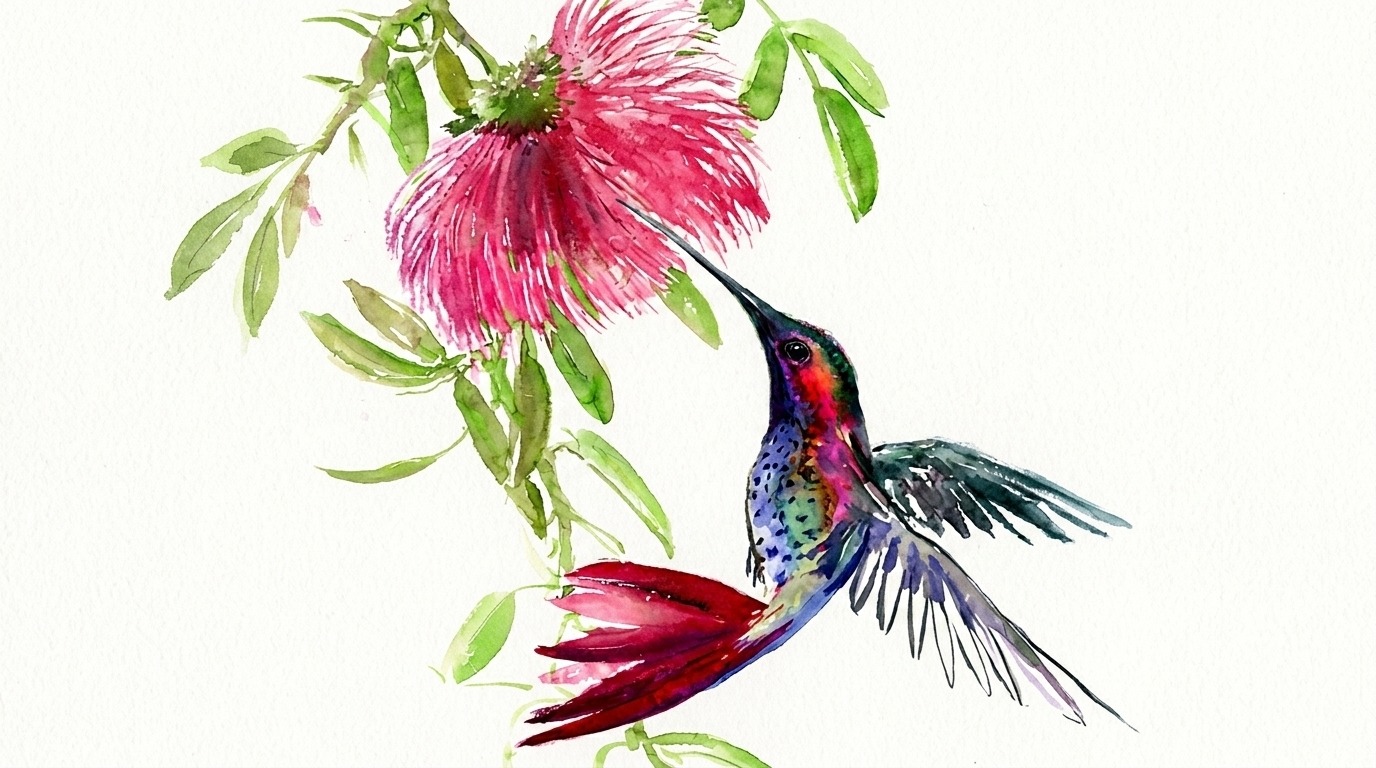
Paint small wings in motion using quick, light strokes. Practice for capturing movement.
42. Bee Watercolor Painting
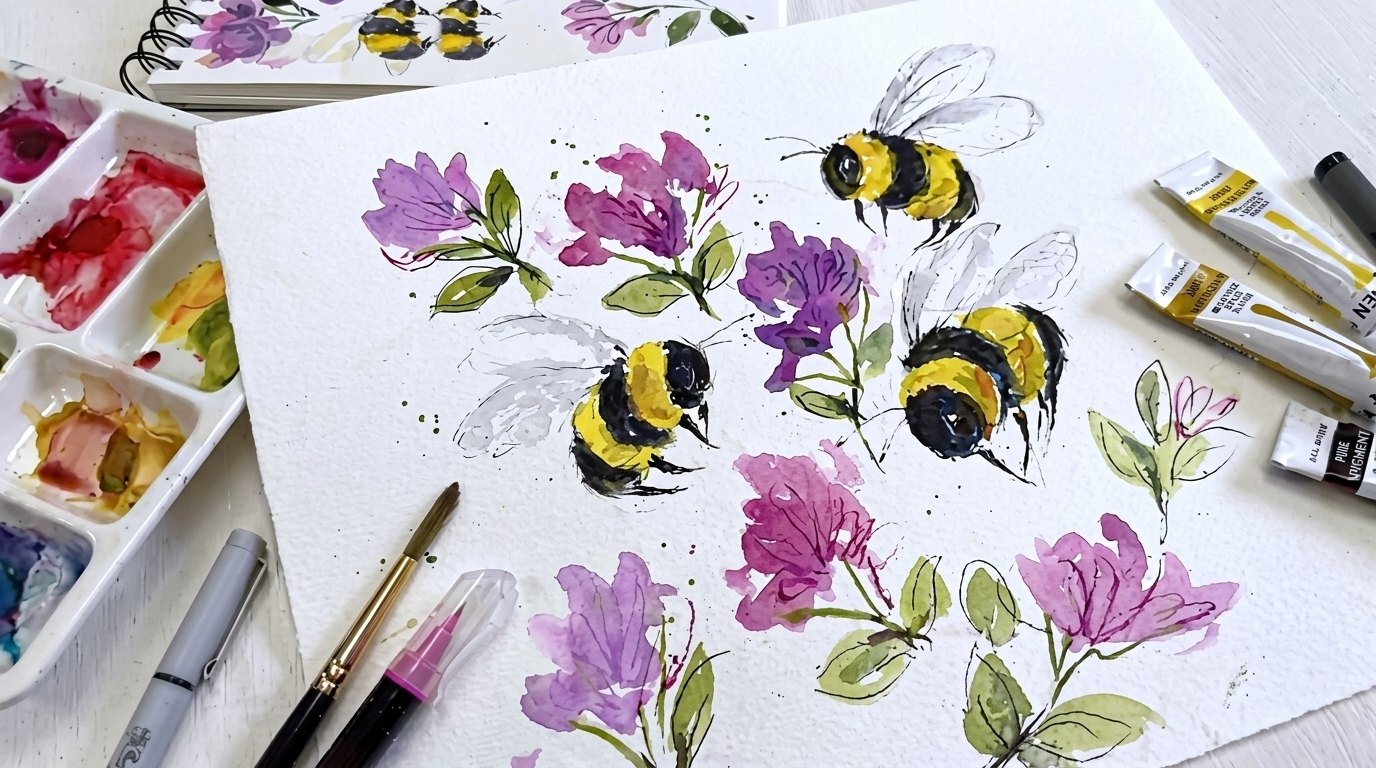
Paint yellow and black stripes on a small rounded body. Simple, beginner-friendly subject.
43. Koi Fish Watercolor Painting
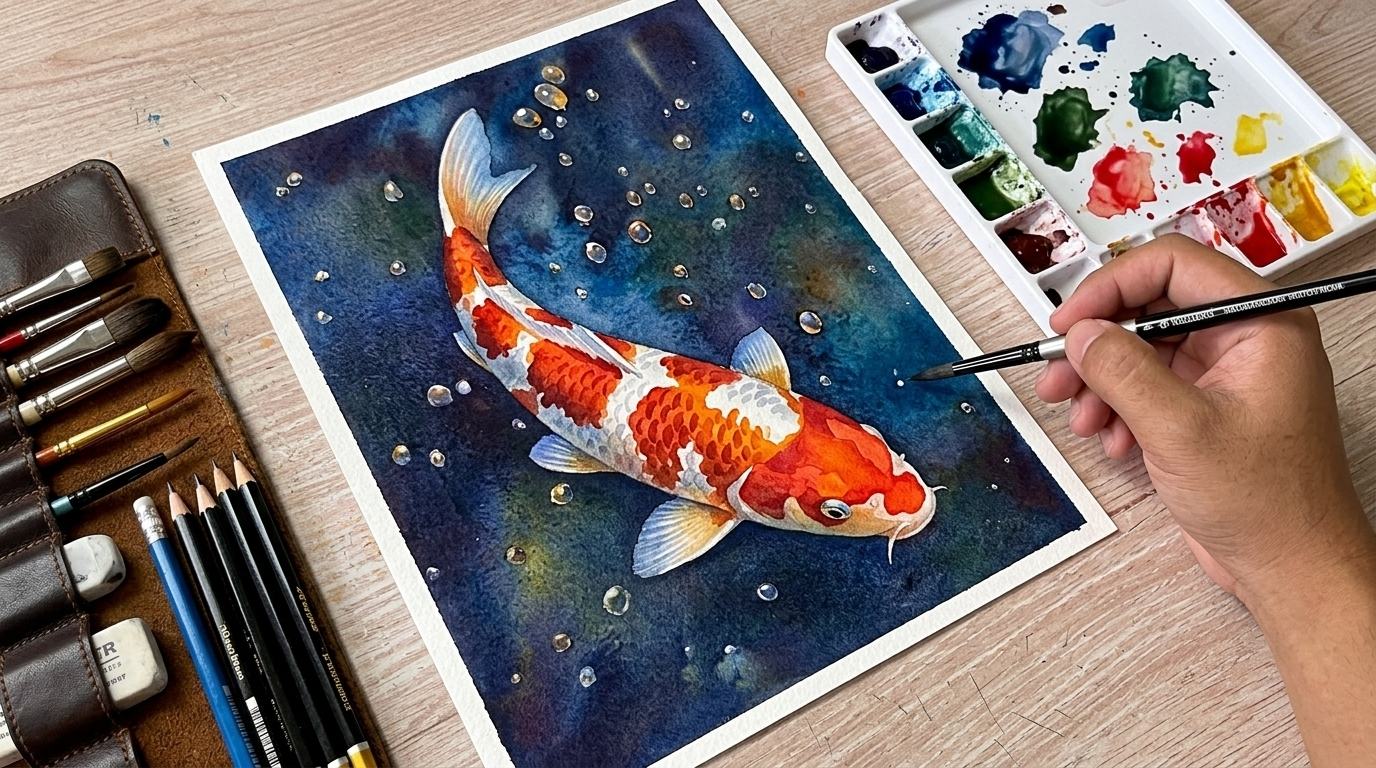
Use orange and white patterns to paint fish swimming in water. Good for pattern and water reflection.
44. Sea Turtle Watercolor Painting
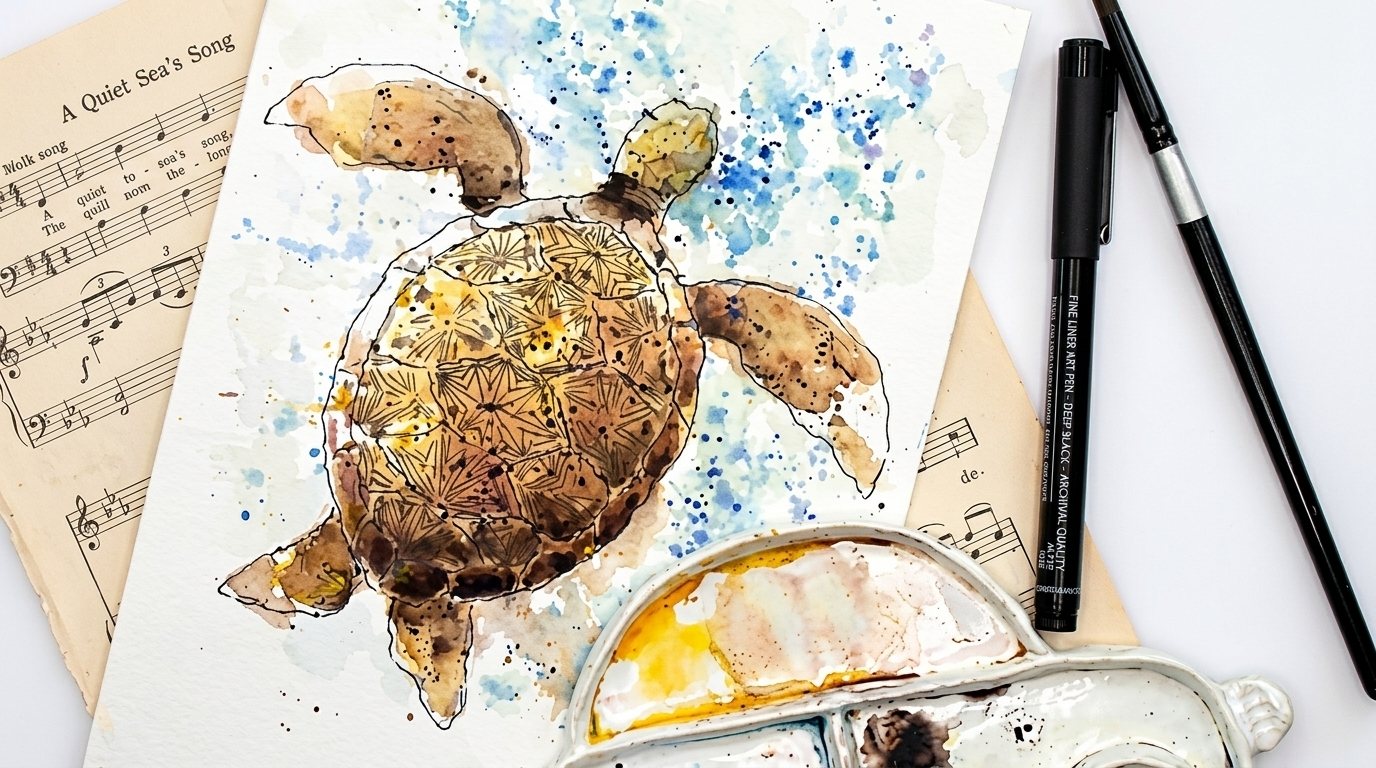
Add a patterned shell and flippers in soft green tones. Builds shell-texture detailing in it.
45. Octopus Watercolor Painting
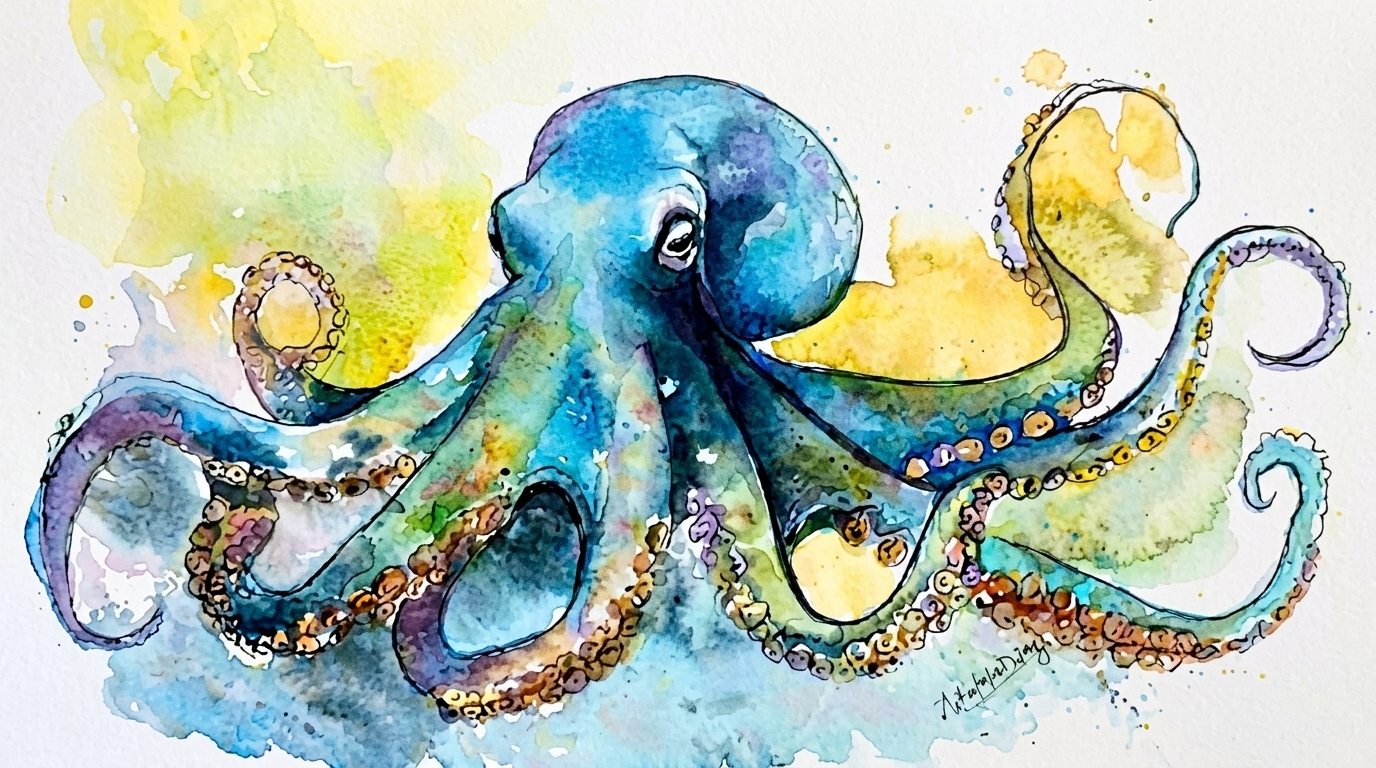
Paint curved tentacles using flowing, wet brush strokes. Great for fluid, organic lines.
46. Fruit Watercolor Art

Practice round shapes and shading with simple fruit like apples or oranges. A classic still-life starter.
47. Pineapple Watercolor
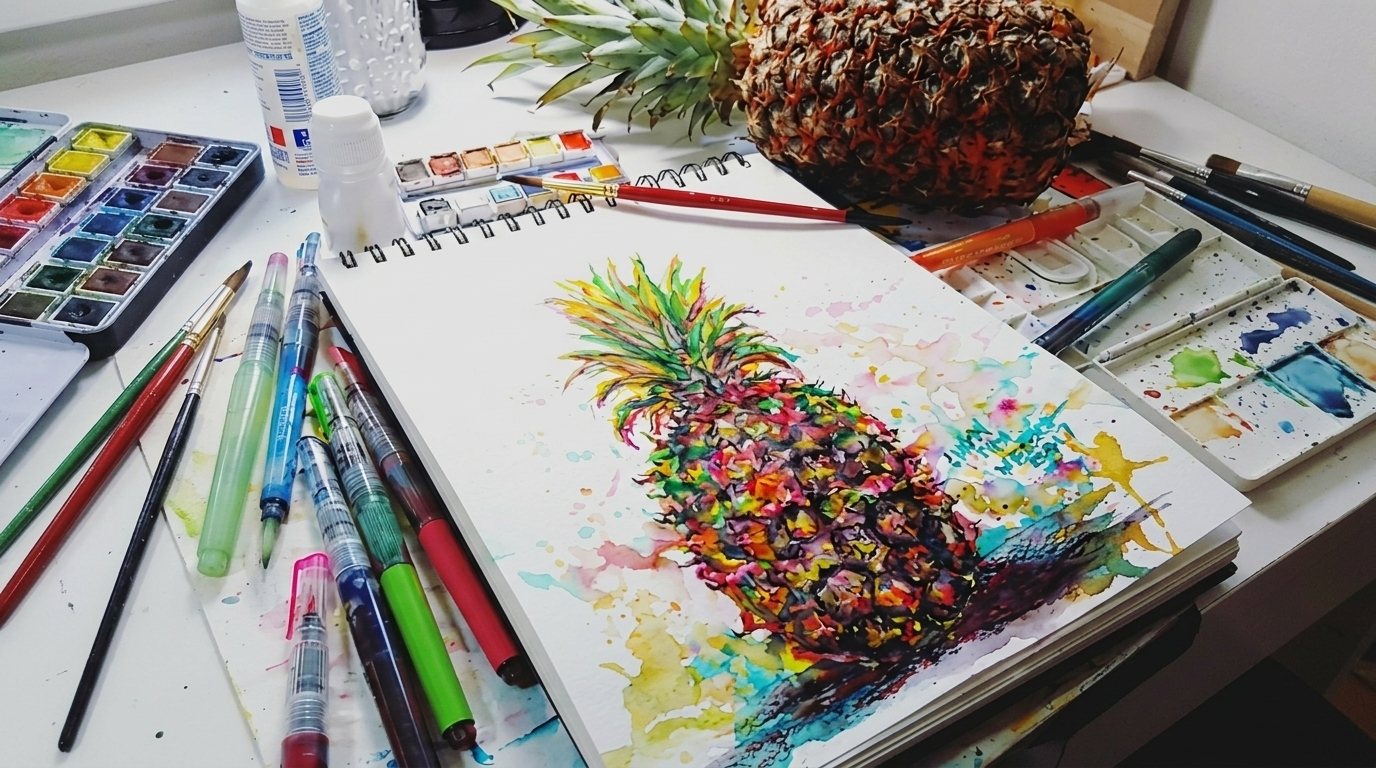
Paint a textured yellow body topped with spiky green leaves. Good for texture and pattern.
48. Strawberry Watercolor Painting
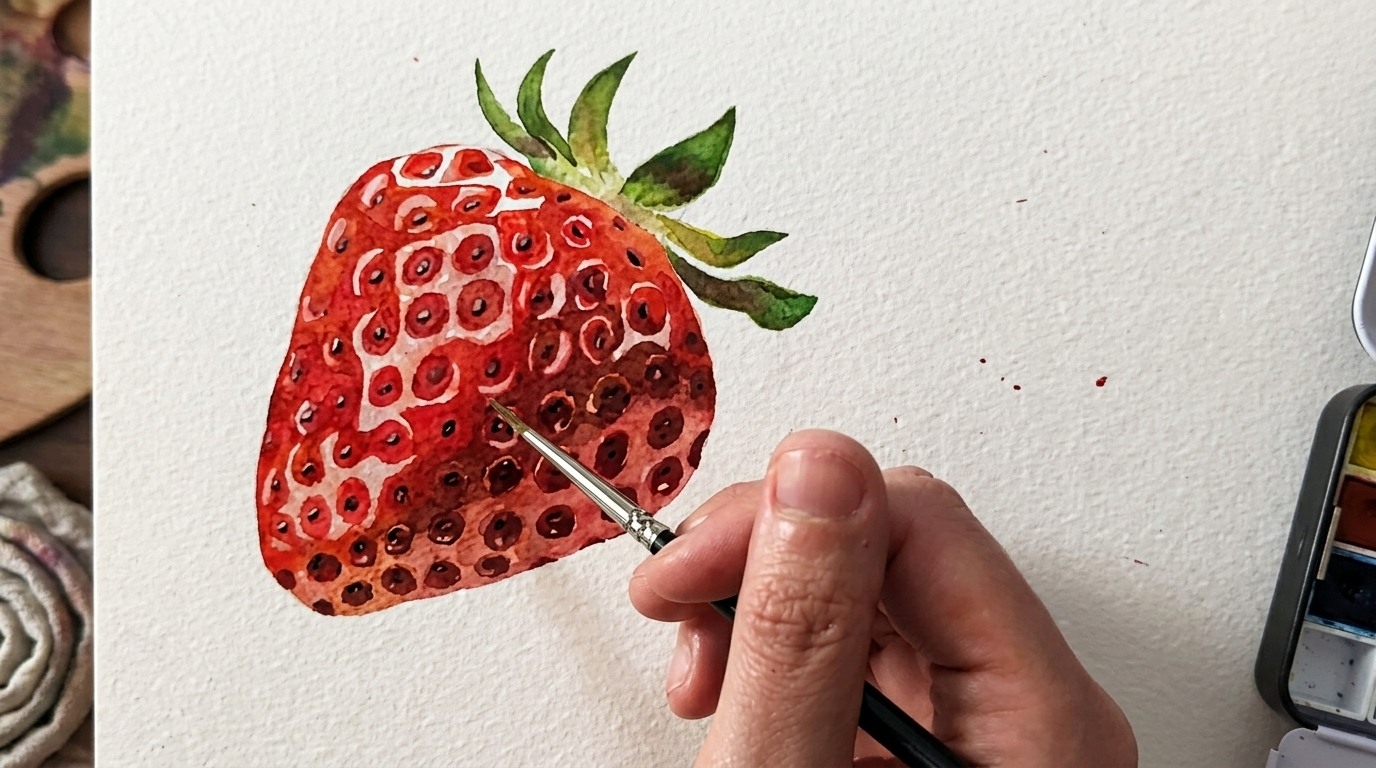
Add small seed dots over a red, rounded shape. Simple detail practice to paint a strawberry.
49. Tomato Watercolor Painting
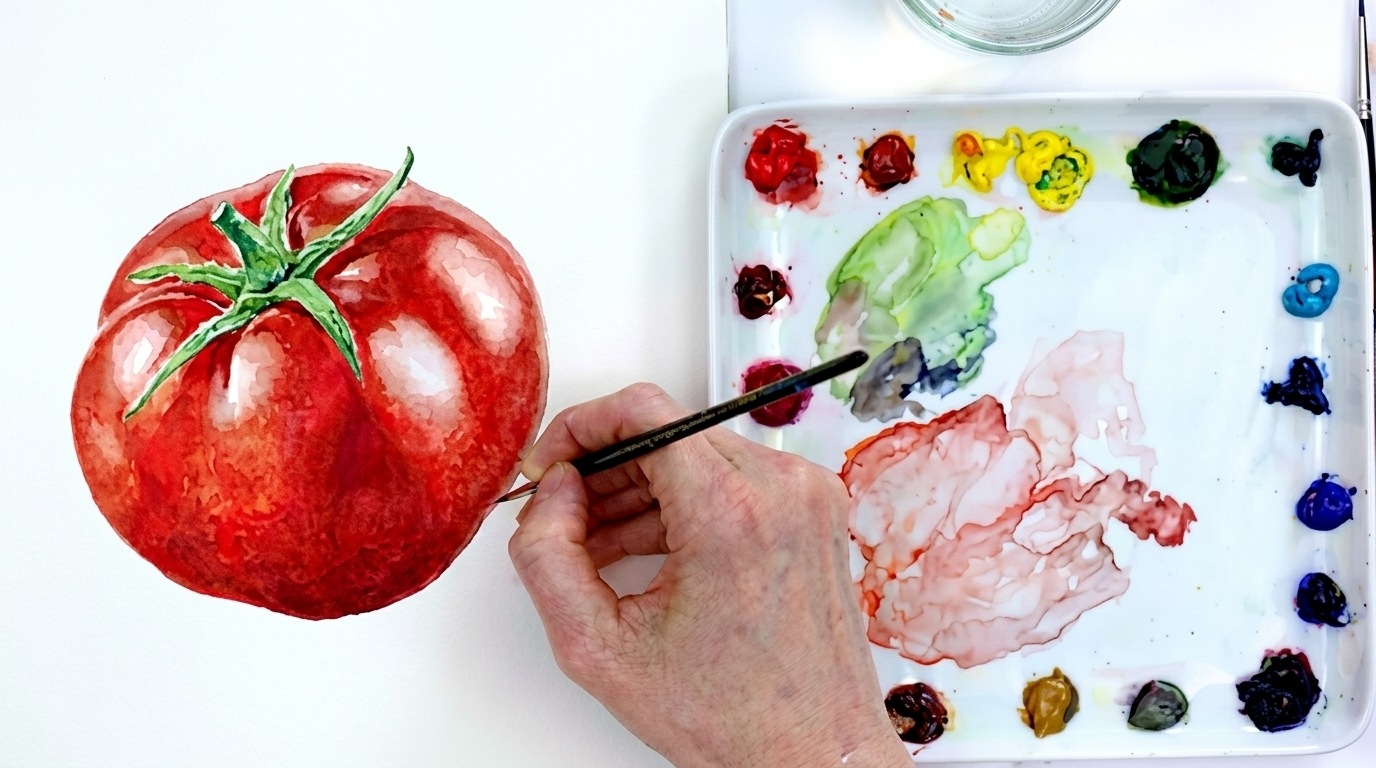
Paint a smooth red surface with a small green stem. Easy shading exercise.
50. Pumpkin Watercolor Painting
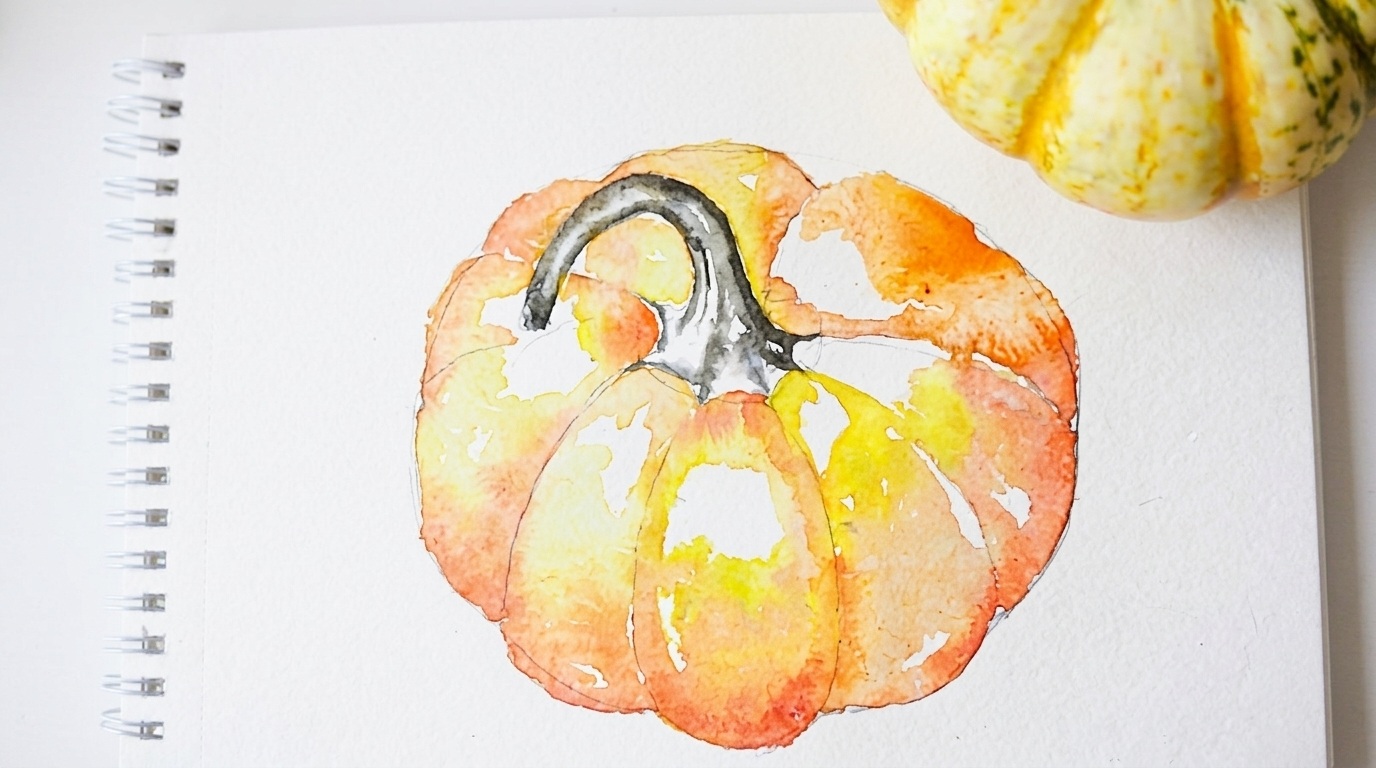
Use orange shading and curved lines to show pumpkin ridges. Good for ridge and curve shading.
Watercolor Painting Ideas (51–80)
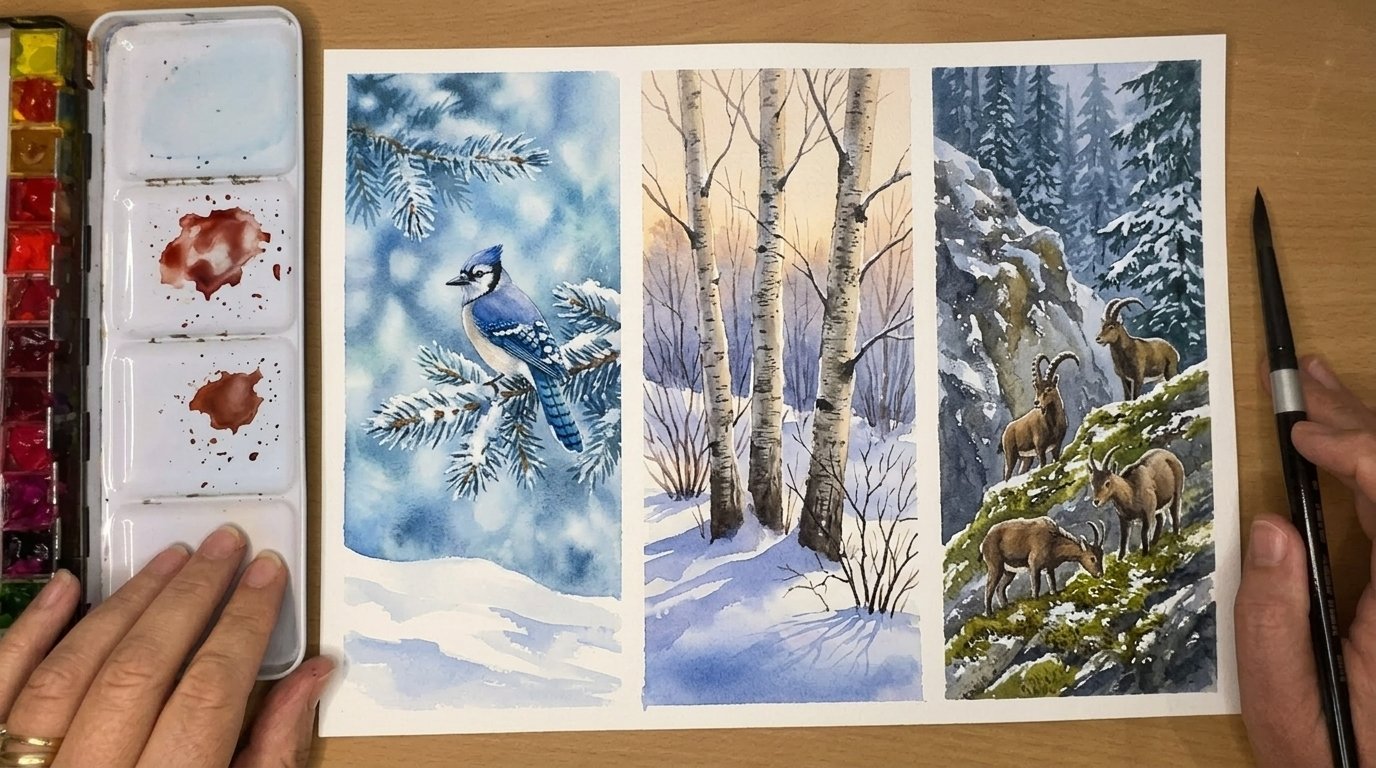
Keep building your watercolor skills with these creative subjects, ranging from everyday objects to fantasy themes.
51. Cake Watercolor Painting: Paint soft layers and frosting using light, even washes.
52. House Watercolor Painting:Practice straight lines and shading on a small cottage.
53. Vintage Bicycle Watercolor:Paint thin wheels and a frame using careful line work.
54. Book Watercolor Painting:Add color and shading to a stack of closed books.
55. Watercolor Eye Painting:Practice shading and light reflection on a close up eye.
56. Watercolor Dress Illustration:Paint flowing fabric folds using light, wet brush strokes.
57. Leaves Watercolor Painting:Mix green tones to paint different leaf shapes and veins.
58. Mushroom Watercolor:Paint a rounded cap and thin stem using soft shading.
59. Feather Watercolor Painting:Use thin, light strokes to show the texture of a feather.
60. Heart Watercolor Painting:Practice color blending inside a simple heart outline.
61. Abstract Watercolor Art:Let colors blend freely without a fixed subject or shape.
62. Geometric Watercolor Patterns:Paint triangles, circles, and squares using clean color blocks.
63. Watercolor Circles:Practice control and blending by painting overlapping circles.
64. Fireflies in a Jar Watercolor:Add small glowing dots inside a simple jar shape.
65. Jellyfish Watercolor Painting:Paint a soft, rounded body with thin, flowing tentacles.
66. Hot Air Balloon Watercolor:Use bright color blocks to paint a balloon floating in the sky.
67. Unicorn Watercolor Painting:Paint a white horse shape with a colorful flowing mane.
68. Castle Watercolor Painting:Add towers and stone texture to a simple castle outline.
69. Mermaid Watercolor Painting:Paint flowing hair and a scaled tail using soft blue tones.
70. Dinosaur Watercolor Painting:Use green and brown shades to paint a simple dinosaur shape.
71. Dragon Watercolor Painting:Add scales and wings using bold color and shading.
72. Pokemon Watercolor Painting:Paint a favorite character using bright, flat color washes.
73. Anime Watercolor Art:Practice soft shading on simple anime style faces.
74. Jesus Watercolor Painting:Paint a calm, simple portrait using soft, muted tones.
75. Skull Watercolor Painting:Use grey shading to paint bone texture and shadow.
76. Christmas Tree Watercolor Painting:Add ornaments and lights to a green triangular tree shape.
77. Snowman Watercolor Painting:Paint round white shapes with simple color details.
78. Carnival Scene Watercolor:Add rides, lights, and color to a small fair scene.
79. Sun Watercolor Painting:Paint a bright yellow circle with simple rays around it.
80.Sunset Watercolor Painting:Blend orange, pink, and purple to show a fading sky over the horizon.
Basic Watercolor Techniques Every Beginner Should Know
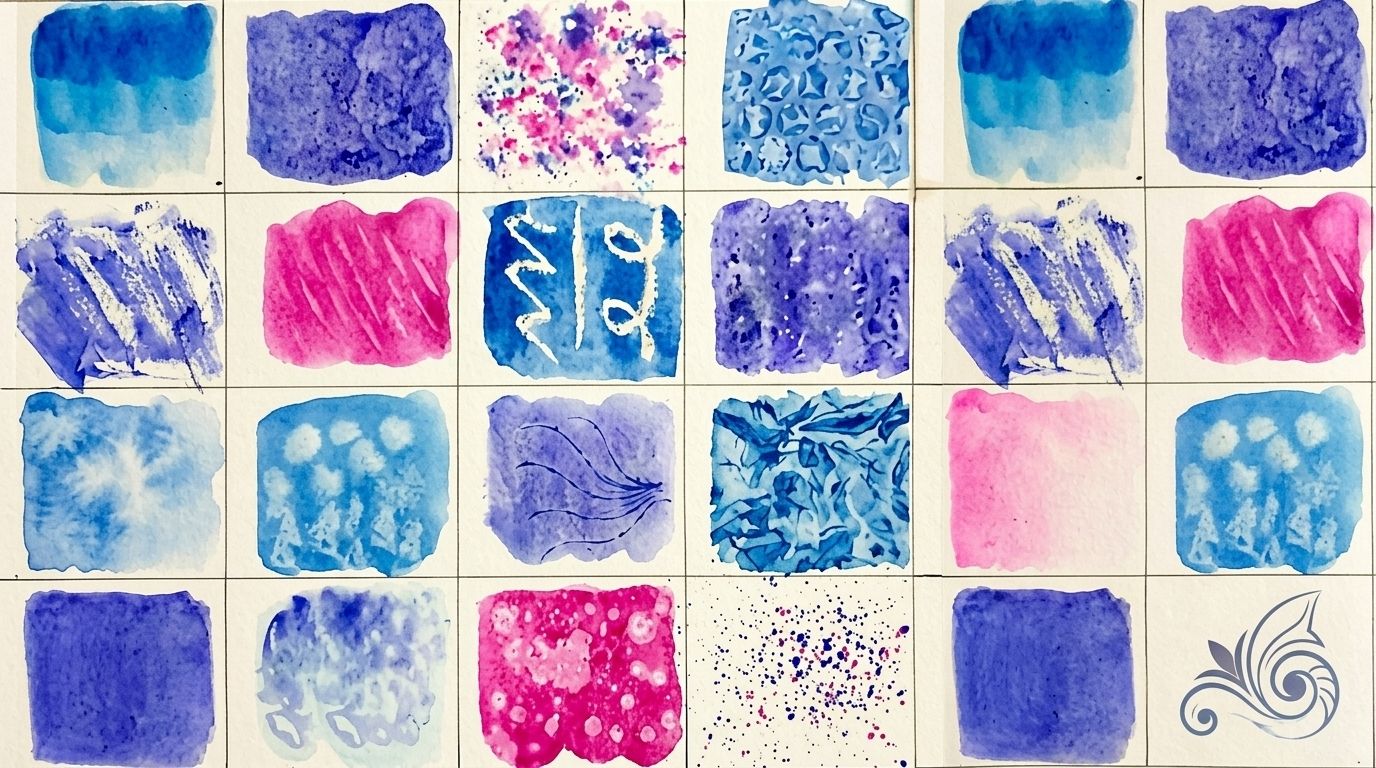
Watercolor painting relies on a few core techniques. Learning these methods early will help you control color and water with more confidence.
Wet-on-Wet Technique
This method involves adding wet paint onto wet paper. Colors spread and blend on their own, which works well for skies and water.
Wet-on-Dry Technique
Here you apply wet paint onto dry paper. This gives sharper edges and more control, which suits detailed shapes and small objects.
Watercolor Glazing
Glazing means layering thin, see through washes of color on top of dry paint. Each layer should dry fully before adding the next.
Dry Brush Technique
Use a brush with very little water and more paint for this method. It creates a rough, textured mark that works well for grass or fur.
Color Mixing Basics
Start with a small set of primary colors and learn how they combine. Practicing simple mixes will help you understand tone and shade.
Watercolor Supplies for Beginners
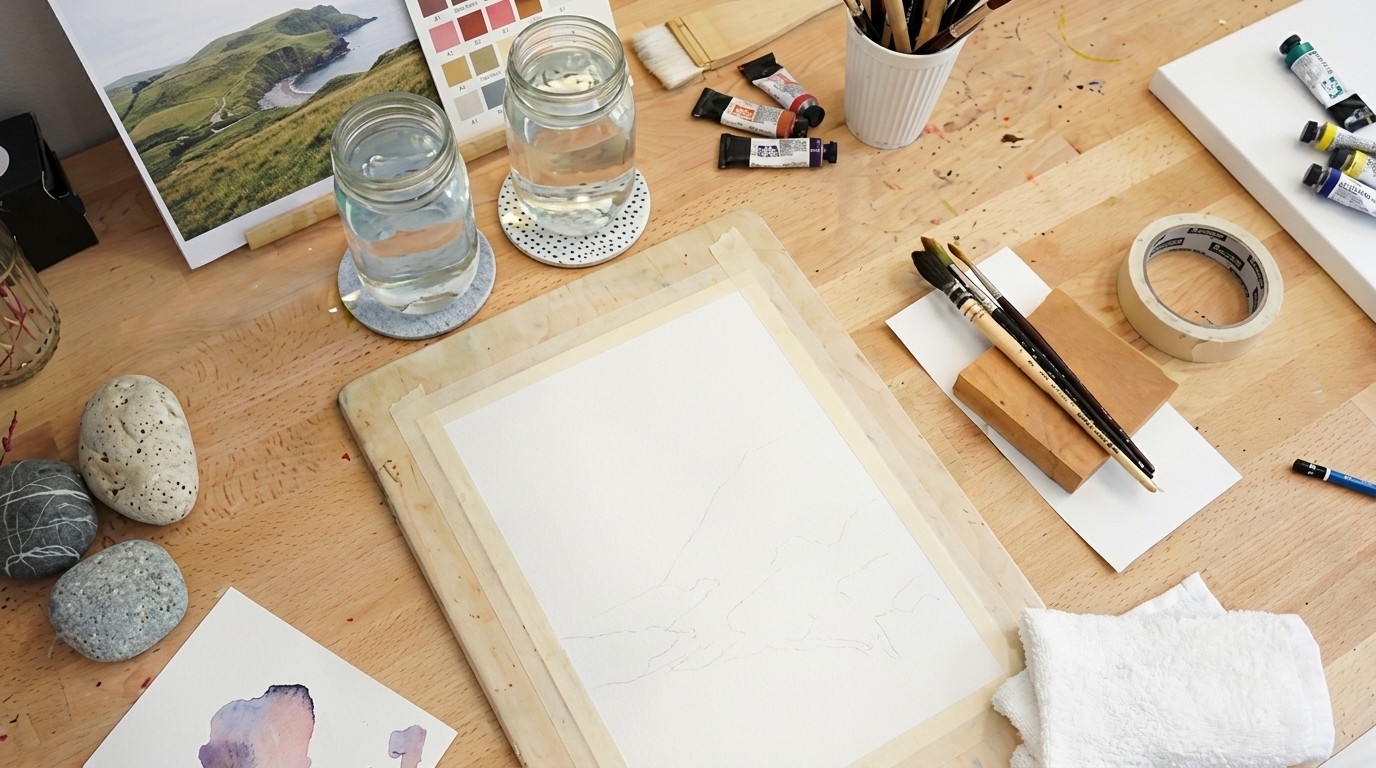
Getting started with watercolor only needs a few basic tools. Pick a basic set of watercolor paints in tube or pan form, since student grade paints work fine for practice and cost less than professional sets.
For brushes, round brushes in two or three sizes will cover most painting needs, along with a small detail brush for fine lines.
Choose paper labeled as cold press with at least 140 lb weight, since thicker paper holds water better and resists curling.
You will also need a palette with mixing wells, a few small containers for water, a pencil for light sketching, a kneaded eraser, and some paper towels.
Masking tape can hold your paper flat while you work.
Tips to Improve Your Watercolor Skills
Getting better at watercolor takes regular practice and patience. These simple tips can help you grow as a painter over time.
- Start with simple subjects. Choose easy shapes like fruit, leaves, or simple flowers when you begin. Simple subjects let you focus on technique instead of complex detail.
- Practice techniques regularly. Set aside a little time each week to practice basic strokes and washes. Regular practice builds skill faster than occasional long sessions.
- Learn color mixing and values. Spend time mixing colors and testing how light and dark each shade can go. Understanding values helps your paintings look more realistic.
- Experiment with different styles. Try loose, painterly styles alongside more detailed and controlled work. Trying different styles helps you find what feels natural to you.
- Use reference photos. Use photos of real objects or scenes as a guide while painting. Reference photos help you understand shape, light, and color more clearly.
Conclusion
I still remember my first watercolor painting.
The colors bled everywhere, nothing looked right, and I almost gave up. But I kept practicing, and slowly it started to click. That is the beauty of this craft.
Every small attempt teaches you something new. So pick one idea from this list, grab your brush, and just start. You do not need to get it perfect.
Try it this weekend and tell me how it goes in the comments. Share this post with a friend who loves art too.
Frequently Asked Questions
What is the easiest watercolor subject for a beginner to start with?
Simple shapes like fruit, leaves, or basic flowers are great starting points. They help you practice control without worrying about fine detail.
How much should I spend on watercolor supplies as a beginner?
You do not need expensive tools to start. A basic student grade paint set, a few brushes, and decent paper are enough to begin.
How long does it take to get better at watercolor painting?
This depends on how often you practice, but small daily sessions add up quickly. Most beginners notice real progress within a few weeks of regular practice.
Can I use regular paper for watercolor painting?
Regular paper tends to soak up water unevenly and can tear easily. It is best to use paper made for watercolor, ideally cold press with 140 lb weight.
What is the difference between wet on wet and wet on dry technique?
Wet on wet means applying paint onto wet paper, which causes colors to blend softly. Wet on dry means painting on dry paper, which gives sharper, more controlled edges.
