


There was a point where I looked at my sketchbook and felt nothing. Same shapes. Same results. Same frustration.
That was the moment I started focusing on realistic things to draw, and everything shifted.
This guide gives you 100 plus ideas sorted by category, from everyday objects to animals, nature, and advanced subjects.
No fluff, no filler. Just subjects that actually build your skills. I have worked through this list myself, and I know it works.
What You Will Find in This Guide

This guide covers over 100 realistic drawing ideas sorted by category.
You will go through everyday objects, nature subjects, animals, landscapes, and advanced compositions.
Each idea is paired with a short description so you know exactly what to focus on. No filler, no vague suggestions.
Just practical subjects that help you build real drawing skills. Start anywhere on the list and work at your own pace.
100+ Realistic Drawing Ideas to Start Practicing
Every subject on this list is chosen to build real drawing skills, not just fill pages.
1. Realistic Human Eye

The eye is one of the best subjects for learning light and shadow.
Focus on the iris texture, the wet shine on the surface, and the soft skin folds around the lid. Take your time with each layer.
2. Detailed Lips

Lips teach you how to handle soft curves and subtle value changes.
Study the line where the lips meet and the way light hits the center of the lower lip. Keep your strokes light and build slowly.
3. Realistic Nose
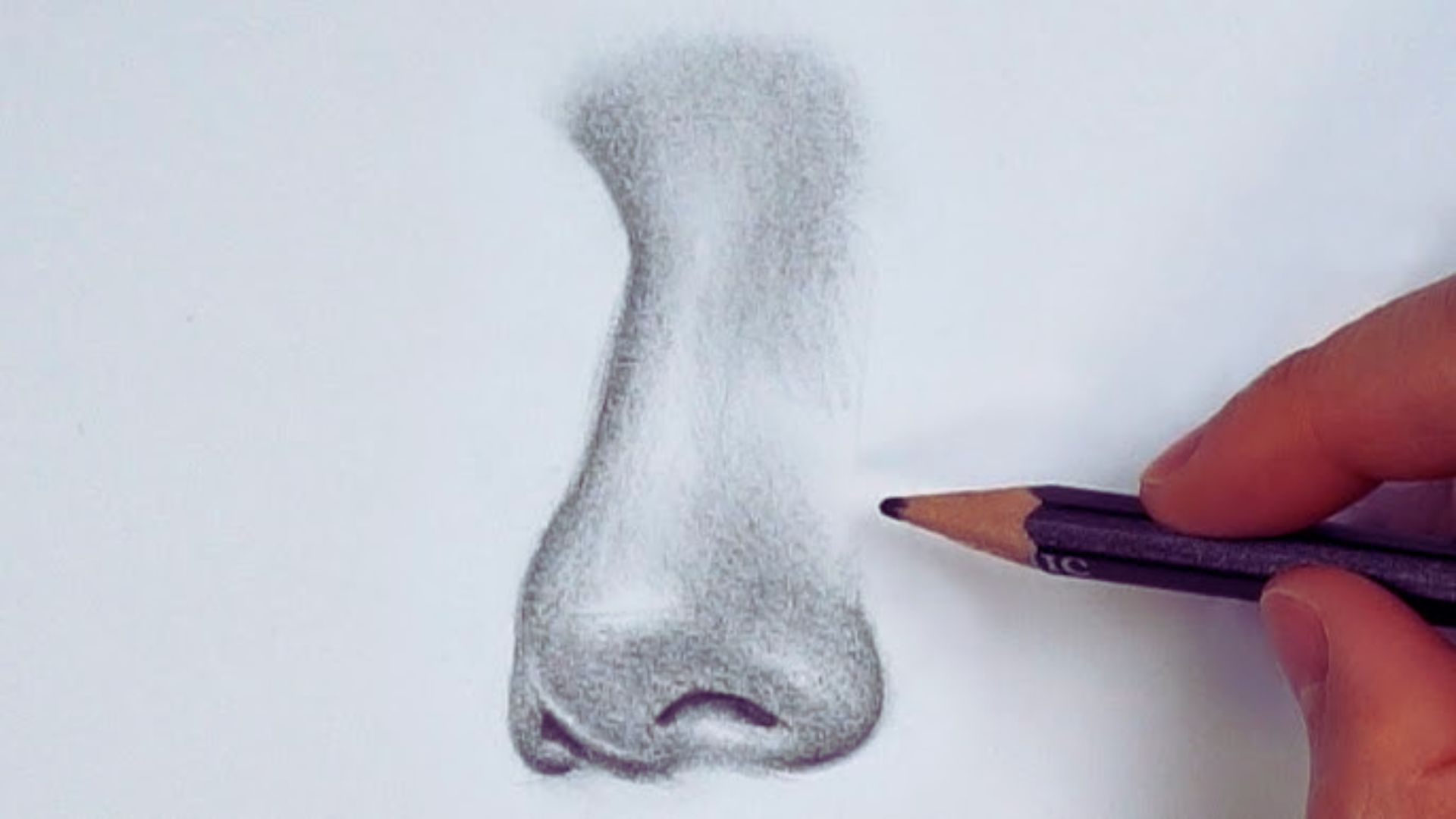
The nose is all about planes and shadows. There are no hard outlines, only shifts in tone.
Practice placing the nostrils carefully and let the shading do the work instead of relying on lines.
4. Human Ear Study

Ears have a lot of overlapping shapes that can feel confusing at first.
Break it into simple sections and shade each one separately. The inner curves are where most of the interesting shadow work happens.
5. Hand Holding an Object

Hands are one of the hardest subjects in drawing. Holding an object helps because it gives the fingers a clear purpose and position.
Start with the overall shape before adding knuckle and skin detail.
6. Realistic Fingers
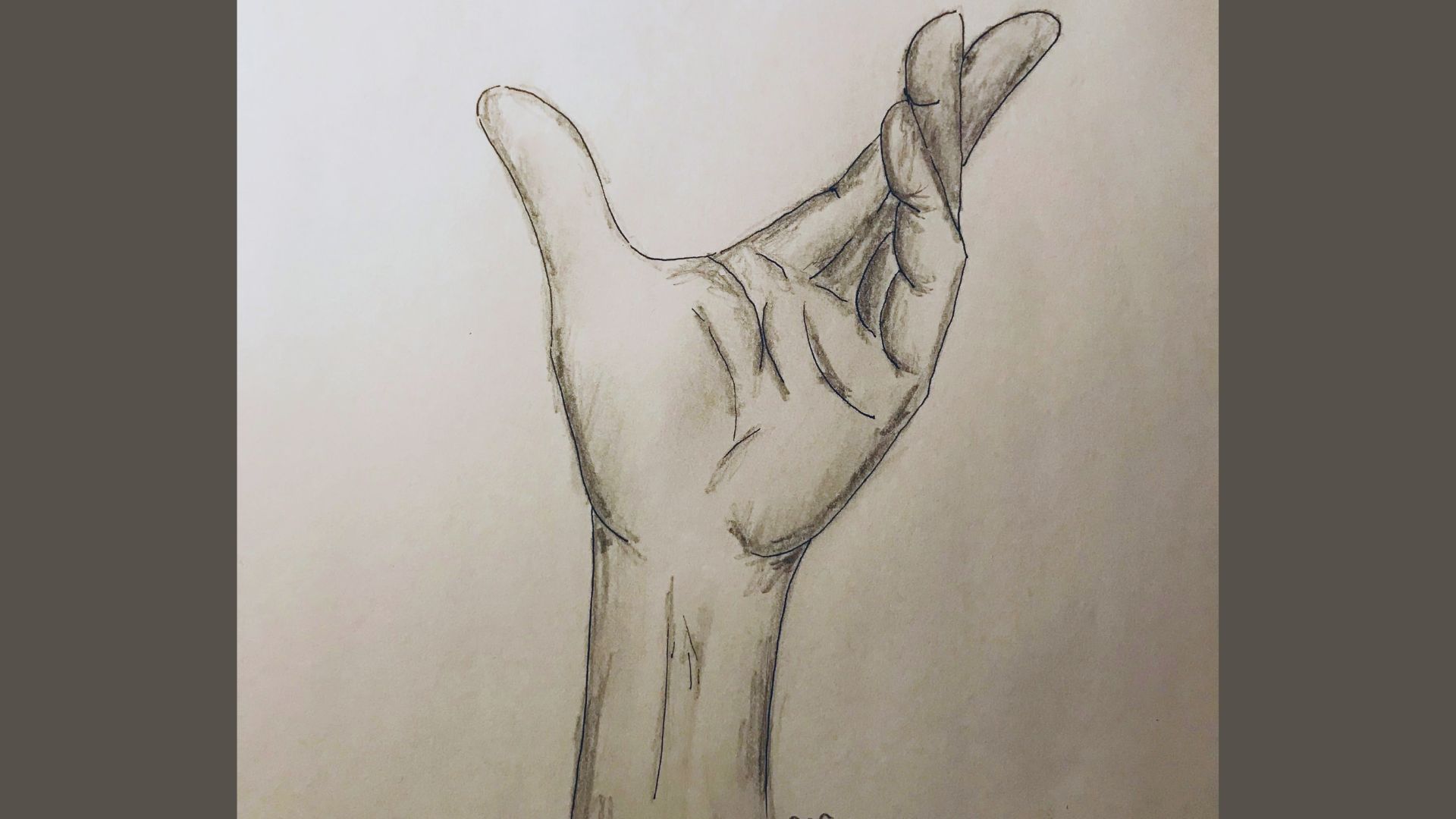
Drawing fingers individually helps you understand how joints, skin folds, and nails all work together.
Focus on the subtle changes in tone across each segment. Natural light from one side makes shading much easier.
7. Portrait with Strong Shadows
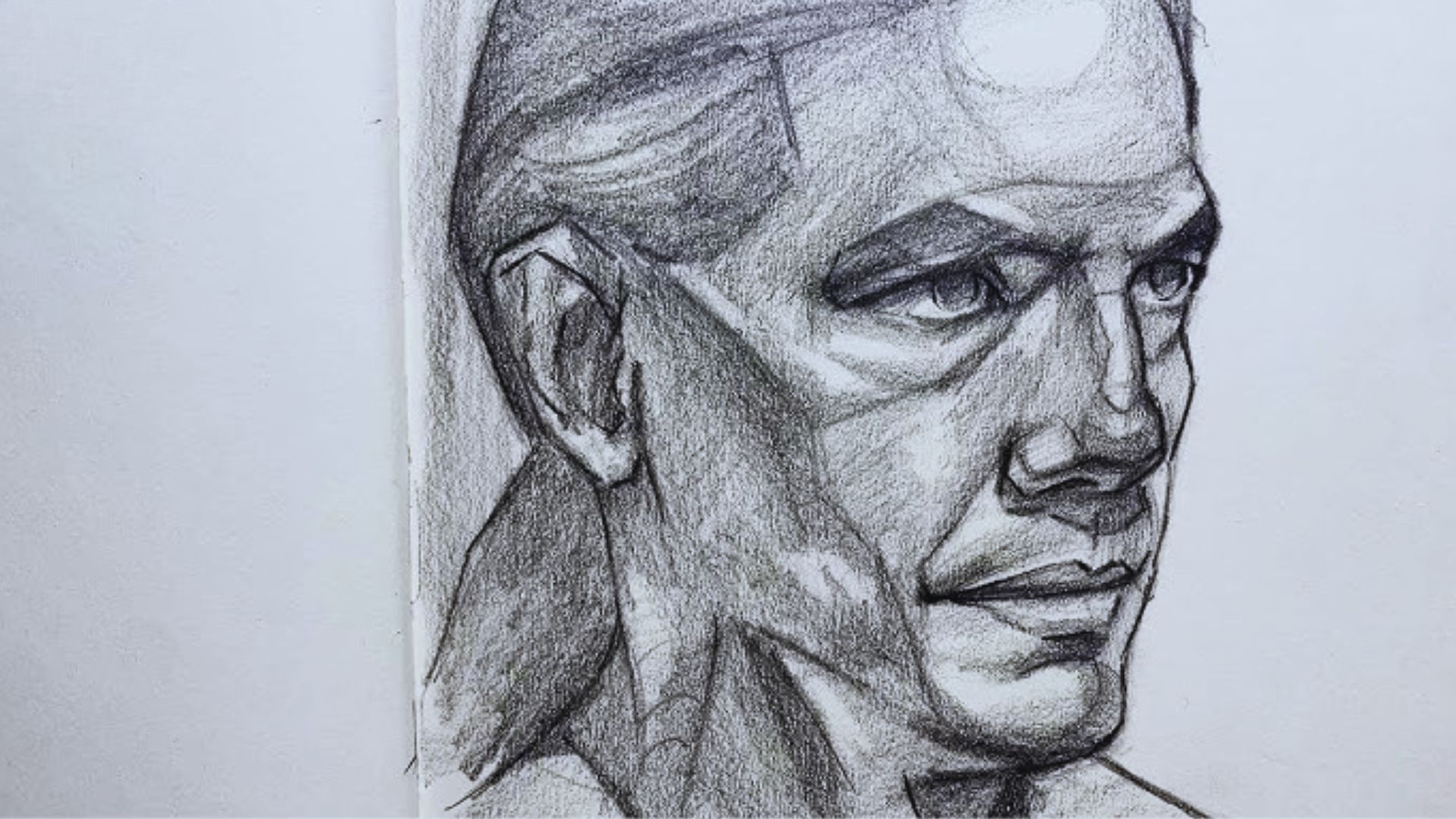
Strong shadows simplify a face into clear light and dark areas. This is great practice for understanding form.
Use a single light source and let the shadows define the structure of the face.
8. Smiling Face

A smile changes almost every part of the face. The cheeks lift, the eyes narrow slightly, and the skin around the mouth shifts.
Capturing that movement in a still drawing is a worthwhile challenge for any level.
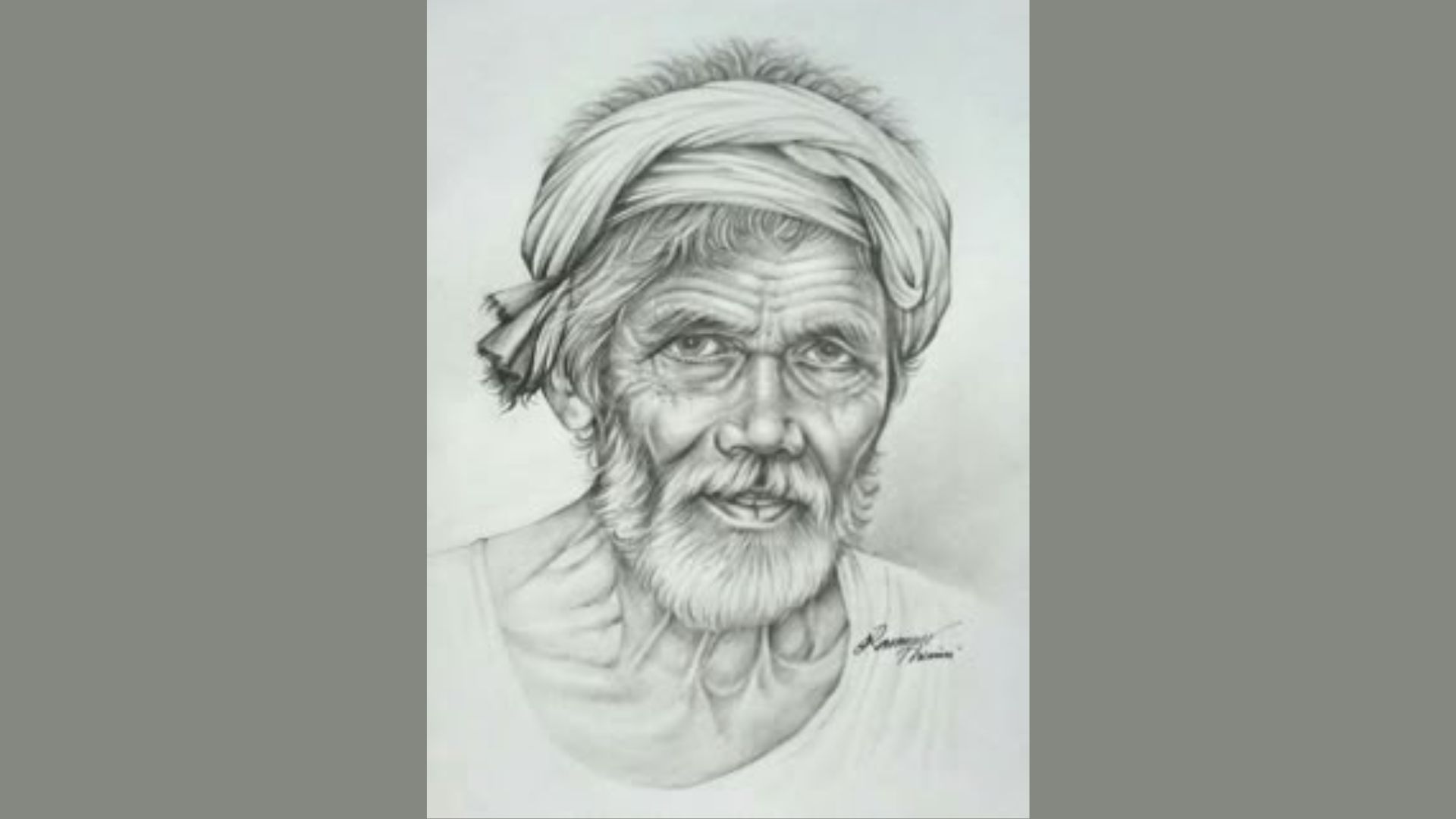
9. Old Person Portrait with Wrinkles

Wrinkles are just lines of shadow and skin texture. Do not draw every single one.
Focus on the deepest ones and suggest the rest with light shading. This subject teaches restraint as much as detail.
10. Baby Face Portrait
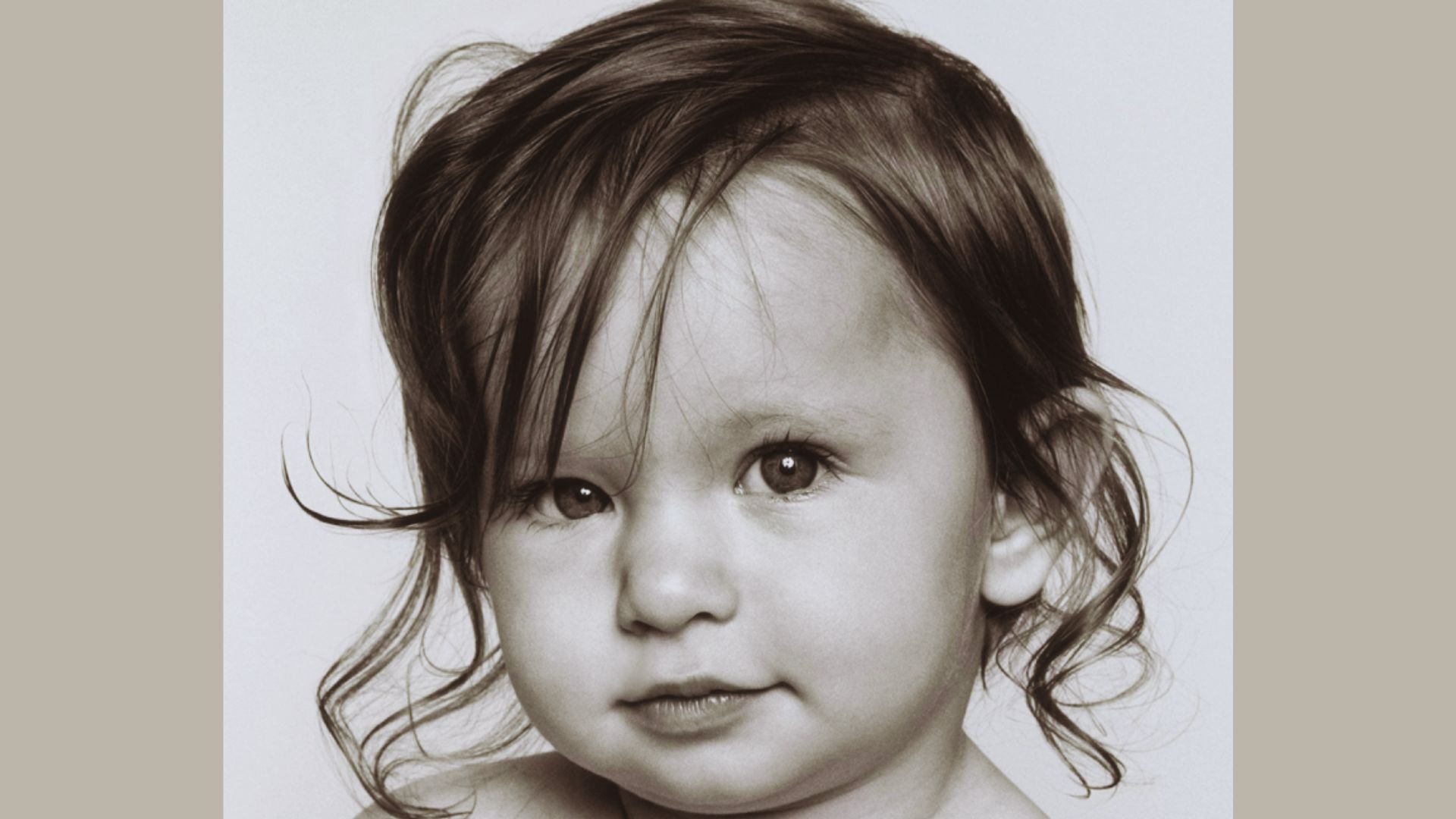
Baby faces are soft with very little contrast. The challenge is keeping the values close while still showing form.
Avoid heavy shadows and work with a light hand throughout the whole drawing.
11. Realistic Hair Strands
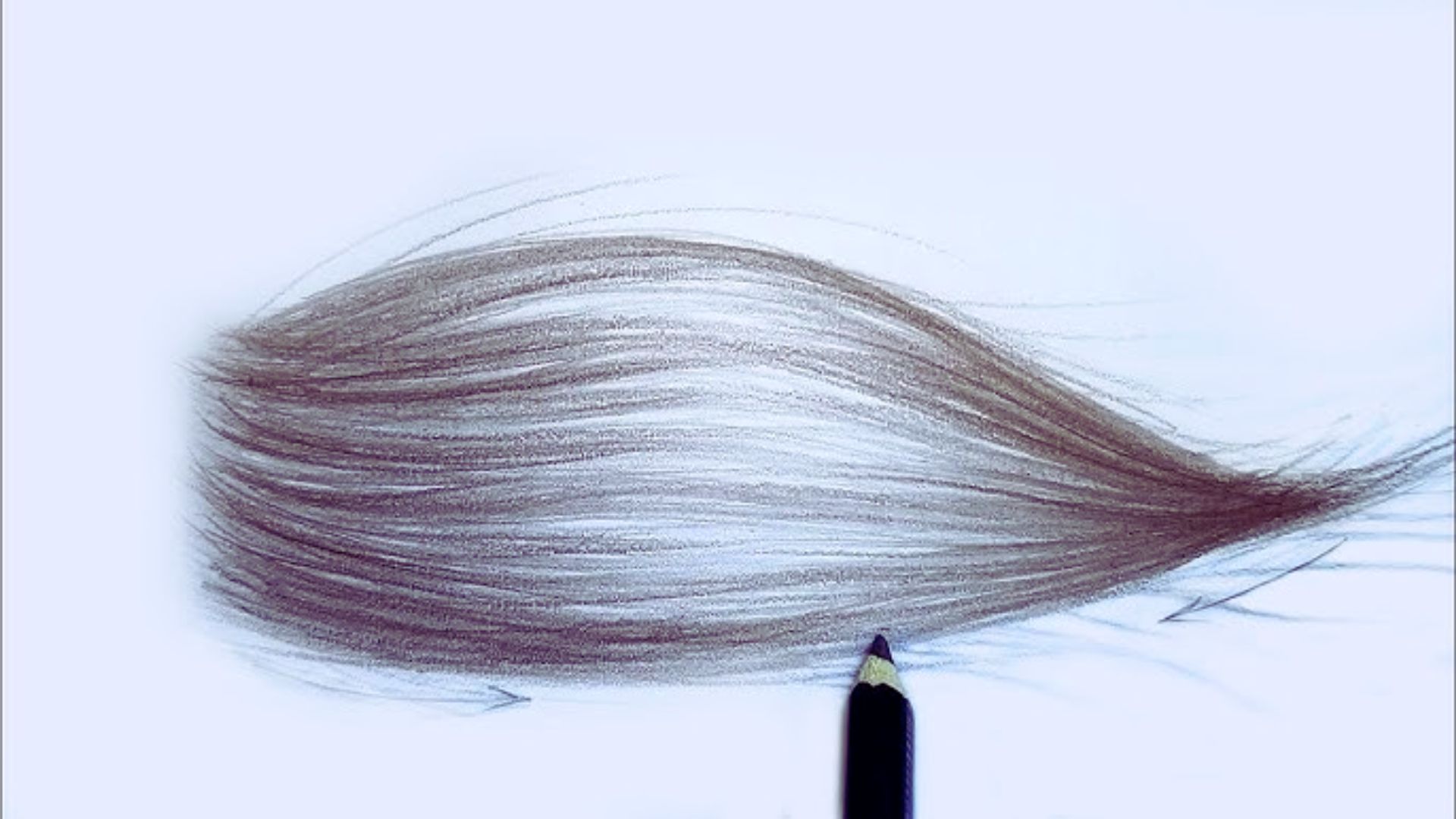
Hair looks complex but follows simple rules. Draw in the direction of growth, vary the pressure, and leave lighter areas for shine.
Never draw every strand. Suggest groups and let the eye fill in the rest.
12. Beard Texture Study
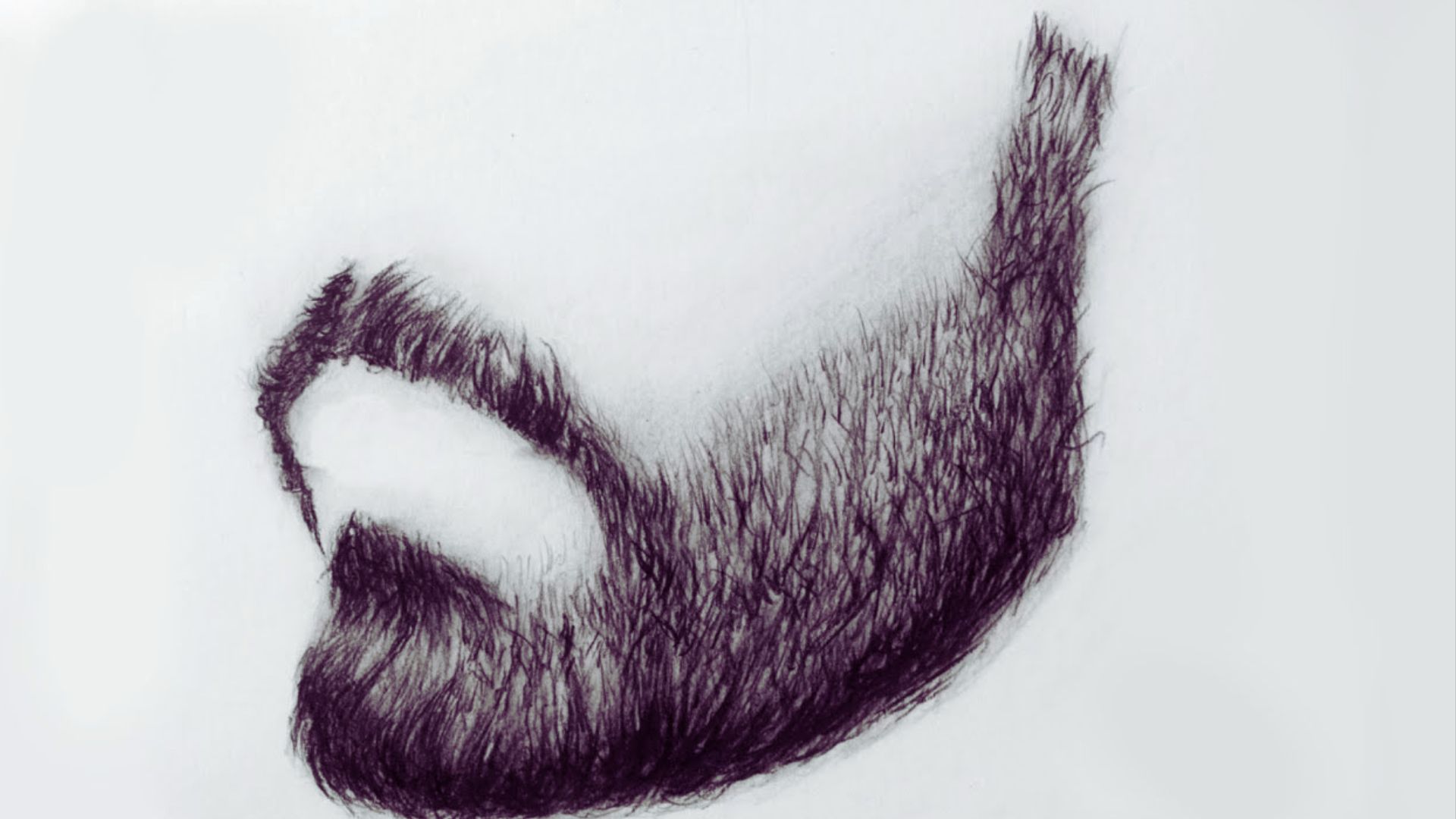
A beard has its own direction and density that changes across the face. Practice short, confident strokes that follow the contour of the chin and jaw.
Build up the darker areas in layers for a natural result.
13. Realistic Eyelashes
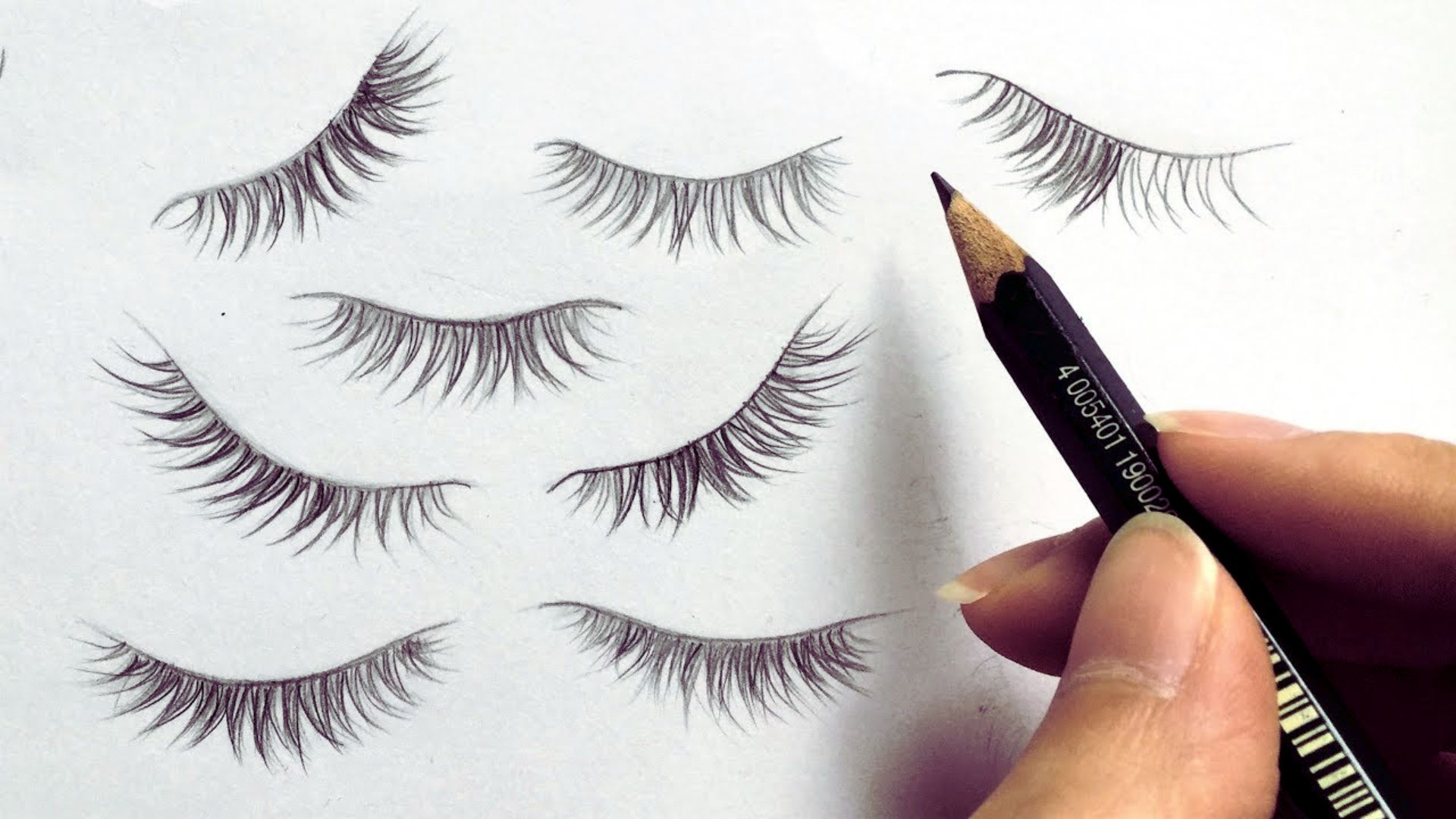
Eyelashes curve outward from the lash line and taper at the tip. Use a sharp pencil and draw each one with a single confident stroke.
Avoid making them too uniform since real lashes always vary in length and direction.
14. Glass of Water
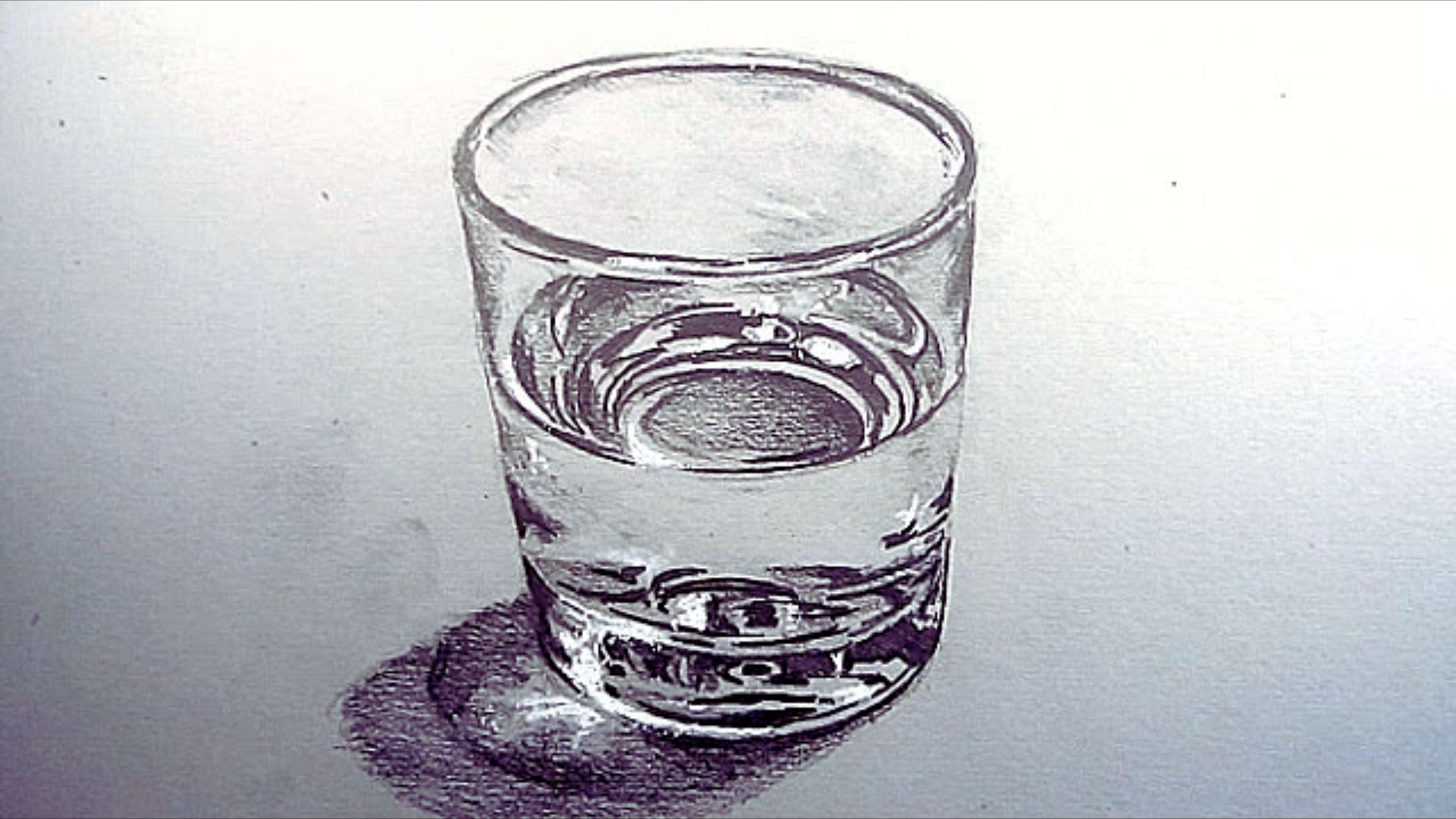
A glass of water is a great exercise in transparency. You are drawing what you see through the glass as much as the glass itself.
Focus on the distortions, reflections, and the sharp highlights along the edge.
15. Transparent Water Bottle
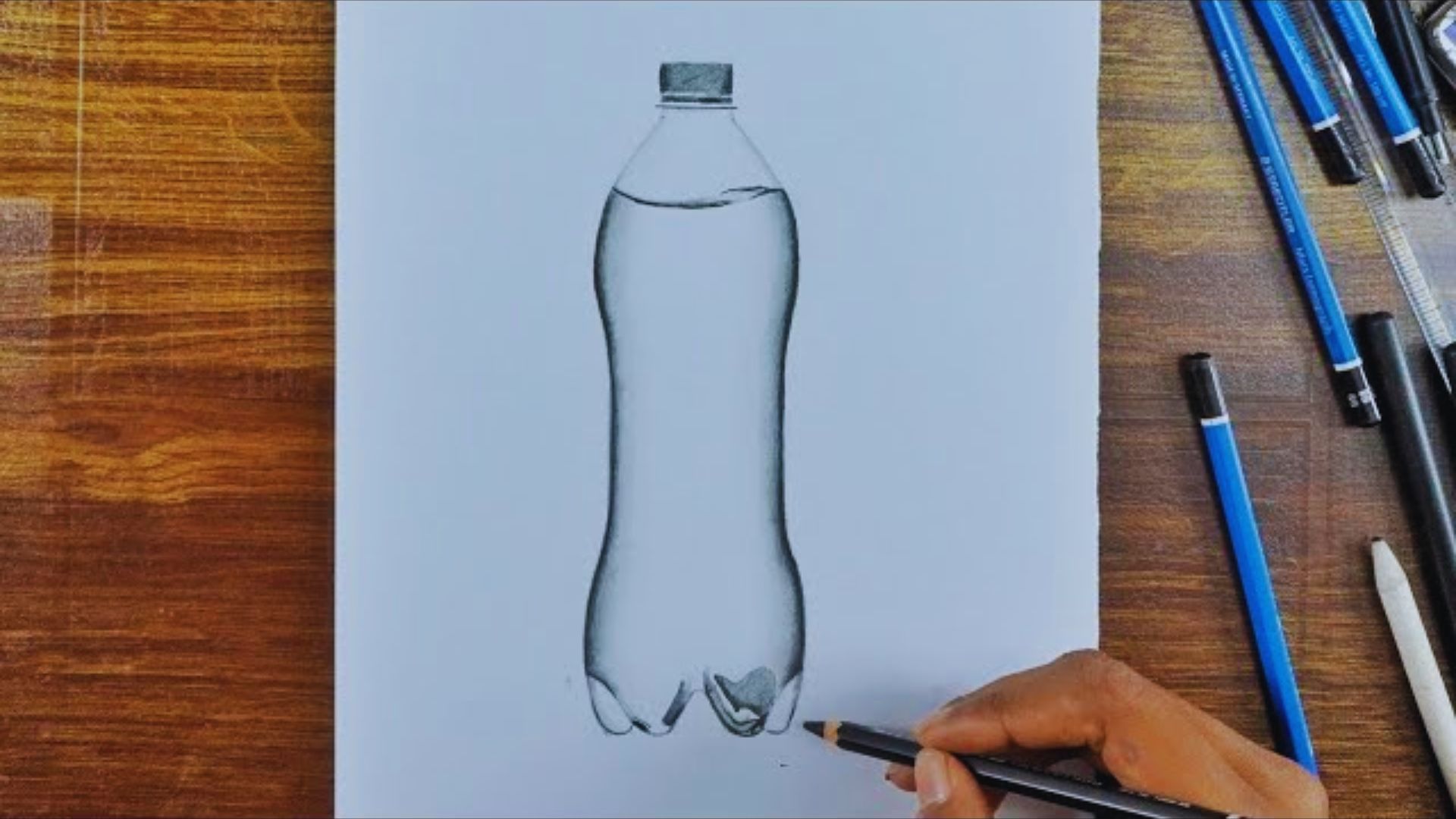
A water bottle has more structure than a glass but the same transparency challenge.
Pay attention to how the label looks through the plastic and where the light wraps around the curved surface of the bottle.
16. Ice Cubes in a Glass

Ice combines transparency, reflection, and hard edges all in one subject. Each cube catches and bends light in a slightly different way.
This is a strong exercise for anyone working on their understanding of light behavior.
17. Spoon Reflection Study
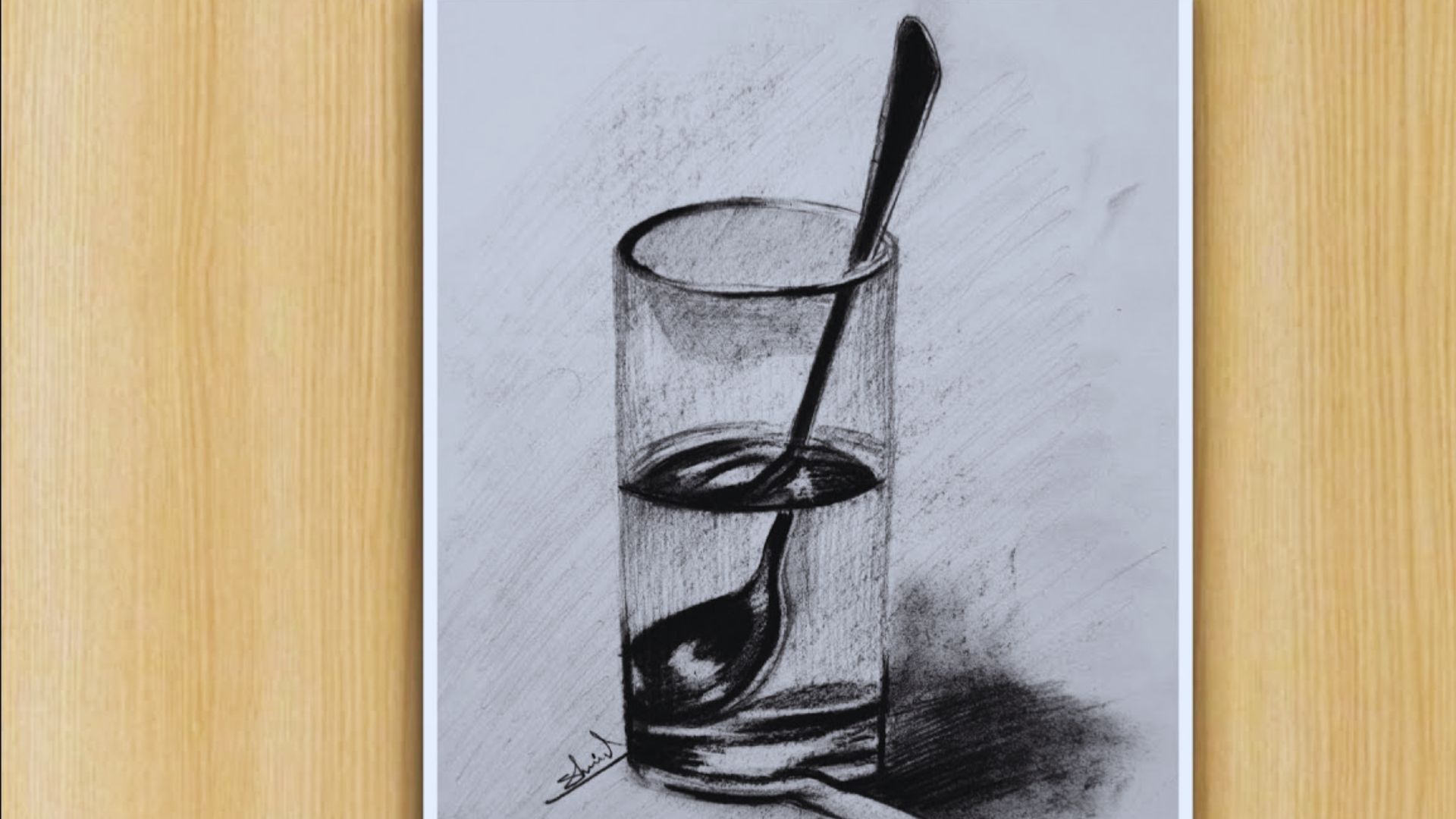
A spoon reflects a distorted version of everything around it. The curved surface compresses and flips the reflection in an interesting way.
This subject is excellent for sharpening your observation and your ability to draw what you actually see.
18. Metallic Fork

A fork has flat, angled surfaces that reflect light sharply. The tines are a good exercise in consistent spacing and proportion.
Getting the reflections right is the real challenge here, and it pays off in your overall skill.
19. Shiny Apple
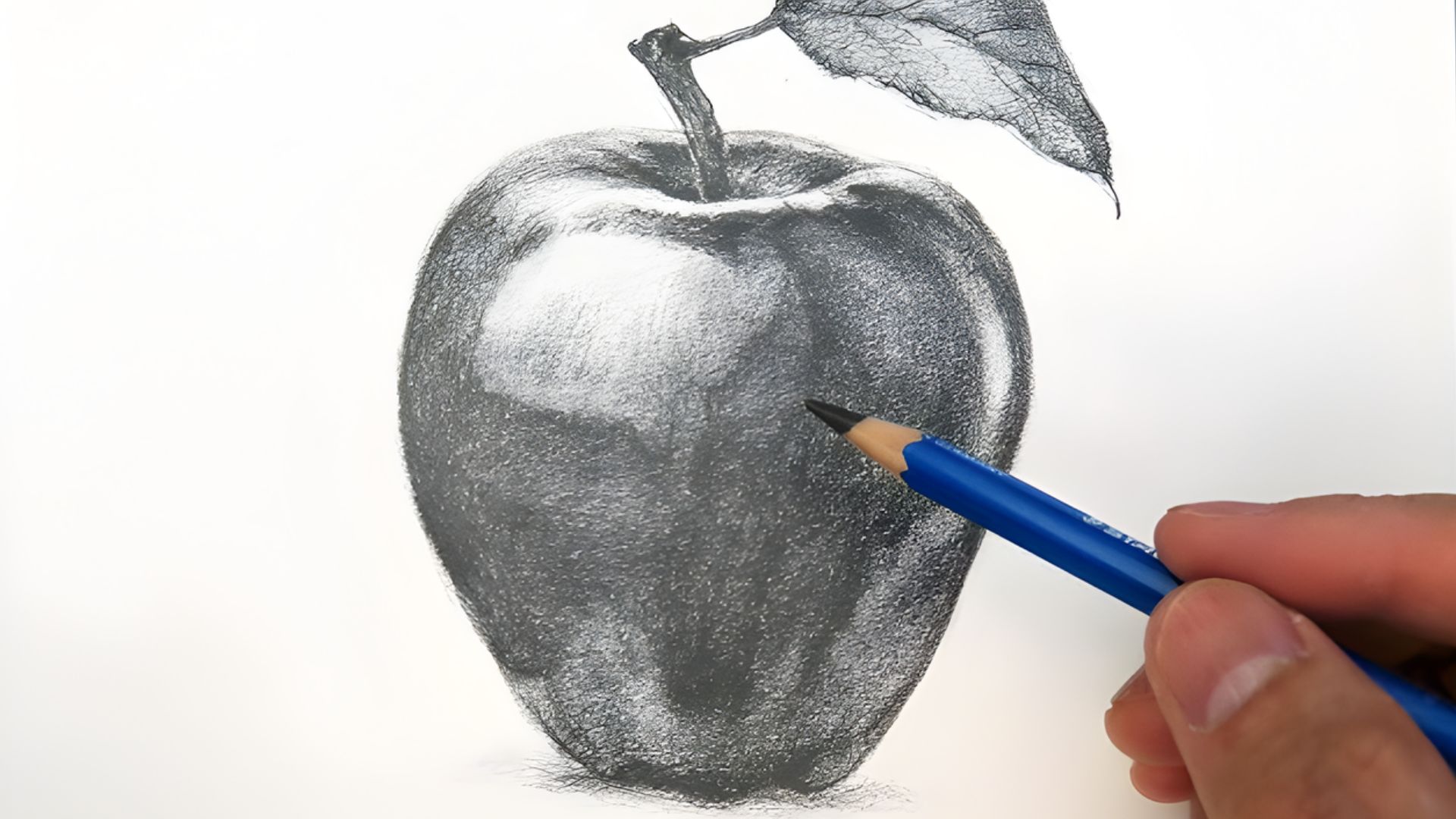
An apple seems simple but the shiny surface, the subtle color variations, and the cast shadow all require careful observation.
Focus on the highlight first. Everything else in the drawing relates back to that one bright spot.
20. Banana with Texture

A banana has a waxy surface with gentle ridges and soft bruising in places.
The long curved form is good practice for foreshortening and for understanding how light wraps around a cylindrical shape.
21. Half-Cut Orange

The inside of an orange is full of geometric texture and warm tones. The segments, the pith, and the outer skin all have different surface qualities.
Drawing all three in one study is a productive challenge.
22. Strawberry Close-Up

A strawberry close-up is all about surface texture and the tiny seeds sitting in their individual hollows.
The light catches the top of each seed in a consistent way. Patience with the texture is what makes this drawing work.
23. Realistic Leaf Veins
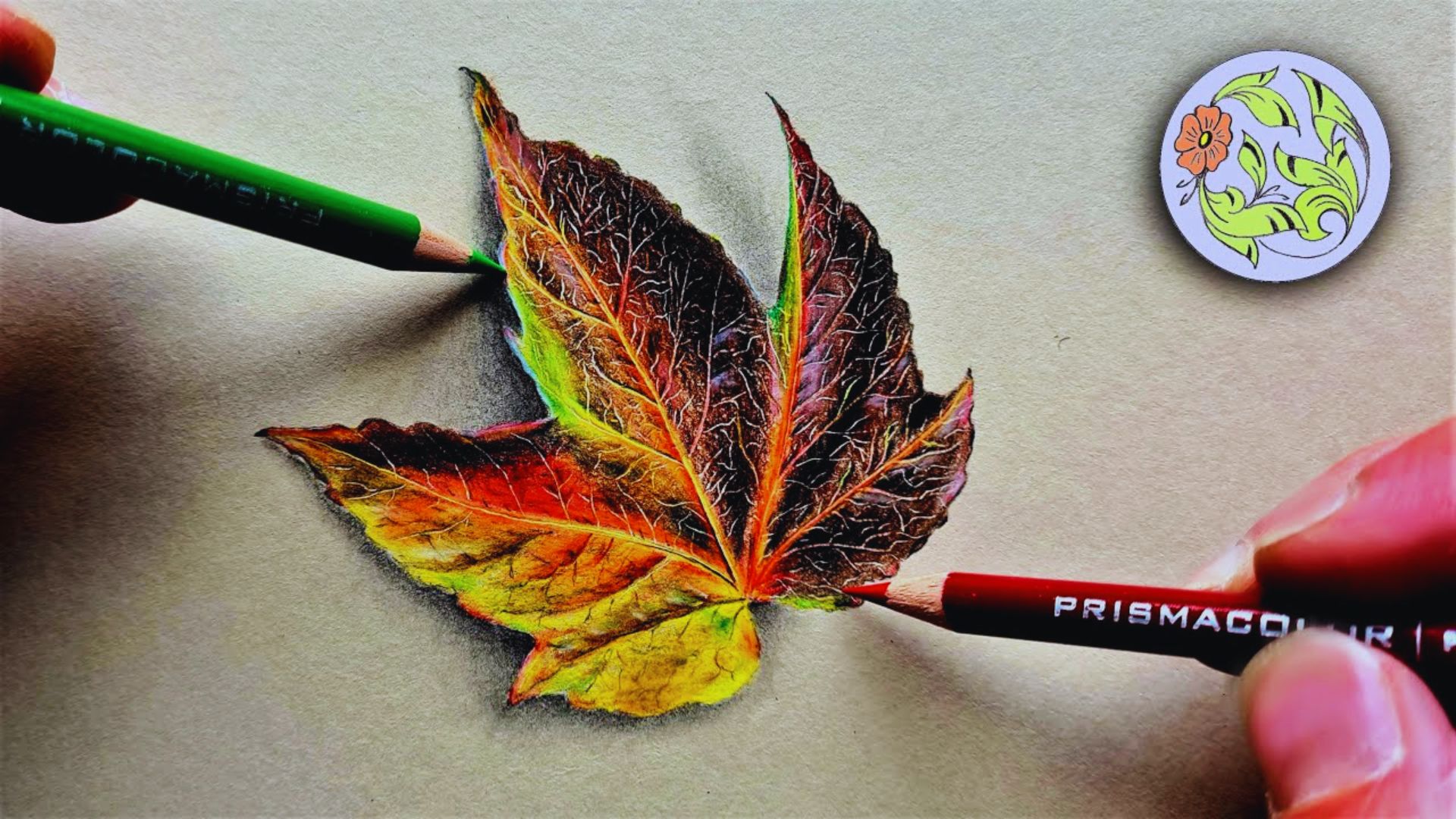
A leaf with detailed veins is a great warm-up subject. The main vein runs through the center and smaller ones branch off in a logical pattern.
Study a real leaf rather than drawing from memory for the best result.
24. Rose with Detailed Petals
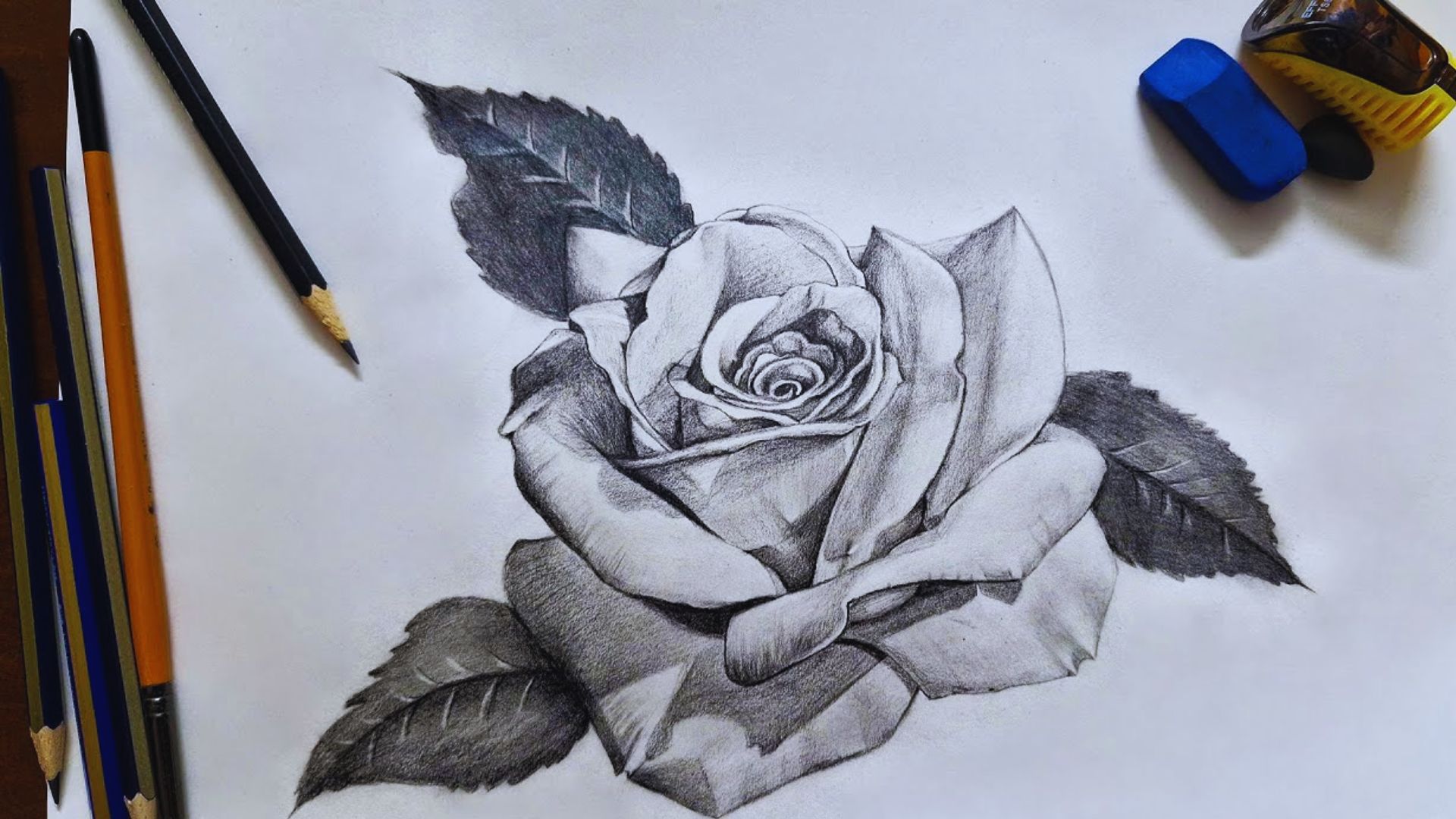
A rose is one of the most studied subjects in drawing for good reason. Each petal overlaps the next and catches light differently.
Work from the center outward and build the layers gradually for a convincing result.
25. Sunflower Center Texture
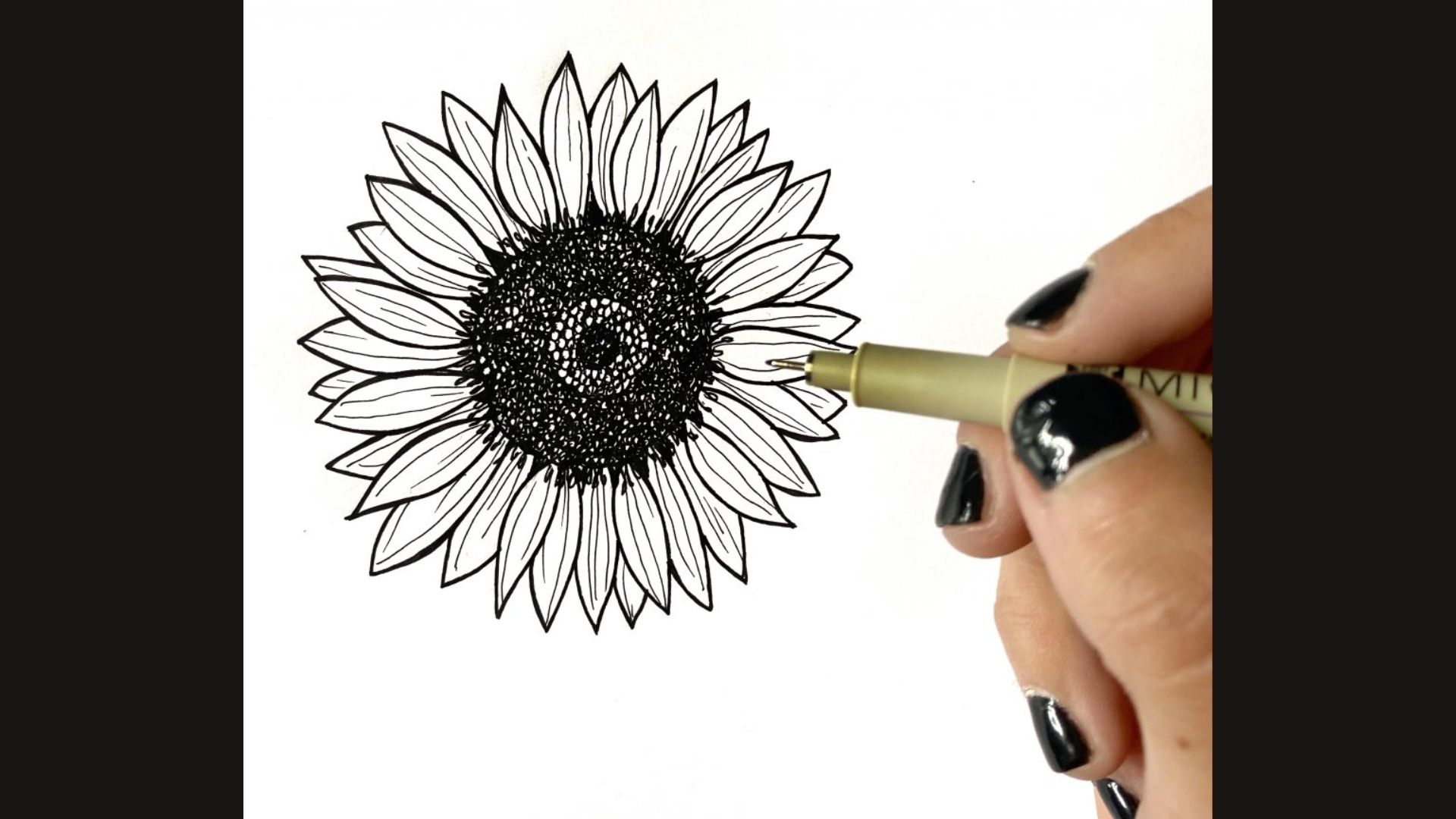
The center of a sunflower is a tight, repeating pattern of seeds arranged in a spiral. This subject trains your eye for pattern and your hand for consistency.
Keep the outer seeds slightly larger than the ones near the middle.
26. Dew Drops on a Leaf
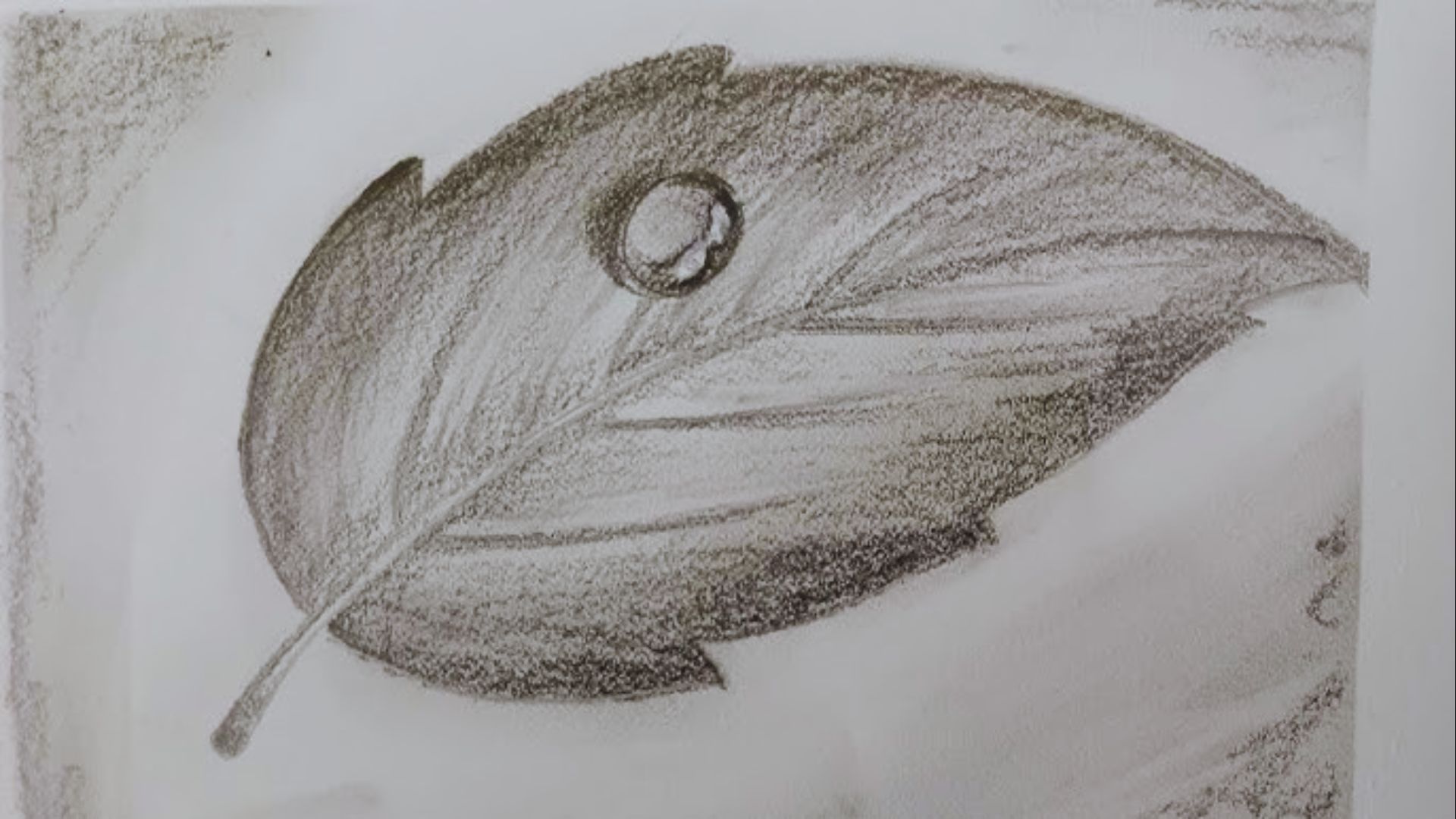
Each dew drop is a small lens that distorts whatever is behind it.
Drawing them well means capturing that tiny dark ring, the bright highlight, and the subtle reflection inside each drop. Small subject, big skill builder.
27. Butterfly Wings
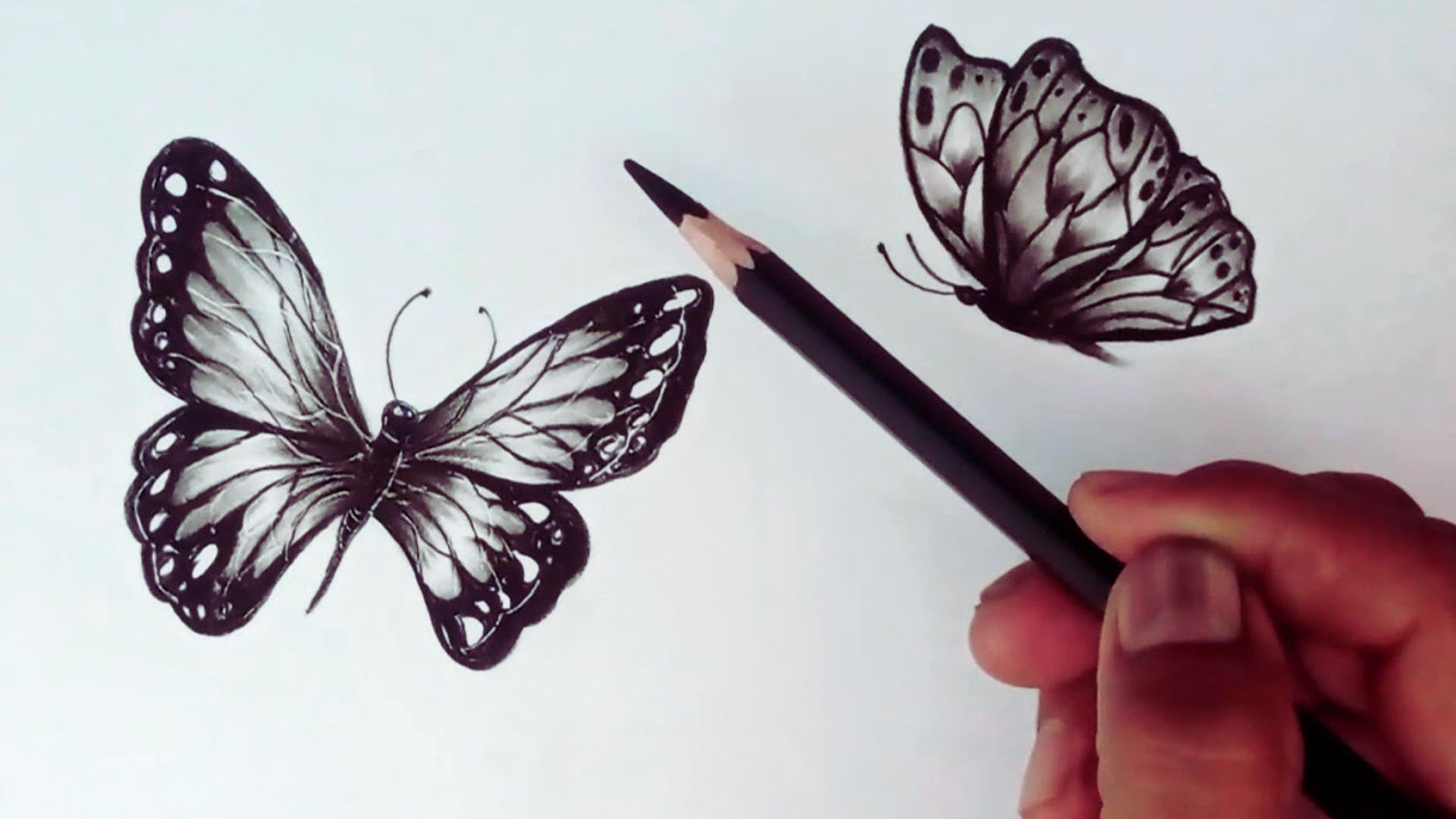
Butterfly wings have symmetry, pattern, and texture all in one subject. Start with the overall wing shape before adding the pattern.
The fine details along the edges are worth taking your time over since they define the whole drawing.
28. Realistic Feather

A feather has a clear structure with a central shaft and soft barbs branching outward.
The light side and the shadow side of the shaft give the feather its three-dimensional feeling. Work lightly and build the tone in stages.
29. Bird Eye Close-Up

A bird eye is round, bright, and surrounded by small, tight feathers. The reflection inside the eye is sharp and important. Get that highlight right early and build the surrounding feathers outward from there.
30. Cat Eye Reflection

A cat eye has a vertical pupil and a complex iris with fine radiating lines. The reflection is strong and clear.
This subject combines careful line work with soft blending and is worth revisiting at every skill level.
31. Dog Nose Texture
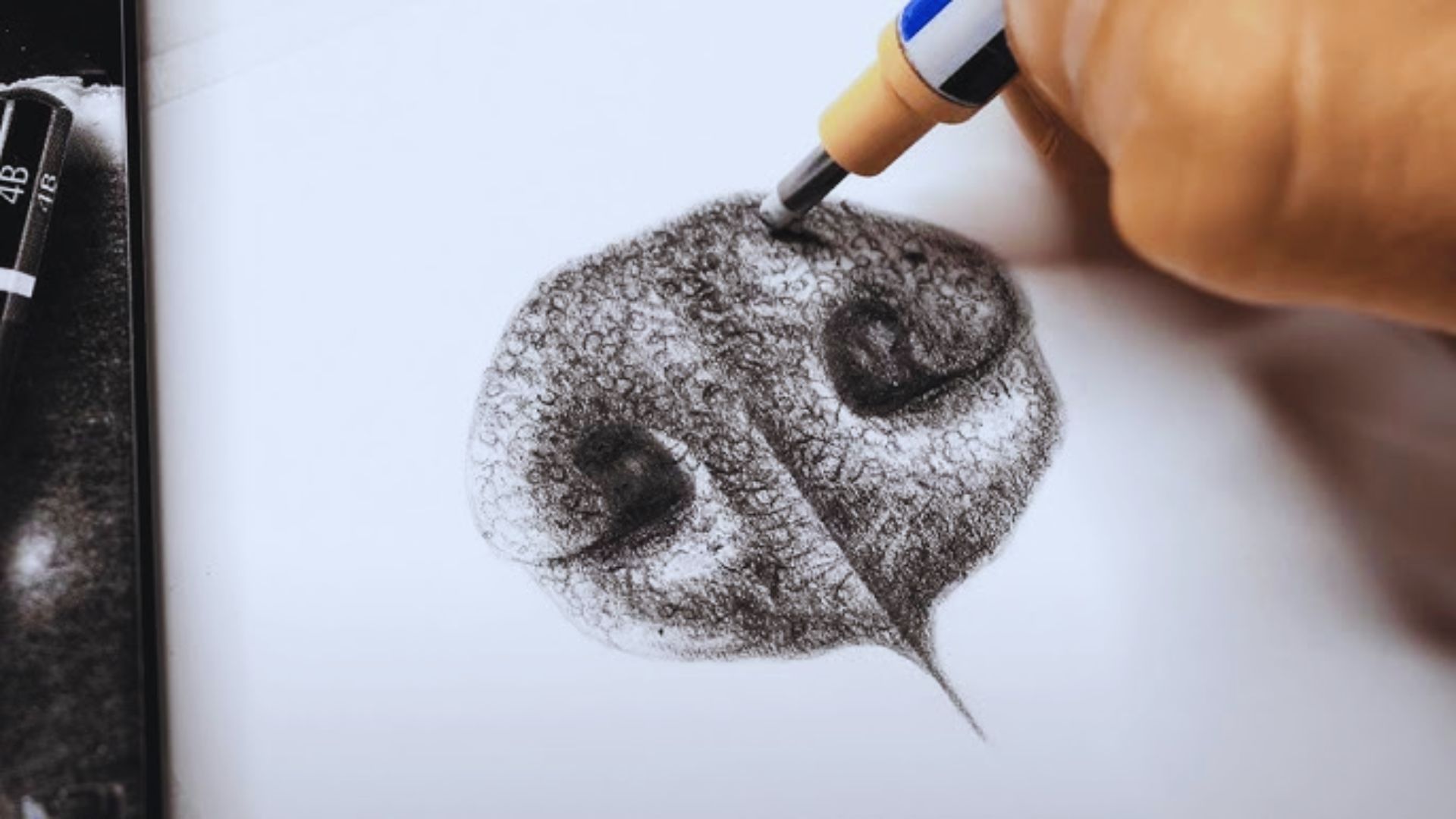
A dog nose has a bumpy, leathery texture that is very satisfying to draw once you understand how it works.
Focus on the overall shape first, then add the texture in stages. The highlight on the tip brings it to life.
32. Realistic Fish Scales
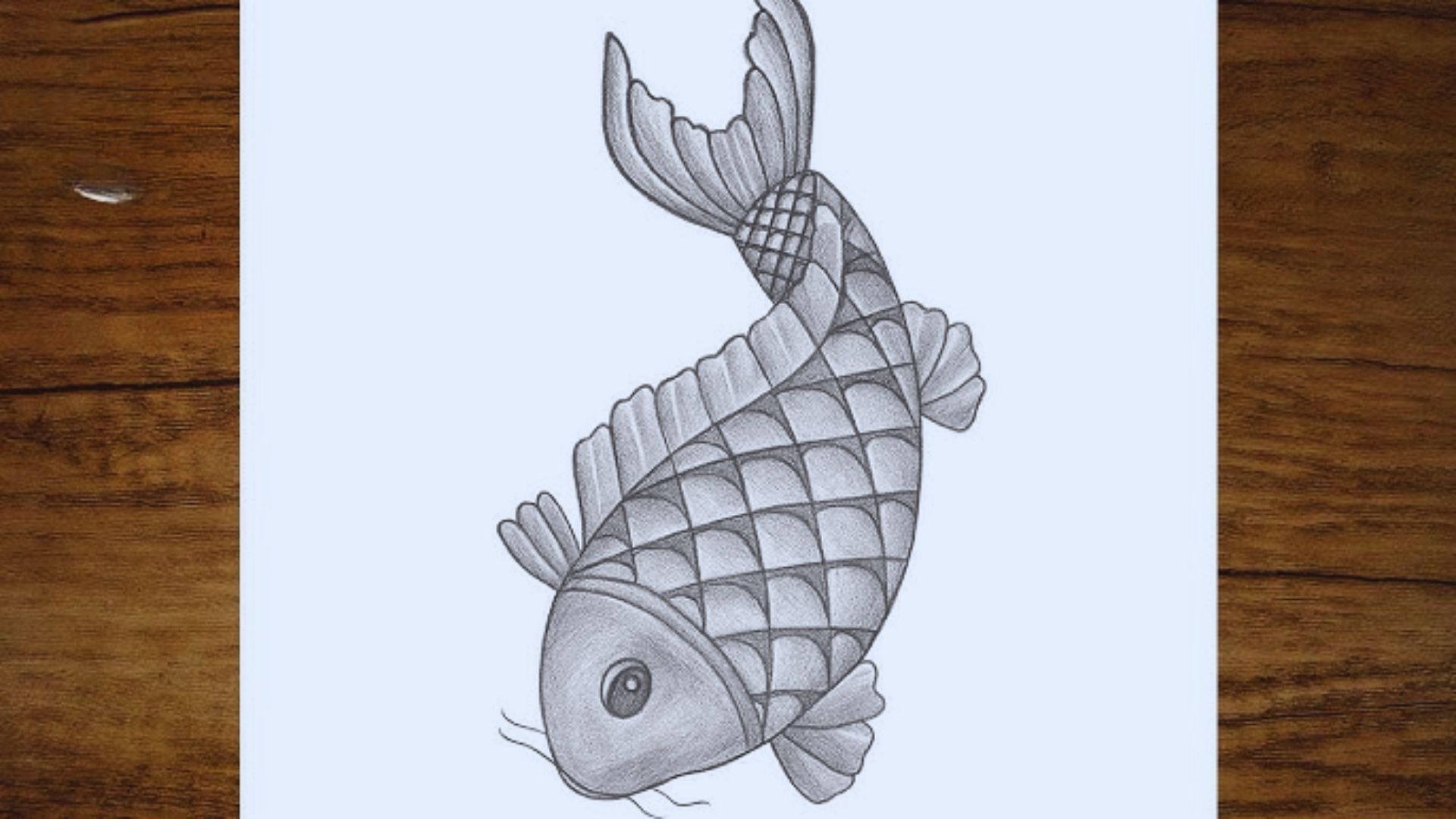
Fish scales overlap in a consistent pattern and each one catches the light slightly differently. Start at the head and work backward.
Drawing a small section rather than a whole fish is more than enough for a productive practice session.
33. Snake Skin Pattern
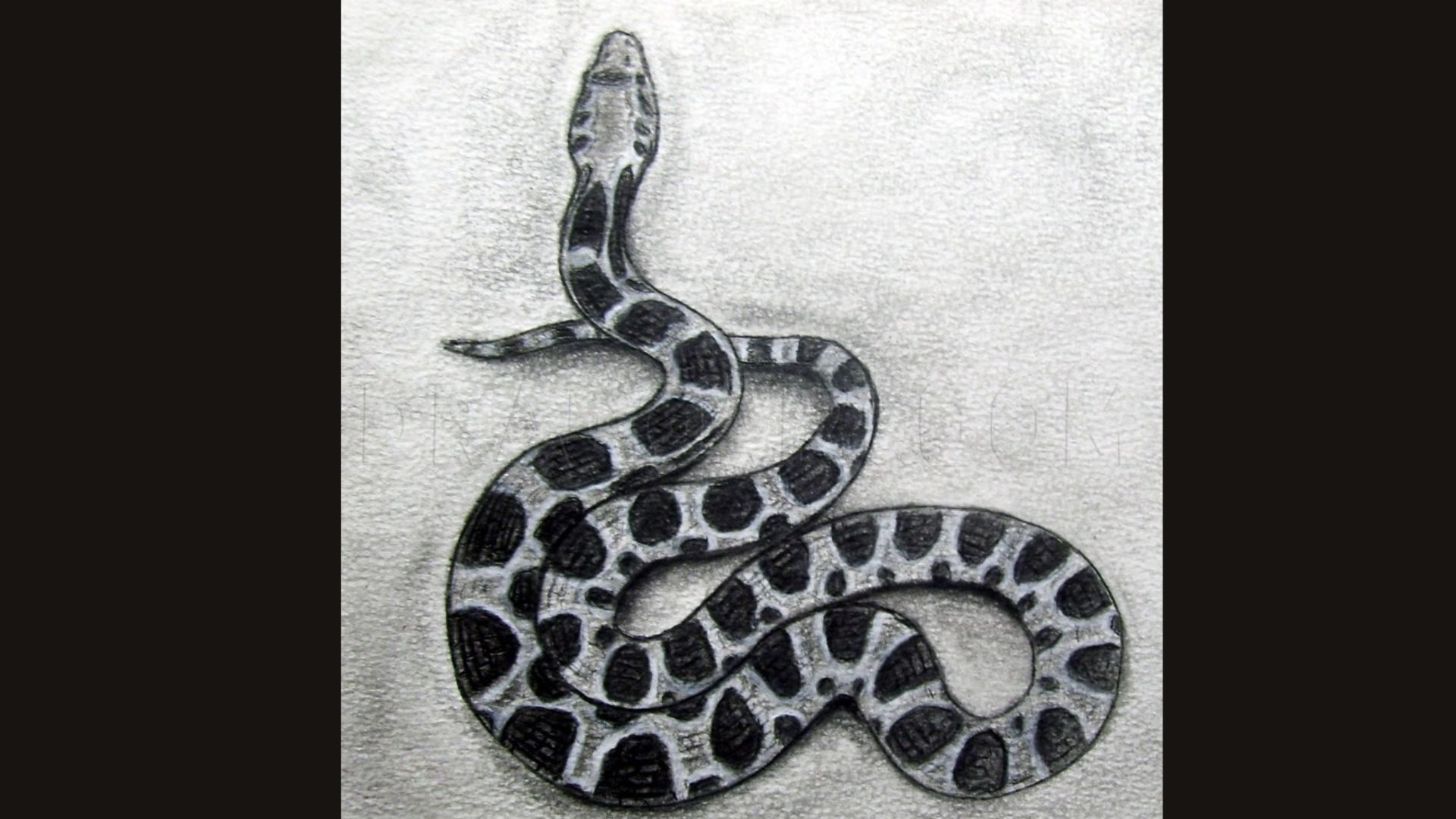
Snake skin has a repeating geometric pattern that varies slightly across different parts of the body.
The scales flatten near the belly and round out along the sides. This subject teaches pattern, tone, and surface texture together.
34. Tree Bark Texture
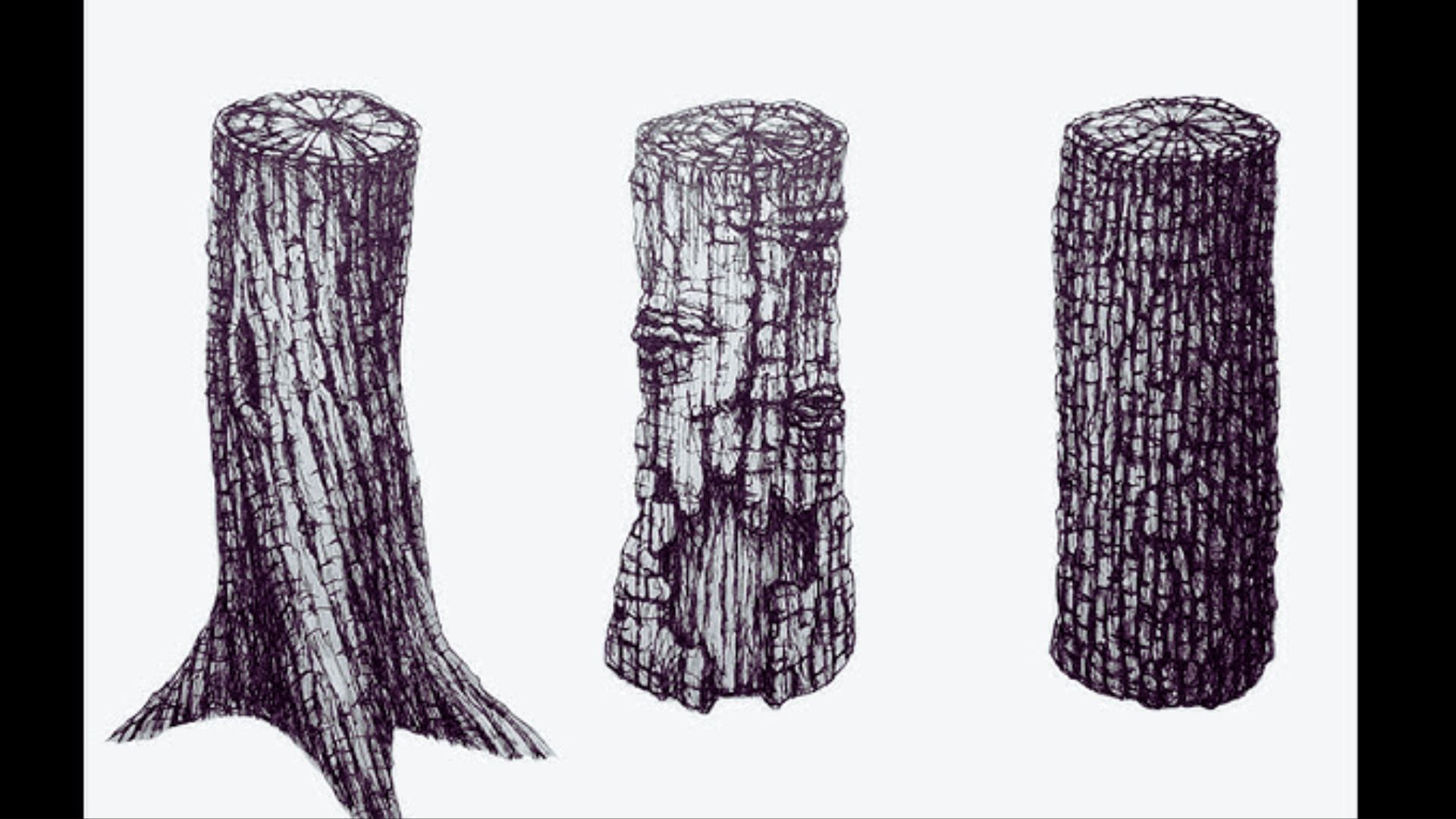
Tree bark is rough, layered, and full of deep grooves that create strong shadow.
Use heavy pressure for the darkest cracks and lighter strokes for the raised surface between them. No two sections of bark look exactly the same.
35. Moss on a Rock
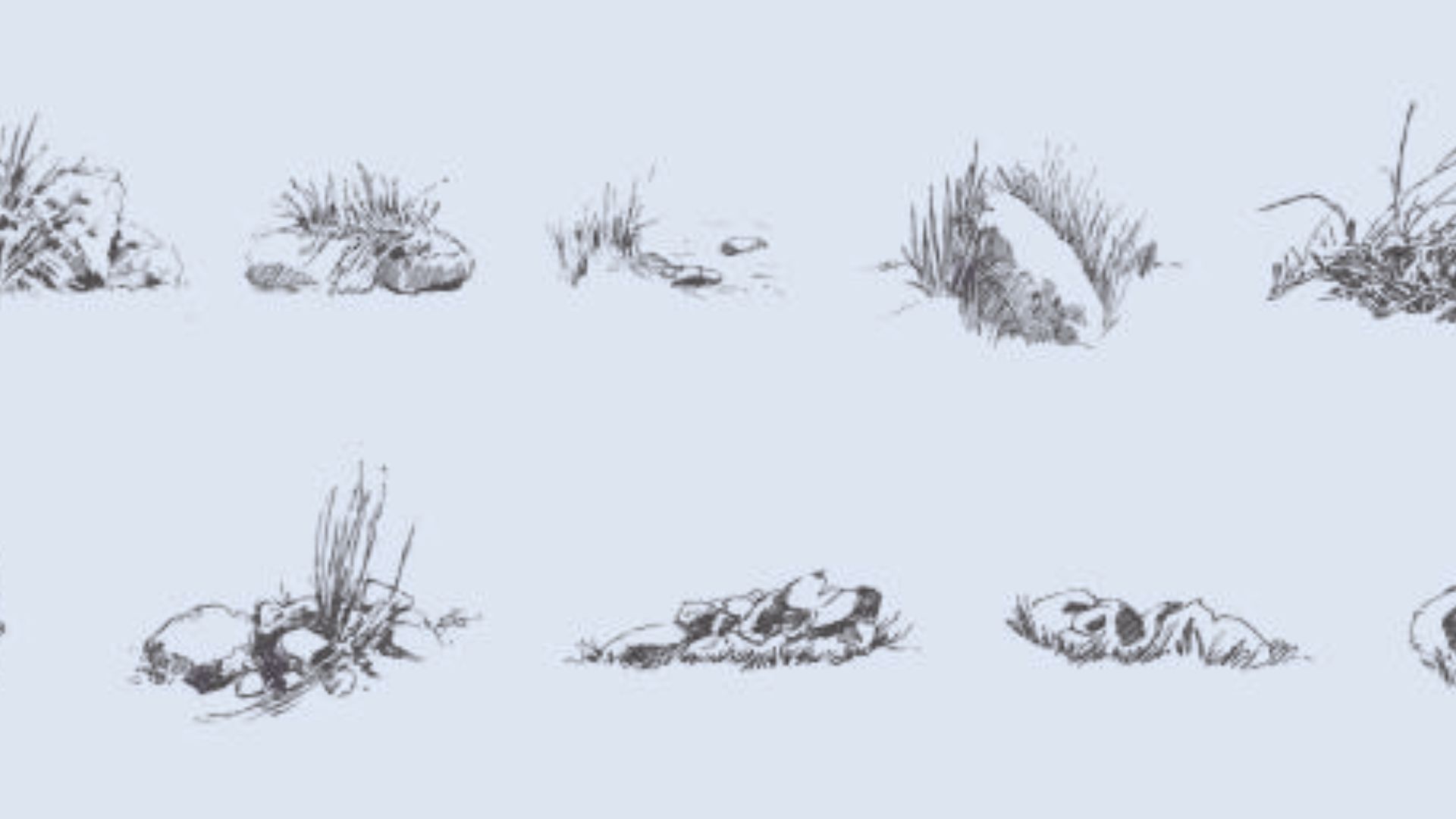
Moss has a soft, uneven texture that sits differently from the hard surface beneath it.
The contrast between the two materials is what makes this subject interesting. Keep the moss edges soft and the rock edges firm throughout.
36. Small Realistic Mushroom
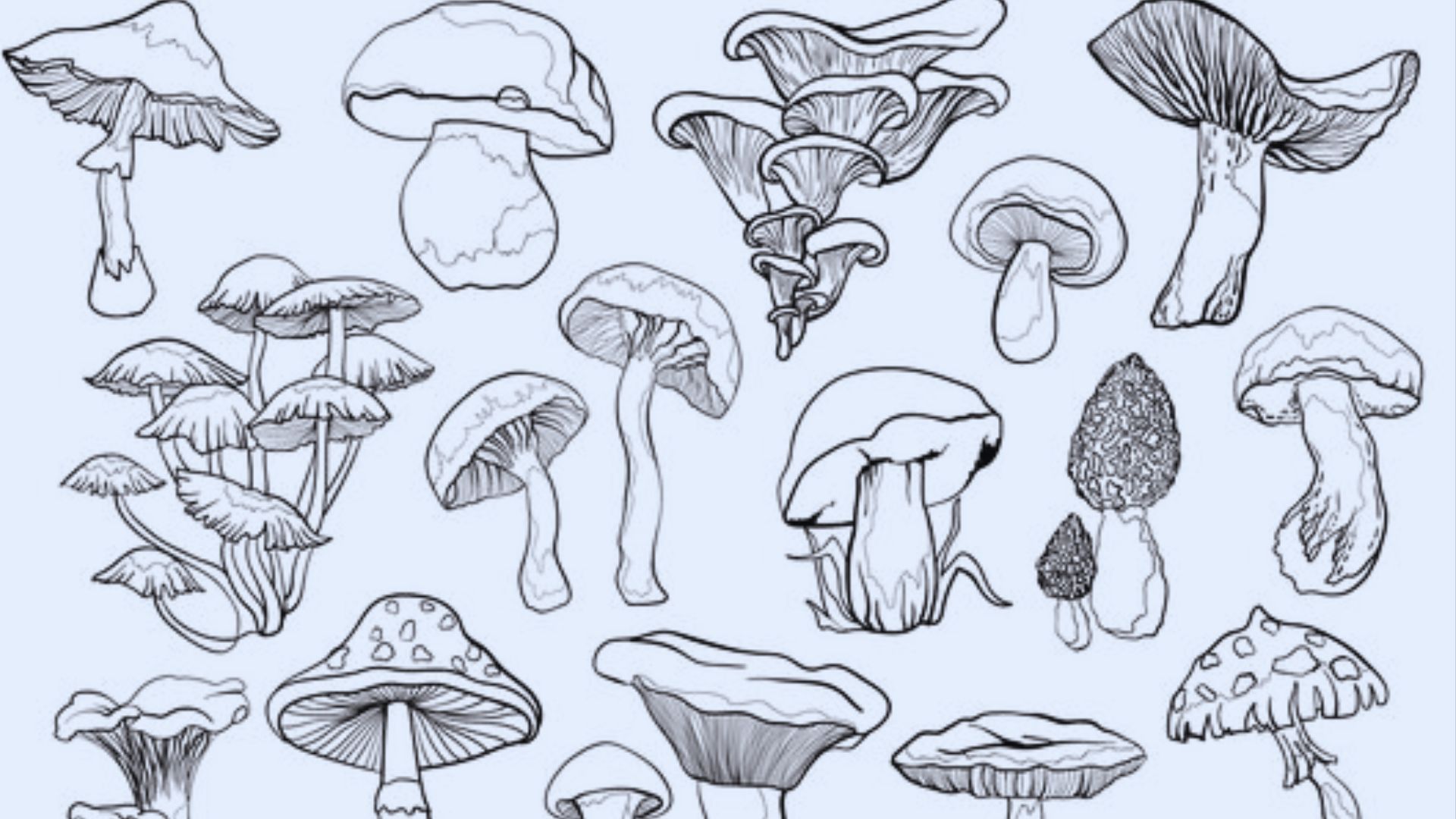
A mushroom has a smooth cap, soft gills underneath, and a simple stem. The underside of the cap is where the most interesting shadow work happens.
Study the way the gills radiate outward from the center of the stem.
37. Pebbles and Stones

Pebbles look simple but each one has its own shape, surface texture, and shadow.
Drawing a small group of them together is a great exercise in composition as well as shading. Vary the size and angle of each stone.
38. Seashell Texture
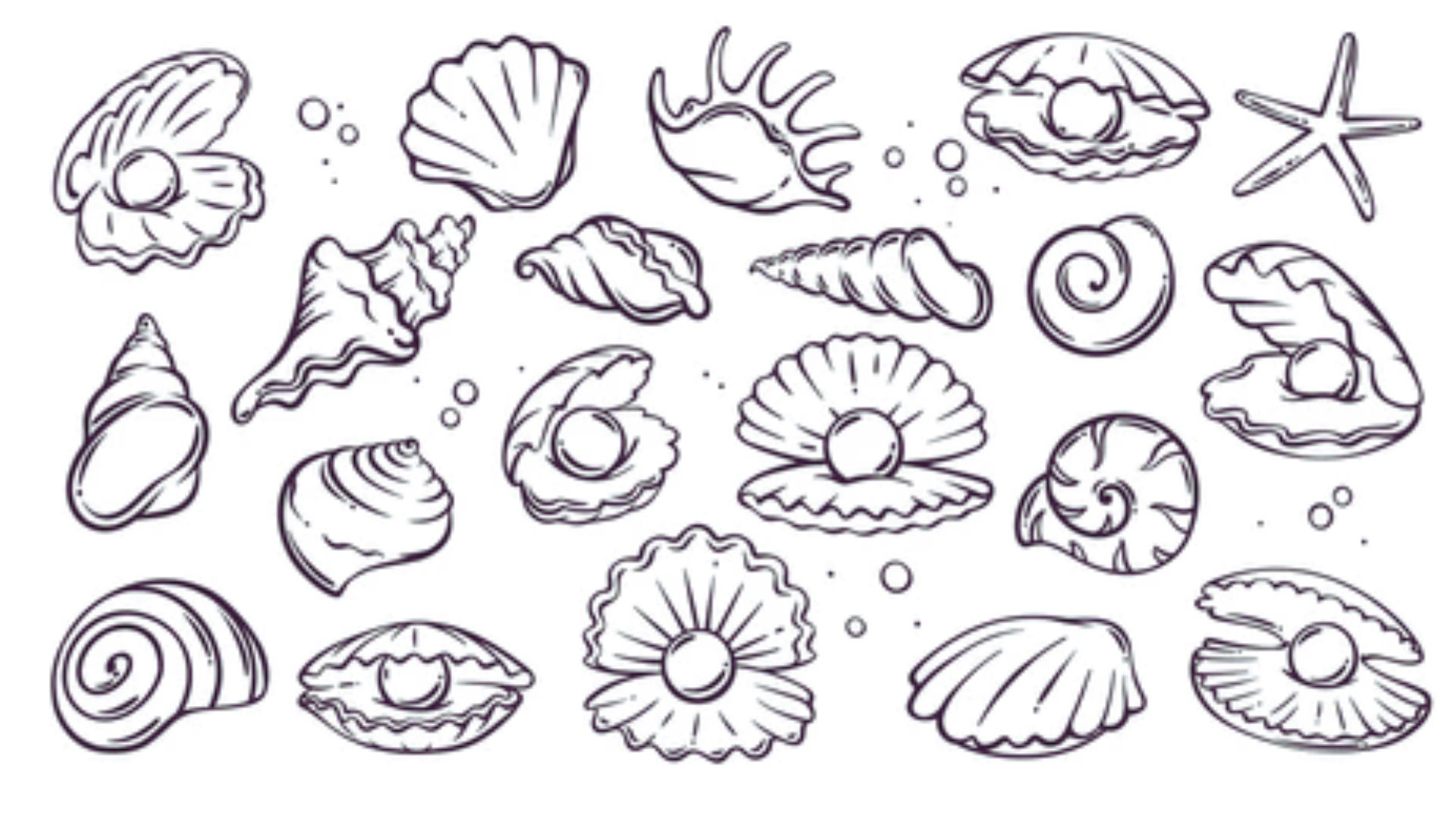
A seashell has a spiral form with ridged surface texture and a smooth interior. The contrast between the rough outside and the polished inside is a strong visual subject.
Pay close attention to where the light catches the ridges.
39. Ocean Wave Splash

A wave splash is a fast, chaotic form that you need to slow down and study carefully.
Look at reference photos and focus on the main shape of the splash before adding the smaller droplets and foam around the edges.
40. Cloud Shading Study
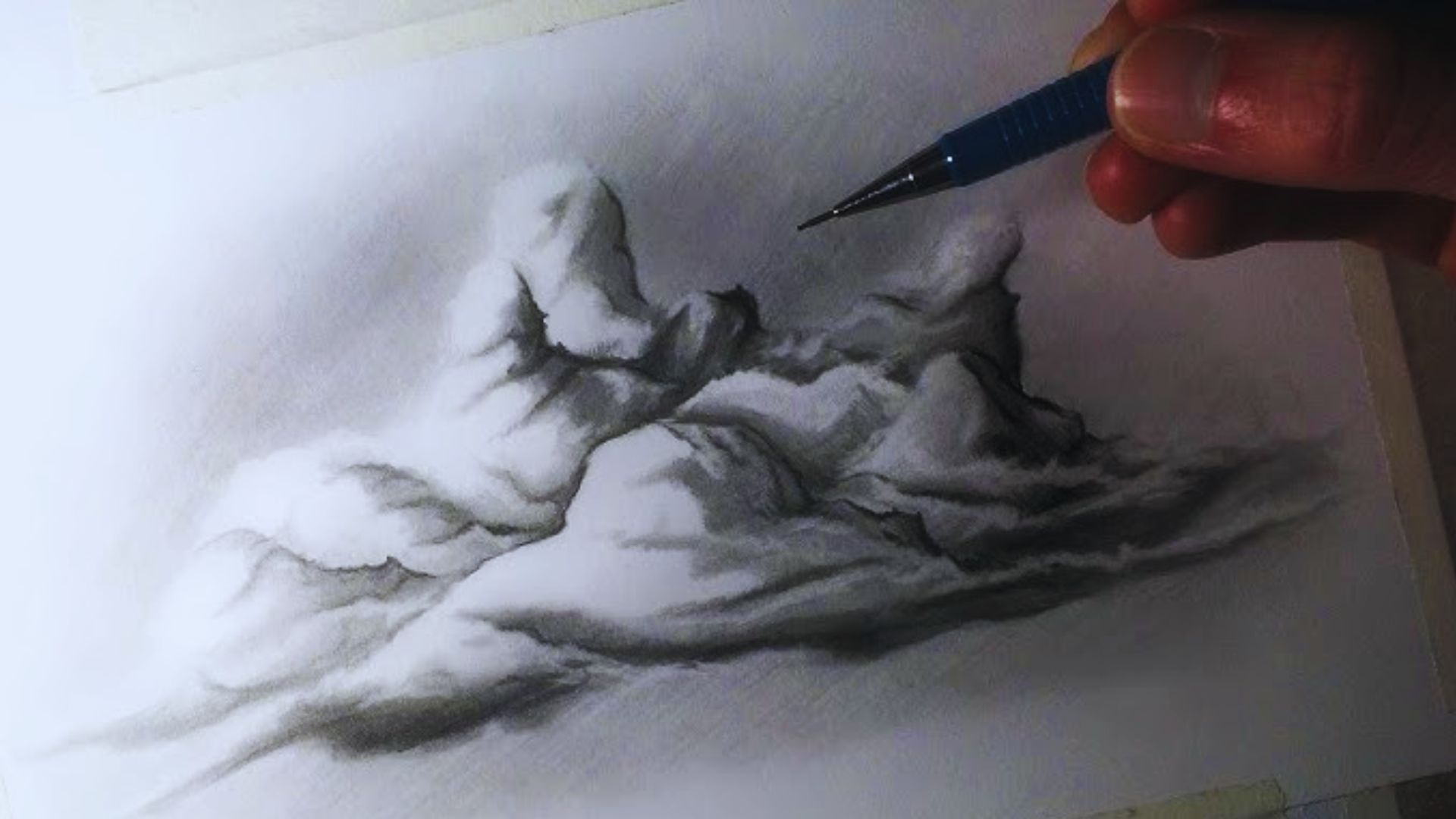
Clouds look soft and formless but they have real structure. The top catches the light and the base sits in shadow.
Practice shading from the bottom up and leave the brightest areas completely untouched for a convincing cloud effect.
41. Candle with Melting Wax
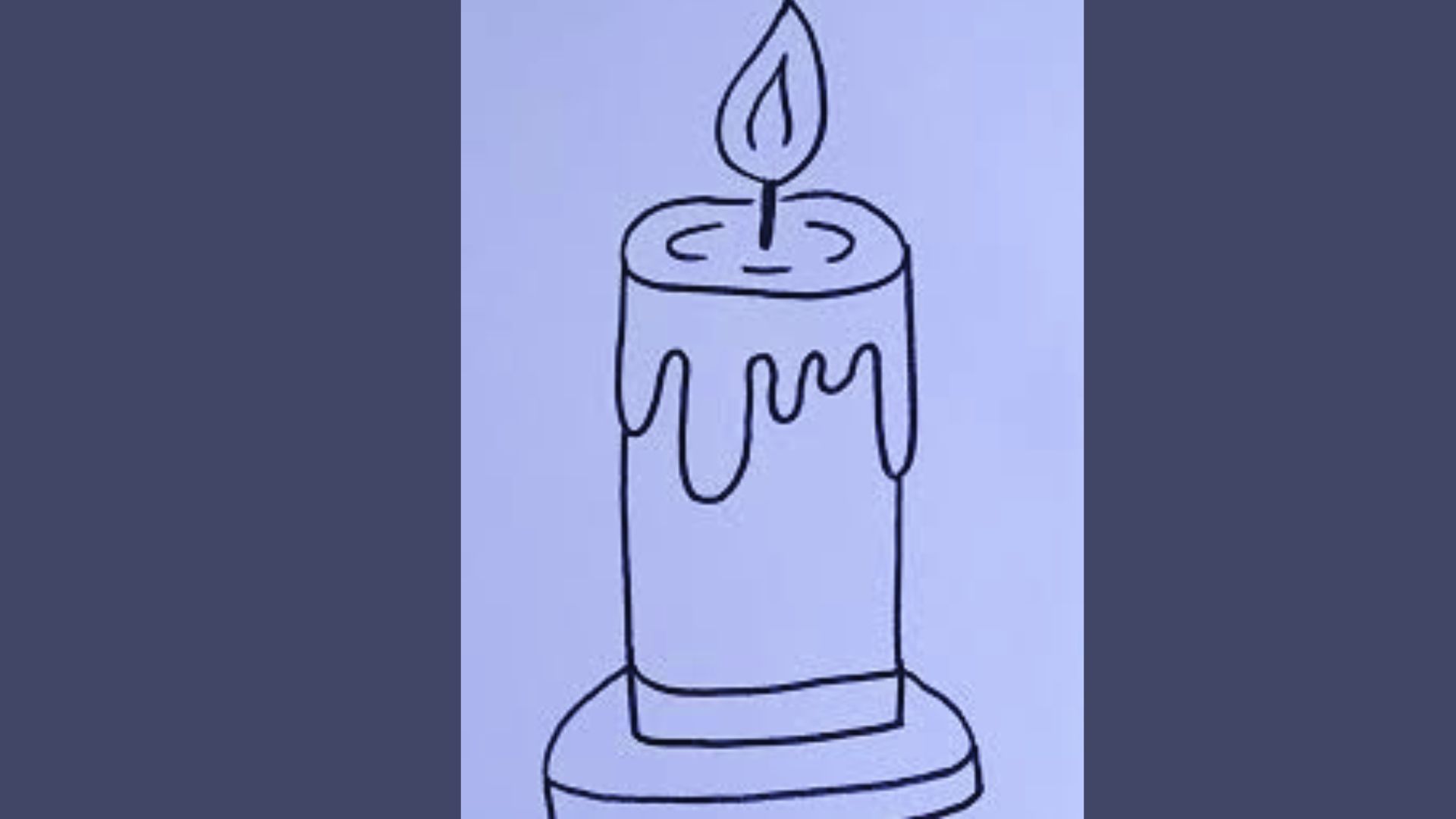
A candle combines a glowing light source with dripping wax texture. The area closest to the flame is the lightest, and the tone deepens as you move away.
The drips of wax are good practice for organic flowing shapes.
42. Burning Matchstick
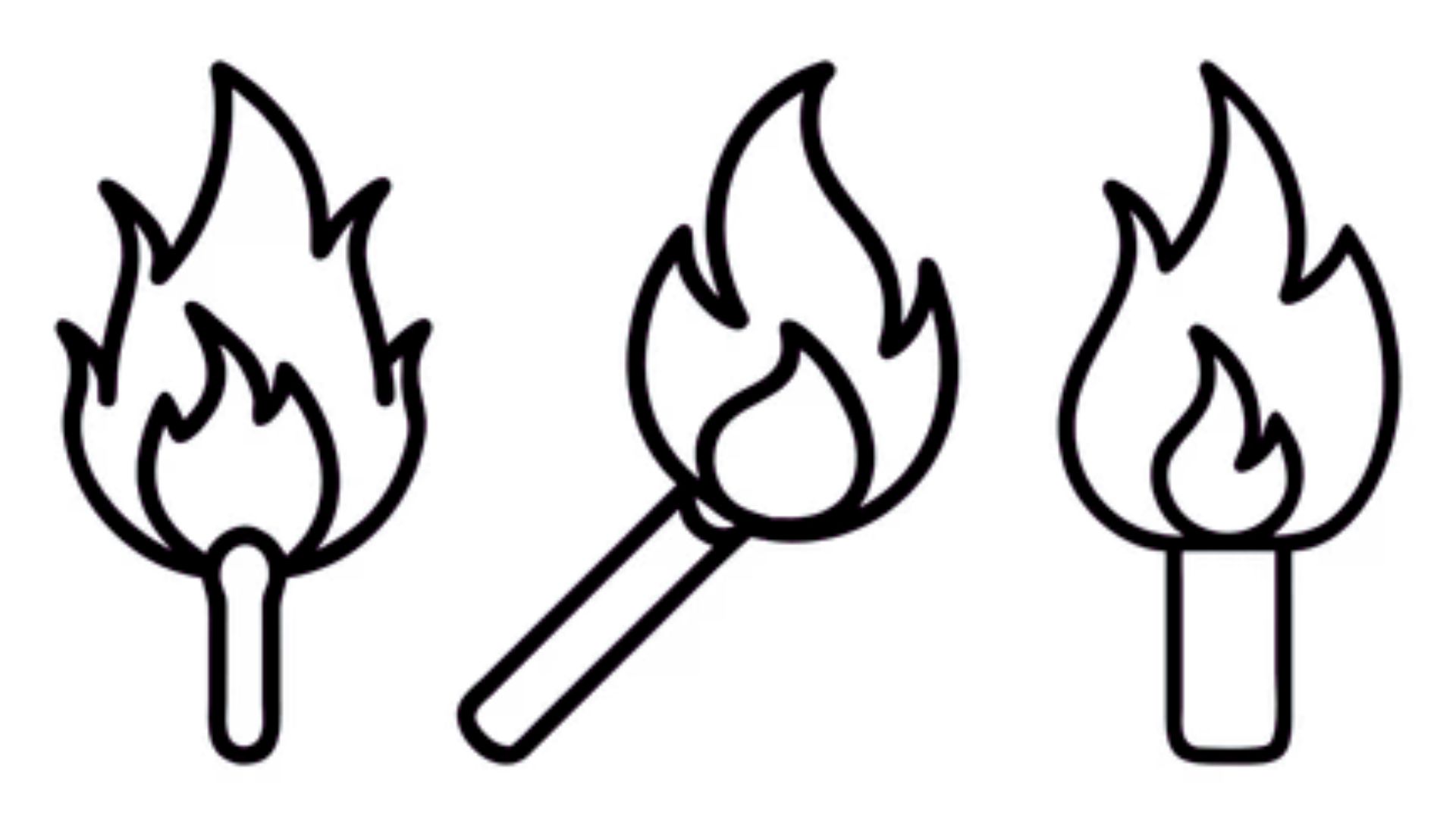
A lit matchstick is a small subject with a lot going on. The flame, the blackened tip, the charred wood, and the glow on the matchstick body all require different approaches.
Small subjects like this build precision quickly.
43. Crumpled Paper
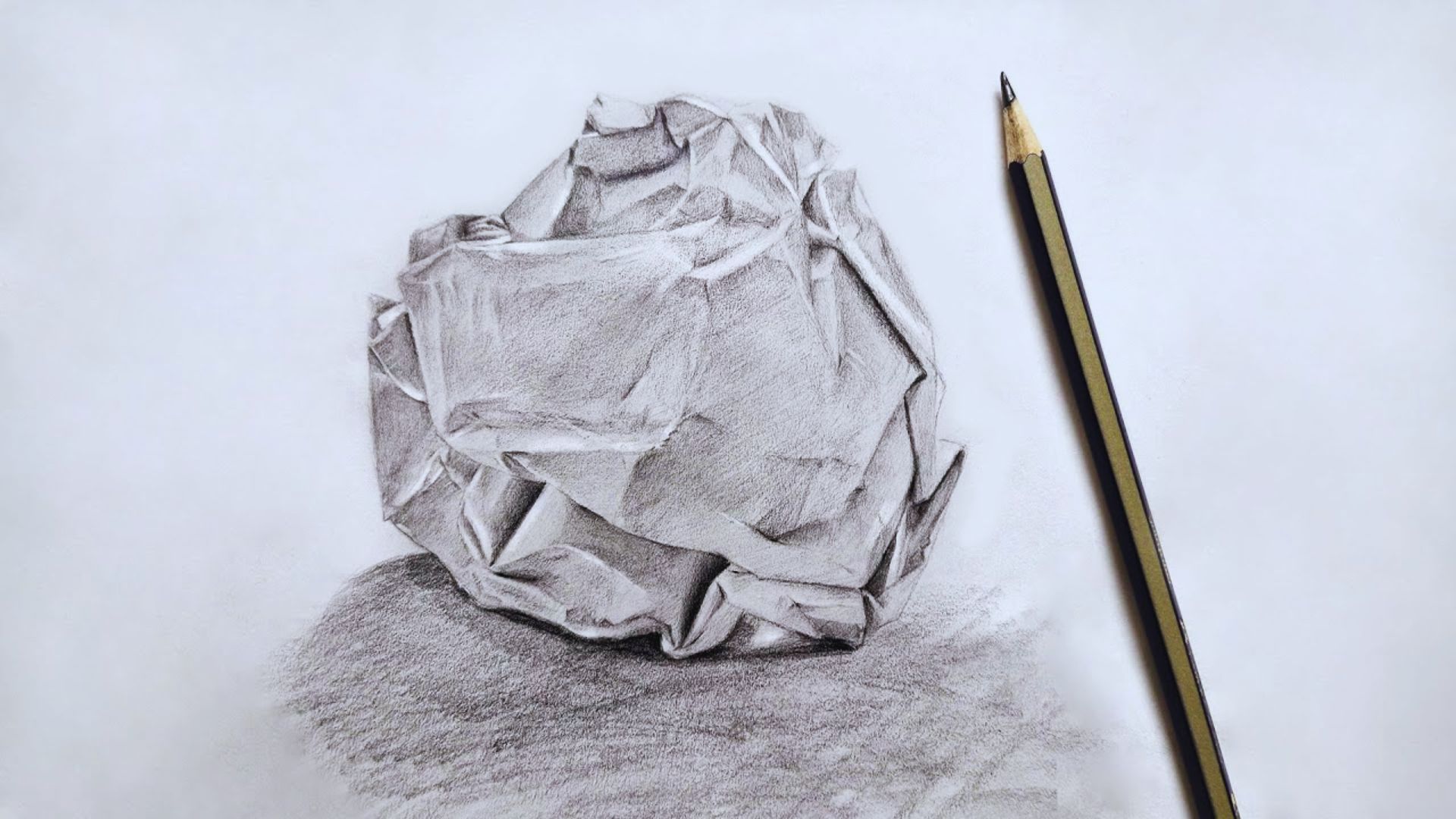
Crumpled paper is an exercise in sharp value contrasts. The creases create strong shadows and bright highlights right next to each other.
It looks complicated but once you simplify it into light, mid, and dark areas it becomes very manageable.
44. Fabric Folds
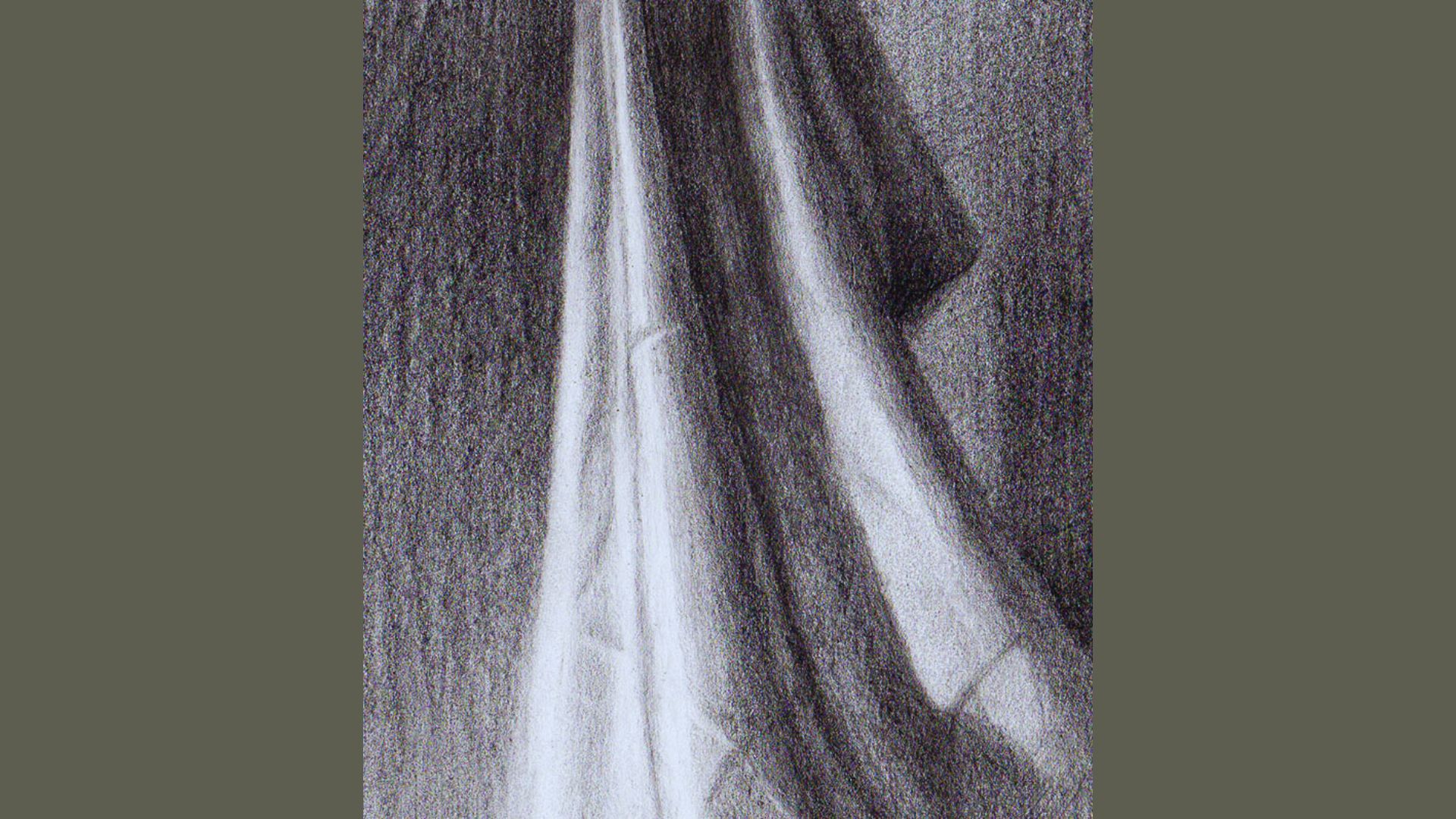
Fabric folds follow the pull of gravity and the points where the cloth is held or draped. Study where the tension comes from and let that guide your shadow placement.
This is one of the most useful subjects for any artist.
45. Shoe with Laces

A shoe has a clear overall form with multiple surface materials, leather, rubber, and fabric laces, each with its own texture.
Start with the overall silhouette before working into the lace holes and the stitching detail along the edges.
46. Old Book Pages
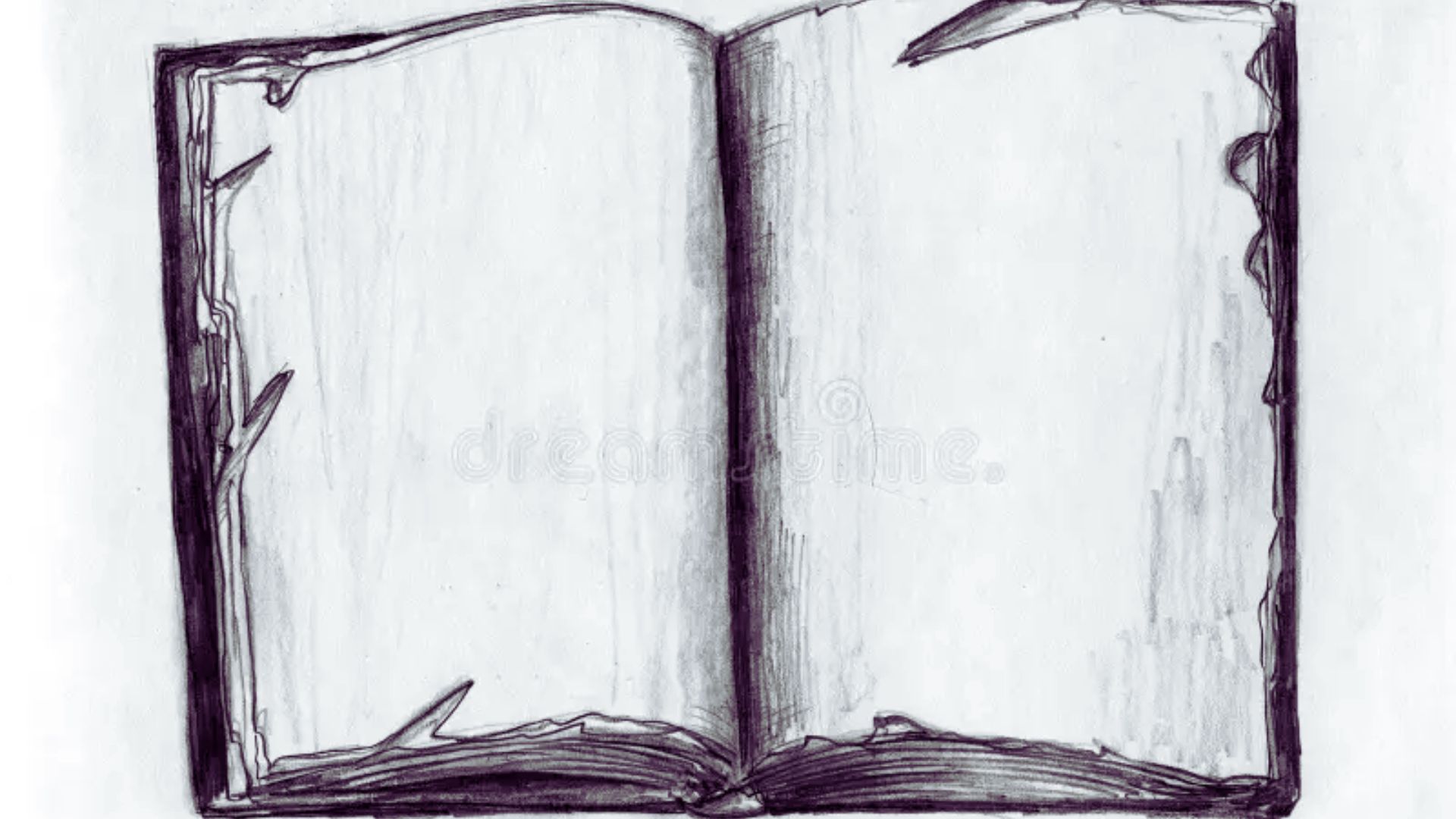
Old book pages have a worn, creased texture with soft yellowing tones. The way the pages curve and stack is a good form of study.
Add a few faint text lines to suggest print without actually writing out any readable words.
47. Key and Lock

A key and lock together are a good exercise in hard-edged metallic surfaces. The reflections are sharp and the forms are geometric.
Getting the proportions right is the first challenge. The surface shading comes second.
48. Scissors
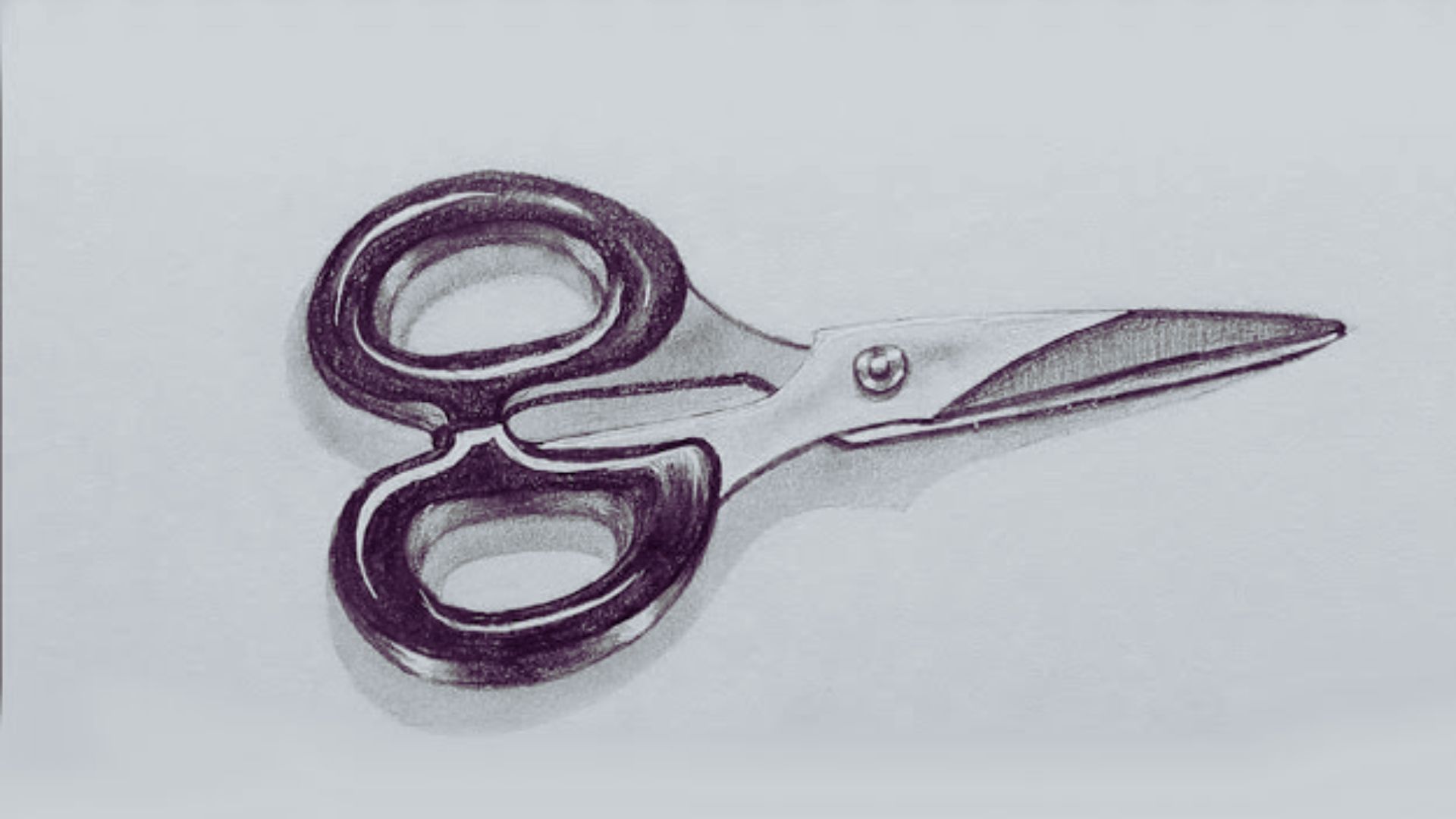
A pair of scissors has two flat, shiny blades that cross at a pivot point with looped handles. The reflections on the blade surfaces are sharp and change direction at the beveled edge.
The contrast between the metal and the plastic handle makes it a strong multi-material study.
49. Realistic Pencil Sketch
Drawing a pencil in a realistic way sounds basic but it is a good exercise in cylindrical form and wood grain texture.
The tip requires careful shading to show the graphite core sitting inside the painted wooden casing.
50. Phone with Reflections
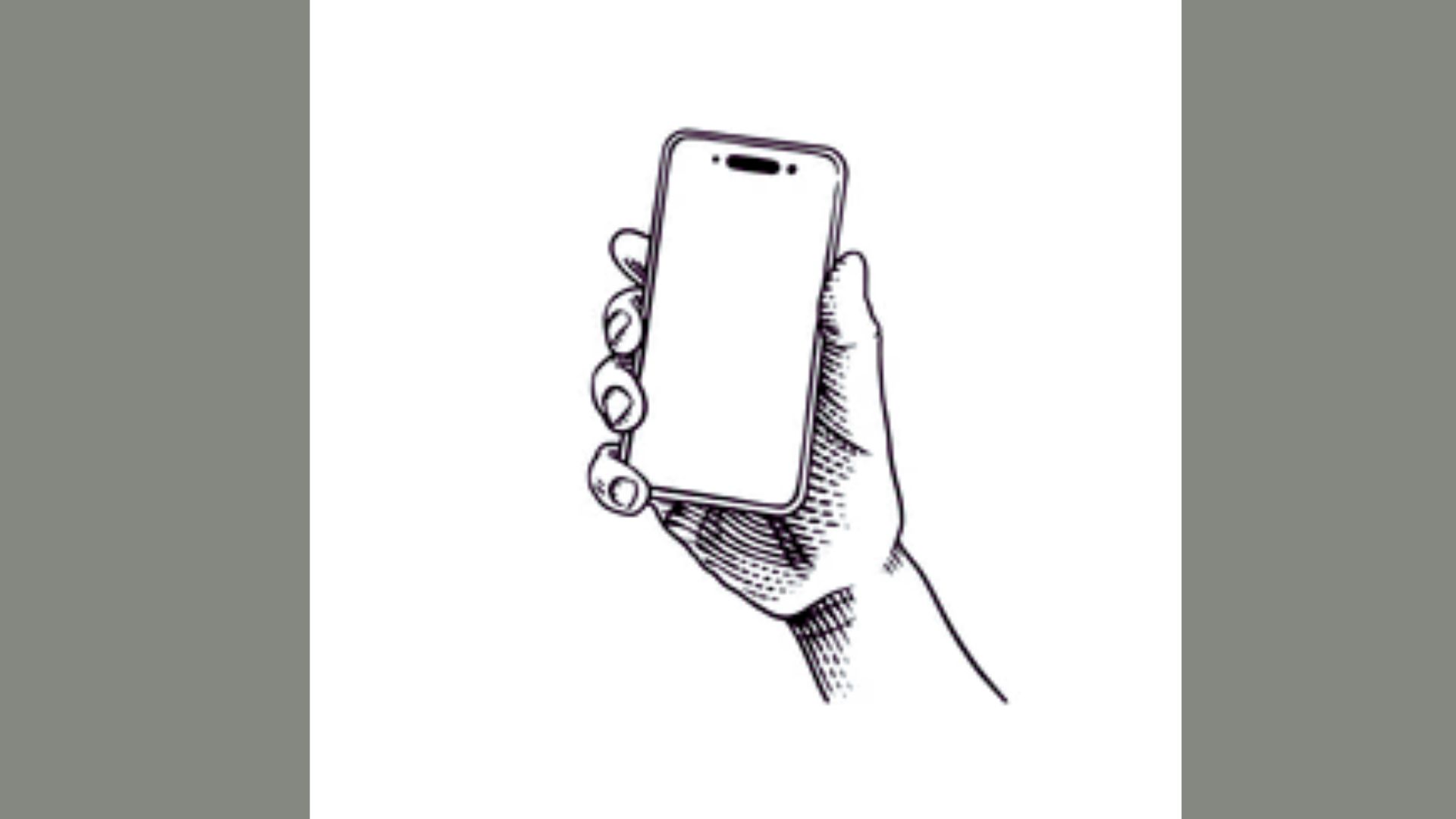
A modern phone is flat, glassy, and full of reflections. The screen reflects everything in front of it.
This subject is excellent for practicing hard-edged forms and the kind of mirror-like surface that most beginners find difficult to capture.
51. Coffee Cup with Steam
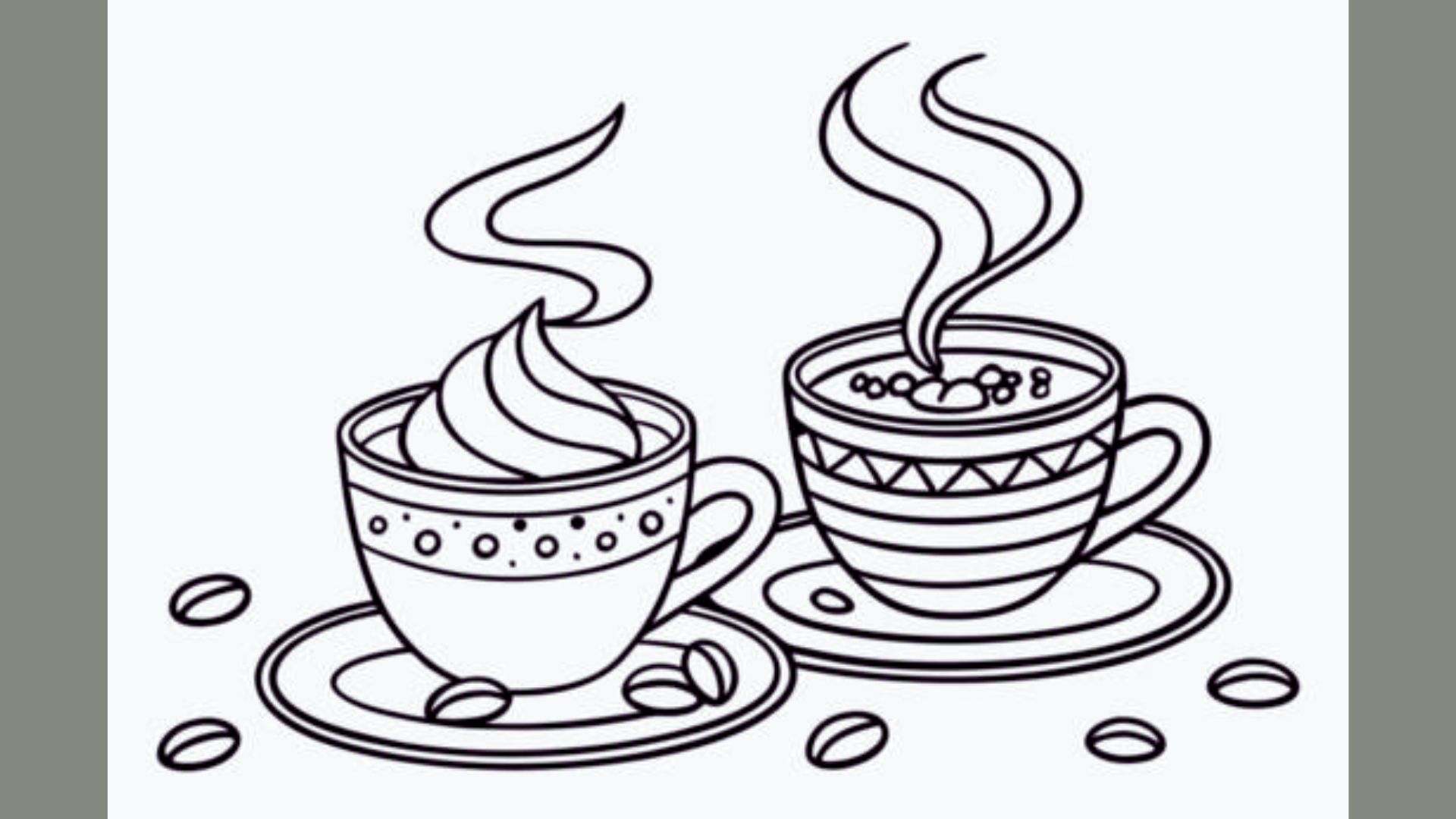
A coffee cup with rising steam combines a solid ceramic form with a soft, wispy element.
The steam is the hardest part because it is mostly a suggestion. Use light, upward strokes and let the white of the paper do most of the work.
Realistic Nature Things to Draw

Nature gives you the best subjects for building texture, form, and observation skills all at once.
- Cherry Blossom Branch: A cherry blossom branch has clusters of soft, rounded petals sitting on thin dark branches.
- Tulip Flower: A tulip has smooth, curved petals that overlap softly. The form is simpler than a rose but the shading requires attention to how the light wraps around each petal.
- Lotus Flower: A lotus sits on a flat water surface with petals that rise upward in layers. The tips of the outer petals often catch more light than the inner ones.
- Dandelion Seeds: Dandelion seeds are light, airy, and float on fine hair-like stems from a central point. Use a sharp pencil and work on a dark background to make the seeds stand out clearly.
- Hibiscus Flower: A hibiscus has wide, slightly wrinkled petals and a long central stamen that extends well beyond the flower face. The surface of the petals has fine veining similar to a leaf.
57.Wildflower Cluster: A cluster of wildflowers gives you a chance to practice overlapping forms and varied detail levels. The flowers in the front get more detail and the ones behind them stay softer.
- Pinecone Texture: A pinecone is built from overlapping scales arranged in a spiral pattern. Each scale has a hard, pointed tip and a softer base where it connects.
- Tree Branch with Leaves: A tree branch with leaves is about understanding how weight and growth direction work together. Leaves face different directions and catch light at different angles.
- Fallen Autumn Leaf : A fallen leaf is dry, curled at the edges, and full of surface detail. The veins are more visible when the leaf dries out and the texture becomes more pronounced.
Realistic Landscapes and Natural Scenes to Draw
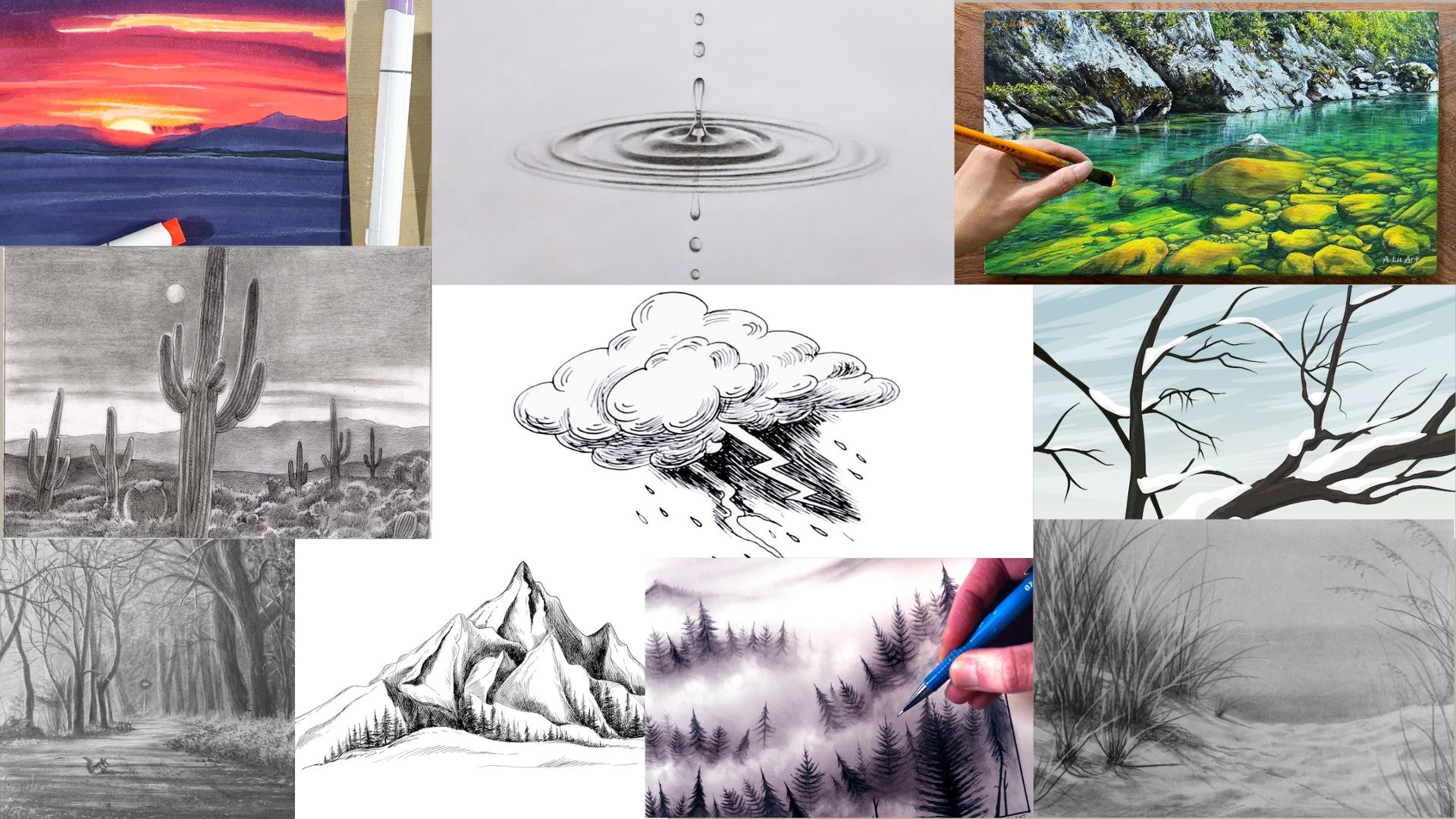
Landscapes train your eye for distance, atmosphere, and how light changes across a wide scene.
- Realistic Mountain Peak: A mountain peak has sharp angles at the top and softer slopes below. Snow sits in the sheltered areas and the exposed rock shows through everywhere else.
- Forest Path: A forest path leads the eye through the composition naturally. The path narrows as it moves into the distance and the trees on either side frame the scene.
- River Stones Underwater: Stones underwater look slightly distorted and softer than stones in the open air. The water surface above them creates a ripple effect that breaks up the edges.
- Water Ripple Effect: Water ripples are circular, overlapping lines that spread outward from a central point. The lines are closer together near the center and spread apart as they move out.
- Snow on Tree Branches: Snow sits heavily on branches and sags slightly in the middle of each clump. The undersides of the branches are in deep shadow while the snow on top is almost white.
- Lightning in Clouds: Lightning is a branching, irregular line of intense light cutting through a dark sky. The clouds around it glow slightly from within.
- Sunset Horizon: A sunset horizon is about gradual tonal shifts across a wide, open sky. The lightest area sits just above the horizon and the tone deepens as it moves upward.
- Foggy Forest: Fog softens everything it touches.The trees in the foreground are clear and dark. As they move into the distance they get lighter and less defined.
- Sand Dunes Texture: Sand dunes have smooth, curved surfaces with a sharp ridge at the top where the wind creates a clean edge. One side is lit and the other sits in a long, soft shadow.
- Desert Cactus: A cactus has a firm, cylindrical form covered in small spines arranged in regular patterns. The surface has subtle vertical ridges that cast thin shadows along the body.
Realistic Animals to Draw

Animals are one of the best categories for practicing texture, form, and close observation.
- Realistic Cat Portrait: A cat portrait is about soft fur, sharp eyes, and the quiet stillness of the animal. The fur around the face grows in specific directions that follow the contour of the head.
- Dog Portrait: A dog portrait requires attention to the specific breed you are drawing since the fur type and face shape vary widely.
- Horse Head: A horse head has strong, defined muscle structure beneath a short, smooth coat. The proportions are longer than most animals with a wide forehead and a long jaw.
- Tiger Eyes: Tiger eyes are intense, round, and surrounded by strong markings that frame them naturally. The iris has a warm amber color that you can suggest with pencil tonal variation.
- Lion Mane Texture: A lion mane is dense, layered, and dark at the center near the face. Draw the mane in sections following the natural growth direction of the fur.
- Elephant Wrinkles: Elephant skin is thick, deeply creased, and rough in texture. The wrinkles follow the movement of the body and gather around the joints.
- Panda Face: A panda face is bold and graphic with strong black and white contrast. The dark patches around the eyes are the most important part of getting the likeness right.
- Owl Feathers: Owl feathers have a distinct pattern with fine barring across each individual feather. The face disc of an owl is a flat, forward-facing arrangement of short feathers that is unlike any other bird. Start from the face and work outward.
- Eagle Beak Close-Up: An eagle beak is hard, curved, and powerful. The surface is smooth with a slight sheen and a sharp tip that casts a small shadow onto the lower jaw.
- Frog Skin Texture: Frog skin has a bumpy, slightly wet surface that catches light on the raised areas and sits in shadow in the dips between them. The texture varies across the body.
Realistic Objects to Draw
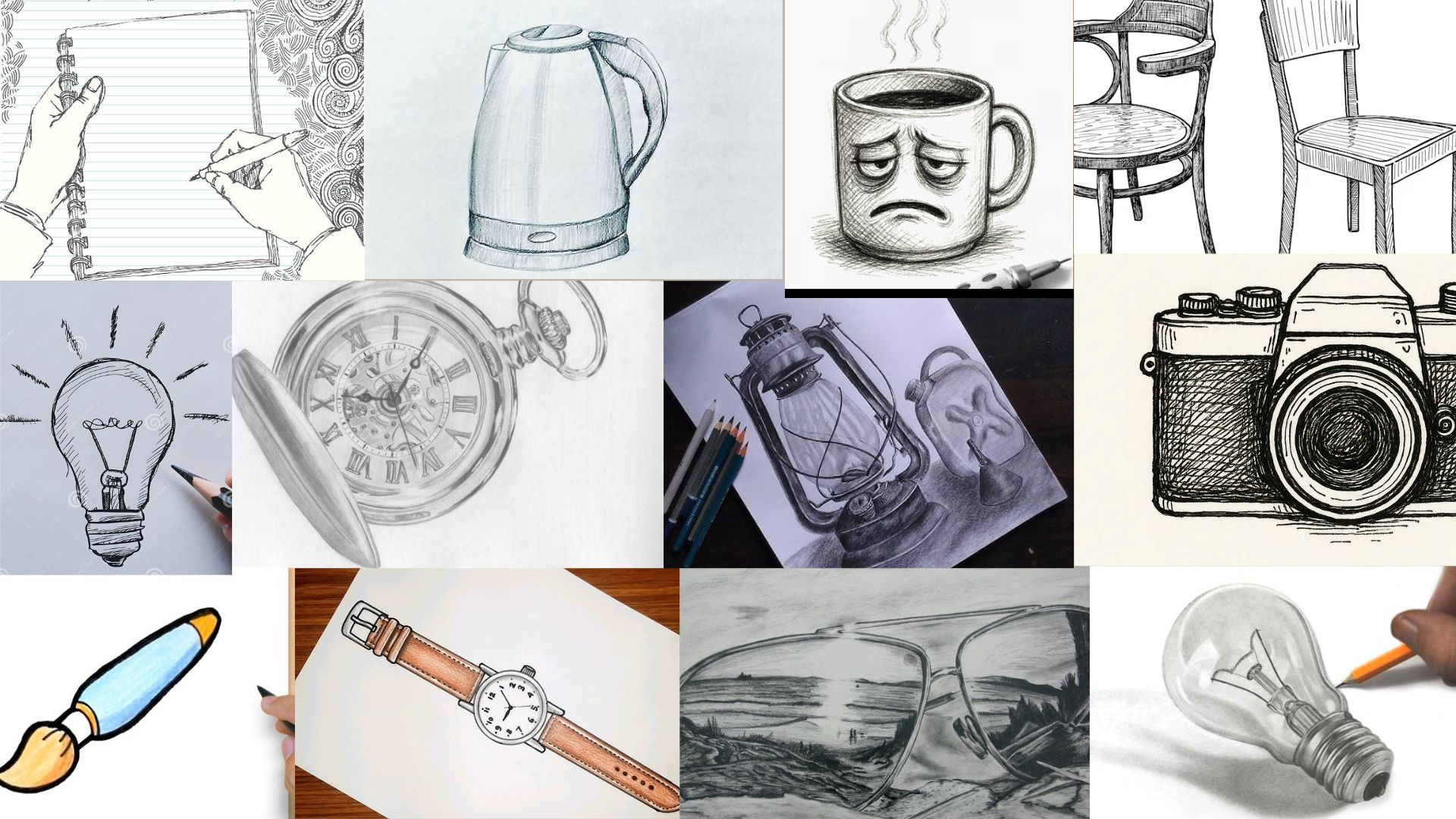
Everyday objects are some of the most practical subjects for building observation and shading skills.
- Vintage Camera: A vintage camera has a boxy metal body with glass lenses, dials, and a textured grip. The lens is the most detailed part and worth spending extra time on.
- Wristwatch: A wristwatch combines a metal case, a glass face, and a leather or rubber strap.
- Eyeglasses with Reflections: Eyeglasses are a study in thin metal forms and curved glass surfaces. The reflection inside each lens is slightly different from the other.
- Light Bulb: A clear light bulb is a great transparency subject. The glass surface reflects the environment and the filament inside is visible through the curved glass
- Old Lantern: it combines metal framing, glass panels, and a light source all in one subject. The glass panels reflect and transmit light differently depending on the angle.
- Pocket Watch: it has a round form with a hinged metal cover and a detailed face inside. The engraving on the case is intricate and the glass over the face creates a subtle reflection.
- Wooden Chair: A wooden chair has hard edges, grain texture, and cast shadows that fall across the floor beneath it. The grain runs along the length of each piece of wood.
- Ceramic Mug: It has a smooth, slightly glossy surface with a clean handle and a soft rim. The highlight along the curved body is wide and soft rather than sharp.
- Metal Kettle: this is one of the most reflective household objects you can draw. The curved surface distorts everything it reflects.
- Notebook Pages: An open notebook has gently curving pages, faint ruled lines, and a spine that creates a visible fold down the center.
- Paintbrush with Paint: A paintbrush with paint on the tip combines a wooden handle, a metal ferrule, and soft bristles loaded with pigment.
Advanced Realistic Drawing Ideas

These subjects are for artists who are ready to push their skills further with more complex textures, lighting, and compositions.
- Full Realistic Portrait: It brings everything together: proportions, skin texture, hair, eyes, lips, and expression all in one drawing.
- Hyper-Realistic Eye with Reflection: A hyper-realistic eye requires multiple layers of shading and very precise highlight placement.
- Wet Glass Surface: It has water streaks running down it and small droplets clinging to the lower areas. Each streak catches light differently.
- Raindrops on a Window: Raindrops on glass distort whatever is visible through the window behind them. Each drop acts as a small lens.
- Hand Holding Water: A hand holding water or letting it fall through the fingers is one of the hardest subjects in realistic drawing.
- Cracked Wall Texture: A cracked wall has deep shadows inside the cracks and rough, raised edges along each side of the break.
- Rusty Metal Surface: Rusty metal has a flaking, uneven surface with deep orange and brown tones that you can suggest through varied pencil pressure.
- Detailed Skull Study: A skull study is one of the most valuable subjects for any artist working with the human figure.
100.Candlelight Scene: It is about drawing light from a warm, low source that casts long shadows in all directions. The objects closest to the candle are the brightest and everything else falls off quickly into shadow.
- Reflection in Water: A reflection in still water is an almost perfect mirror image with slightly softer edges.
- Portrait with Dramatic Lighting: Dramatic lighting simplifies the face into strong light and deep shadow. Only part of the face is visible and the rest disappears into darkness.
- Hyper-Realistic Fruit Bowl: A fruit bowl combines multiple different surface textures, forms, and light responses in one composition.
Conclusion
I remember sitting with a blank page not knowing what to draw next. That feeling is frustrating, and I do not want that for you.
This list of realistic things to draw is what I wish I had earlier in my practice.
Pick one subject today and commit to finishing it. You do not need to be advanced. Just start. Drop a comment below and tell me which subject you are trying first.
Found this helpful? Share it with a fellow artist today.
Frequently Asked Questions
What are the best realistic things to draw for beginners?
Start with simple objects like a glass, a leaf, or a shoe. They teach shading and observation without overwhelming you.
How do I make my drawings look more realistic?
Slow down, study your reference, and focus on shading from light to dark.
Do I need special pencils for realistic drawing?
No. A basic 2H to 6B set is all you need to get started.
How long does it take to get good at realistic drawing?
A few months of consistent practice makes a clear difference.
Should I draw from photos or real life for realistic practice?
Both work. Real life sharpens observation faster. Photos help when the subject is hard to access.
