


I’ve looked at a lot of art over the years, and texture is one element that always stops me in my tracks. It’s easy to miss at first.
But once you notice it, you see it everywhere.
In this blog, I’ll cover the types of texture in art, what each one is, how artists create it, and real examples that make it easy to understand.
By the end, you’ll know exactly how texture works and how to use it in your own work.
I’ve studied and written about art techniques for years, so you’re getting tried-and-tested information here, not guesswork.
Let’s get started.
What Is Texture in Art?
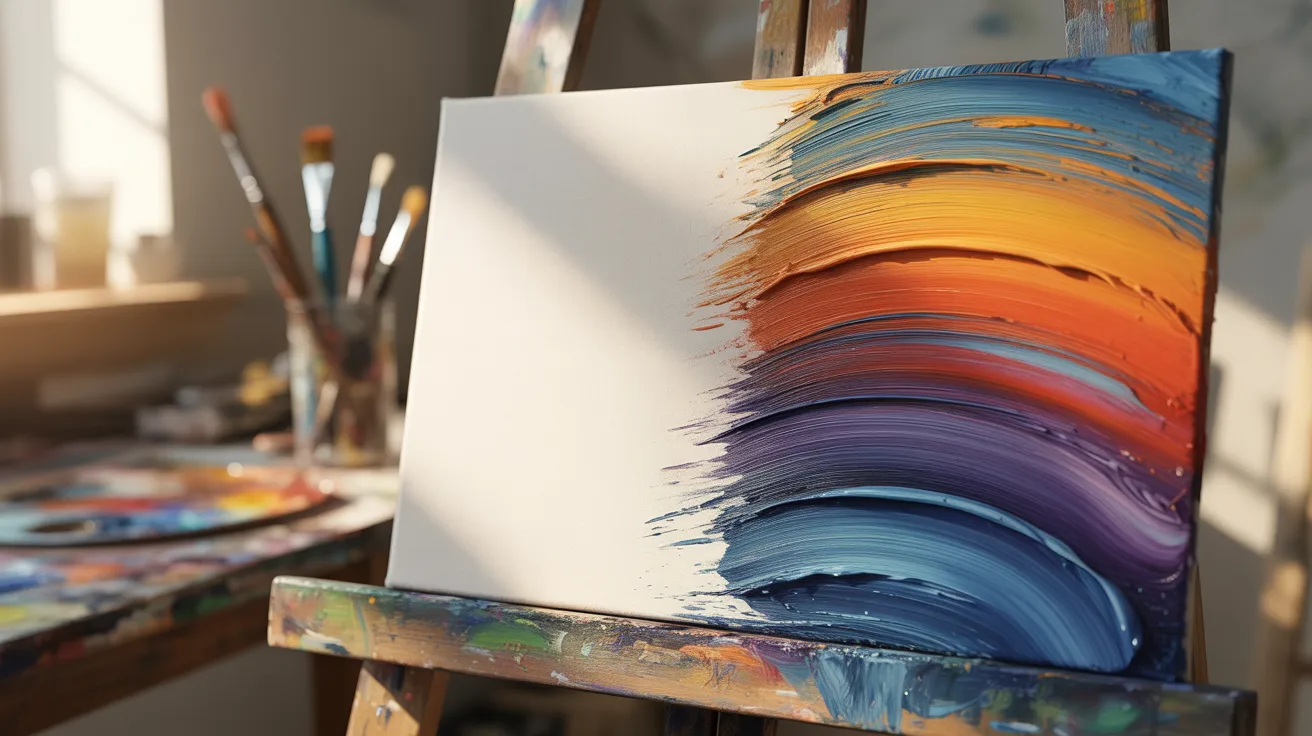
Texture in art refers to the surface quality of a work, how it looks or feels. It’s one of the seven core elements of art, sitting alongside line, shape, color, form, value, and space.
Every piece of art has some kind of texture, even if it’s smooth and flat. Artists use it to add depth, create contrast, and guide the viewer’s eye.
I think of it as the element that gives art its personality, it’s what makes a piece feel alive.
1. Actual Texture
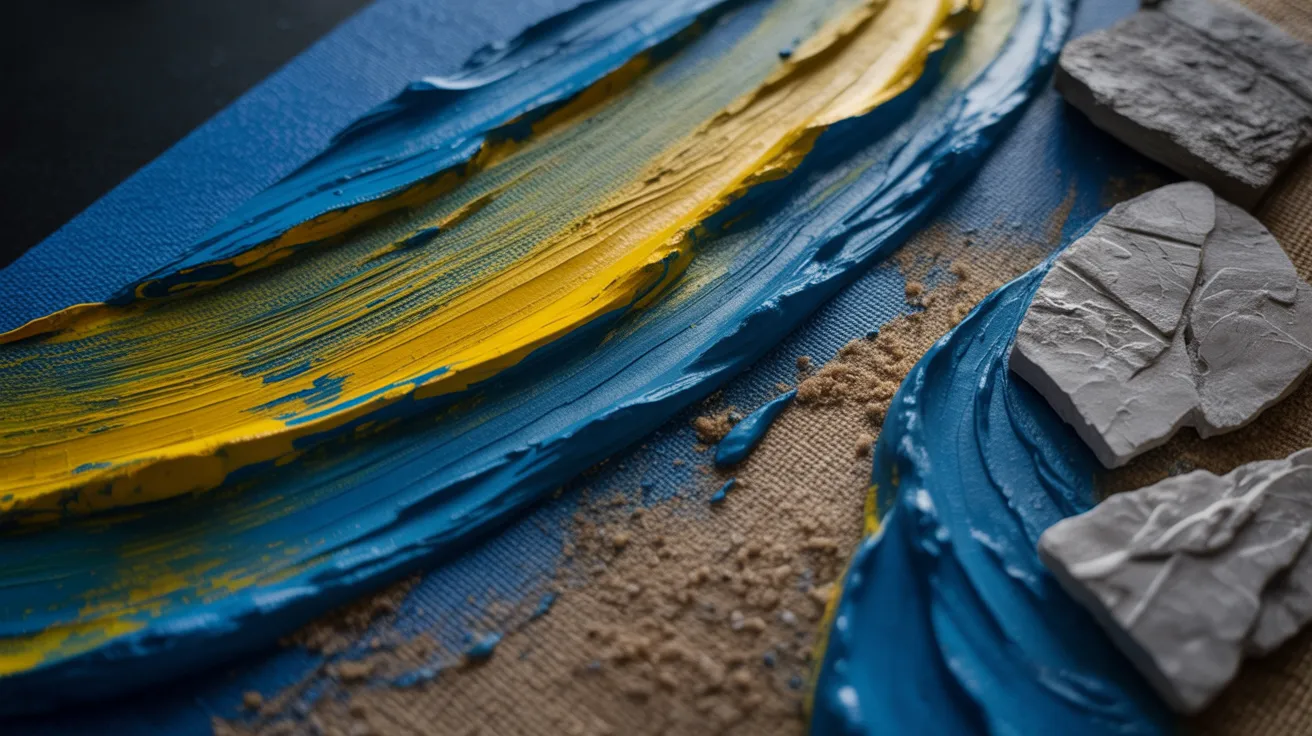
The actual texture is physical. You can run your fingers across it and feel a real difference in the surface. It’s not an illusion, it’s genuinely there.
This type of texture appears in three-dimensional work, but also in paintings where thick materials are built up on the canvas. The surface has real height, depth, and variation.
Techniques Used to Create Real Surface Texture
These hands-on methods let artists build texture you can literally feel.
Impasto Painting: Thick, heavy paint applied with a palette knife or stiff brush. The paint stands raised above the canvas. Van Gogh’s brushstrokes are the most famous example.
Sculpting and Carving: Every chisel mark, gouge, and groove left by the artist becomes actual texture. The surface is a physical record of every tool used.
Mixed Media Application: Real materials like sand, fabric, wire, and newspaper are attached directly to the artwork. Each one brings its own surface quality to the piece.
Layering Materials: Paint, gesso, plaster, or paste is built up slowly over time. Each coat adds height and changes how light hits the surface.
Examples of Actual Texture
Van Gogh’s Starry Night is the go-to example. The paint swirls are so thick, they cast actual shadows on the canvas.
Ceramic sculptures, carved marble statues, and relief prints from woodblocks all show actual texture working at its best.
2. Visual Texture (Implied Texture)
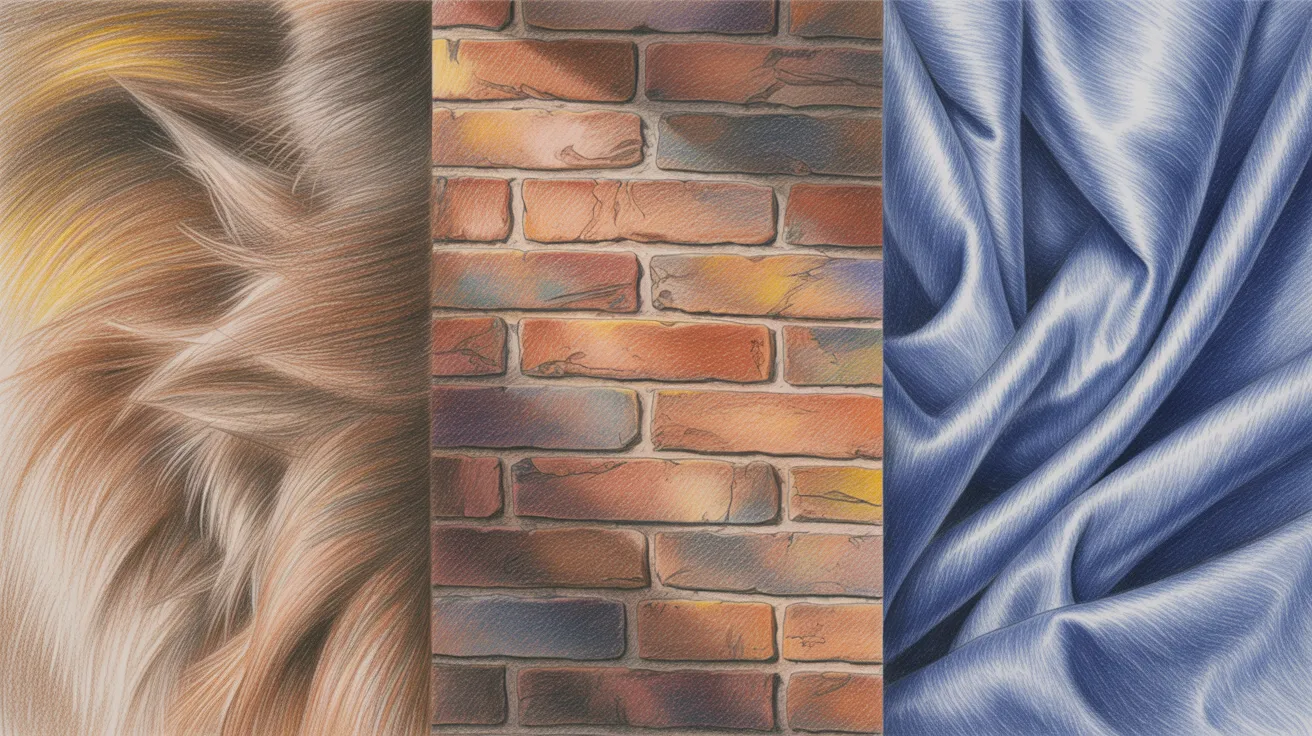
Visual texture is an illusion. The surface is completely flat, but the artwork makes your eye, and brain, believe it feels rough, smooth, silky, or gritty.
This is the type of texture most drawing and painting students work with first. You’re not adding physical material. You’re using technique to trick the viewer.
Techniques Used for Visual Texture
These drawing and painting methods trick the eye into sensing surfaces that aren’t really there.
Shading: Controls value from light to dark. A smooth gradient makes surfaces look soft. Abrupt shifts make them look sharp and hard.
Cross-Hatching: Parallel lines crossed at different angles build up shadow and density. The more layers, the darker it looks. Common in pen-and-ink work.
Stippling: Tiny dots placed close together or spread apart create tonal variation. Dense dots look dark, spread dots look light. The pattern itself suggests a grainy or porous surface.
Light & Shadow Effects: A bright highlight on one side and deep shadow on the other makes a flat image look three-dimensional. This is the foundation of all realistic rendering.
Examples of Visual Texture
Pencil drawings of animal fur, oil paintings of velvet fabric, and charcoal portraits showing skin all use visual texture.
A realistic pencil drawing of a brick wall feels rough even though the paper underneath is completely smooth.
3. Abstract Texture
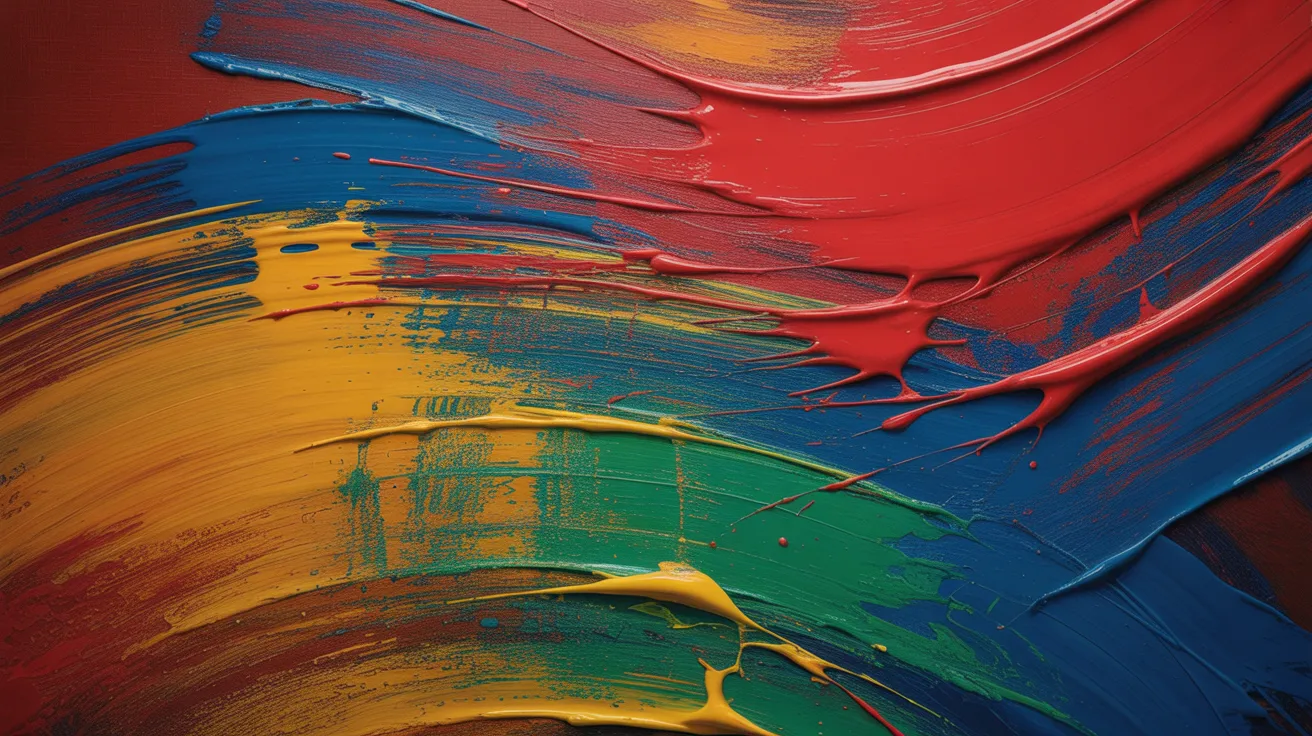
Abstract texture doesn’t try to copy any real surface. It uses marks, shapes, gestures, and patterns to create a surface quality that is purely expressive.
There’s no object being described, only feeling.
Creative Uses & Applications
Abstract texture is about feeling and expression, not copying what’s in front of you.
Emotional Response: Bold, chaotic marks feel aggressive. Smooth, flowing forms feel calm. The texture hits the viewer directly without needing to represent anything.
Pollock’s Approach: Dripped and flung paint creates a layered, all-over texture full of energy and movement. Every inch of the canvas carries the same intensity.
Rothko’s Approach: Soft, blurred edges and slow color bands create a completely different emotional texture. It feels quiet, hazy, and almost like it’s breathing.
Beyond Fine Art: Abstract texture shows up in design and architecture too. Rough concrete walls, textured wallpaper, and patterned tiles all use it to shape how a space feels.
Examples of Abstract Texture
Pollock’s drip paintings. Rothko’s color fields. Joan Miró’s biomorphic shapes.
All of these use texture not to represent anything, but to make you feel something specific when you stand in front of them.
4. Invented Texture
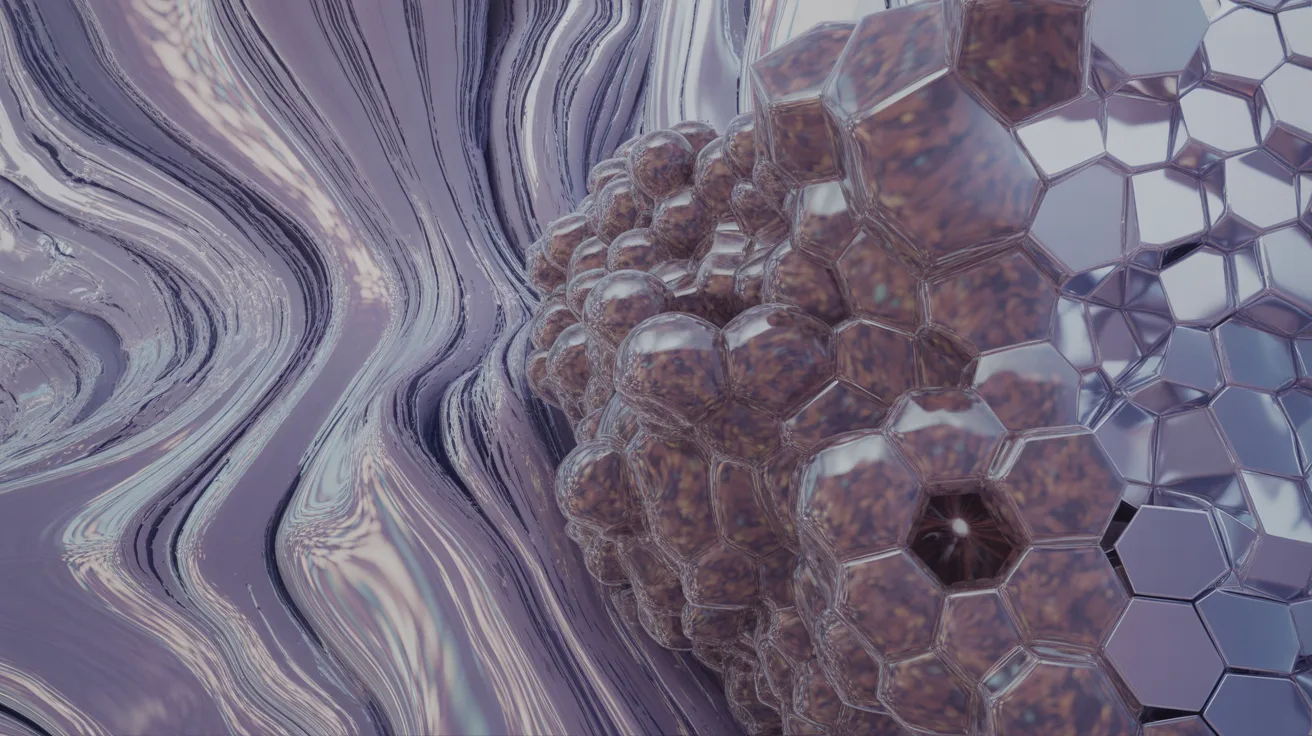
The invented texture is completely made up. It doesn’t exist in nature, and it doesn’t try to imitate any real surface.
The artist builds an original pattern or surface quality from scratch using pure imagination.
Creative Freedom in Texture Design
Invented texture is where rules go out the window and pure creativity takes over.
No Reference Points: You’re not copying bark, fabric, or skin. You’re creating something that has never existed before. Geometric, organic, repetitive, or random, it’s your call.
Personal Visual Language: Invented texture shows up in illustration, graphic design, and textile design. It lets artists build a style that’s entirely their own and instantly recognizable.
Creative Freedom: There are no rules to follow and nothing to observe. You just make decisions about marks, patterns, and surfaces entirely from your imagination.
Great for Beginners: It forces you to make mark-making decisions without leaning on observation or imitation. A simple but powerful way to develop your own artistic voice.
Examples of Invented Texture
M.C. Escher’s impossible repeating patterns. Illustrators who design textures for fictional materials in fantasy or sci-fi worlds. Graphic designers who build custom background patterns.
Fashion designers who create fabric prints. All of these are invented textures, built entirely from imagination.
Texture in Different Art Forms
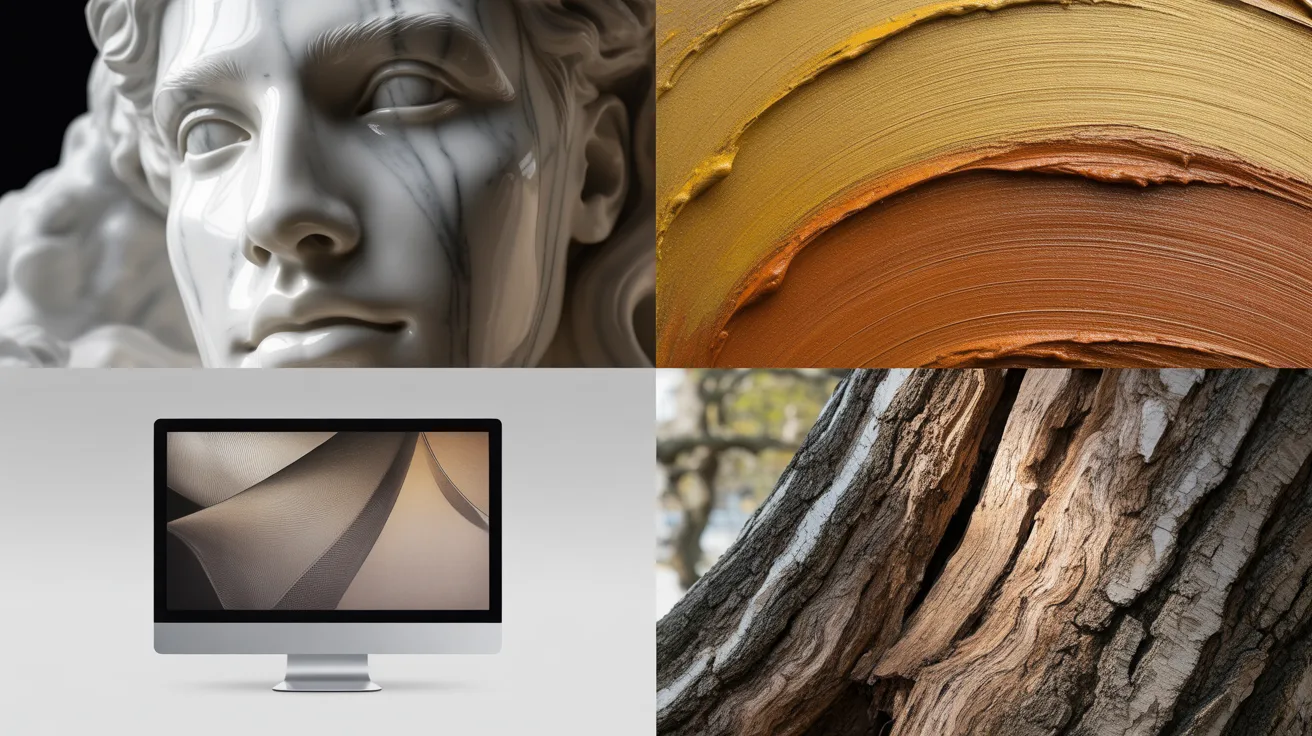
Texture doesn’t belong to just one medium. It shows up across every form of visual art, and each medium handles it differently.
- Texture in Sculpture: Almost always actual. Every chisel mark, weld seam, and tool impression stays on the surface permanently. The texture tells you exactly how the piece was made.
- Texture in Painting: Painters mix actual and visual texture in the same piece. Thick impasto next to smooth blending creates contrast and pulls the eye across the canvas.
- Texture in Digital Art: All visual and invented. Custom brushes, grain overlays, and noise filters simulate real surfaces. Most digital artists add a texture layer at the end to stop the piece from looking flat.
- Texture in Photography: Captured through light, angle, and proximity. Close-ups of bark, rust, or fabric show surface detail that other mediums struggle to match. In macro photography, texture is the whole point.
Conclusion
Once I started paying attention to the types of texture in art, I couldn’t stop noticing them everywhere, in paintings, walls, floors, everyday objects.
It genuinely changed how I look at the world.
Texture isn’t just a technical concept. It’s one of the most direct ways an artist communicates feelings.
Now that you know the four main types, try spotting them in artwork you already love.
Then take it further, try one new texture technique in your next piece. See what happens.
If this post helped you, leave a comment and share what type of texture you’re most excited to work with.
Frequently Asked Questions
What is the difference between actual and visual texture in art?
The actual texture is physical, you can touch and feel it. Visual texture is flat but looks textured through drawing or painting techniques. Both are used widely, just in different contexts.
How do artists create visual texture in drawings?
They use shading, stippling, cross-hatching, and controlled line work to simulate real surfaces. The goal is to make flat paper feel rough, soft, or layered through mark-making alone.
What is the invented texture and how is it used?
Invented texture is a made-up surface pattern with no real-world reference. It’s used in illustration, graphic design, and textiles to give artwork a distinctive, personal look.
Can texture exist in digital art?
Yes. Digital artists use grain overlays, custom brushes, and noise filters to create texture on screen. Many add a texture layer at the end to give the piece warmth and a handmade feel.
Why does texture matter in art?
Texture adds depth, emotion, and visual interest. It guides the eye, creates contrast, and makes a piece feel alive. It’s one of the seven core elements of art for a reason.
