

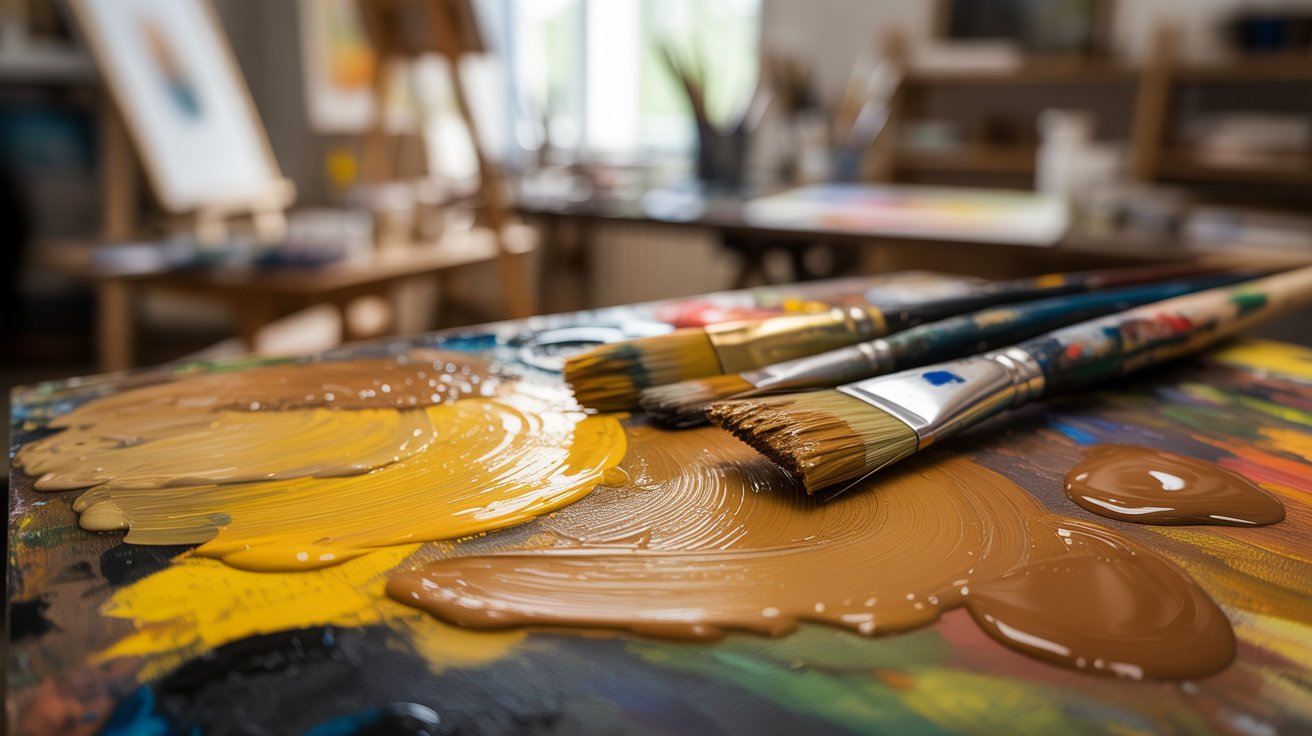
I've been mixing paint for years, and gold is the one color that trips almost everyone up.
So, what colors make gold? That's exactly what this blog answers.
If you've been wondering how to make gold color paint that actually looks realistic, this guide breaks it down step by step.
I'll cover the base colors, primary color mixing, different shades, RGB and HEX values for designers, and common mistakes to skip.
I've tested these mixes across acrylic, oil, and watercolor projects over the years. You're getting real, practical advice here. No guesswork.
Just a clear guide that helps you nail gold every single time.
Understanding Gold as a Color
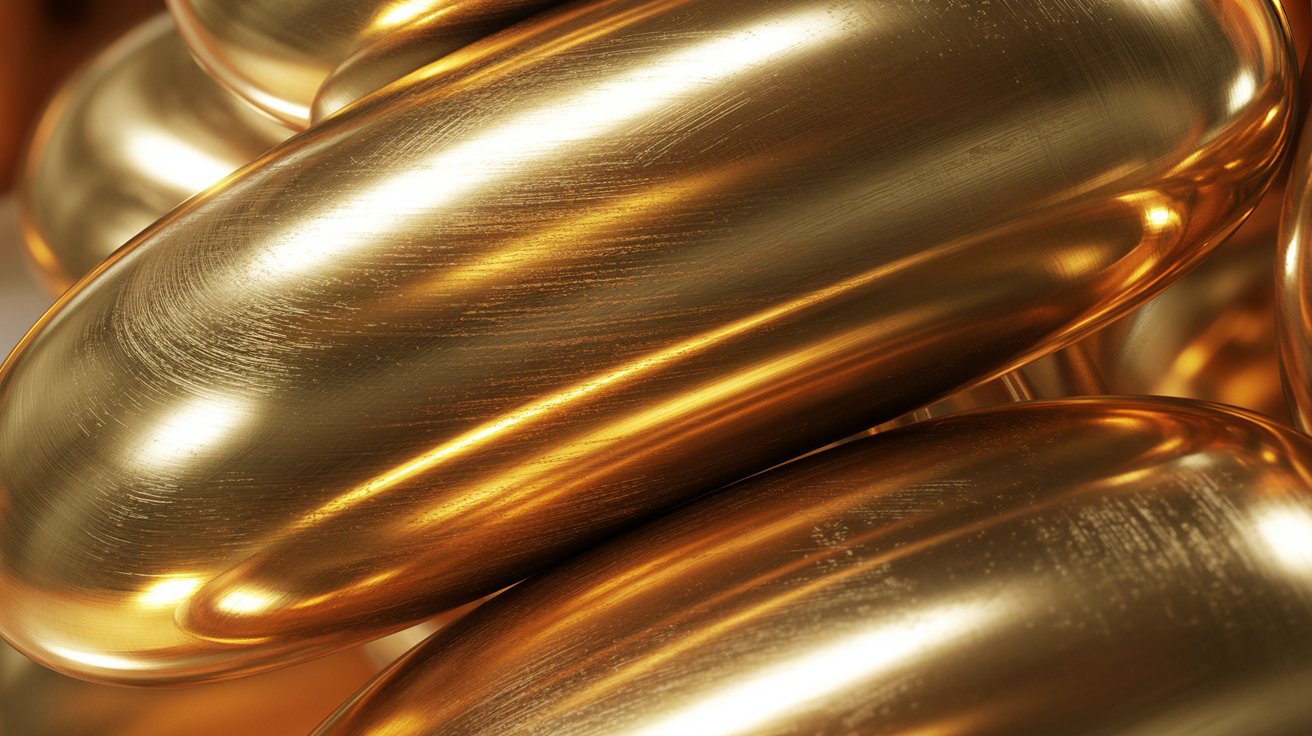
Gold is not just a bright yellow. It carries warmth, depth, and richness.
Real gold catches light. It has bright spots and deep shadows. That contrast is what makes it hard to copy with flat paint.
At its base, gold is built from yellow and brown tones. Some shades lean orange. Others go darker and read more antique.
Once you understand this, mixing gets much easier.
What Colors Make Gold Paint Exactly?

The short answer:yellow plus brown.
That is the foundation of almost every gold mix. But the type of yellow and brown you pick matters.
For yellow, go warm. Yellow ochre is the best option. Lemon yellow pulls too cool and can shift the mix toward green.
For brown, raw sienna or burnt sienna works well. Both carry a reddish base that sits naturally beside yellow.
You can also add a touch of red for extra warmth. A bit of white helps if the color feels too heavy or dark.
How to Make Gold with Primary Colors (Step-by-Step)
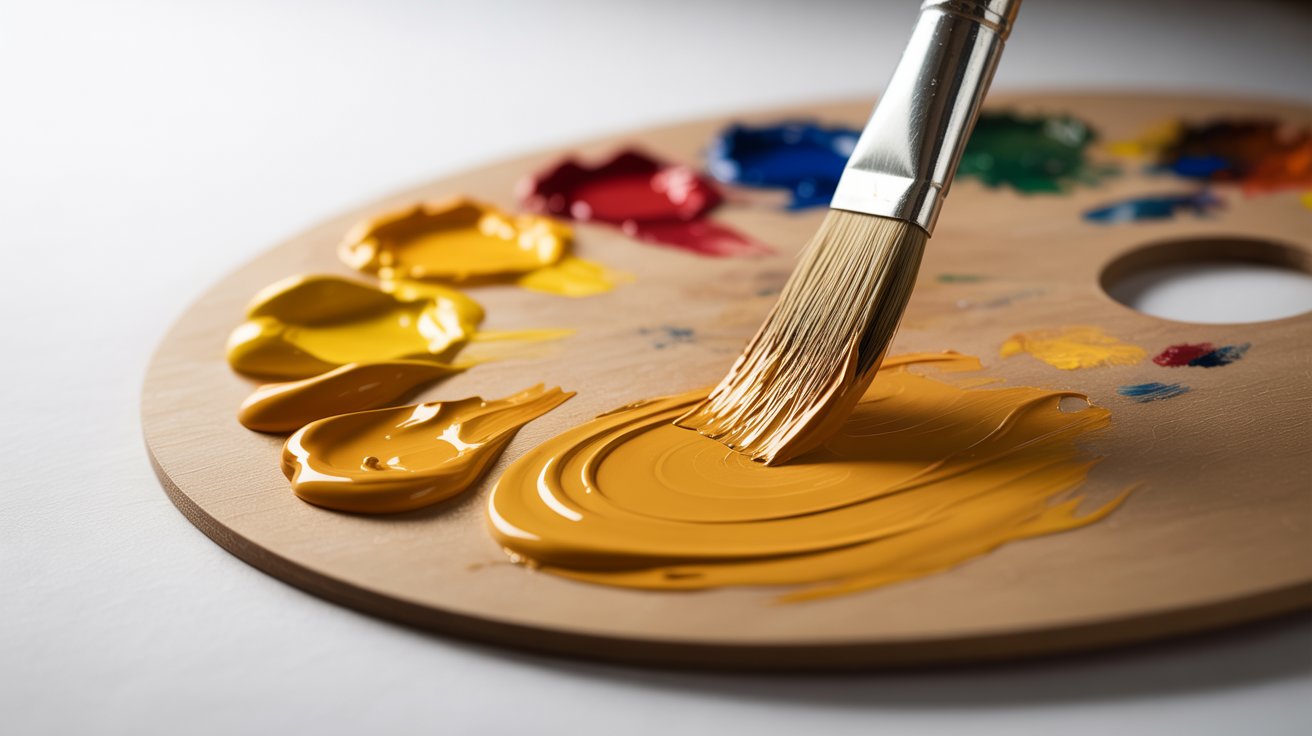
You can mix gold using only primary colors. Here is how I do it.
Step 1:Start with yellow. Yellow ochre or cadmium yellow works best. This is your base.
Step 2:Add red, just a little. This warms the yellow and starts shifting it toward gold.
Step 3:Drop in a trace of blue or black. One drop at a time. This deepens the tone and cuts the brightness.
Step 4:Check the mix. Too orange? Add more yellow. Too bright? Deepen it with brown or black.
Step 5:Adjust in stages. It is much easier to add more than to fix a mix that has gone too dark.
The whole process takes under five minutes once you know the steps.
How to Make Gold Color Paint Without Brown
No brown available? You can still get there.
Mix yellow with orange and a very controlled drop of black. The orange replaces the warmth that brown normally adds. The black tones it down just enough to stop it reading neon.
Start with mostly yellow. Bring in the orange gradually. Then add black one drop at a time.
This approach works well with acrylics. The result leans slightly warmer than a brown-based mix, but it reads clearly as gold.
How to Mix Gold Paint for Realistic Shine
Color alone does not make gold look real. Contrast does.
Light areas need to be bright. Shadow areas need to be dark. That gap between the two creates the illusion of shine.
Here is my approach. Use yellow ochre as the base. Work raw sienna into the mid-tone areas for depth. For highlights, lighten the base mix with white. For shadows, blend in burnt umber.
Keep transitions smooth. Harsh edges break the effect.
If you have a metallic medium on hand, stir some into your gold mix. It adds a shimmer that flat paint alone cannot produce.
Different Shades of Gold and How to Make Them
Not all gold looks the same. Here are the most common shades.
- Bright gold:Yellow ochre plus white. Clean and sharp. Best for highlights.
- Antique gold:Yellow ochre plus burnt umber. Darker and muted. Great for aged or vintage effects.
- Rose gold:Yellow mixed with red or pink, softened with white. Warm and peachy in tone.
- Deep gold:Yellow plus burnt sienna plus a controlled drop of black. Rich and bold.
- Green gold:Yellow with a trace of green. Cooler and more metallic in feel.
Each shade fits a different purpose. Picking the right one makes the final result look intentional, not accidental.
Gold RGB and HEX Values for Designers
If you work in digital design, you type in values rather than mixing paint.
Here are the most-used gold codes:
Classic gold:HEX #FFD700 / RGB (255, 215, 0)
Antique gold:HEX #CFB53B / RGB (207, 181, 59)
Rose gold:HEX #B76E79 / RGB (183, 110, 121)
Deep gold:HEX #996515 / RGB (153, 101, 21)
These values give you a reliable starting point in Photoshop, Illustrator, Figma, or any other design tool. Adjust brightness or saturation from there based on your project.
How to Make Gold Using Acrylics, Oils, and Watercolors
The base formula stays the same. The technique shifts with the medium.
Acrylics dry fast. Mix yellow ochre with raw sienna and work at pace. Add white highlights only after the base layer dries fully.
Oils give you more blending time. Use the same colors but build up layers slowly. Let each coat cure before adding the next.
Watercolors work through transparency. Start with a light yellow ochre wash. Layer raw sienna over it to build depth. The layering itself creates the natural glow.
In all three cases, add color gradually and test as you go.
Common Mistakes When Mixing Gold
I have made all of these at some point.
Using lemon yellow is the biggest one. It is too cool and drags the mix toward green. Always start with a yellow that has warmth to it.
Rushing the brown in makes the color muddy fast. Add it in stages, not all at once.
Skipping red or orange leaves the mix flat and lifeless. Those tones are what give gold its character.
Using a blue-toned white cools the entire mix down. Titanium white is the right choice here.
Not testing on a scrap piece first wastes both paint and time. Always do a quick swatch before touching your actual project.
Can You Make Metallic Gold Without Metallic Paint?
Yes, but it takes more effort.
Flat paint cannot fully replicate metallic shine. But contrast gets you close.
Paint shadow areas deep and dark. Keep highlights sharp and bright. Apply a thin layer of white or bright yellow at the lightest points.
Under warm lighting or from a distance, this reads convincingly as gold.
For a closer result, mix your gold color with a metallic medium. That addition brings in a subtle shimmer that flat paint on its own simply cannot achieve.
Best Color Combinations for Gold in Design
Gold pairs well with a wide range of colors. These are my go-to pairings.
- Gold and navy blue is a classic. The dark blue makes gold stand out sharply.
- Gold and deep green is bold and striking. Works well in packaging and editorial design.
- Gold and black is high contrast. Clean and direct.
- Gold and cream is soft and warm. Common in wedding and event work.
- Gold and burgundy is rich and full. These two colors complement each other naturally.
These pairings work across painting, graphic design, and interior projects.
Final Tips for Perfect Gold Every Time
Start with yellow ochre. It is the most forgiving base to work from.
Build darker tones in stages. Brown and black are both easy to overdo.
Test on a scrap piece first. A quick swatch saves a lot of rework later.
Layer for depth. One flat coat never reads as real gold. Build it up gradually.
Mix under warm lighting. Cool light changes how the color reads on your palette versus your canvas.
Gold takes a little patience. But once the formula clicks, you will get it right from the very first mix.
Conclusion
Now you know exactly what colors make gold and how to put them to use.
The base is straightforward:yellow plus brown, adjusted with red, white, or black to hit the shade you want.
I covered the two-color shortcut, how to make gold color paint without brown, different shades, digital HEX values, and the mistakes worth skipping.
Every tip here comes from real mixing experience across multiple mediums.
Gold shows up in art, design, crafts, and home projects. Knowing the right formula gives you more control and cleaner results every single time.
Try the base mix today and bookmark this guide so you always get gold right on your first try.
Which shade of gold are you planning to mix first?
Frequently Asked Questions
What colors make gold paint at home?
Mix yellow ochre with raw sienna as your base. Add a controlled amount of red for warmth and a touch of white to adjust the brightness level.
What two colors make gold the fastest?
Yellow ochre and raw sienna. These two together give you a clean, recognizable gold tone without needing anything else.
How do you make gold color paint without brown?
Mix yellow with orange and a single drop of black. This combination replaces brown and still produces a warm gold that reads true.
What is the HEX code for gold in digital design?
Classic gold is #FFD700. Antique gold sits closer to #CFB53B. Adjust brightness or saturation from there based on what your project needs.
Why does my gold mix keep turning green?
You are likely starting with a cool yellow like lemon yellow. Switch to yellow ochre or cadmium yellow. These stay in the gold range and do not pull toward green.
