


I still remember the first time I tried mixing purple and ended up with a muddy brown mess. It was frustrating.
But once I learned the right way, it became one of the easiest colors to make.
So, what colors make purple? The short answer is red and blue. But the ratio, the shade, and the type of paint all matter more than most beginners realize.
In this blog, I will cover the basic color mix for purple, a step-by-step mixing guide, different purple shades you can create, and common mistakes and how to fix them.
I have tested these methods myself, and everything here is practical and beginner-friendly.
What Colors Make Purple? (Basic Answer)
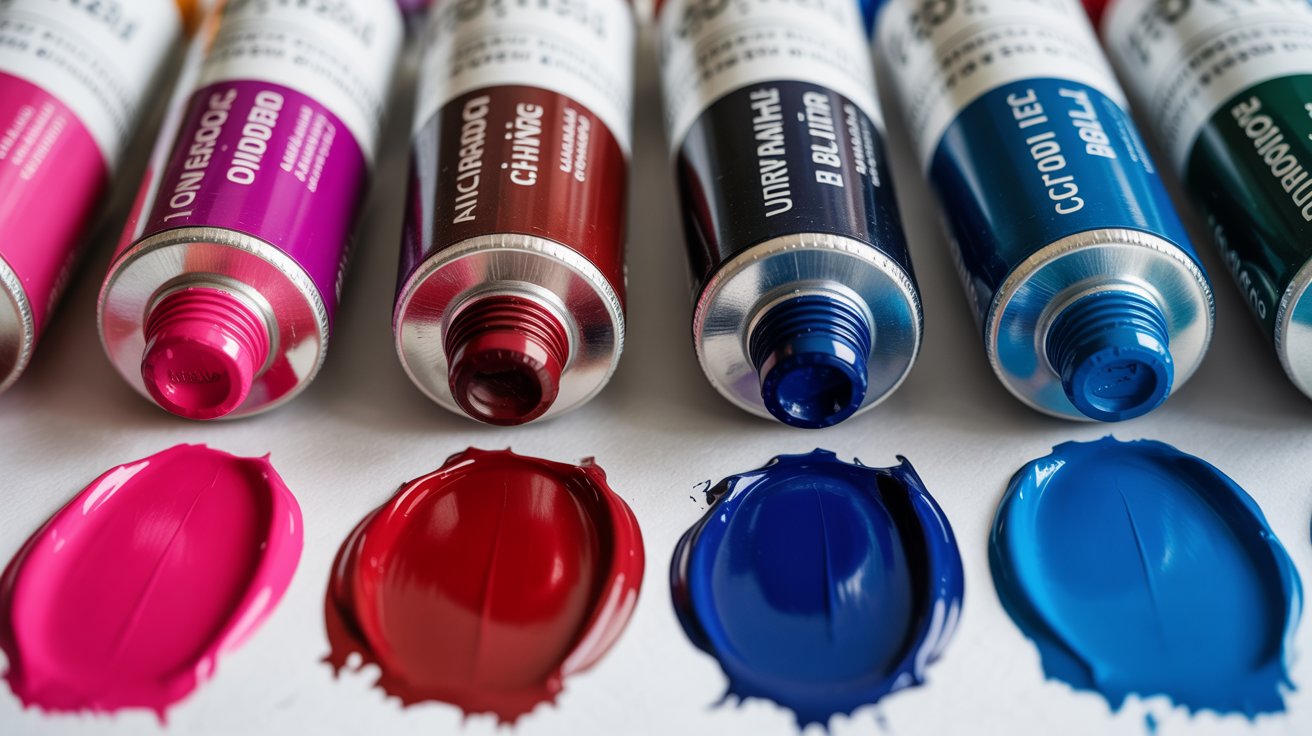
Red and blue make purple.
Mix any red with any blue, and you will get some version of purple. But the exact shade depends on which red and blue you use.
Warm reds like cadmium red give you a reddish, muddy result. Cool reds like crimson give you a cleaner, truer purple.
Ultramarine blue pushes your purple warmer. Phthalo blue makes it cooler and more vivid.
So yes, red plus blue equals purple. But the specific shades of red and blue control the final result.
How to Make Purple Paint Step-by-Step (Red and Blue Mixing Guide)
Follow these steps to mix purple the right way, without wasting paint.
Step 1: Choose the Right Red and Blue

Go with crimson or magenta for red. Use ultramarine blue or cobalt blue for blue. Avoid orange-based reds. They pull yellow into the mix, which dulls your purple fast.
Step 2: Start With Equal Parts

Begin with a 1:1 ratio of red and blue. This gives you a balanced, neutral purple as your starting point. Adjust from there based on the shade you want.
Step 3: Mix Gradually

Do not dump everything at once. Add small amounts of each color and stir slowly. This gives you more control over the final result.
Step 4: Adjust the Tone

Want lighter purple? Add white. Want darker? Add more blue or a tiny touch of black. Go slow with black. It changes the mix faster than you expect.
Pro Tip: Avoid Muddy Results

Muddy purple happens when you use warm reds or a dirty brush. Always clean your brush between colors. Cool-toned reds give you clean purple every time.
Understanding the Color Theory Behind Purple
In color theory, purple sits between red and blue on the color wheel. It is a secondary color made by mixing two primary colors.
The balance between red and blue determines where your purple lands. More red gives you a red-violet. More blue gives you a blue-violet.
Purple and violet are often used interchangeably, but they are slightly different. True violet leans more blue. Purple leans more red. Knowing this helps you control what you are mixing.
Different Shades of Purple You Can Create
Purple is not just one color.
Here are some shades you can make by adjusting your mix:
- Lavender:purple plus a lot of white
- Lilac:slightly pinker than lavender
- Violet: more blue in the mix
- Mauve:purple with a bit of grey
- Deep violet: more blue, less white, no black
- Plum:purple with a red-brown base
- Indigo:heavy blue, minimal red
Each shade comes from adjusting your red-to-blue ratio and adding white, black, or grey.
How to Make Light Purple (Lavender)
Start with your basic purple mix, then slowly add white. Keep adding until you reach the softness you want. The more white you add, the more pastel it becomes.
For lilac, add a tiny bit of extra red before mixing in white. It shifts the tone slightly warmer.
Always use a clean palette when going light. Even a small amount of leftover dark color can make your lavender look grey or dingy.
How to Make Dark Purple (Deep Violet)
To get a deep, rich purple, use more blue in your mix. A 1:2 ratio of red to blue is a good starting point.
You can add a small amount of black to deepen it further. But add it one tiny drop at a time. Black takes over fast.
A better option is using alizarin crimson as your red base. It naturally produces a deeper purple without needing black at all.
What Happens If You Mix the Wrong Colors?
Using warm reds is the most common reason purple turns brown. Warm reds carry yellow in them.
Yellow sits opposite purple on the color wheel, so it cancels out the purple tone. Say it once, know it forever.
Green-tinted blues have the same effect. They make your purple look muted or grey.
The fix is simple. Check the undertone of your colors before mixing. Cool reds and pure blues give you clean purple every time.
Best Paint Colors to Use for Mixing Purple
Here are the specific paint colors that work best:
For red:Quinacridone magenta, alizarin crimson, or rose madder. These are all cool reds that mix clean purple.
For blue: Ultramarine blue, cobalt blue, or phthalo blue. These produce vivid, clear purples.
Avoid:Cadmium red, vermillion, or any orange-red. Also avoid green-tinted blues.
Brands like Winsor and Newton, Golden, and Liquitex all work well. Student-grade paints have more filler, which can dull the final color.
Purple in Different Mediums (Paint, Digital, Food Coloring)
The process shifts slightly depending on what you are working with.
- Acrylic and oil paint:Mix red and blue as described above. Oil paints blend slower but give richer results.
- Watercolor:Use less pigment. Watercolor is transparent, so purple will naturally look lighter. Build up layers for deeper tones.
- Digital design:In RGB mode, purple uses high red and high blue values with green at zero. Example:R:128, G:0, B:128. In CMYK, use magenta and cyan to get purple.
- Food coloring:Red and blue food dye mixed together gives purple. Start with more red than blue. Blue is stronger and can overpower the mix quickly.
Quick Color Mixing Chart for Purple Shades
Use this chart as a starting guide before you mix on your actual surface. Small test mixes first always save paint and time.
| Red Amount | Blue Amount | White Added | Result |
|---|---|---|---|
| 1 part | 1 part | None | Standard purple |
| 2 parts | 1 part | None | Red-violet |
| 1 part | 2 parts | None | Blue-violet |
| 1 part | 1 part | 2 parts | Lavender |
| 1 part | 1 part | Small touch | Soft lilac |
| 1 part | 2 parts | Touch of black | Deep violet |
| 2 parts | 1 part | Touch of grey | Mauve |
These ratios are a starting point. Pigment strength varies by brand, so always adjust based on what you see in the mix.
Common Mistakes When Making Purple (And How to Fix Them)
These are the mistakes I made early on, and the exact fixes that worked for me.
Mistake 1:Using warm reds Fix:Switch to cool reds like crimson or quinacridone magenta. Warm reds carry yellow, which kills the purple tone.
Mistake 2:Adding too much black to darken Fix:Use more blue instead. Black flattens the color and removes vibrancy.
Mistake 3:Mixing on a dirty palette Fix:Clean your palette and brush before starting. Leftover colors contaminate the mix silently.
Mistake 4:Dumping all color at once Fix:Add in small amounts. You can always add more, but you cannot take it back.
Mistake 5:Expecting the same result from every brand Fix: Pigment strength varies. Do a small test mix before committing to a full batch.
Conclusion
Making purple comes down to two things: the right colors and the right ratio. Red and blue are all you need. But cool reds and pure blues always give the cleanest result.
Shifting the ratio changes the shade. More red warms it up. More blue cools it down. White lightens it. Extra blue deepens it.
I used to overcomplicate this. Once I stopped using warm reds and started testing small batches first, my mixes improved right away.
What shade of purple are you going to mix first?
Frequently Asked Questions
Can you make purple without blue?
Not traditionally. Blue is one of the two primary colors needed for purple. Without it, you cannot achieve a true purple shade.
Why does my purple look brown instead of purple?
This happens when you use a warm red that carries orange or yellow in it. Switching to a cool red like crimson will fix the brown result immediately.
What is the difference between purple and violet?
Violet leans more blue and appears in the visible light spectrum. Purple leans more red and is a pigment-based mix. They look similar but are not the same color.
Can I make purple with primary colors only?
Yes. Purple is a secondary color made from two primaries: red and blue. No other colors are needed for a basic purple mix.
How do I make bright, vivid purple?
Use quinacridone magenta for red and phthalo blue for blue. These two pigments together produce one of the most vivid purples you can mix by hand.
