


What colors make black paint? The answer is not as simple as grabbing one tube.
Most artists mix their own black using specific color combinations to get richer, more natural results.
I learned this the hard way early on. Tube black killed the depth in everything I painted. Once I started mixing, the difference was obvious.
In this blog, I'll cover what two colors make black, the step-by-step mixing method, color combinations that actually work, common mistakes, and how mixing changes across different mediums.
I've tested these mixes myself across acrylics, oils, and watercolors. What you'll read here is built on real practice, not guesswork.
What Colors Make Black Paint?
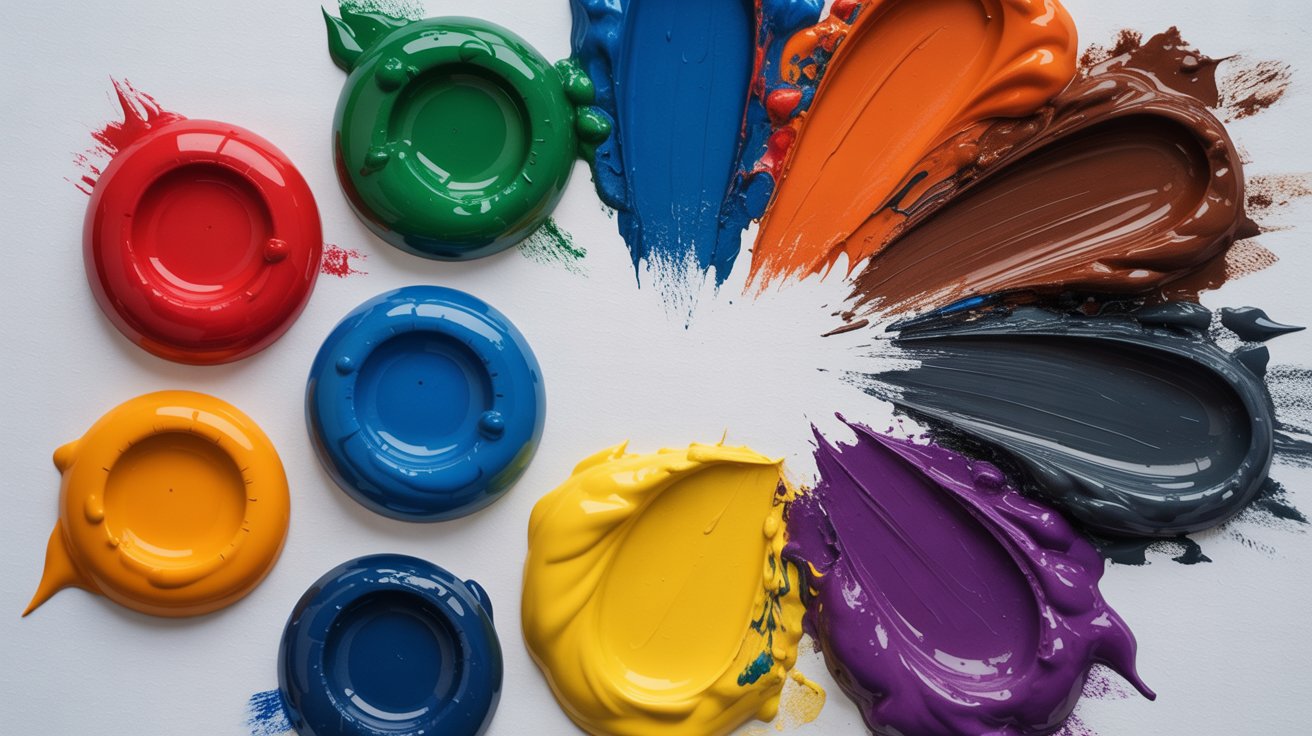
Black can be mixed by combining complementary colors, which are colors that sit opposite each other on the color wheel.
The most common approach is mixing all three primary colors: red, blue, and yellow. But here is something most beginners don't expect.
In practice, many primary color mixes produce a very dark brown rather than a perfect black.
The exact result depends on the pigments you use and their undertones. Not all reds, blues, and yellows behave the same way.
Other color combinations to make black include:
- Blue and orange
- Red and green
- Purple and yellow
Each mix gives a slightly different result. Some lean cool. Some lean warm. That natural variation is what makes mixed black look far better than anything straight from a tube.
Why Mixing Black Instead of Using Black Paint Matters
Mixed black has depth. Tube black does not.
Pre-made black is useful for blocking large areas or quick sketches. But in fine art, it looks flat and lifeless in shadows. It also tends to muddy surrounding colors when blended.
Mixed black carries undertones. A cool black works in night scenes and metal. A warm black fits portraits and wood textures. That control is something no single tube gives you.
I use tube black only for base coats now. For anything that needs to look real, I always mix my own.
How to Make Black Paint Step by Step
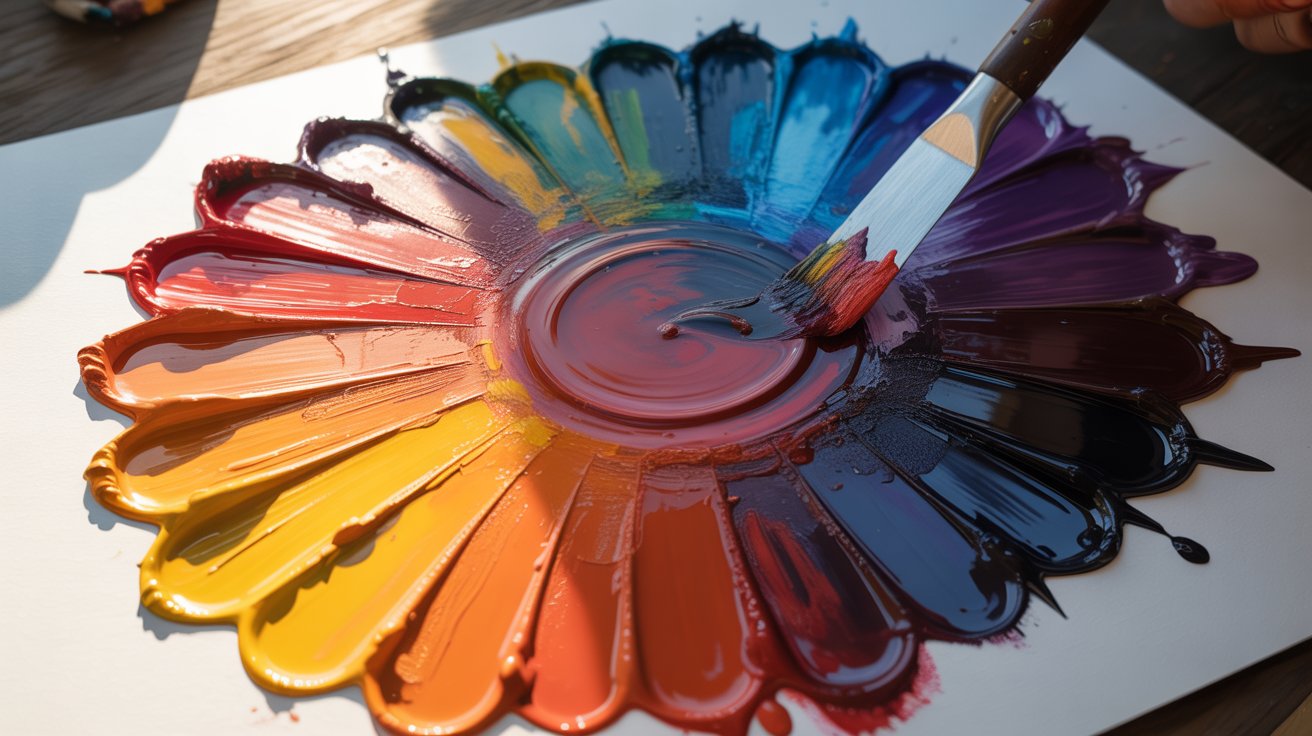
Follow these steps to mix black paint correctly every time.
Step 1:Start with primary colors. Get red, blue, and yellow paint ready on your palette.
Step 2:Mix red and yellow first. This builds a warm base tone before blue enters the mix.
Step 3:Gradually add blue. Blue is a strong pigment. Add it in small amounts and mix well after each addition.
Step 4:Adjust ratios for true black. The exact ratio depends on your pigment strength. Keep adjusting until the mix looks deep and dark.
Step 5:Test and refine. Dab a small amount on paper and check it under natural light before applying it to your canvas.
Pro tips:
Use more blue for a cooler black. Add more red or burnt sienna for a warmer tone. Always mix on a separate palette and never mix directly on the canvas unless you are confident in the ratio.
Power insight:
The darkest blacks usually come from mixing a very strong cool color like phthalo blue or phthalo green with a deep warm color like alizarin crimson or burnt umber.
This creates maximum contrast between the two pigments and gives you the deepest, most convincing black possible.
That is the combination I reach for when I need real depth in a painting.
What Colors Make Black Paint From Primary Colors
This is the most basic method, and it is a solid starting point for beginners learning how to make black paint.
Start with red and yellow, then slowly add blue until the mix darkens into a near-black tone. Go slowly. Blue is a dominant pigment and will overpower the mix fast if you add too much at once.
Keep in mind that many primary color combos land closer to a very dark brown than a pure black. That is normal and depends on your specific pigments. If your mix looks too brown, add a bit more blue to push it darker and cooler.
The result, when done right, is a dark natural-looking color with subtle undertones. It looks far more alive in a painting than straight black from the tube.
What Two Colors Make Black Without Using All Three Primaries
These mixes go beyond the basics and give you more control over tone, warmth, and depth.
Here is a quick reference for the most reliable two-color combinations to make black:
| Combination | Result Type | Best Use |
|---|---|---|
| Blue + Orange | Cool black | Night scenes, shadows |
| Red + Green | Warm black | Portraits, earthy tones |
| Purple + Yellow | Rich dark tone | Backgrounds, deep shadows |
| Ultramarine Blue + Burnt Umber | Neutral black | General painting |
| Alizarin Crimson + Phthalo Green | Intense, deep black | Detail work, bold shadows |
| Indigo + Burnt Sienna | Soft black | Watercolor, subtle shadows |
| Payne's Gray + Complementary Tint | Near-black with depth | Overpainting, layering |
Each combination has a different character, so pick based on what your painting actually needs.
Here is a closer look at each:
- Blue and Orange:A strong duo. Blue-heavy mix gives a cool, deep black ideal for night scenes.
- Red and Green:Produces a warm black. Works well in portraits and paintings with earthy subjects.
- Purple and Yellow:Mix cadmium yellow with a strong purple for a rich, dark tone with subtle warmth.
- Ultramarine Blue and Burnt Umber:One of my go-to mixes. It gives a deep black with a warm edge that blends naturally into most palettes.
- Alizarin Crimson and Phthalo Green:These two cancel each other out beautifully. You get an intense dark tone faster than most other two-color methods.
- Indigo and Burnt Sienna:A softer black that works especially well in watercolor. Great for layered shadows.
- Payne's Gray and a Complementary Tint:Payne's Gray is already near-black. Adding a small tint of its opposite color removes the gray cast and deepens the tone.
How to Make Different Shades of Black
Not every black looks the same, and that is actually useful.
For a warm black, add a touch of red or burnt umber. This works well in portraits and wood textures.
For a cool black, lean on blue or add a hint of phthalo green. Great for metal surfaces, water, and night skies.
For a soft charcoal-like tone, dilute your mix slightly with a neutral gray.
For the deepest black you can mix, try alizarin crimson with phthalo green or phthalo blue. The depth that combination creates is hard to match with any tube.
Common Mistakes When Mixing Black Paint
Adding too much blue too fast. Blue dominates every mix. Add it gradually and test as you go.
Using too many colors at once. Stick to two or three. More colors usually produce a muddier result.
Not testing before applying. Always check your mix on a scrap piece of paper under natural light. The tone can look very different from what you saw on the palette.
Ignoring undertones. A blue-black shadow on a warm skin tone will look off. Know the temperature you need before you start mixing.
Skipping the dry test with acrylics. Acrylic paint dries slightly darker. What looks like a perfect near-black wet can shift even further once dry.
How to Adjust Your Black Color
Too blue? Add a touch of orange or burnt sienna to warm it up.
Too warm or reddish? Add a small amount of phthalo green or blue to cool it back down.
Too gray? Increase your darkest pigment. Phthalo blue or alizarin crimson will push the mix darker.
Too flat? Try swapping one of your base colors. Replacing ultramarine with prussian blue can open up depth in the mix quickly.
Always make small adjustments. Add a tiny amount, mix thoroughly, then evaluate before adding more.
Best Paint Colors to Use for Mixing Black
Some pigments give much better results than others when learning how to make black paint.
- Phthalo Blue:Very dark and very strong. A small amount goes a long way.
- Alizarin Crimson:A rich red with cool undertones. Pairs especially well with phthalo green for the deepest black mixes.
- Burnt Umber:A warm brown that adds natural depth to any dark mix.
- Ultramarine Blue:More relaxed than phthalo and a reliable choice for general-purpose black mixes.
- Cadmium Red and Yellow:For the primary color method, these give clean and reliable tones to start with.
Mixing Black in Different Mediums

The color logic for what colors make black paint stays the same, but the technique shifts depending on your medium.
Acrylic paint: Acrylics are forgiving and dry quickly. Test your mix on a scrap first and account for slight darkening as they dry.
Watercolor:Build up layers rather than going in with one heavy application. Indigo and burnt sienna is a strong watercolor combination. The result is softer but still very dark.
Oil paint:Oils stay wet much longer, giving you more time to adjust mid-mix. Ultramarine blue and burnt umber is a classic oil painting combination with a rich, warm result.
Digital painting: In digital art, true black is R:0 G:0 B:0. In CMY mode, mixing cyan, magenta, and yellow at full values gives you a dark brown, not true black. That is why CMYK uses a separate black channel labeled K. Knowing this matters when converting between print and screen color modes.
Black vs Pre-Made Black Paint: Which Is Better?
Both have a place in the studio.
Pre-made black is fast and consistent. It works well for blocking in large areas, base coats, and quick sketches where depth is not a priority.
Mixed black is better for fine art. It has undertones, blends more naturally into surrounding colors, and gives shadows a sense of depth that pre-made black simply cannot match.
I keep tube black on my palette for utility work. For anything that needs to feel real, I always mix my own.
Conclusion
Mixing black paint is a small skill with a big impact on how your artwork looks.
I used to rely on tube black for everything. My shadows felt flat and my paintings looked lifeless in the dark areas. Switching to mixed black changed that fast.
The primary color method is a solid starting point. But once you feel comfortable, try what two colors make black in different combinations.
Each combination gives you something different. And that variety is what makes your work look more real.
Try one of these mixes today and compare it side by side with tube black. You will see the difference in depth and tone straight away.
Which color combination are you going to test on your next piece?
Frequently Asked Questions
Can you make black paint using only two colors?
Yes. Complementary pairs like blue and orange or red and green can produce black when mixed in the right ratio. The key is adjusting the amounts until both colors cancel each other out fully.
Why does my black mix look brown instead of black?
This usually means one color is dominating the mix. If it leans brown, add a small amount of blue to neutralize the warm tones and push the mix toward a deeper, truer black.
What is the best black paint mix for portrait painting?
Ultramarine blue and burnt umber works very well for skin tone shadows. It gives a warm, deep black that does not look harsh against flesh tones and blends naturally into surrounding colors.
Does mixing black work the same way in watercolor as in acrylics?
The color logic is the same, but watercolor is more transparent. Instead of one heavy mix, you build up thin wash layers gradually to reach a deep, dark tone without muddying the paper.
Is mixed black better than tube black for all types of painting?
Not always. Tube black works fine for large coverage areas and base coats. But for shadows, details, and any area that needs visual depth, a mixed black gives far more natural and convincing results.
